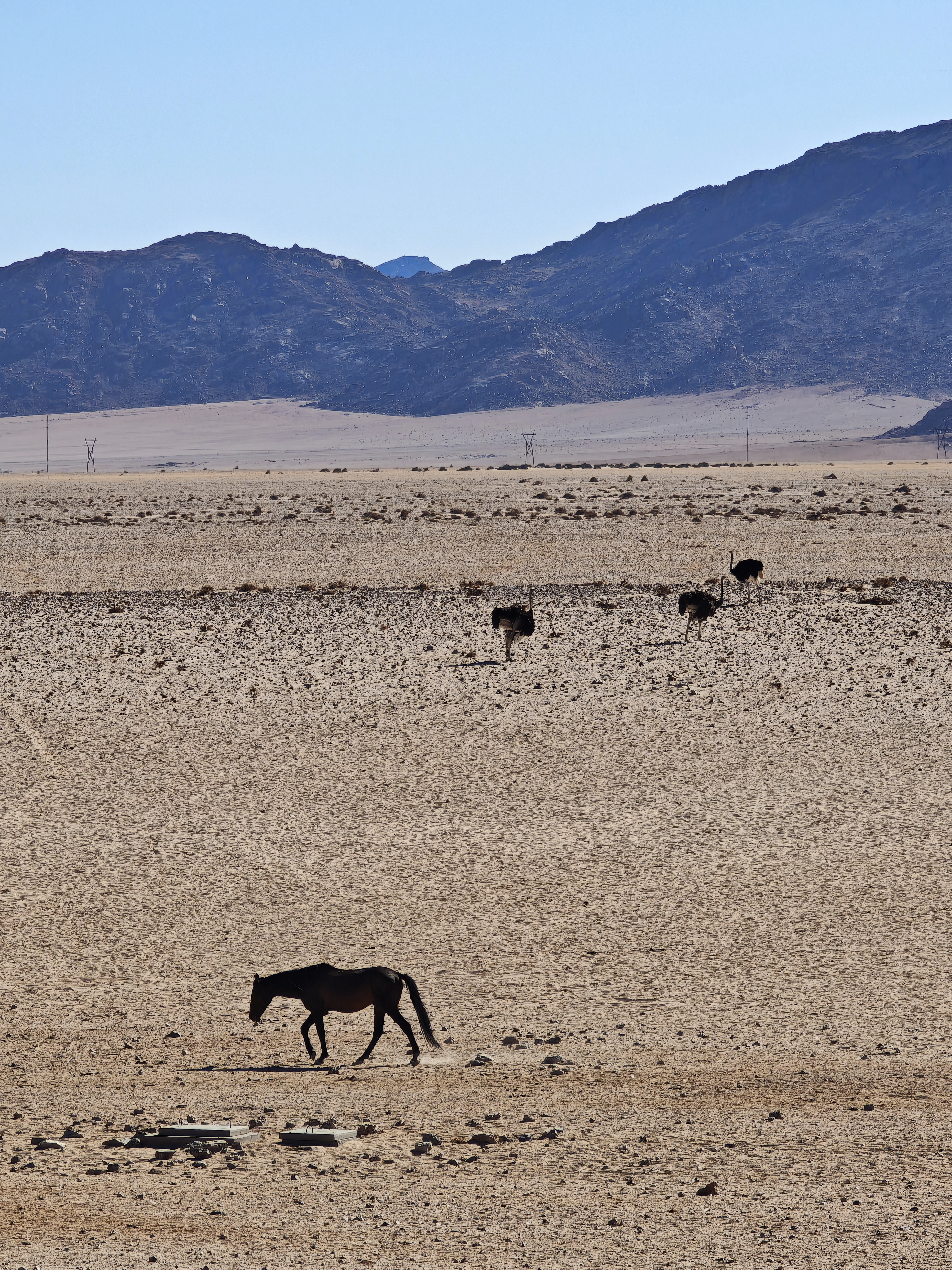
Our first stop in Namibia was Luderitz where we visited the wild horses of the desert. The Namib Desert is one of the oldest and harshest environments on Earth, spanning more than 2,000 kilometers along the Atlantic coast of Namibia and Angola.
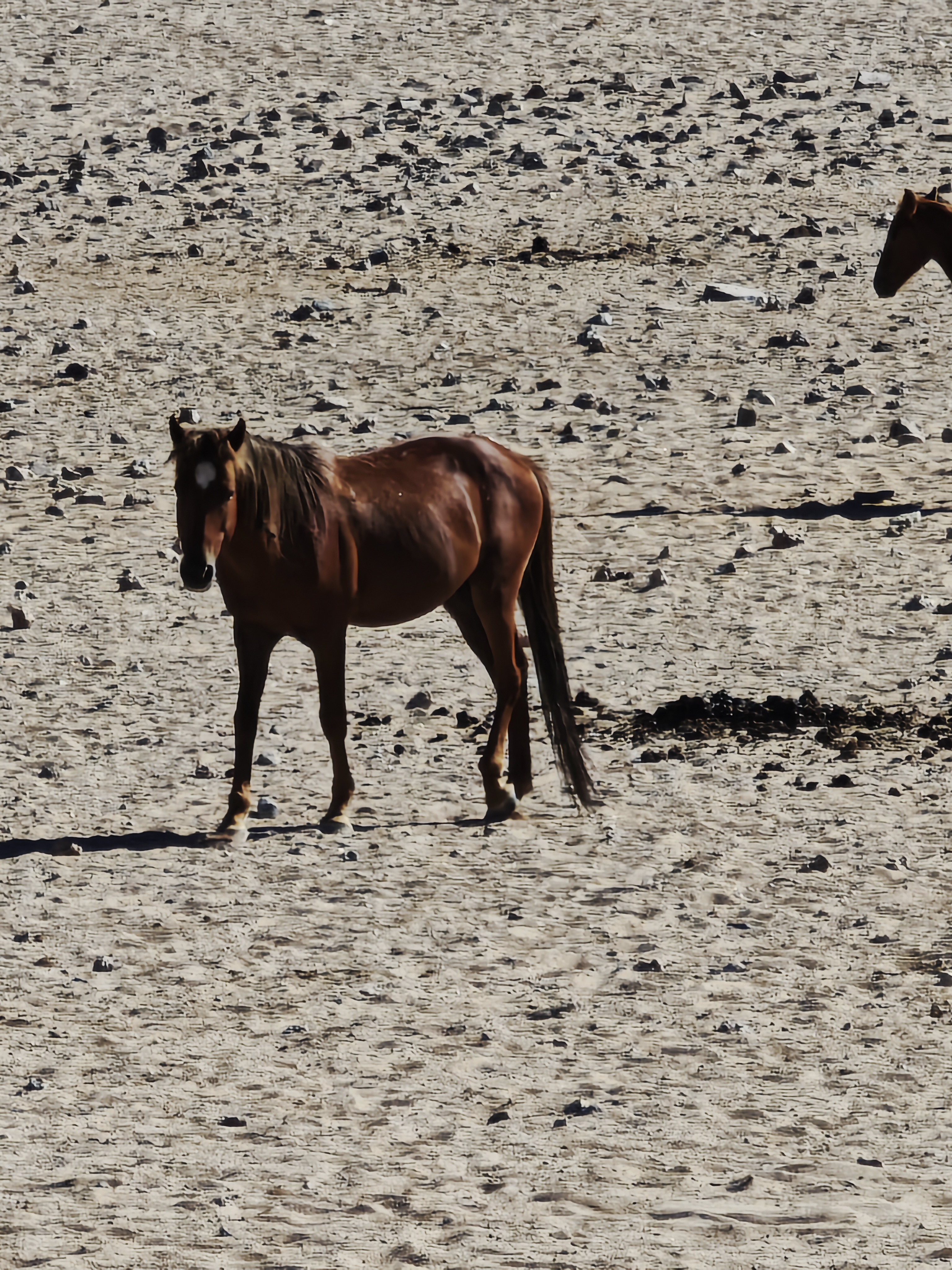
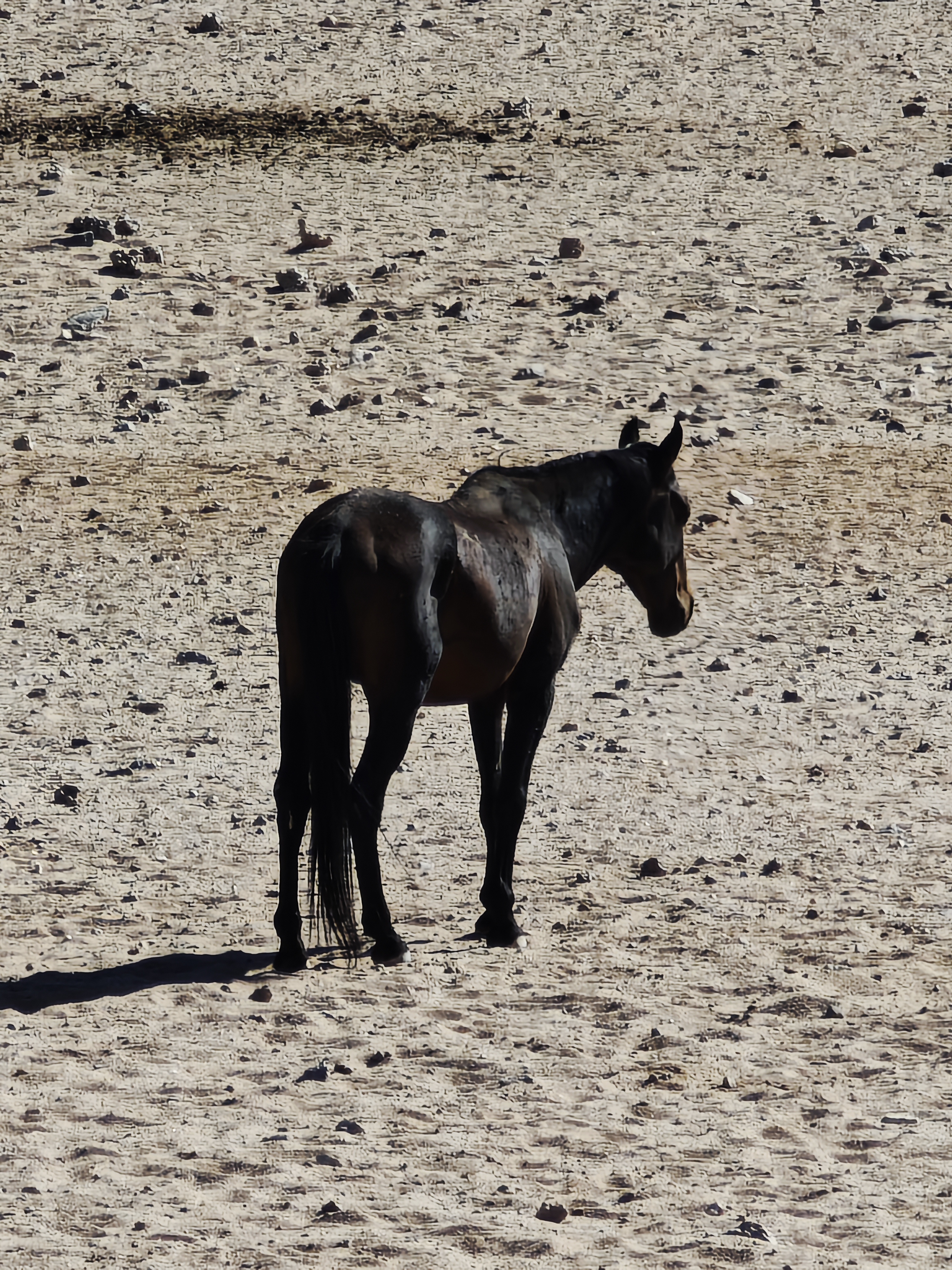
The Namib’s, as the free horses of the Namib Desert are called, live on the barren plains around Garub on the eastern fringe of the Namib Desert, their origin is shrouded in mystery. Despite the harsh, arid landscape, they have adapted and survived against all odds. In the entirety of Africa, this is the only feral herd that can be found. Even though they share genetic links to Arabian-type horses, Namib Desert horses do not resemble them physically. Both breeds fall under the “hot-blooded” classification, characterized by athleticism and lean muscularity. People believe that these horses had German origins and congregated in the Garub plains in Namibia when the German’s left. The key characteristic of this horse is it adaptability. It has adapted itself to desert life thanks to its over 100 years of existence in the desert.
An employee at Consolidated Diamond Mine named Jan Coetzer proved invaluable by not only arranging water provisions but also rallying support for their wellbeing – this period marks an integral chapter in their conservation history, revealing just how human intervention played into their survival efforts. Horse numbers were critically low by 1984, but their fortunes changed with their habitat becoming a part of Namib-Naukluft Park.
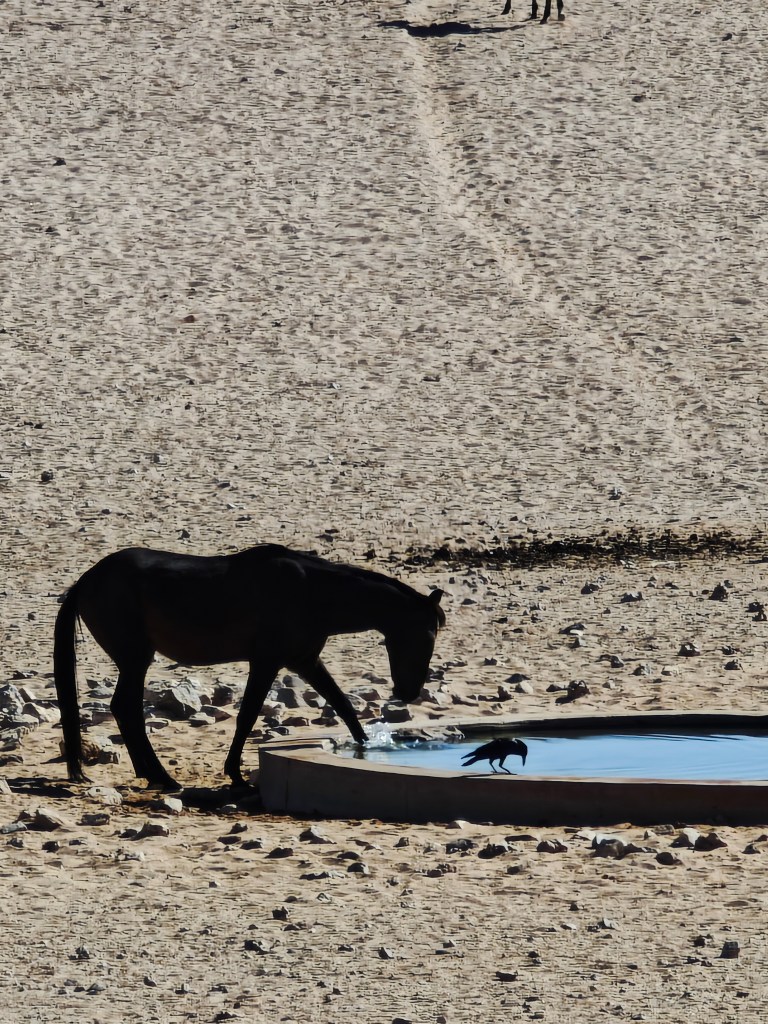
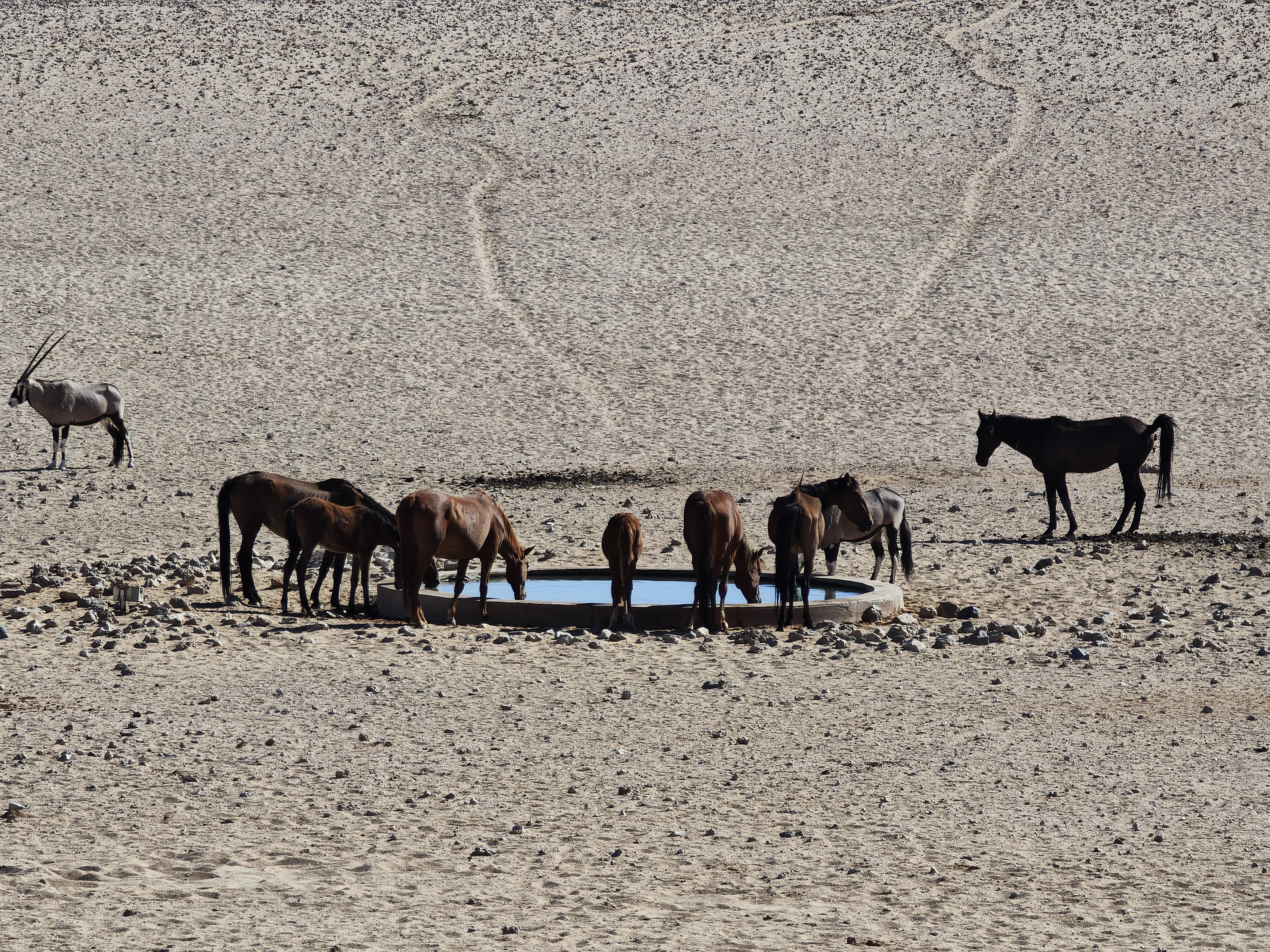
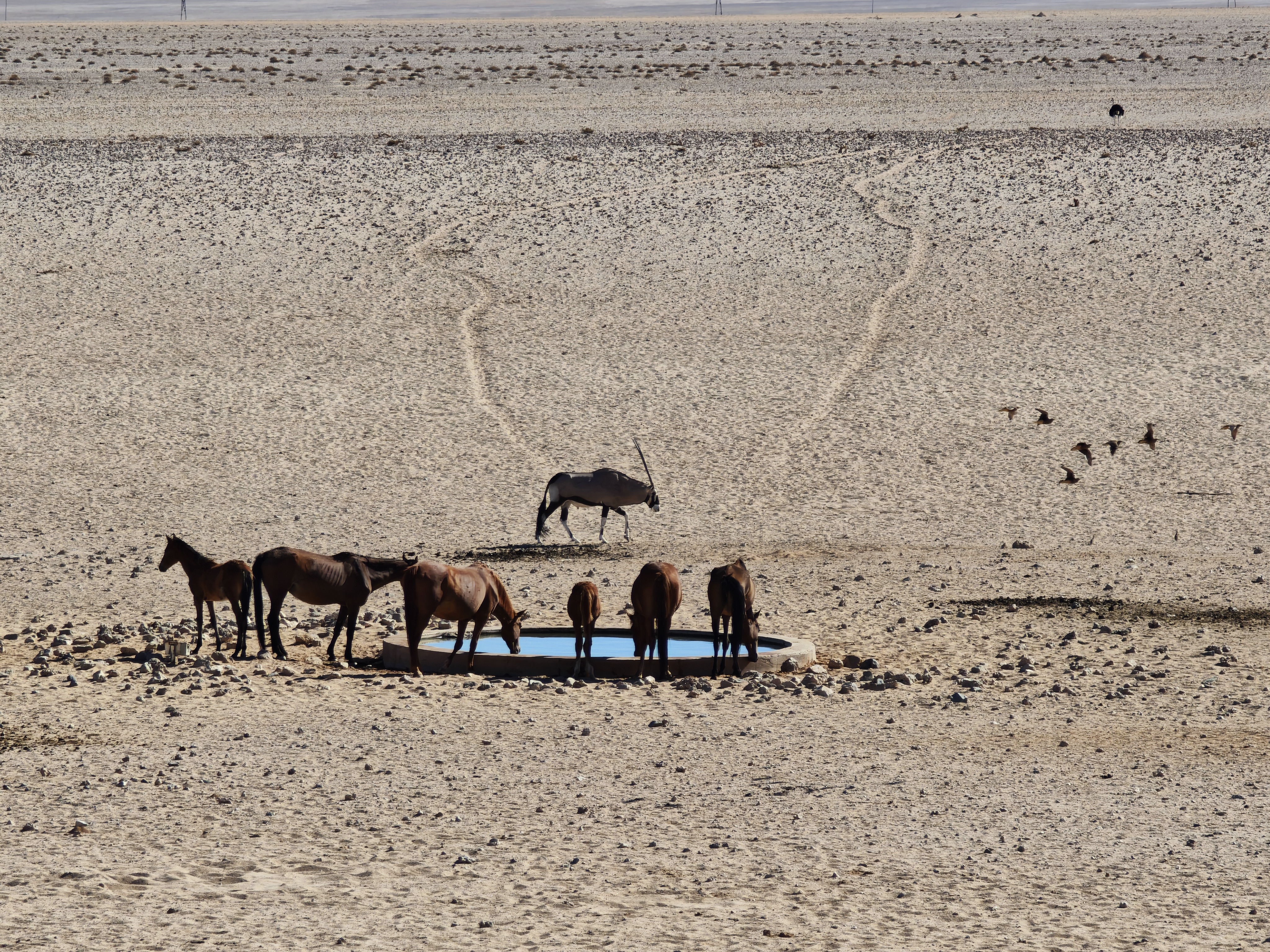
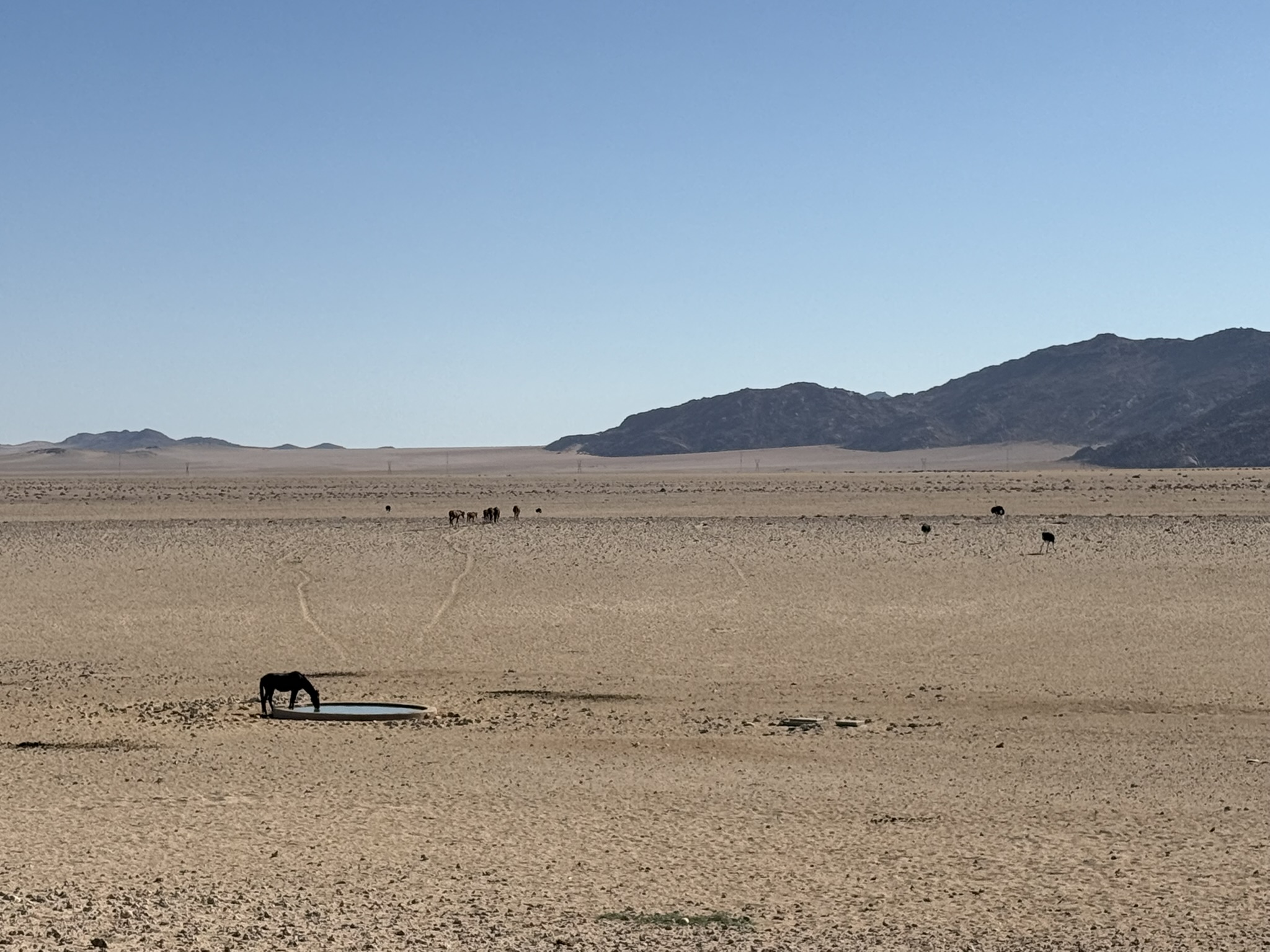
It was fun to arrive in the bus and have our guide mention, “we’re lucky today, here they come.” We saw this group of eight or nine come from our left to the watering hole. Next the single male had his time at the watering hole as the herd wandered up the sandy desert.
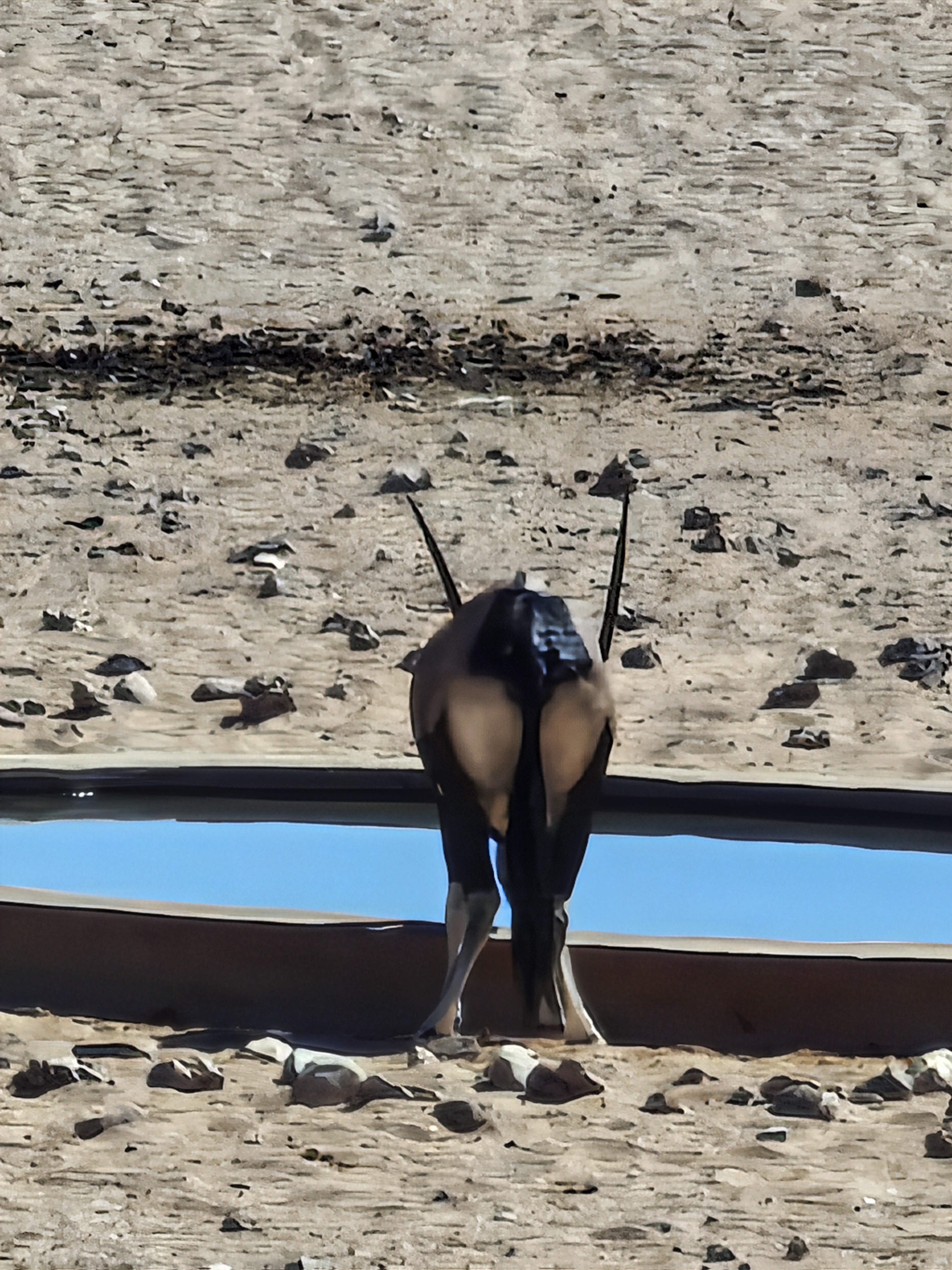
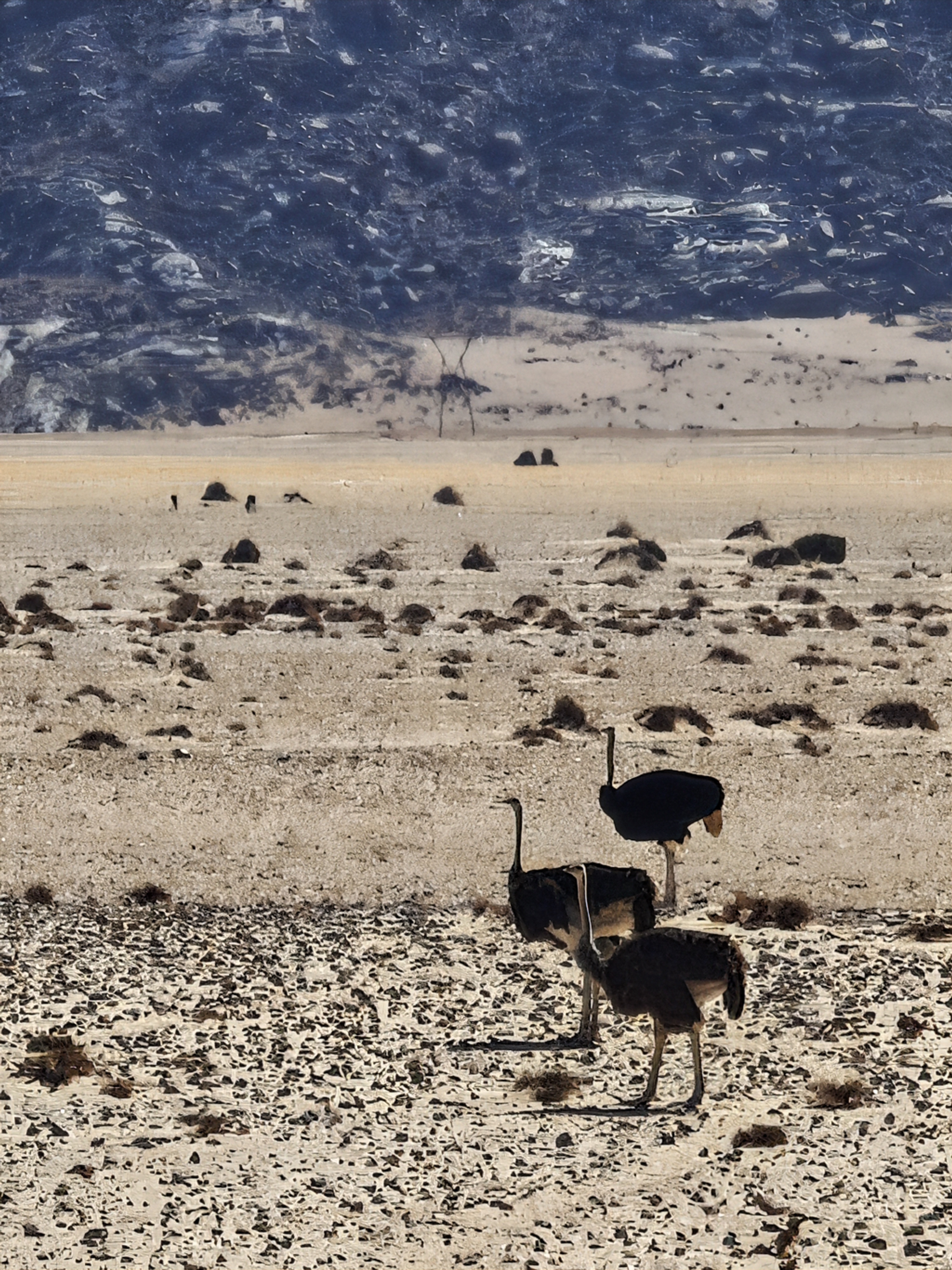
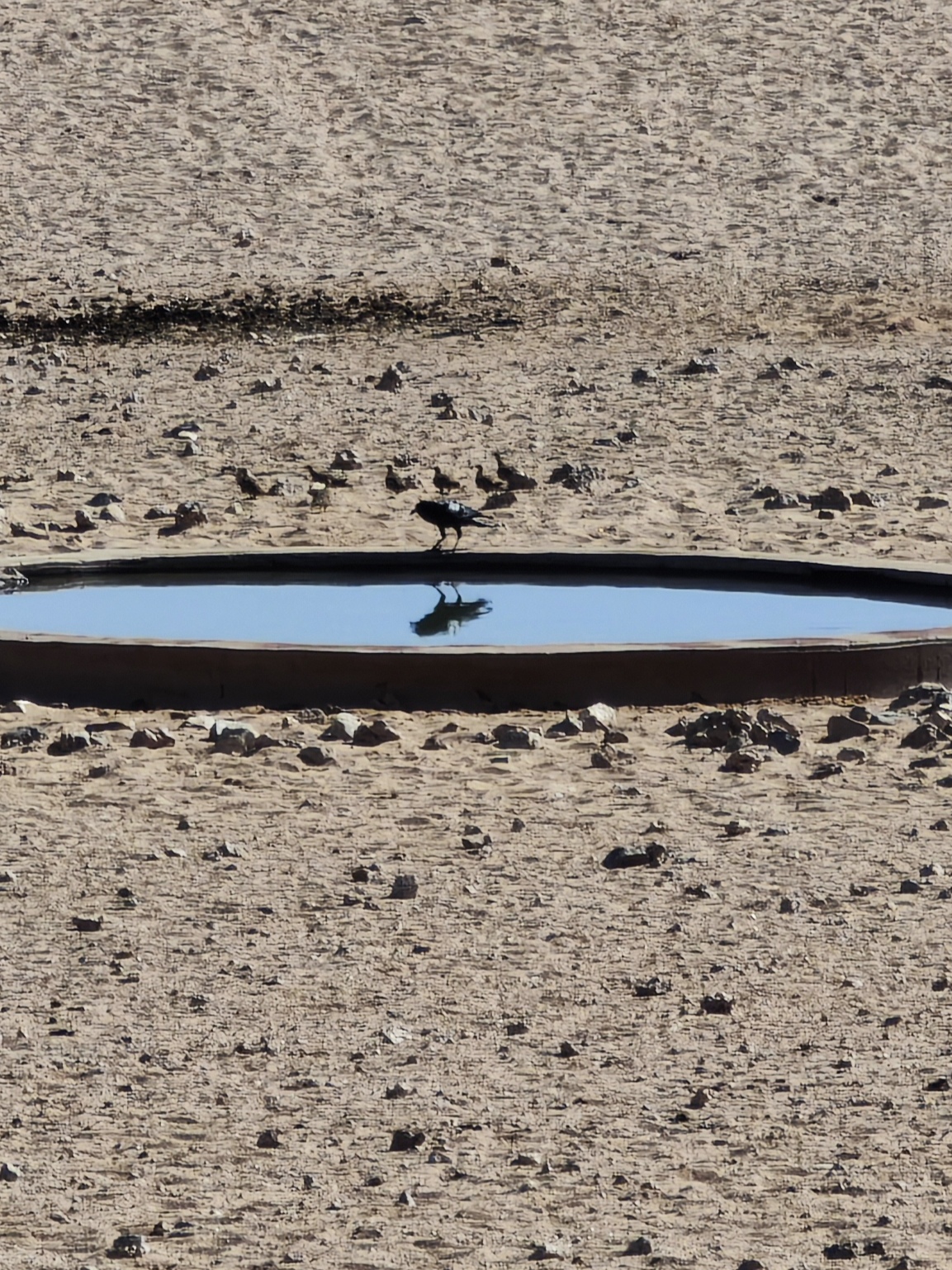
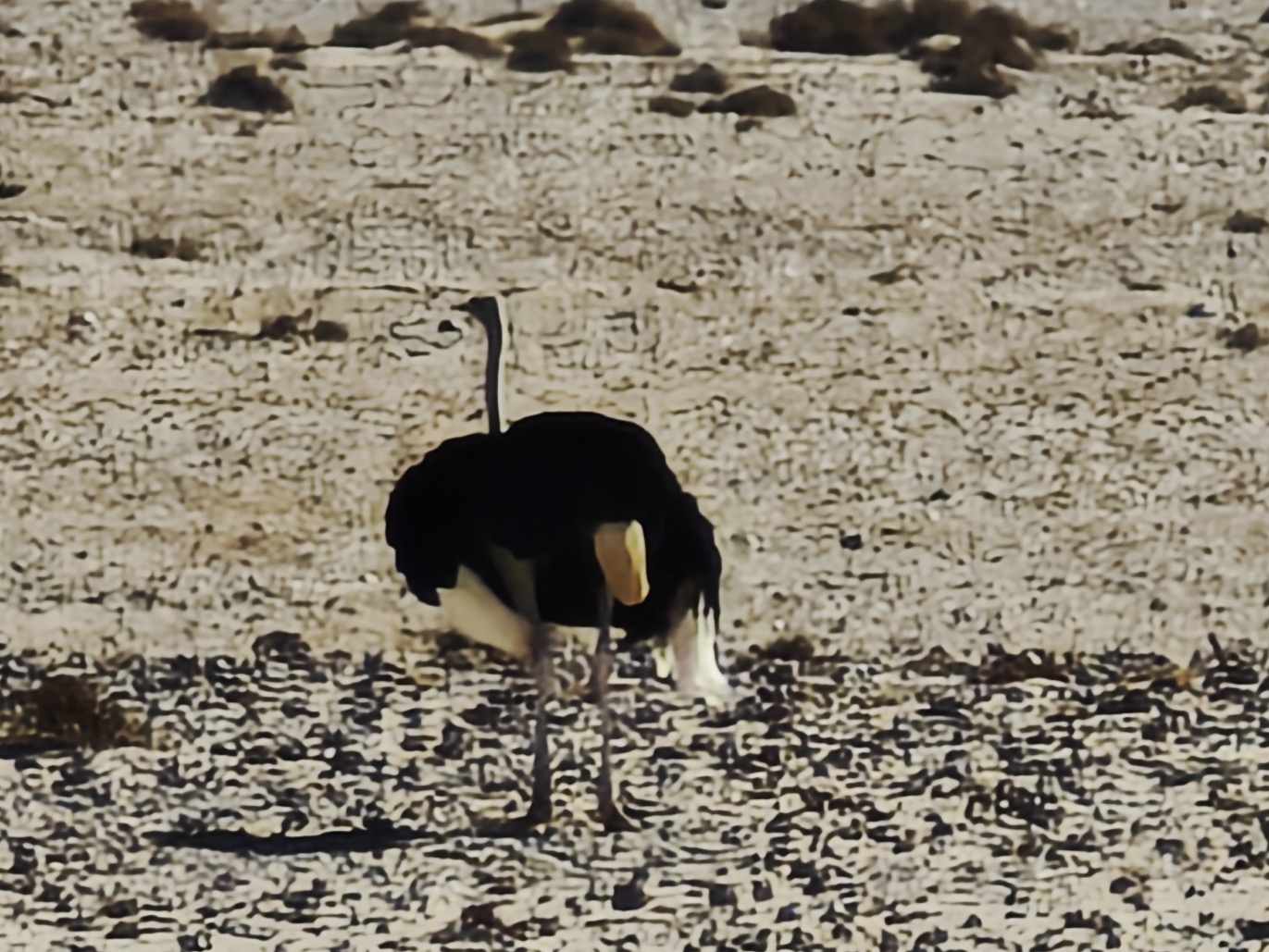
When the horses had enough water, the oryx’s game to drink. We saw ostriches but they didn’t take their turn at the watering hole.
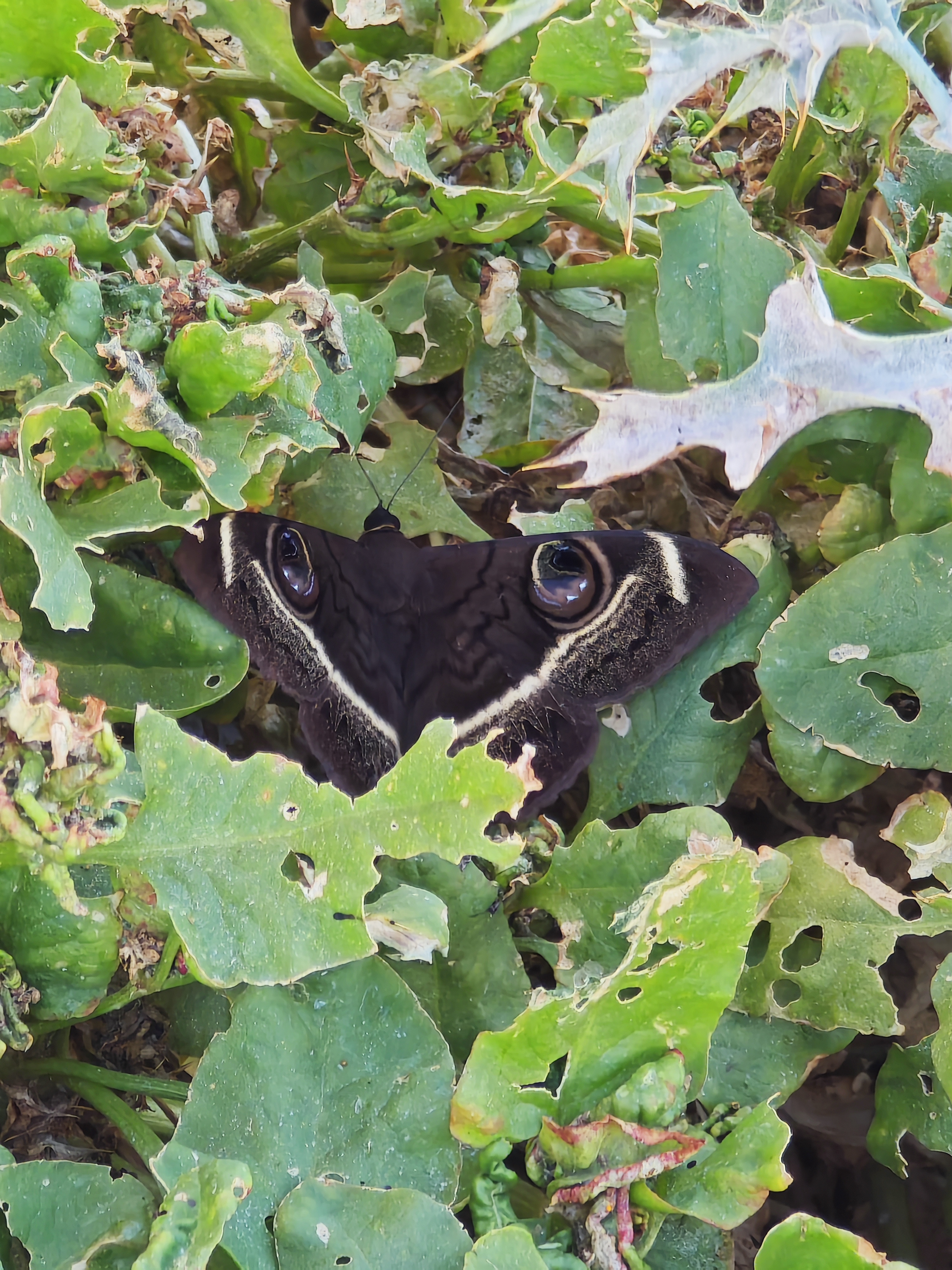
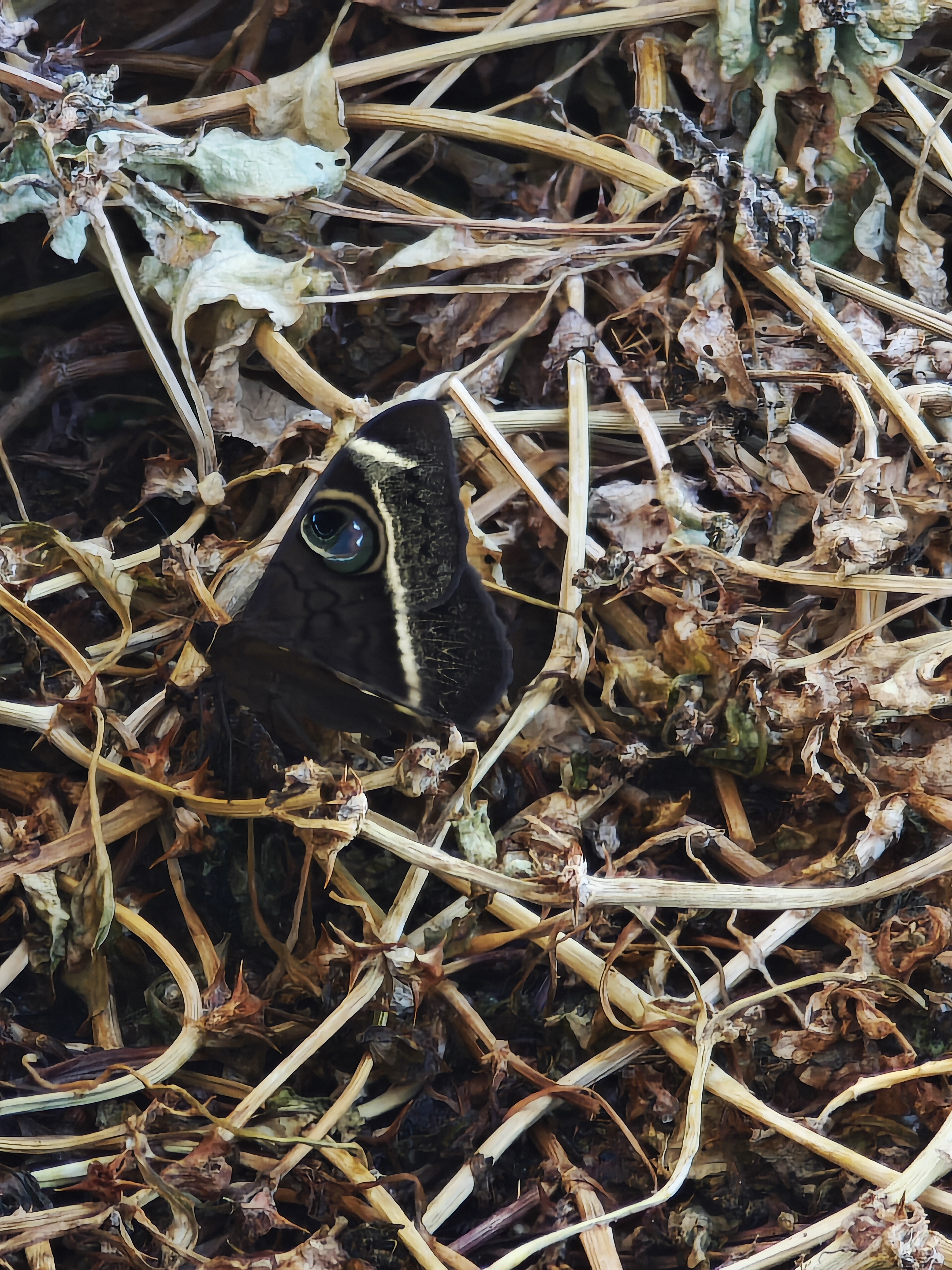
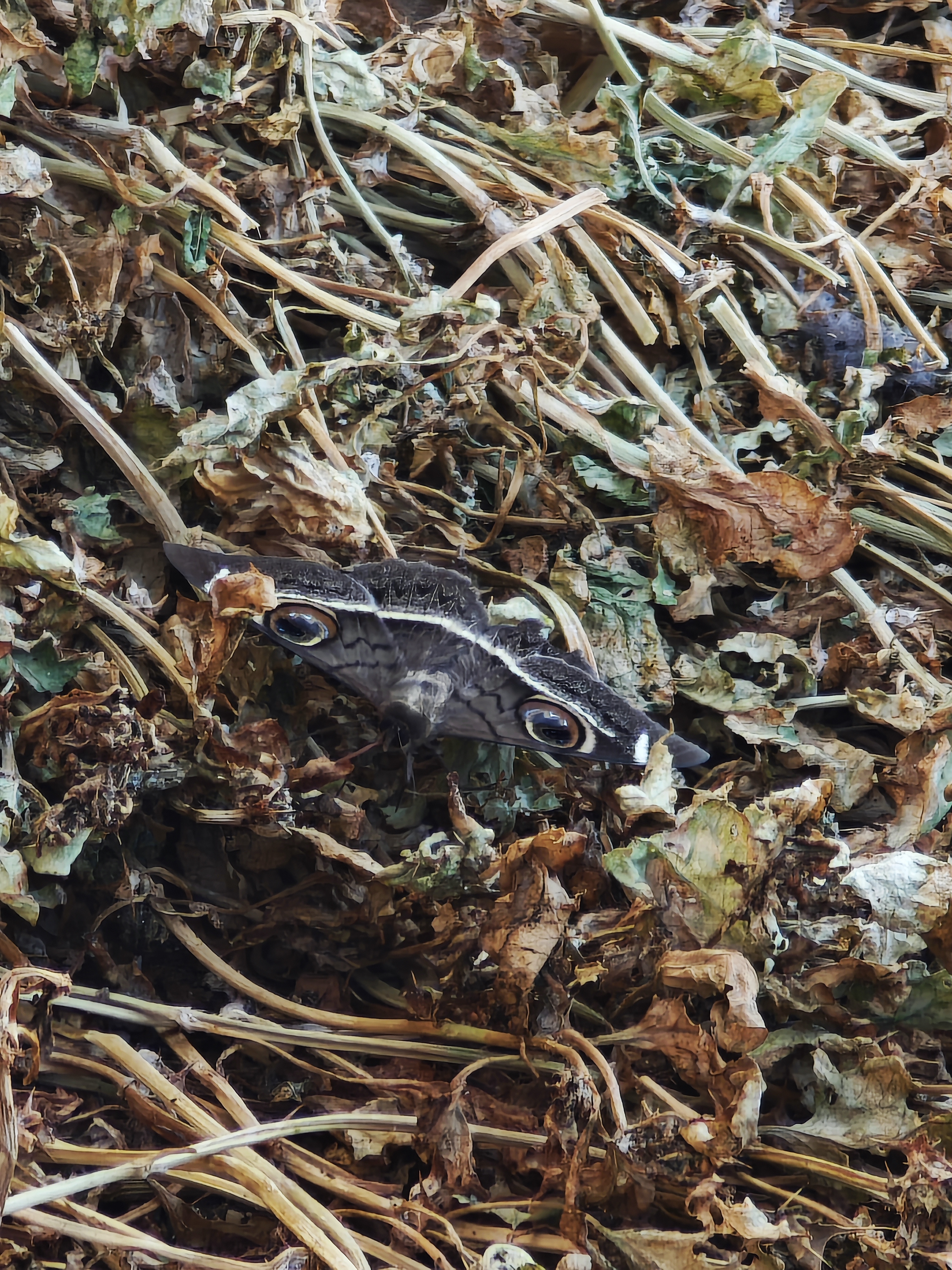
Find the butterfly at the watering hole! The toilets were up the hill from the viewing area and if you go around the back where the water does come in, it is a respite for little creatures where the water leaks onto the ground!
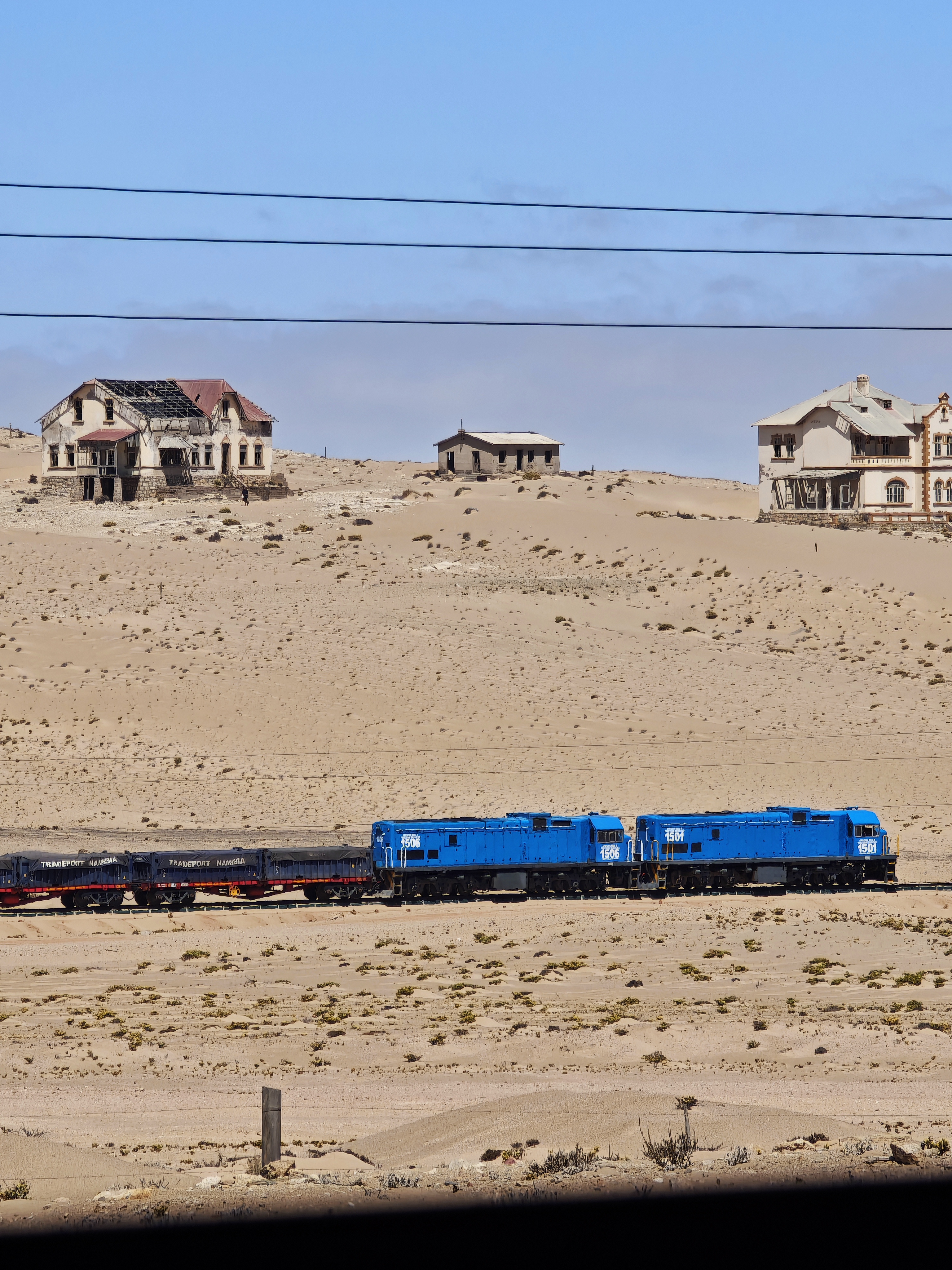
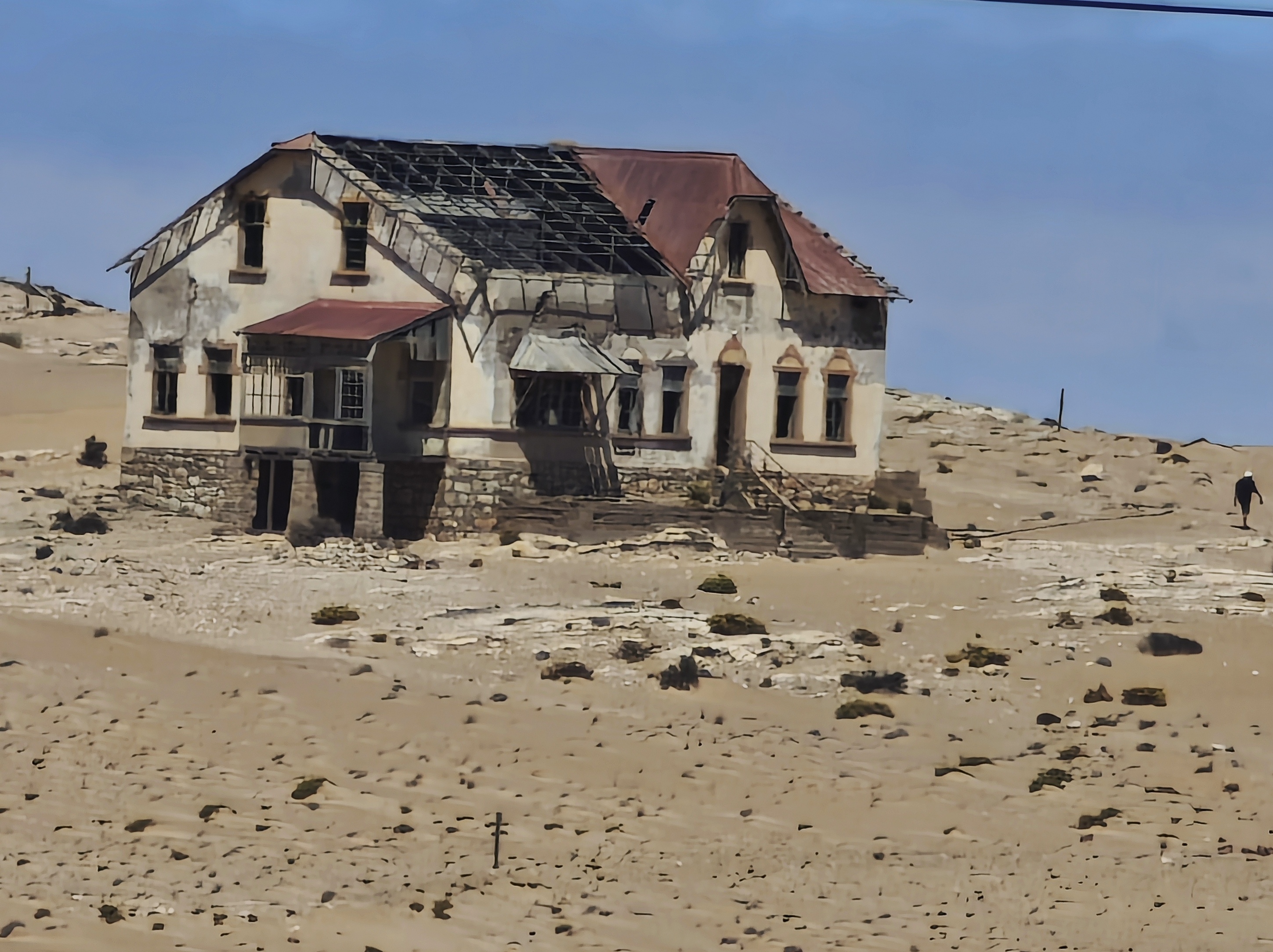
We knew of a few passengers who took the trip to just walk around the ghost town, Kolmanskop because they wanted to see how different the houses looked after 20 years (not much!) We were lucky and at least had a photo op to enjoy them from a distance. The area had been rich in diamonds but was over taken by diamonds being found on beach terraces to the south in Namibia. It was completely abandoned in the 1950’s and is now knee deep in sand but a place to view Edwardian architecture. The trains slog slowly down to the ports. We saw this train on the way up going down and it was just passing the ghost town when we were heading back to the coast! I believe the cars held manganese heading down to load on a ship in Luderitz.
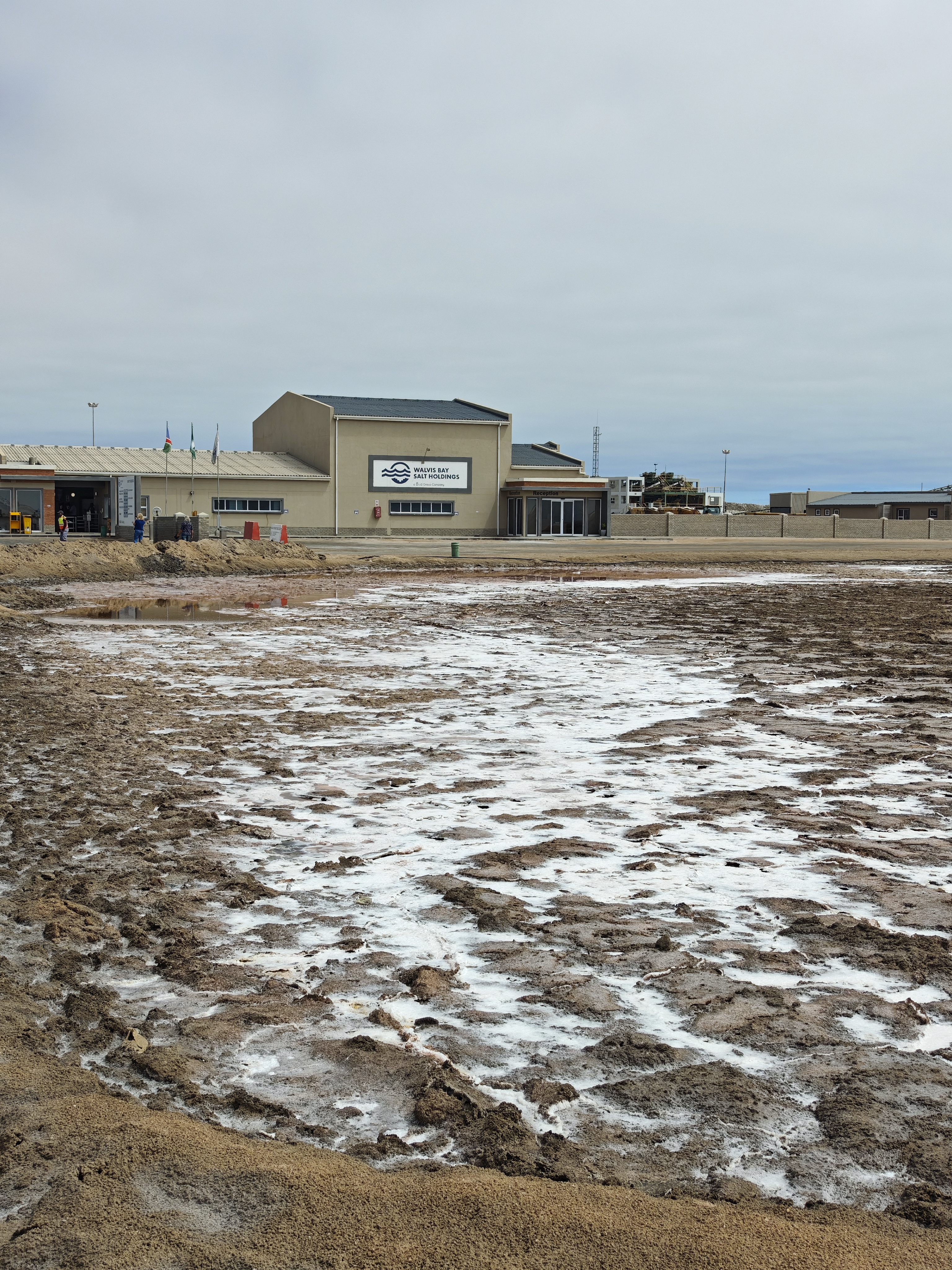
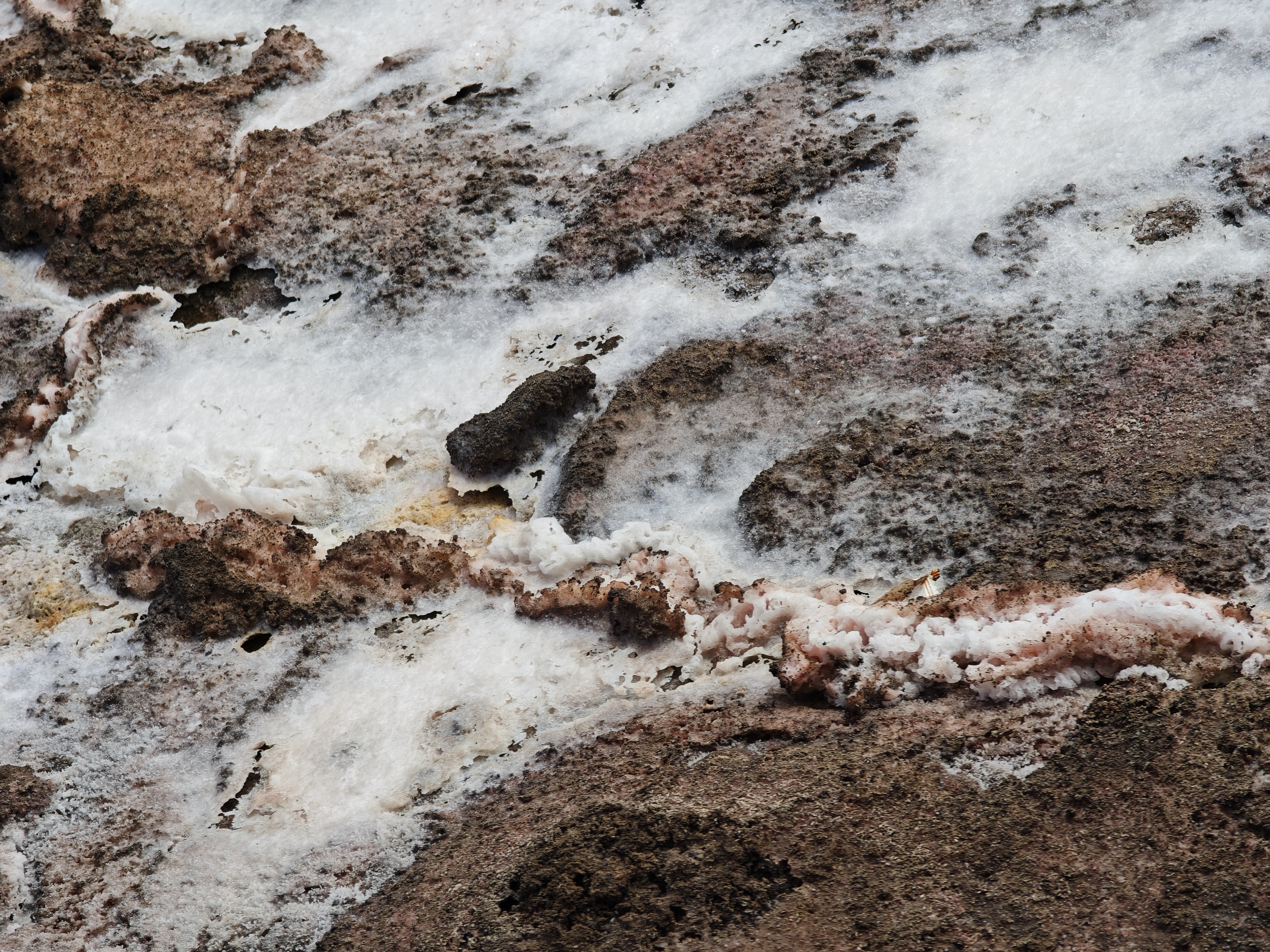
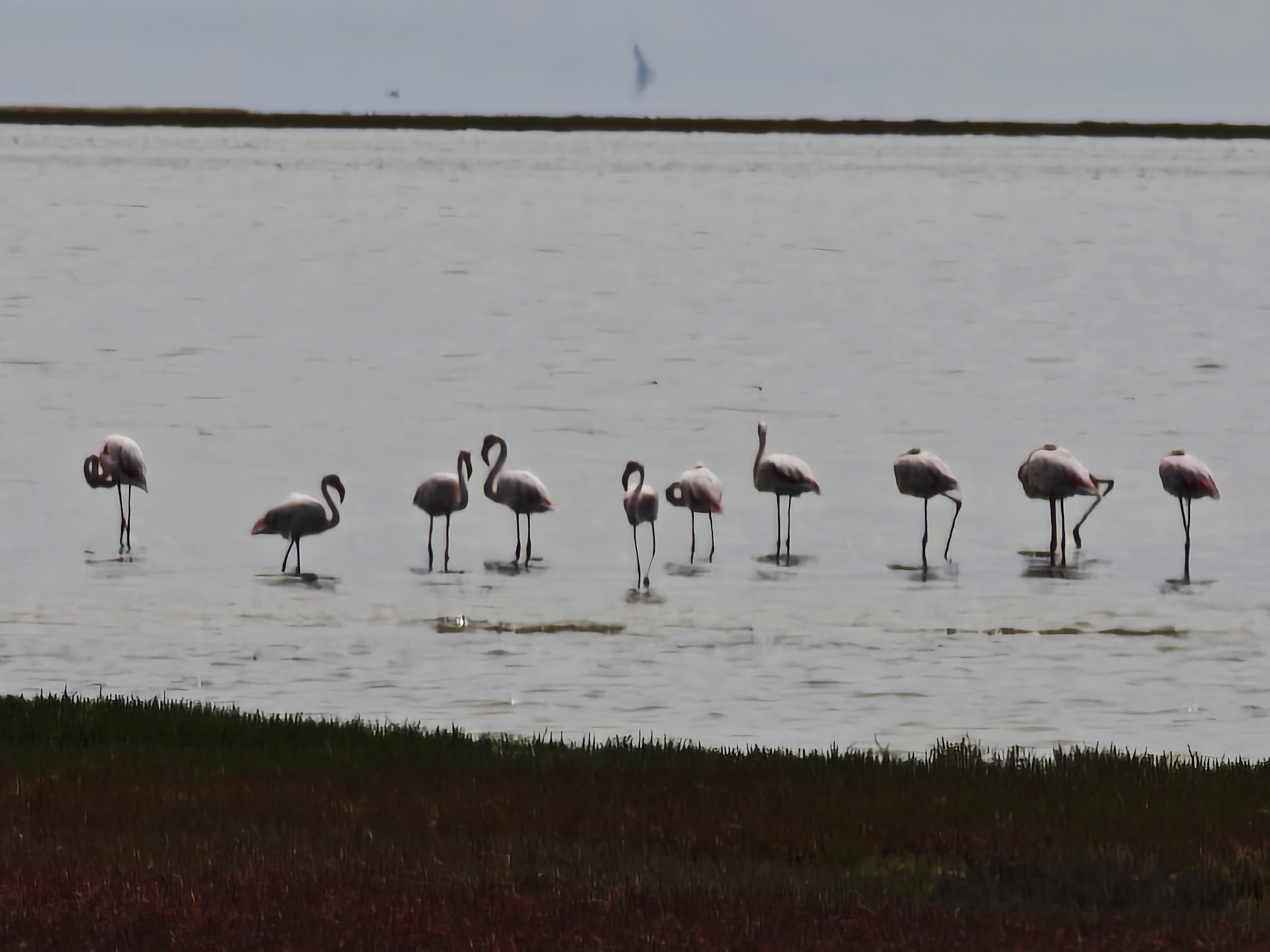
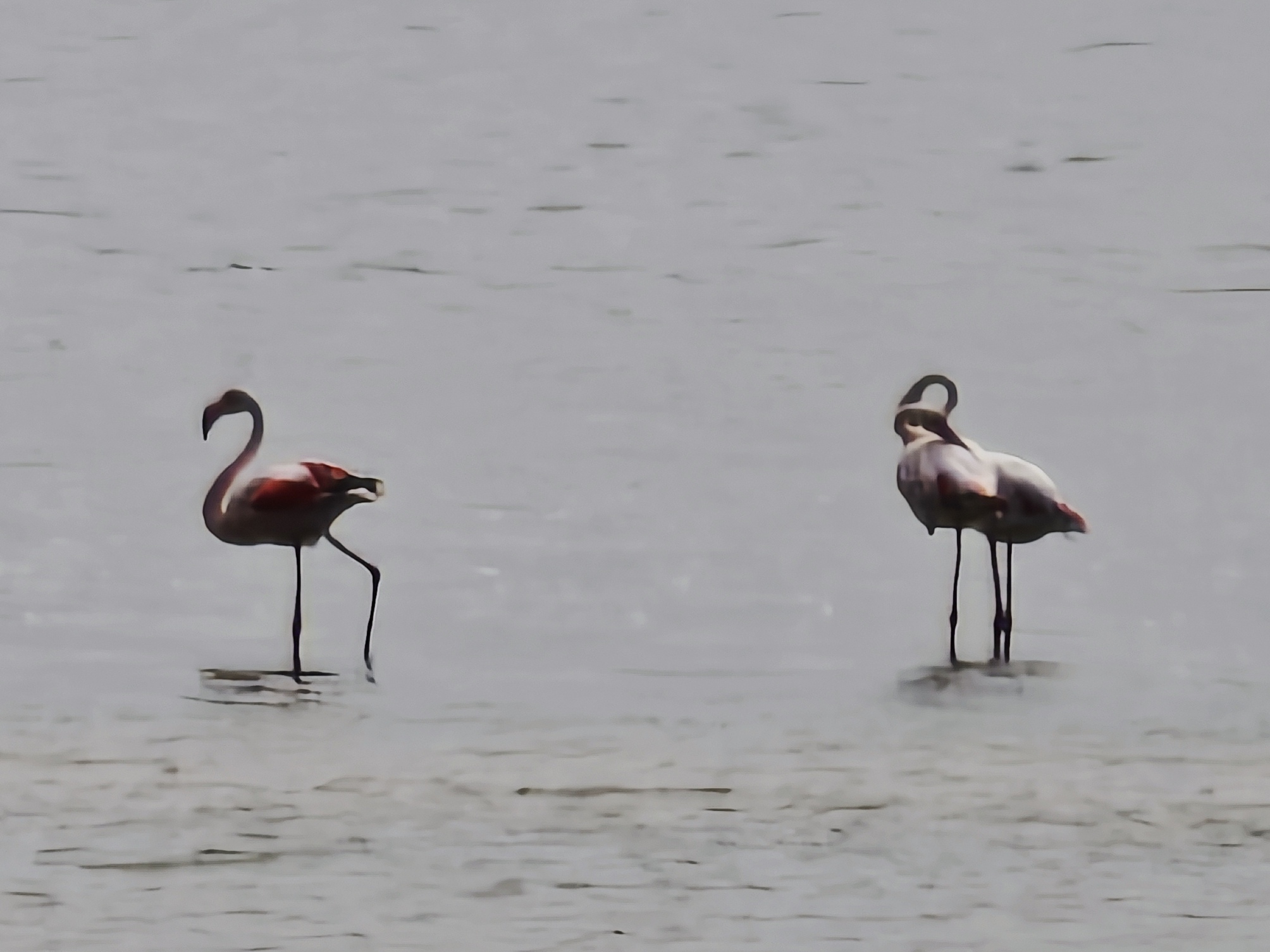
We arrived in Walvis Bay the next morning for an over night and started with an adventure to see the salt flats and to see flamingos. That was the quick part of the trip!
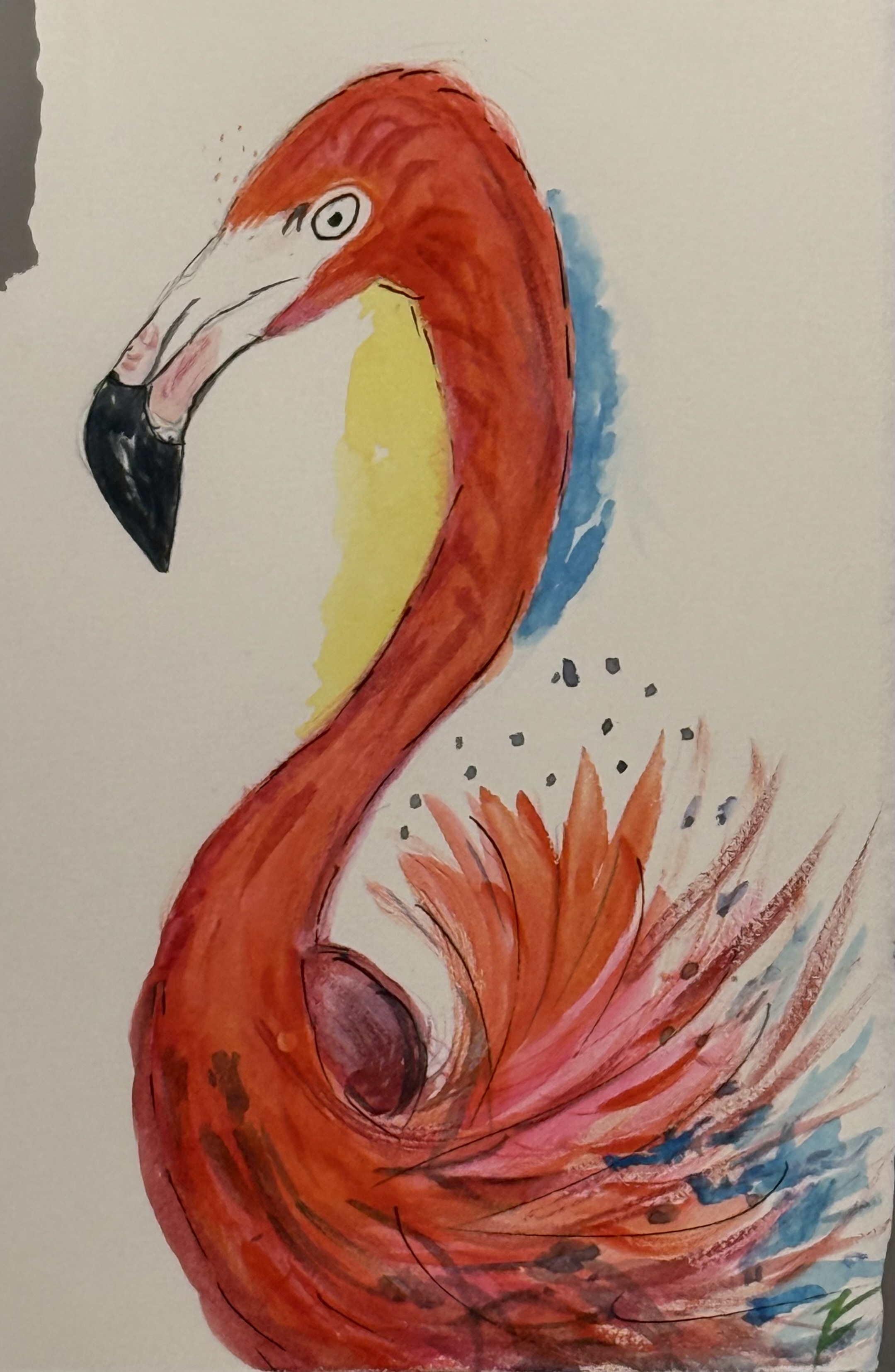
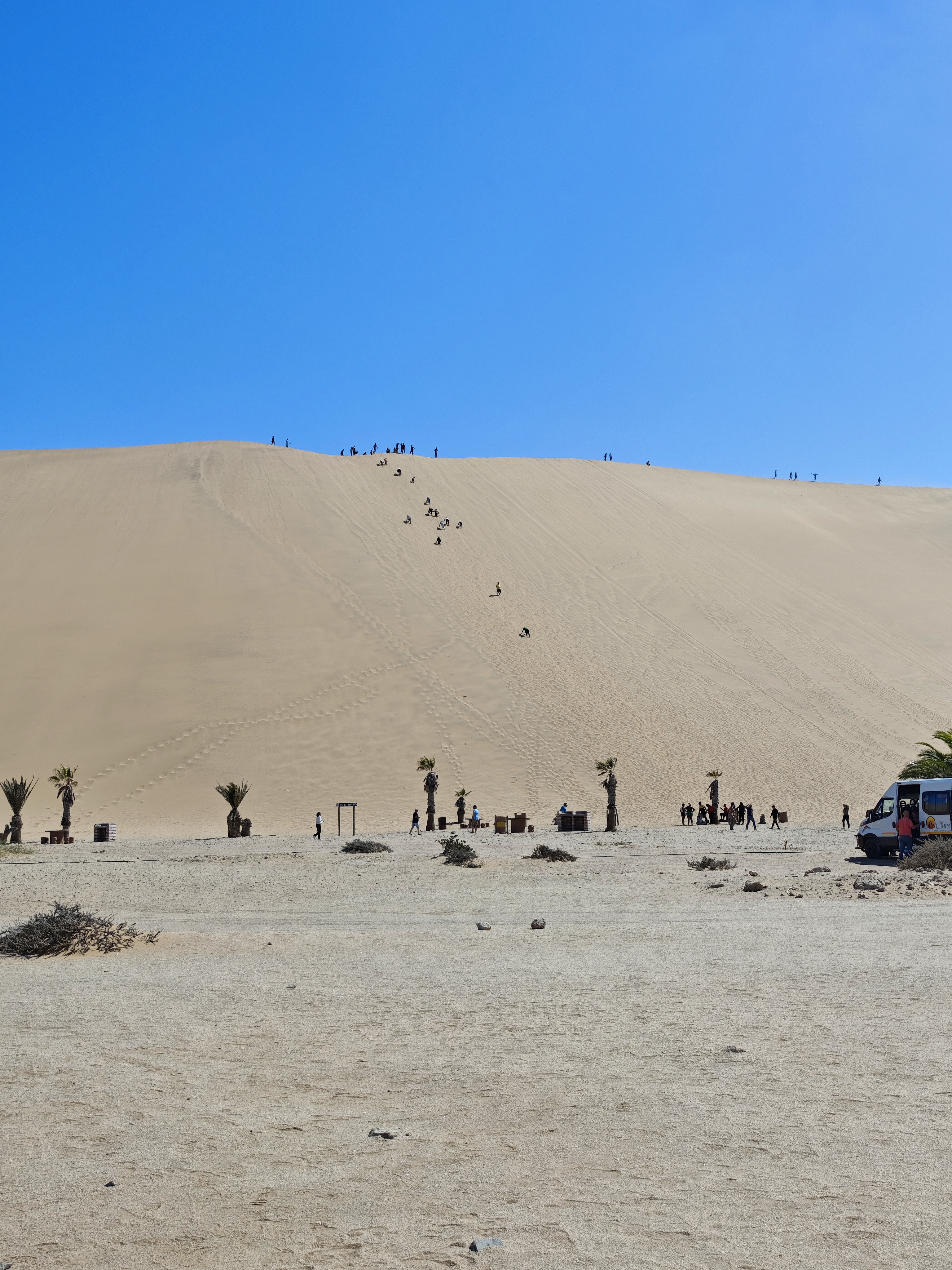
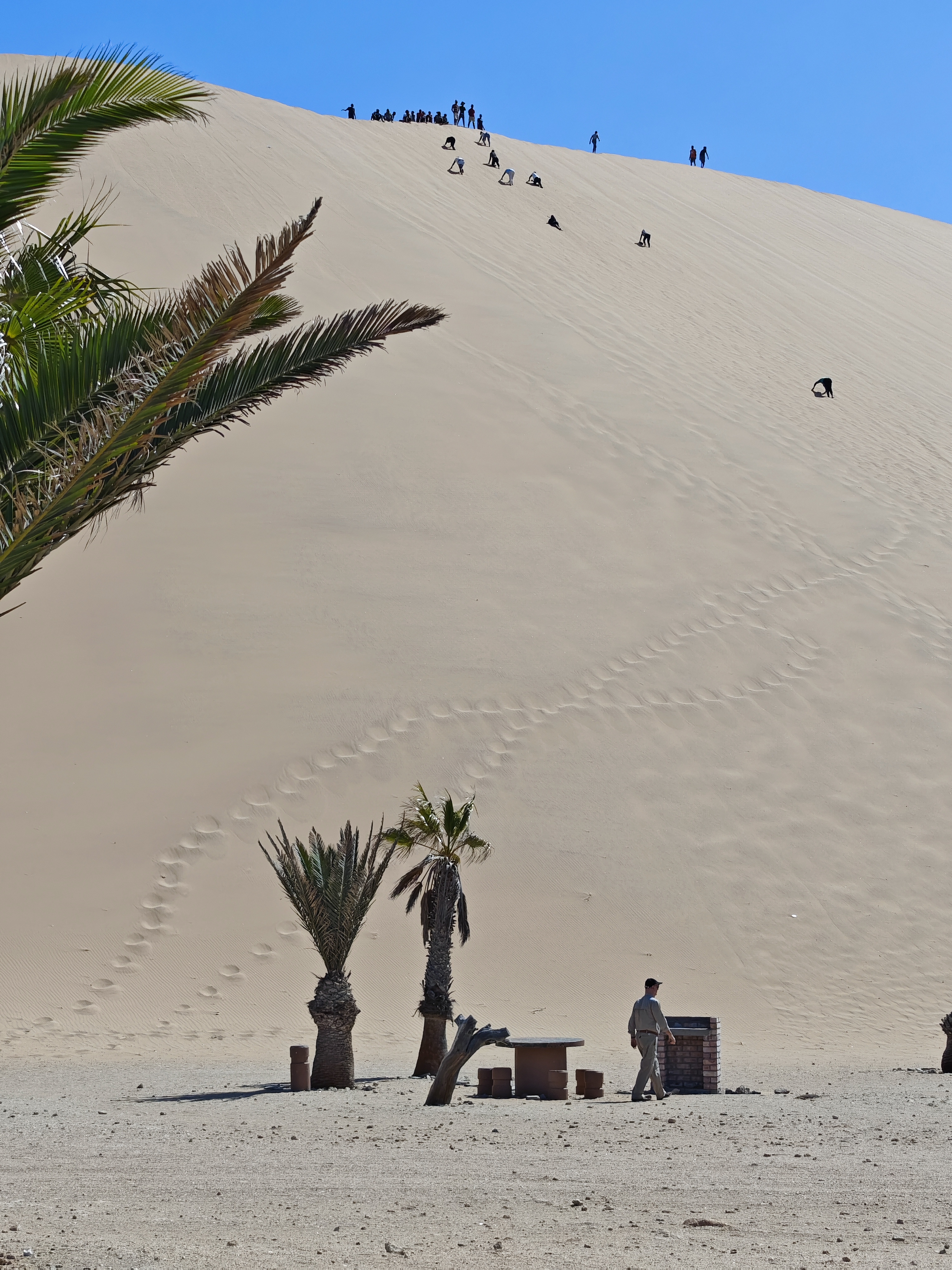
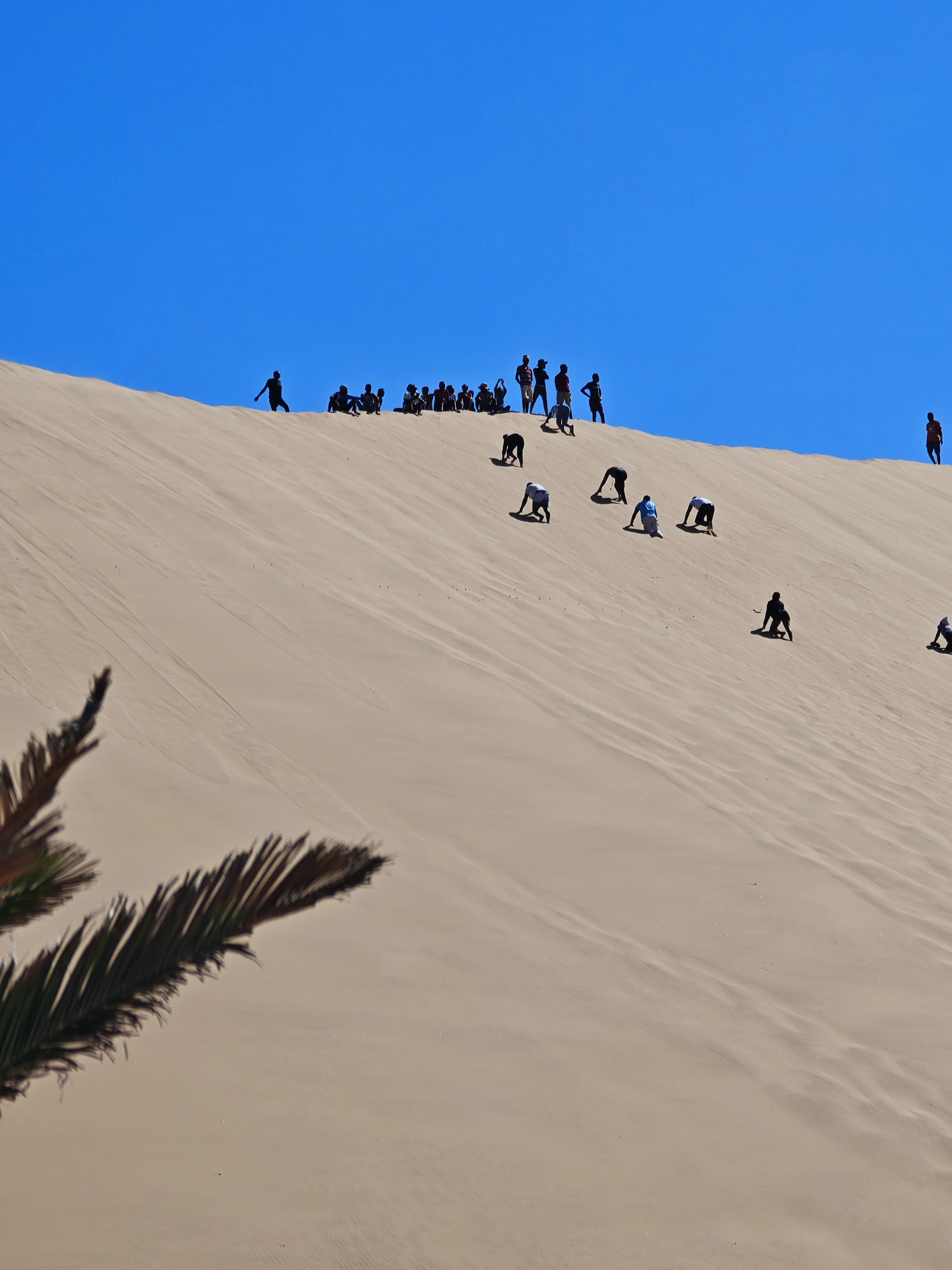
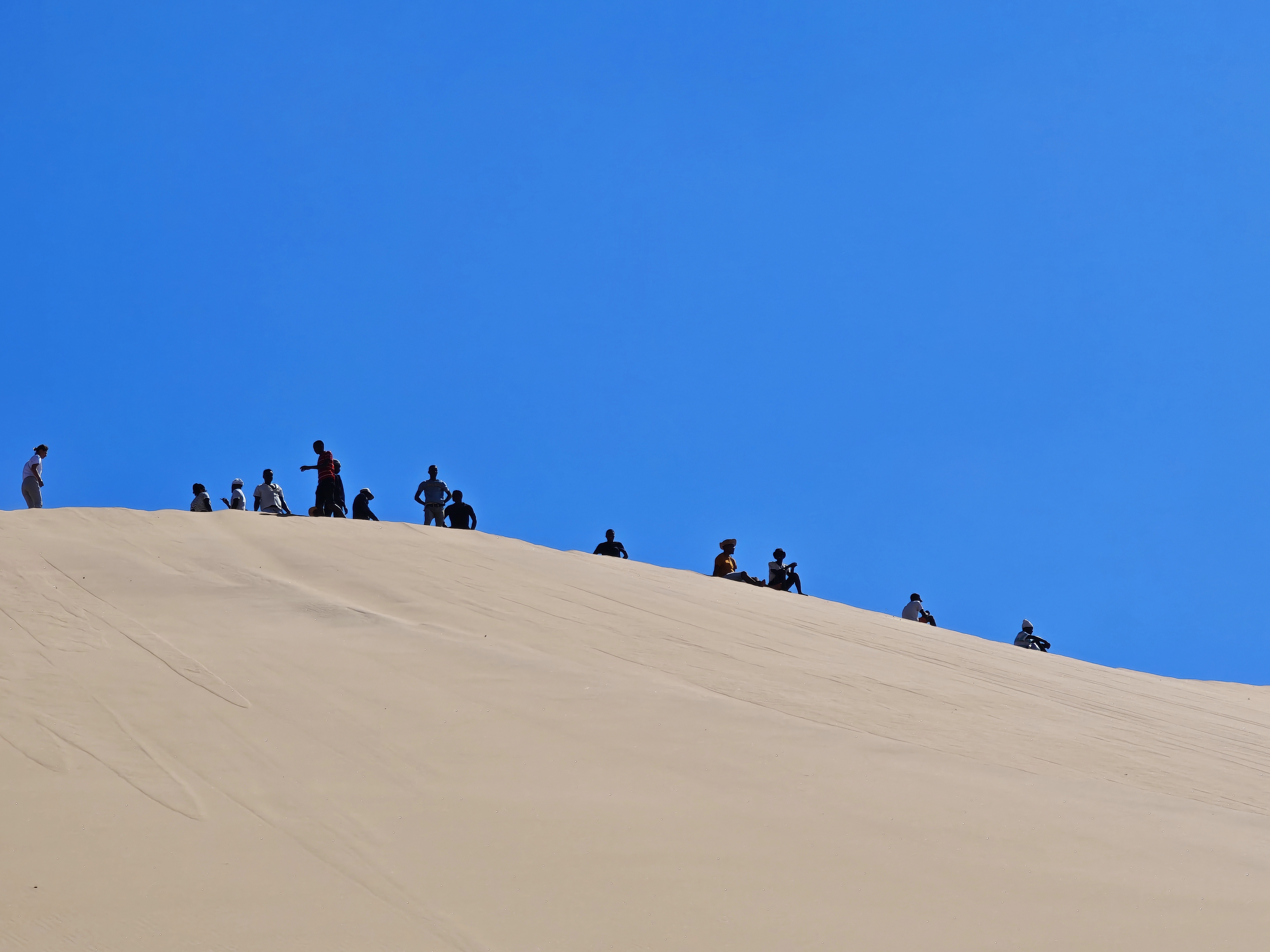
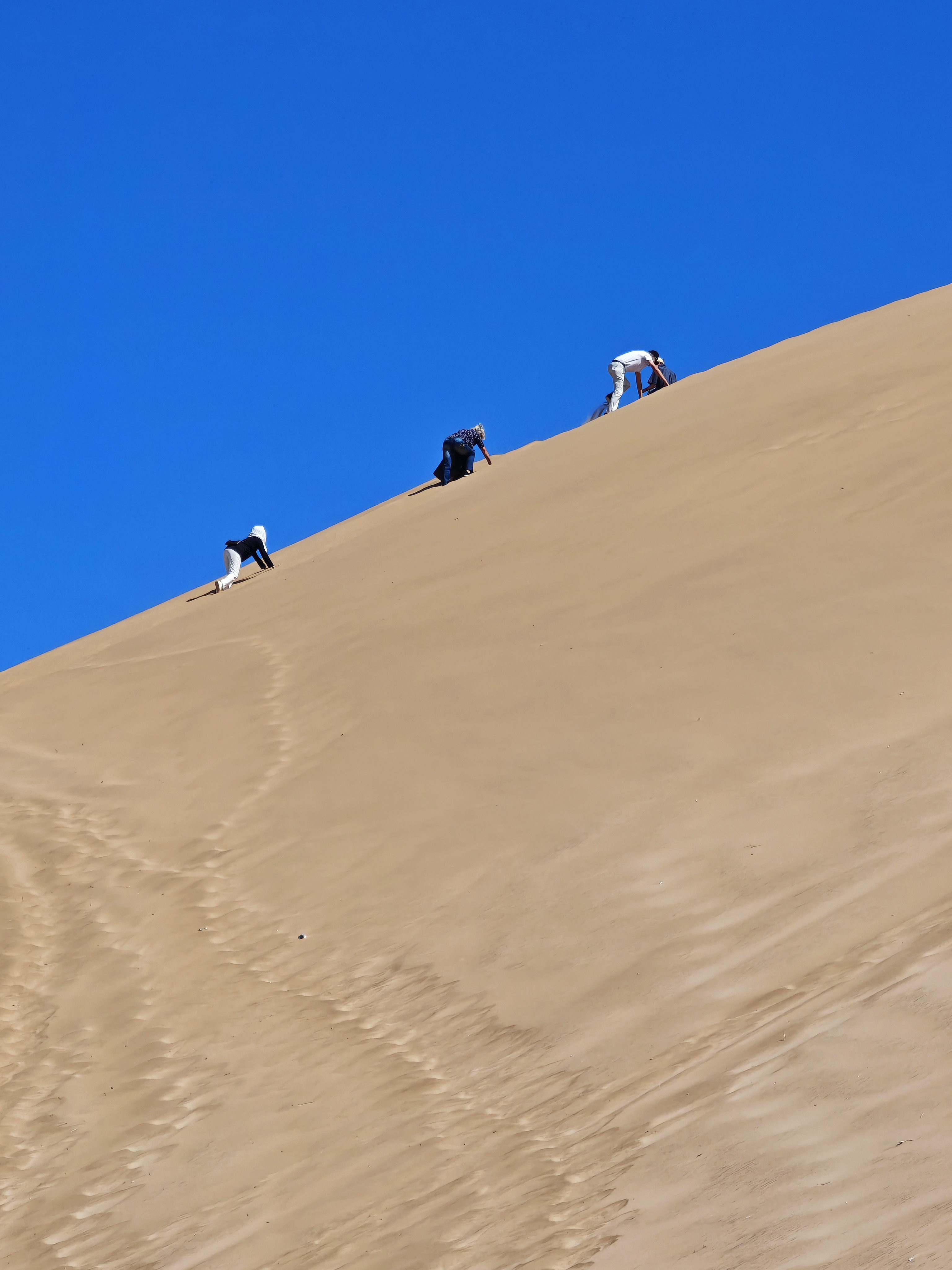
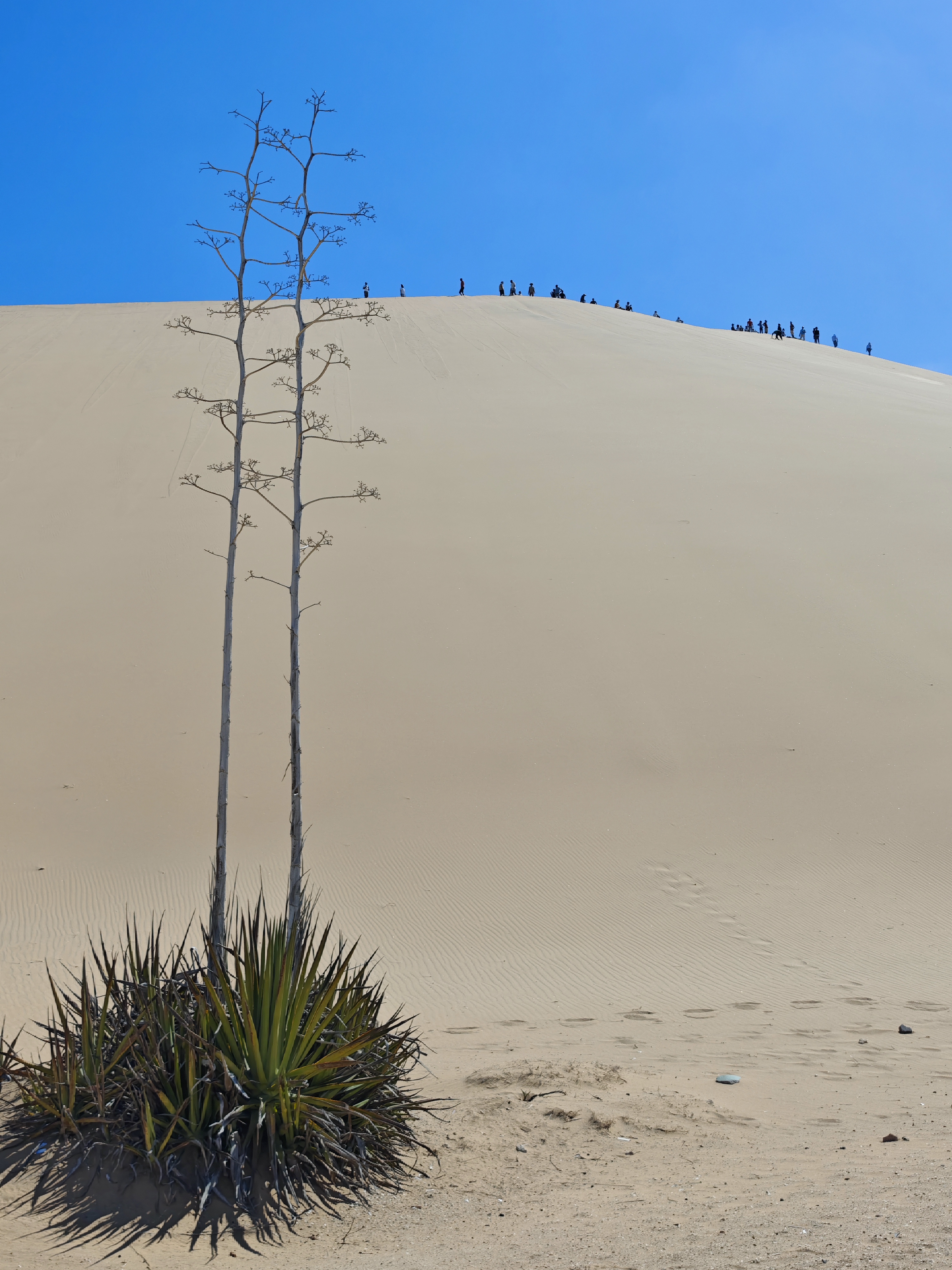
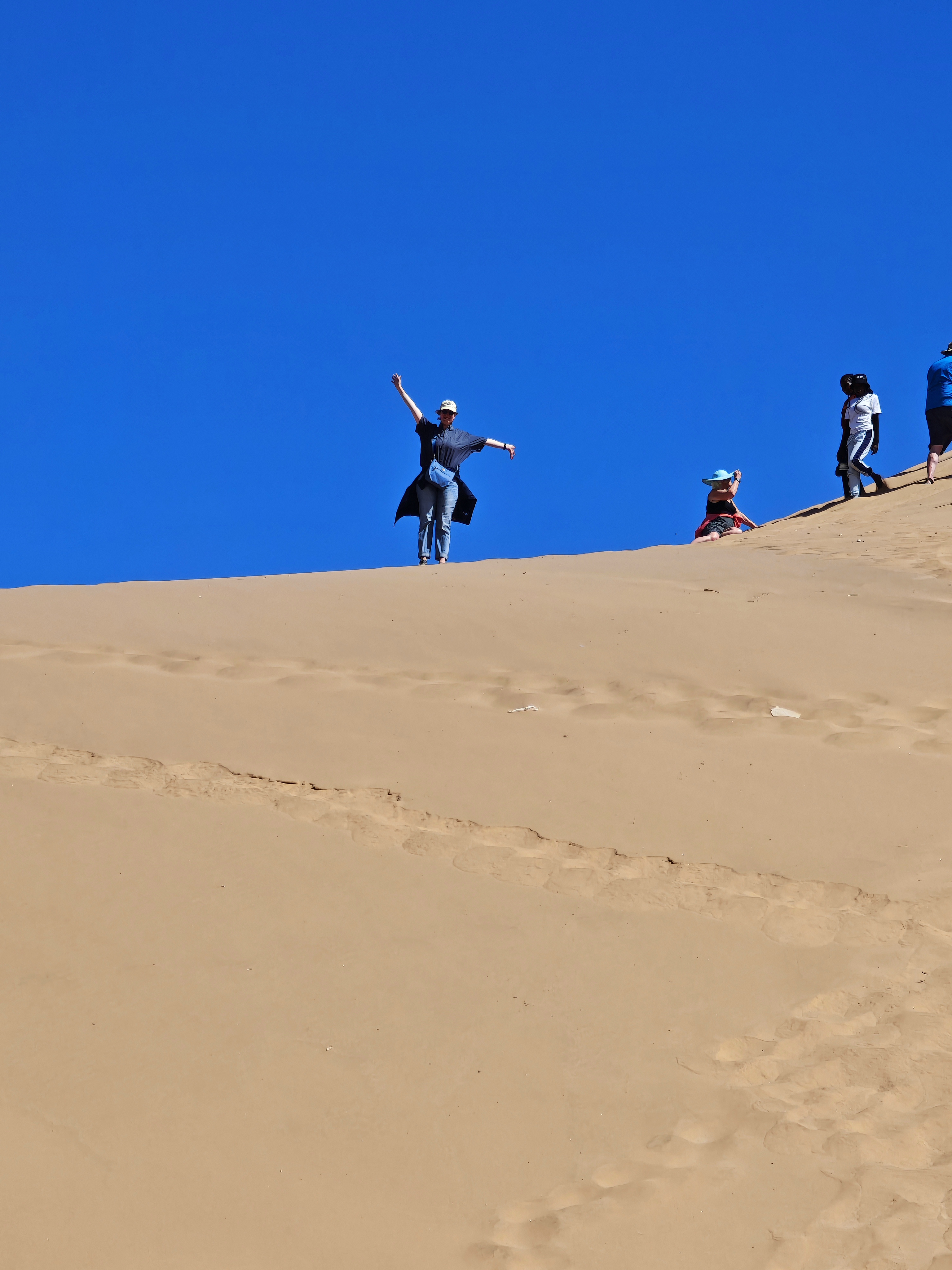
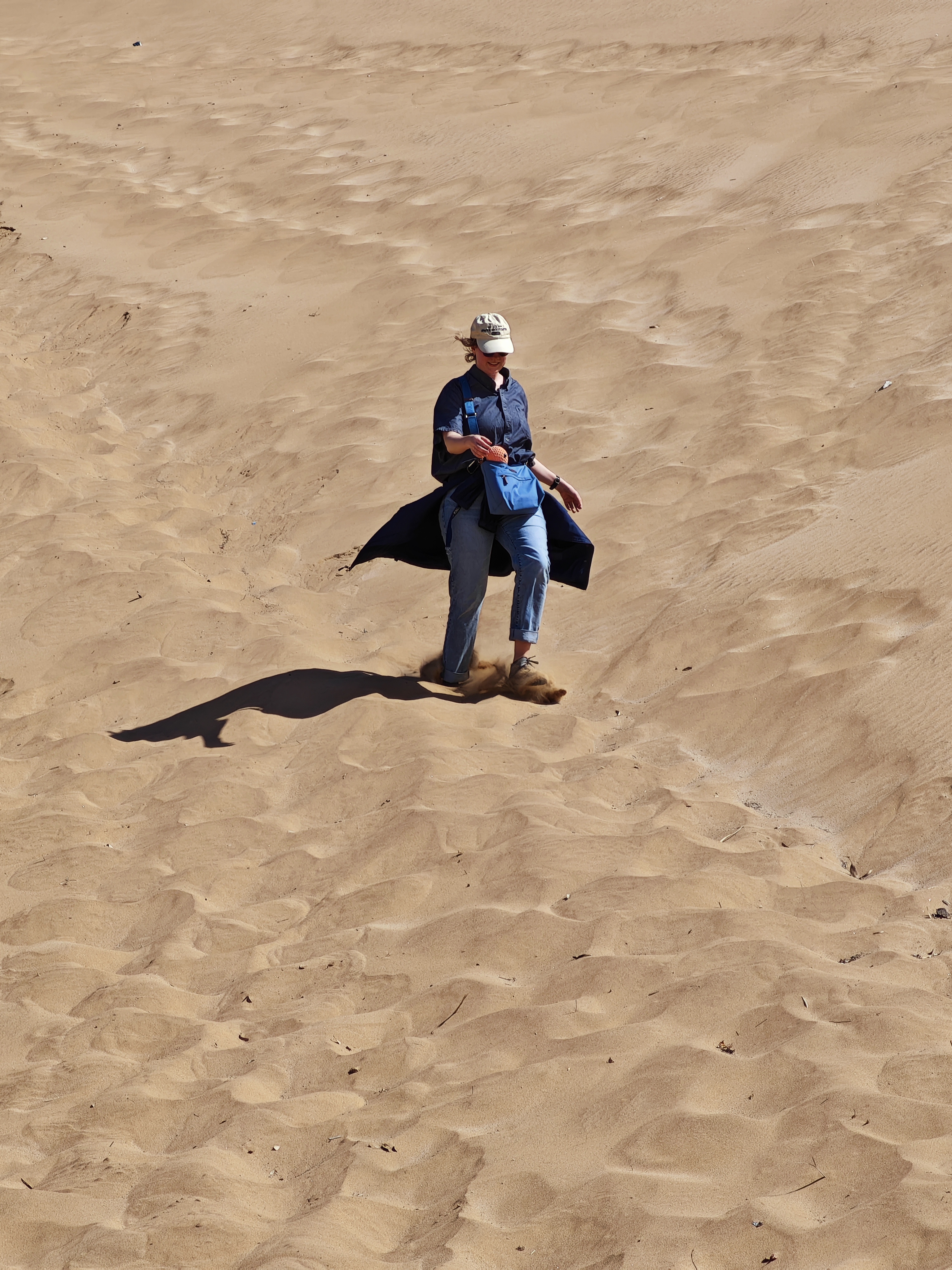
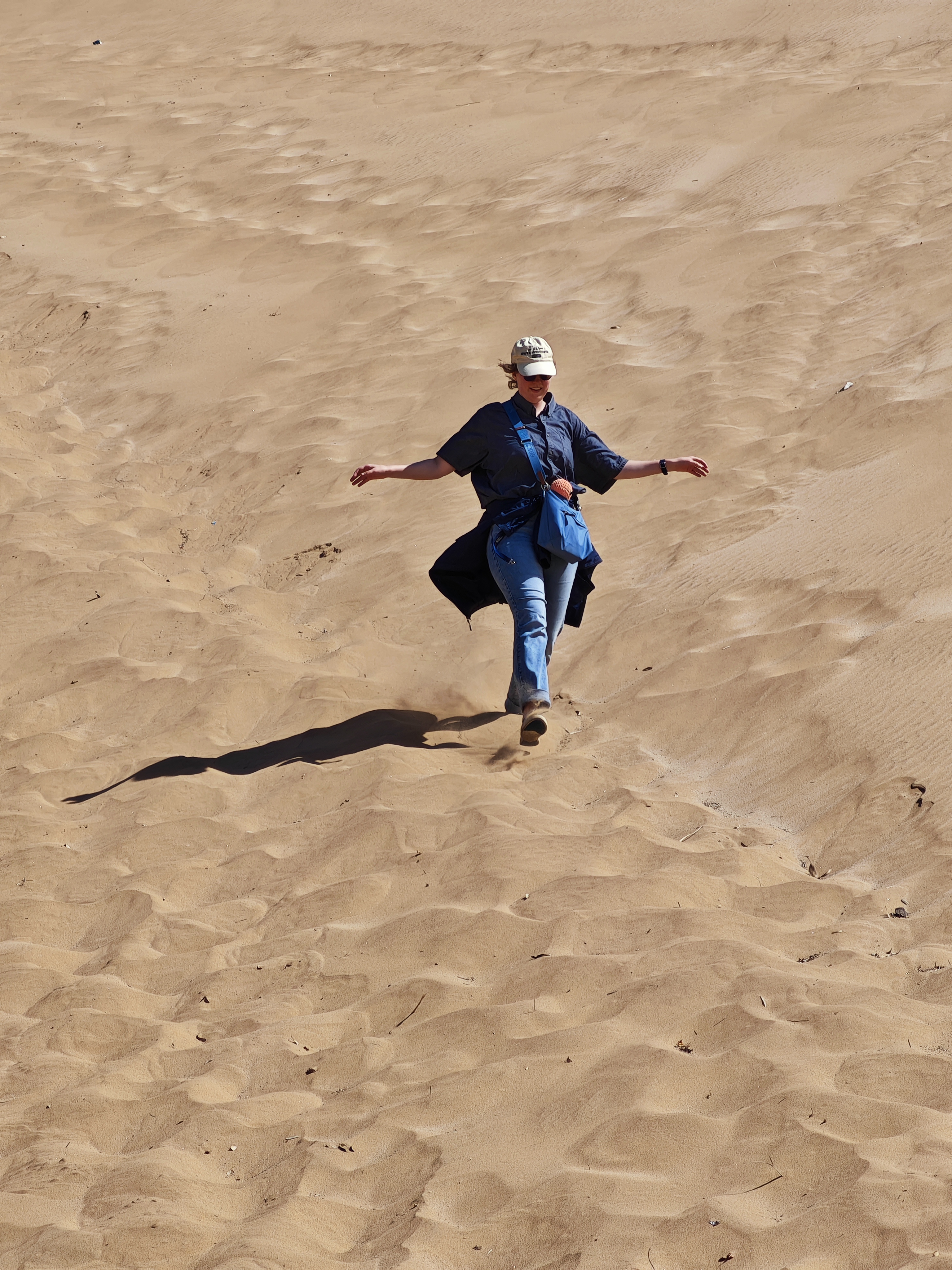
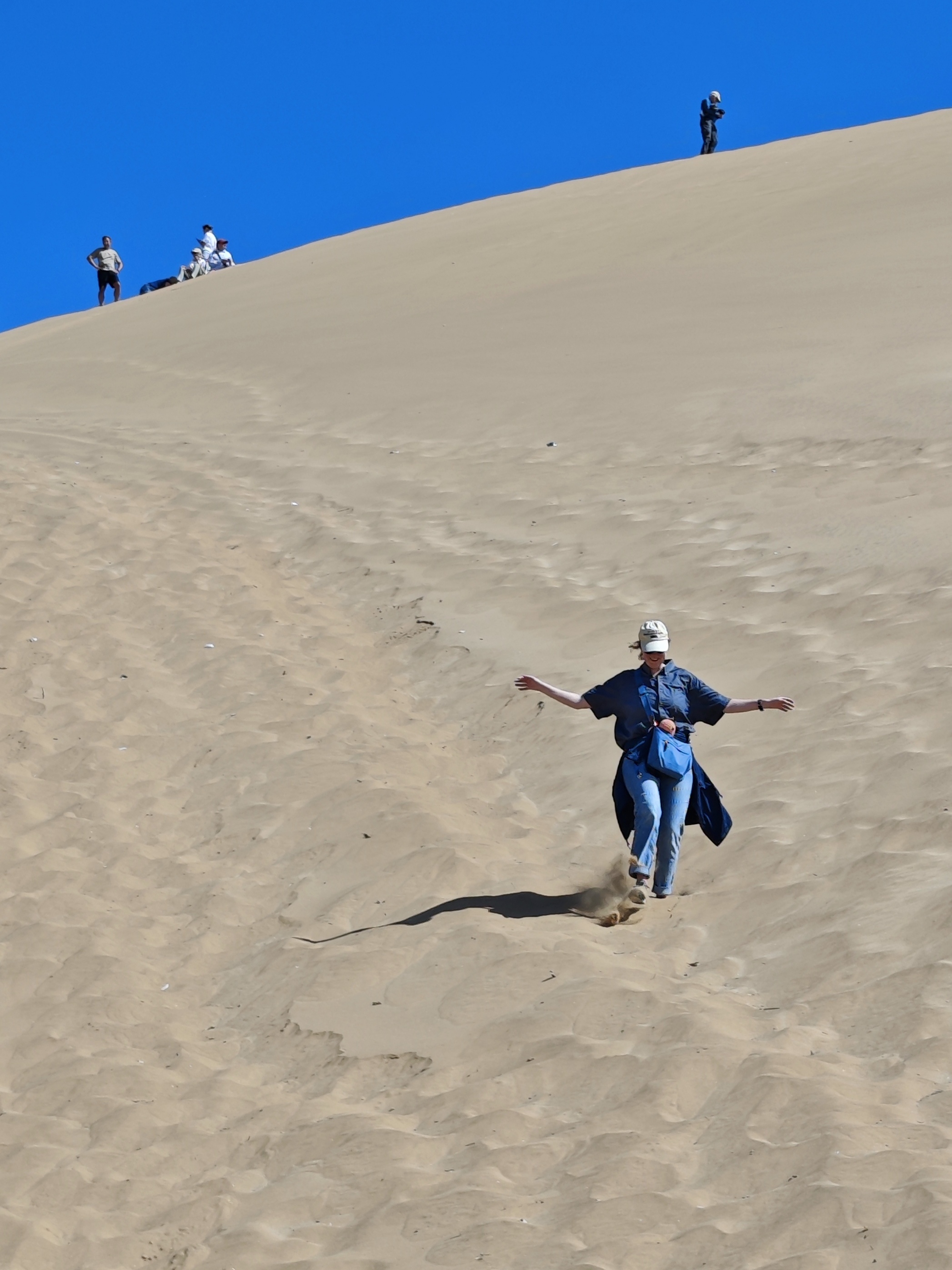
The stop after the few flamingo’s ( when you can’t find them, you paint them!) and salt flats was Dune 7 so named because, well, whatever bus you were on had a different answer. Length of dune? Distance from coast? Seventh dune from the Tsauchab River? Seven KM from a military base? You name it there was a different definition! It is the highest dune for sure in Nambia and the 8th tallest in the world at 1,256ft. Larkin and others made their way to the top from the easier section on the left. Classes of students went straight up and the beautiful silhouettes were incredible on the top! I knew my knee wasn’t quite ready for that trek!
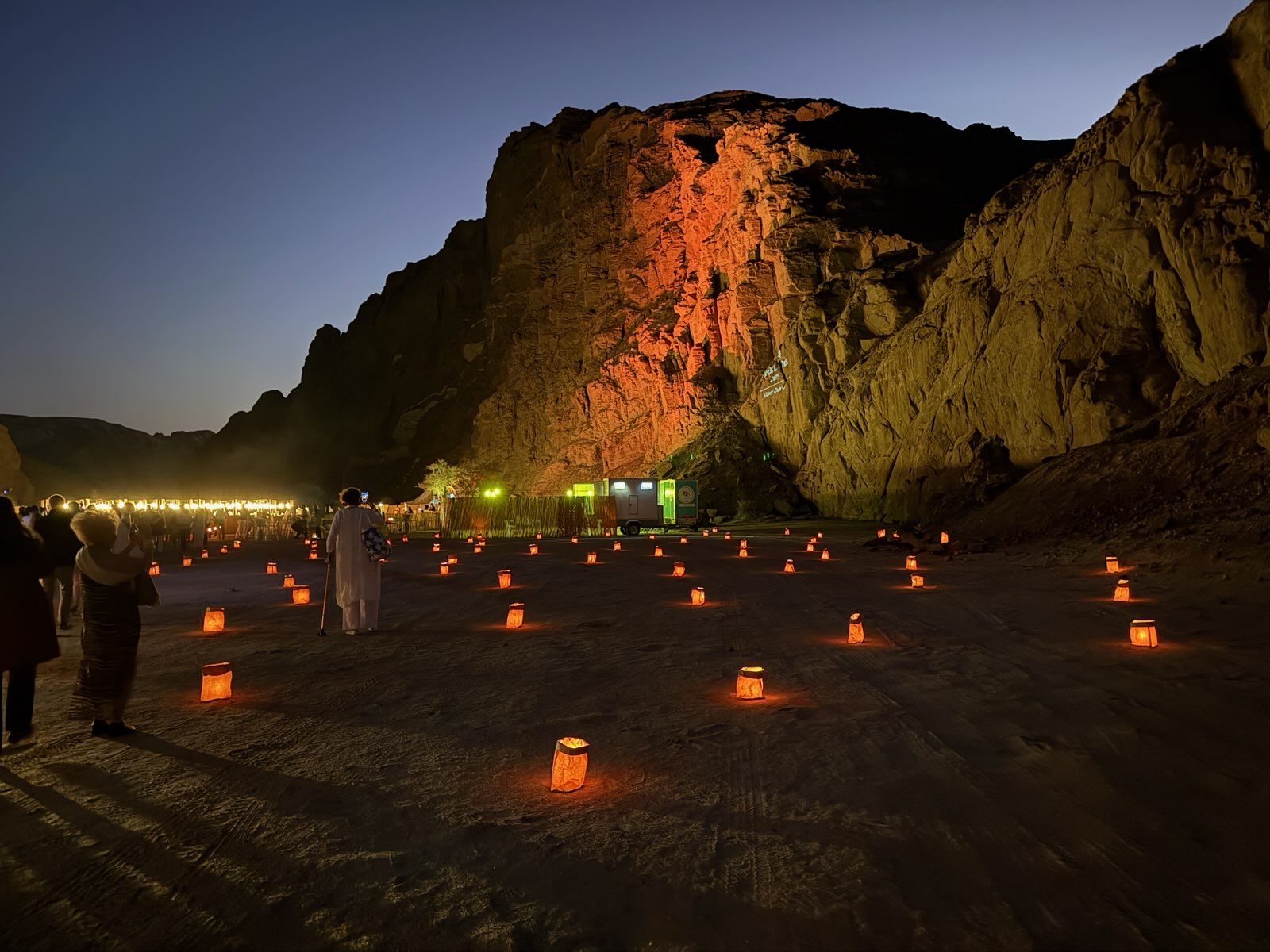
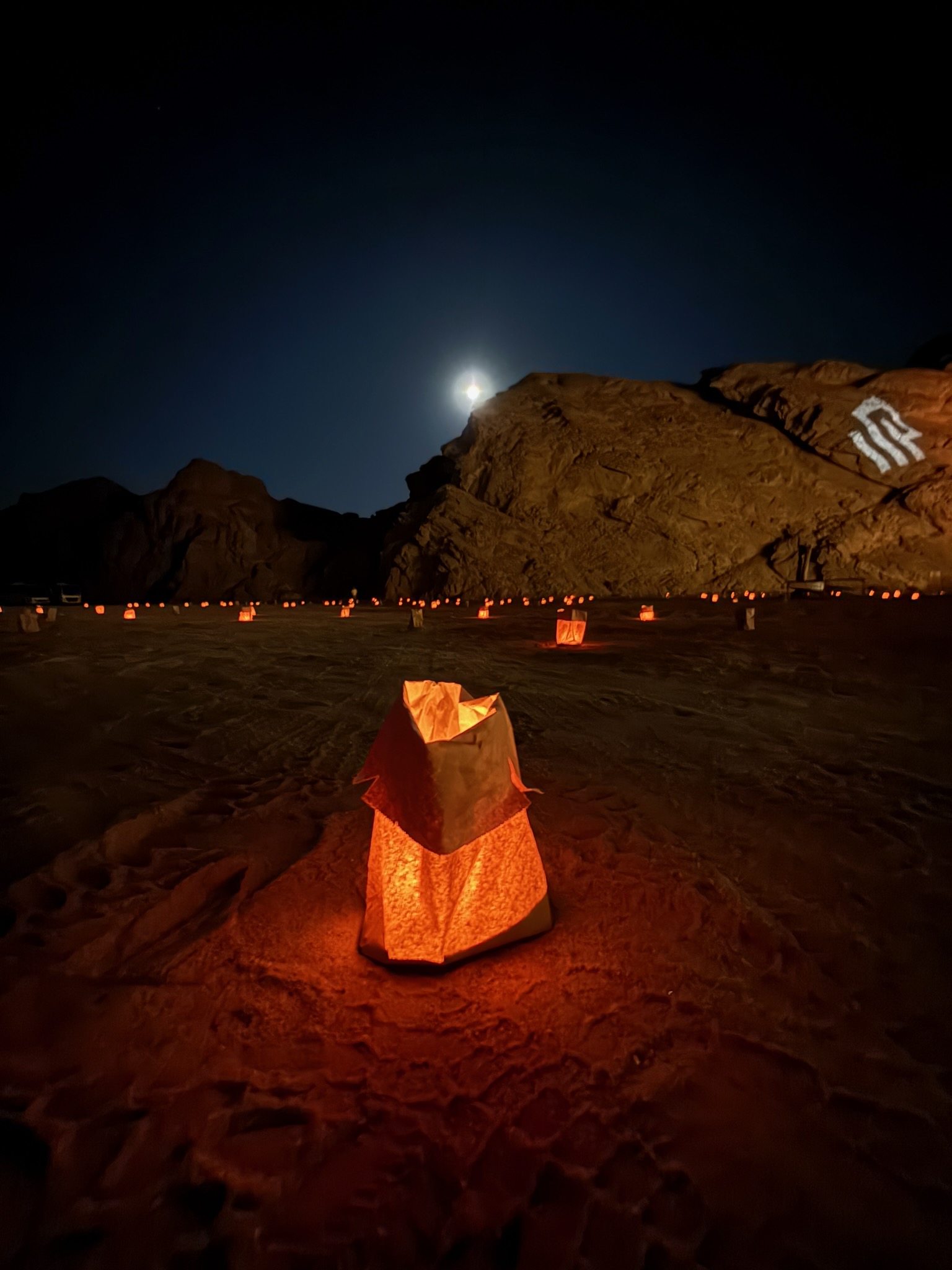
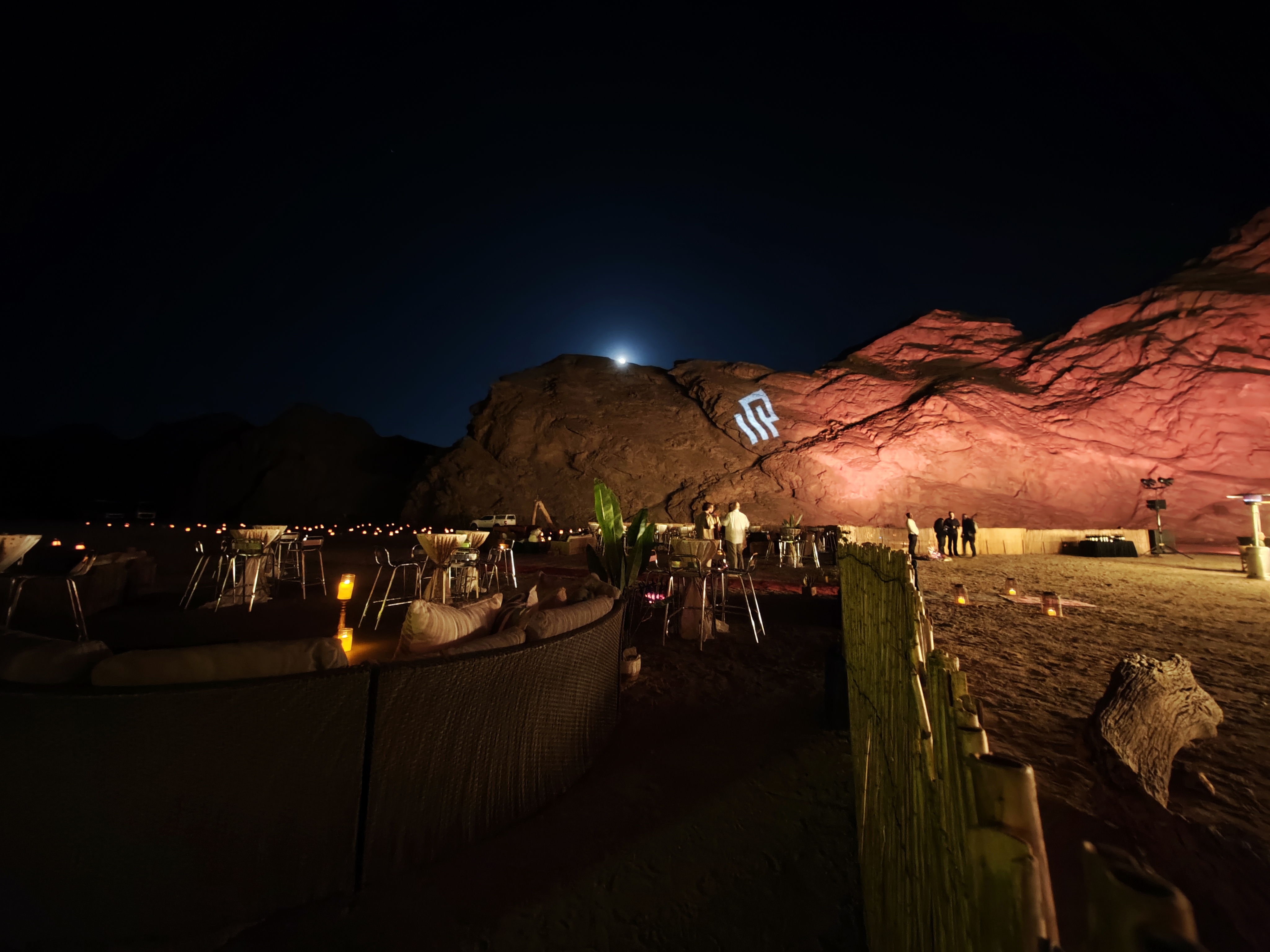
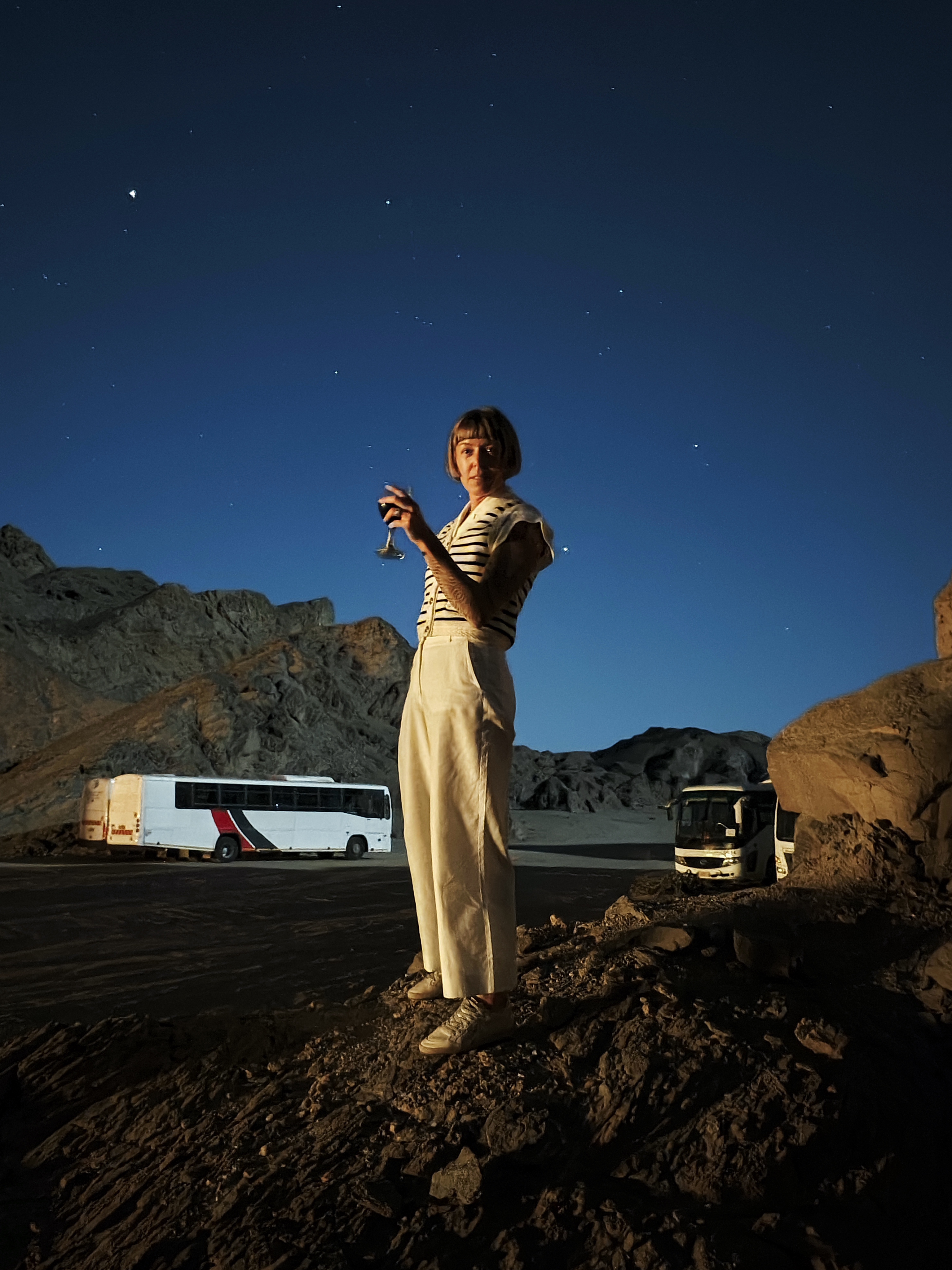
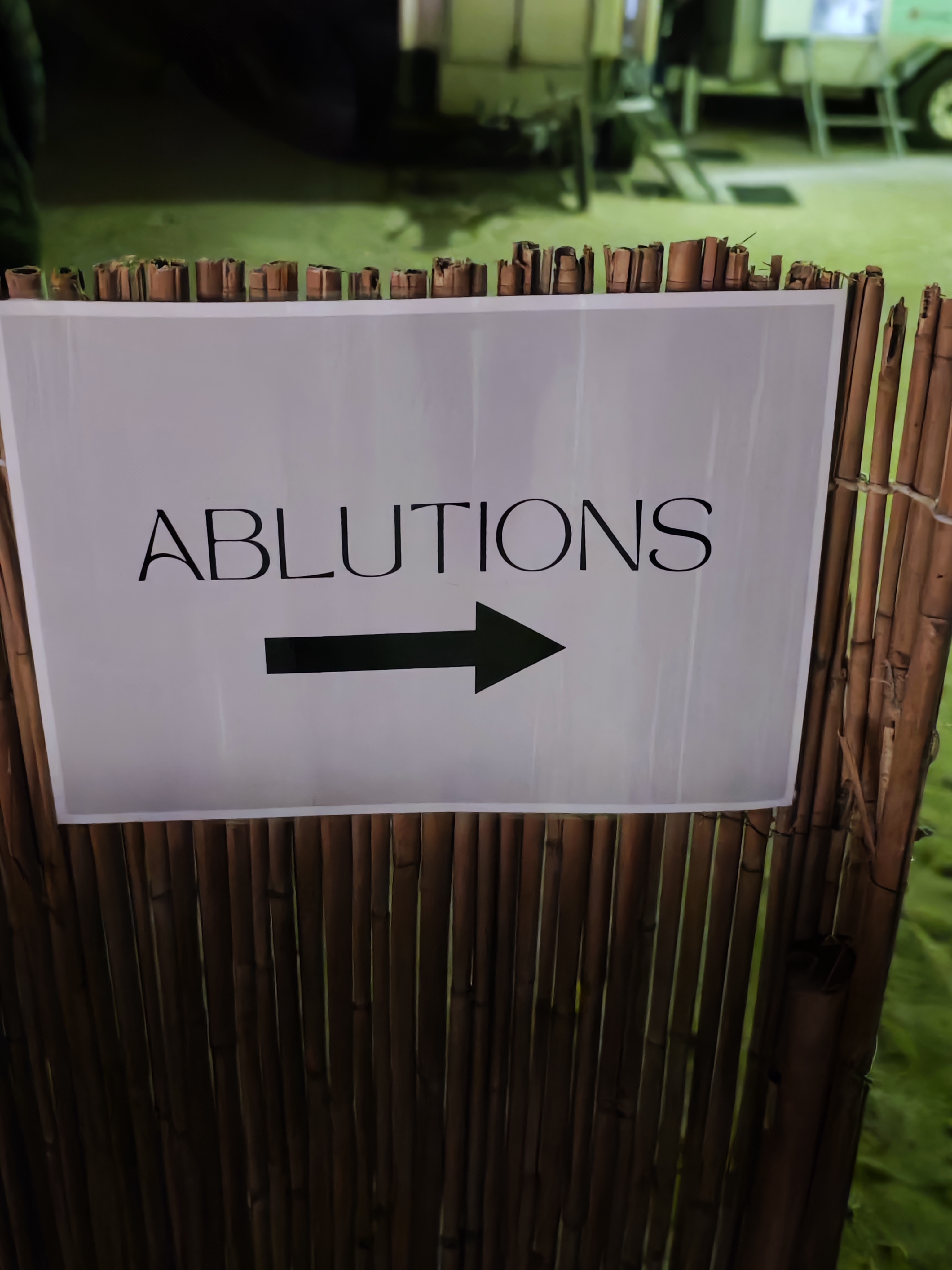
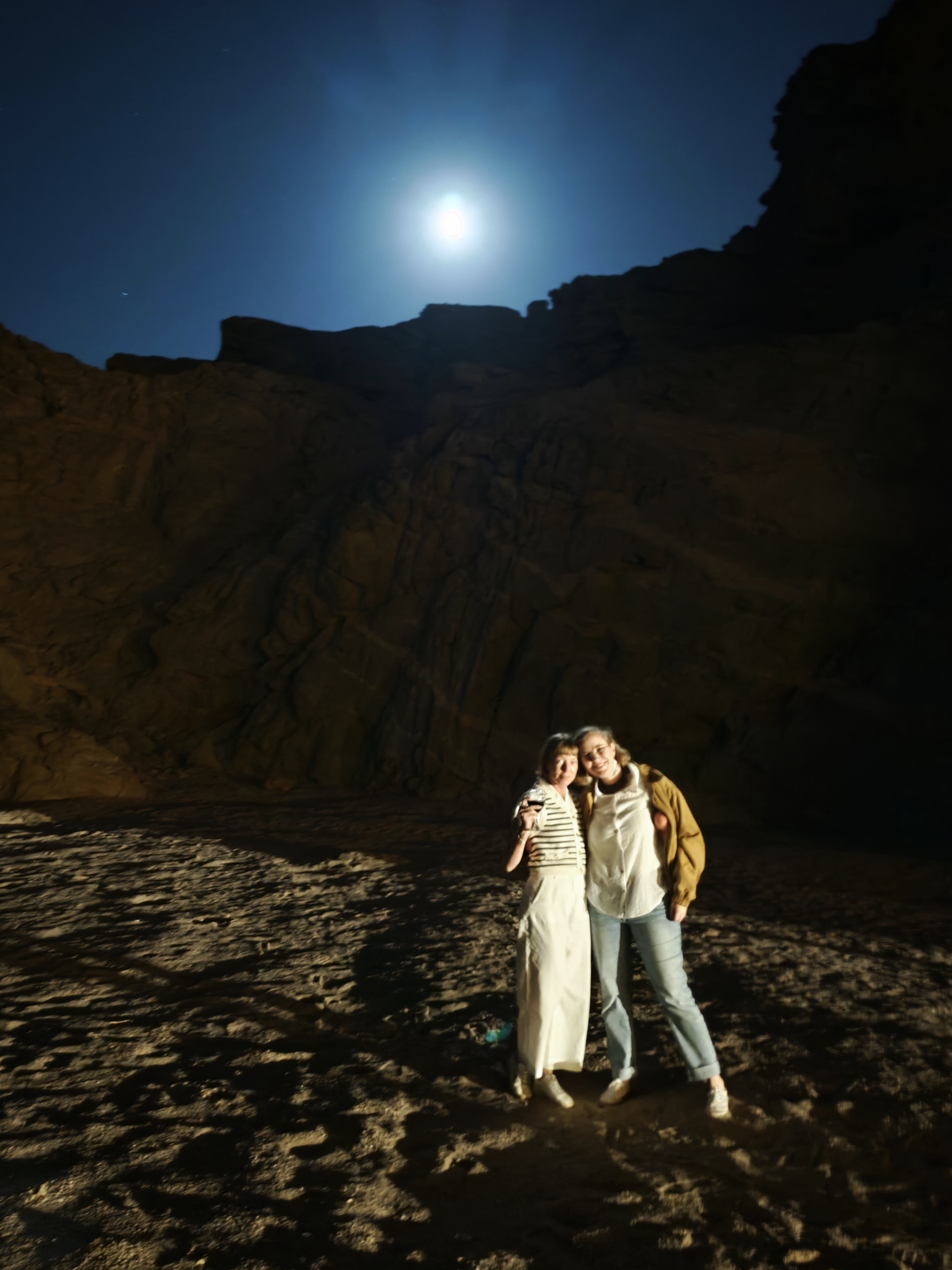
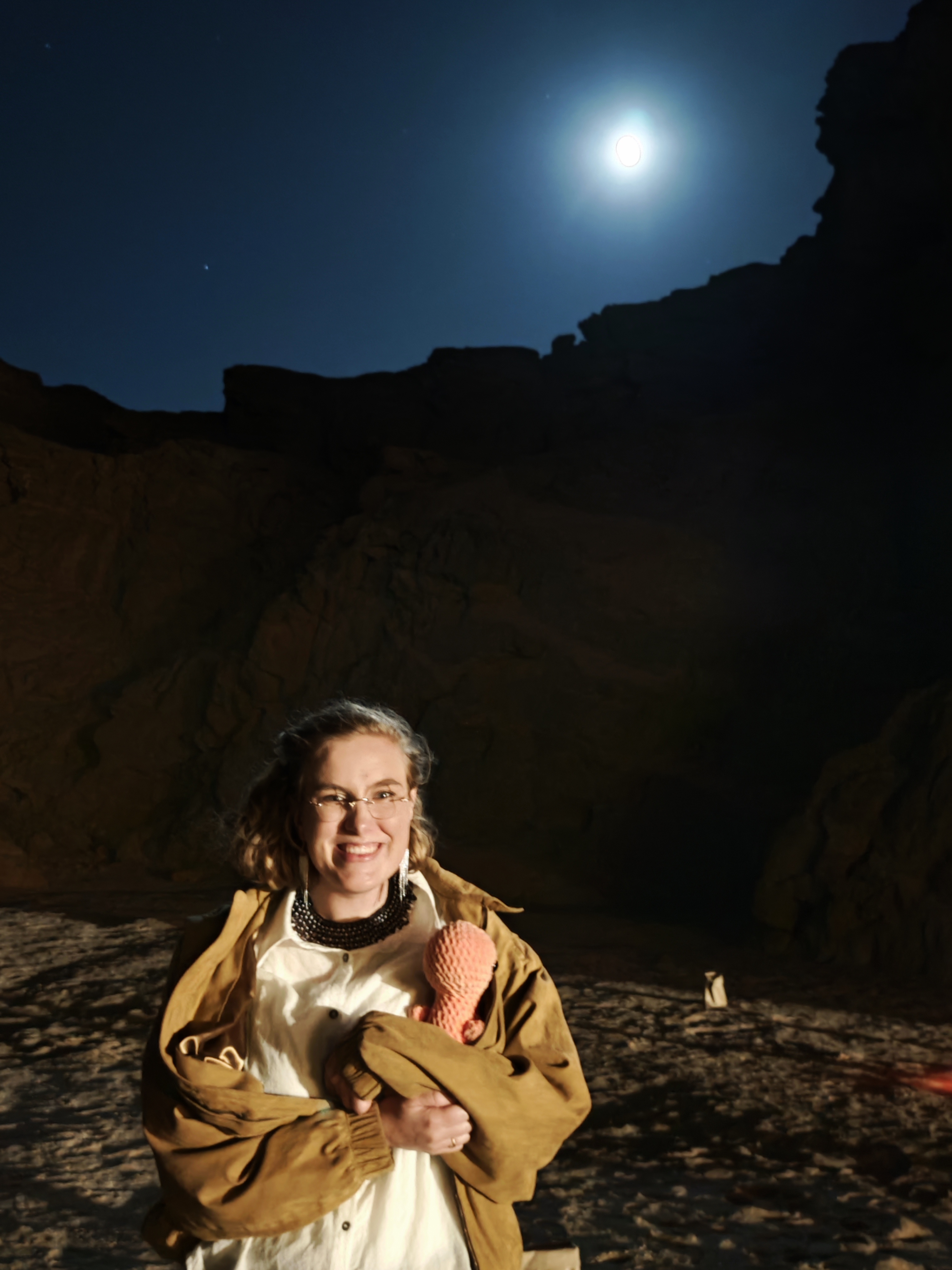
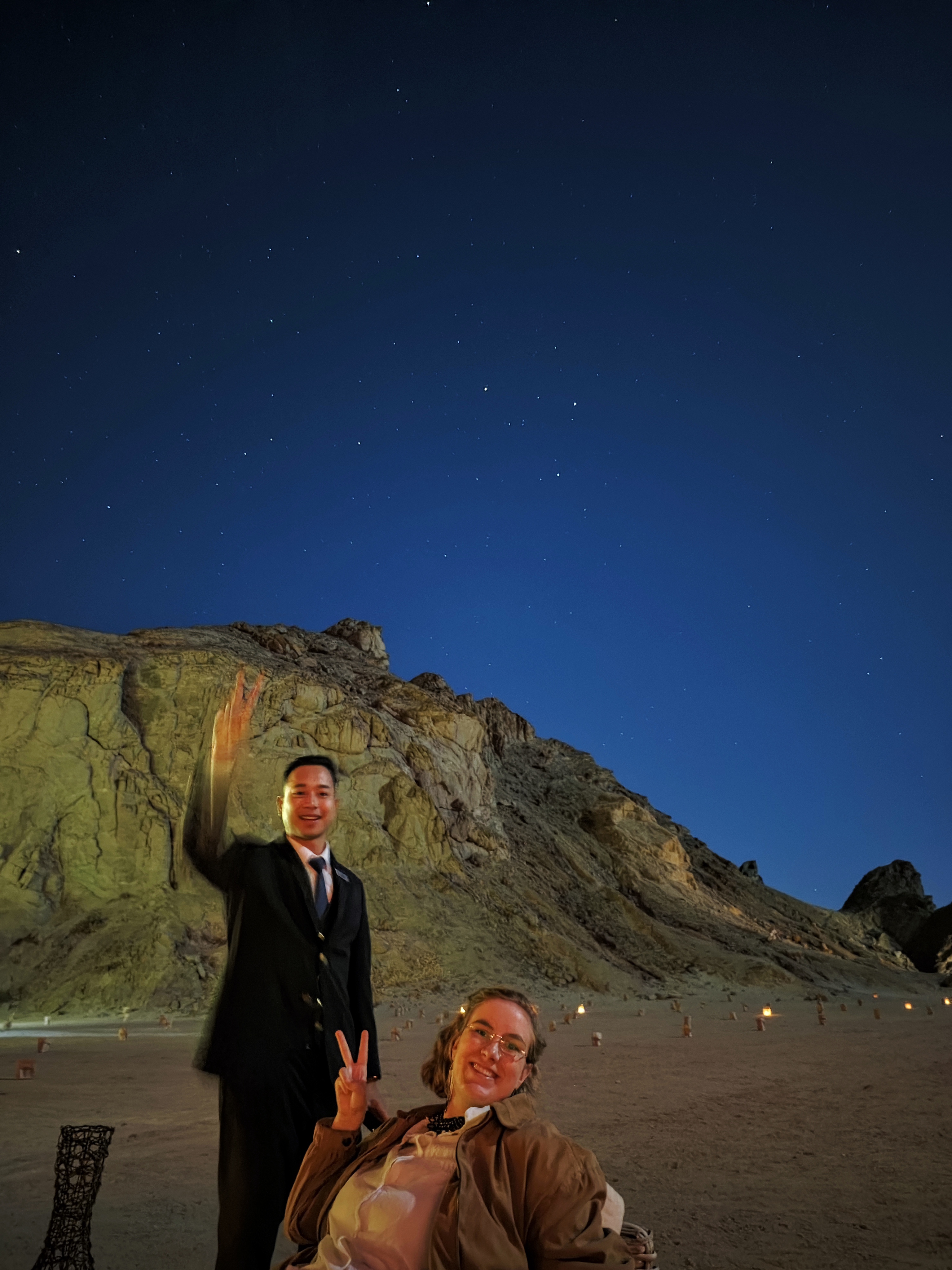
That evening in Walvis Bay was our event to the desert with the World Cruisers. The problem was supposedly it was windy and they wouldn’t/couldn’t put up a tent near dunes in the desert so the venue had changed to the canyon where Mad Max was filmed in 2012. Unfortunately the film crew left scars on the desert landscape. Sadly, the buses took 30-45 minutes longer to get there down a scary dirt road into a canyon! We all wished we’d have arrived earlier in the daylight not the last of dusk and the food came out sooner. The moon did crest over the cliff and lit up the other side of this narrow valley. Nice portable ablution places which reminded me of the porta potty’s at the Napa Wine Auction. Dressed up as nice as they could be!
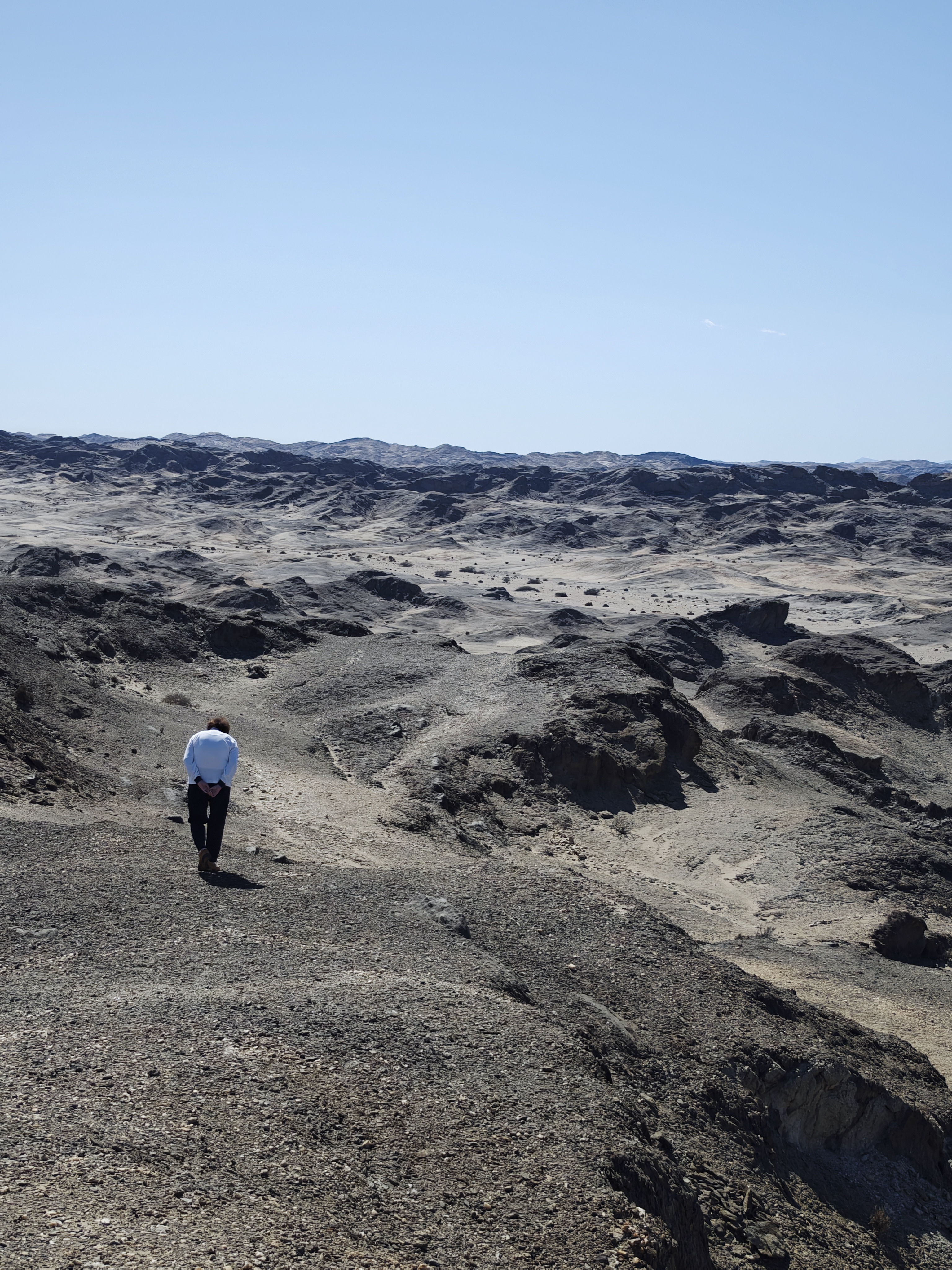
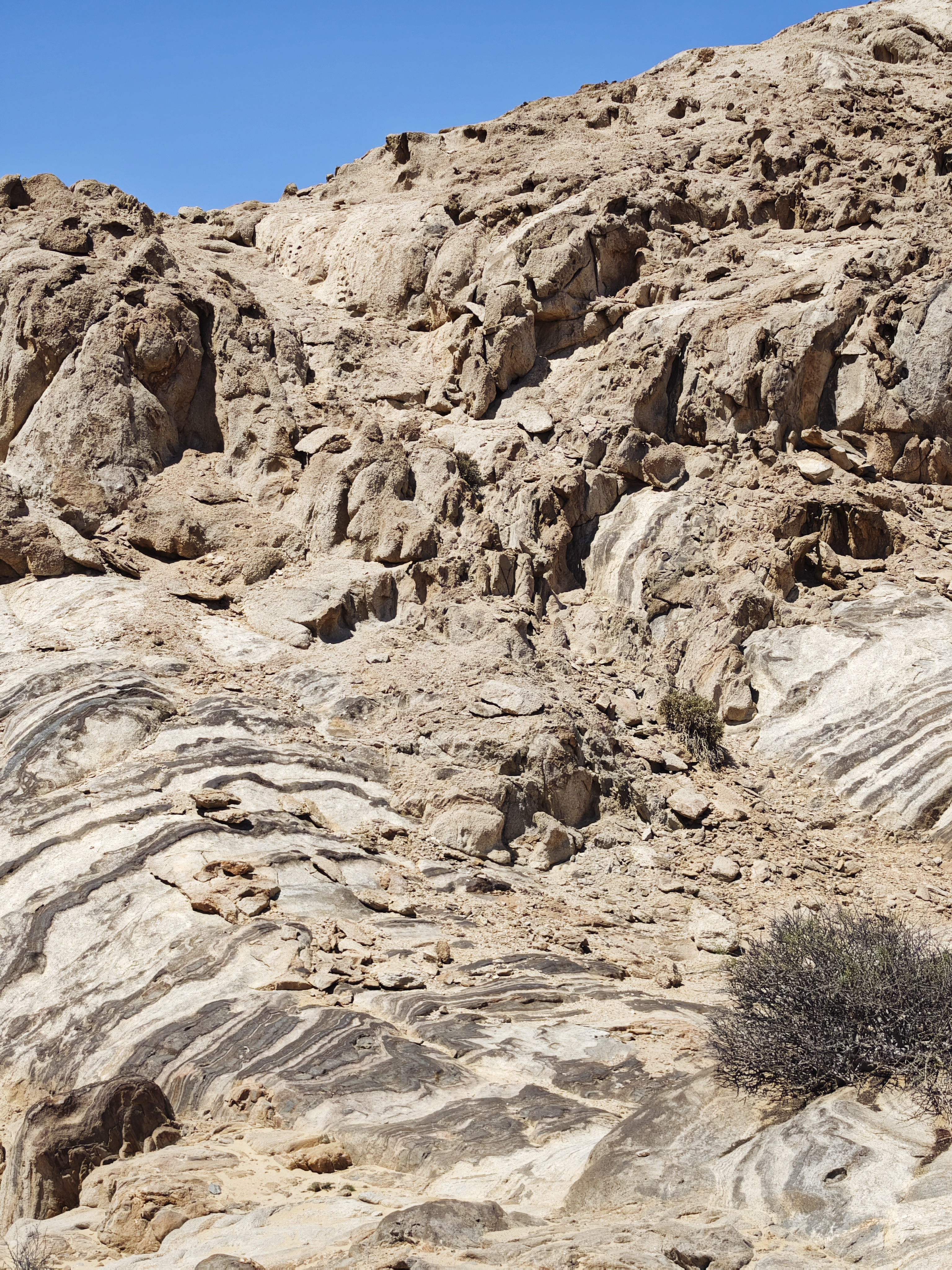
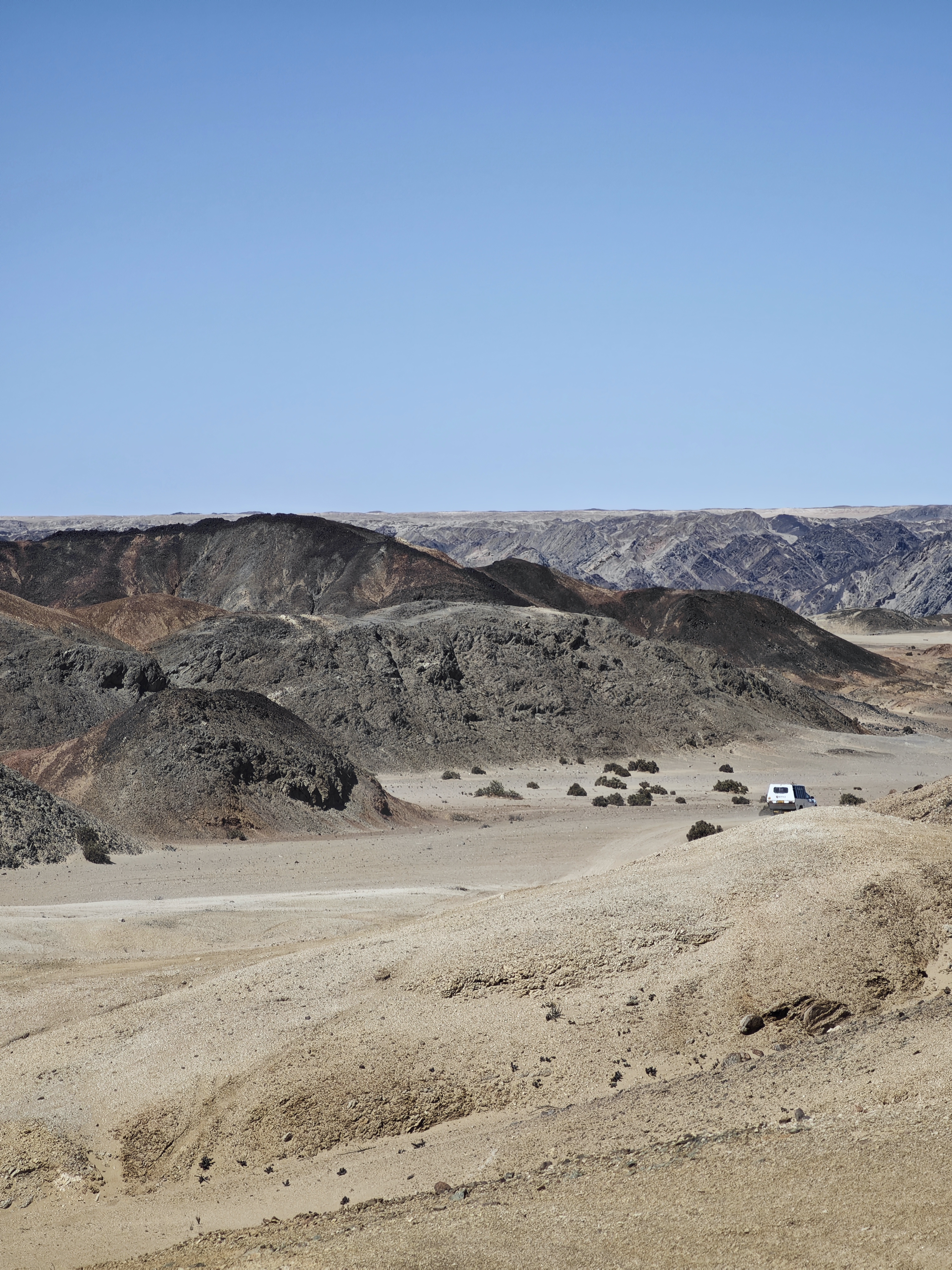
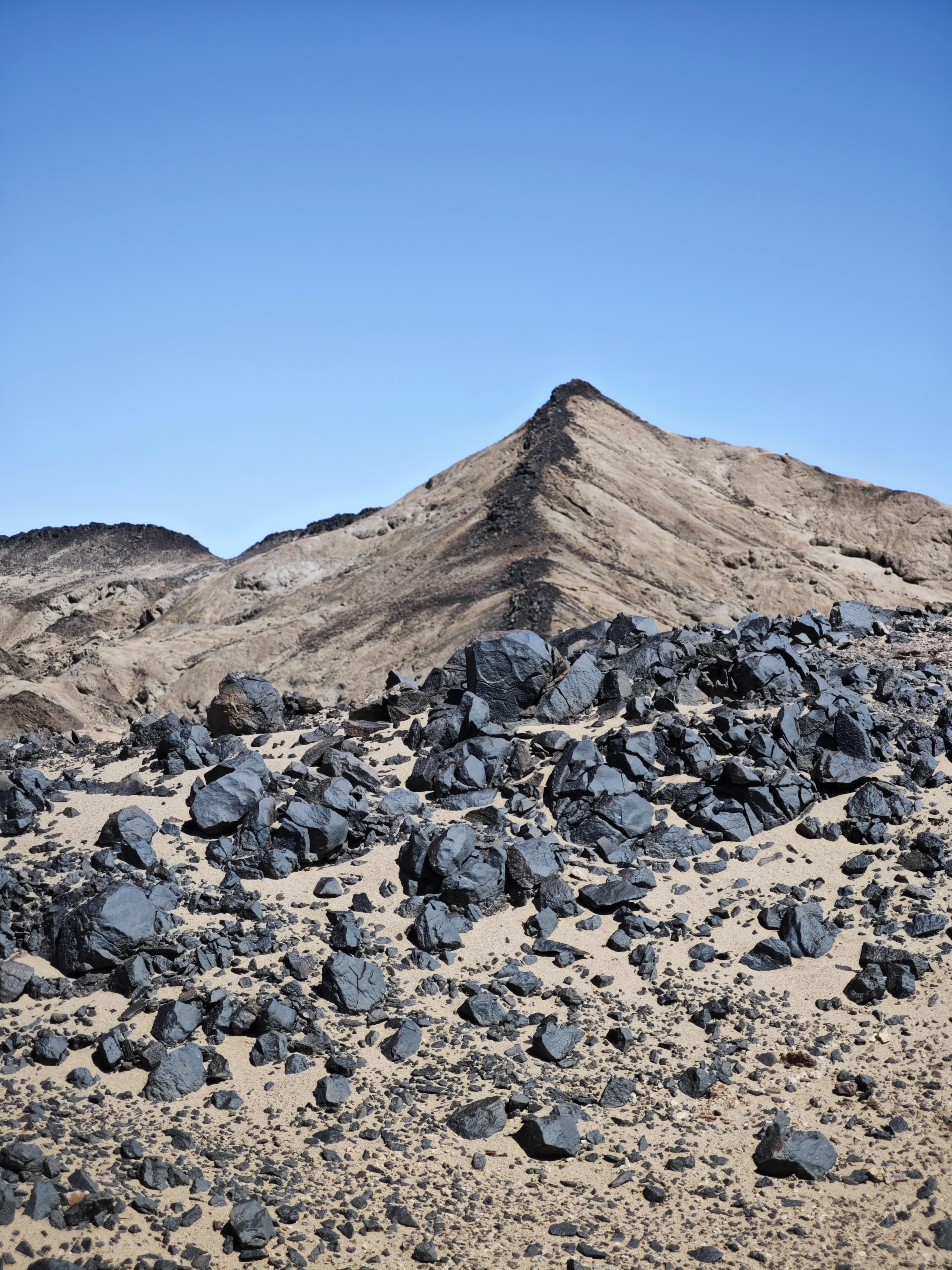
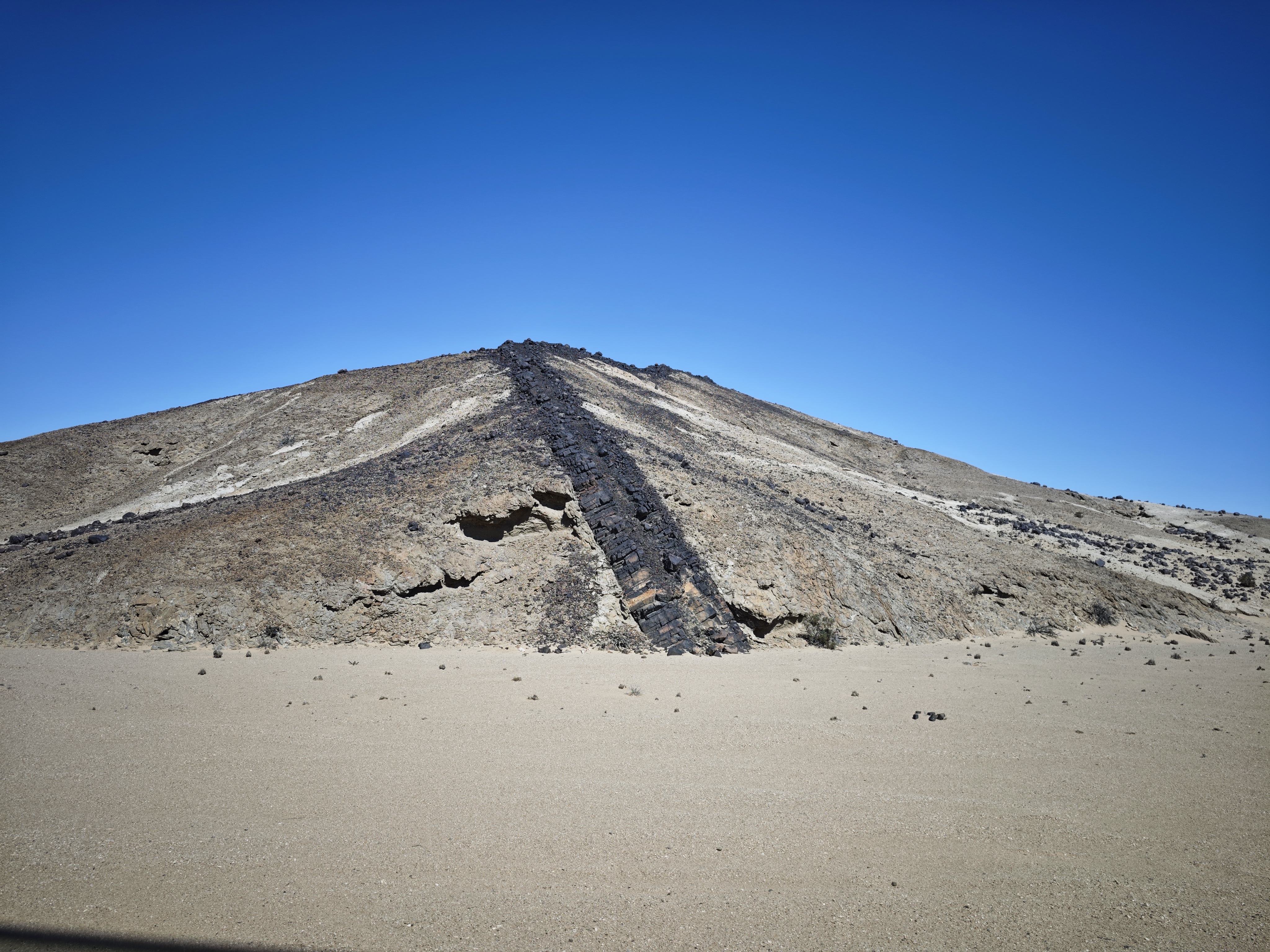
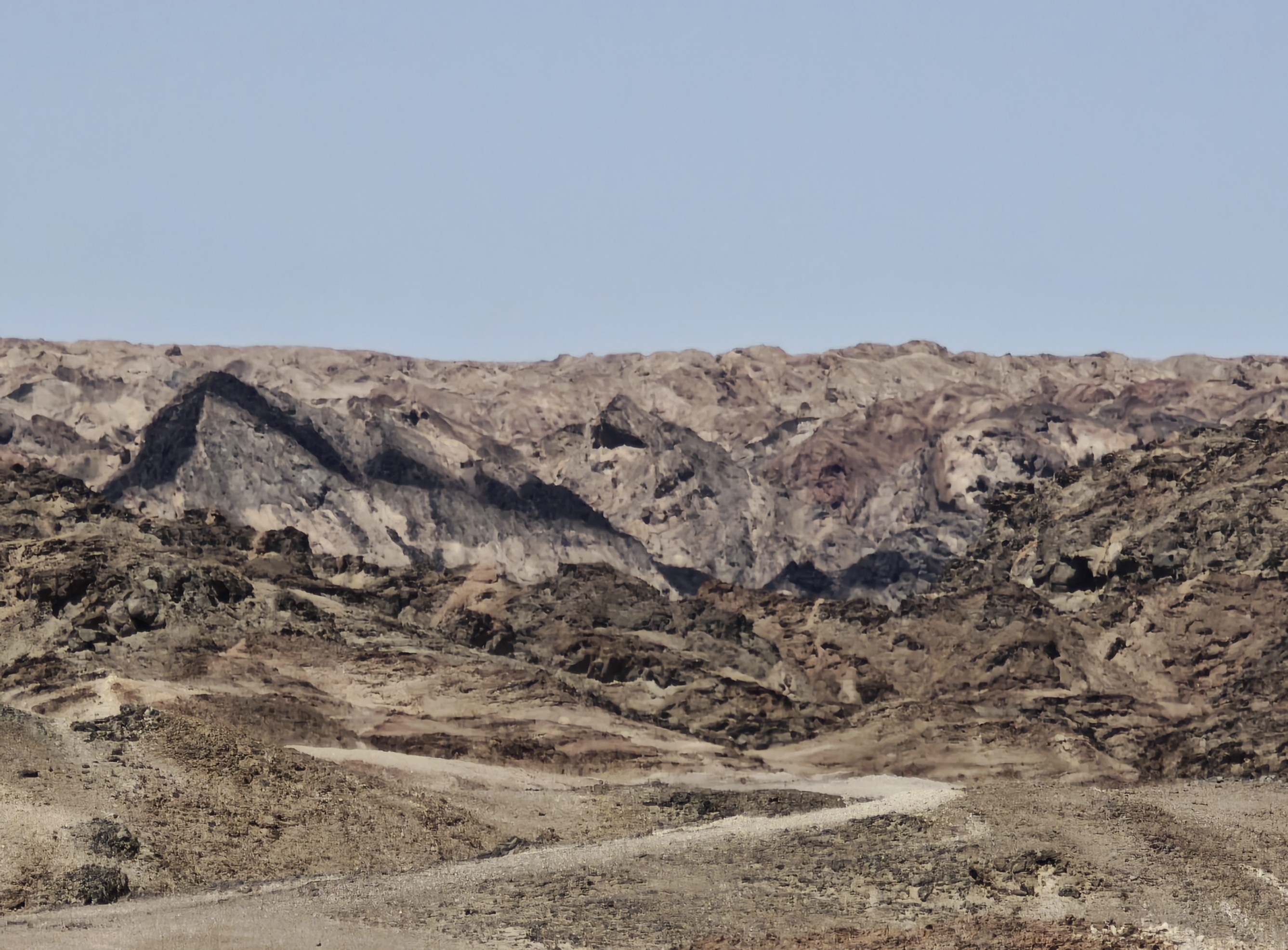
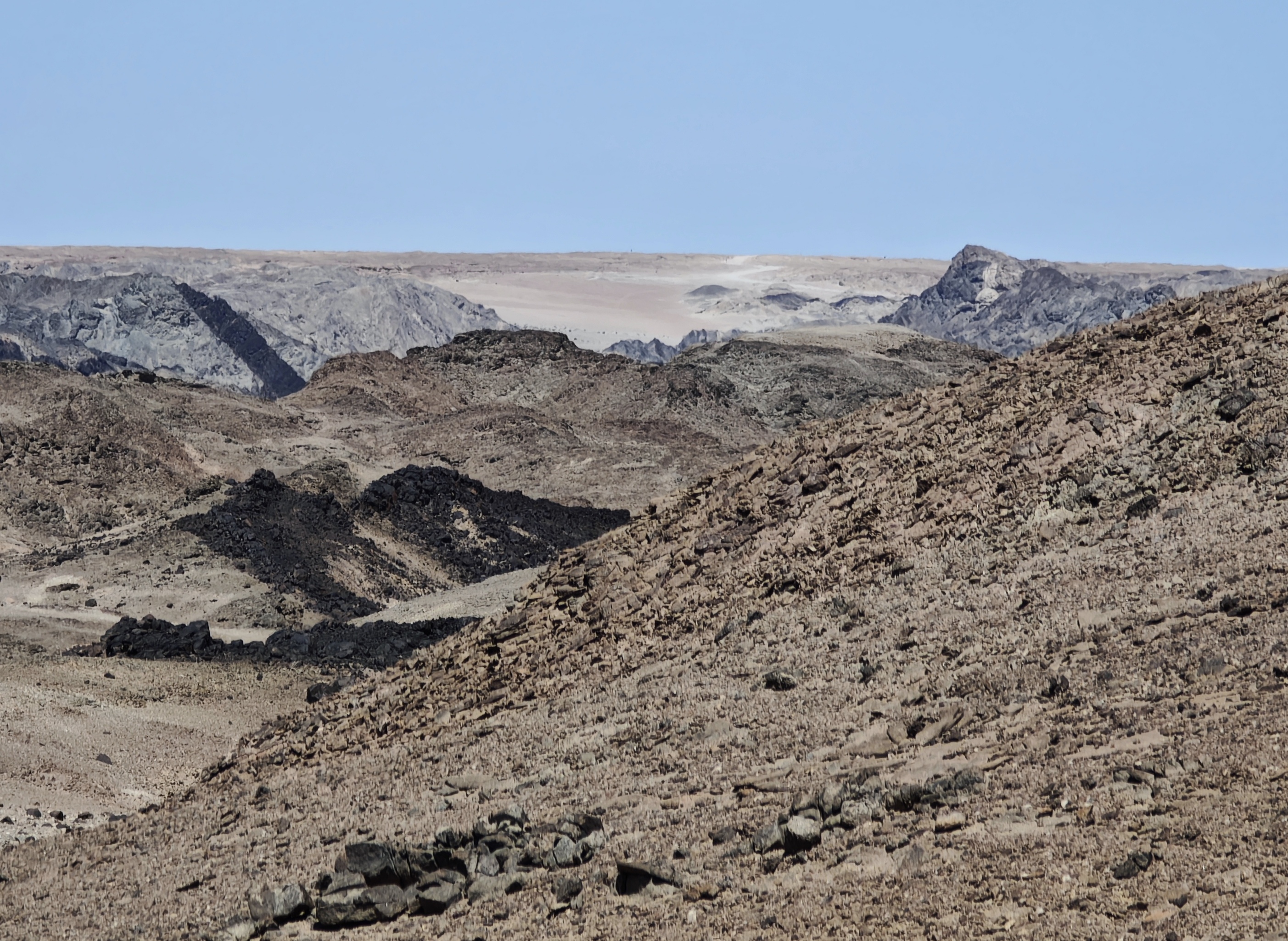
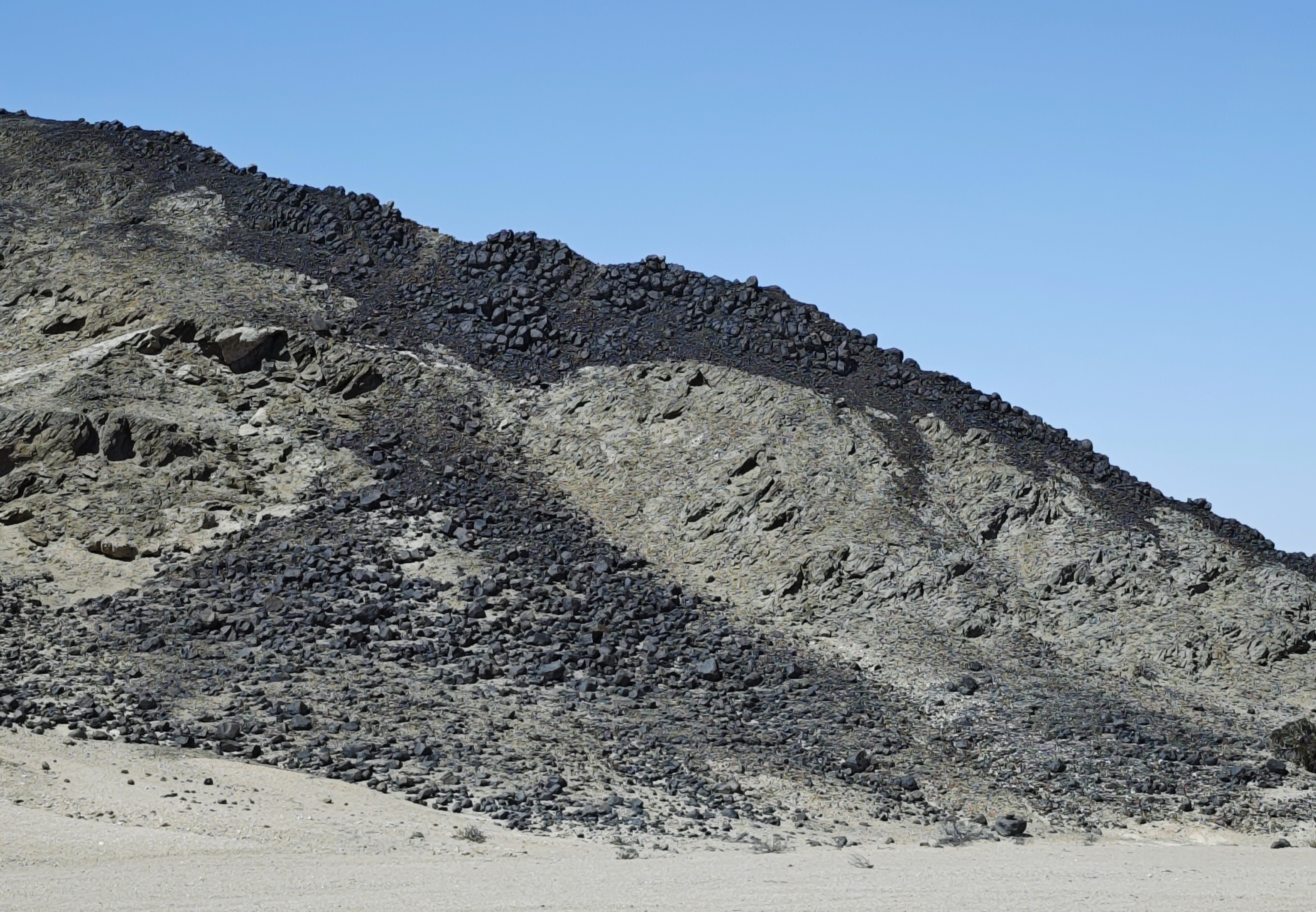
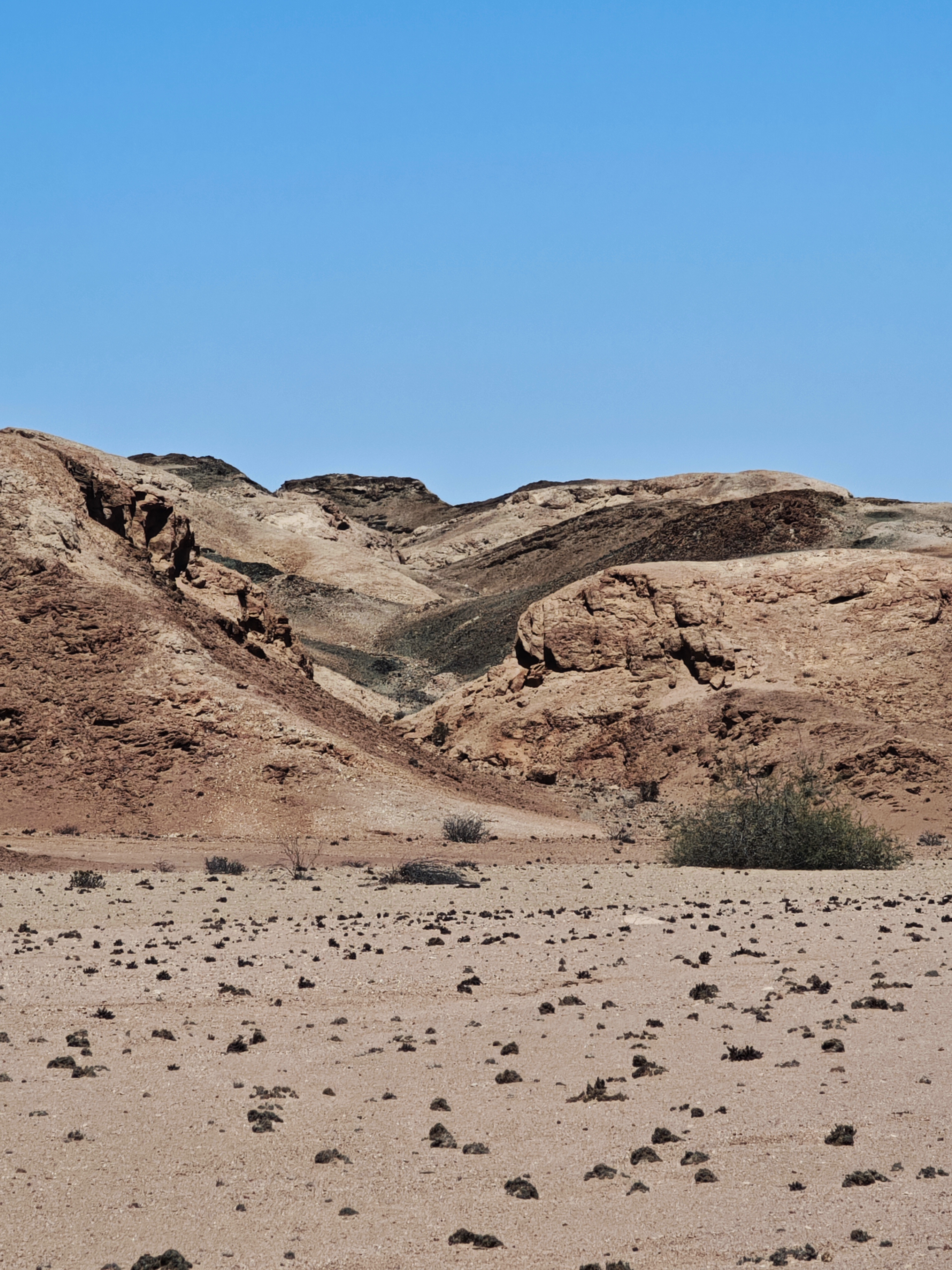
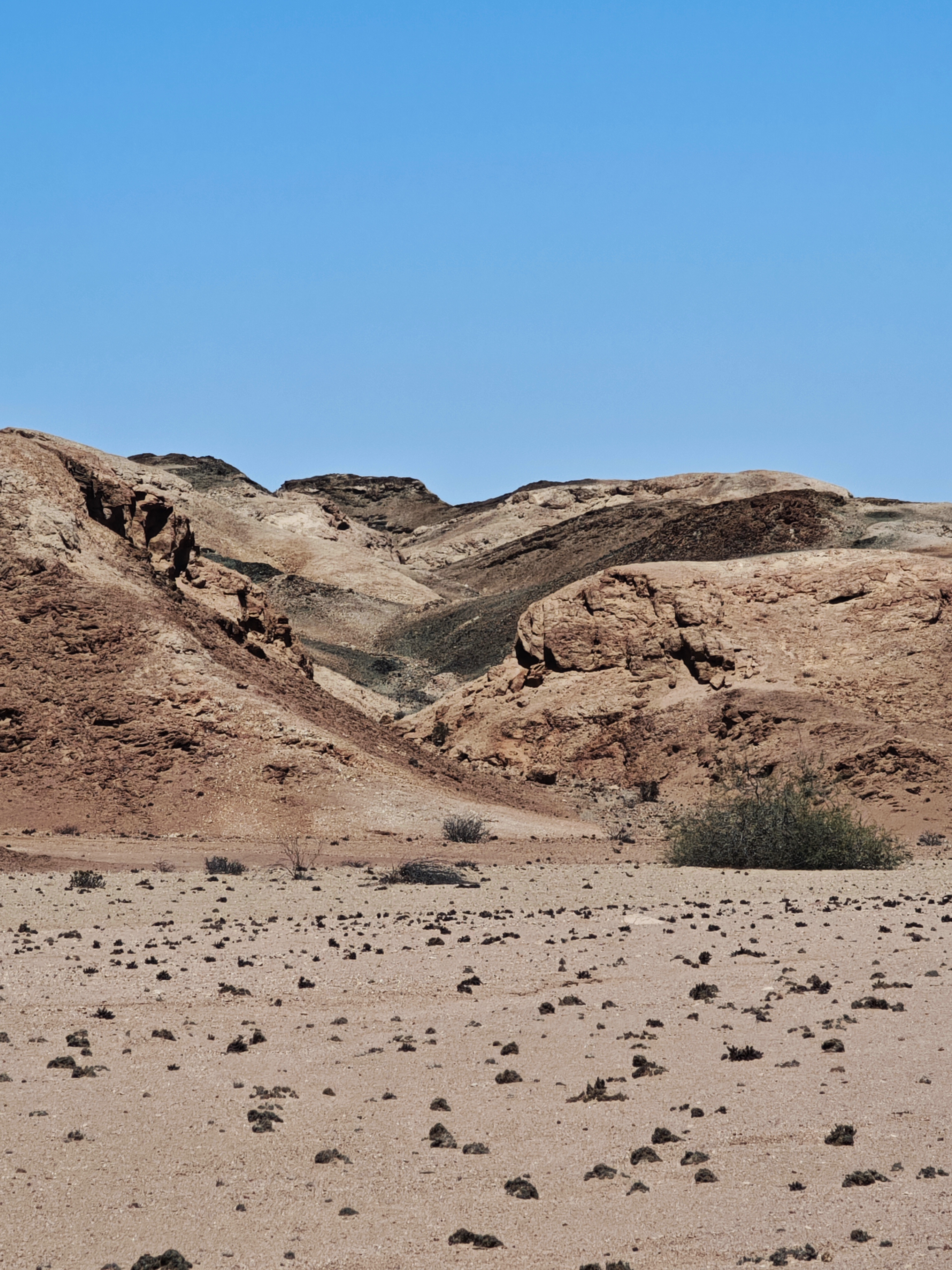
The next morning we did a 4 x 4 trek in the desert with about six in each vehicle. We had a driver…others had a naturalist. There of course we’re incredible geology outcrops to soak up for us geologists and plenty of plants and insects to look closely at.
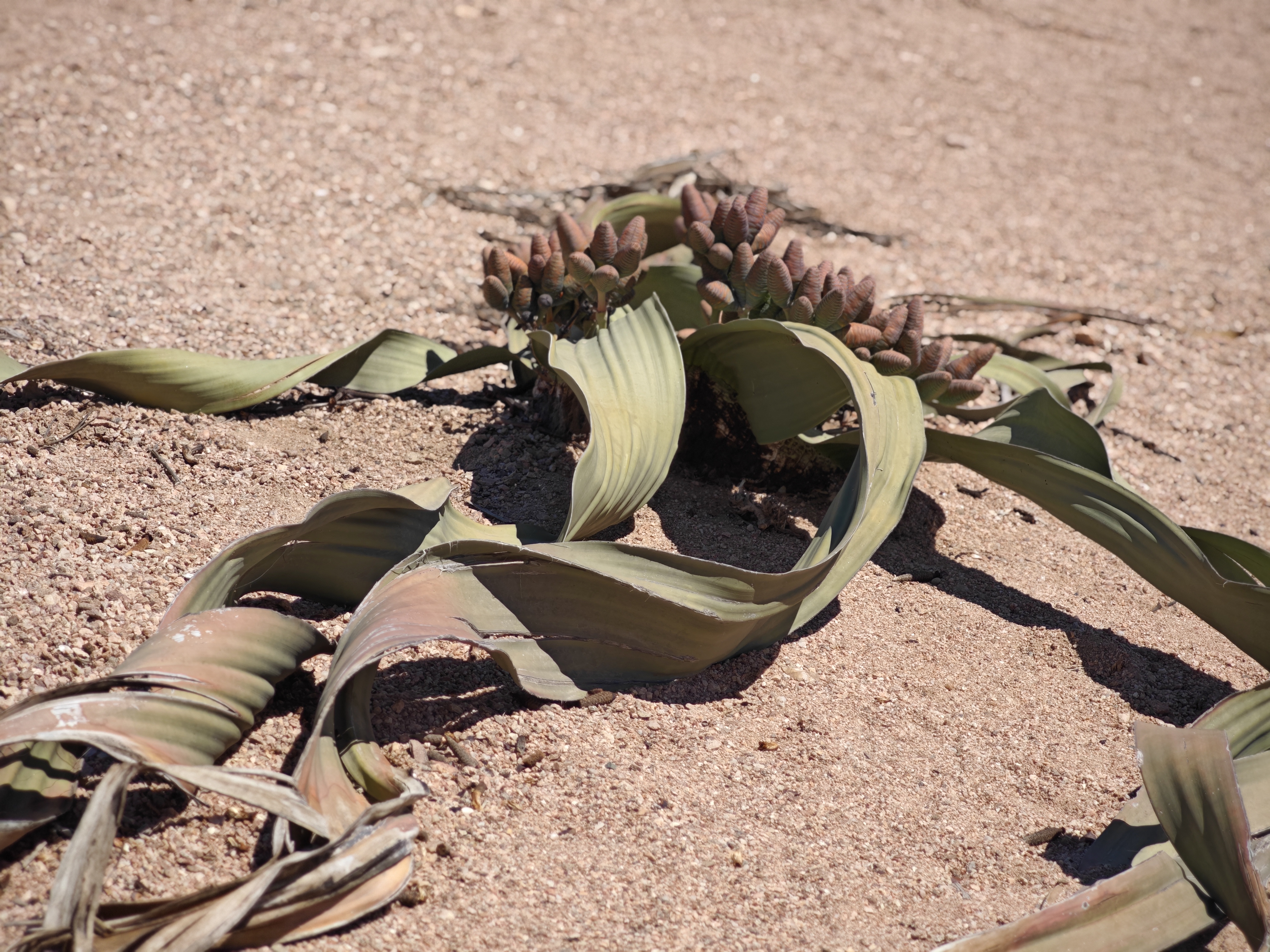
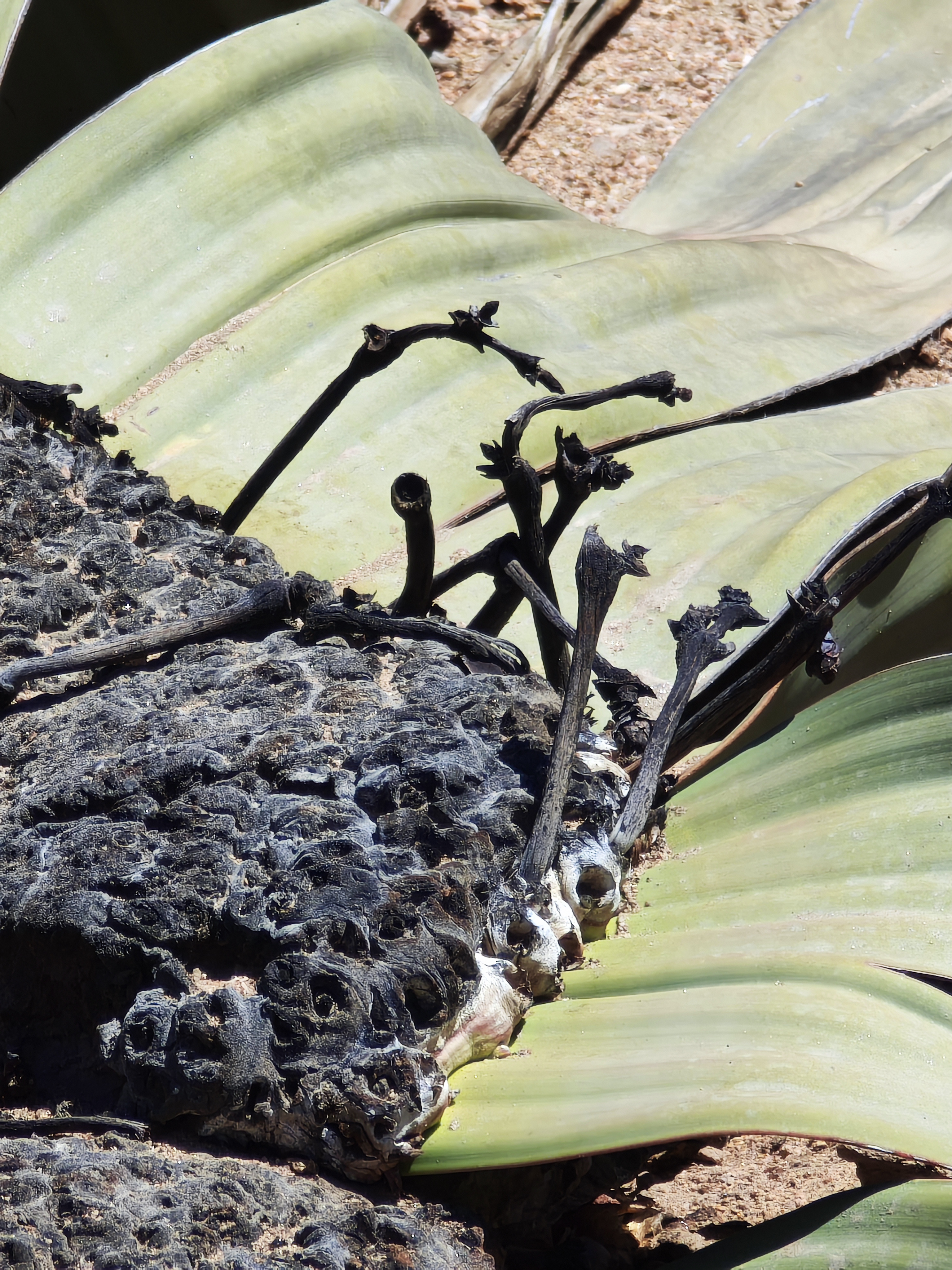
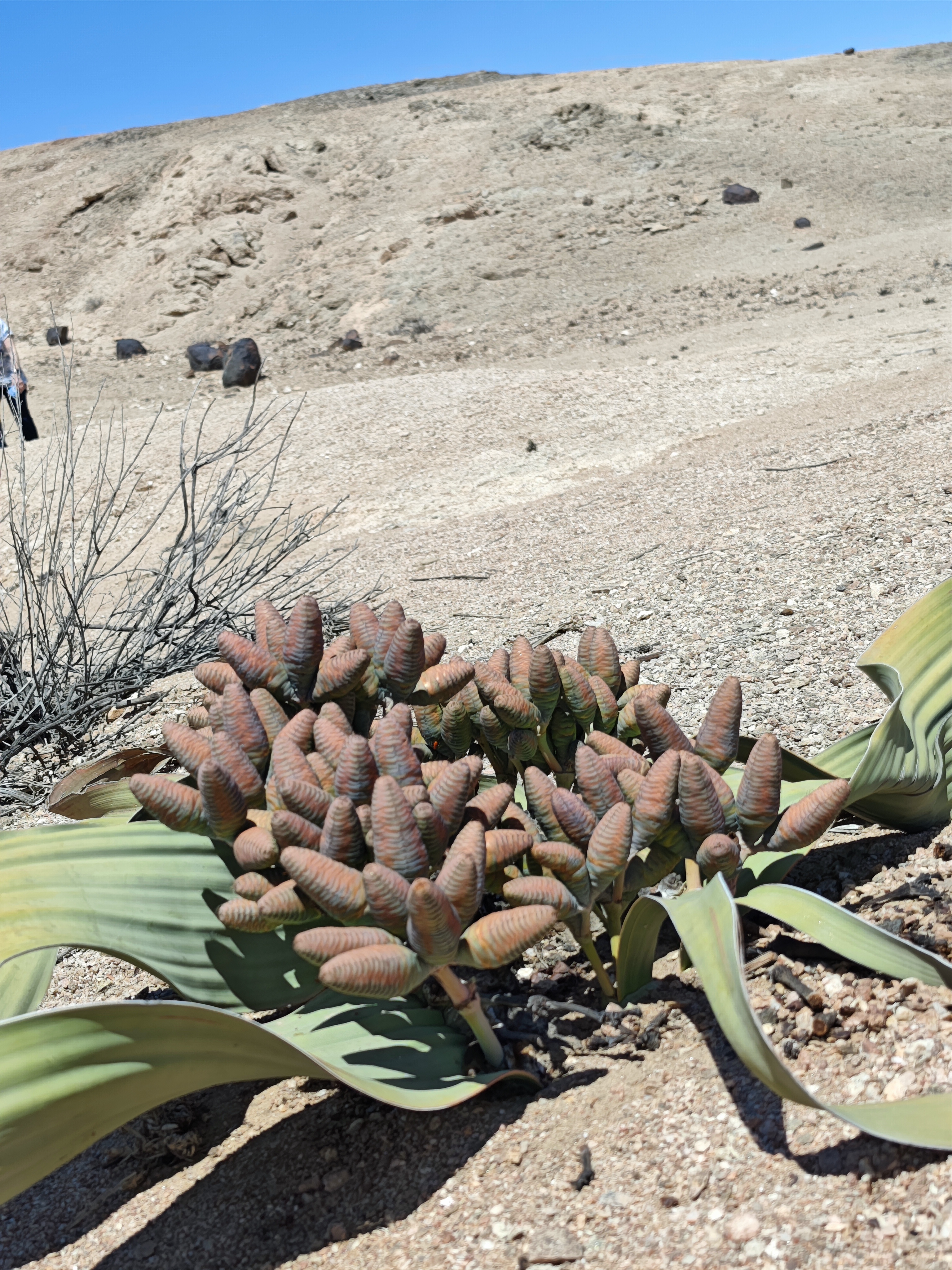
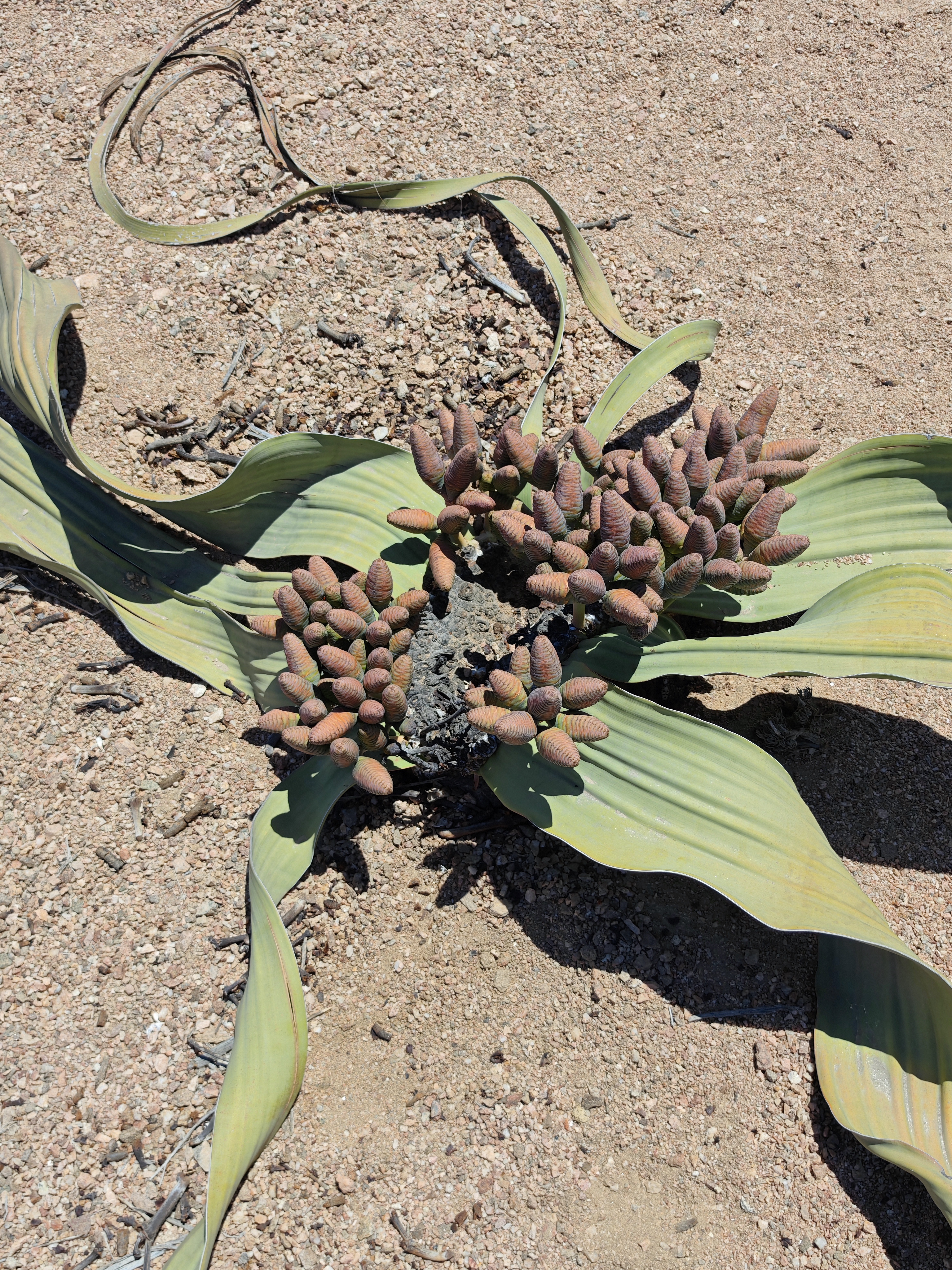
Amid the scorching heat, shifting sands, and minimal rainfall, a remarkable plant has not only survived but thrived for millions of years. This is Welwitschia mirabilis, a true “living fossil” and one of nature’s greatest survival stories.
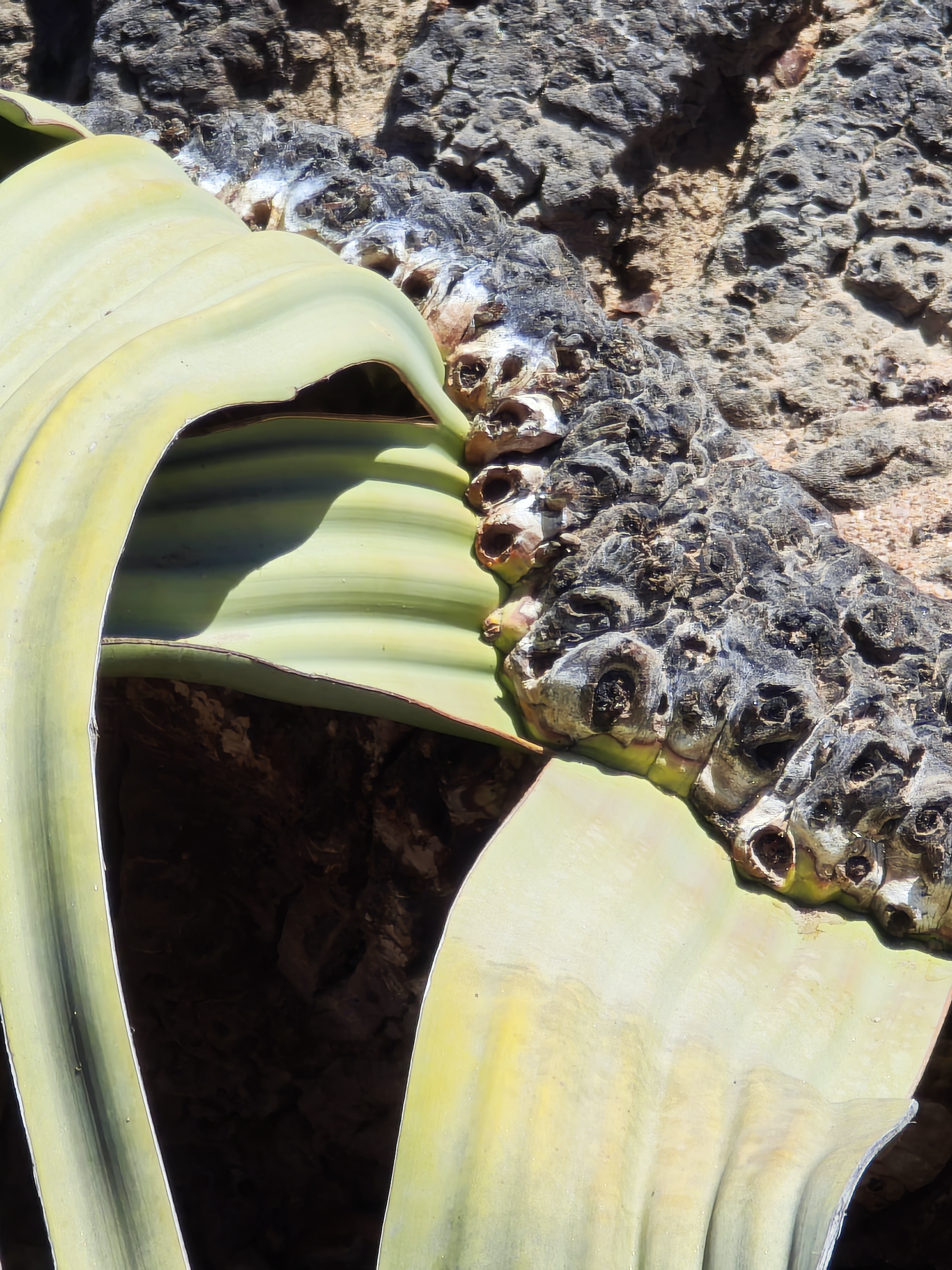
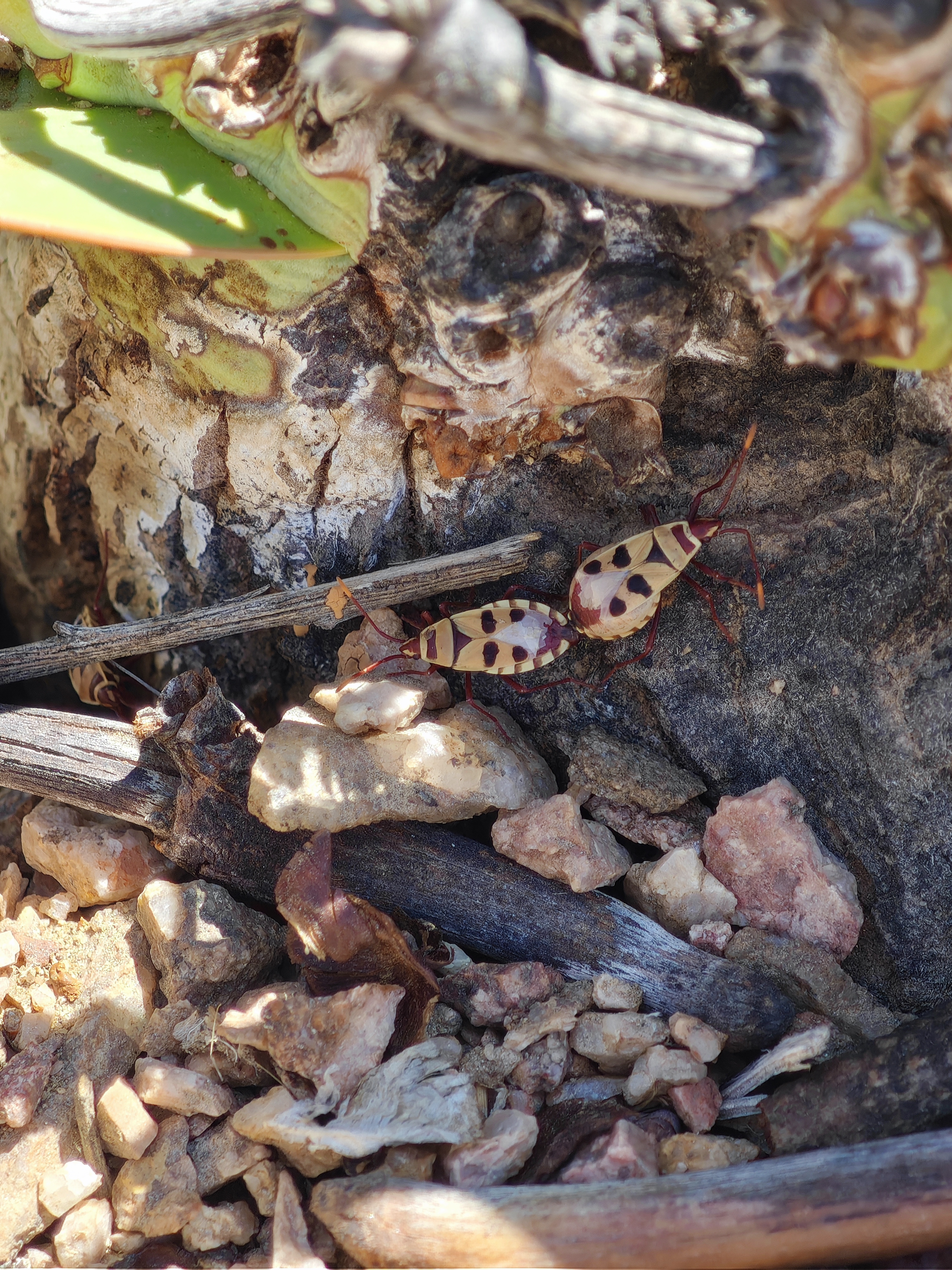
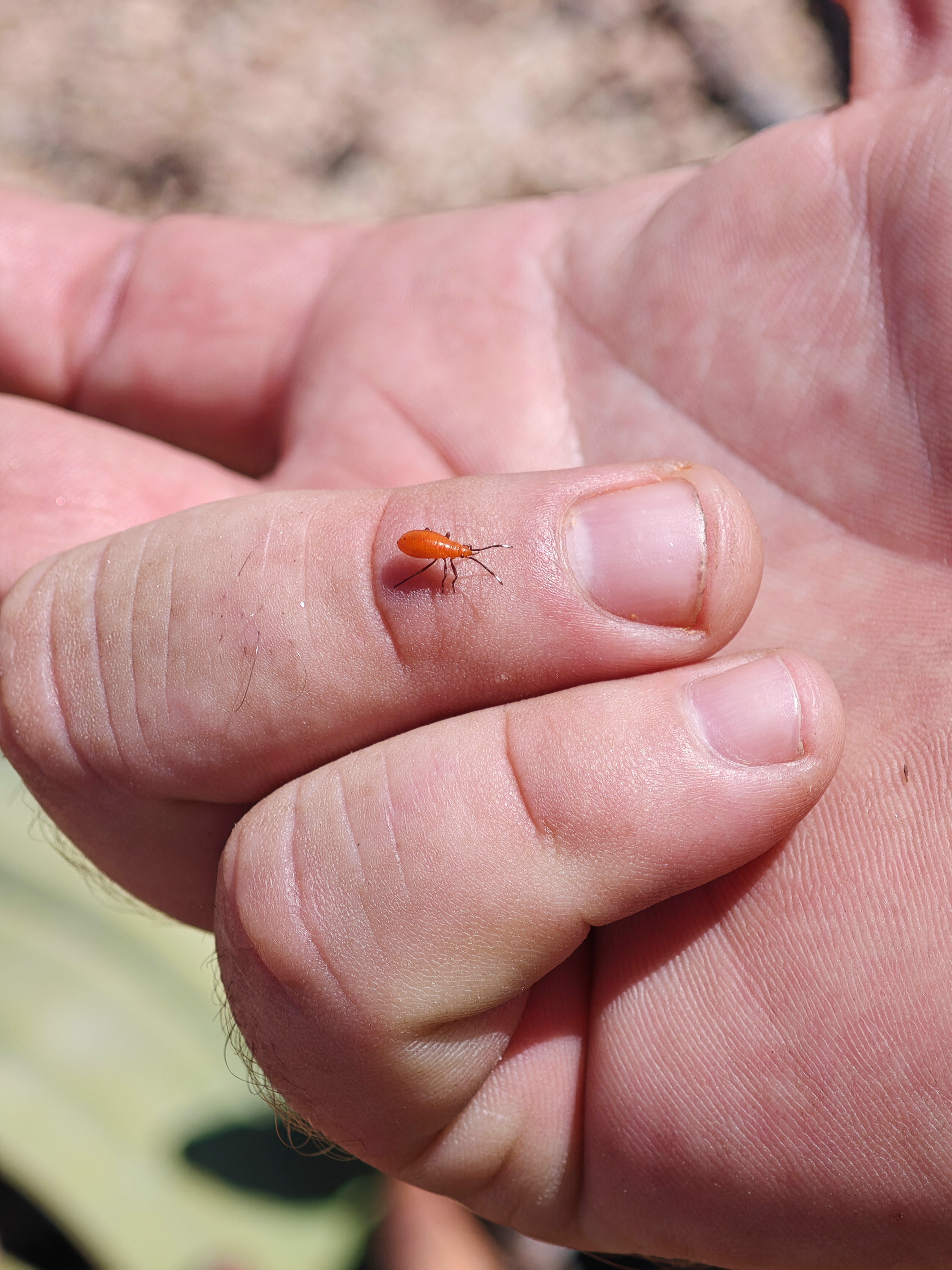
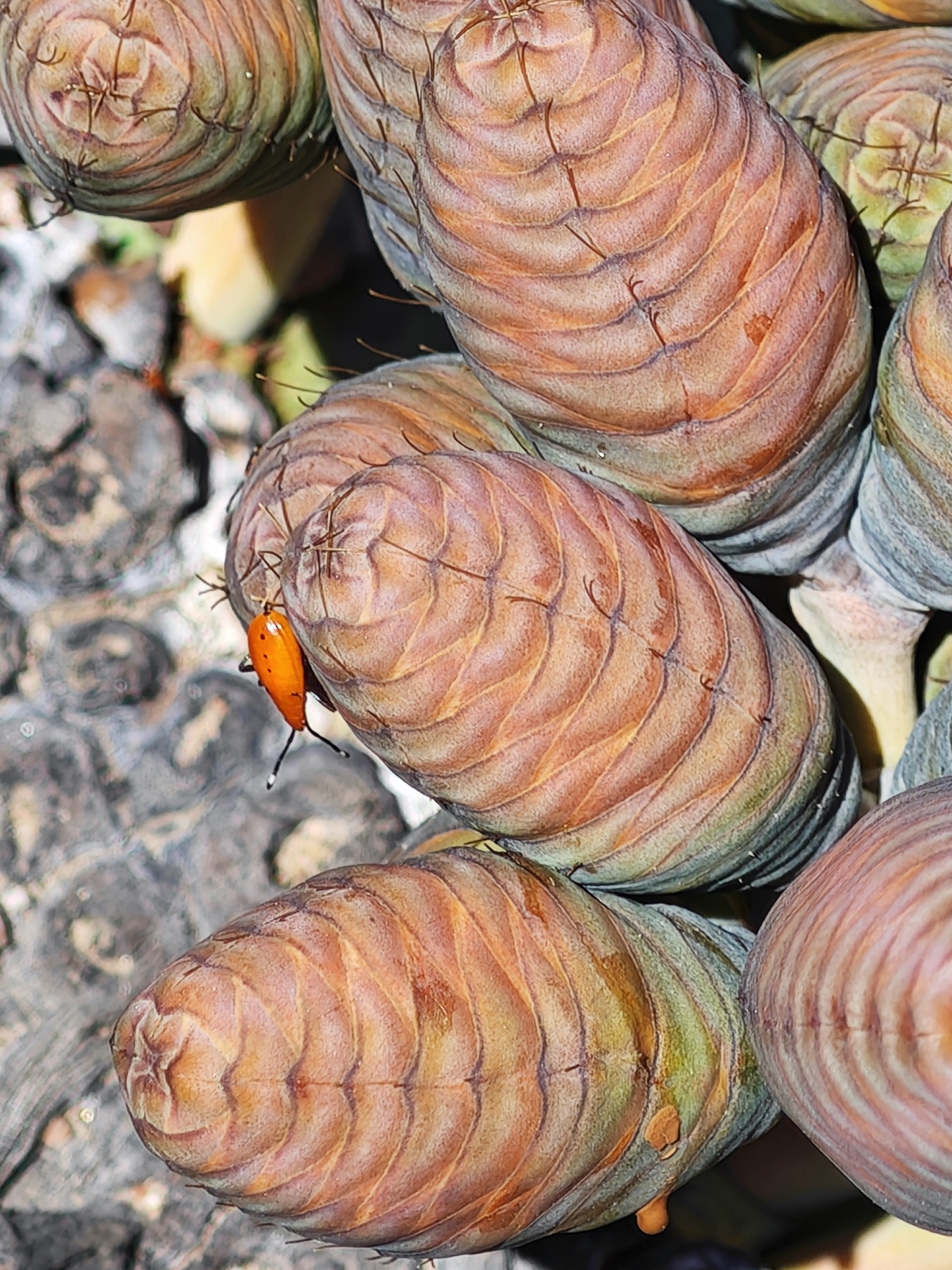
Welwitschia is often referred to as a living fossil because it belongs to a plant lineage that has remained largely unchanged for over 100 million years. Scientists believe that this plant is a remnant from the Jurassic period, when the Earth’s climate was vastly different from today. Despite its ancient lineage, Welwitschia has perfectly adapted to the extreme conditions of the Namib Desert, where temperatures can exceed 40°C (104°F) and rainfall is rare. Not only has it survived for millions of years, but some individual plants are thought to be over a thousand years old, with a few possibly exceeding 2,000 years in age. Probergrothius angolensis, sometimes known as the Welwitschia bug, is a species of true bug found in the Namib Desert and nearby regions. The little orange bug is a baby of the larger bugs enjoying them selves in the photo!
One of the most fascinating aspects of Welwitschia is its appearance. While most plants grow new leaves throughout their lives, Welwitschia only produces two leaves, which last for its entire lifespan. These two leaves grow continuously from a central, woody base, eventually becoming long, twisted, and frayed from the desert winds. The leaves can reach lengths of up to 13 feet, although their appearance is often tattered due to constant exposure to the elements. The plant’s thick, woody stem, or crown, is low to the ground, providing stability and helping it to retain moisture in the arid desert. The Namib Desert is one of the driest places on Earth, with an average annual rainfall of less than 2 inches in some areas. Its leaves are equipped to capture moisture from fog, which frequently rolls in from the Atlantic Ocean. This ability to collect water from the air is crucial to the plant’s survival, as rainfall in the Namib is often unpredictable and sparse. In addition to its fog-harvesting capabilities, Welwitschia’s deep taproot allows it to access underground water sources. This root can extend more than 30 feet into the ground, ensuring that the plant can absorb moisture even during prolonged droughts.
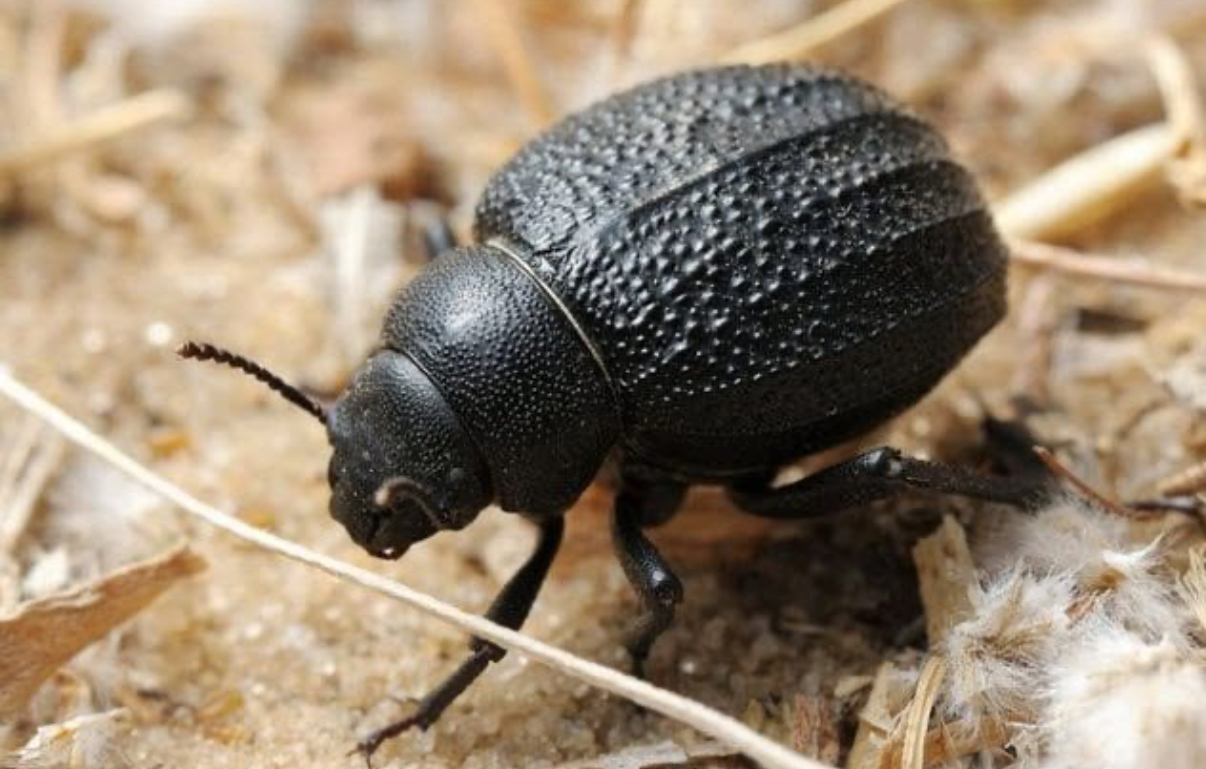
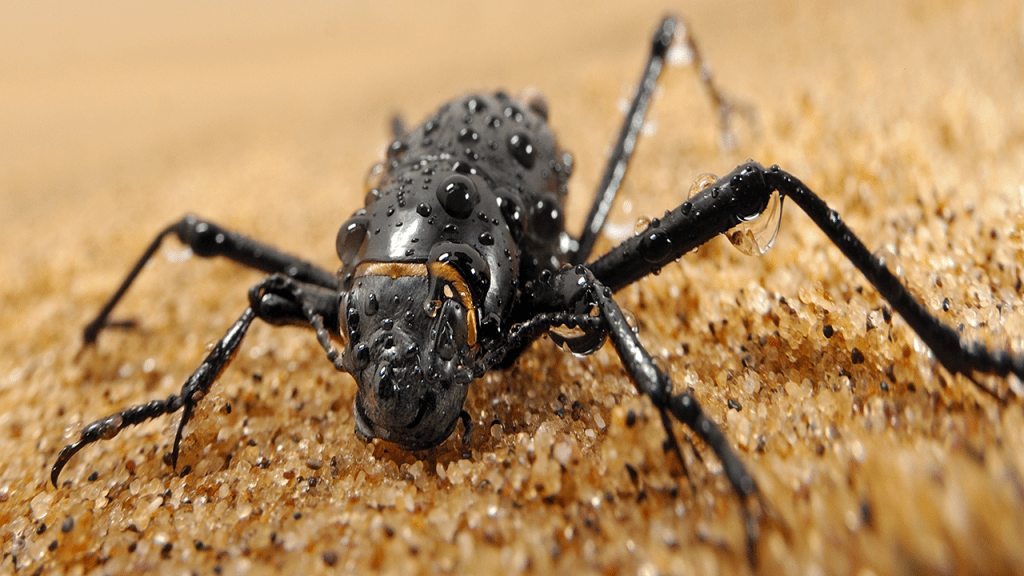
I knew about the desert beetle also called the desert Ferrari (the move very fast) because Larkin had done research on their design to add to her world building series. To survive in the arid wilderness of southwestern Africa, the Namib Desert beetle harvests water from thin air. The blueberry-size, with longer back legs, leans its bumpy body into the wind, letting droplets of fog accumulate and drip down its wing case into its mouth. For years, scientists have tried to learn the insect’s secrets to help provide clean water to communities in water-stressed areas.
When the Namib Desert beetle (Stenocara gracilipes) “fog basks,” water droplets hit its abdomen and roll down its body. Researchers have spent decades trying to discover how the insect’s surface transports the droplets to its mouth. But first, the beetle must collect the droplets. Researches are hoping they can actually figure a way to scale this beetle approach to something large enough to collect enough water that actually matters on a human level. At Dillon beach during droughts, this would be an amazing technology! By the way, we never saw one, but it was nice being in their desert!
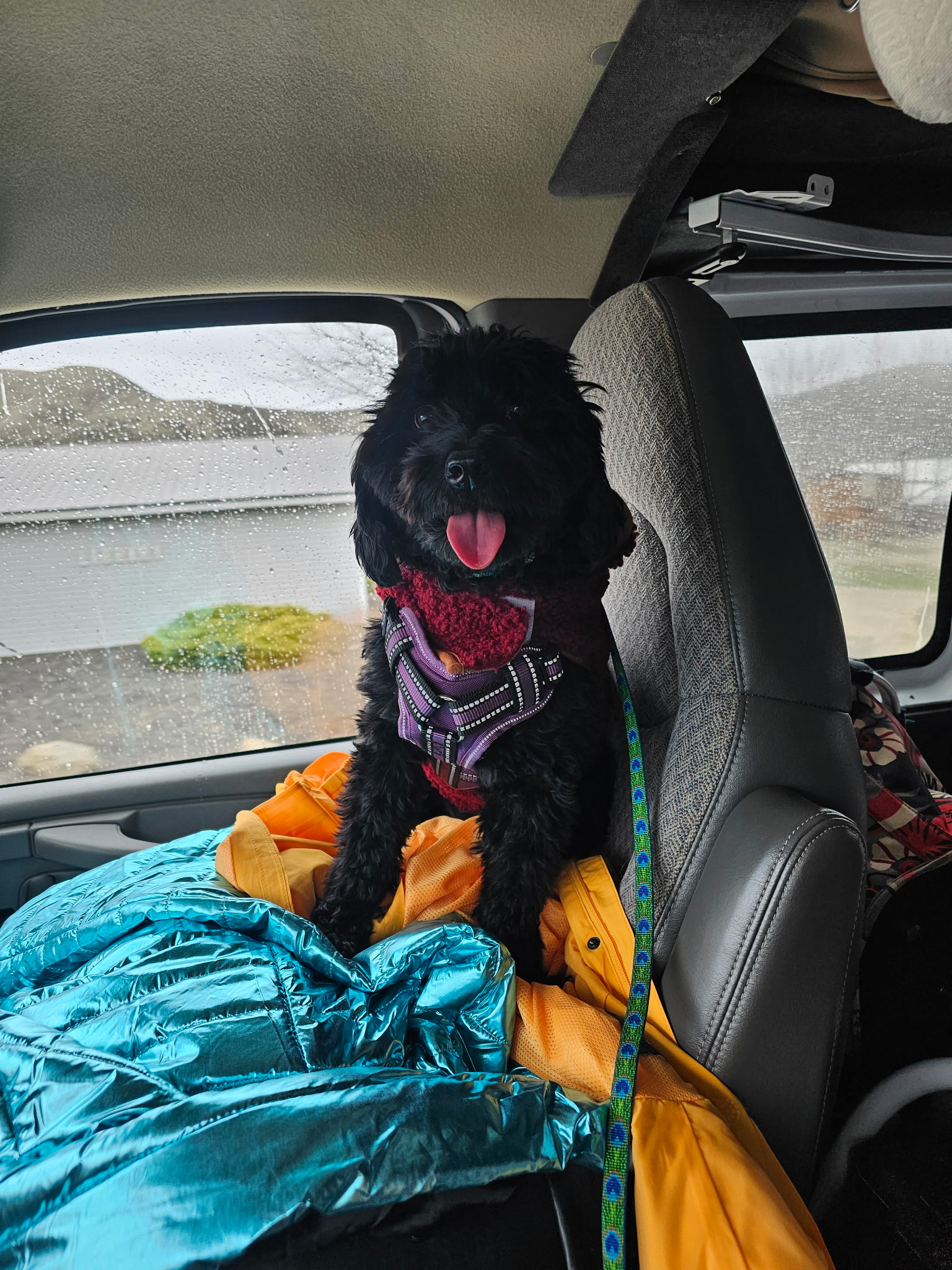
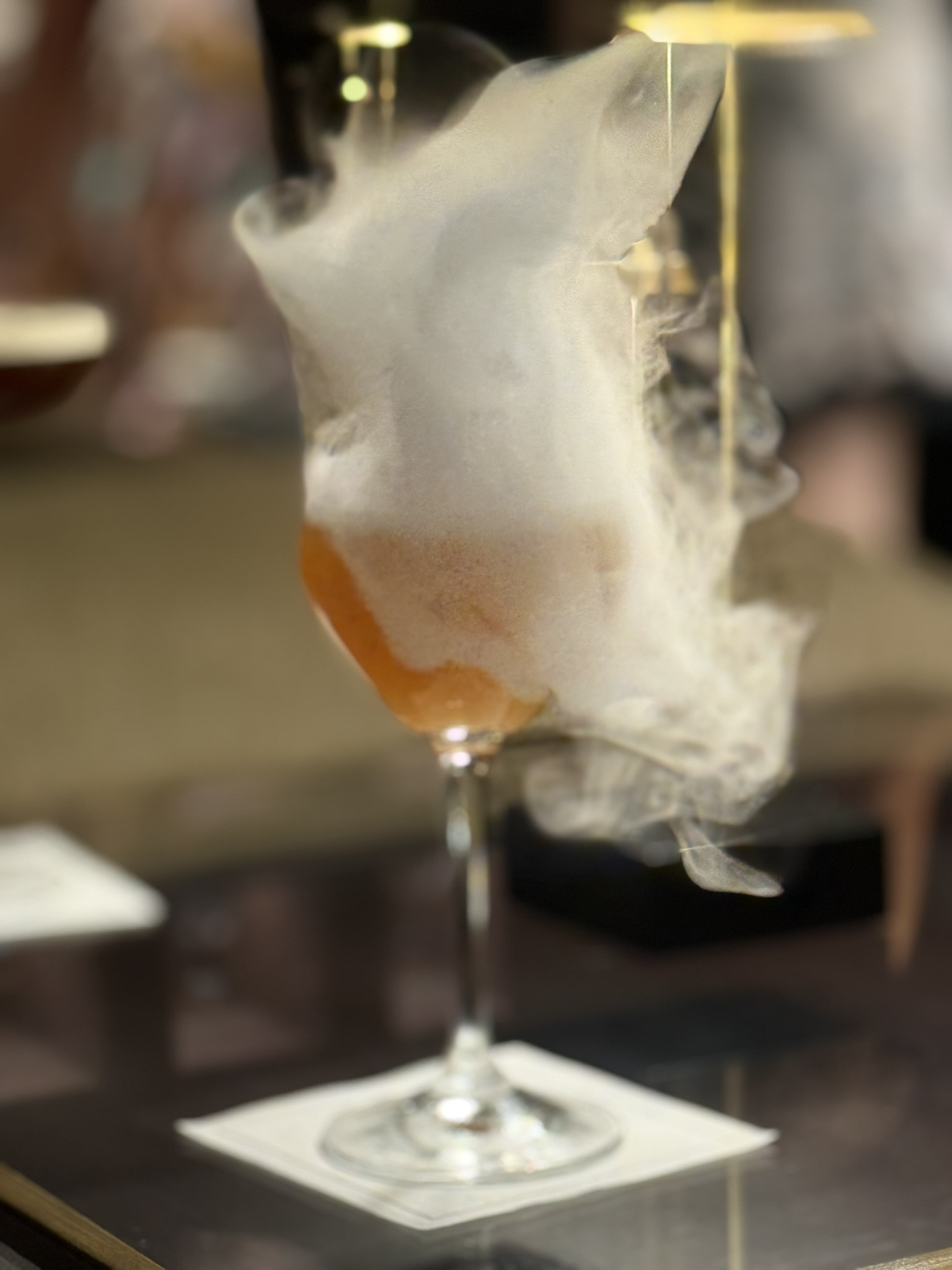
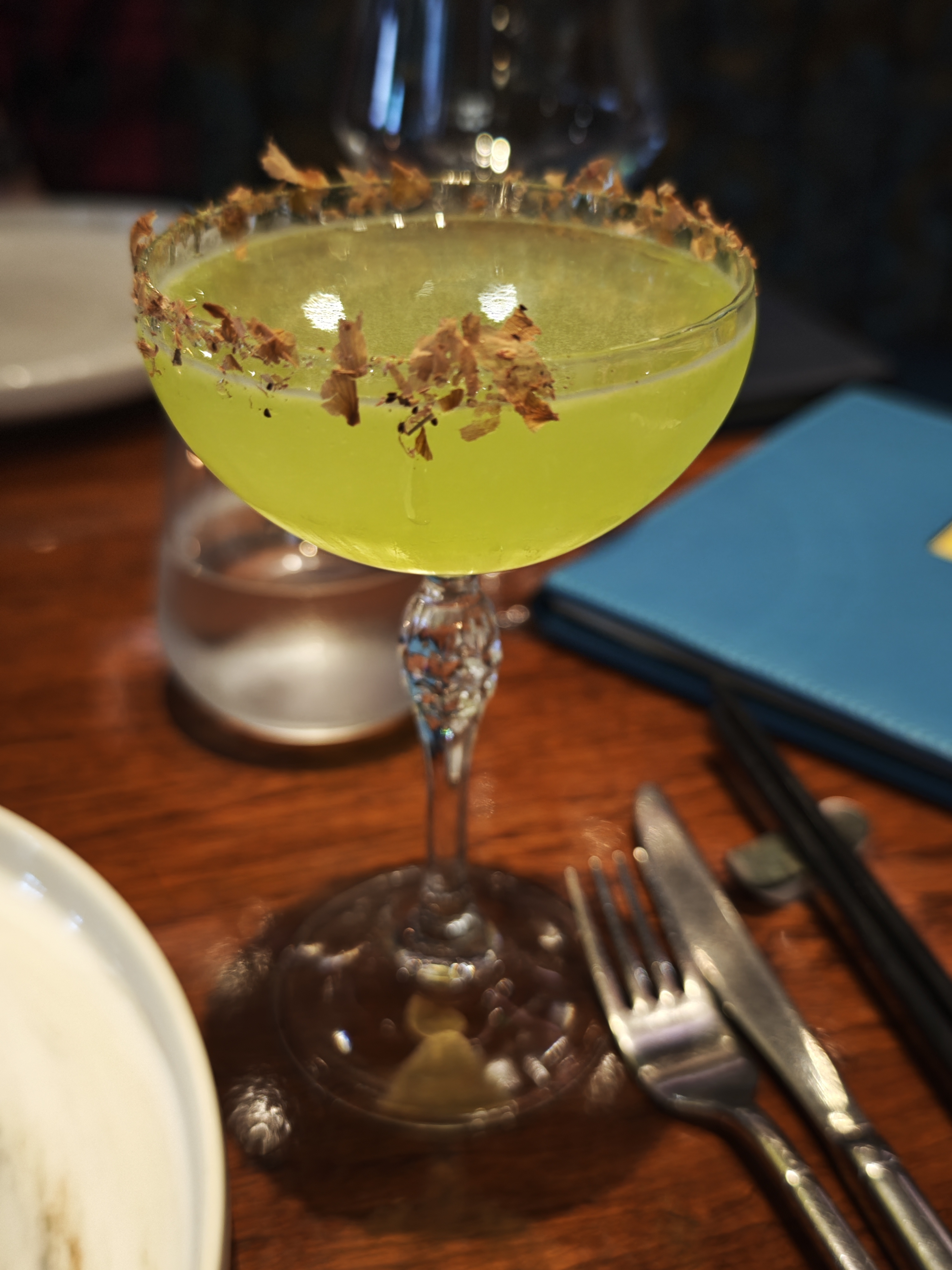
JJ is still having fun and has a new companion named Emmett. The Moon cocktail is hard to pass up every few weeks!
Next up West Africa ports of Luanda, Tema, Takoradi and Banjul and Dakar…
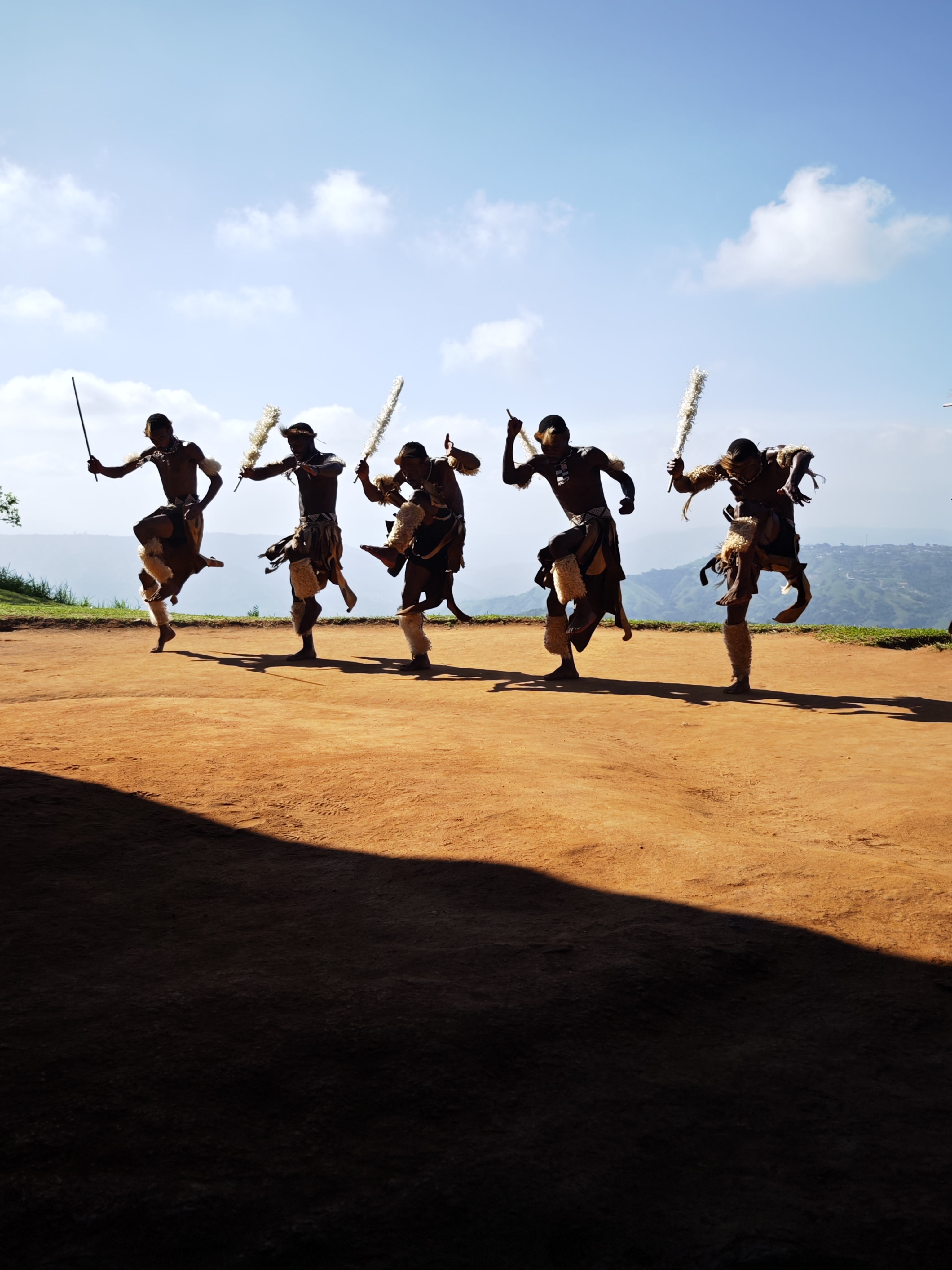
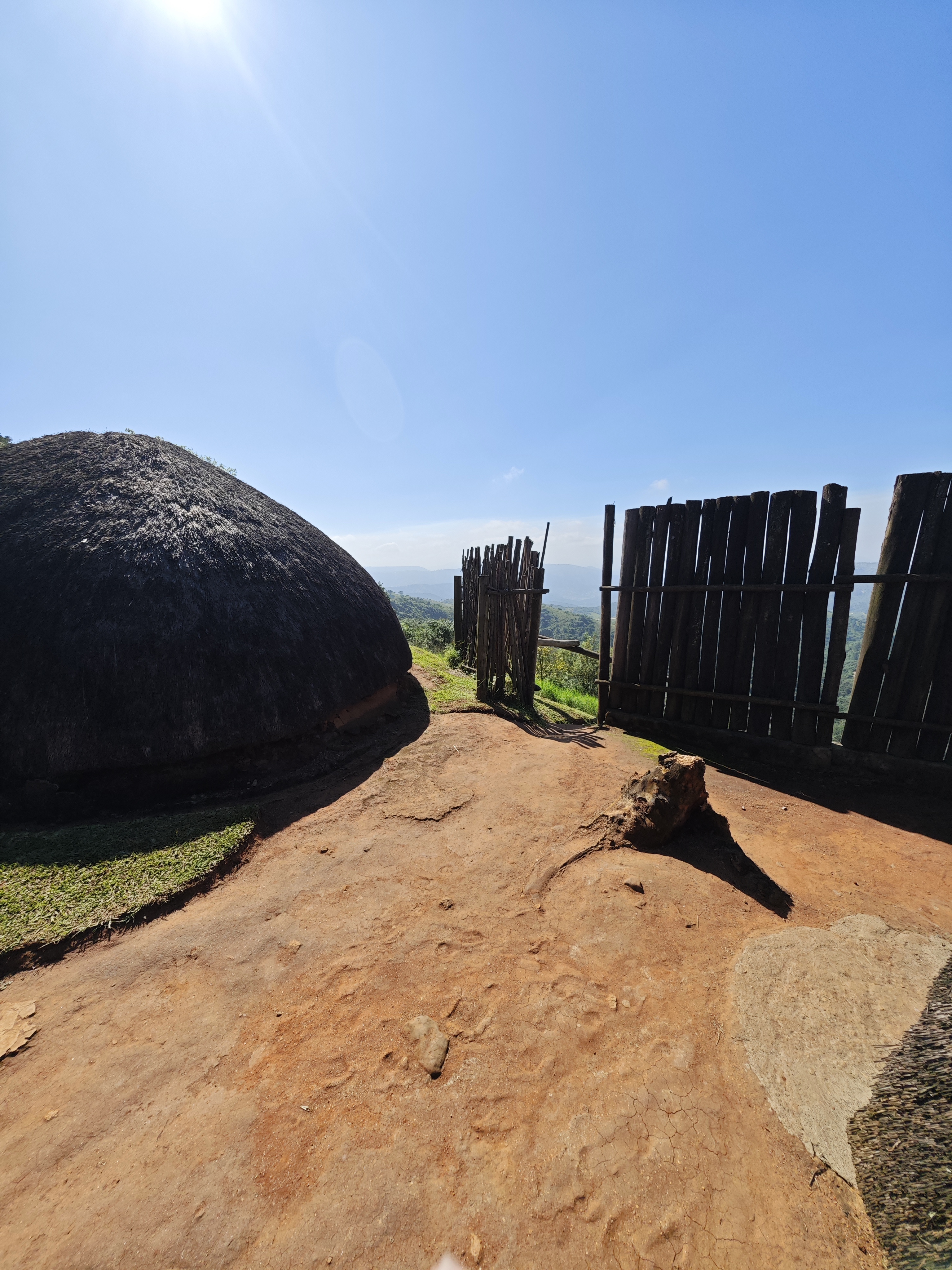
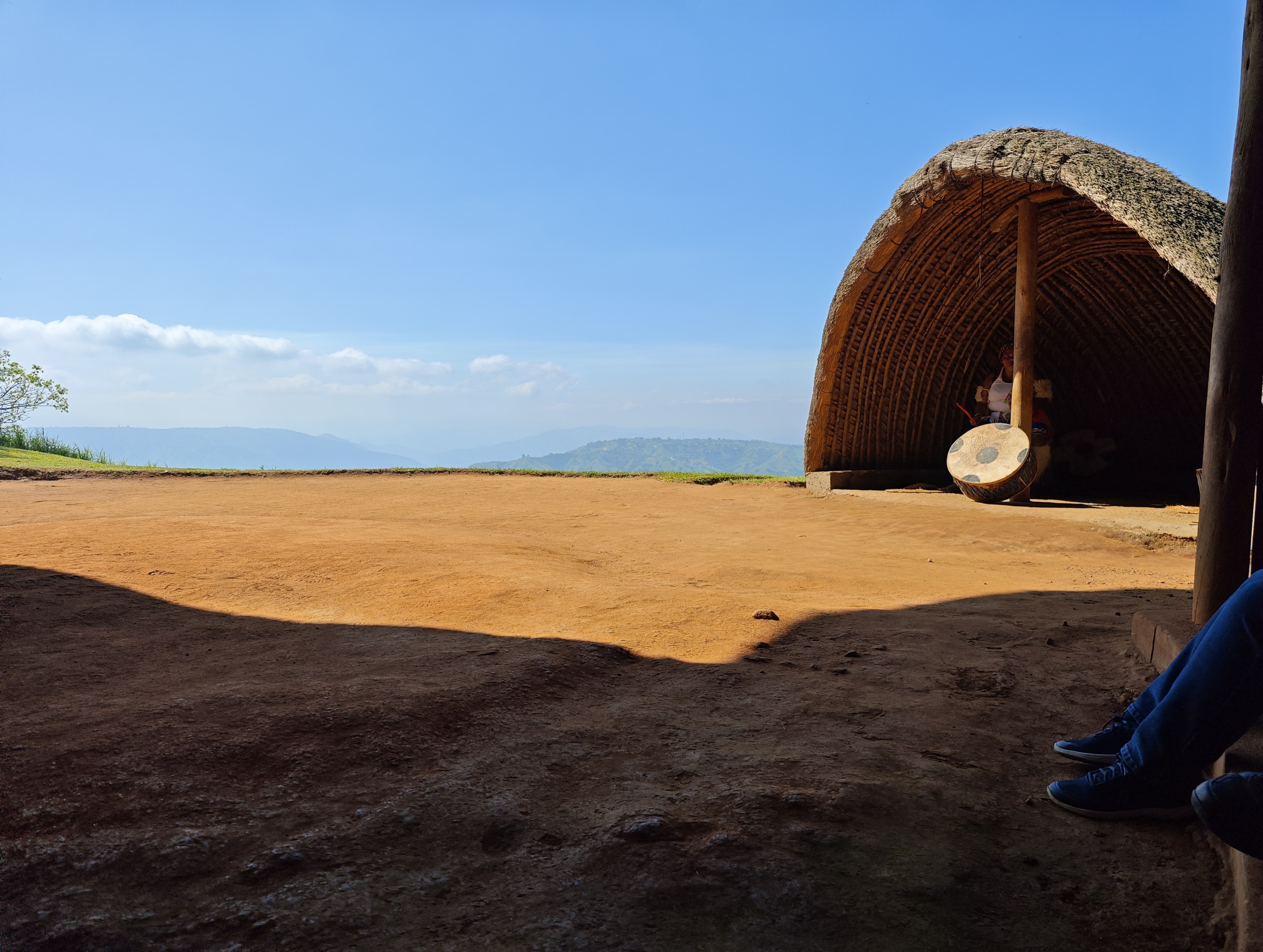
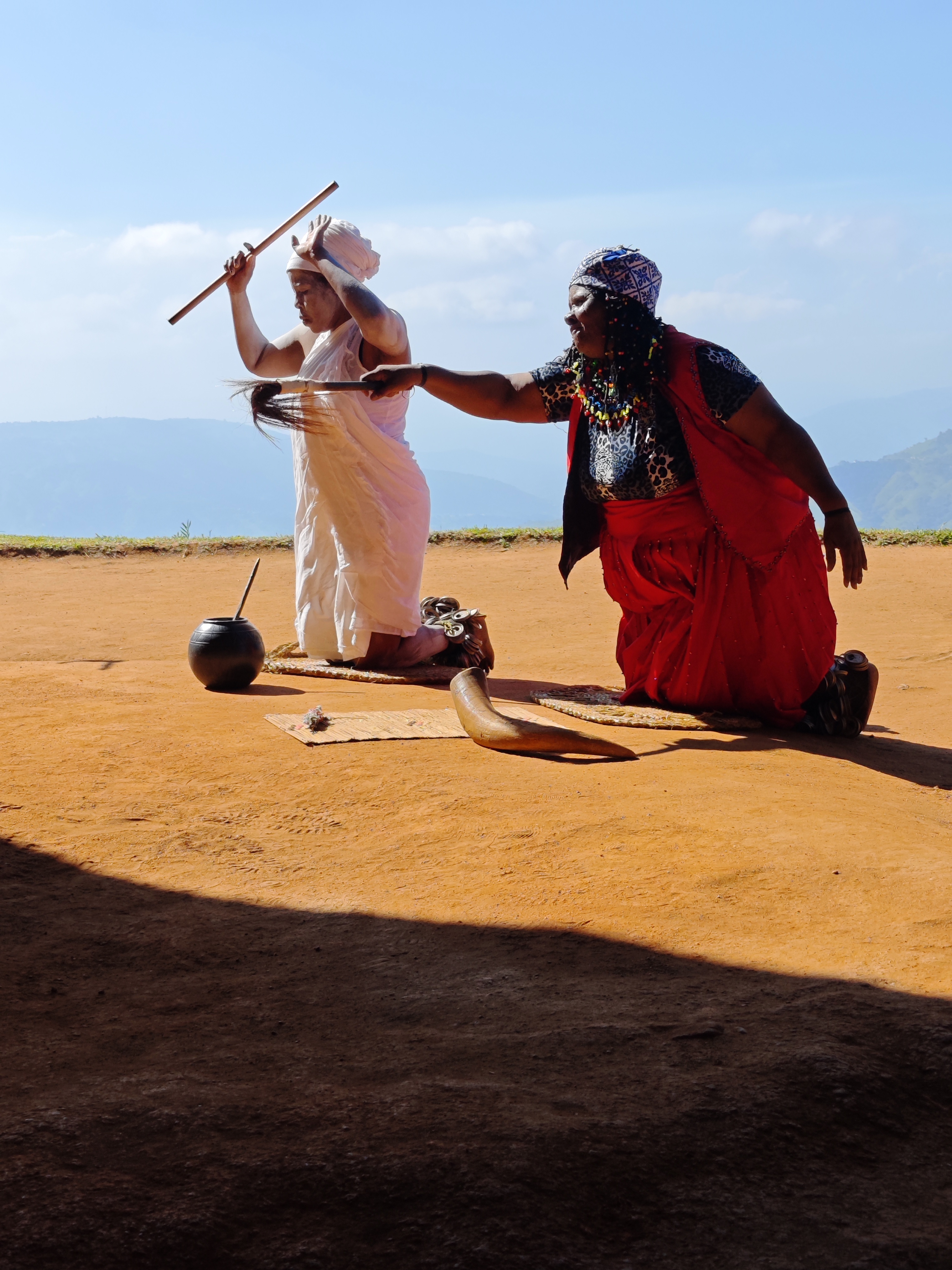
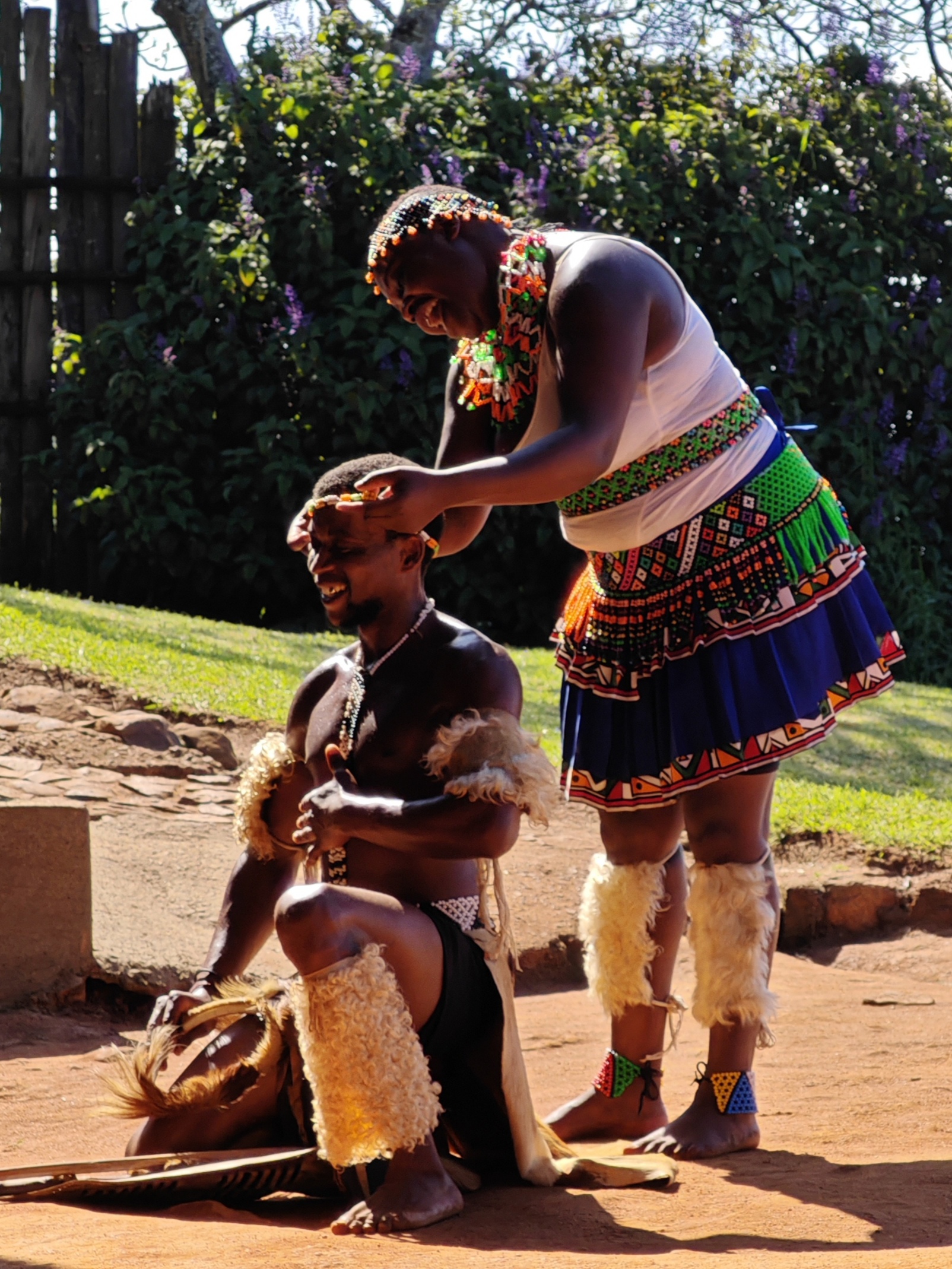
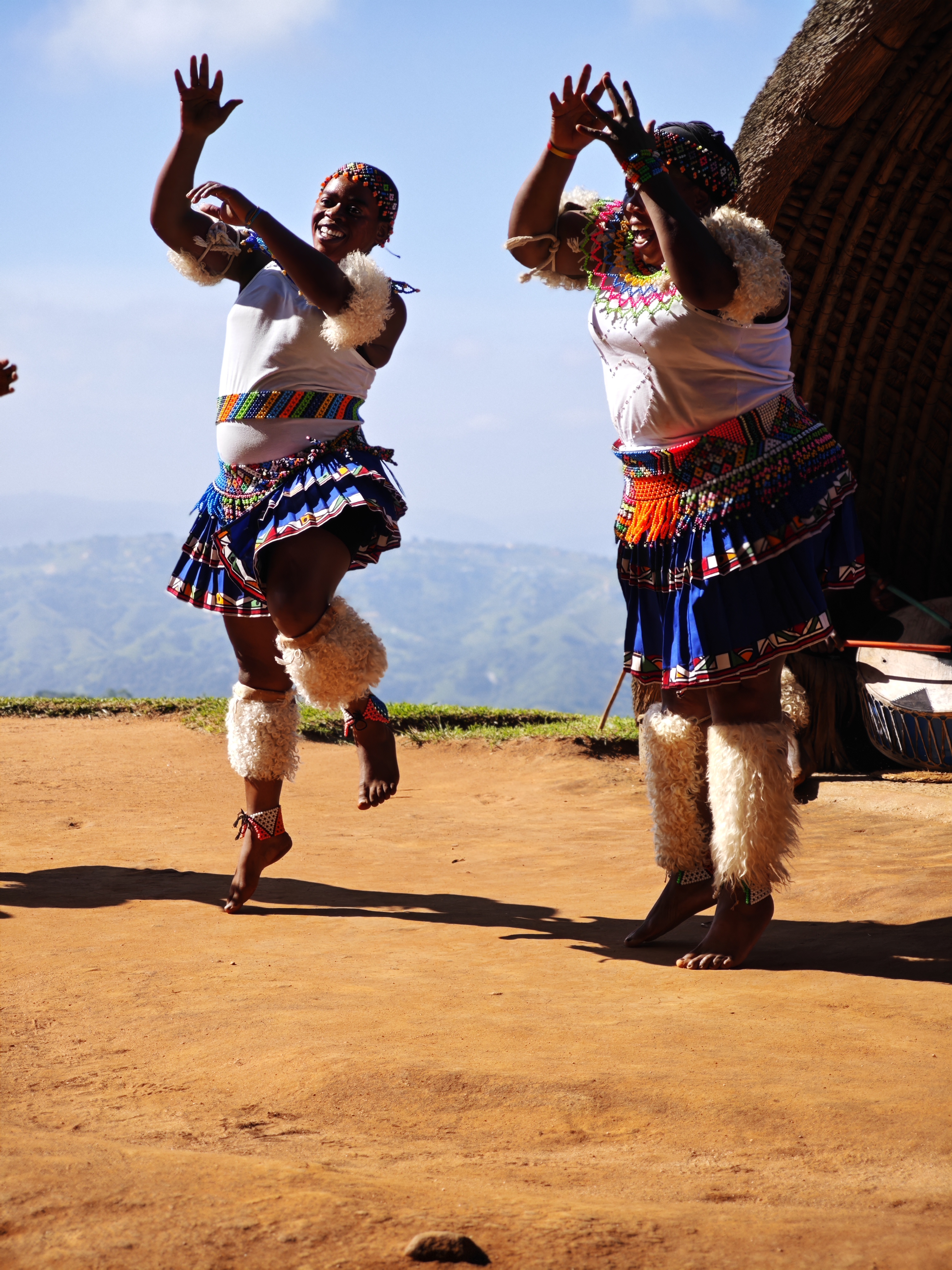
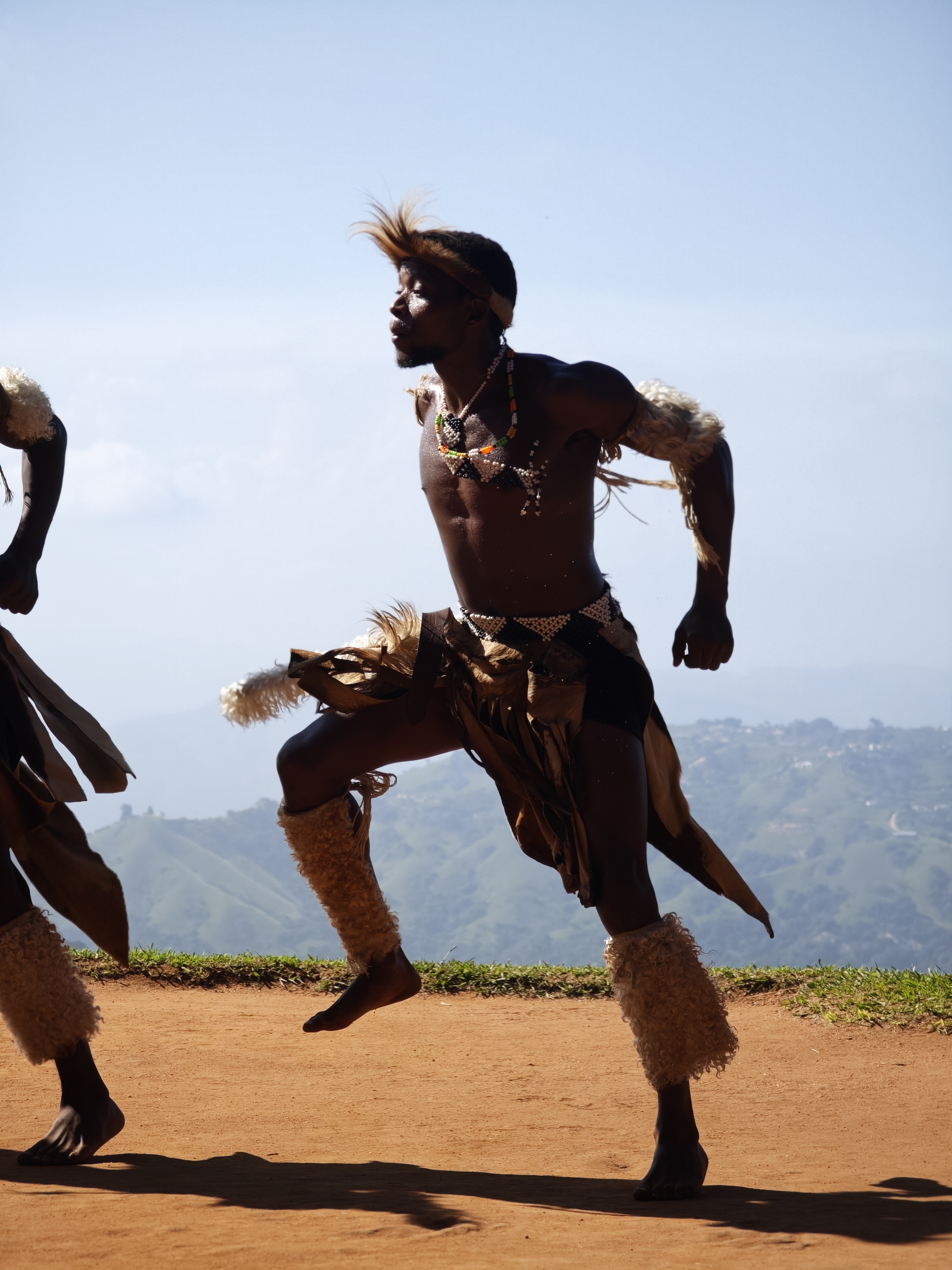
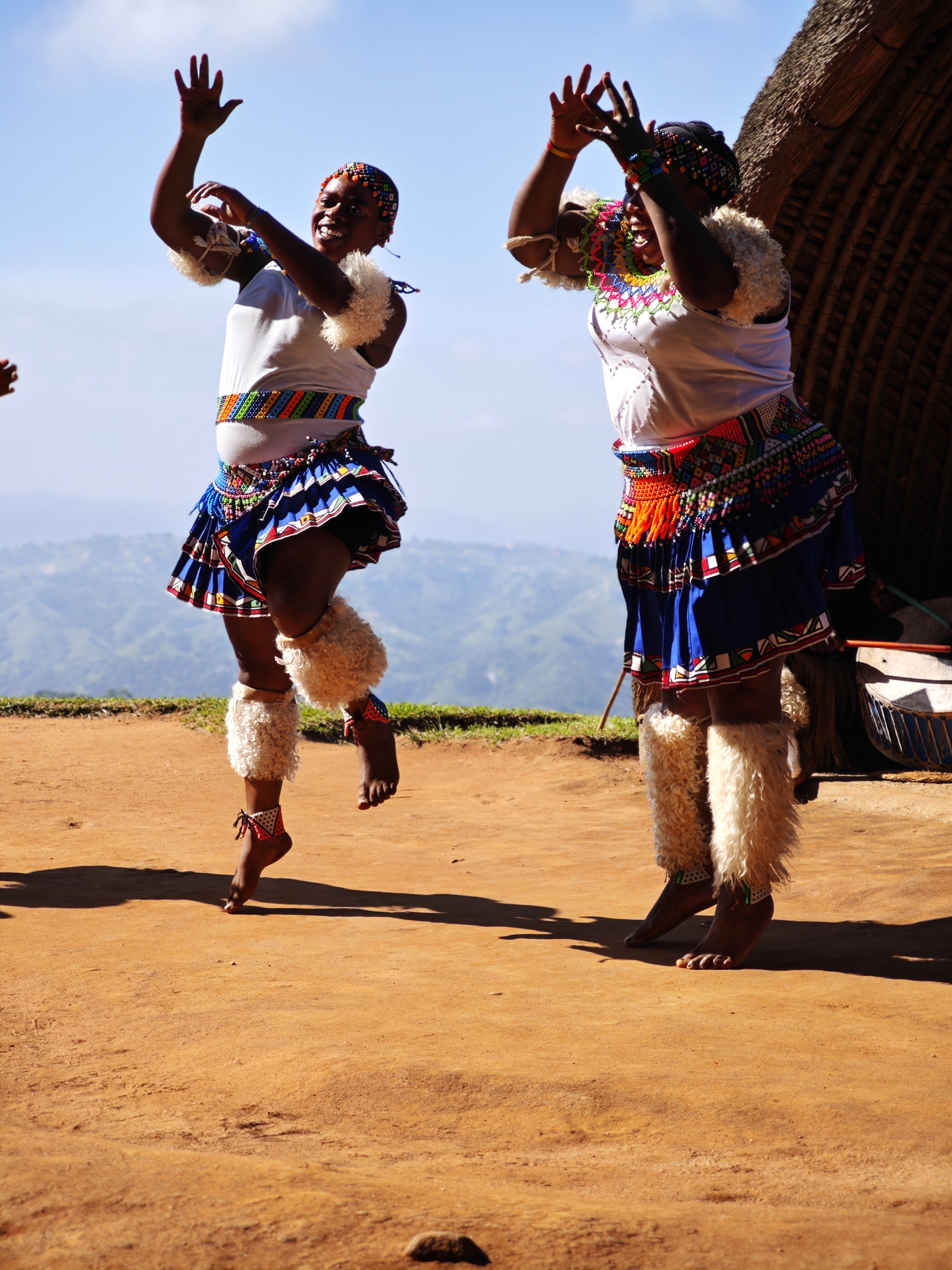
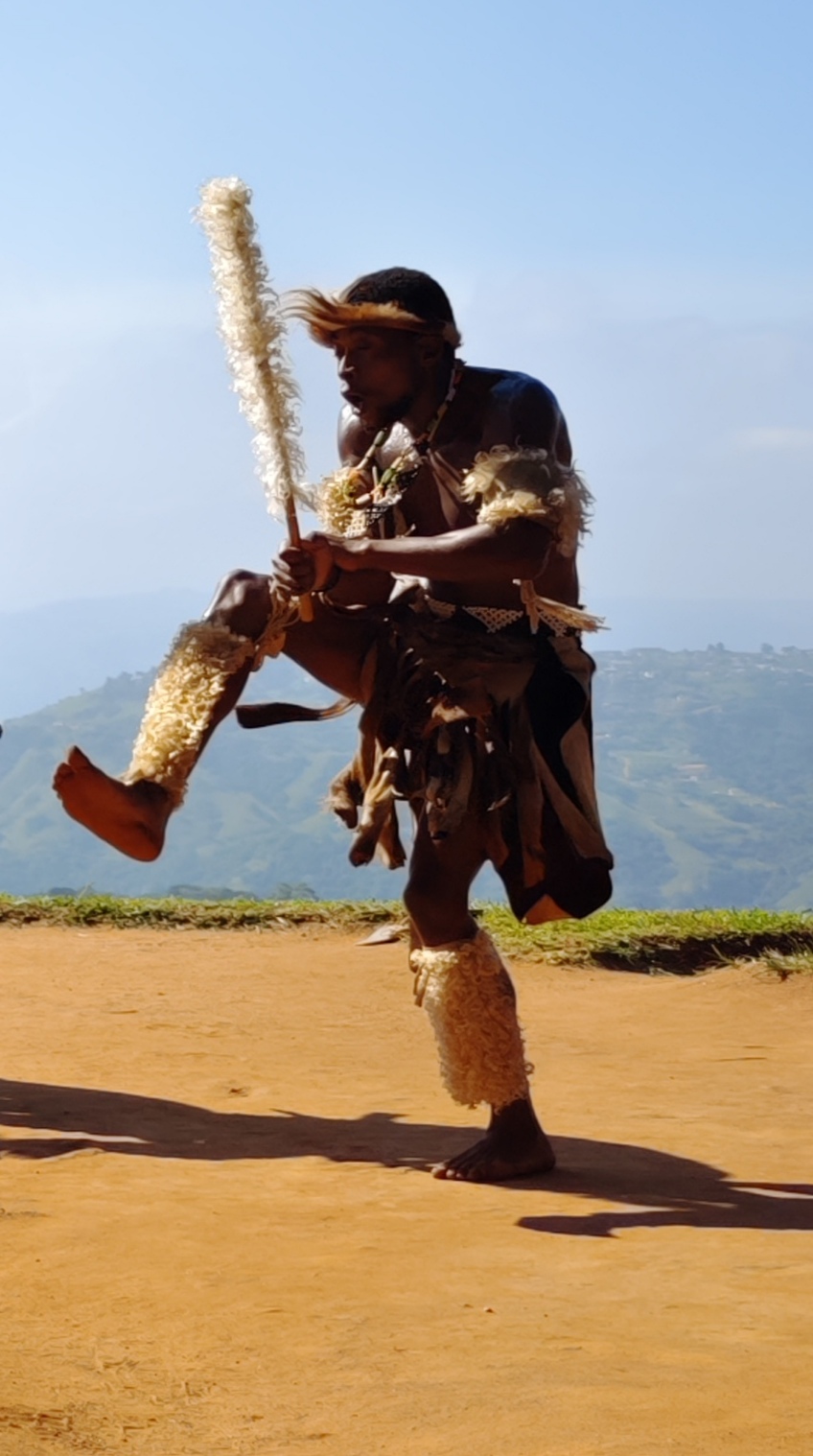
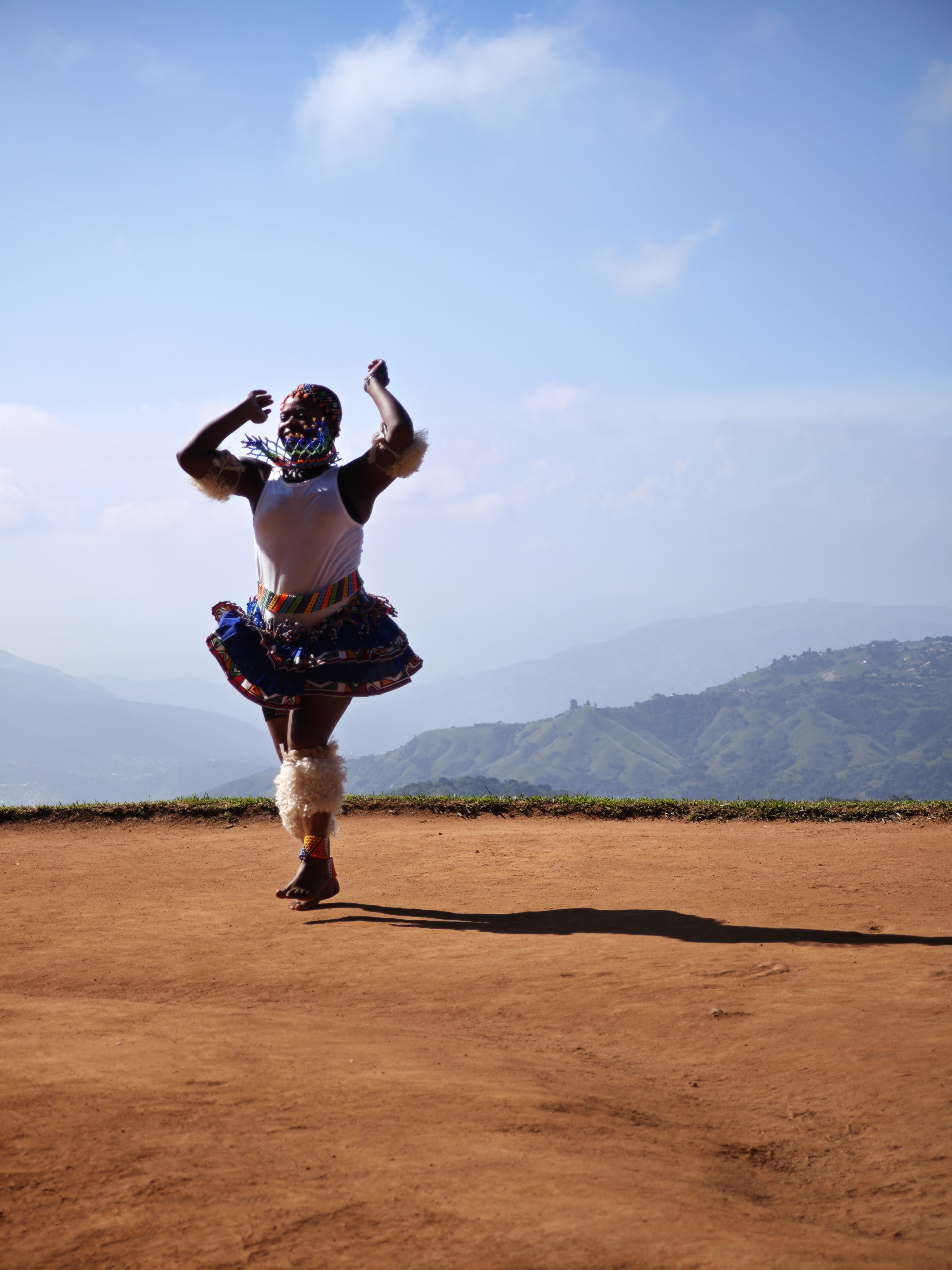
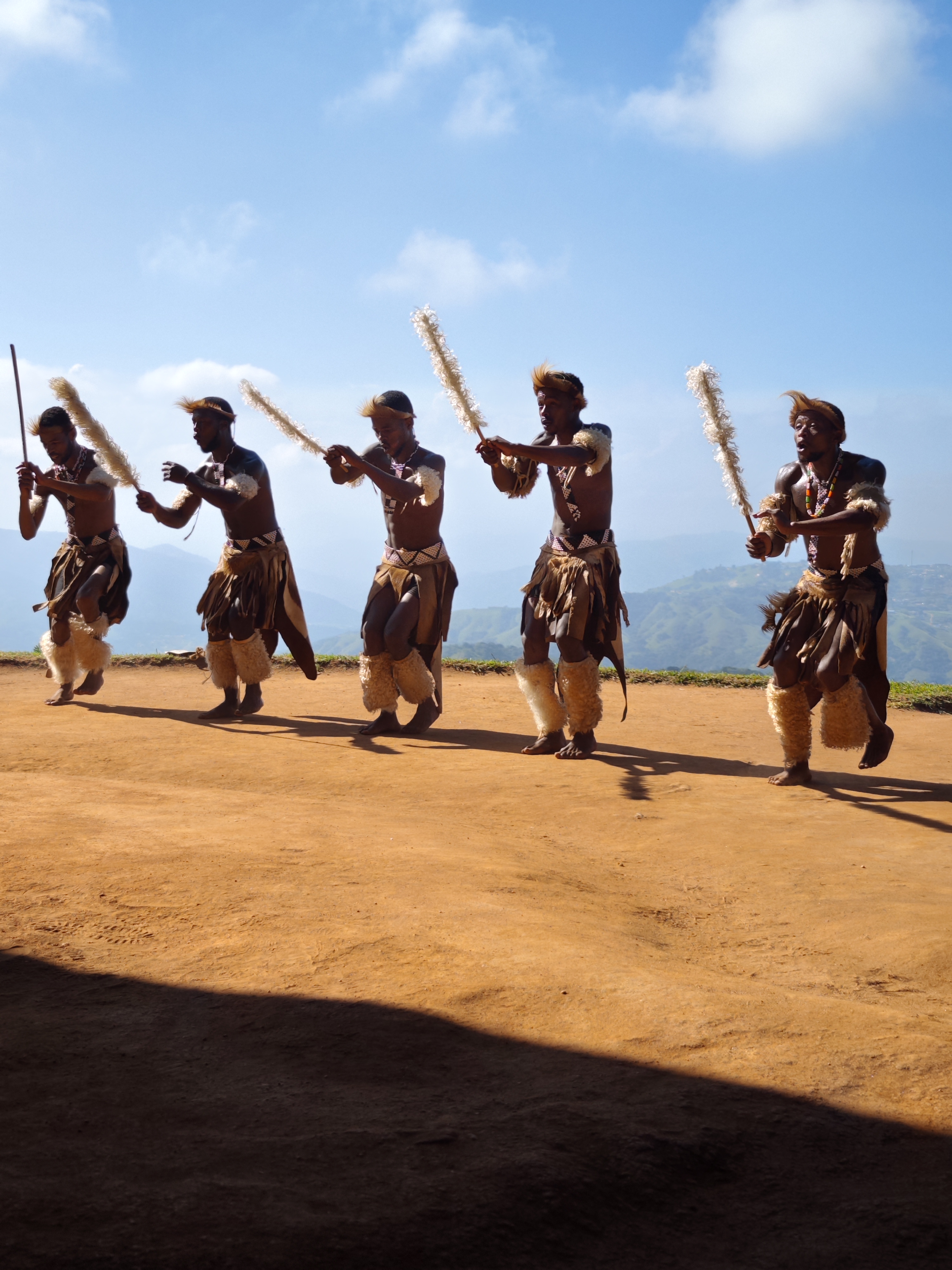
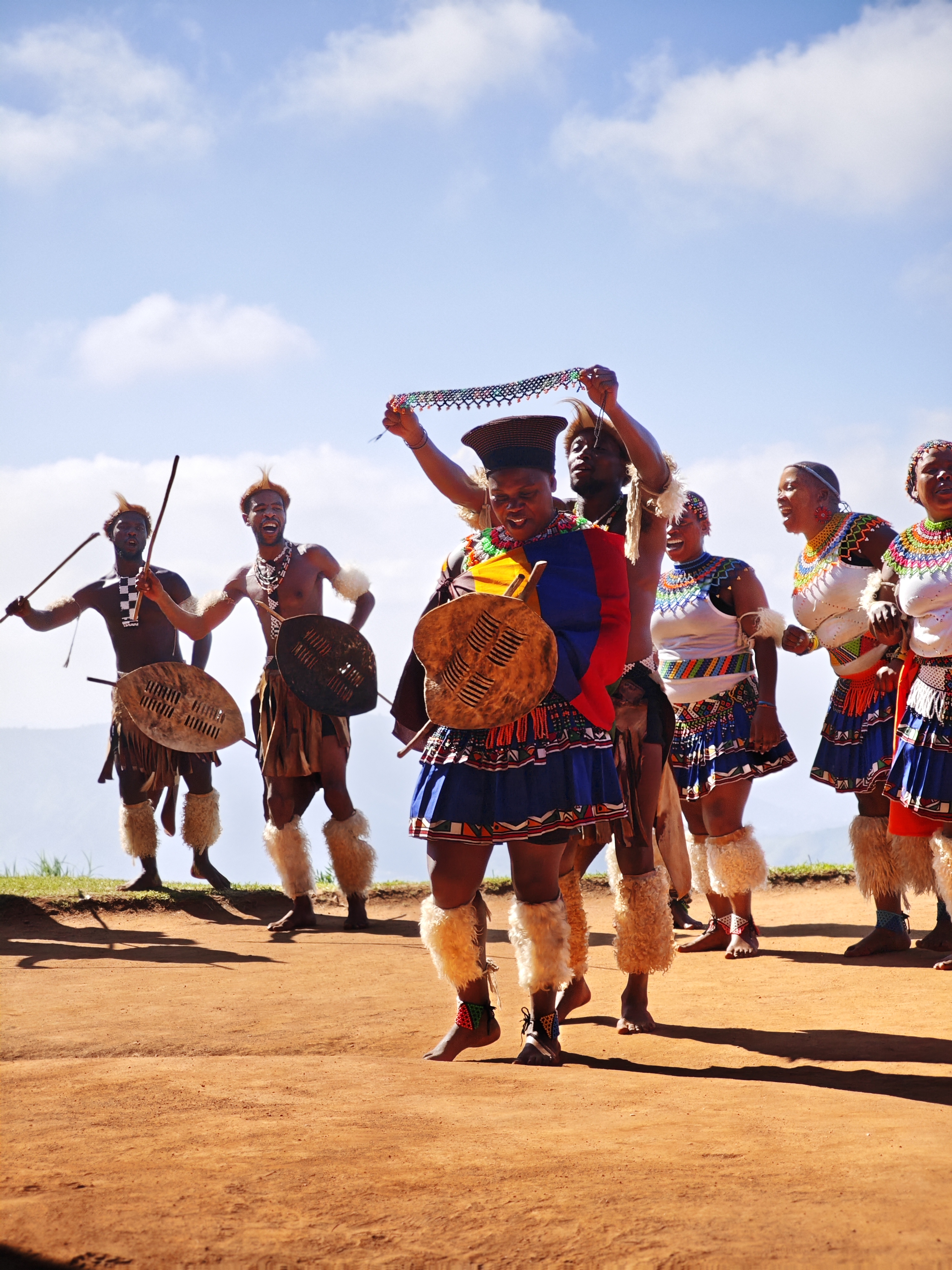
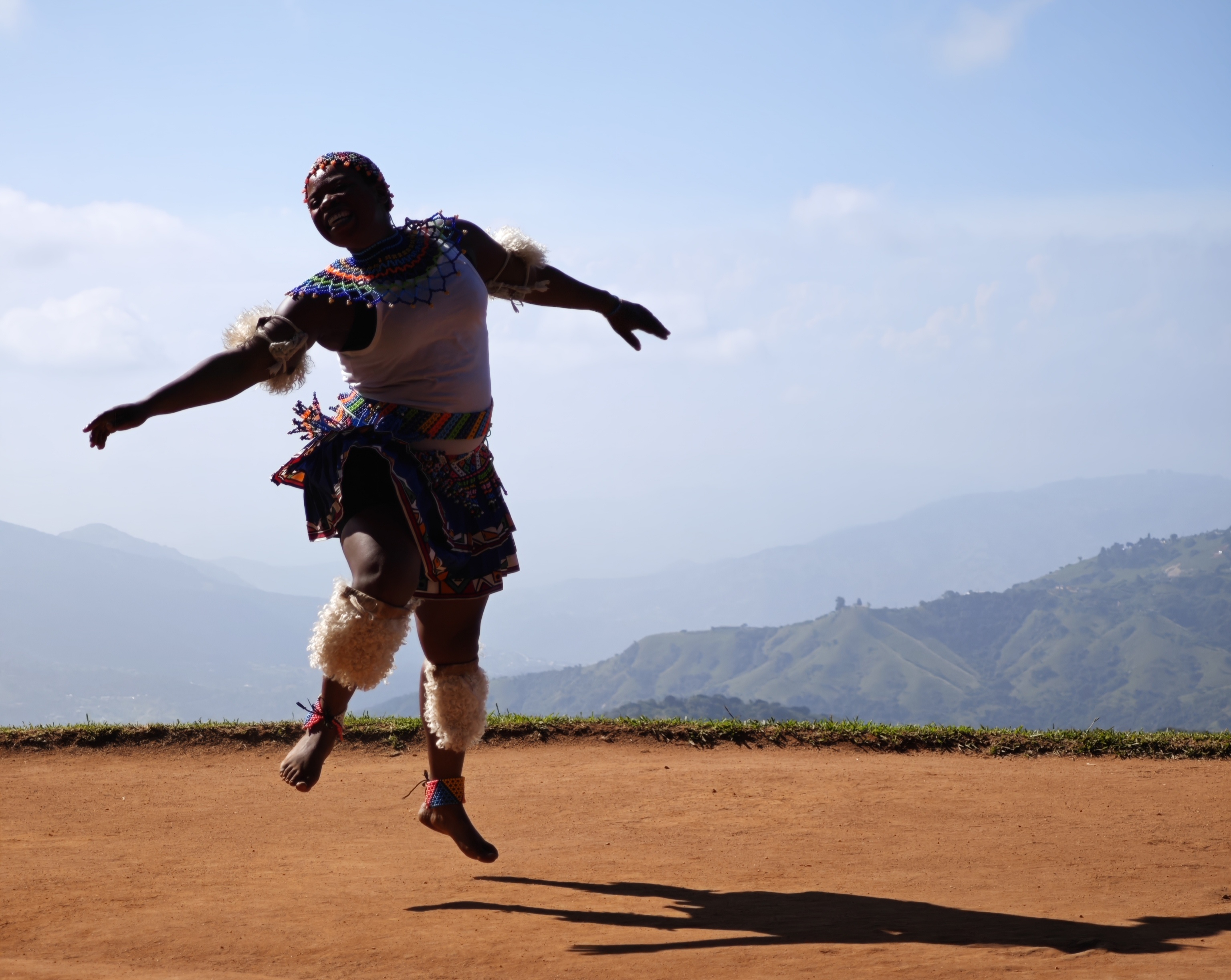
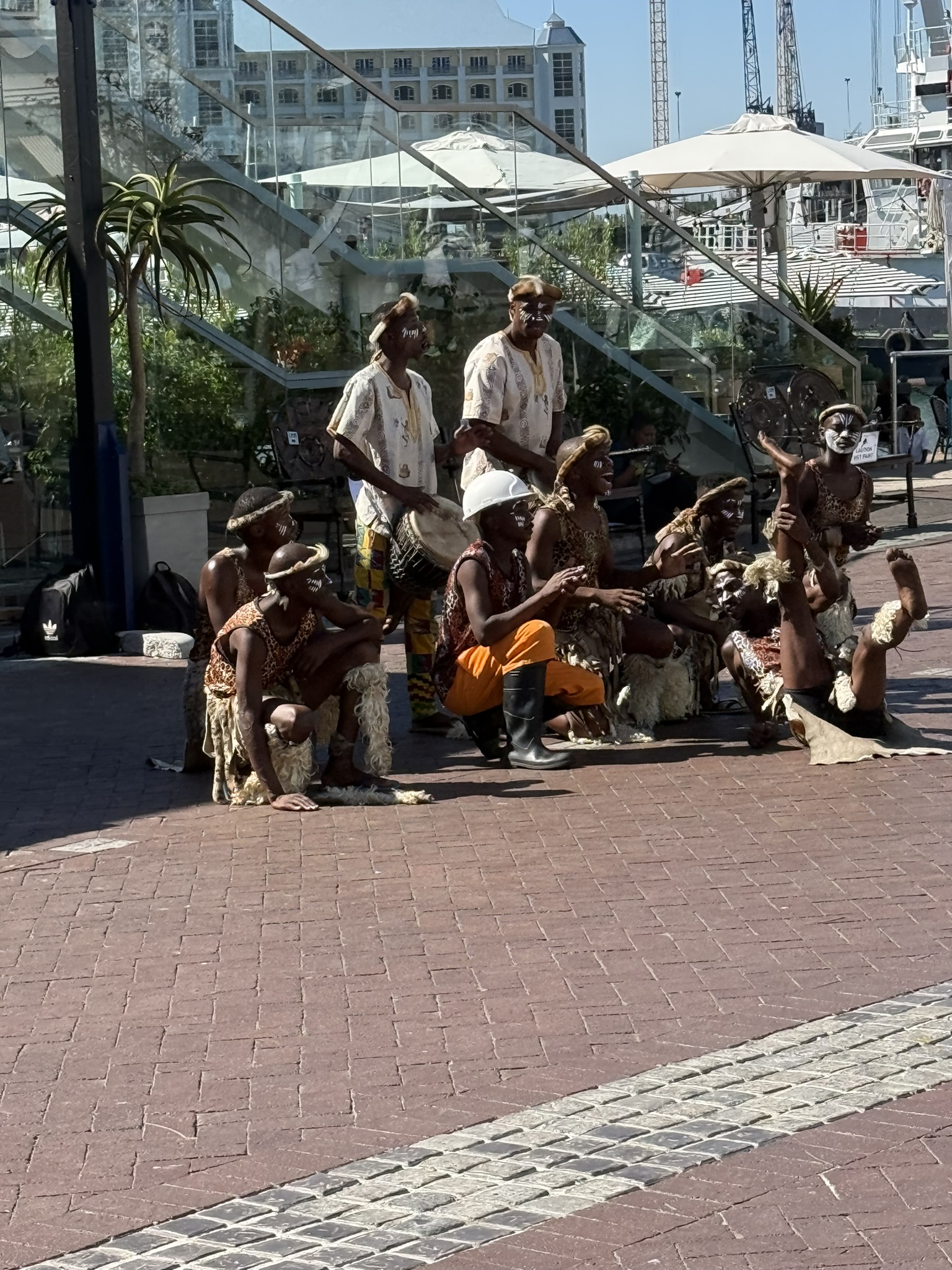
In Durban we visited the Valley of a Thousand Hills…and had a dance performance of the Zulu tribe! The tribe demonstrated how a man could ask a woman to marry him…well sort of. The day was beautiful along with the vistas.
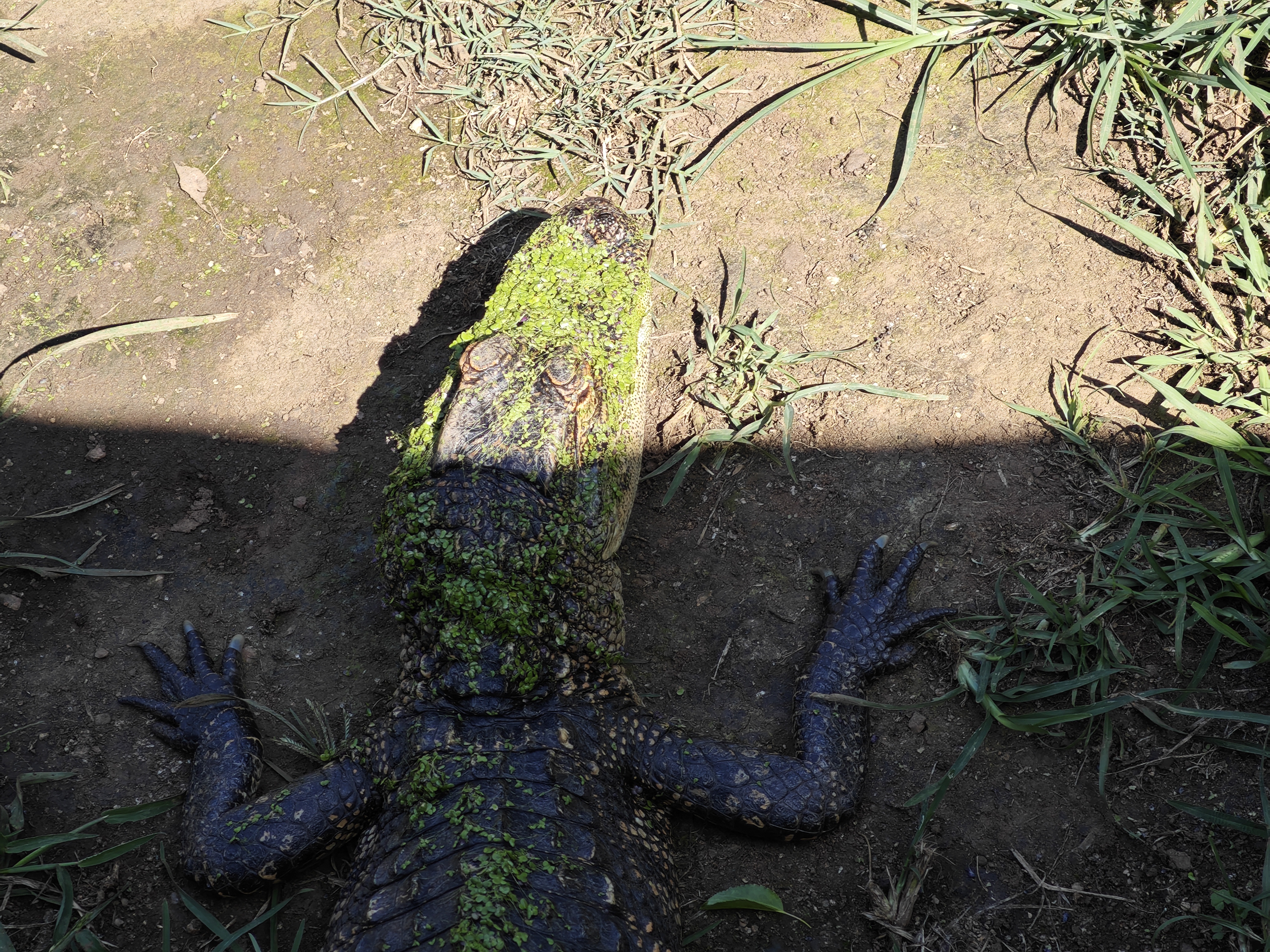
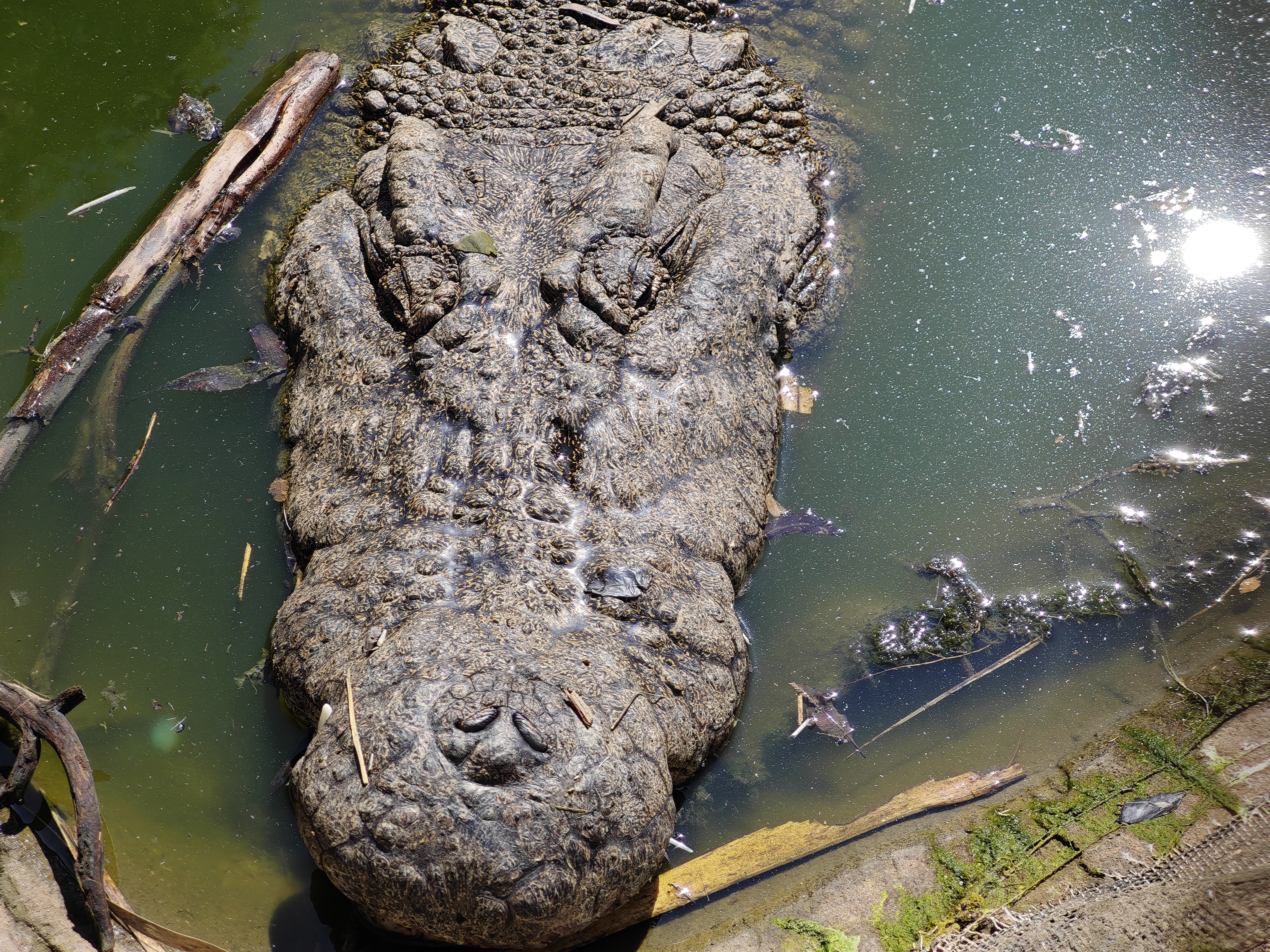
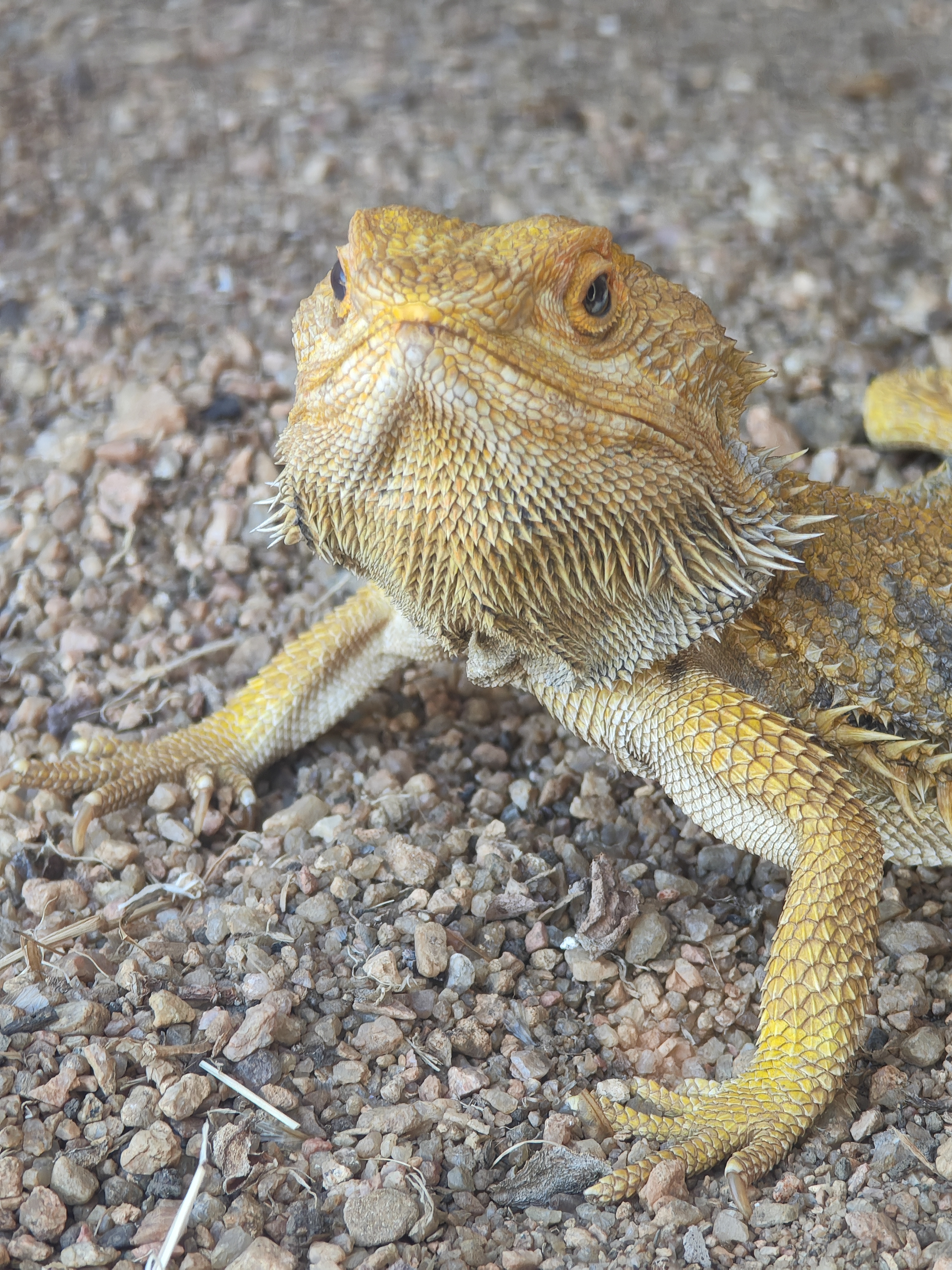
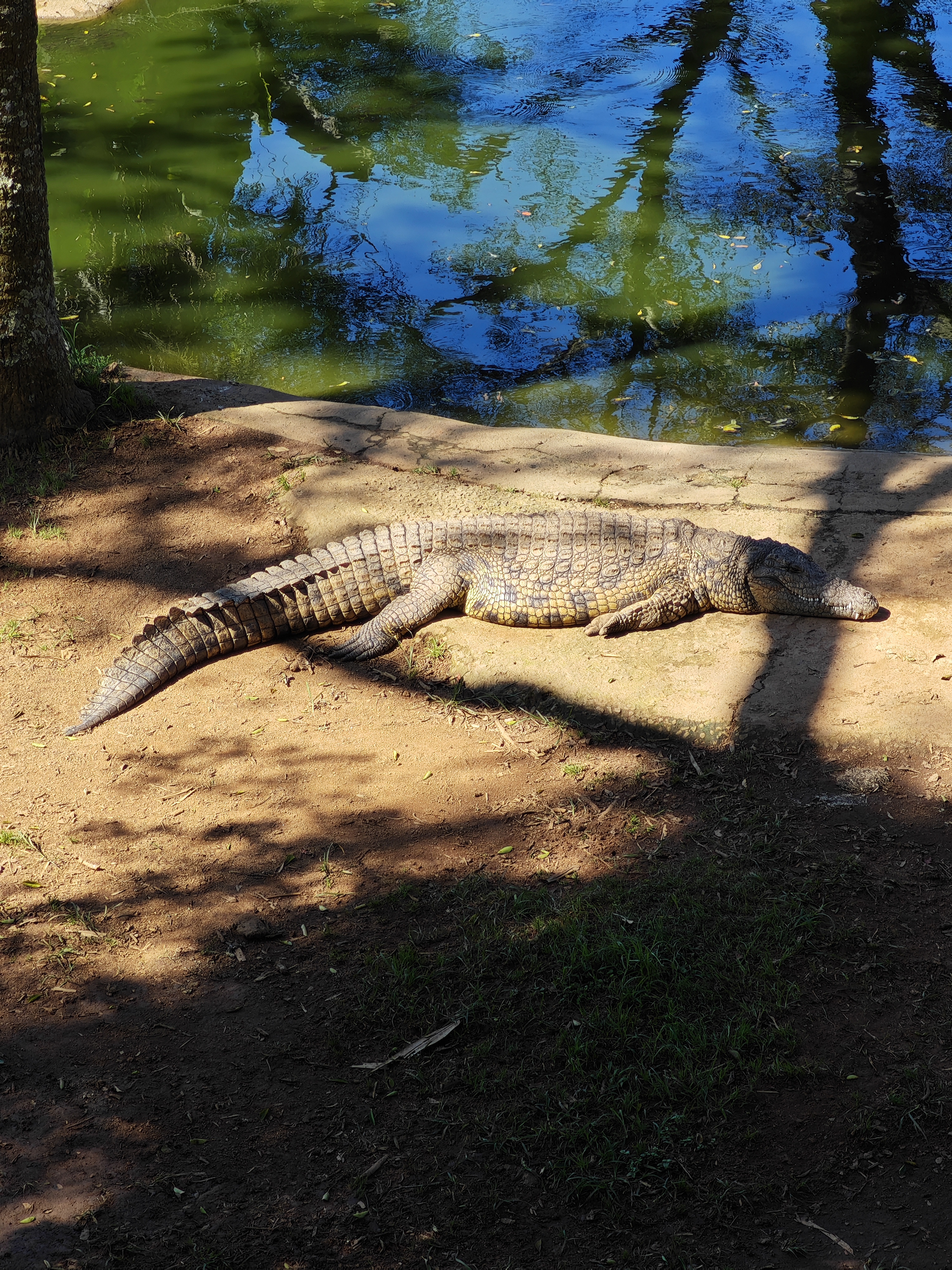
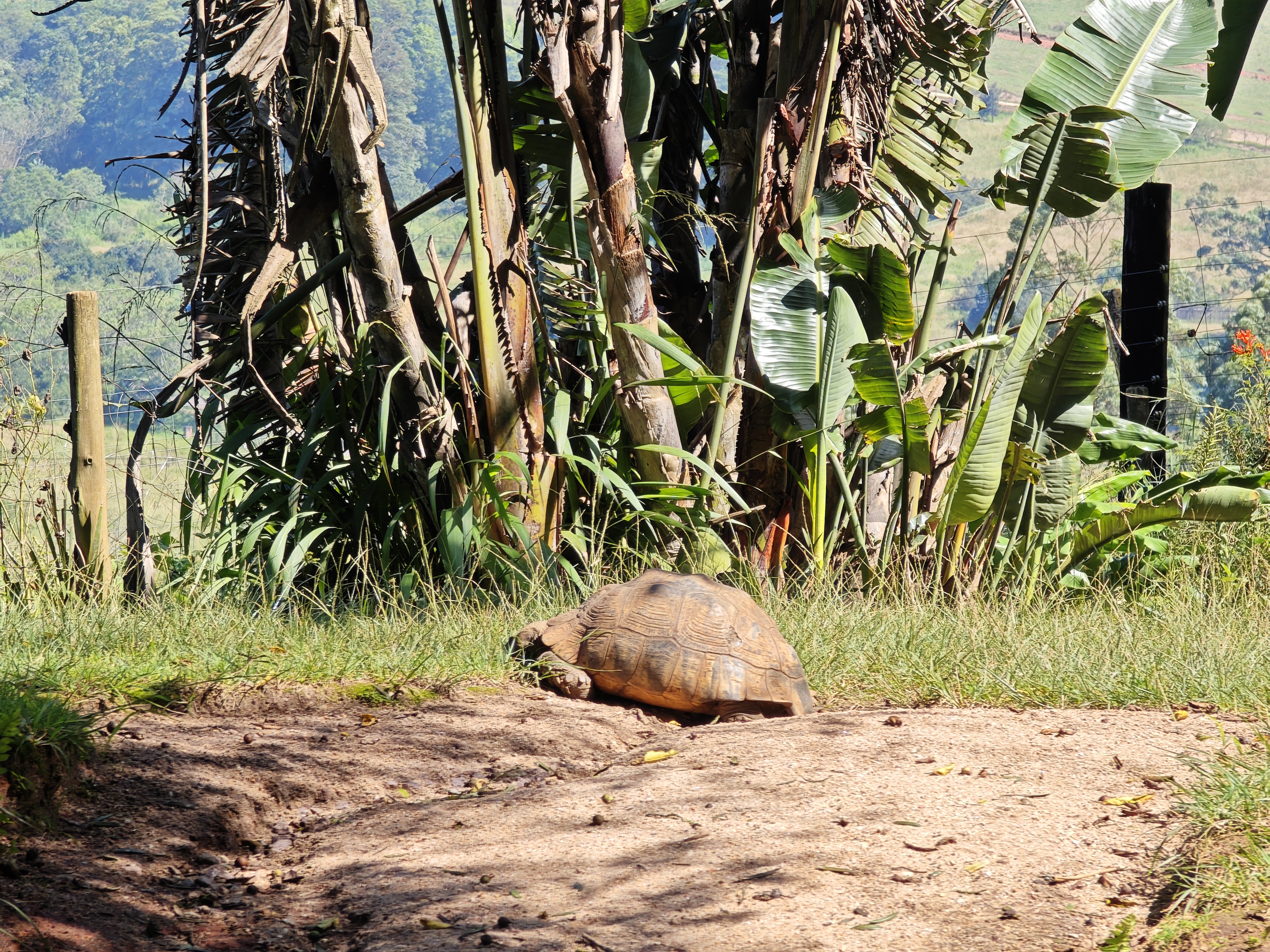
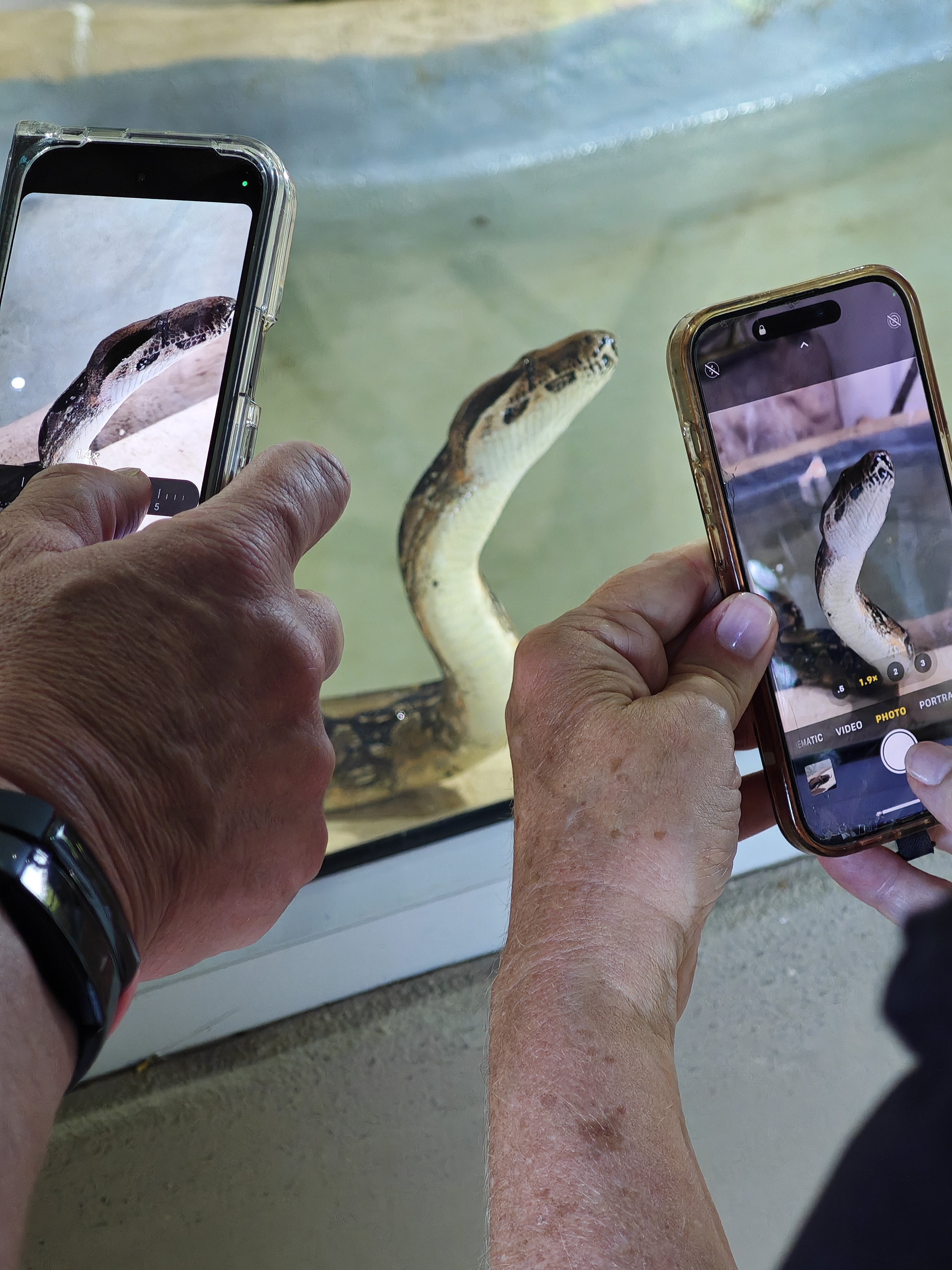
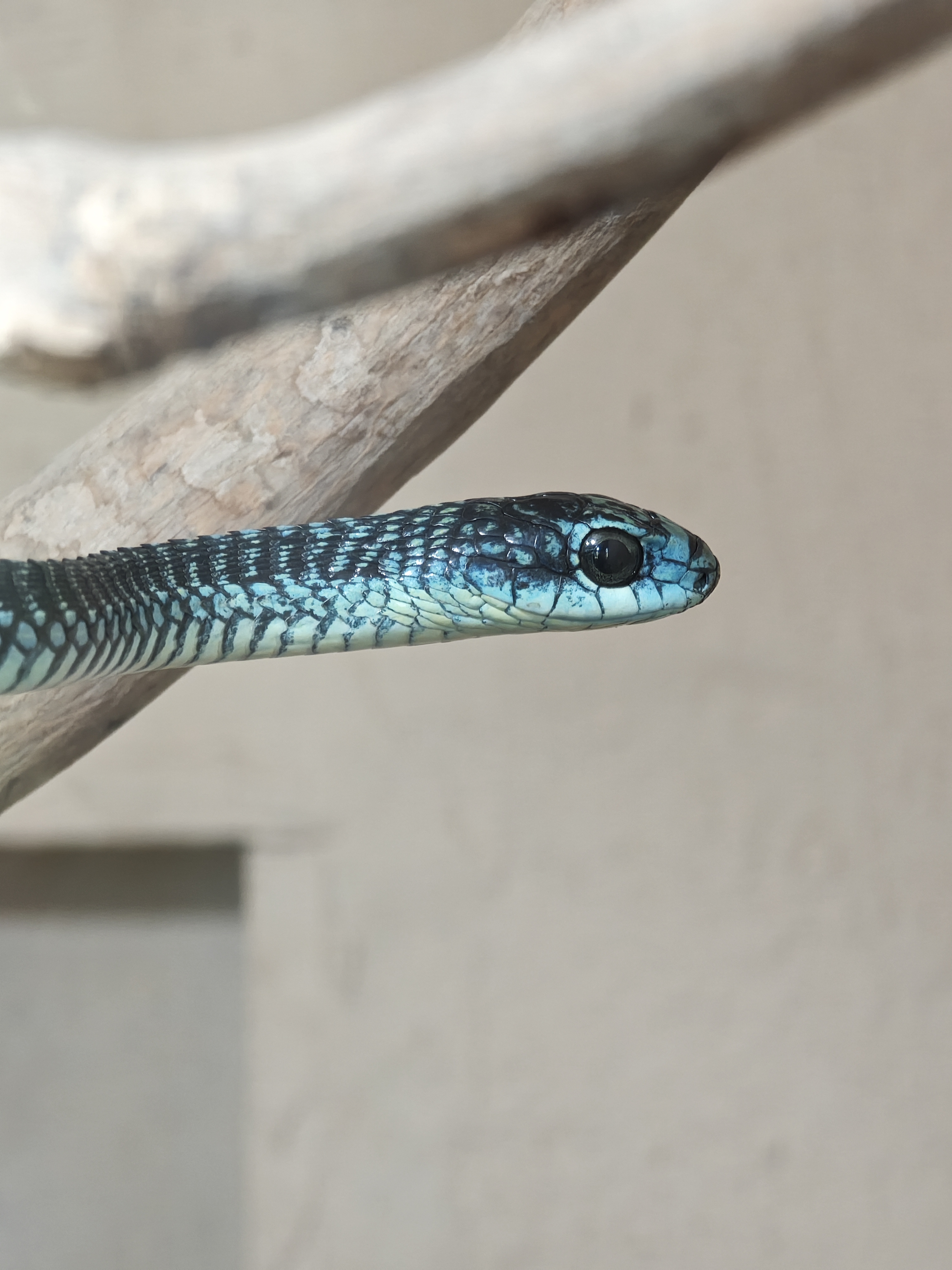
Up next after the Zulu dance was a walk across the parking lot to see Crocodiles, turtles, lizards and snakes.
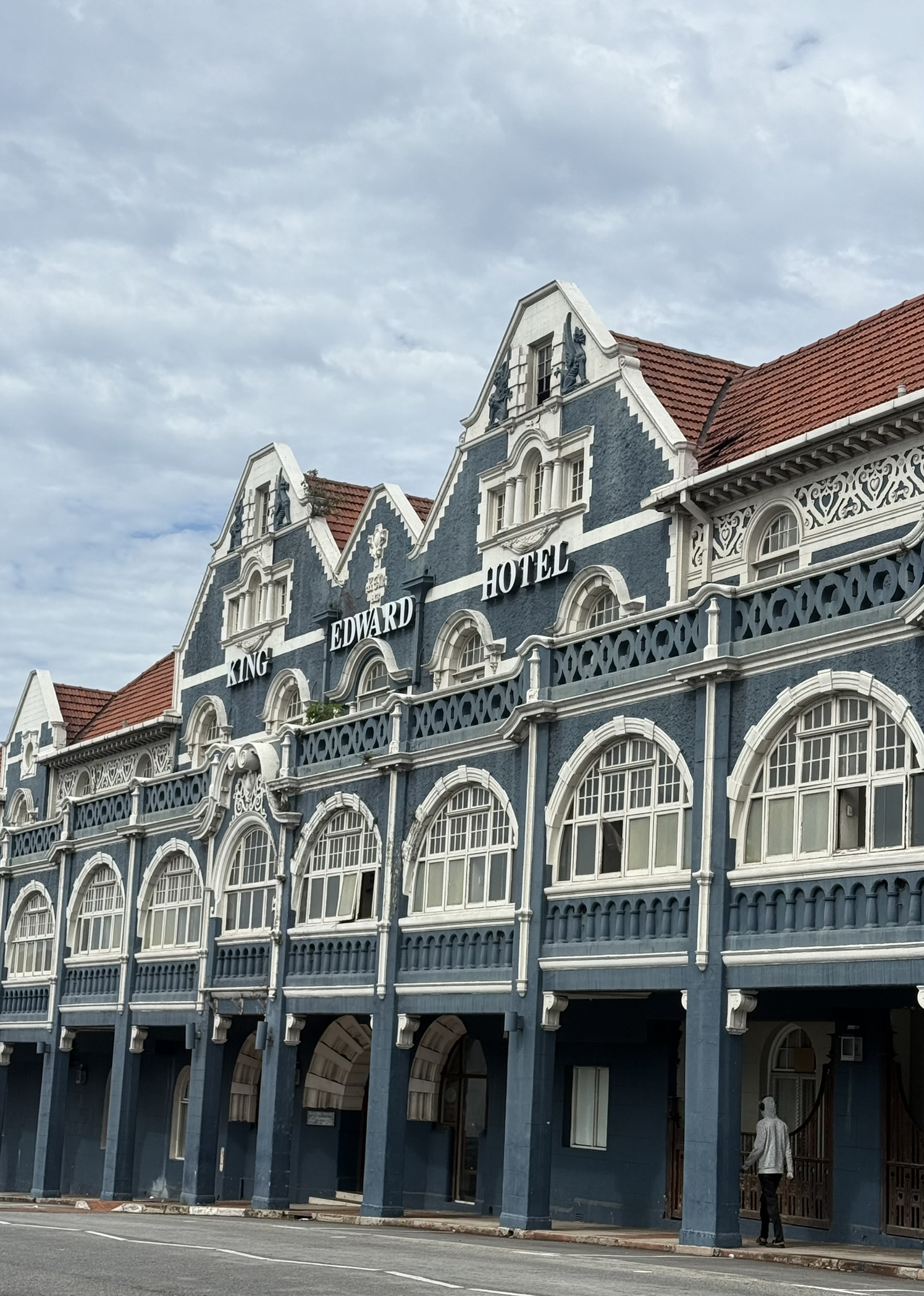
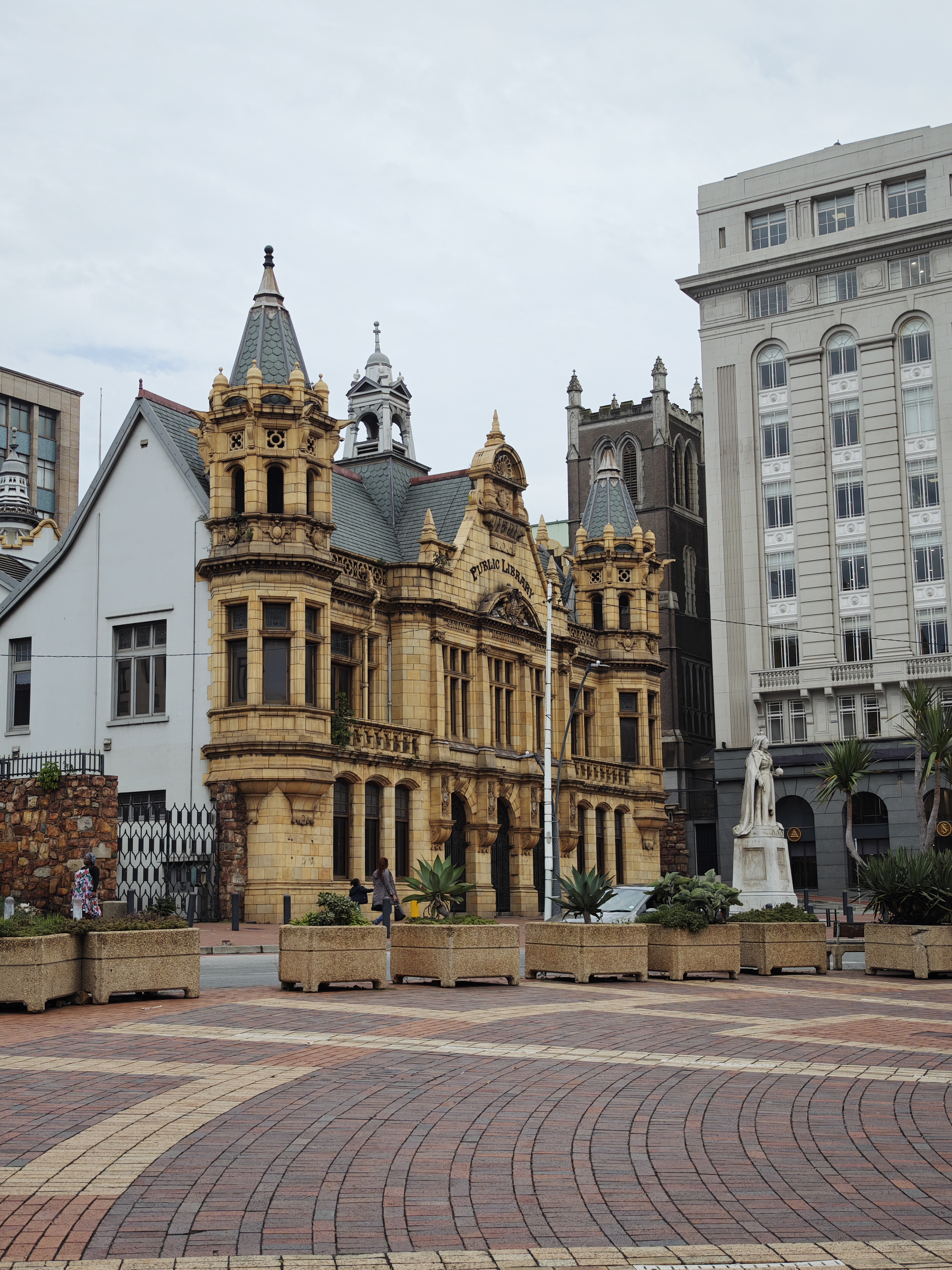
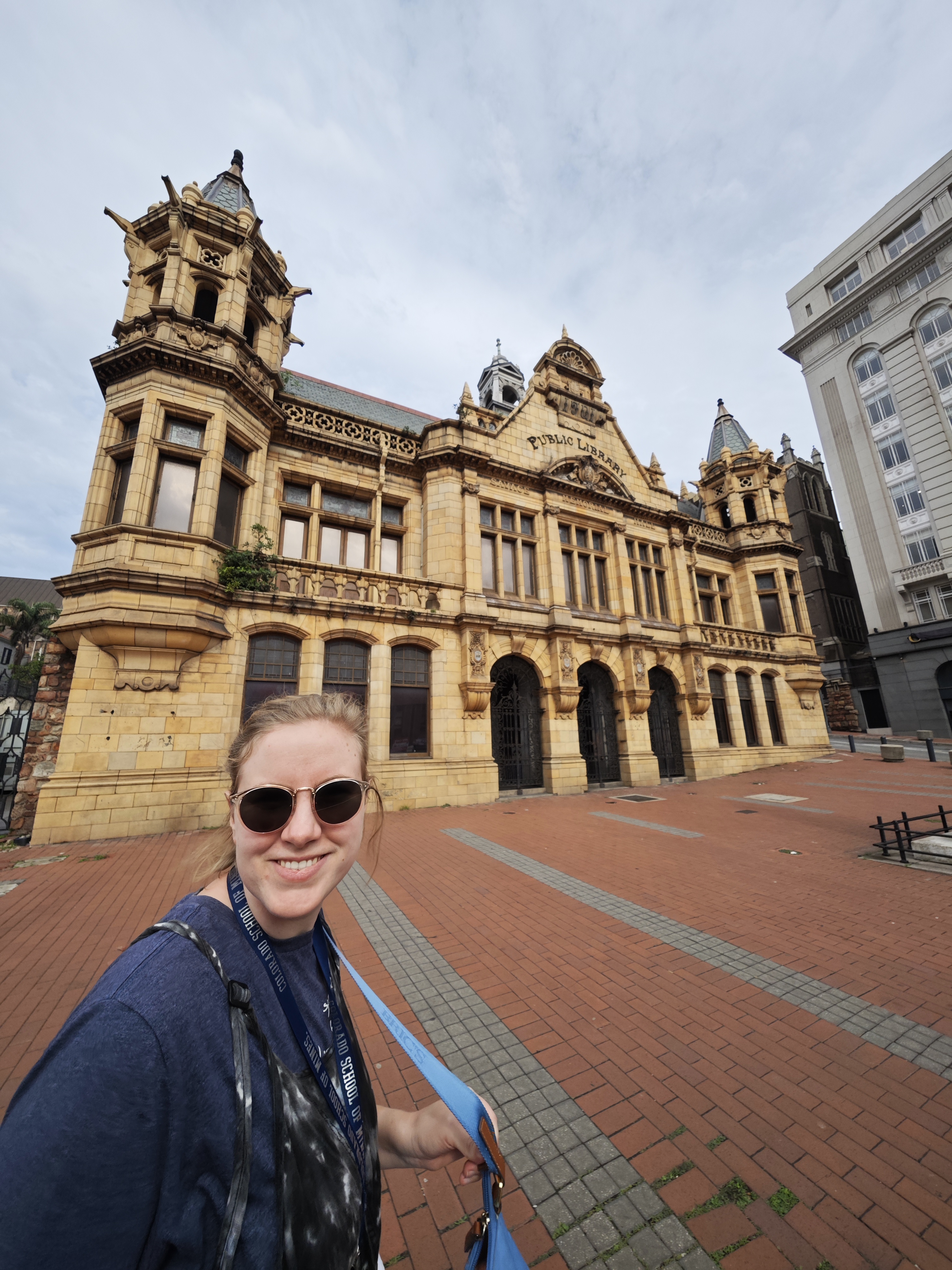
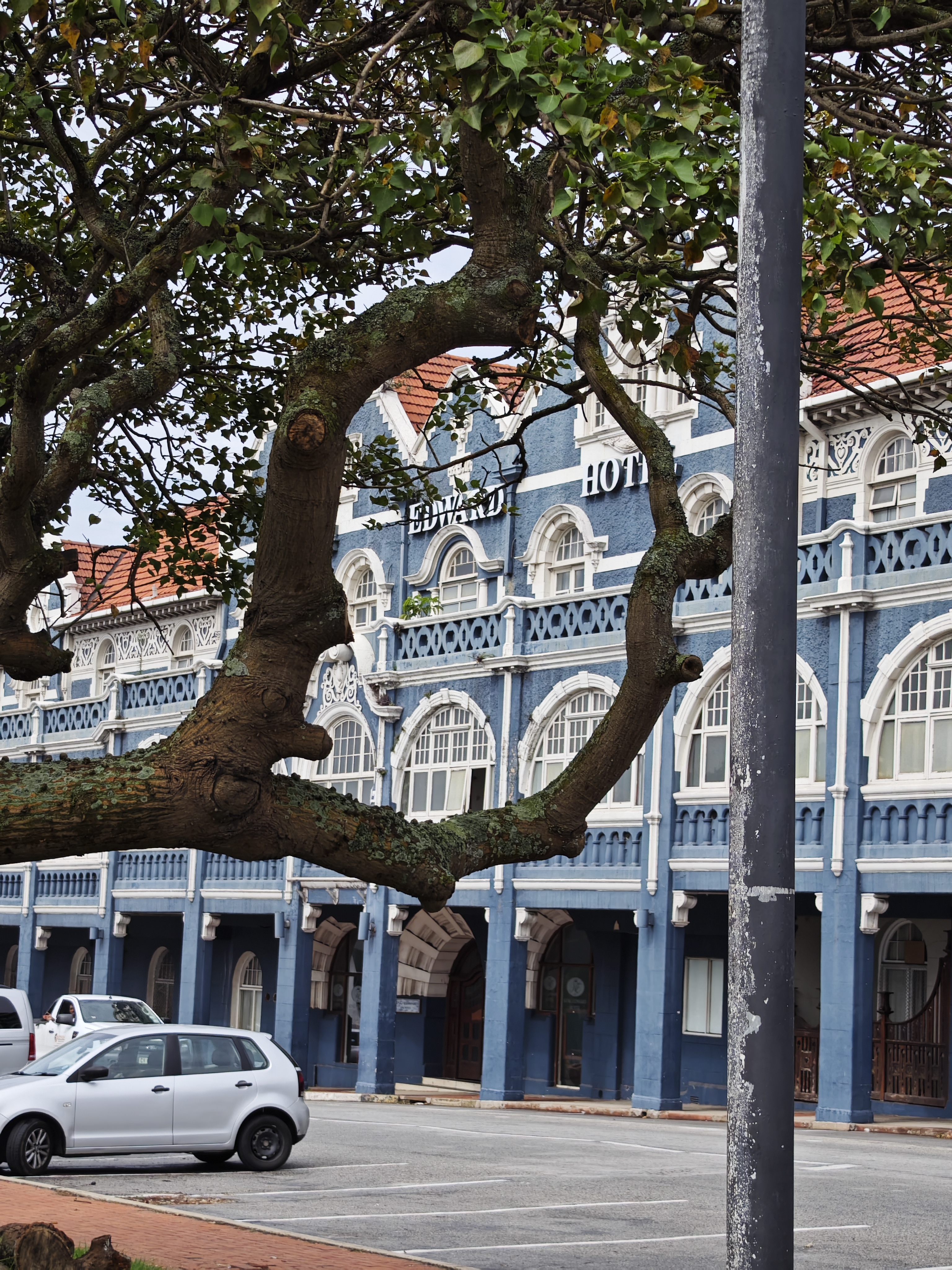
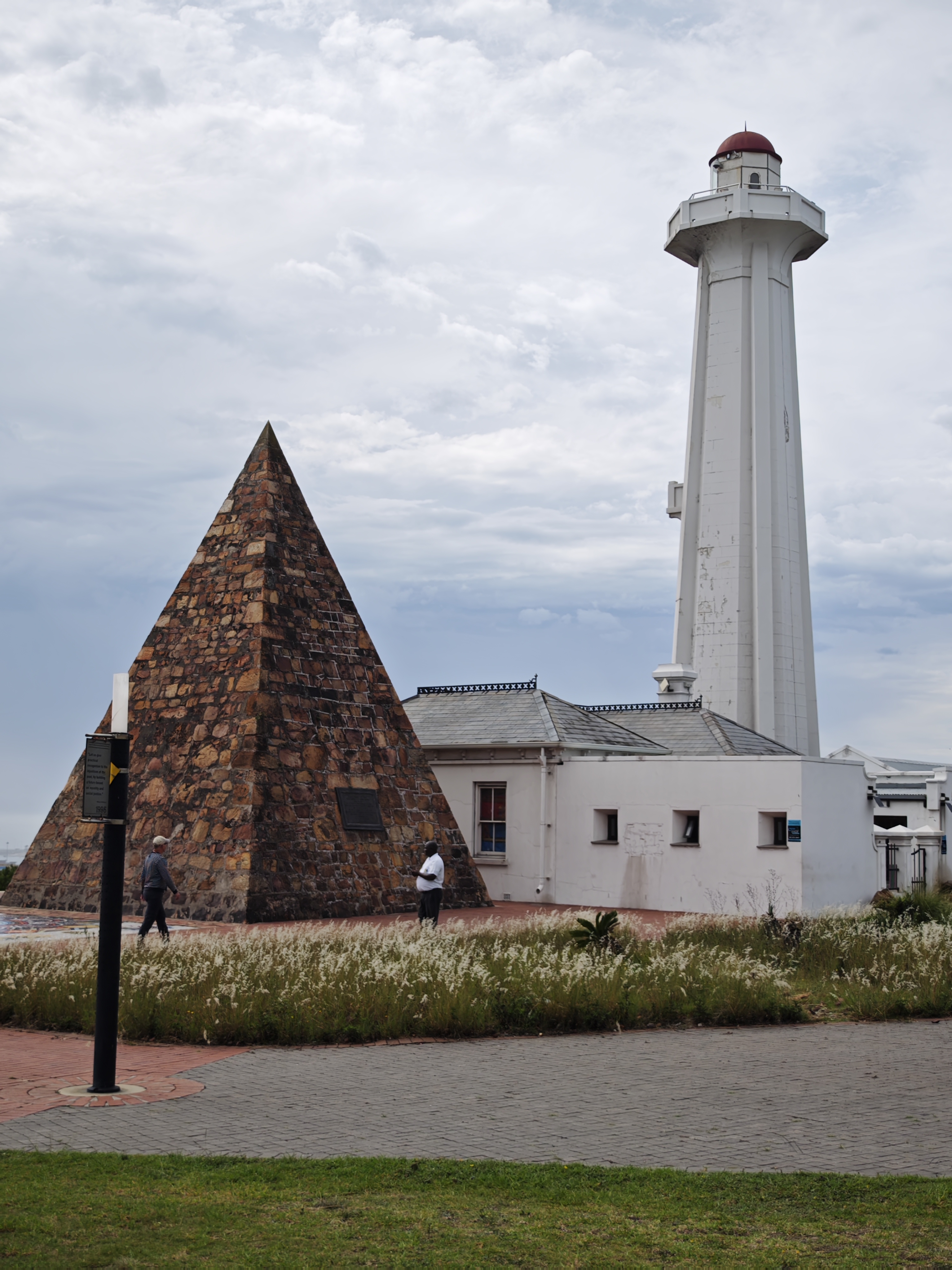
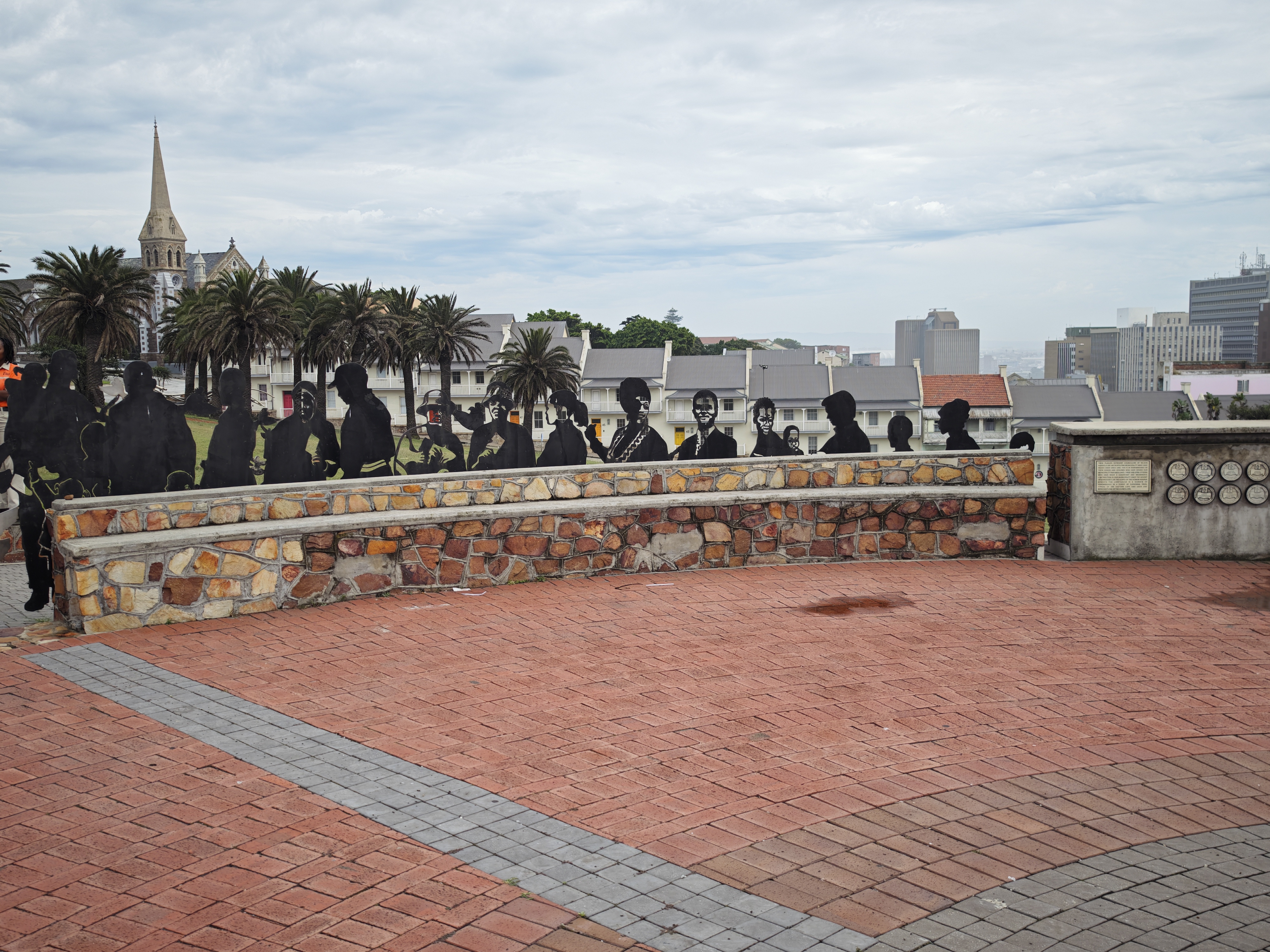
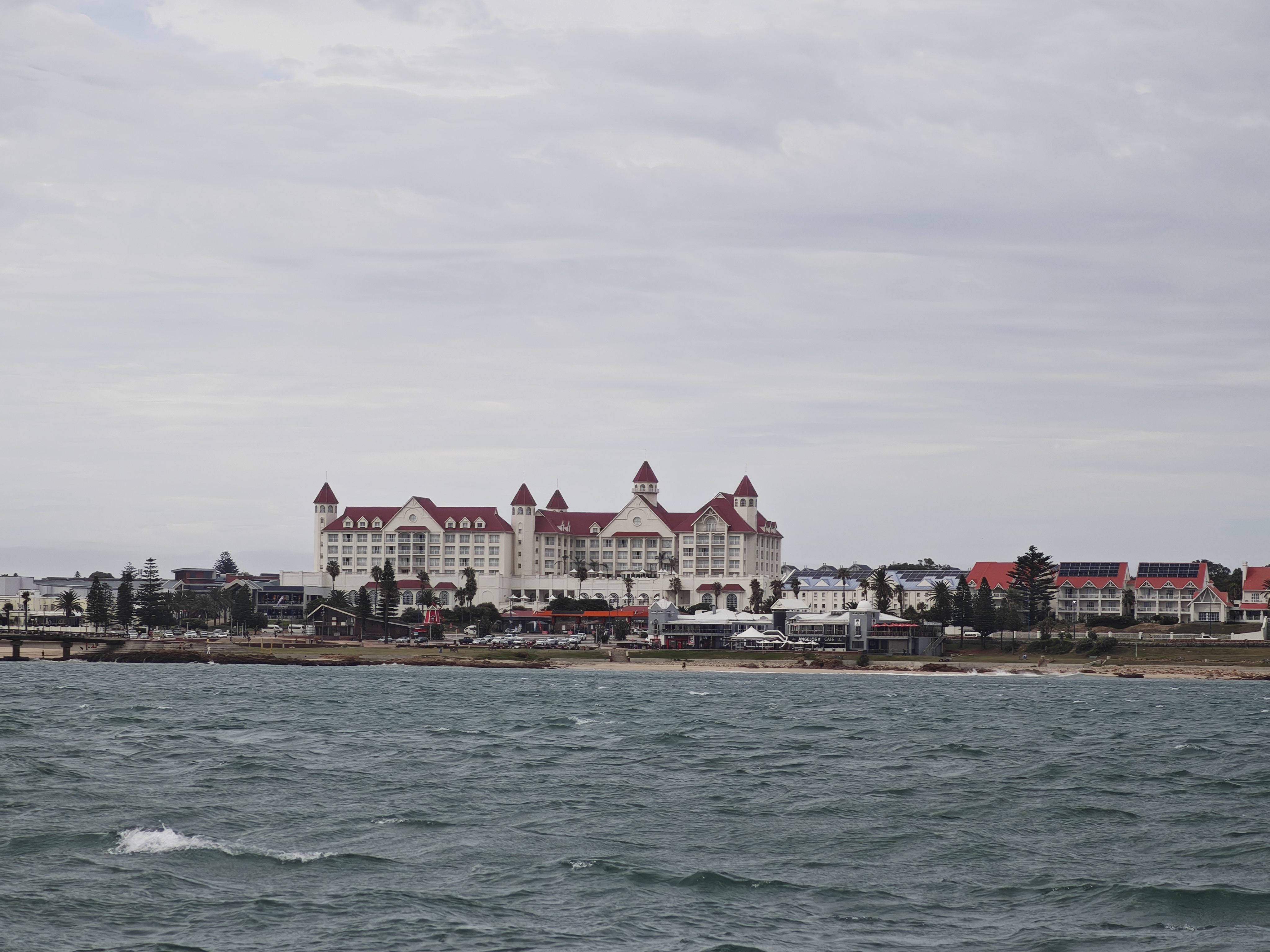
Our next South African Port was Port Elizabeth now known as Gqeberha. The King Edward Hotel had seen better days but the architecture is still stunning. The library was only a facade but still very interesting looking. Port Elizabeth was named after Sir Rufane Donkin’s wife after she died in India while he was governor of the Cape. The name was officially changed in 2021 to Gqeberha which is after the Xhosas and southern Khoe name for the River Baakens that flows through the city. This area of South Africa has a diverse cultural heritage and a warm oceanic climate. Haru enjoyed the beautiful tiles mosaics at the harbor.
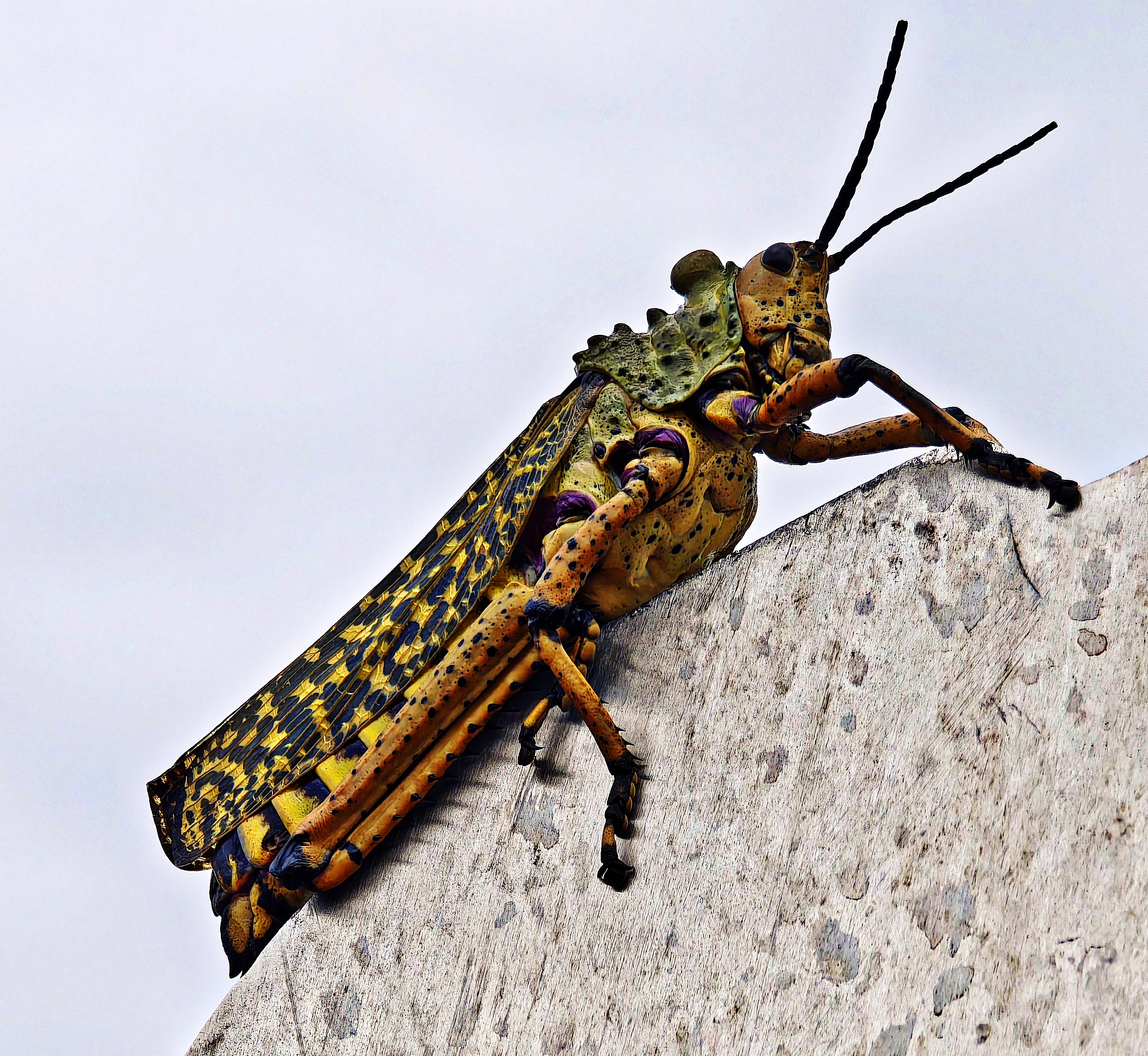
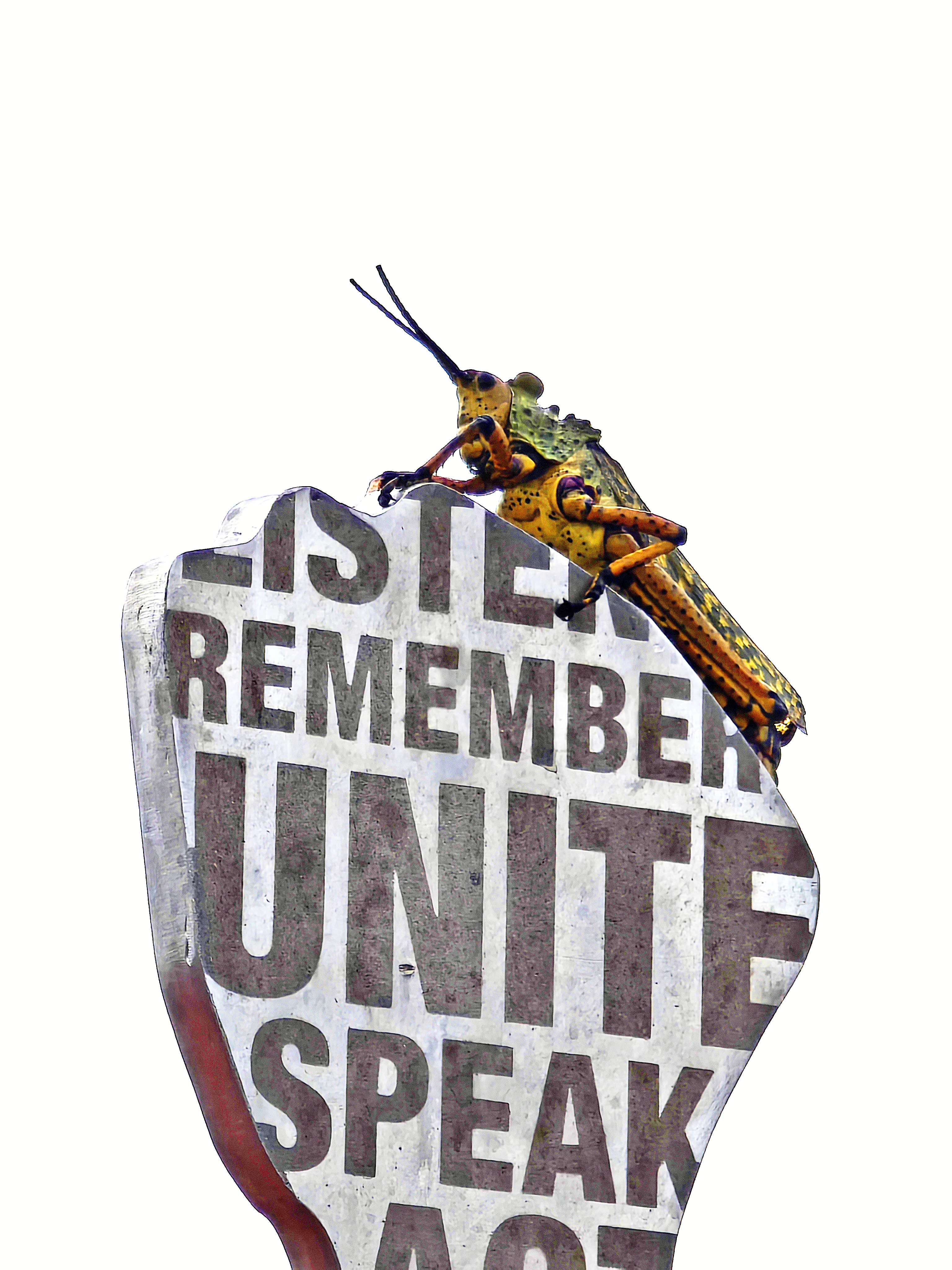
I loved this little insect! We lightened him up and enjoyed the colors! …a great mantra, LISTEN, REMEMBER, UNITE, SPEAK AND ACT…how apropos for us now!
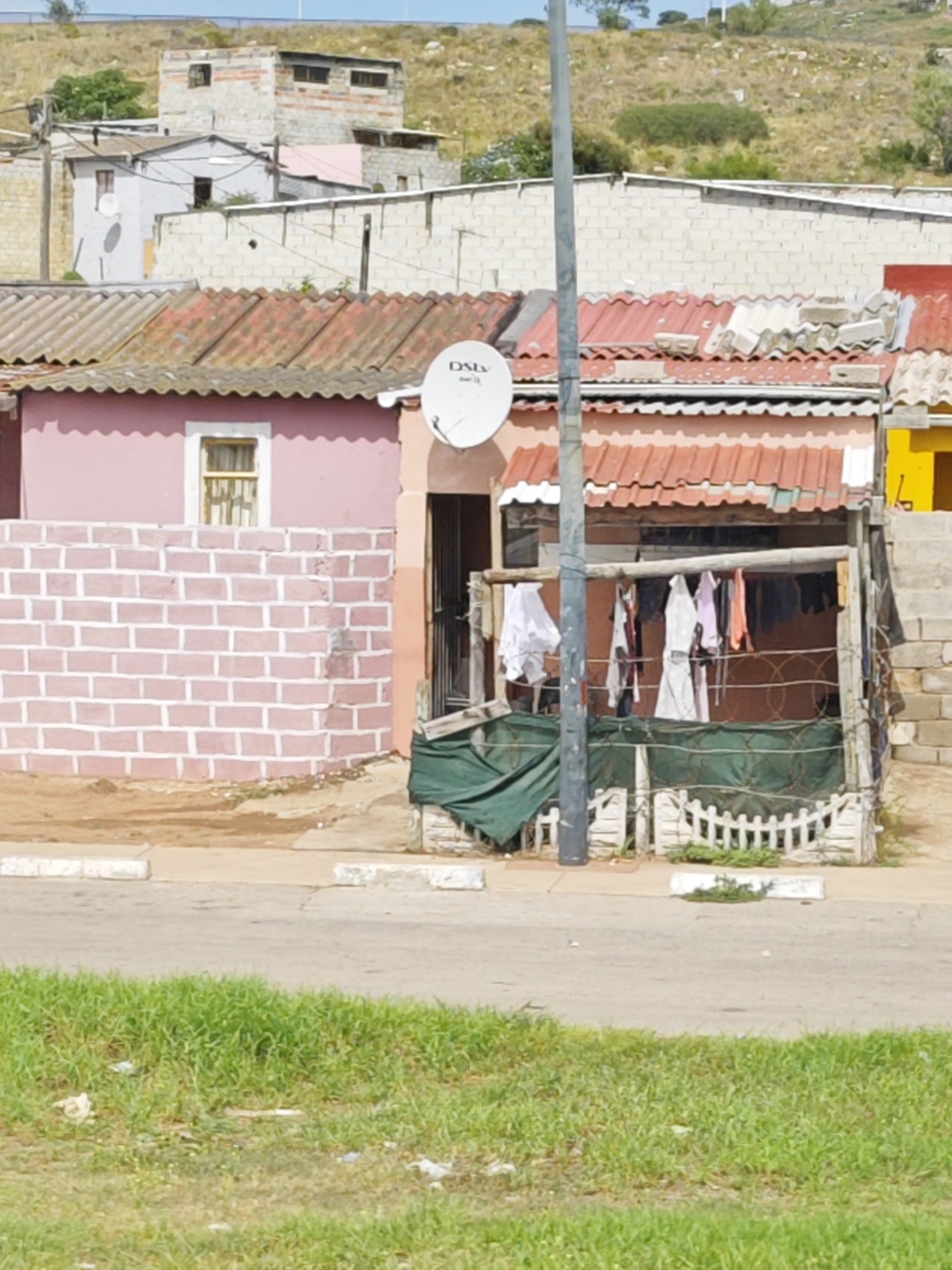
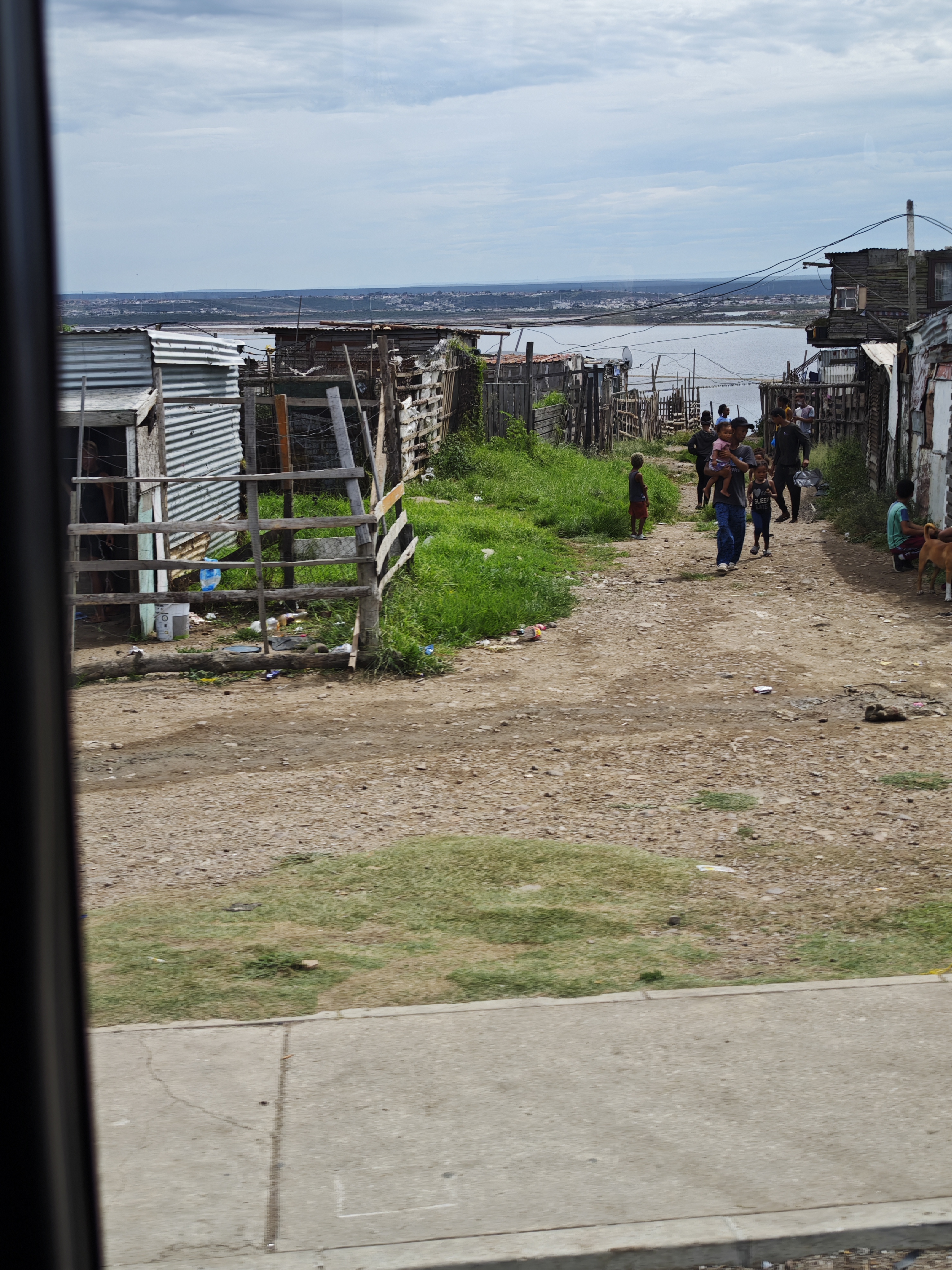
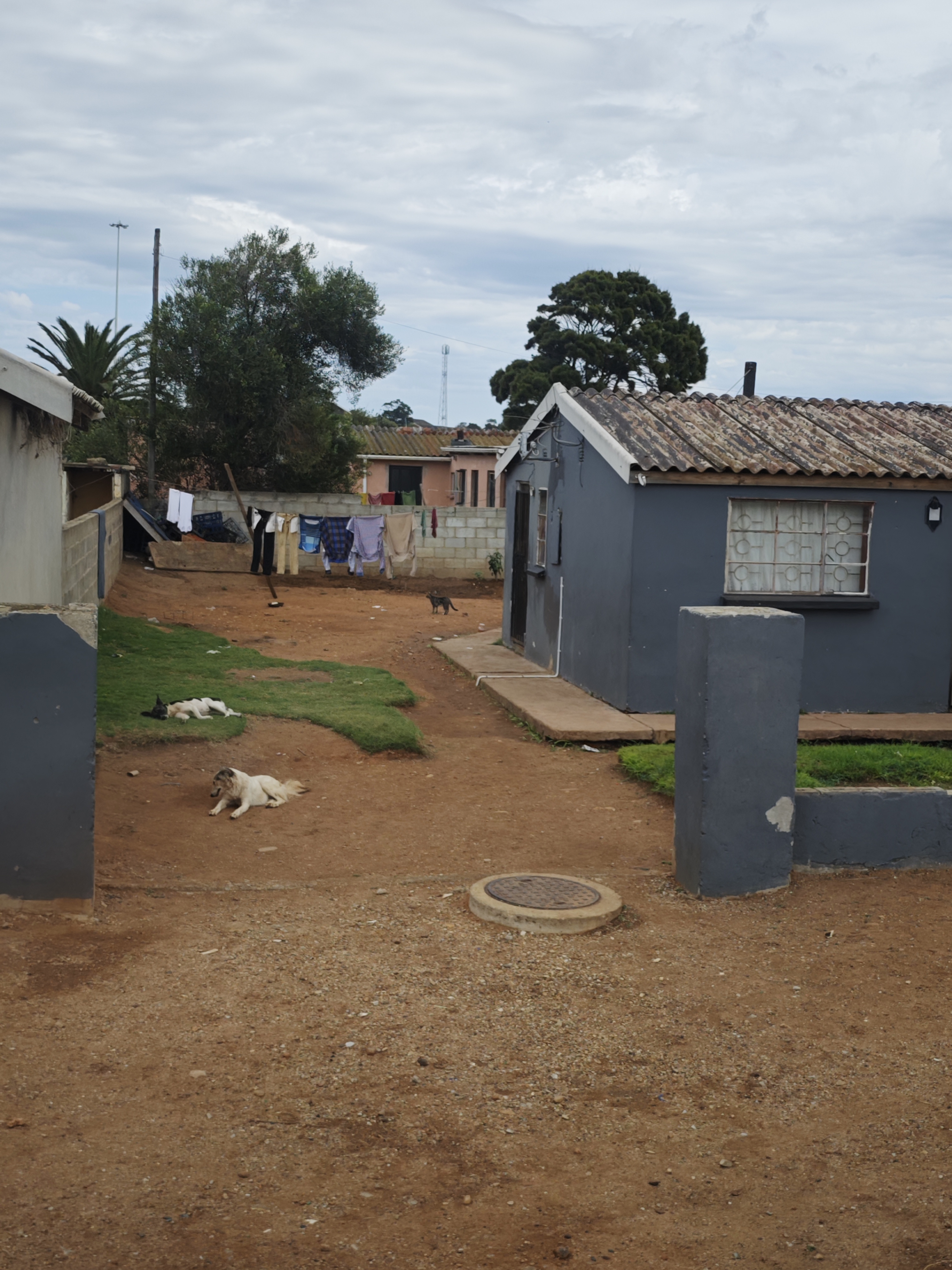
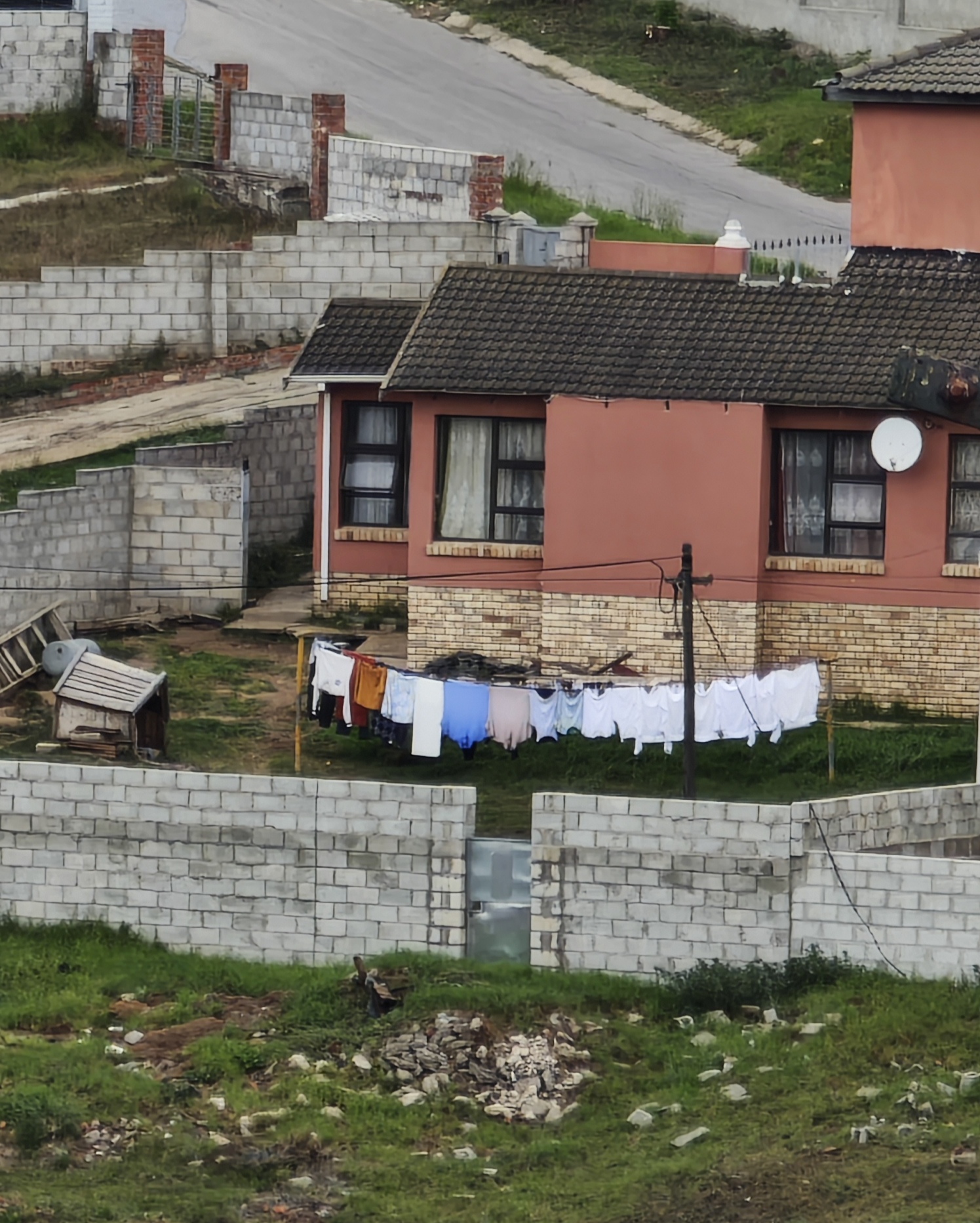
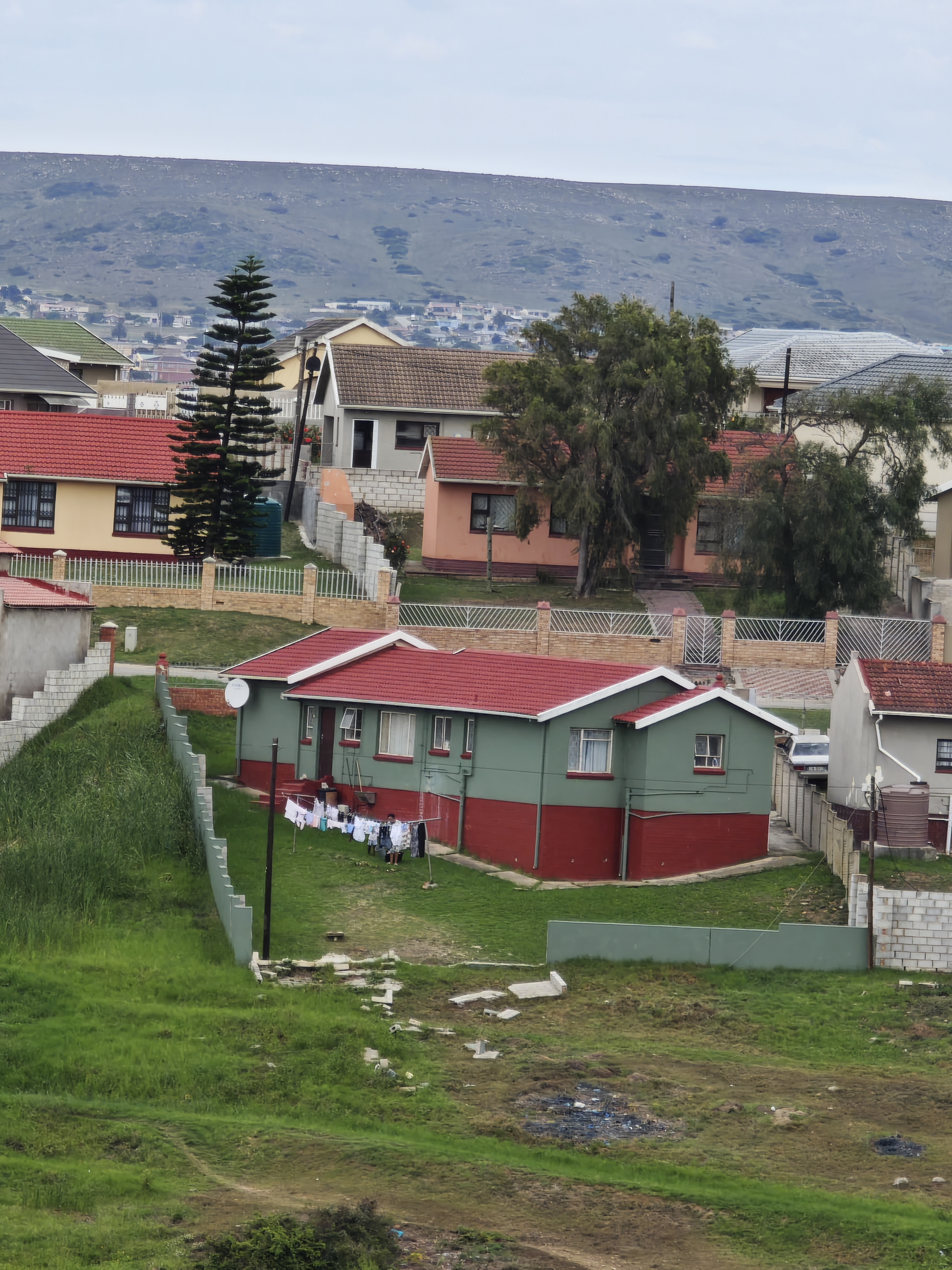
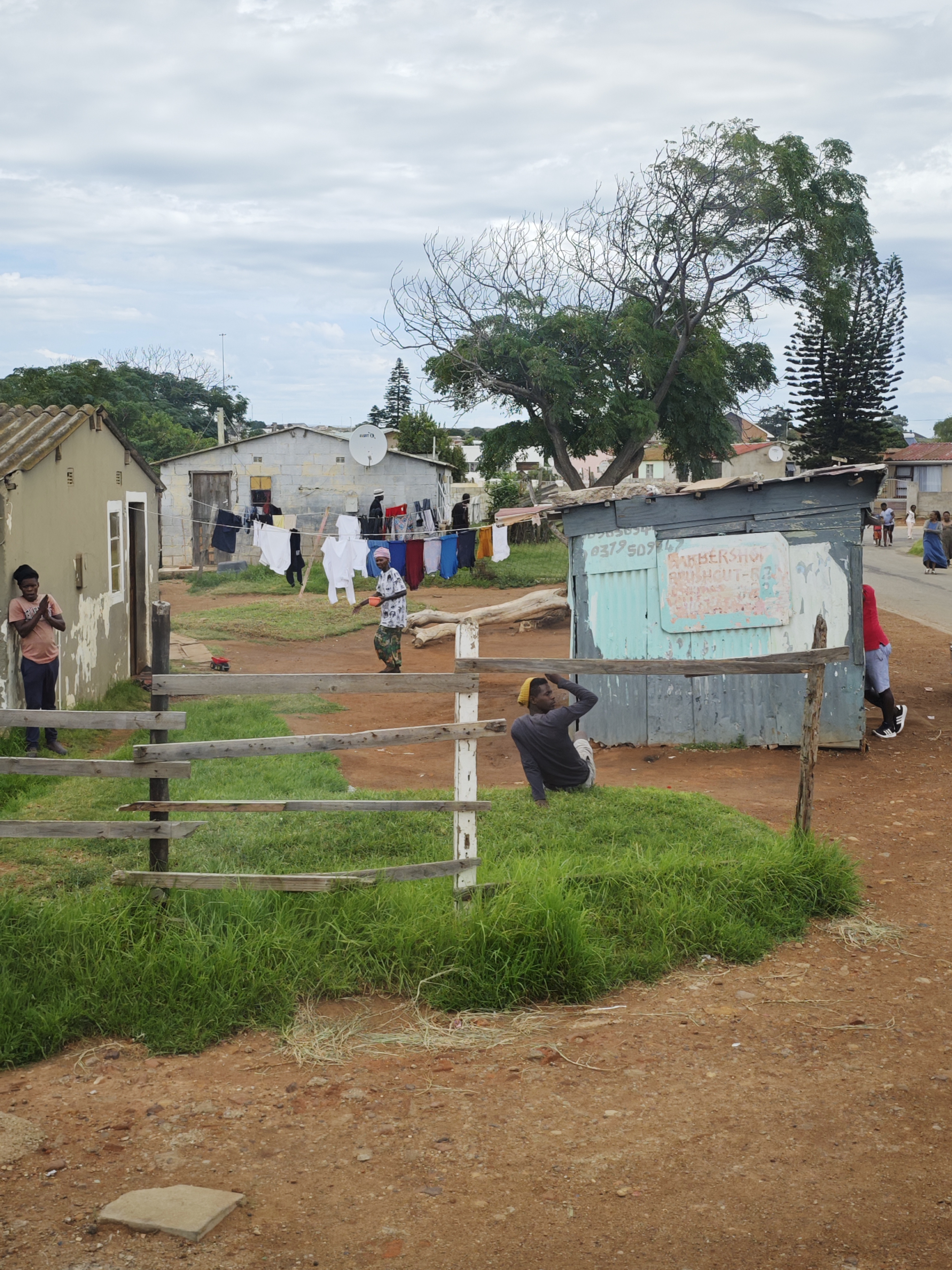
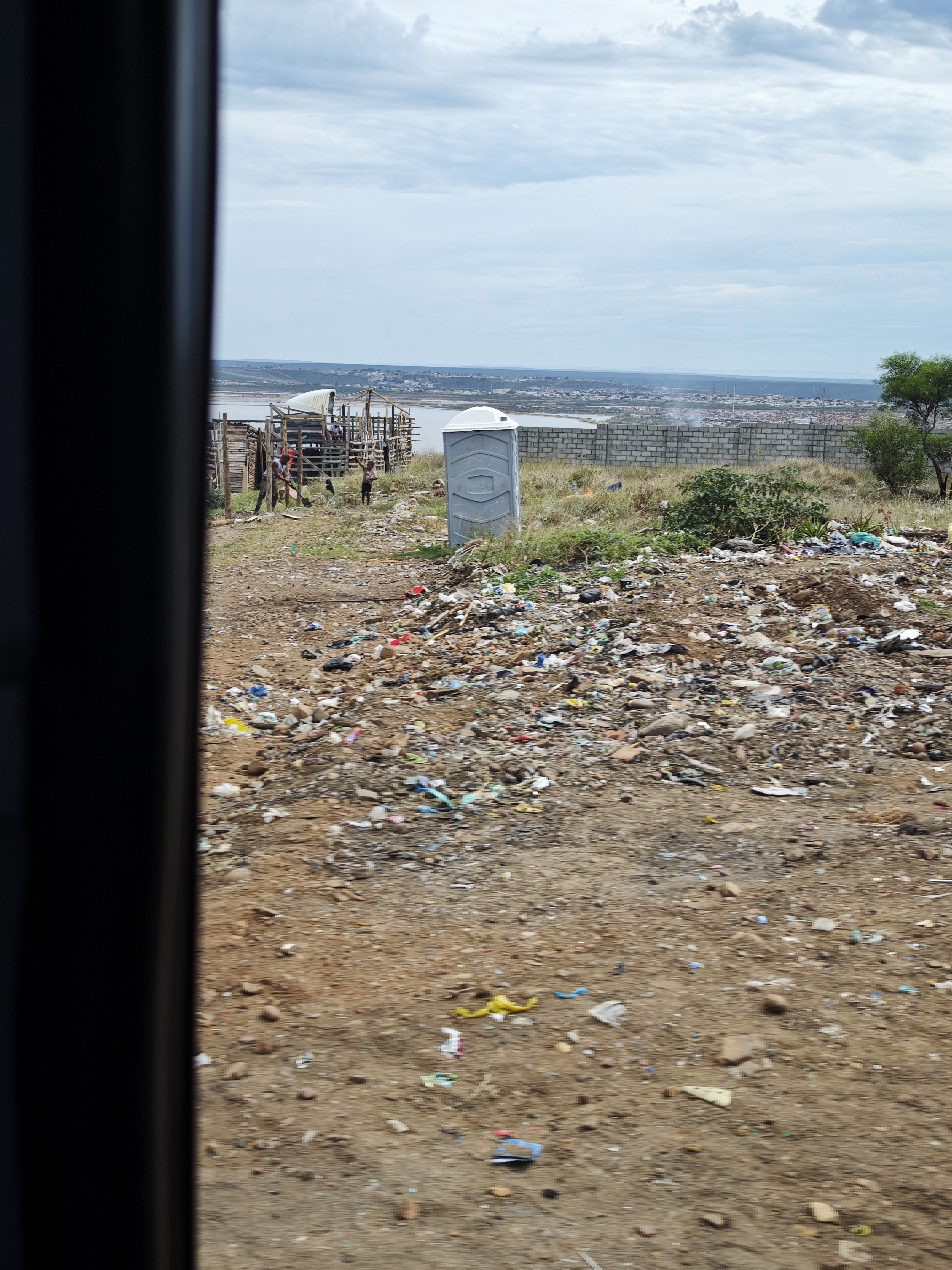
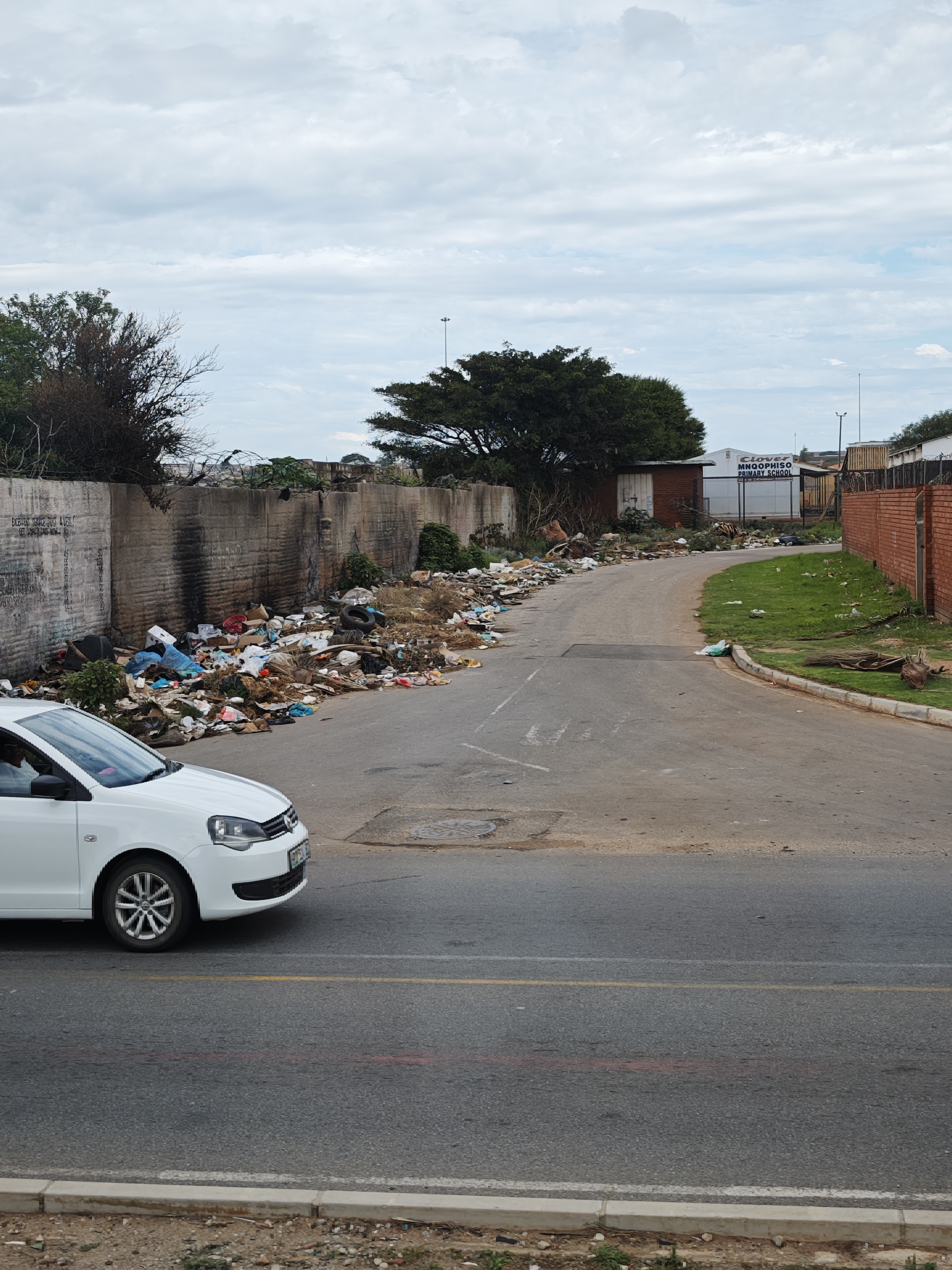
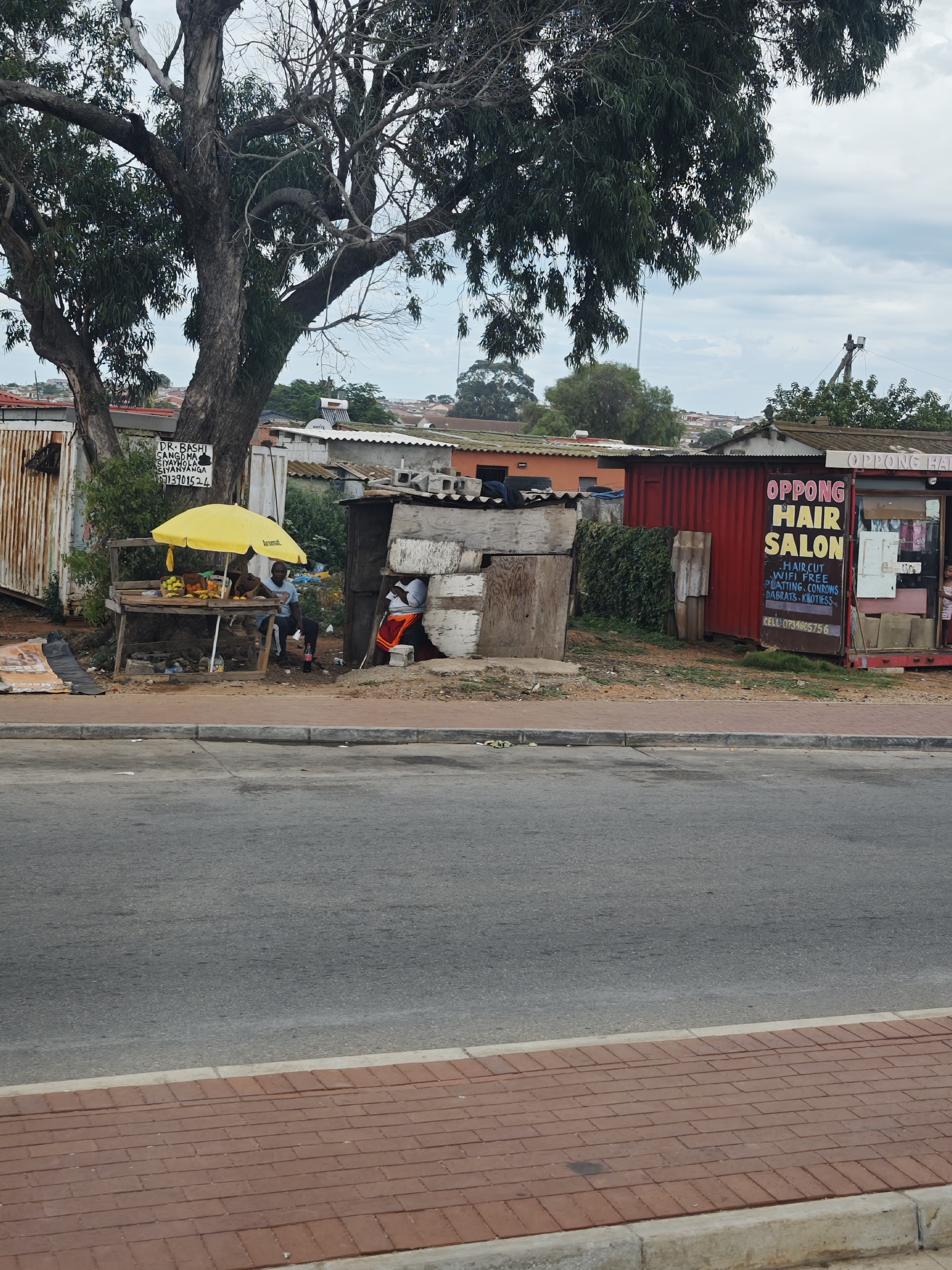
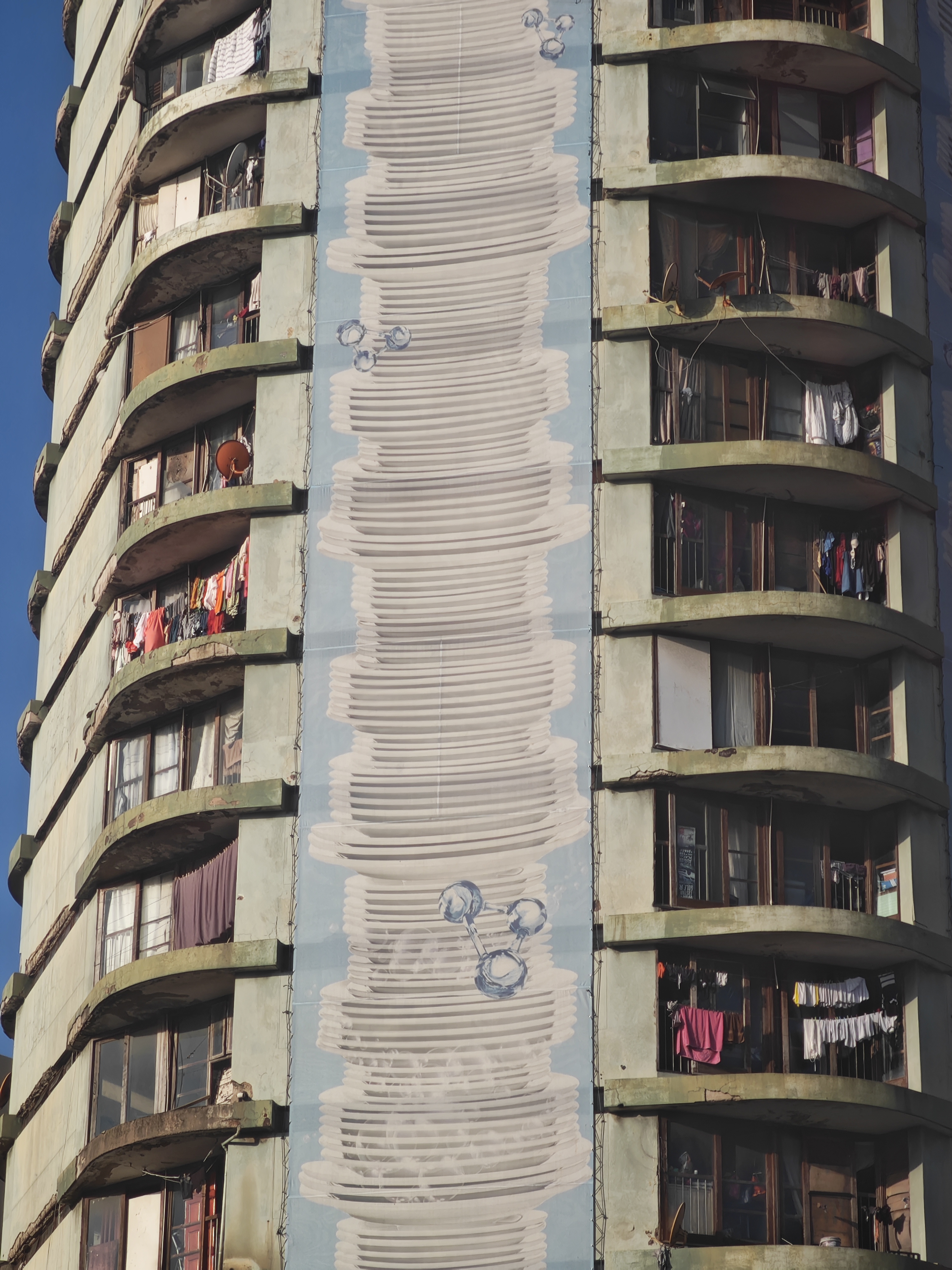
It was difficult to see all the trash and poverty of all the African ports we saw. Needless to say, there is always LAUNDRY!
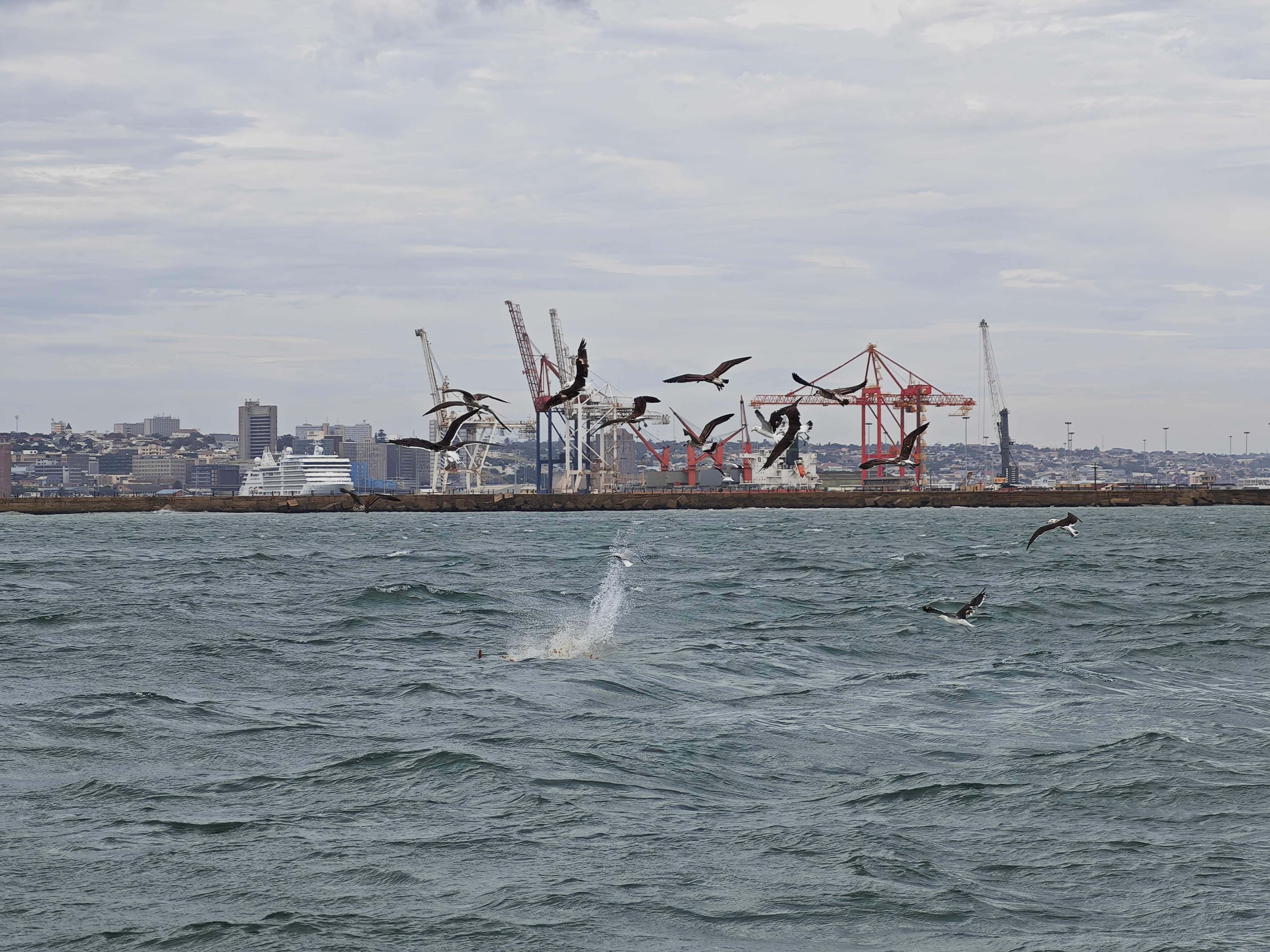
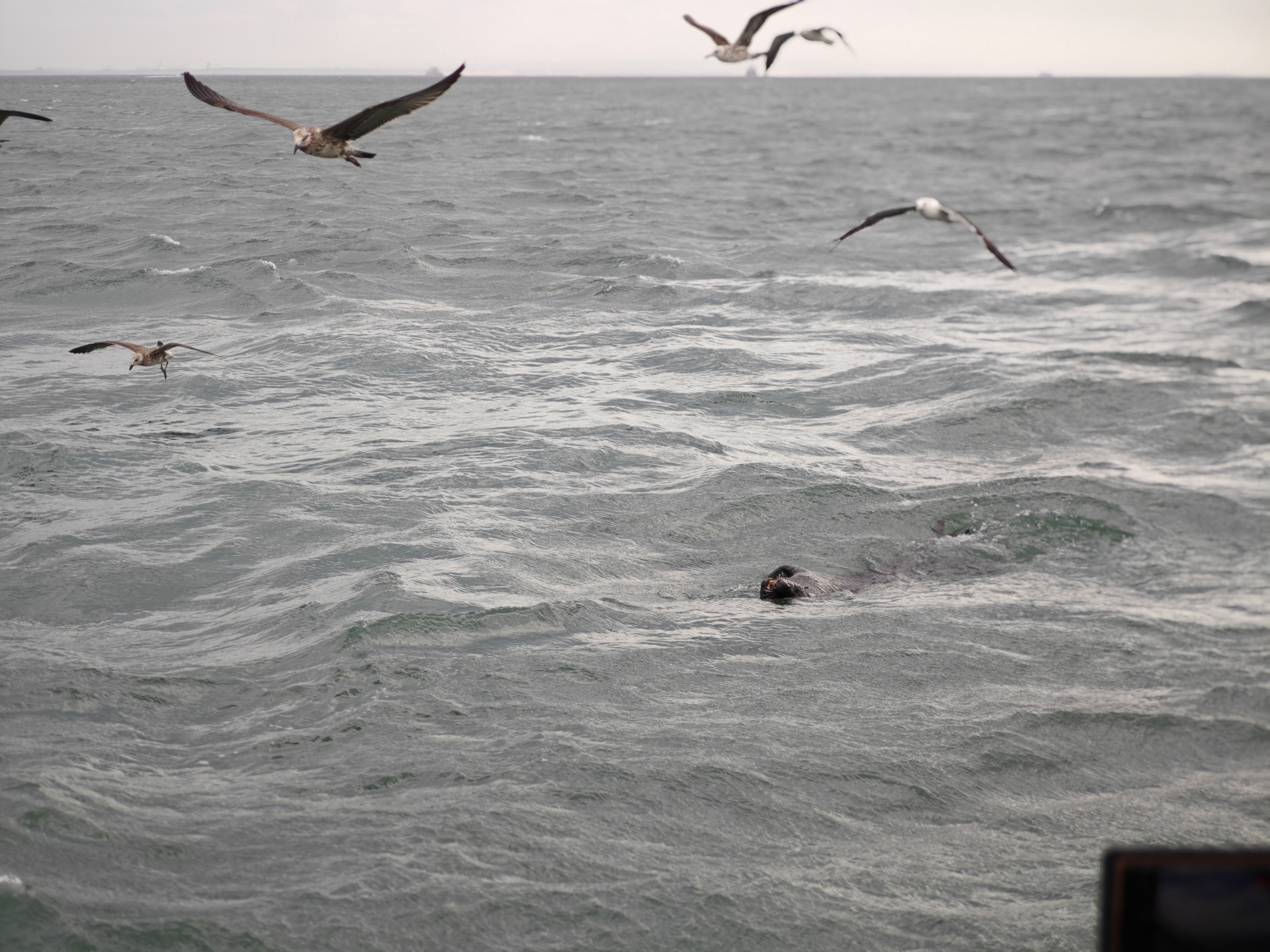
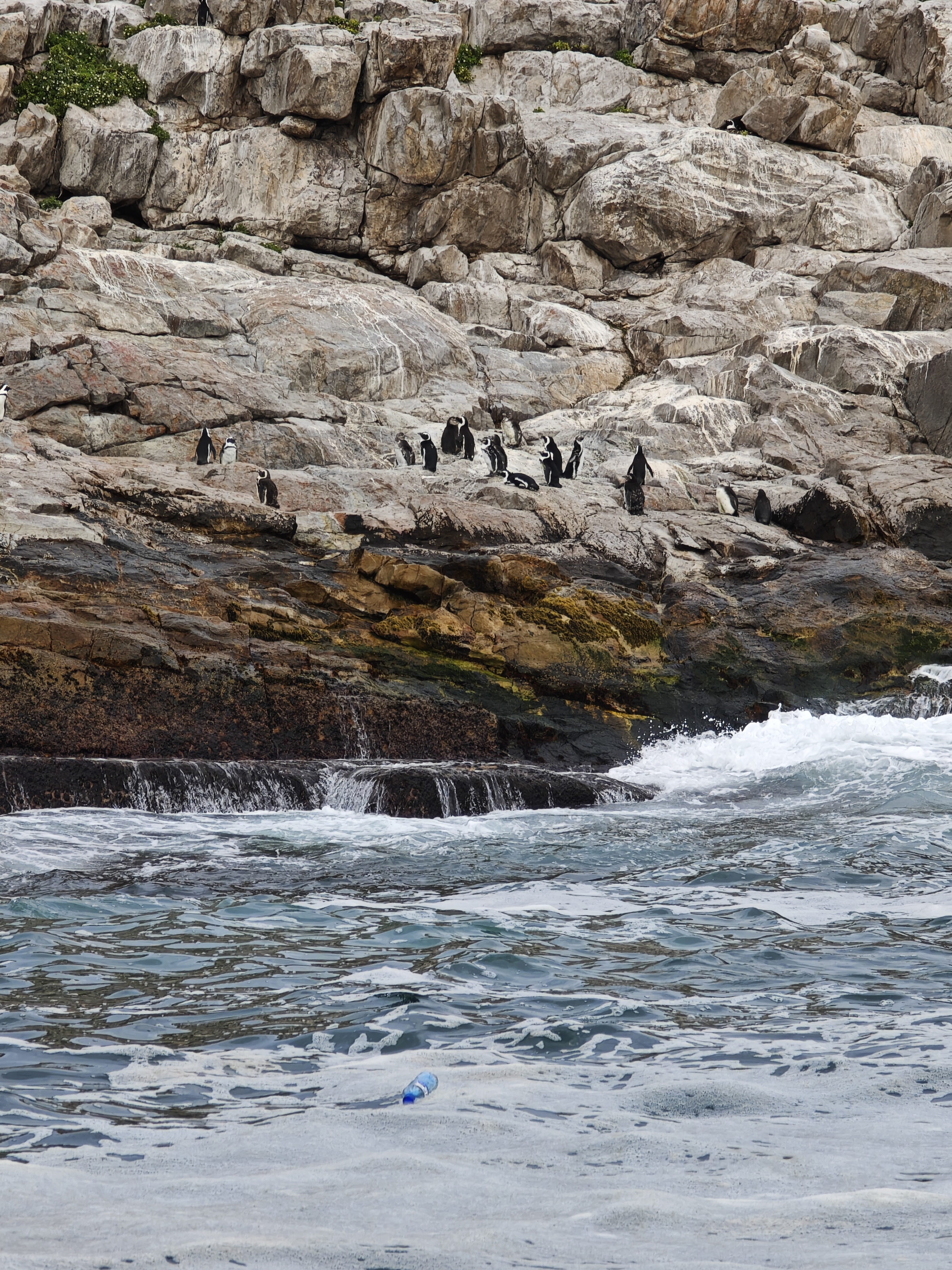
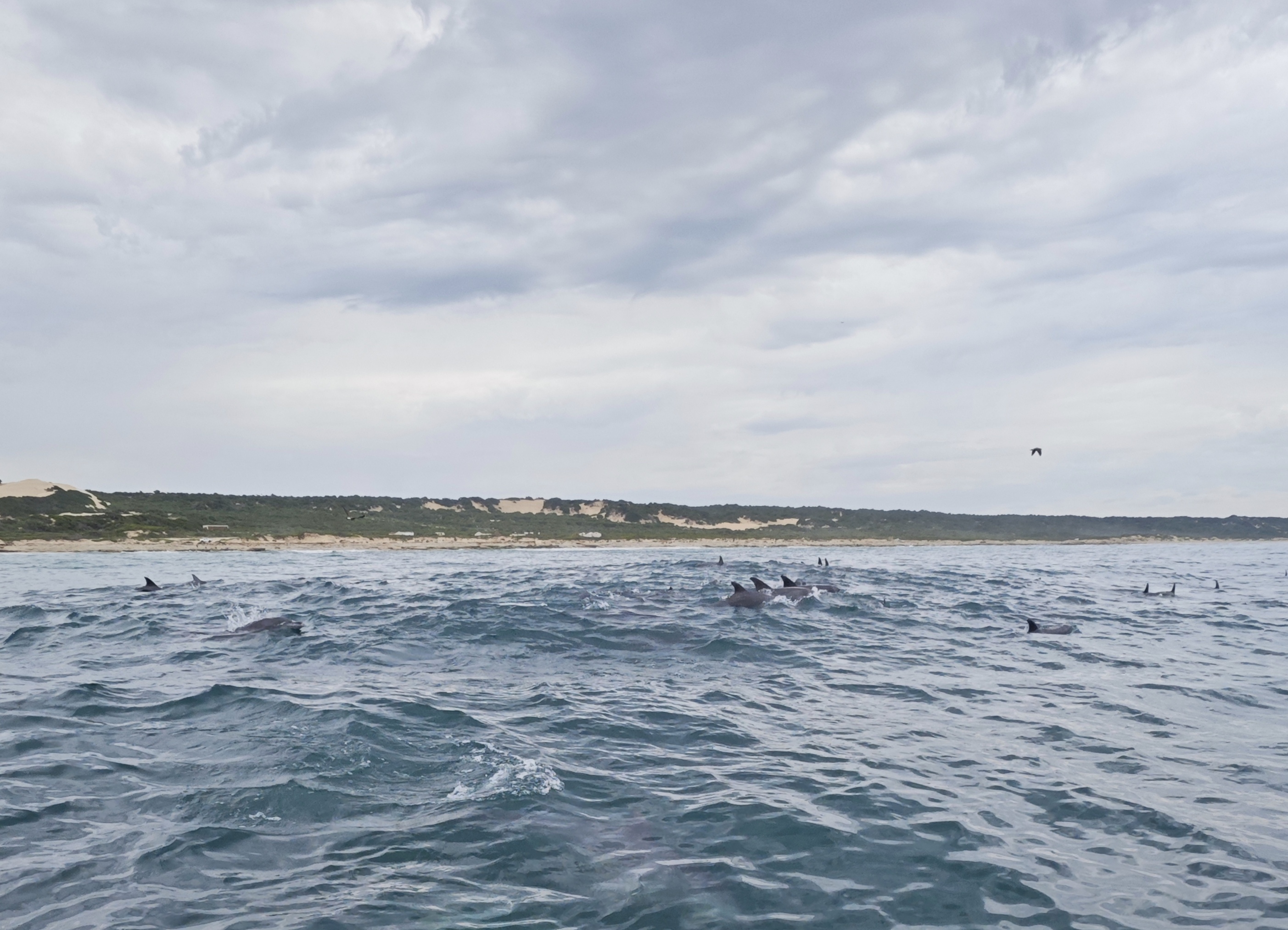
Since we stayed overnight in Gqeberha, we were able to join a Penguin Island cruise the next day. We saw penguins, dolphins and various seabirds. We saw a dolphin fishing as we made a loop toward the town to see the hotel and beach front. We enjoyed watching him/her because dolphins wack their food on the water and then the birds in turn dive after the pieces they miss!
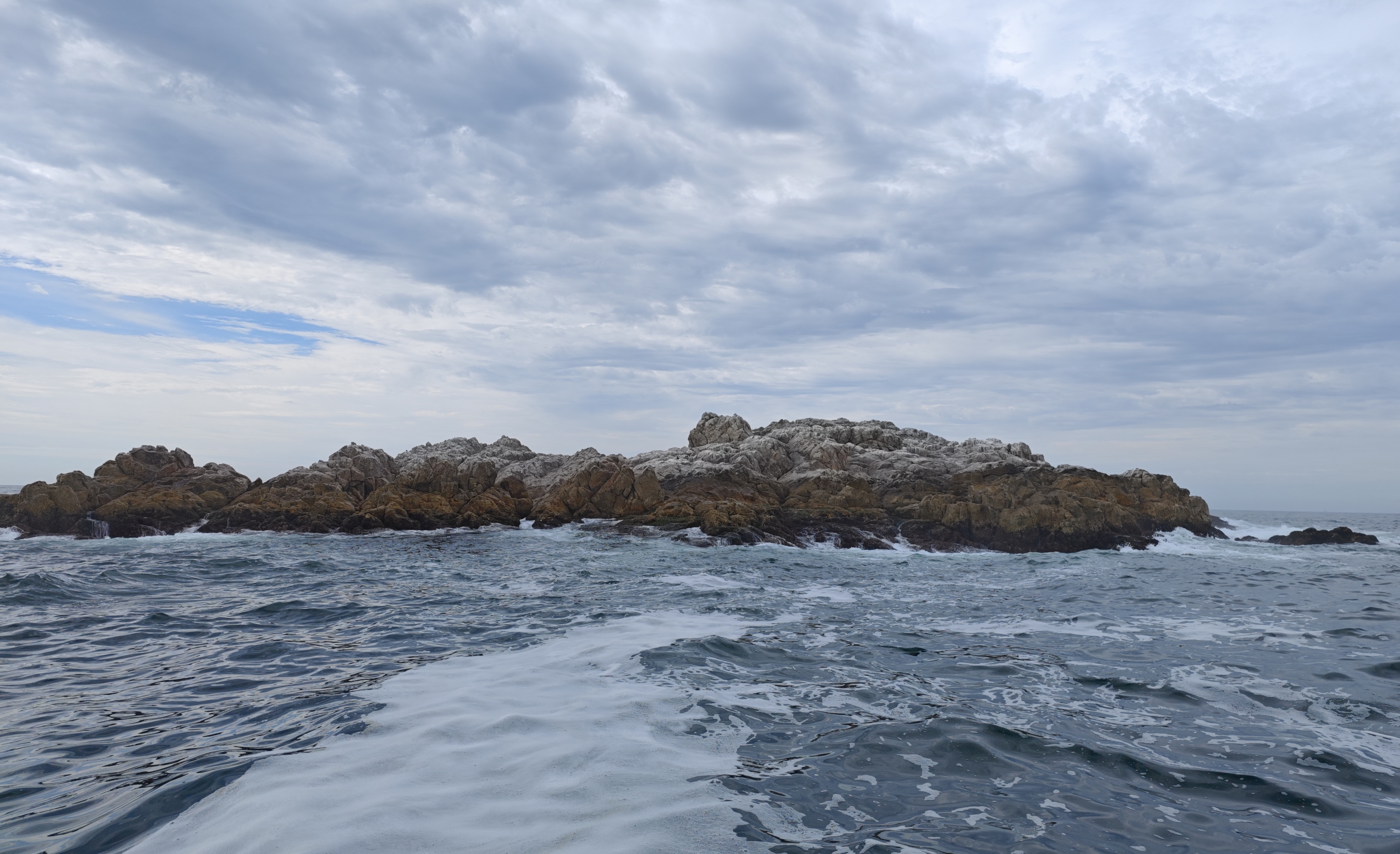
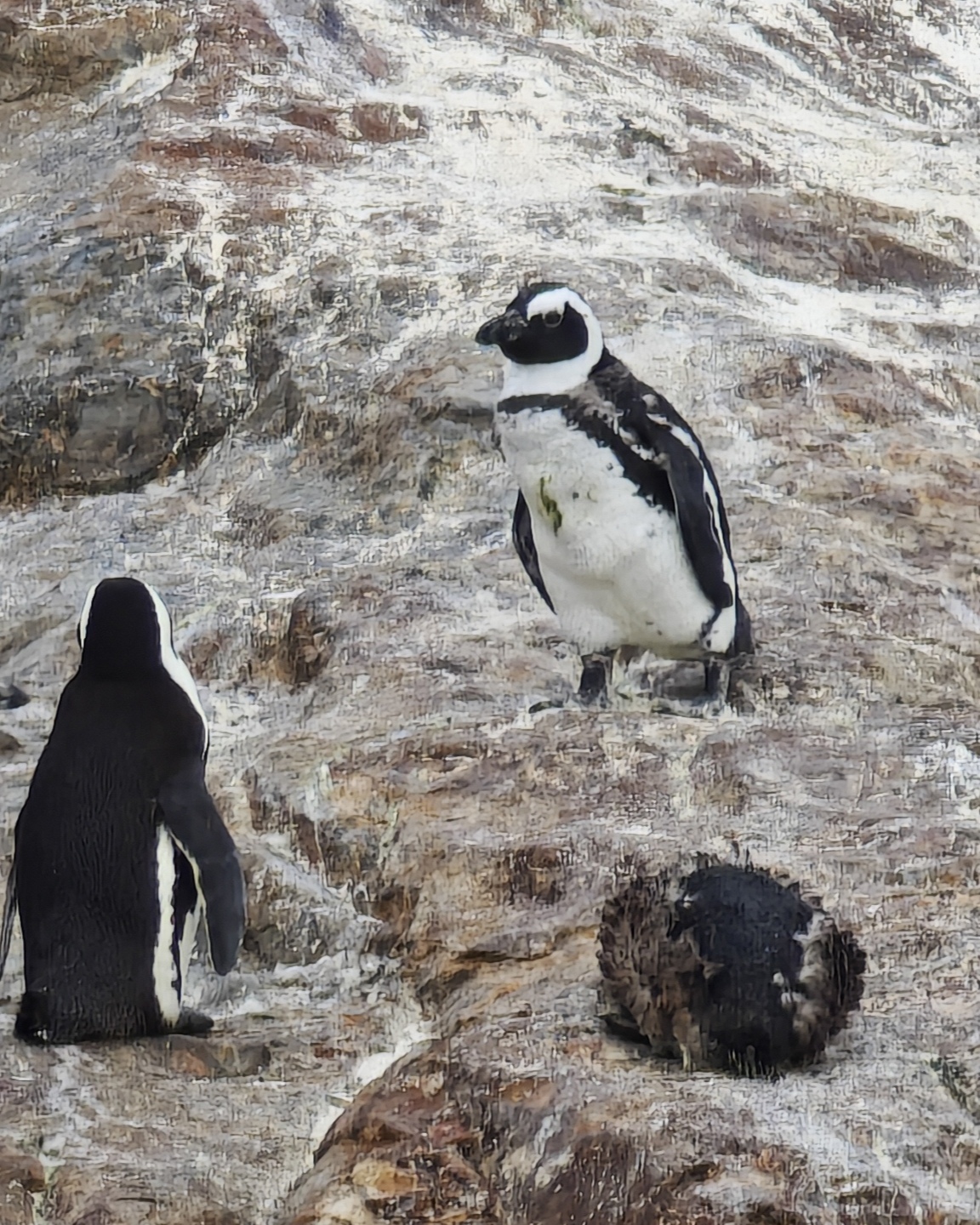
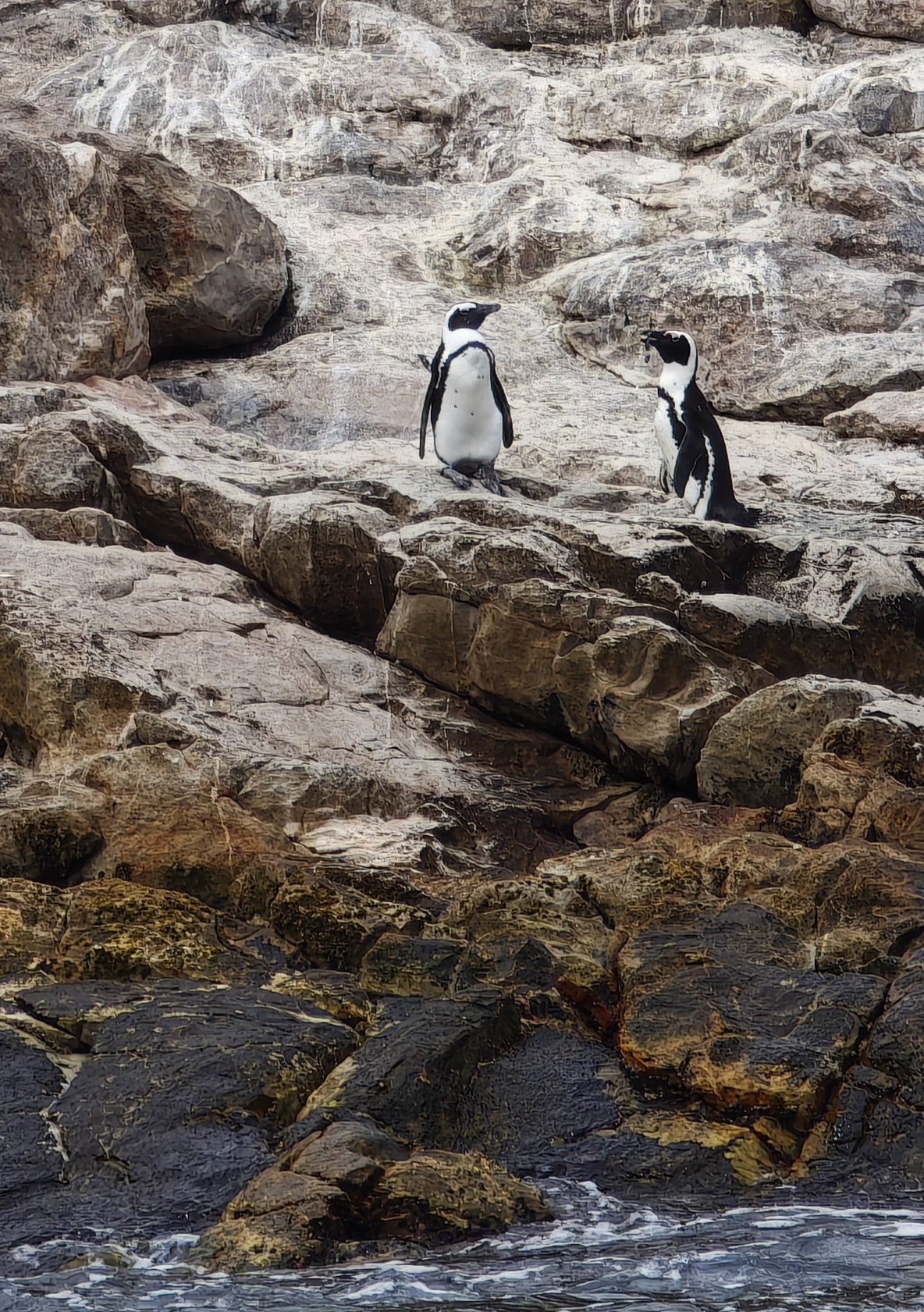
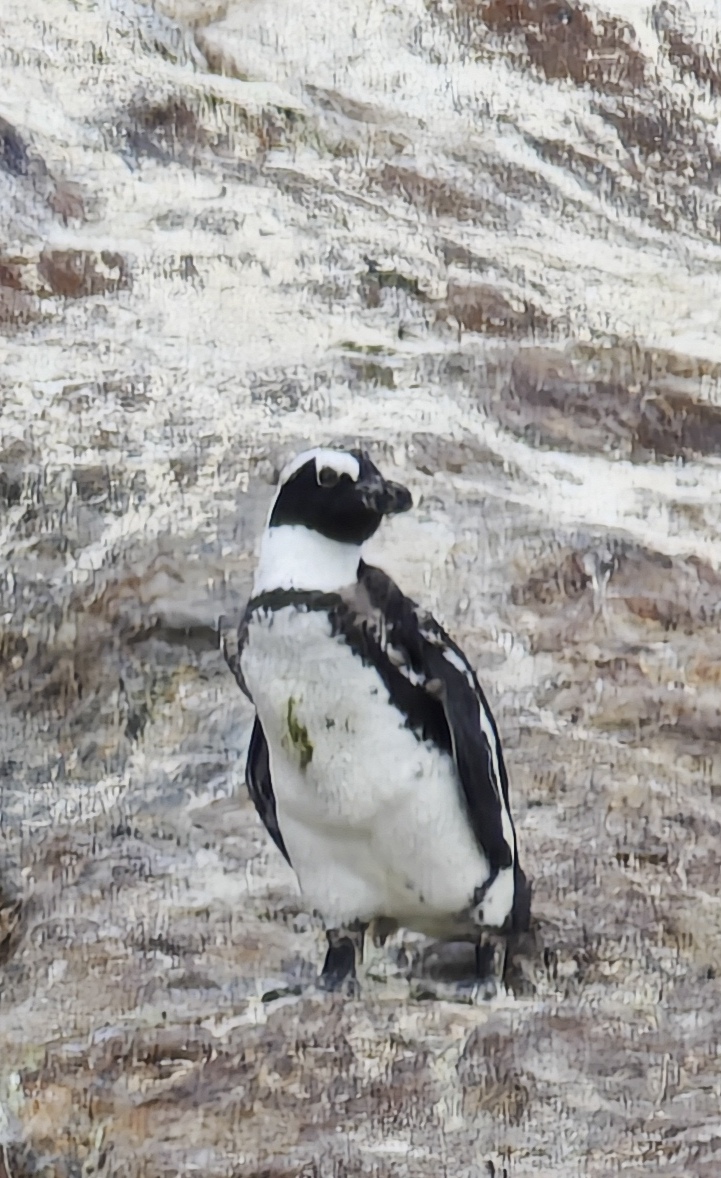
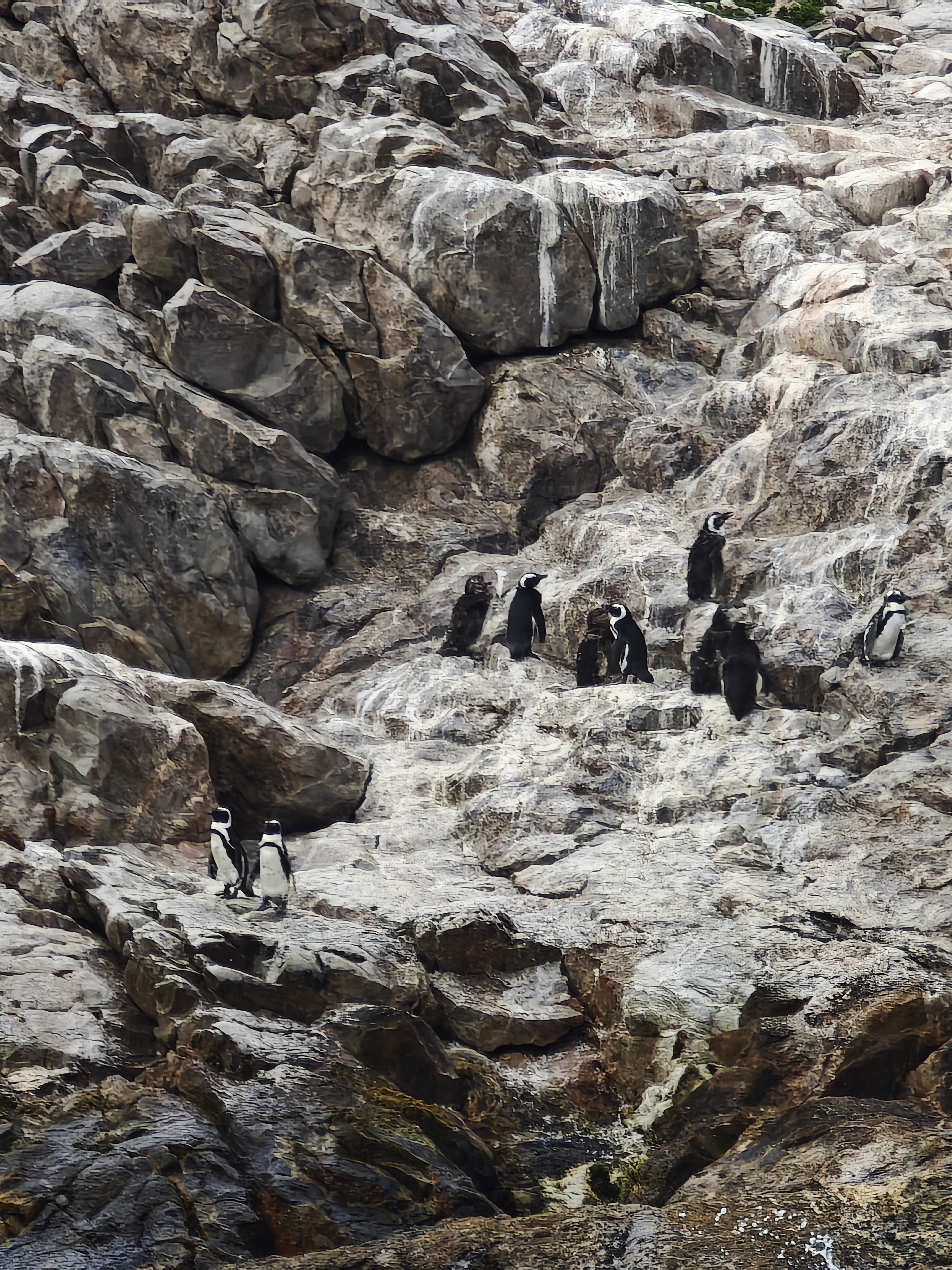
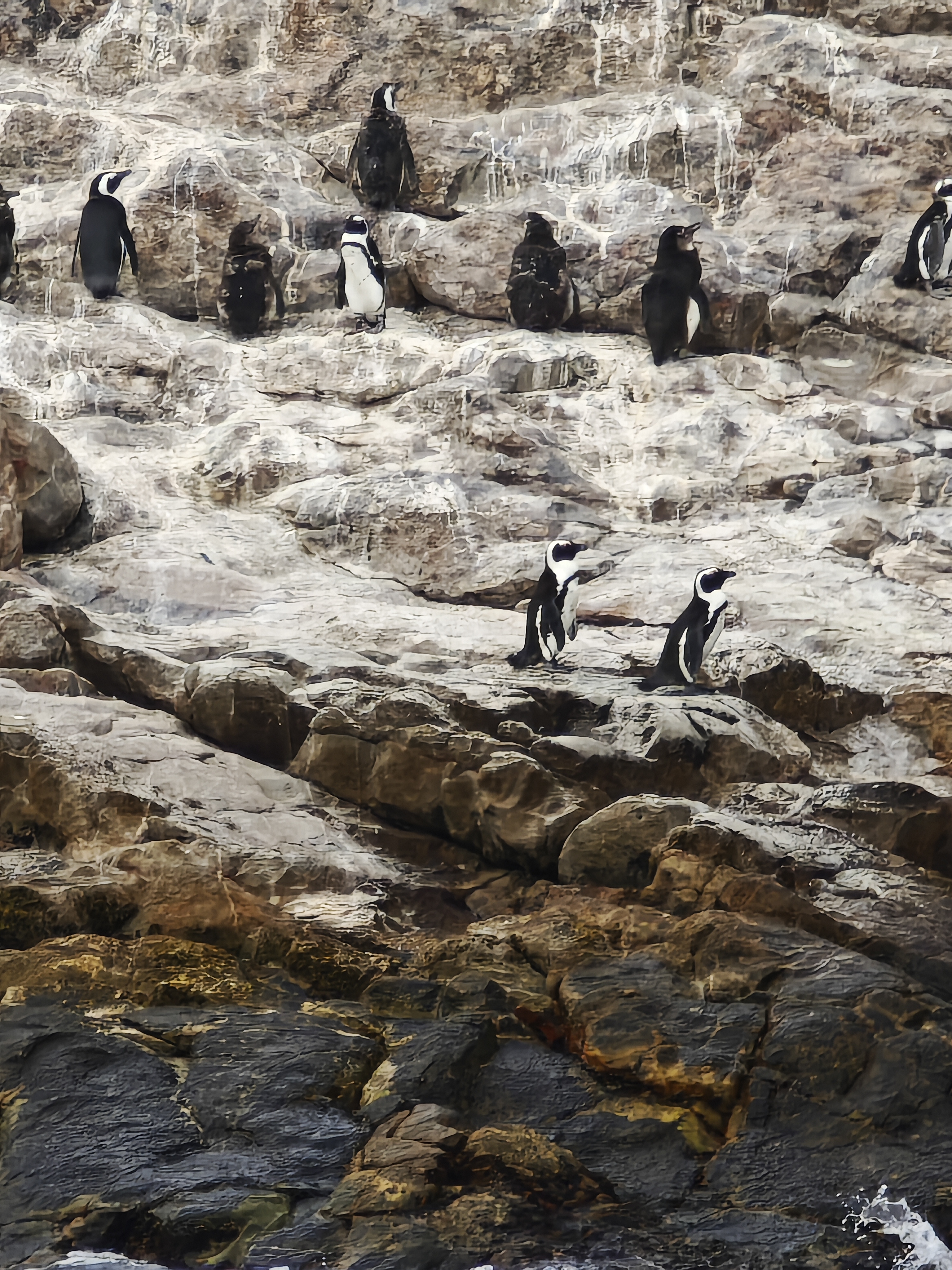
Penguin Island or St. Croix or whatever name it had, was an island with the worlds largest colony of African Penguins. We were not able to get close but as always, penguins always make me smile!
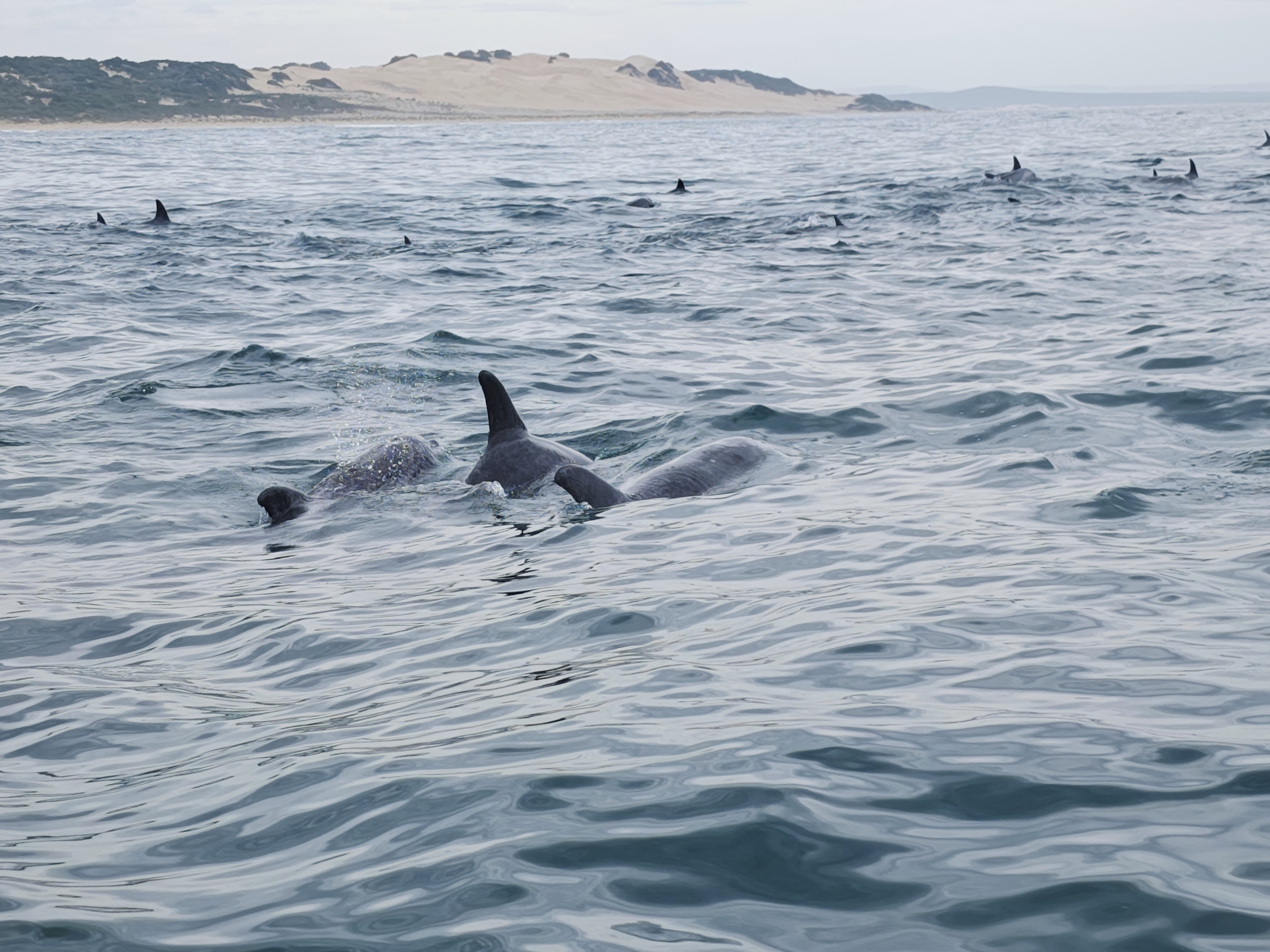
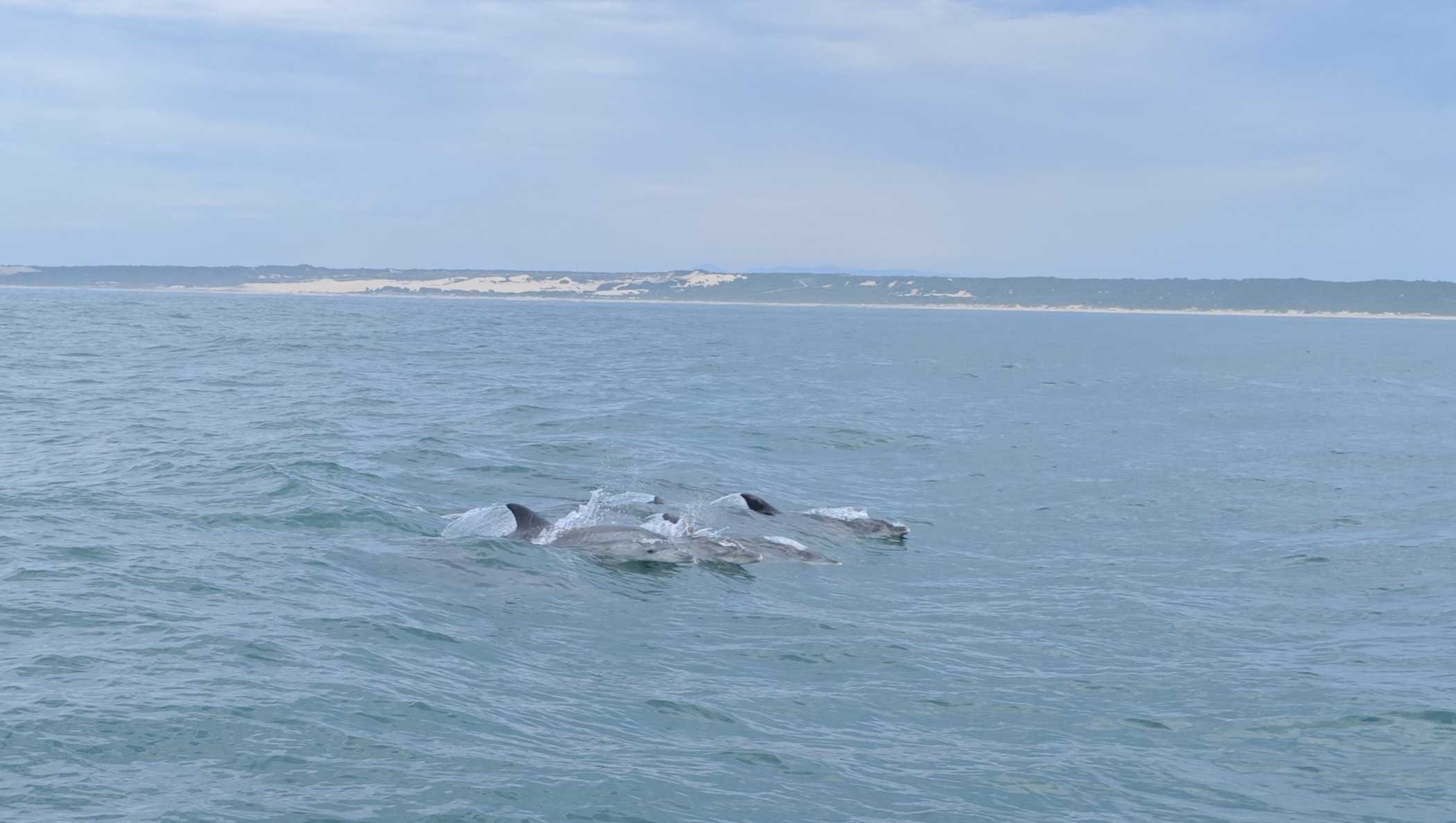
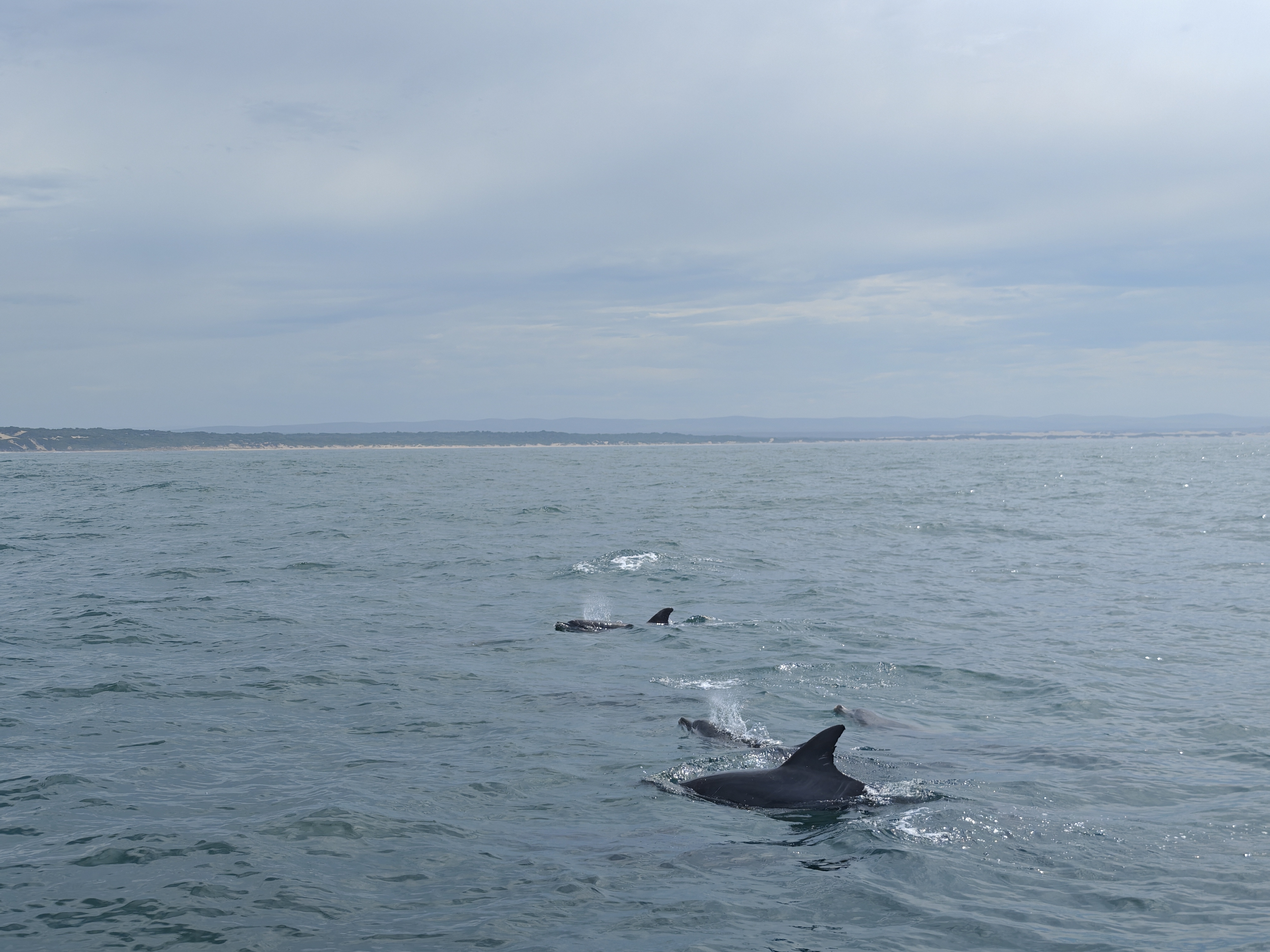
As we left the penguins, we were able to see hundreds of dolphins. Port Elizabeth is called the bottlenose dolphin capital of the world and as our two boats coasted into a pod of dolphins cruising along, we realized there were hundreds of them! We heard and felt them cruise along with each breath they took. It was a magical afternoon!
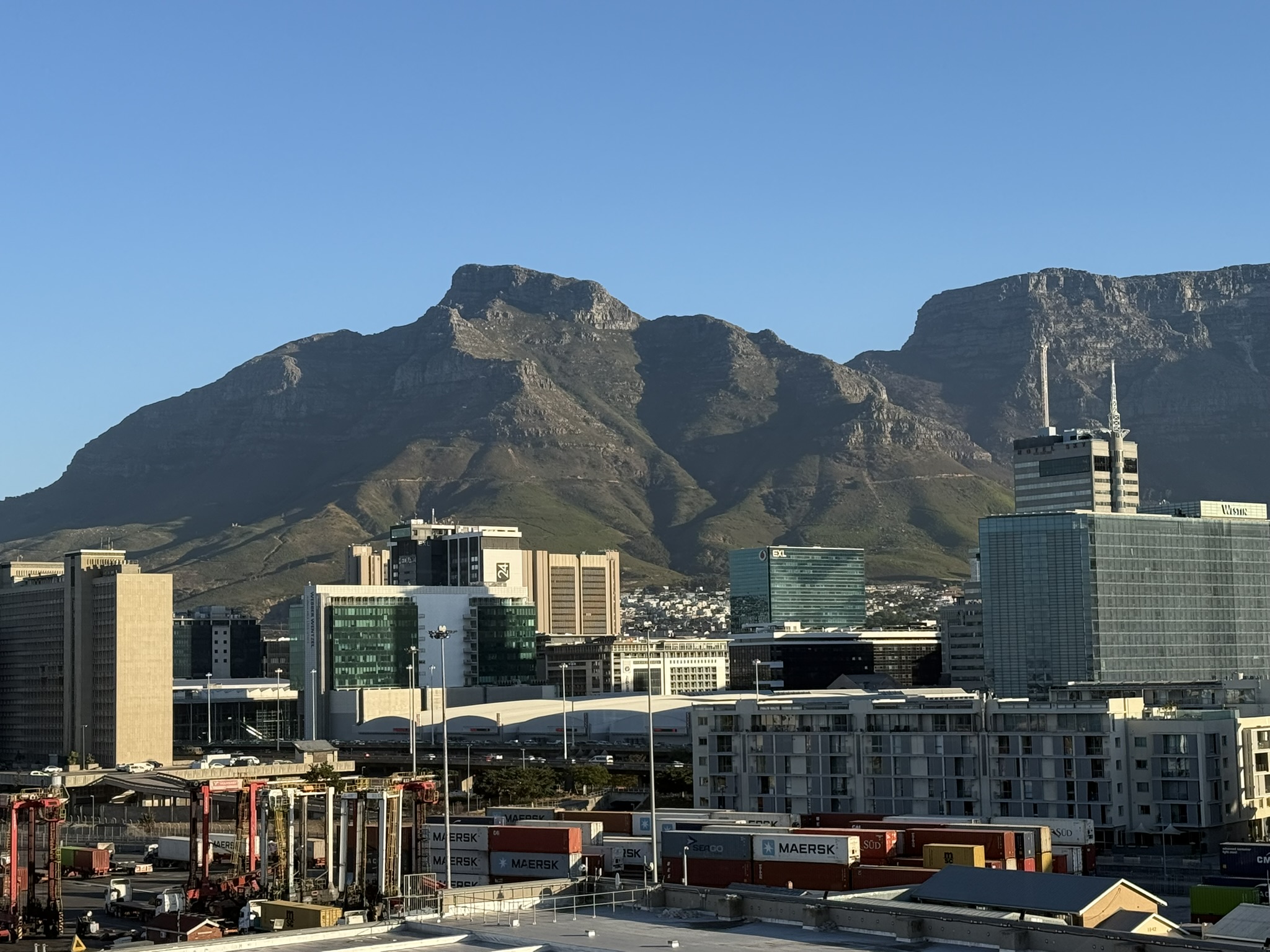
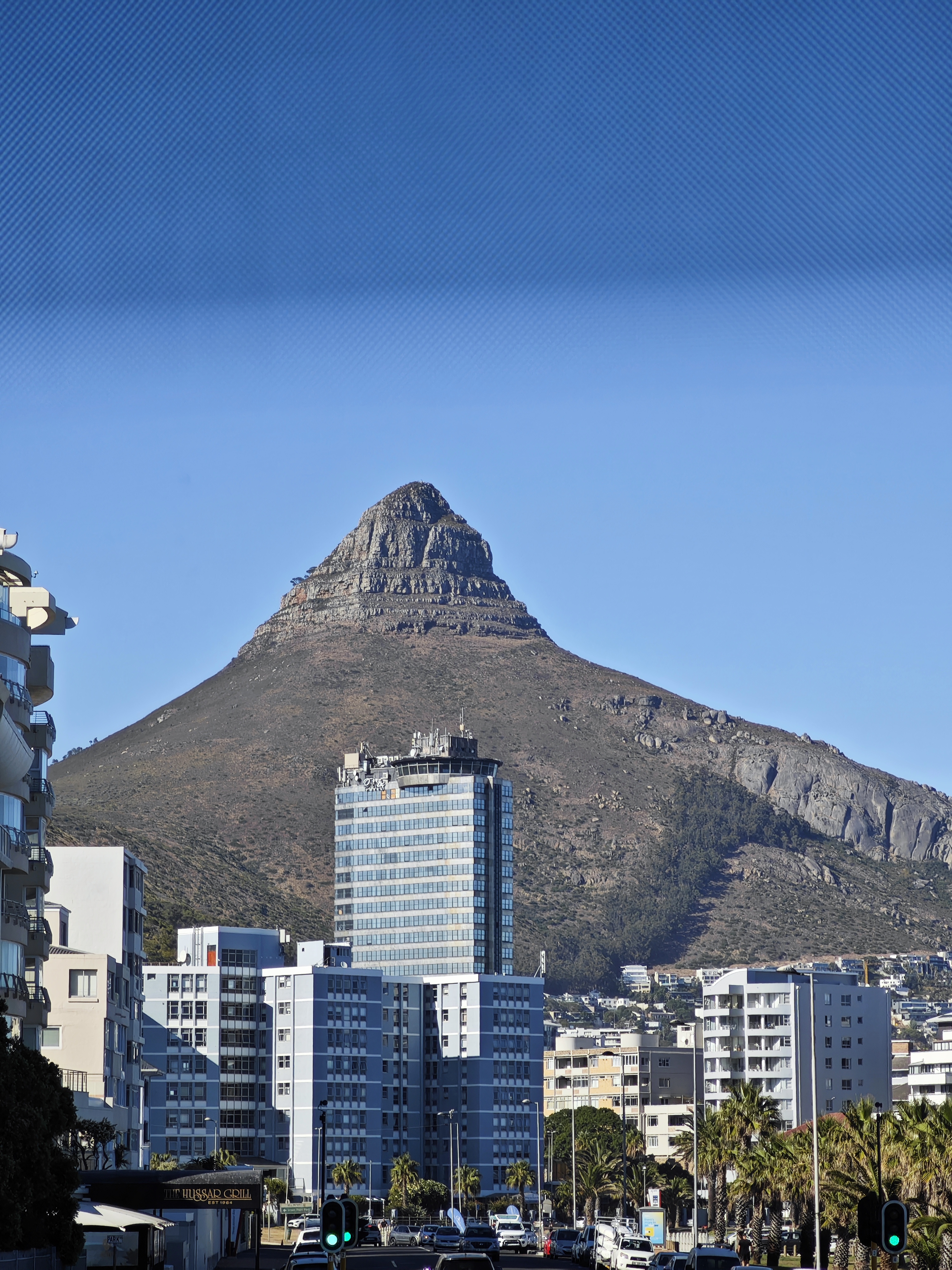
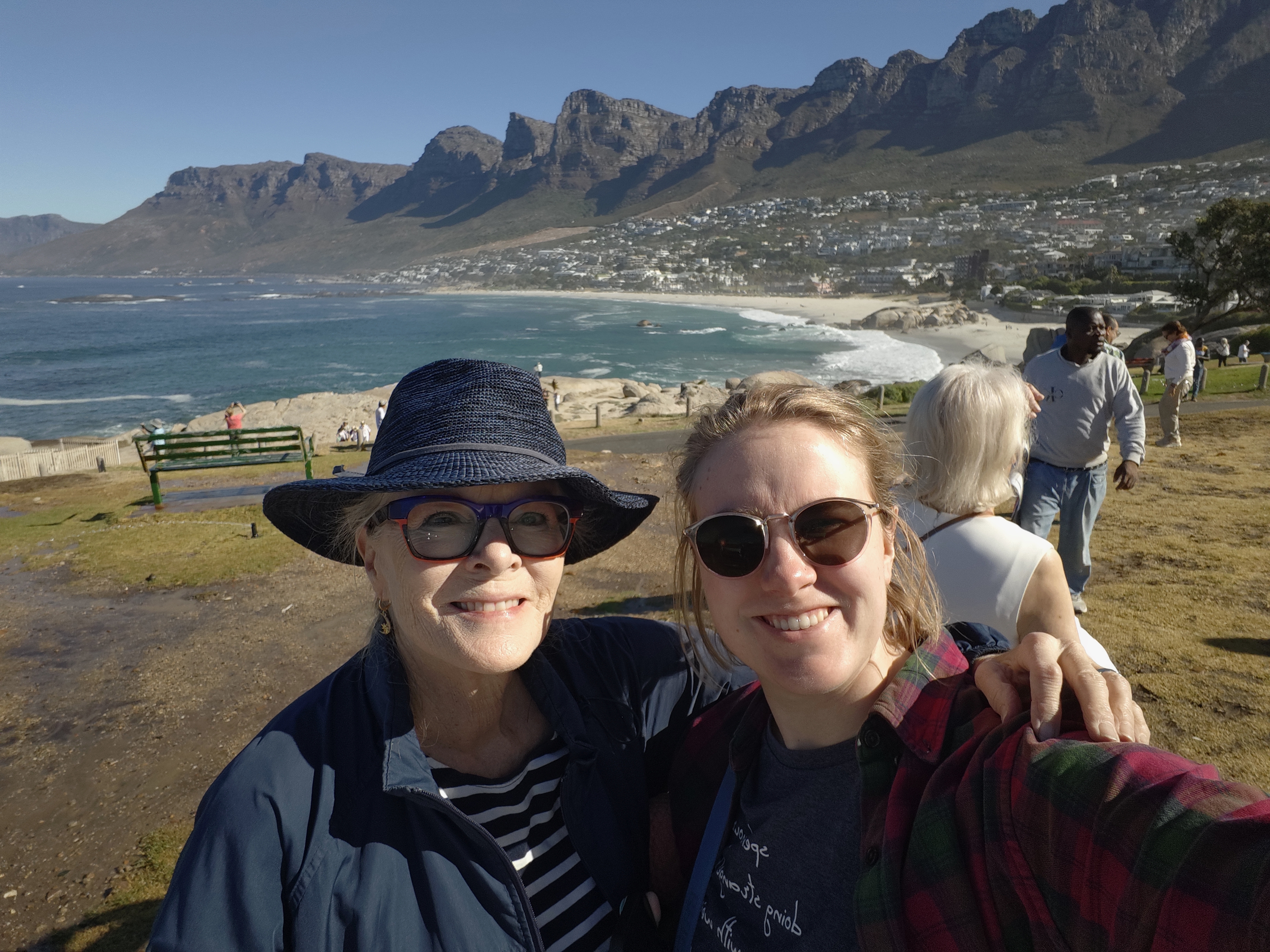
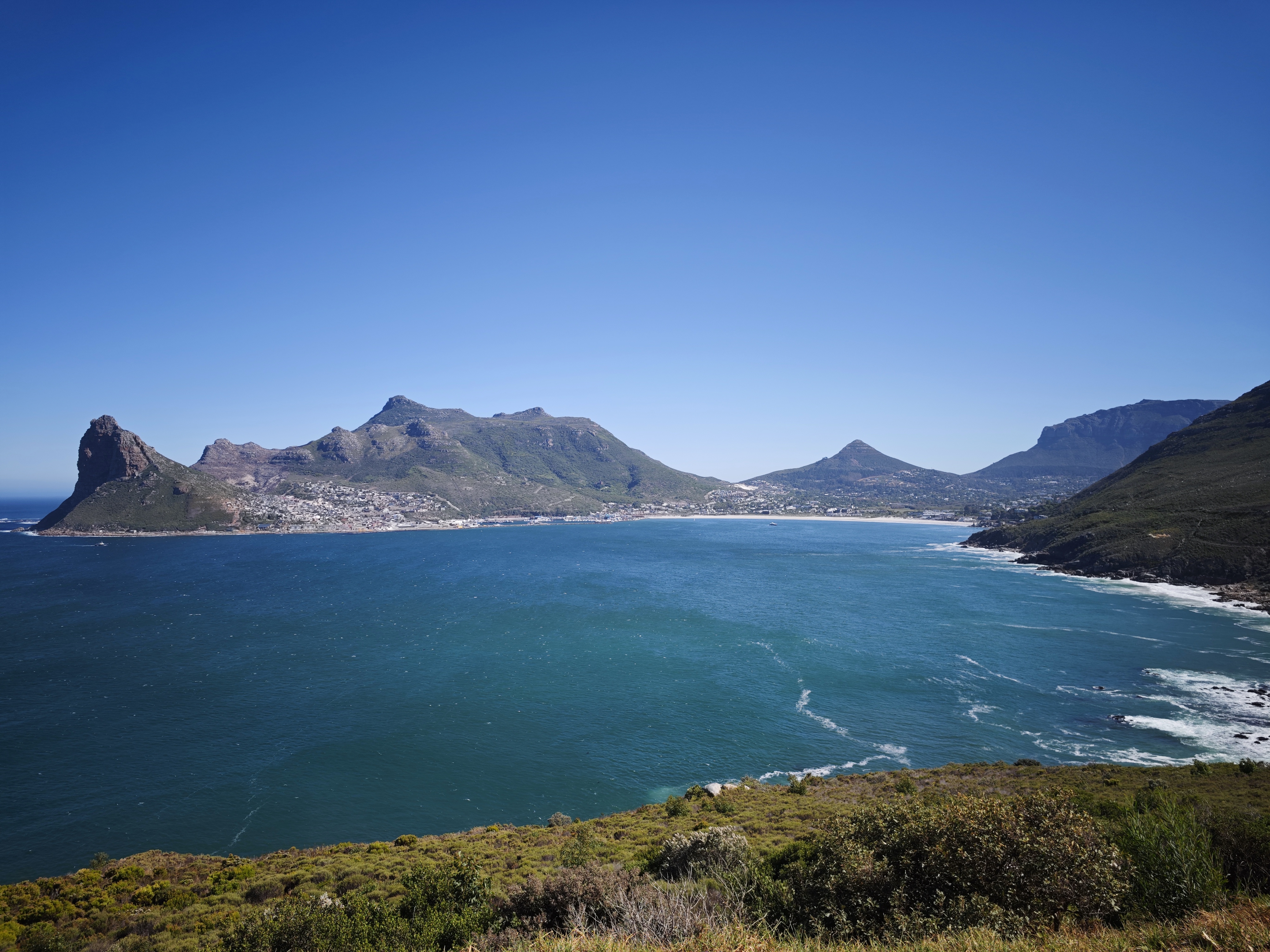
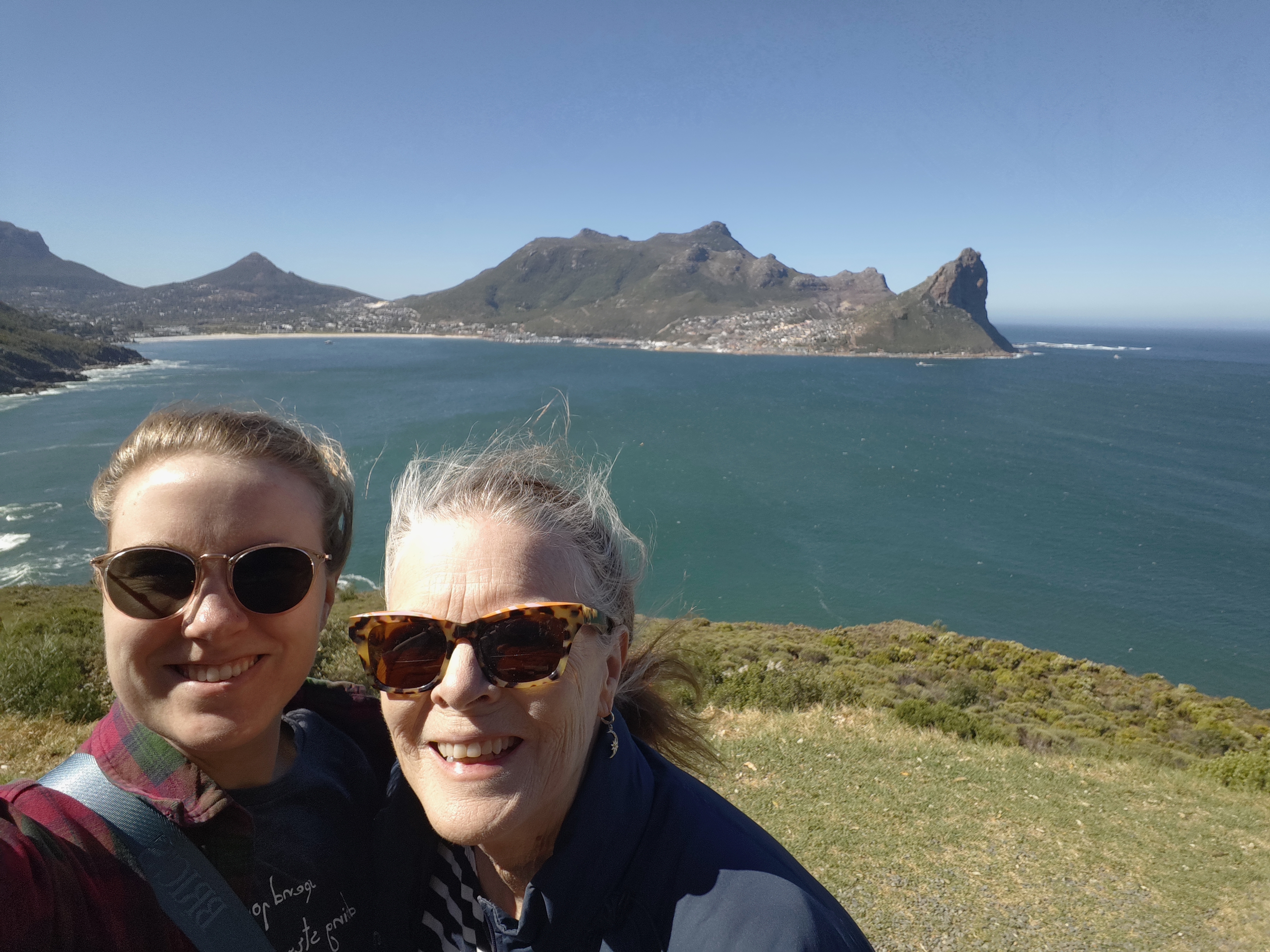
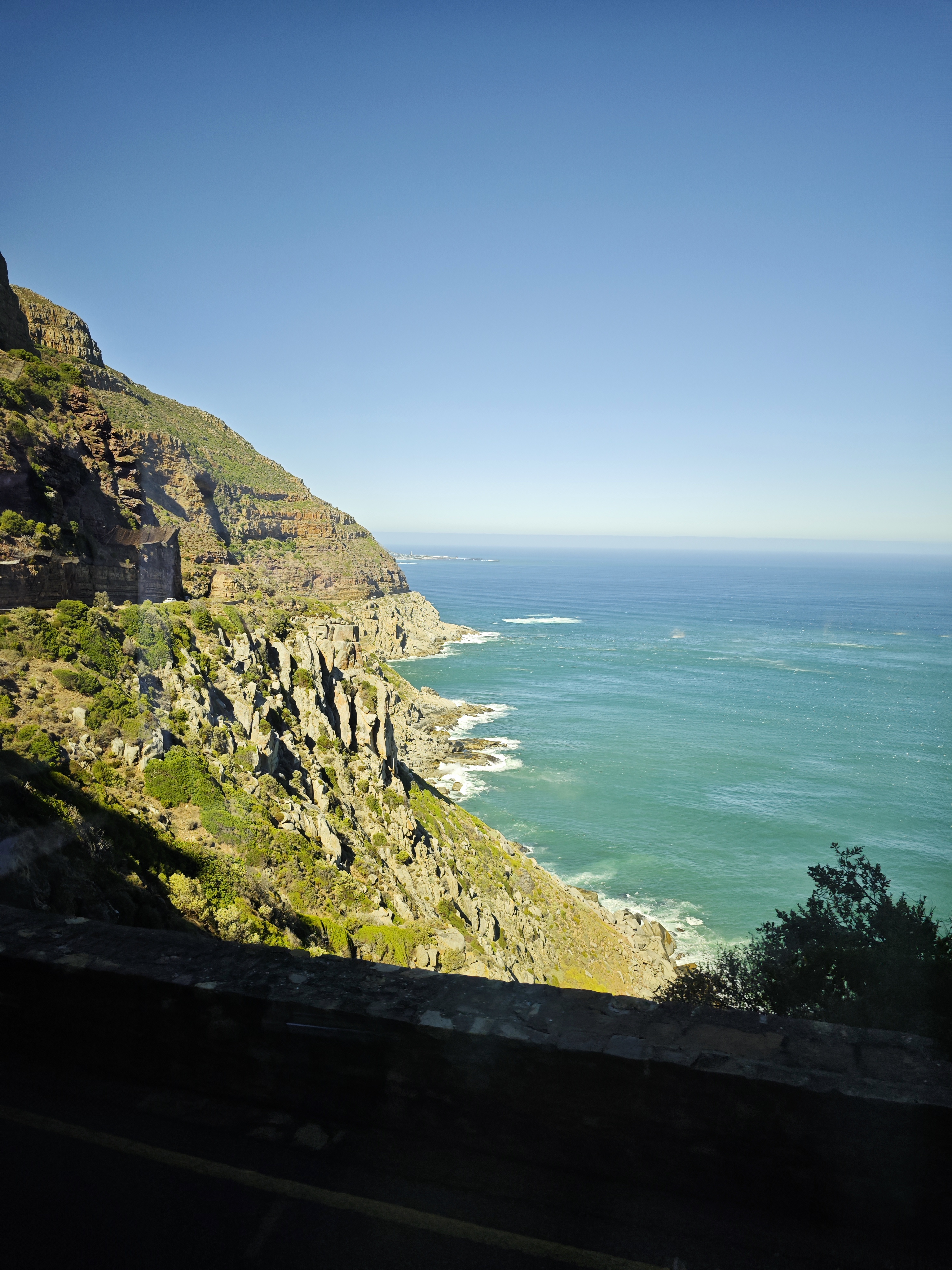
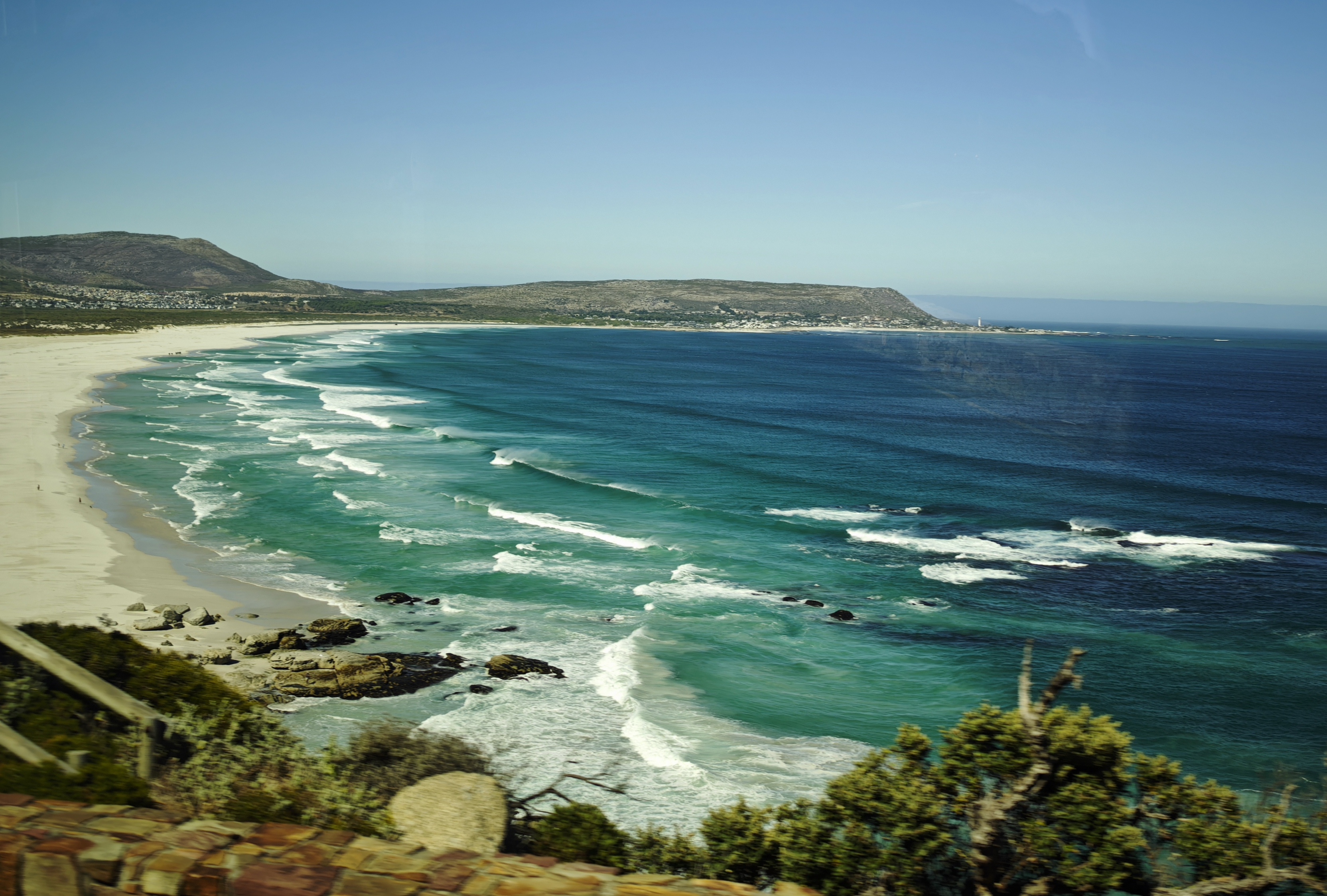
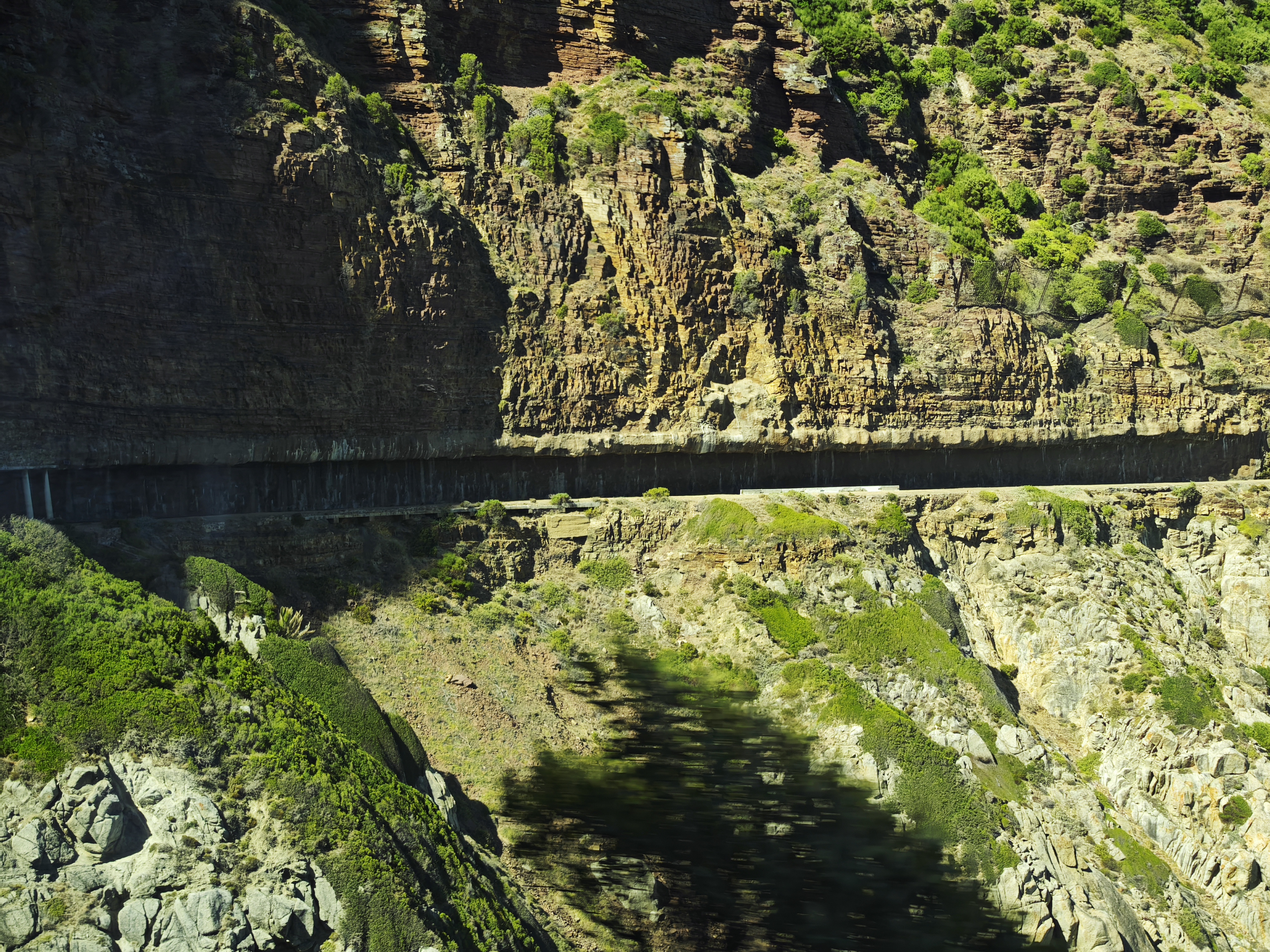
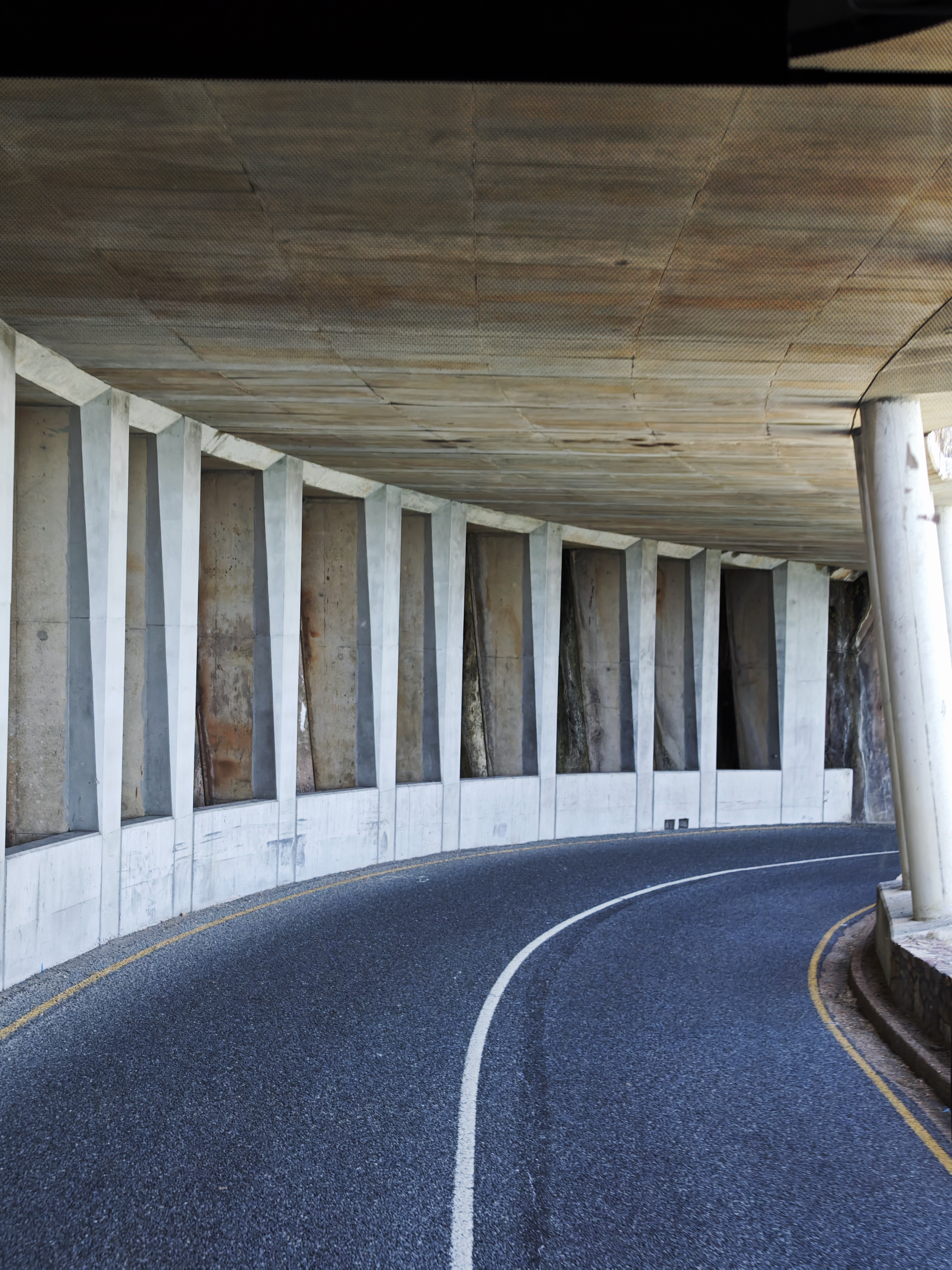
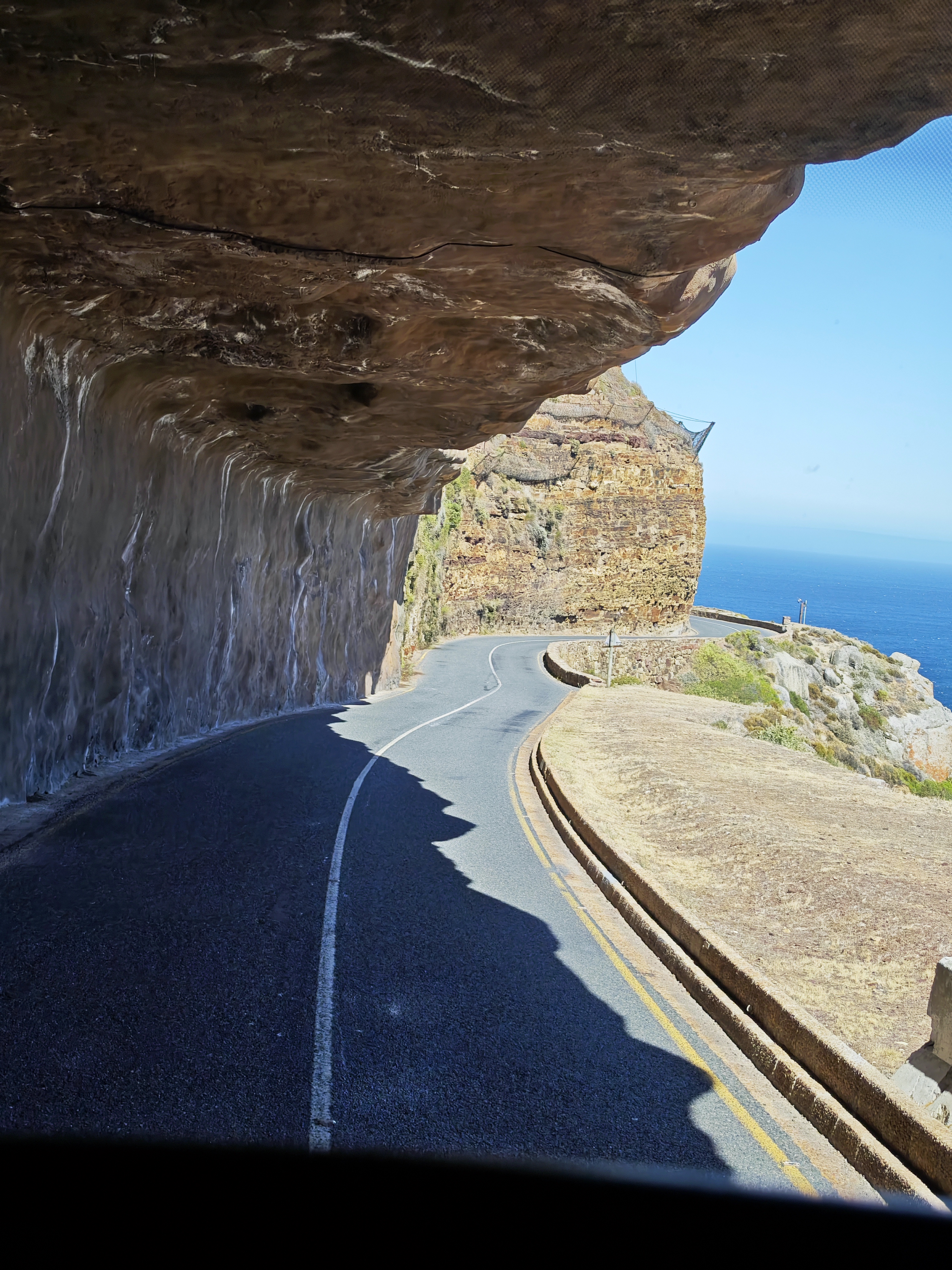
Cape Town was a turnover for new leggers but it was only a day stop. When all cruise ships had to re-route around Africa due to the war, port space was very limited…so in and out we went. We however we able to do a Chapman peak tour and head around the table mountain to the wine area.
My favorite photo was all the side cars lined up and leaving together for their lovely afternoon!
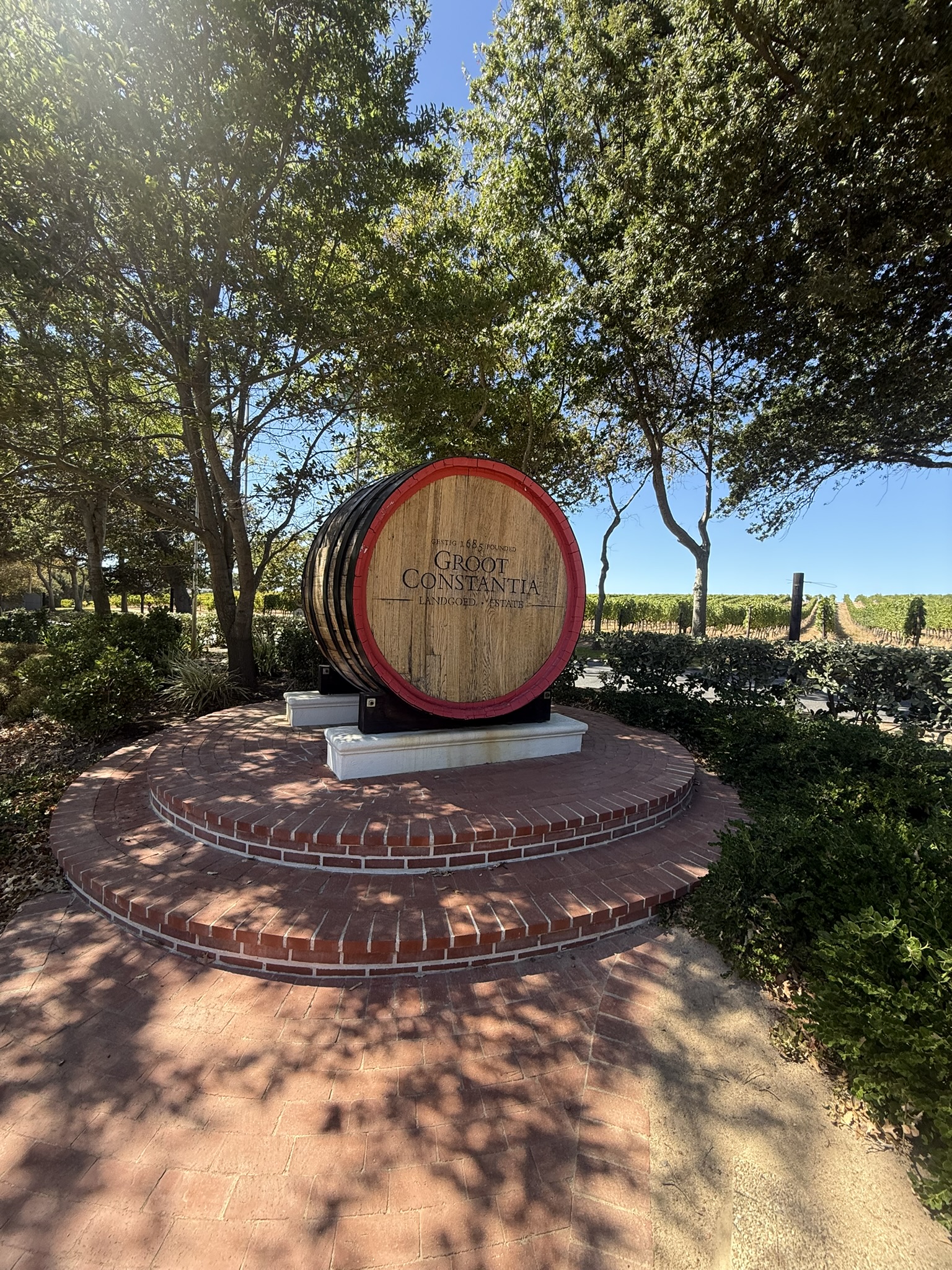
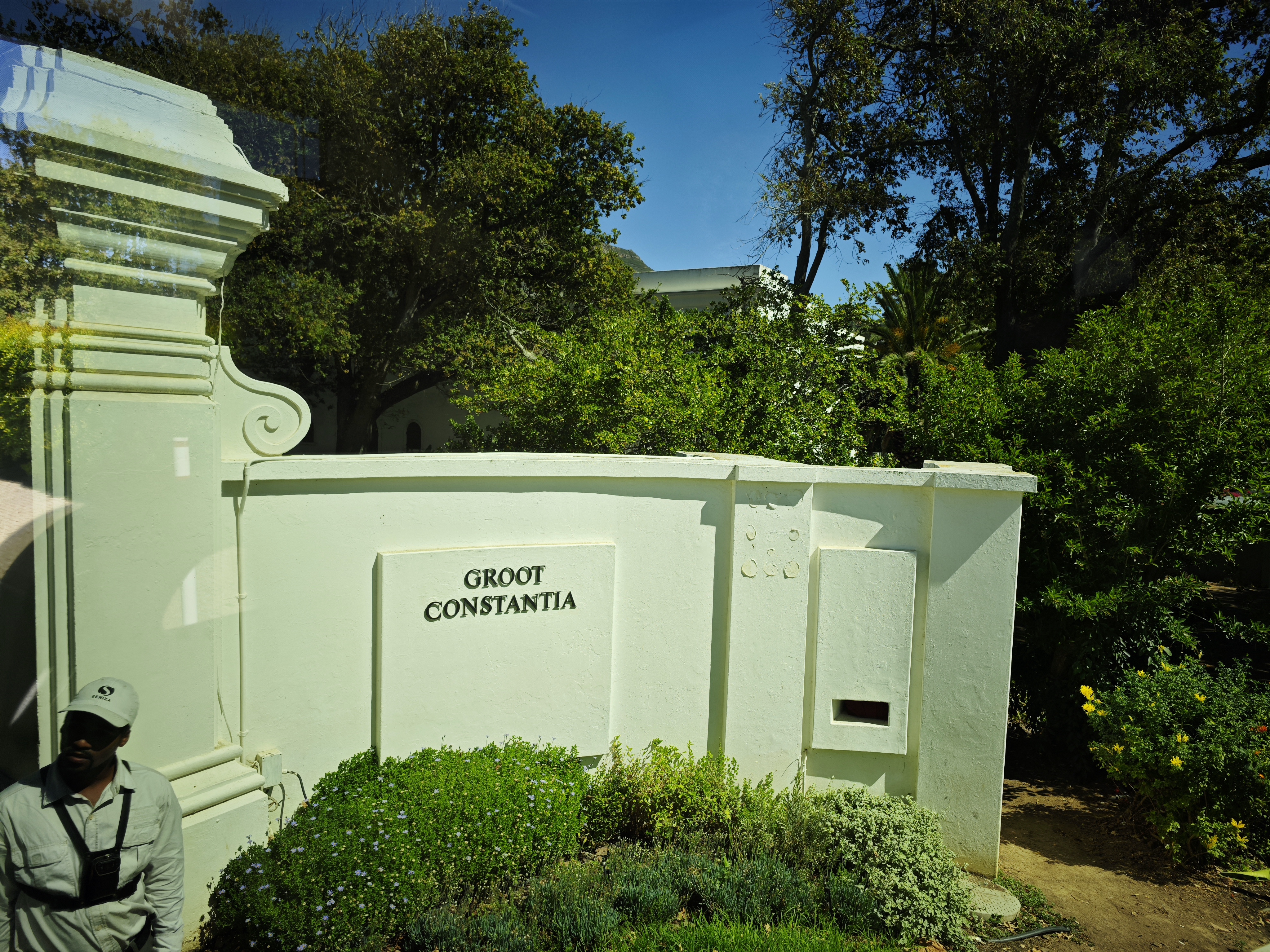
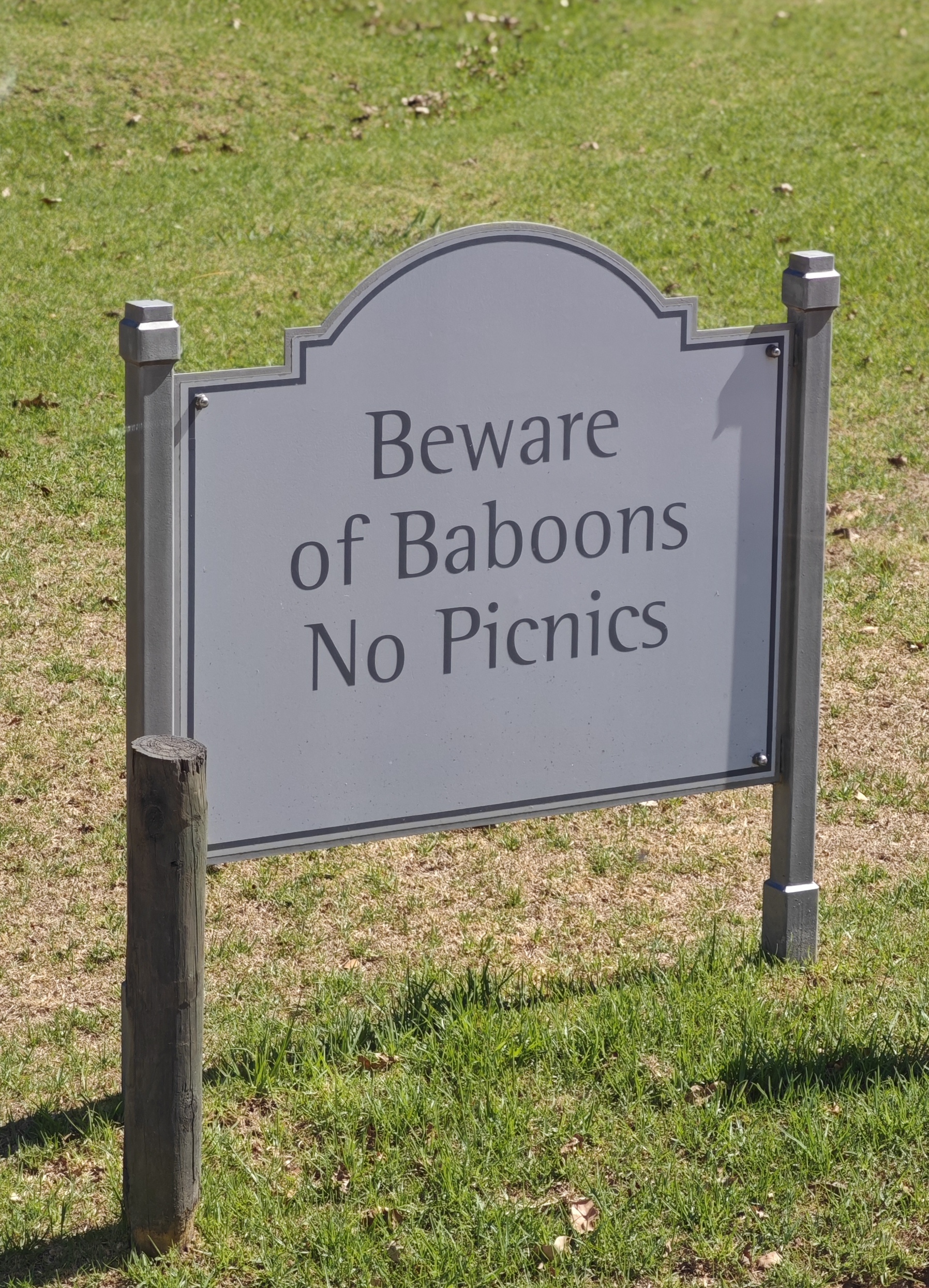
We drove around the peaks and up into wine country. We missed Stellenbosch as I had been there in 1997 with Michael and Larkin didn’t care to do a major wine tasting. However, Groot Constantia where Michael and I had also been, was on our last stop before heading back to the Dawn. Remember to beware of Baboons!
When we arrived back at the ship, we were close to the Victoria and Albert Waterfront so we strolled along until we found a spot for lunch. We then enjoy the water views on our walk about!
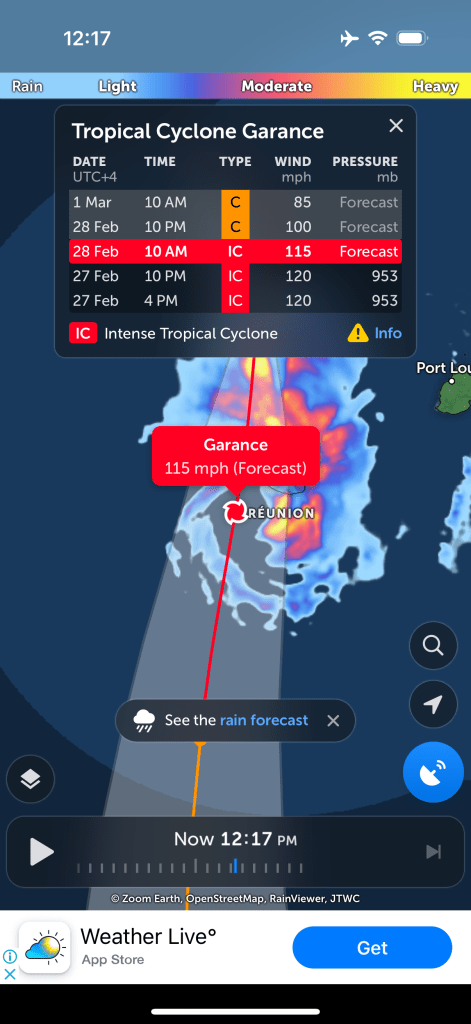
We were into Port Louis the last day of February – or we were suppose to be. Cyclone Garance got us within 100km’s of the port as the swells were so high near the port, no vessel could go in or out. Therefore we turned around, went north and made random patterns to come back in the next day on the morning of 1st of March. We actually stayed over night although many of our provisions never made it to the port. The main brunt of the cyclone as you can see hit Reunion or .re (look at the random tariffs). They were devastated. If they ever sent the USA goods, that will not start up again for a very long time!
Mauritius is one of the smallest countries in the world at 2,040 sq. km. This island nation can be found just east of Madagascar in the middle of the Indian Ocean. It is made up of the main island of Mauritius and several outlying islands. It is volcanic island formed by volcanic activity around 8 million years ago. However, no volcanic activity has been recorded on the island for over 100,000 years. Much of the island is made up of low-lying grasslands surrounded by towering mountains and rolling hills. The volcanic history of this island has resulted in some truly unique landscapes and environments.
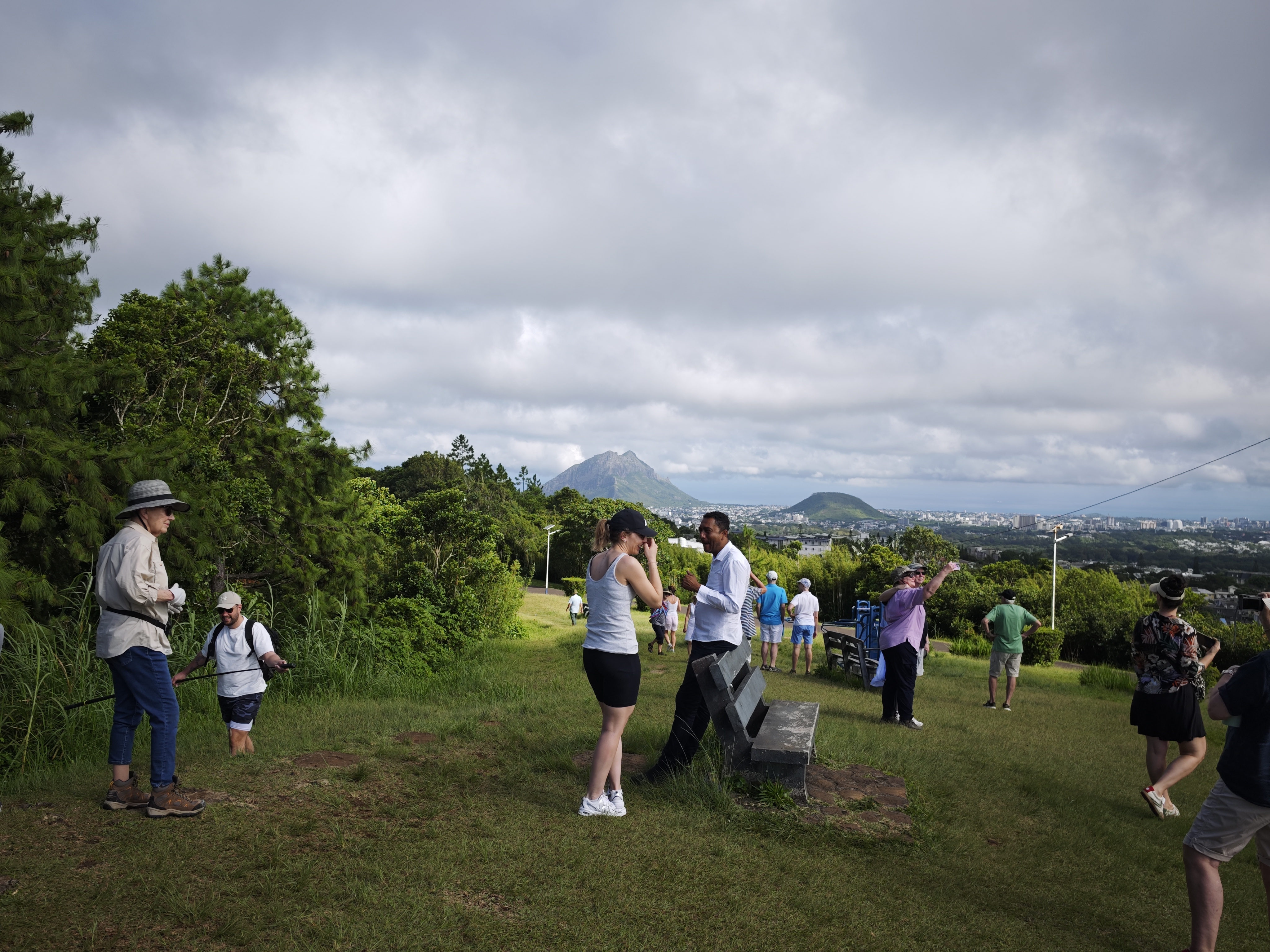
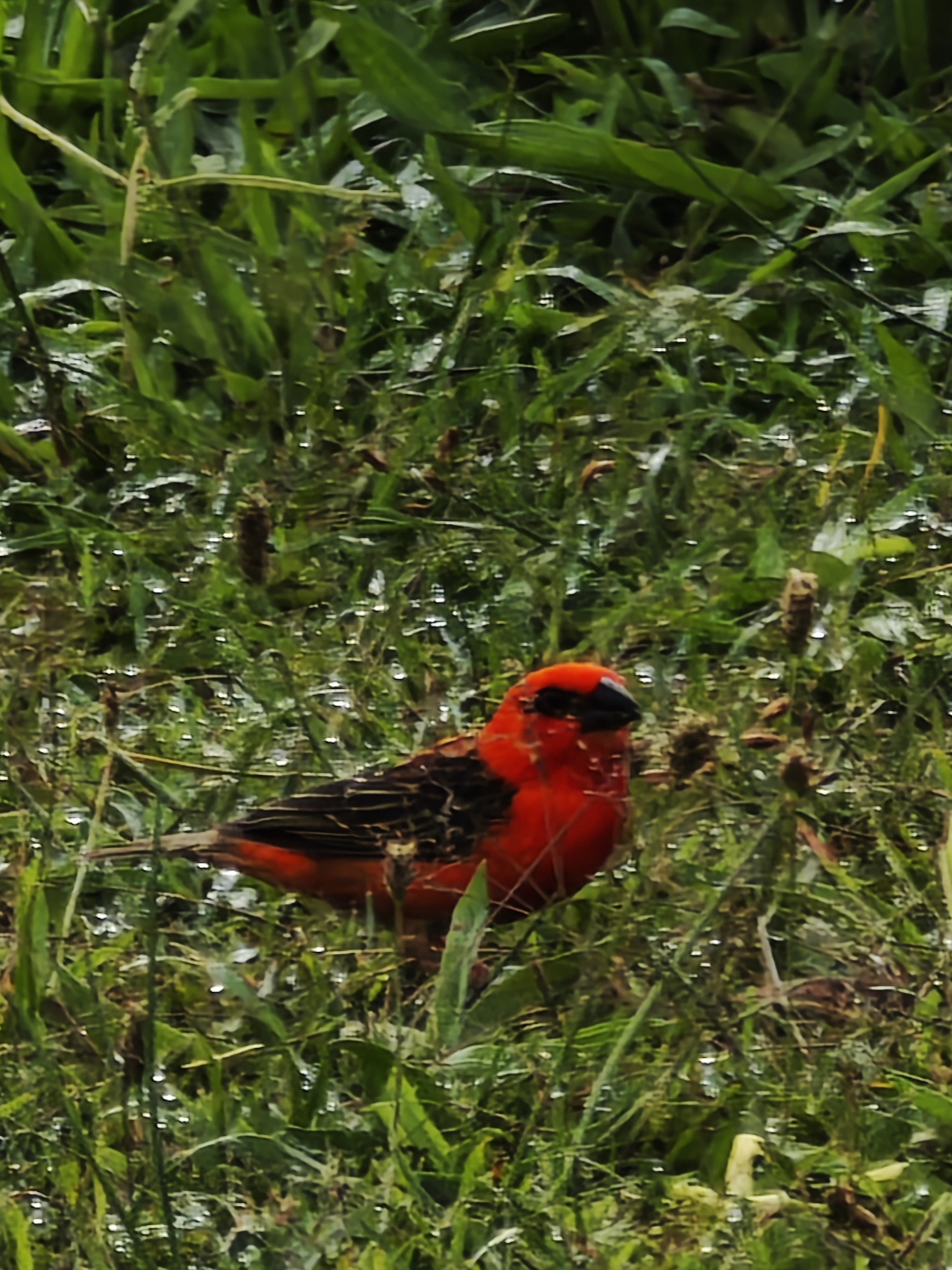
We stood randomly next to the cone of a dormant volcano, Triu Aux Cerfs, which is to the left and has been over taken by trees. It was not impressive but the view was interesting. We could tell the cyclone left this island mostly intact. The cute little red bird was very noticeable as he flew around.
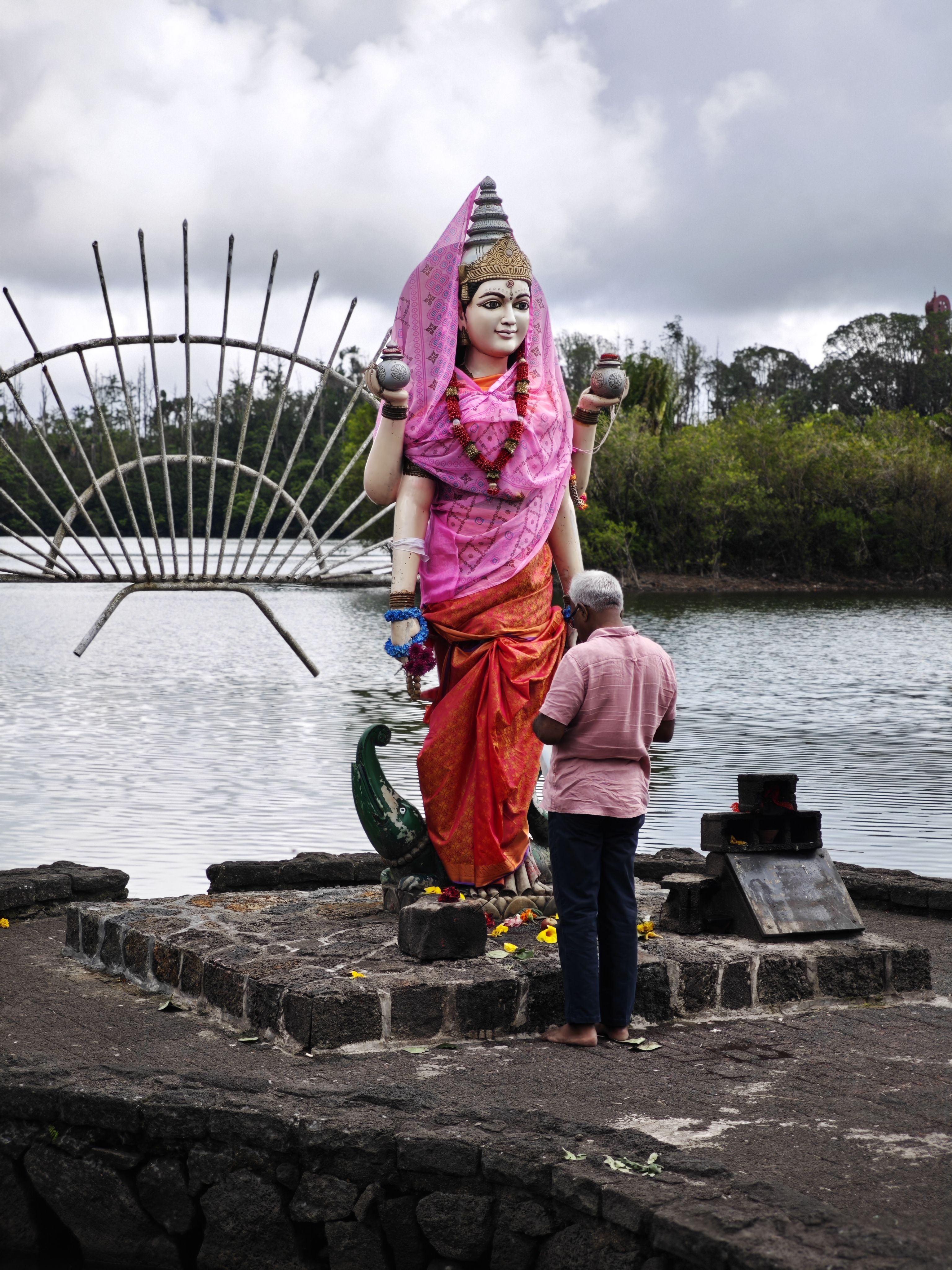
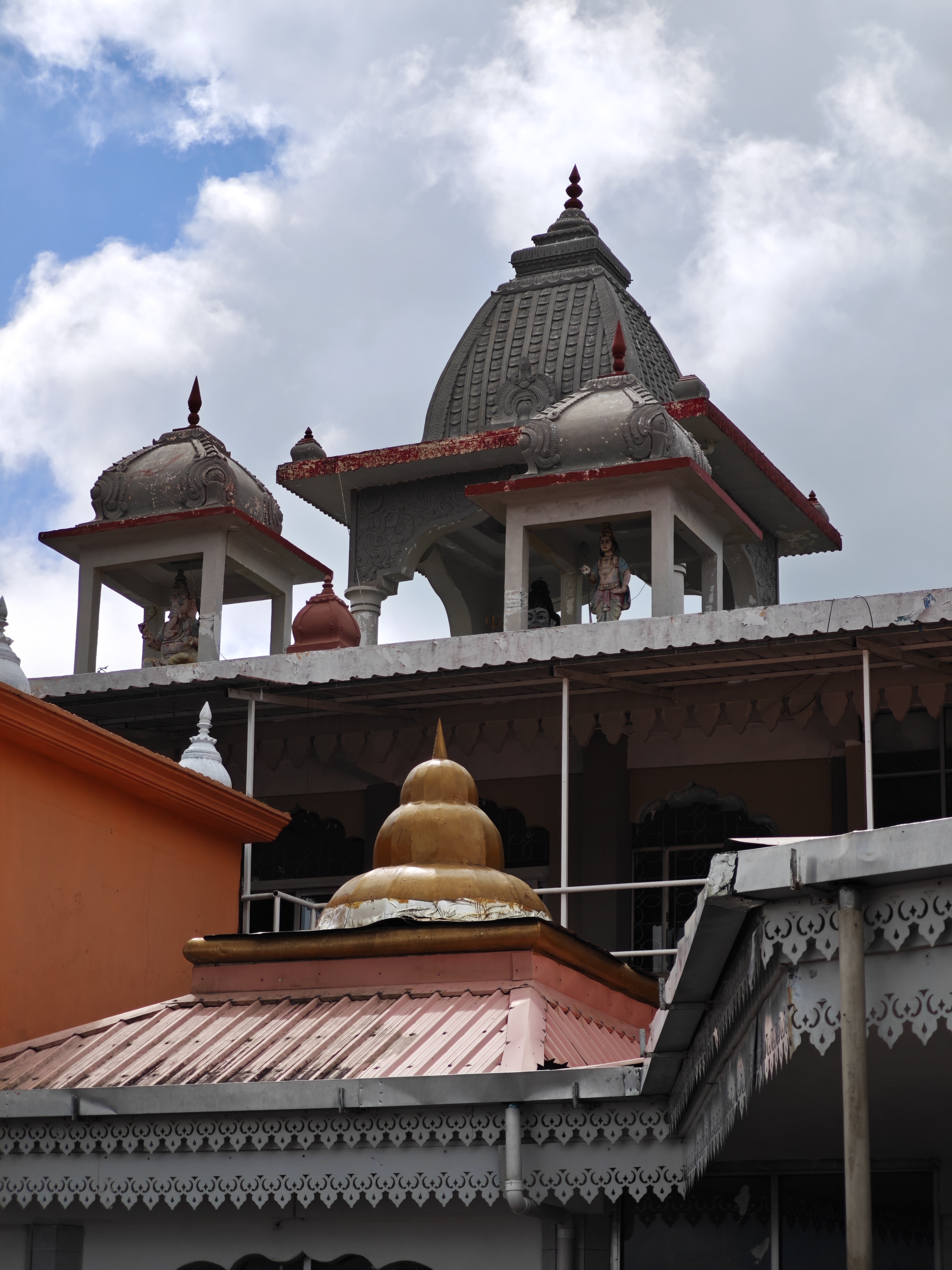
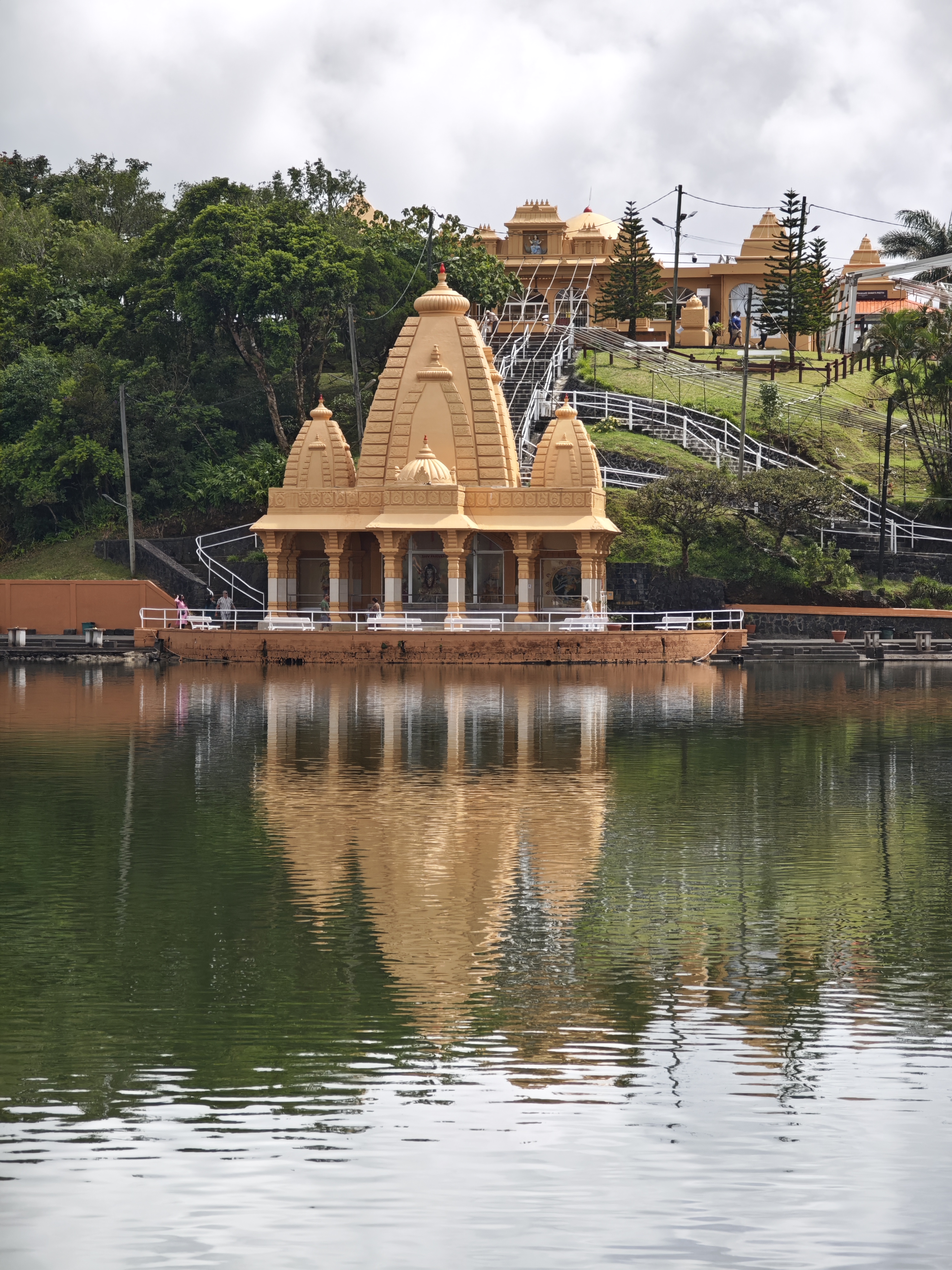
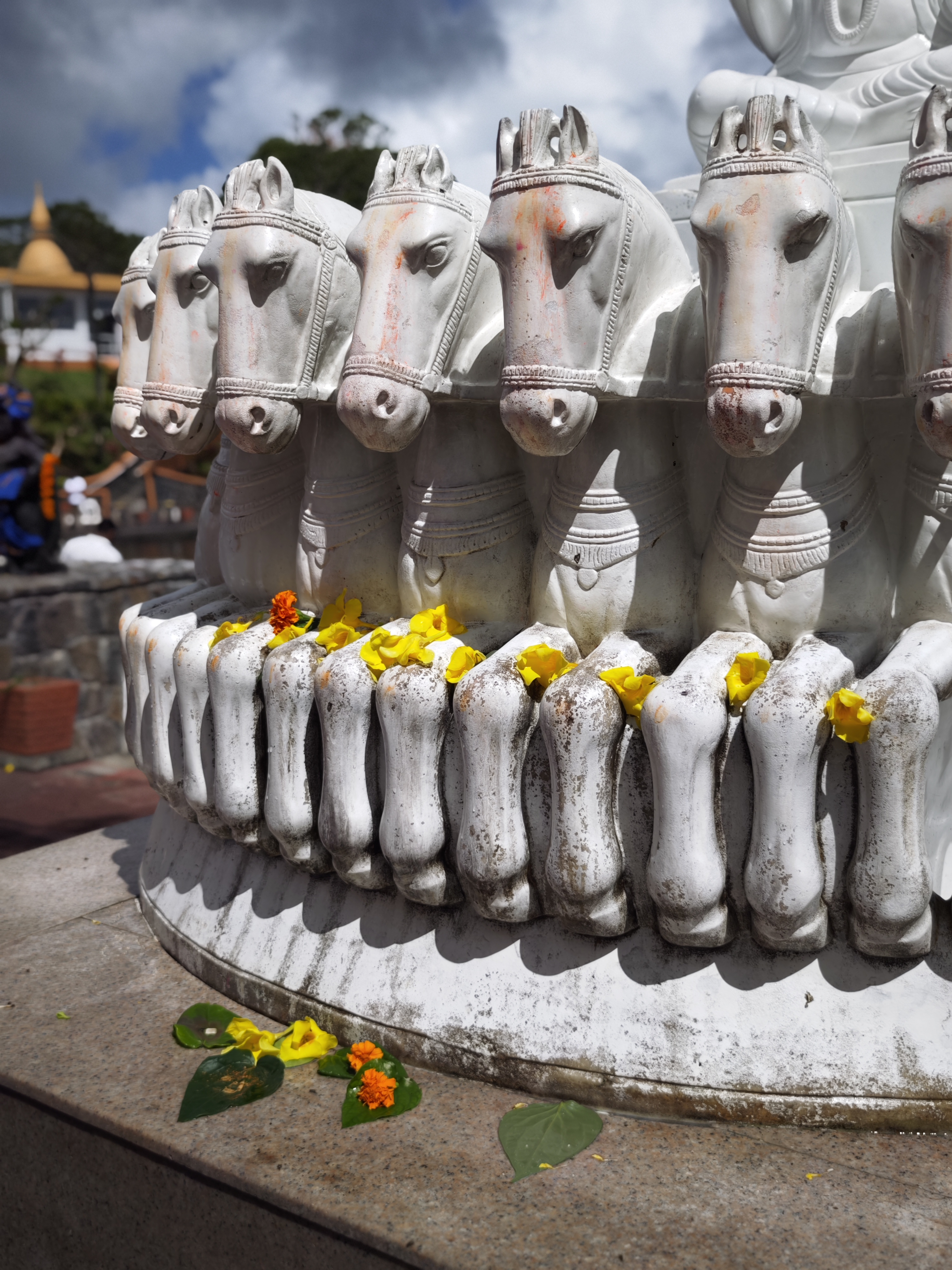
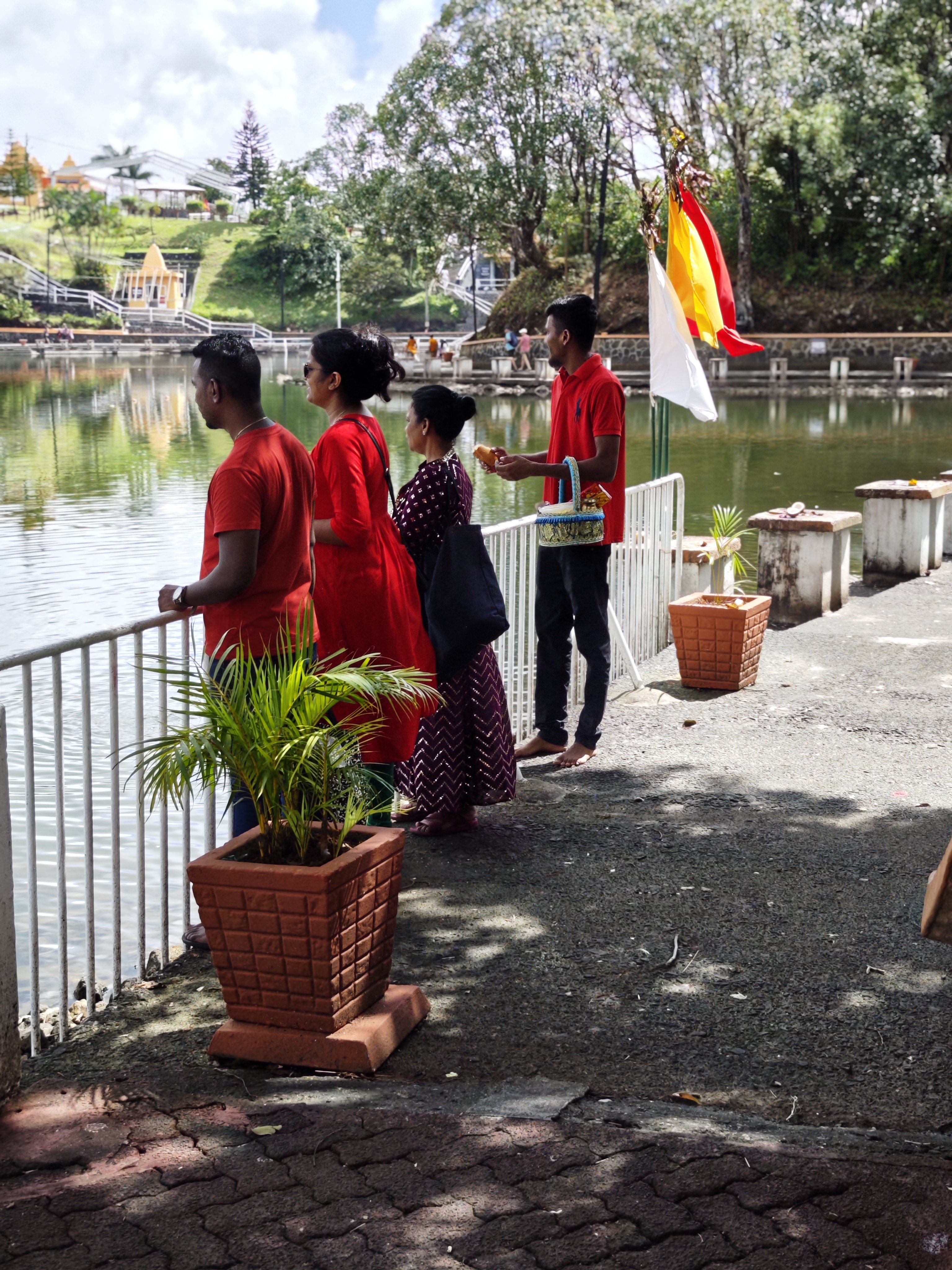
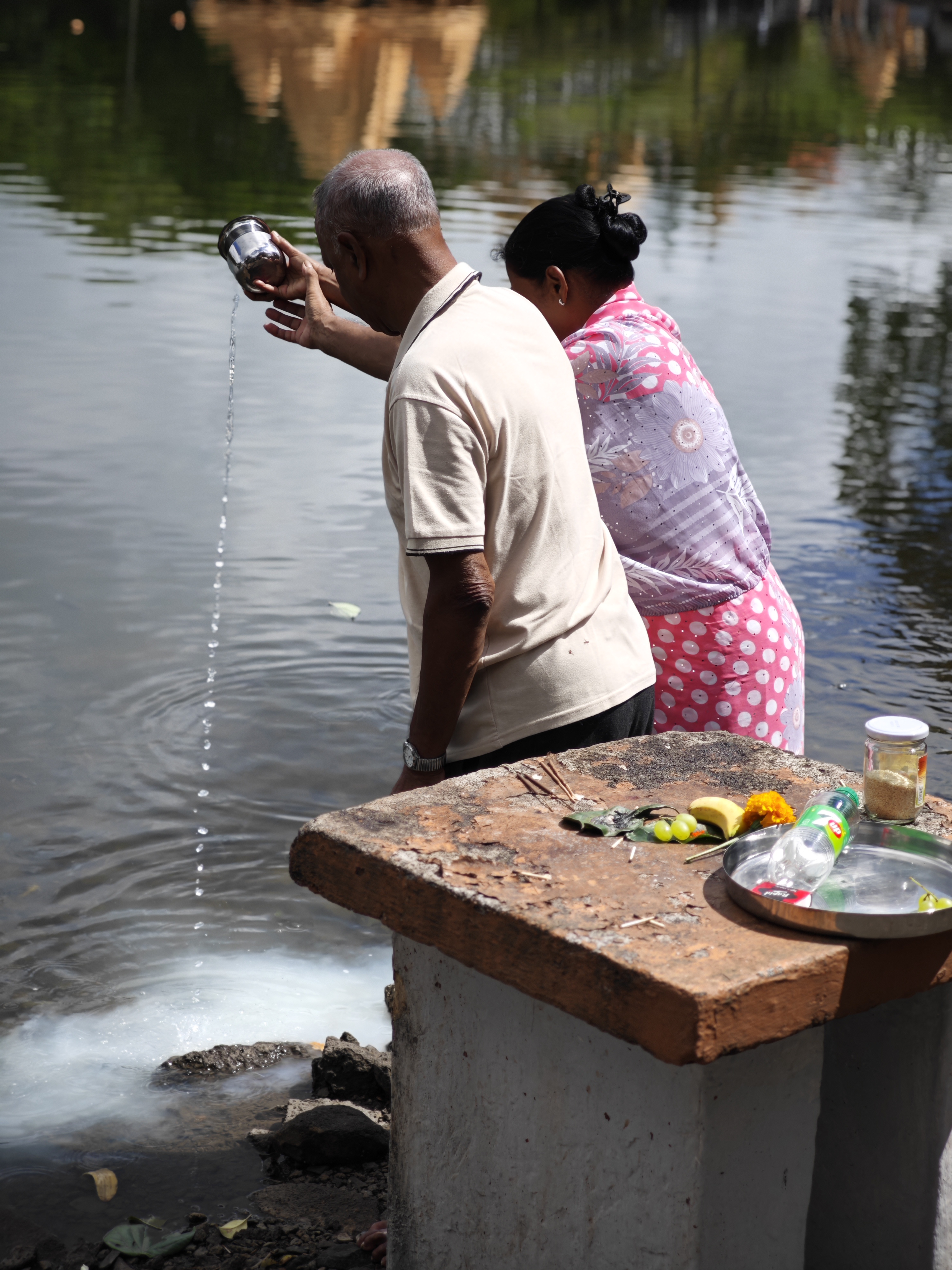
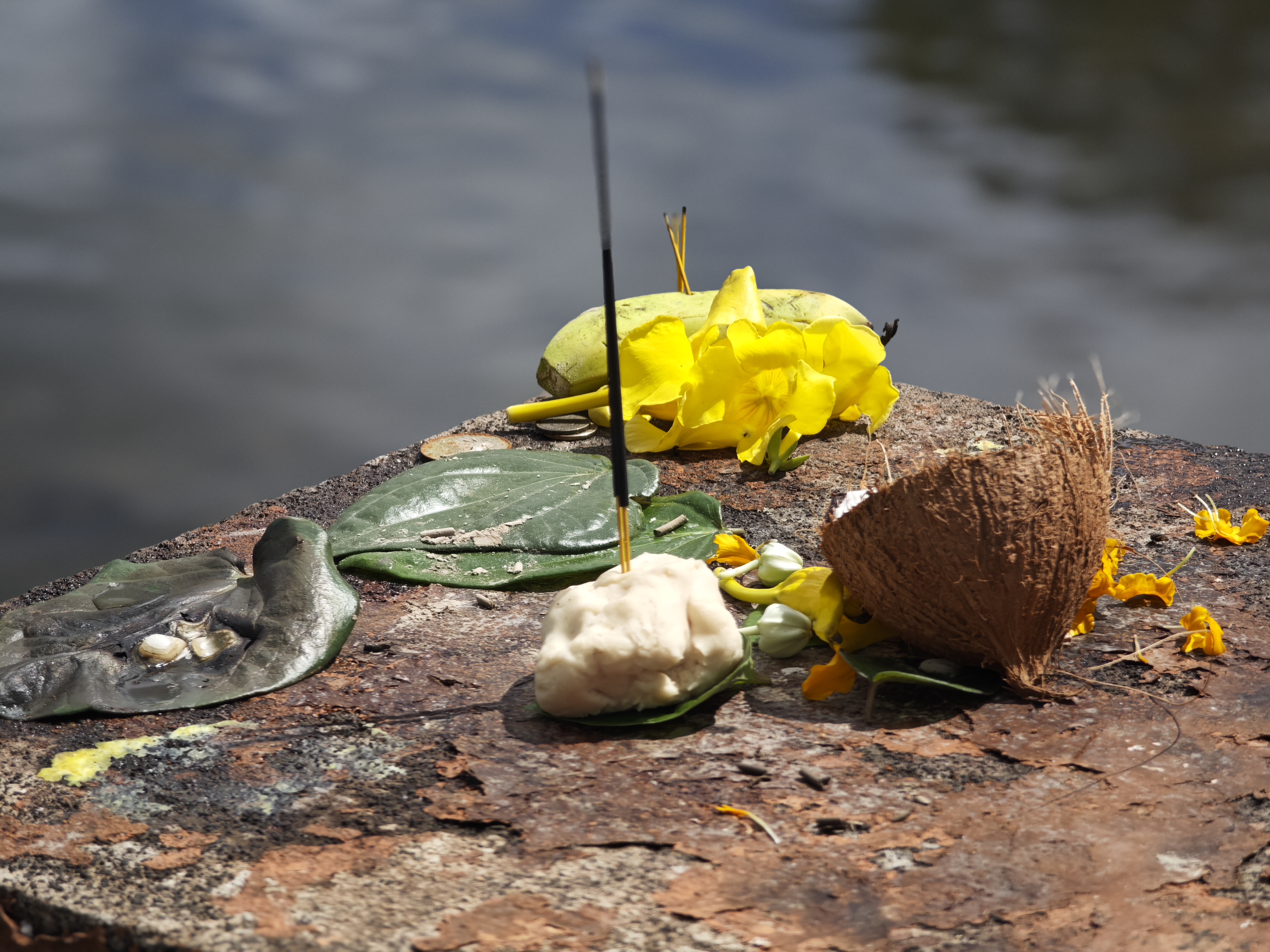
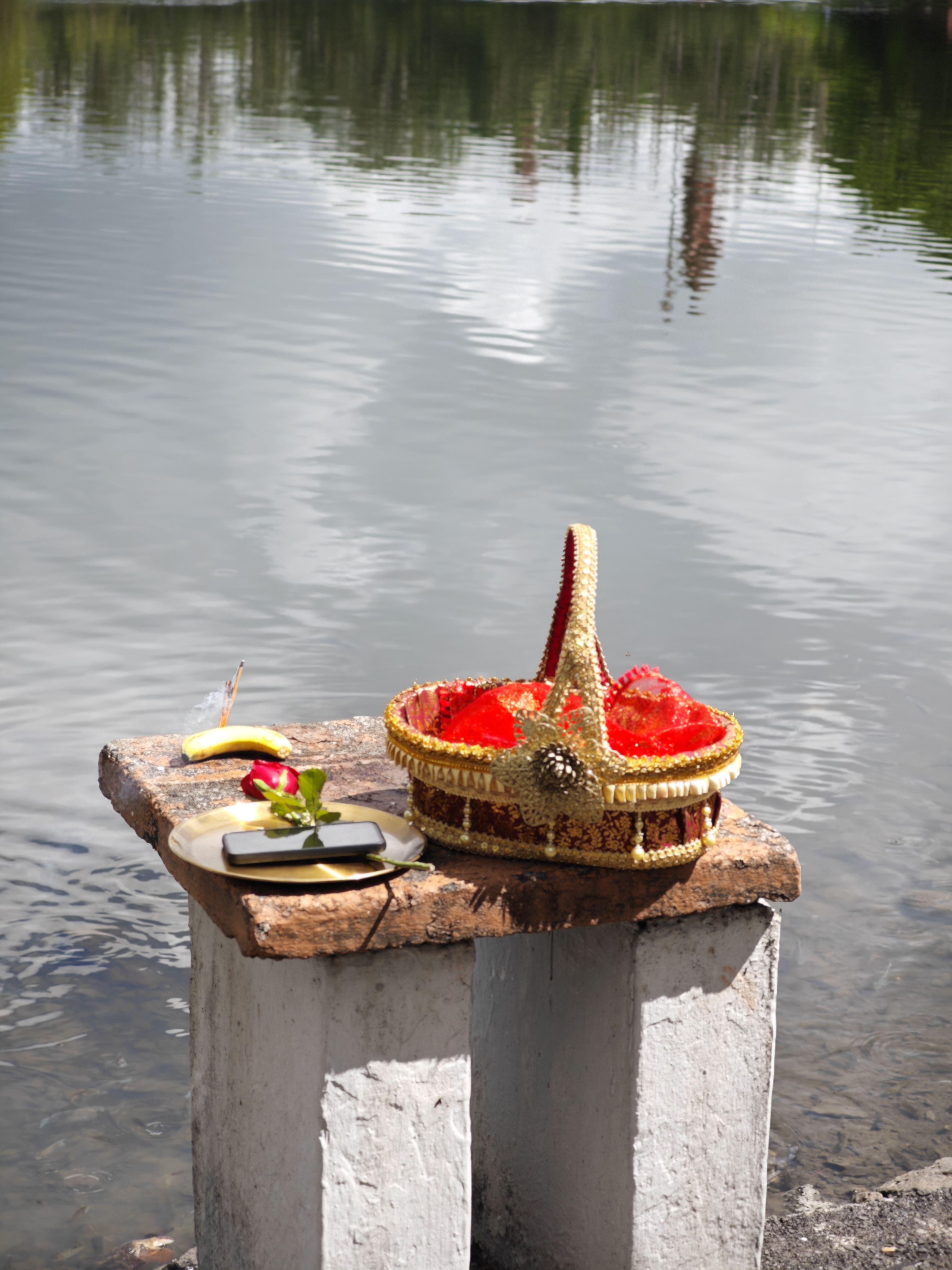
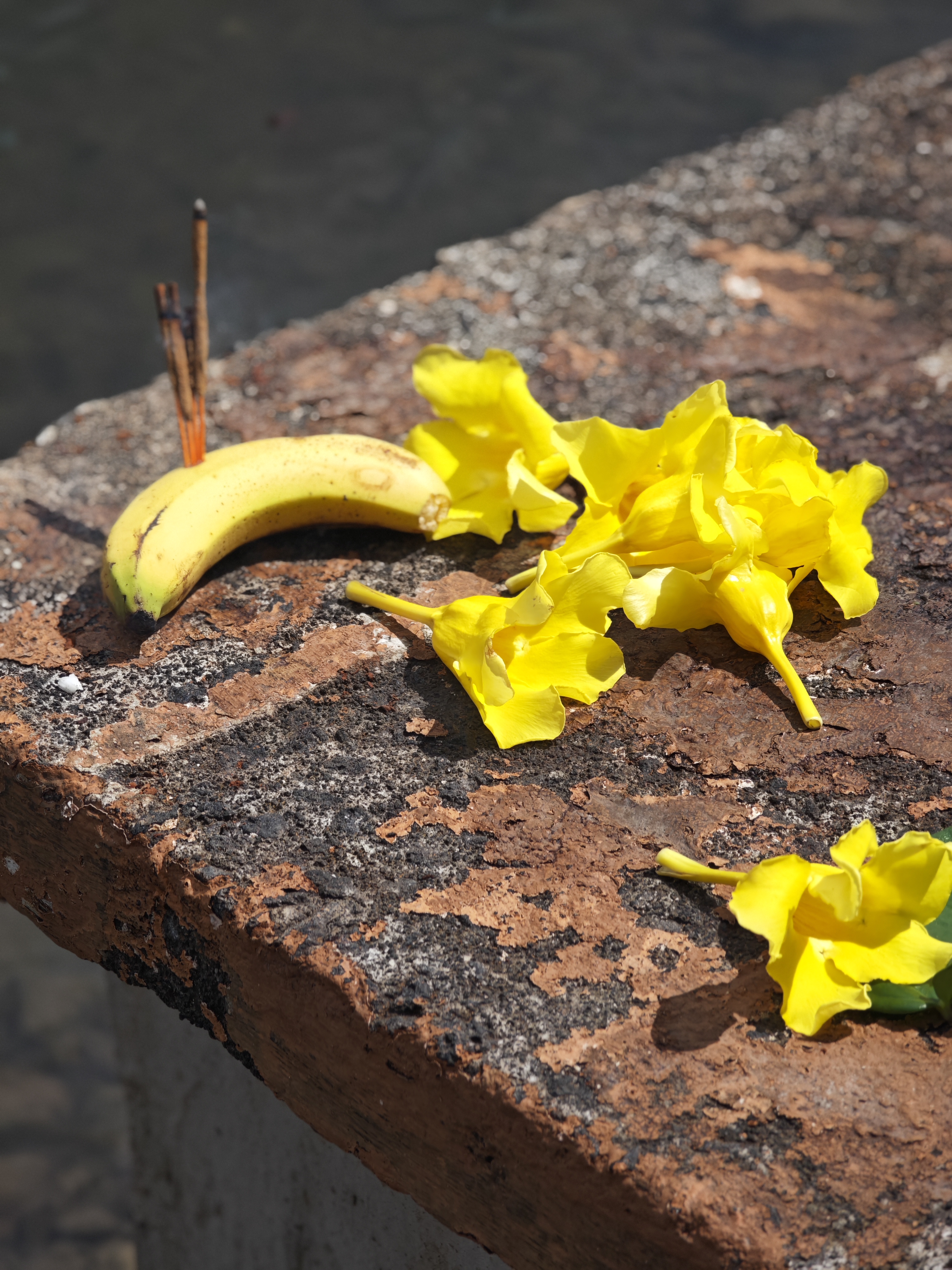
Next up was the Grand Basin Lake temples. Many Hindu’s were there with offerings to the god’s they choose to honor. Although there were many random guests from two different ships (ours was the much smaller one), you could feel the reverence of those leaving offerings!
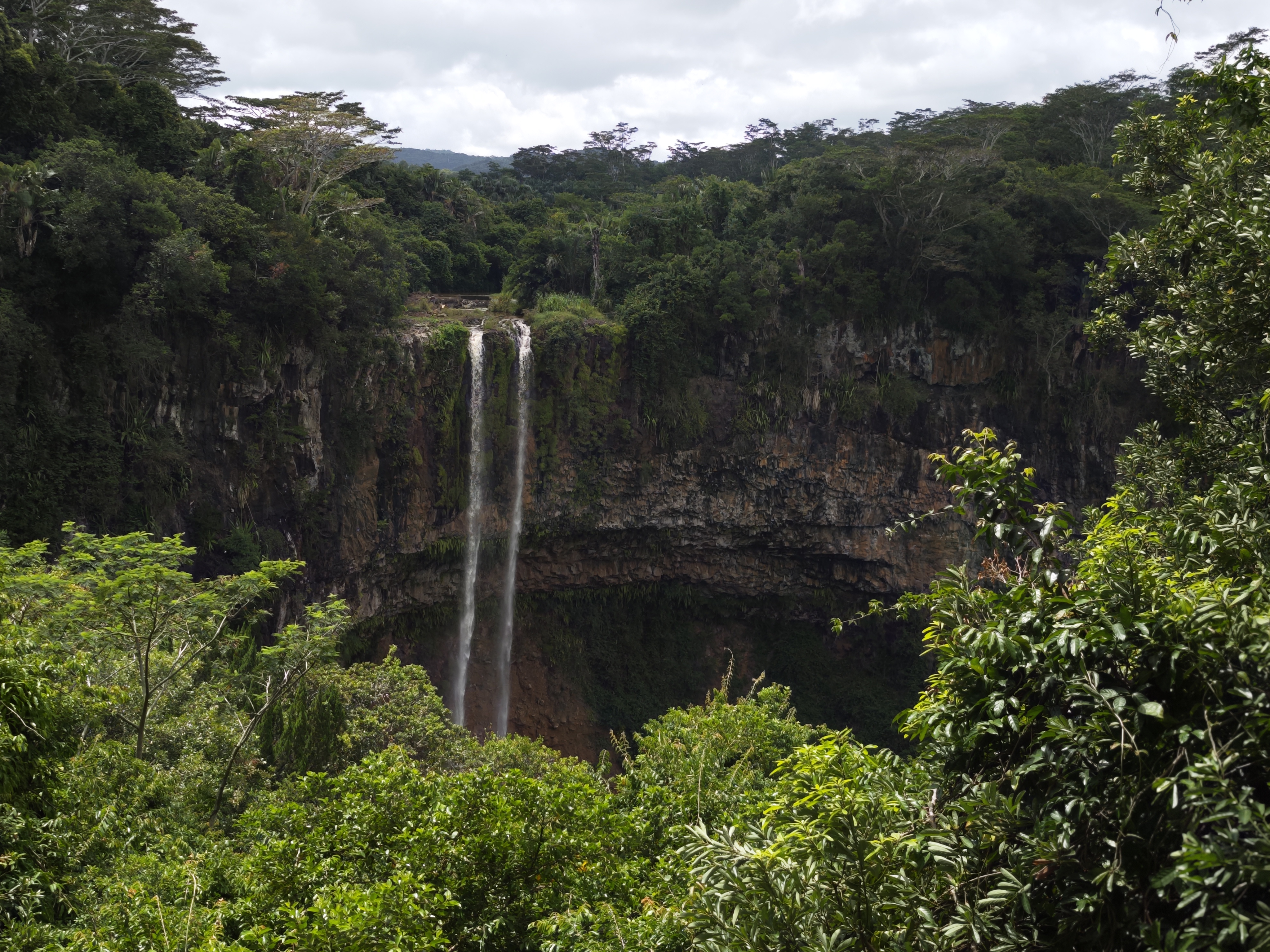
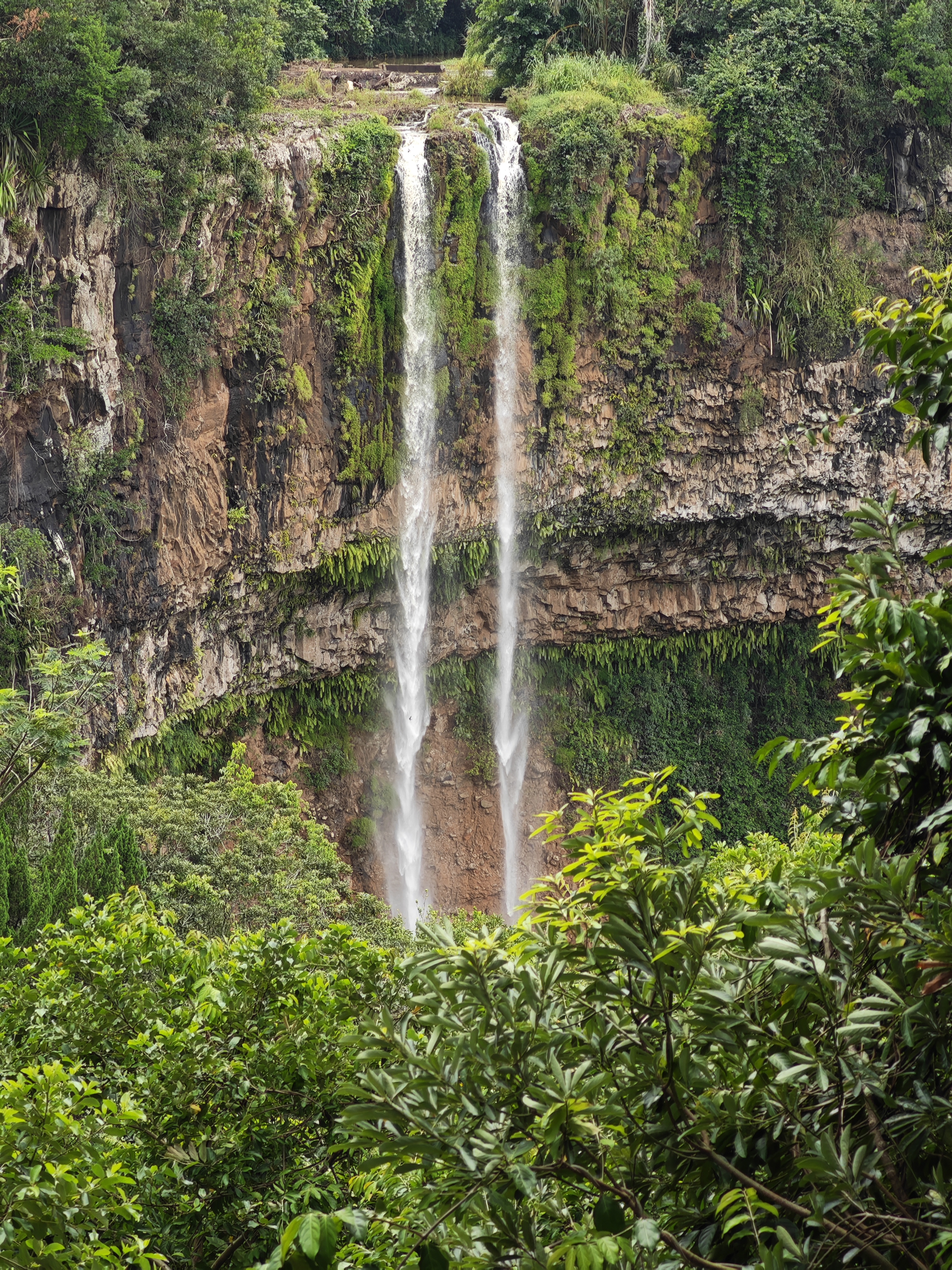
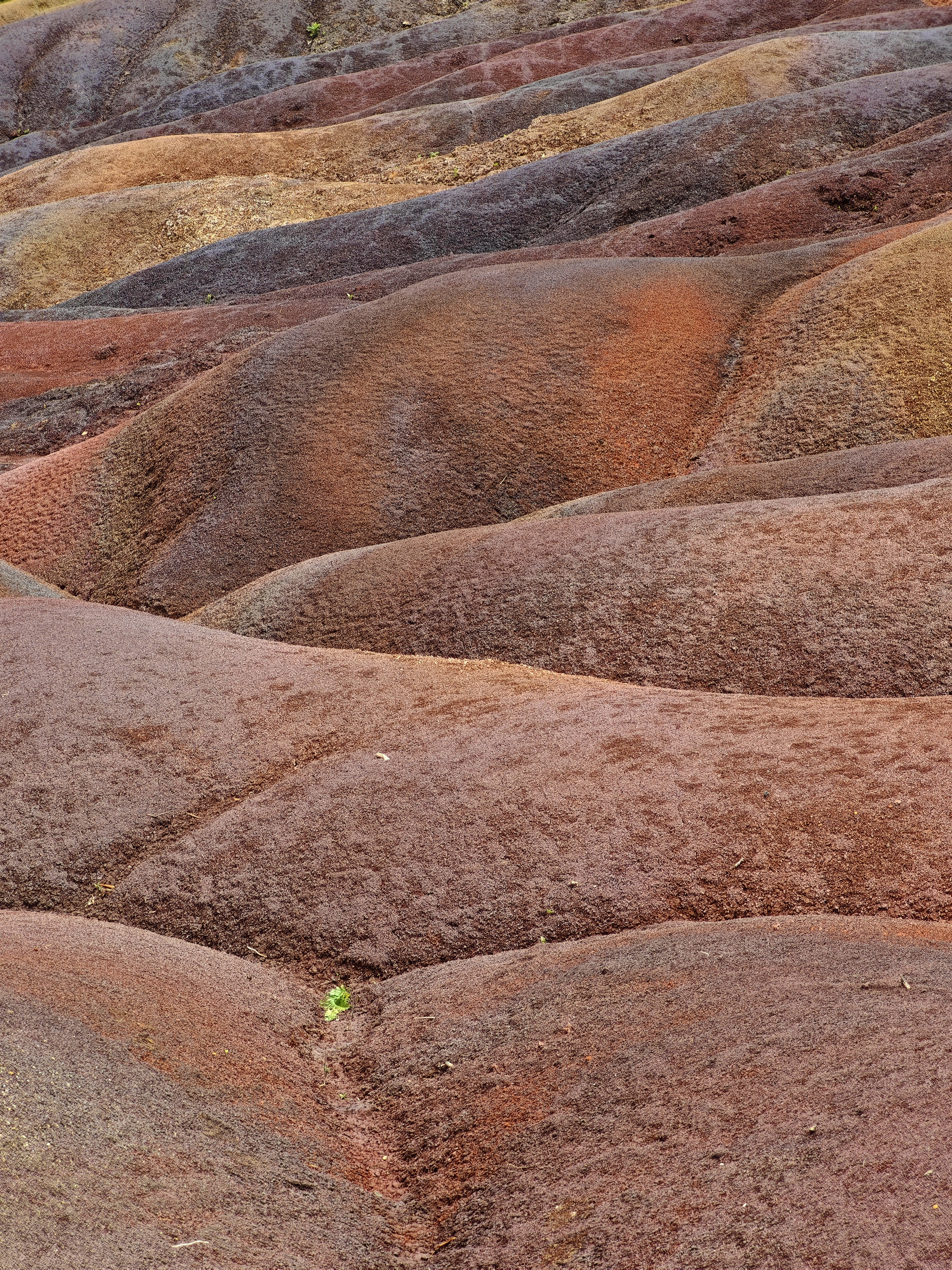
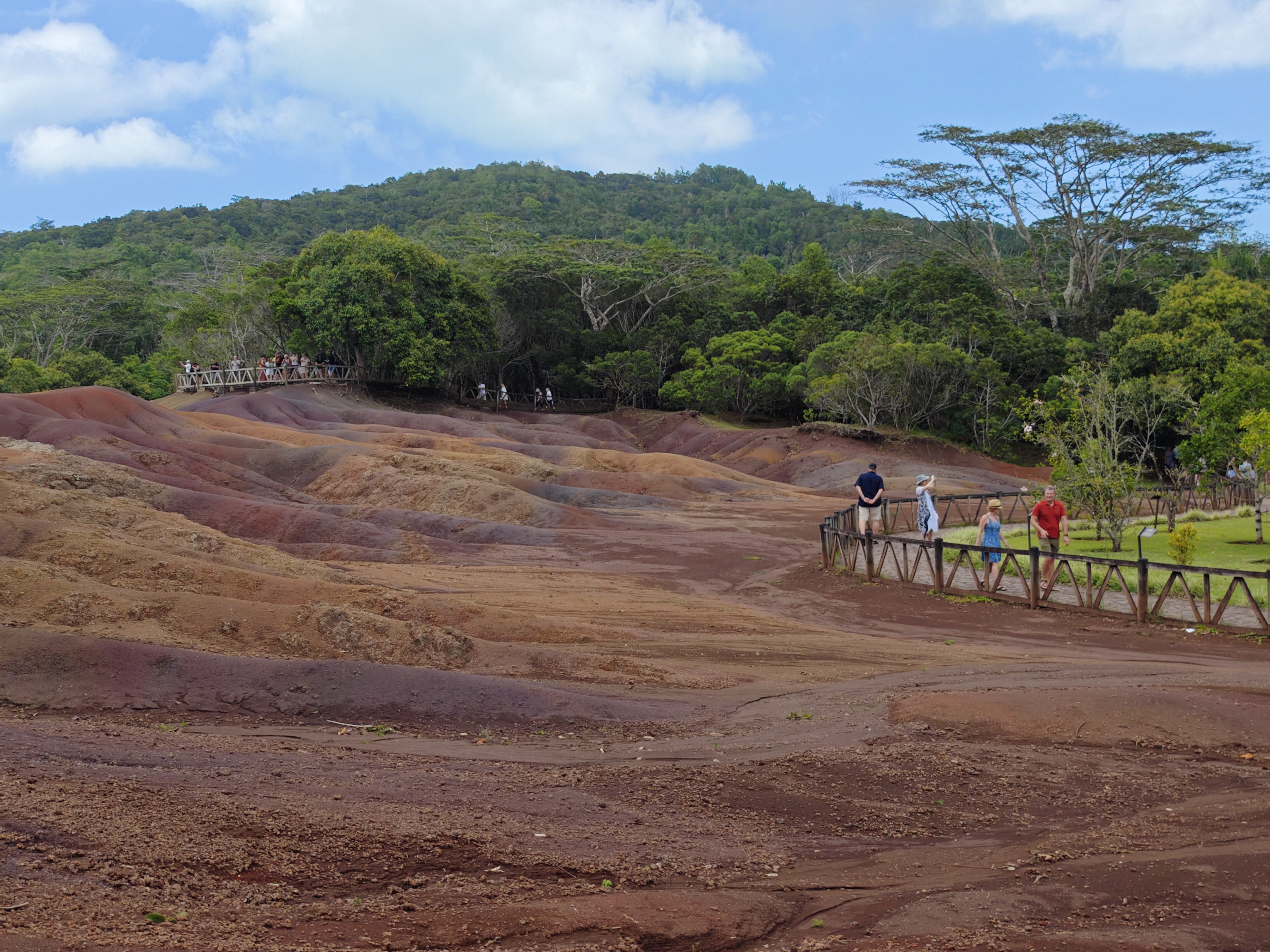
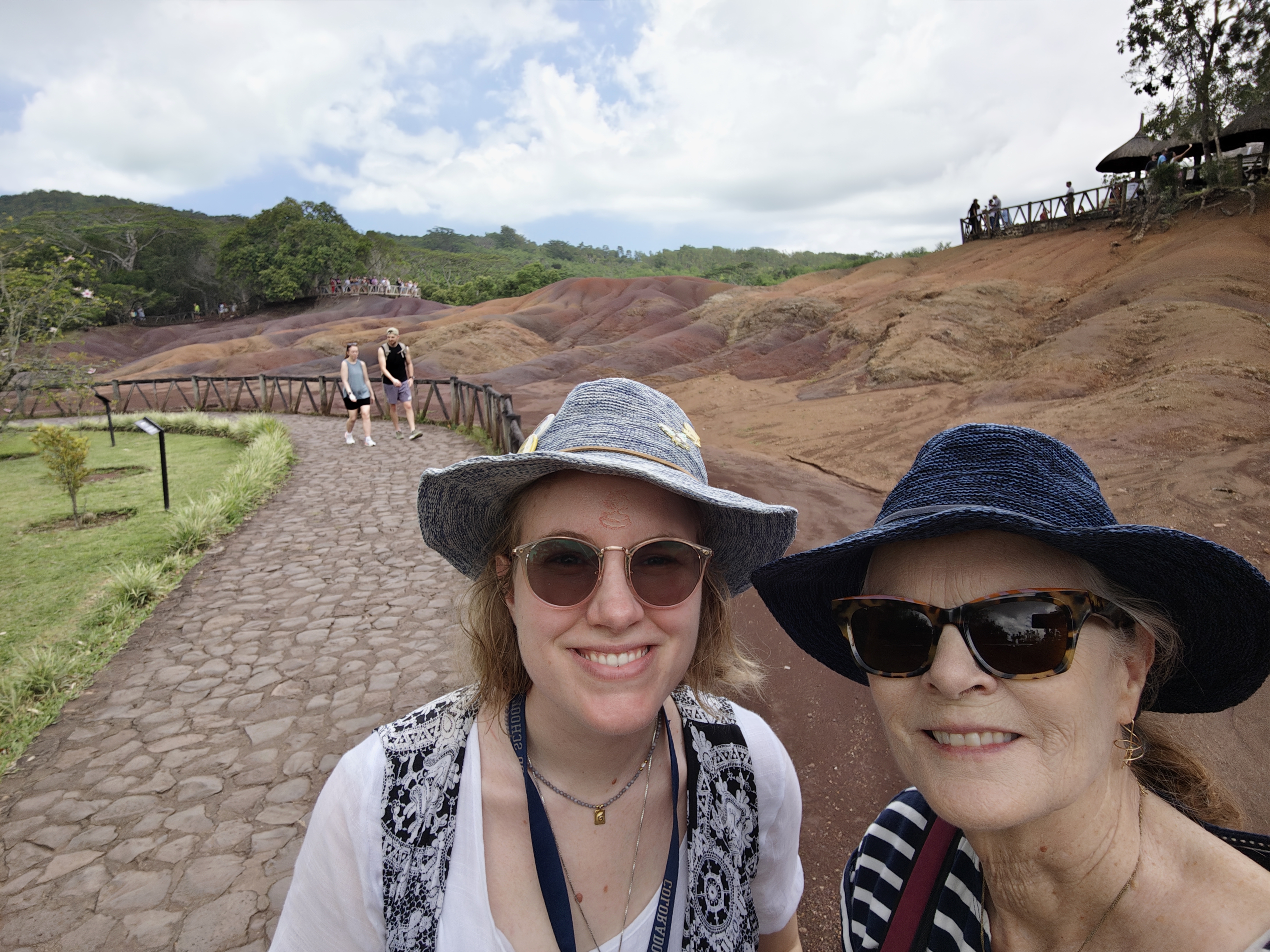
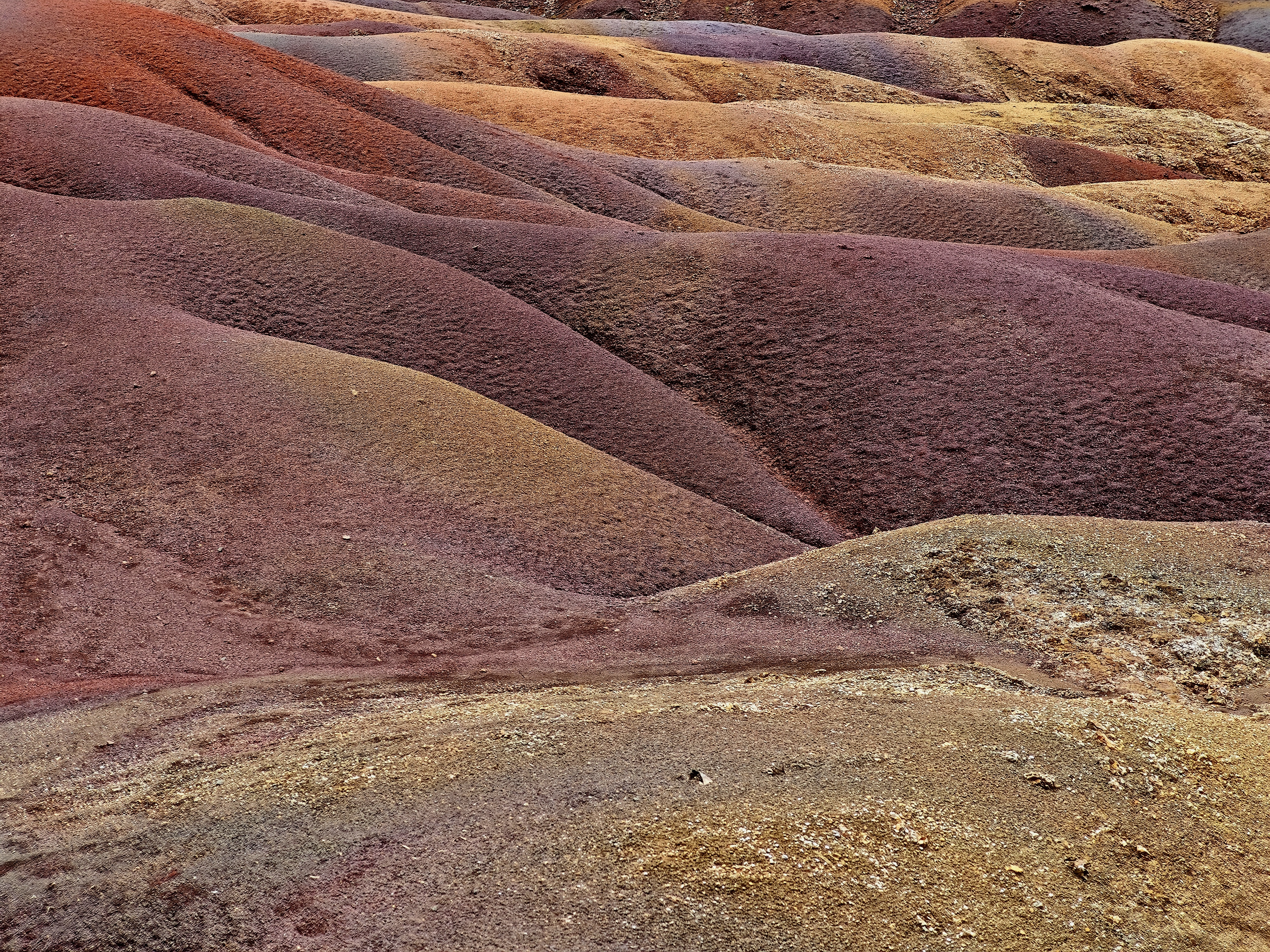
Next up was the Charmel area’s waterfall. Then traveling back down the hill we stopped by the Colored Earths, which is a relatively small area of sand dunes comprising sand of seven subtly different colors.
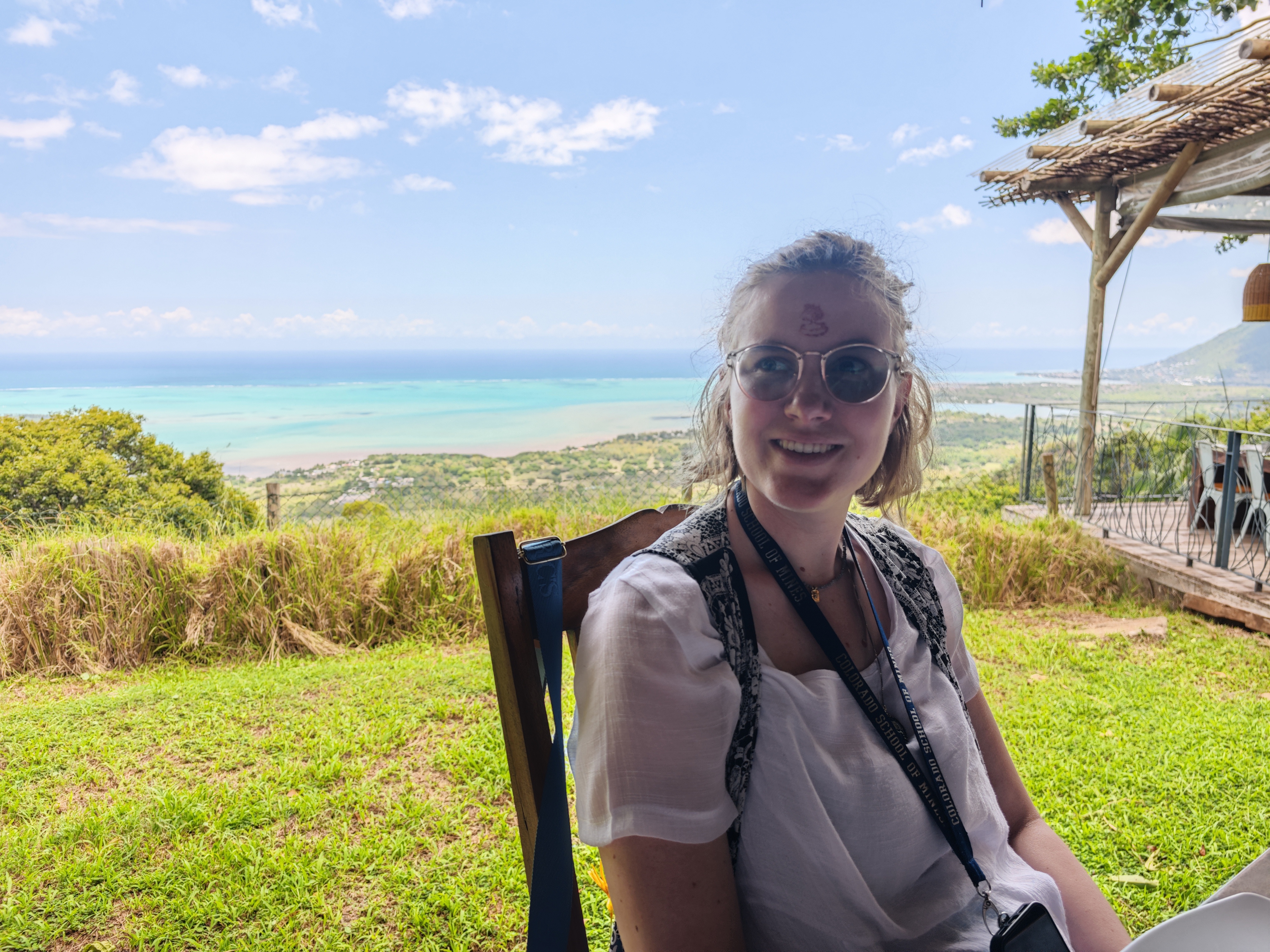
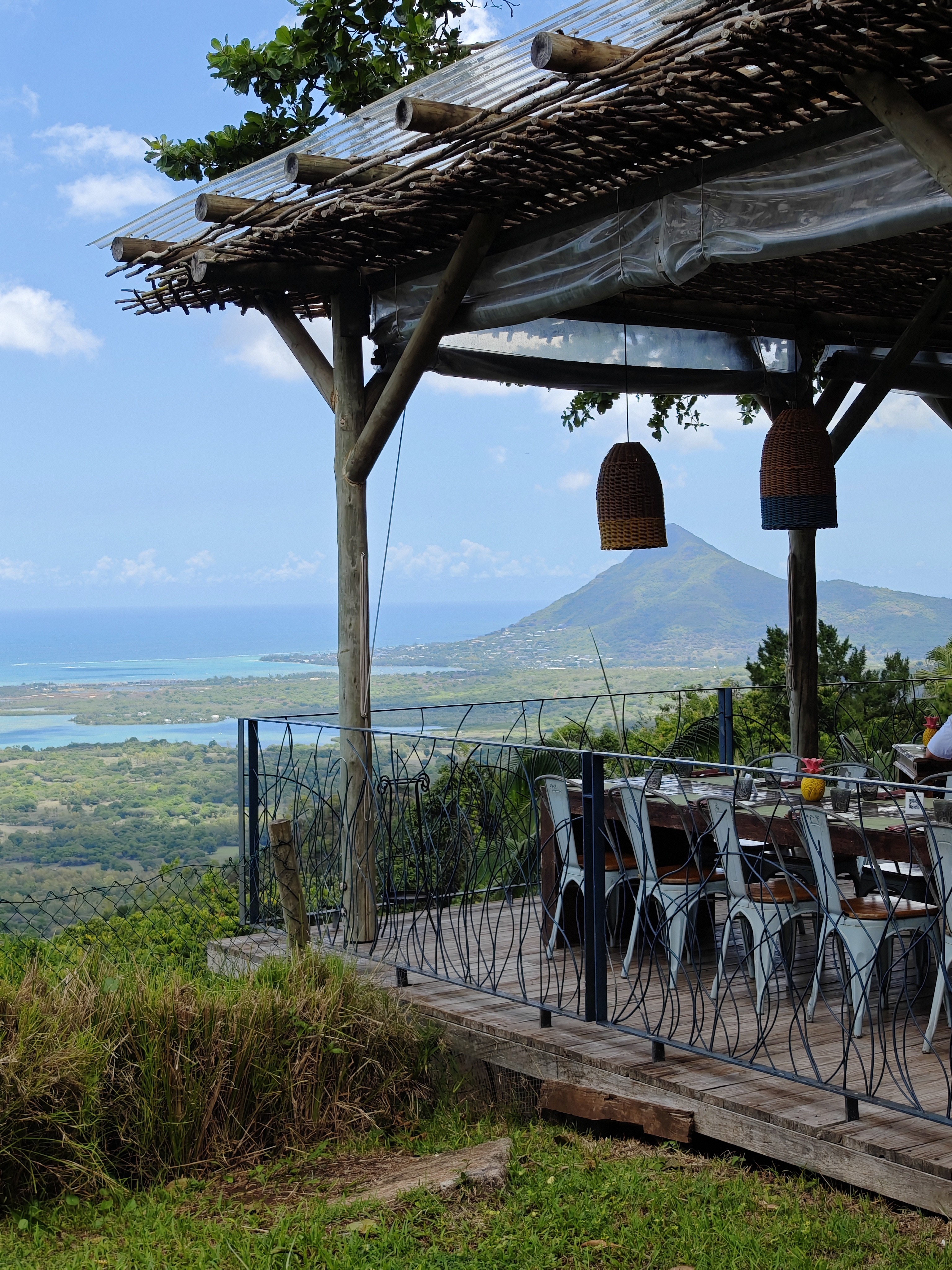
We had a stunning lunch with a view over the Indian Ocean at Le Charamel. Lots of people, a decent lunch and a decent restroom. The longer tours with lunches can be exhausting. Of course Mauritius was home to the once famed Dodo bird.
We missed two ports of call because of the delay caused by Garance; Reunion and Richards Bay where we wanted to see St. Lucia Nature Reserve which has Hippopotamus’s!!
With our delays we headed straight to Durban, South Africa. JJ is still having fun as only a dog can. Penguins wear suits! more later…maybe!
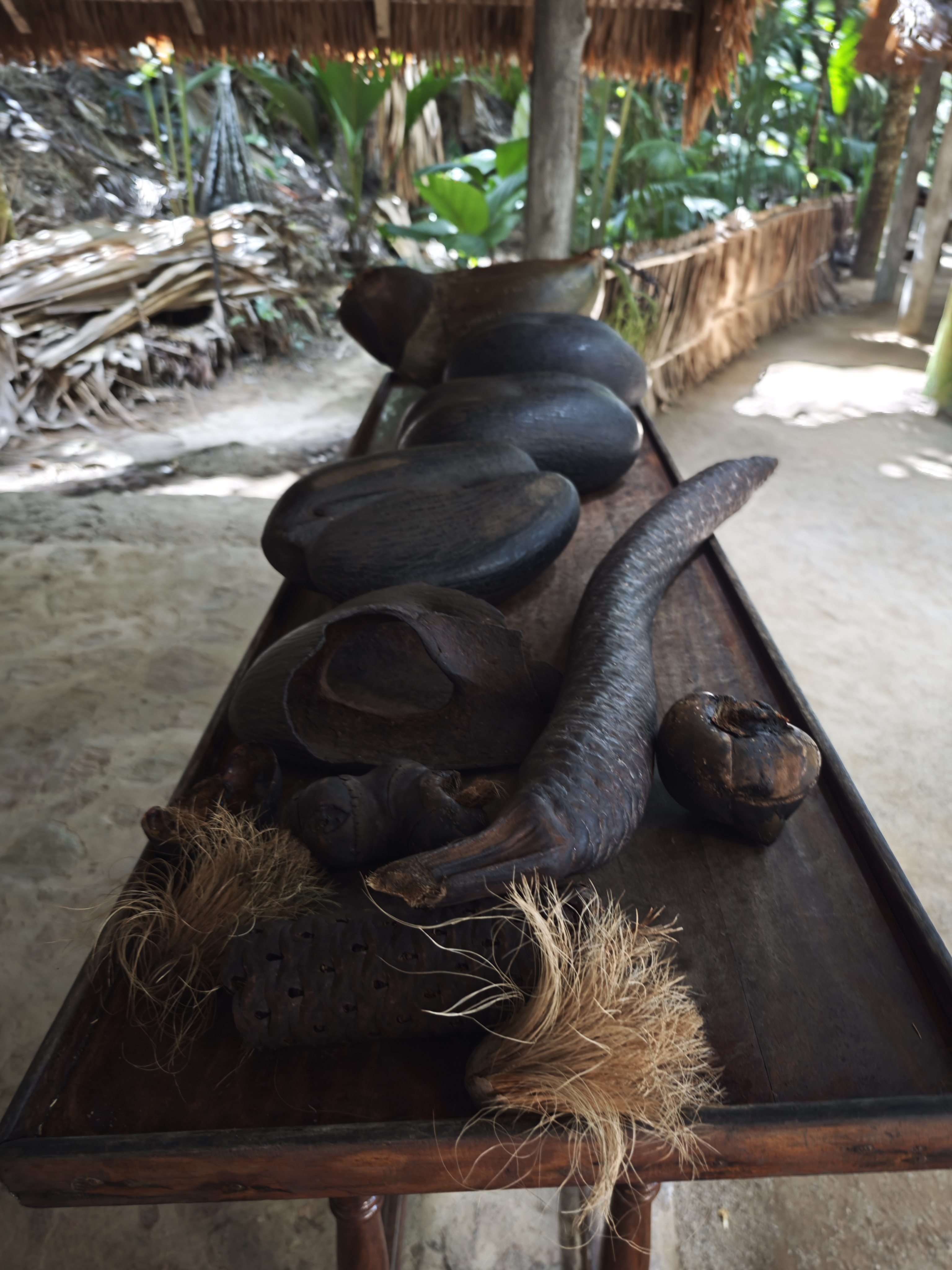
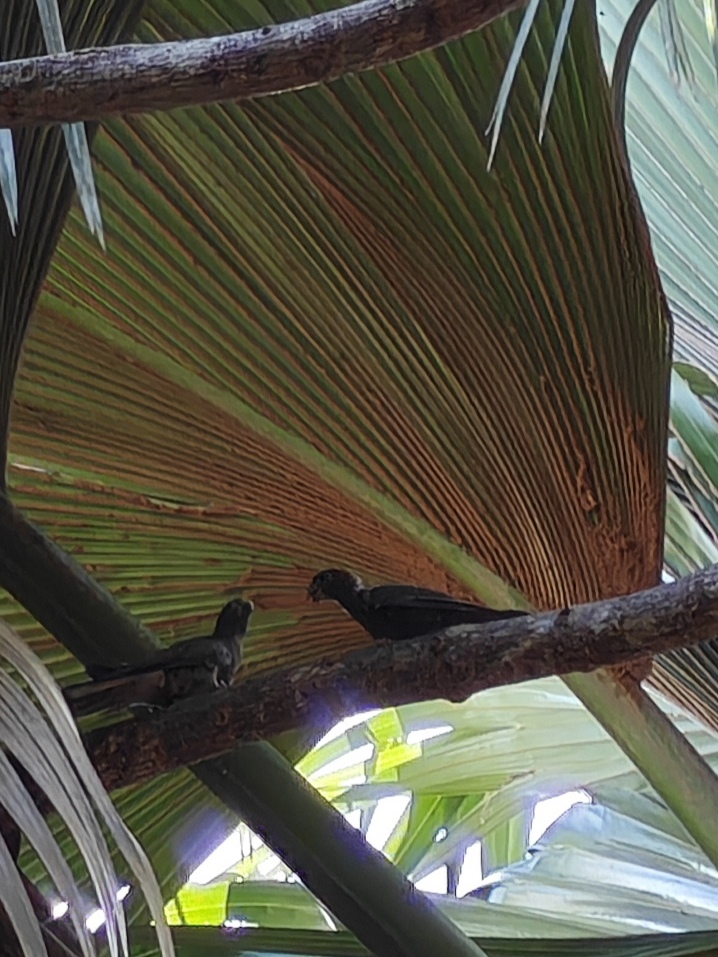
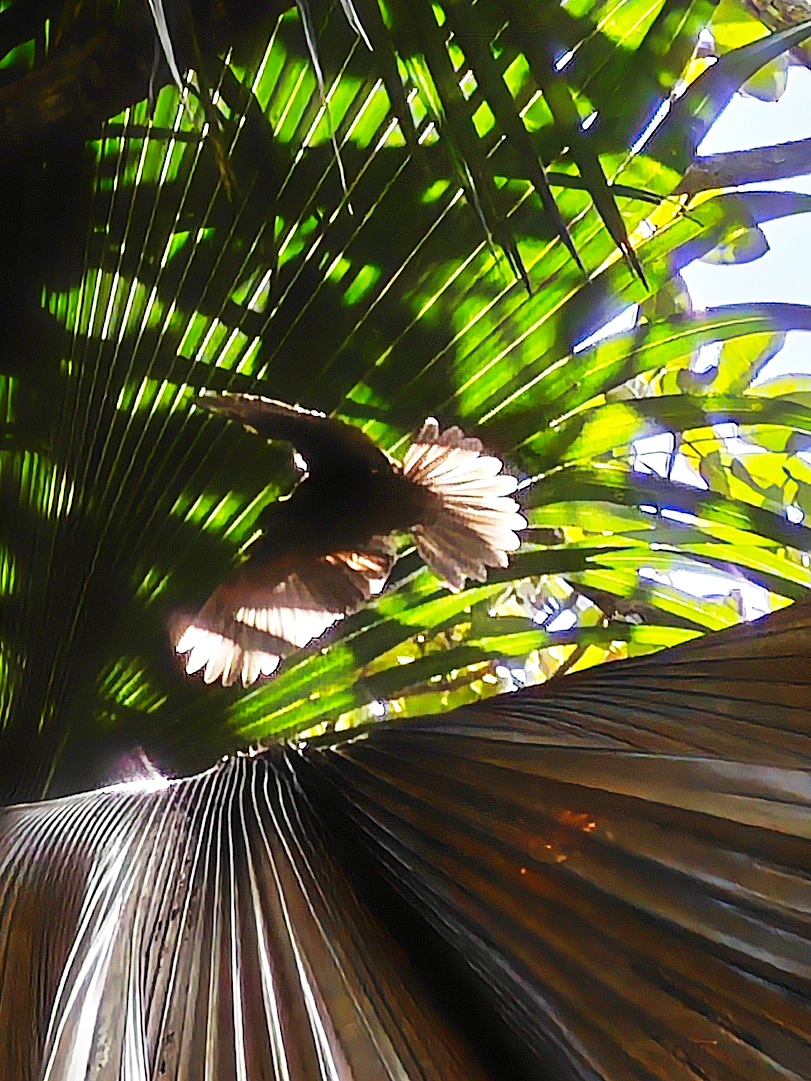
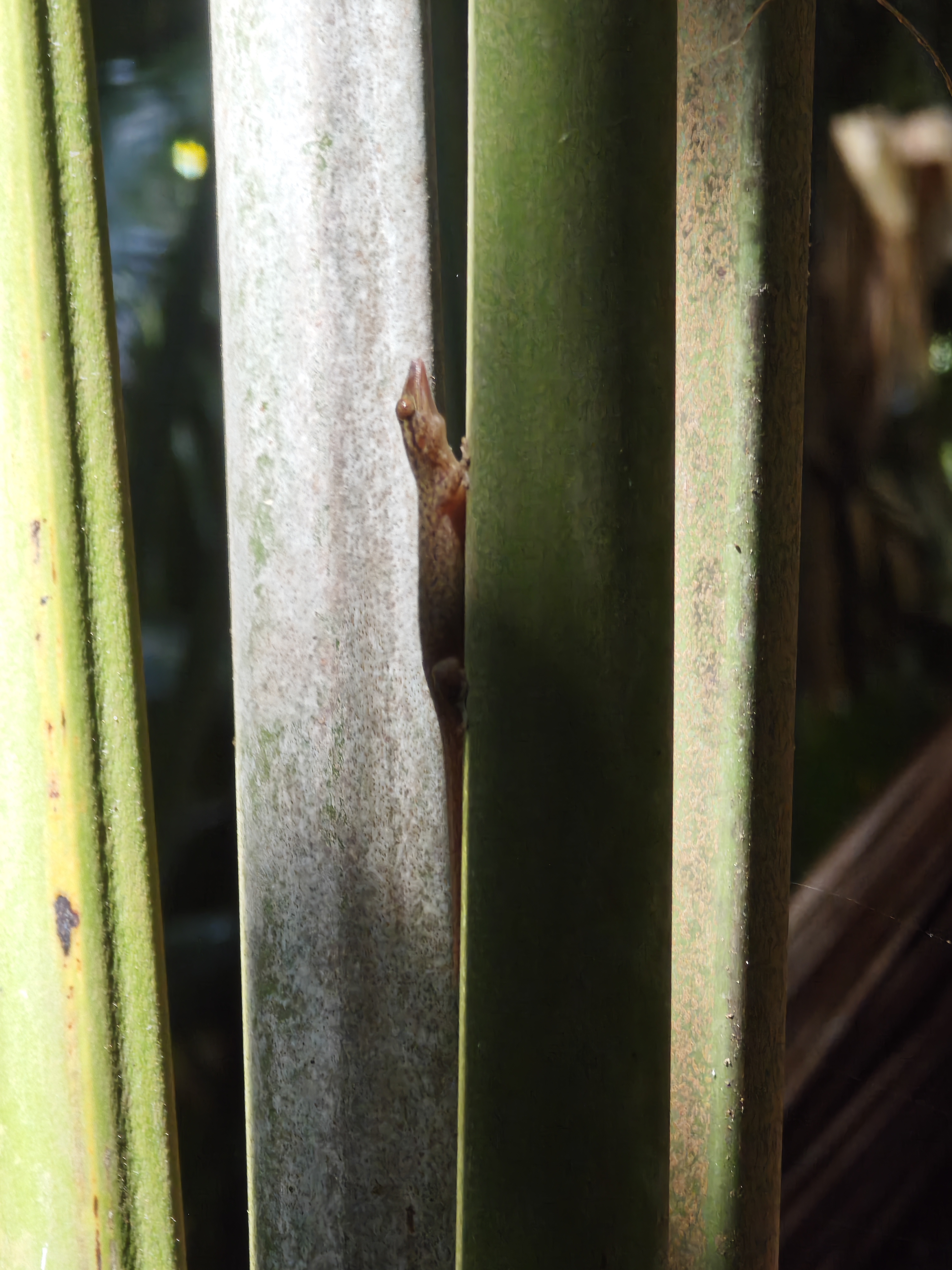
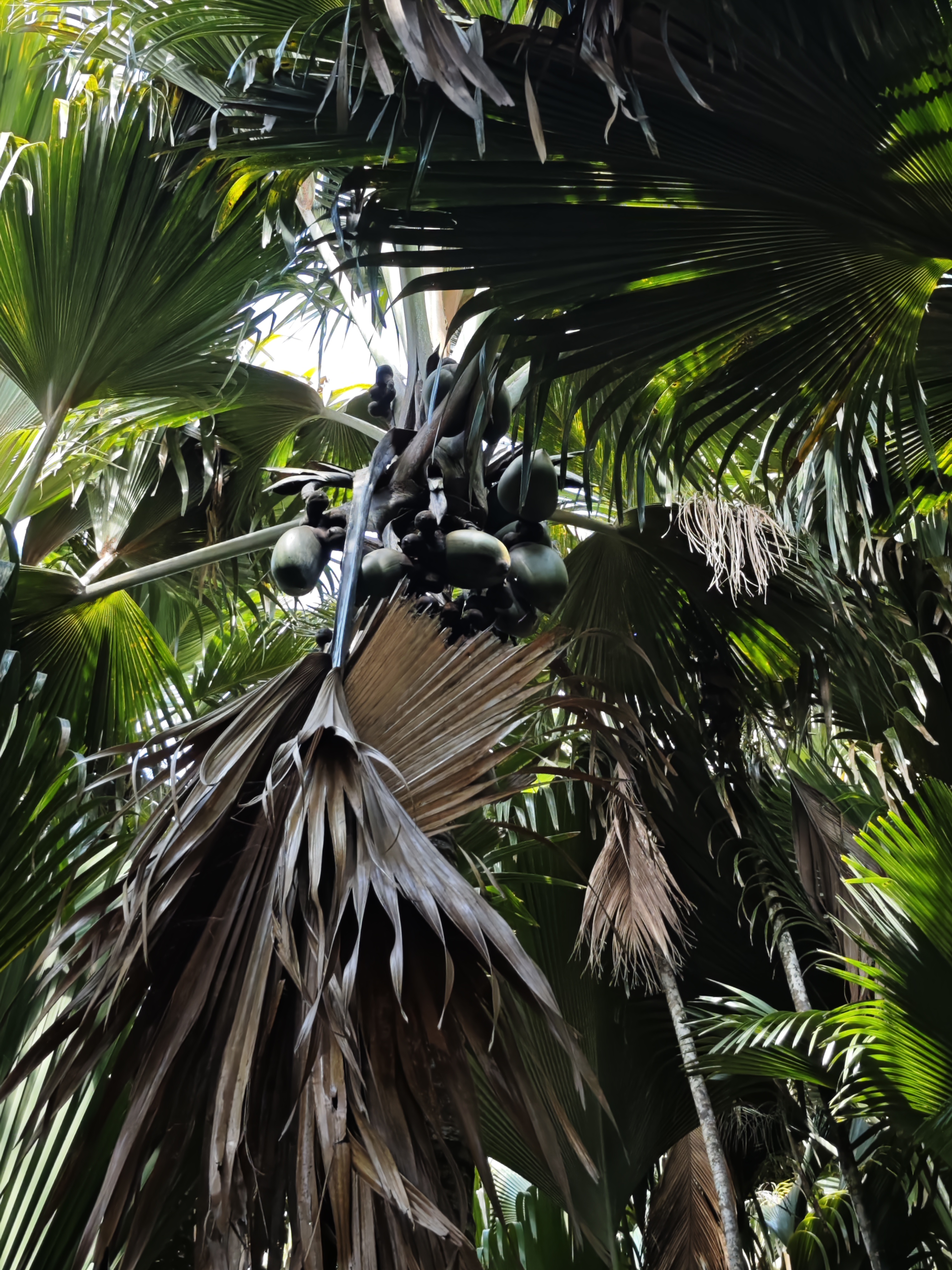
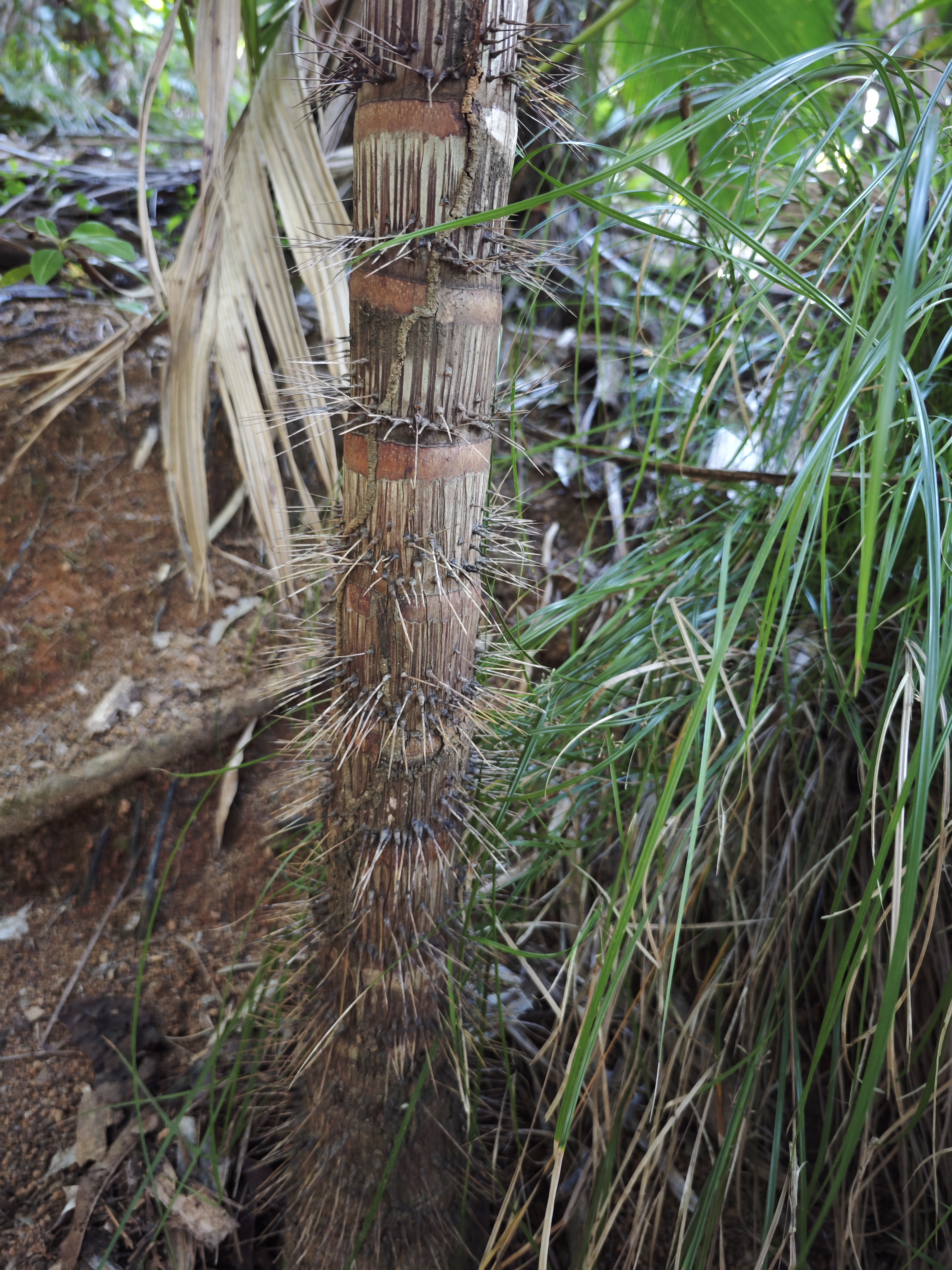
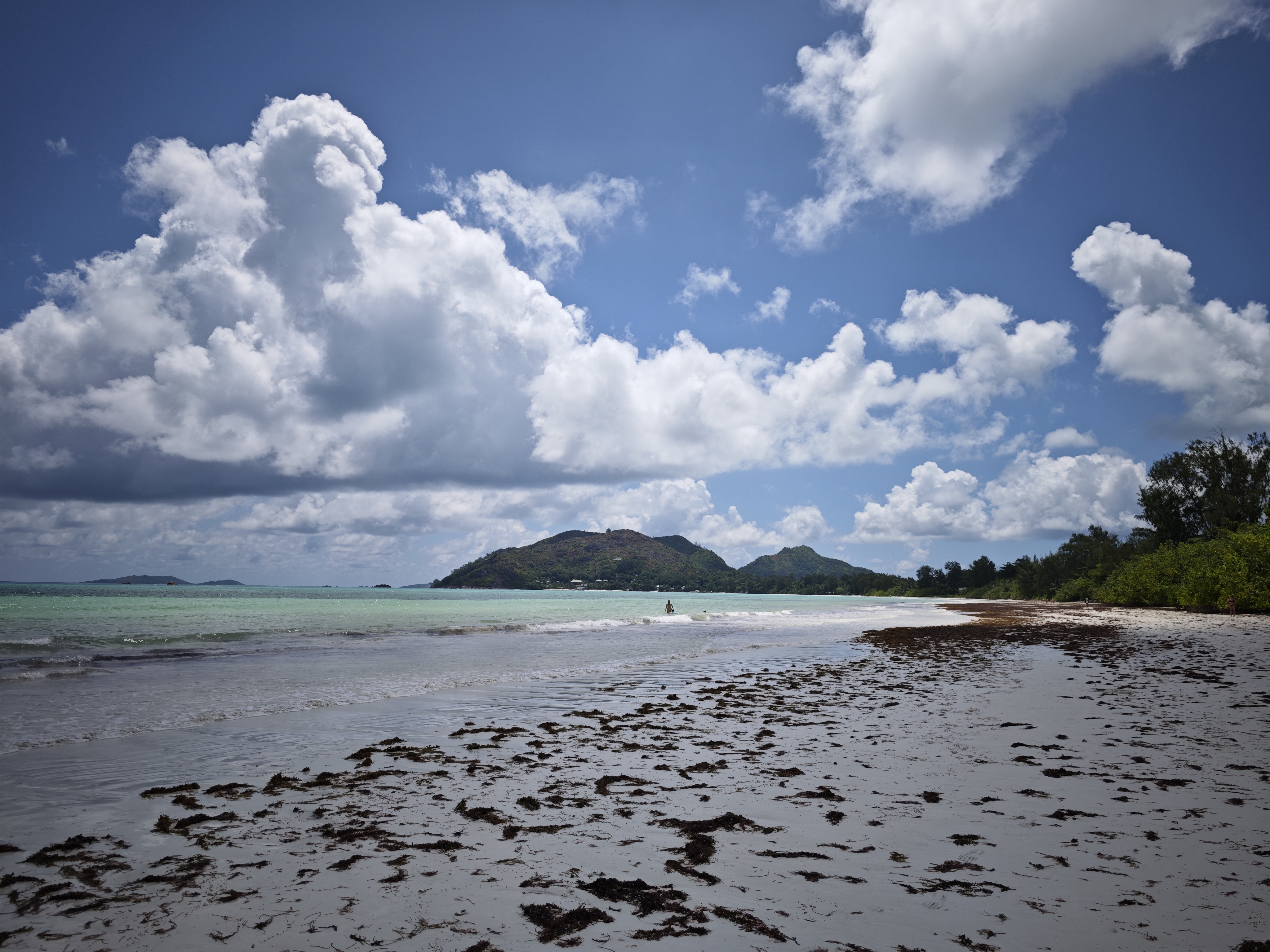
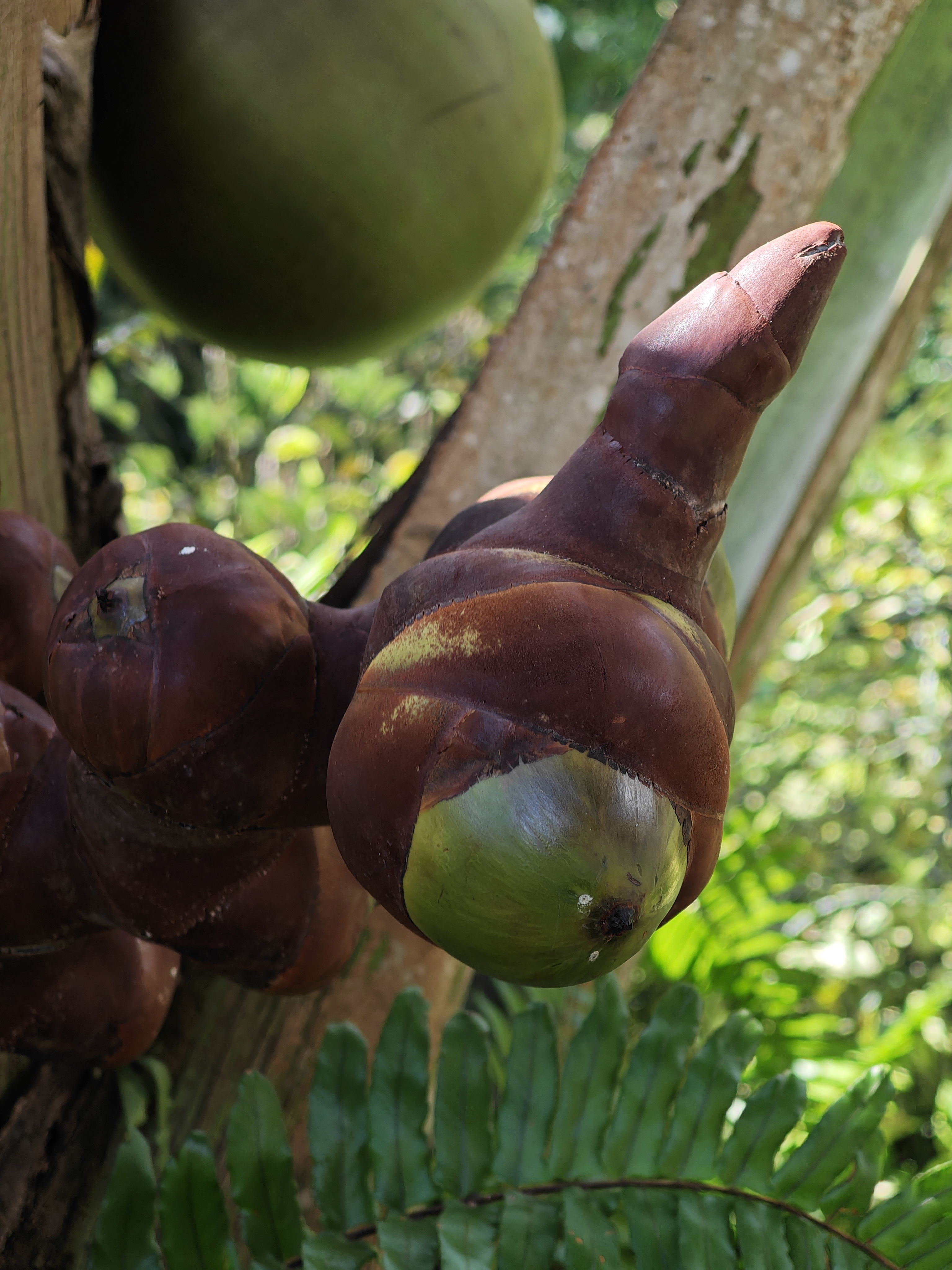
The first port was on the west side of the Seychelles archipelago in Praslin (silent S). We started our day in Praslin visiting Vallee de Mai which is an incredible World Heritage Site which has the fabled Coco de Mer palm forest. The Coco De Mer is known as the world’s biggest and heaviest seed. They are indigenous to the Seychelles. It has also been called the sea coconut as this huge nut would float on the oceans to far beaches and no one understood where they had arrived from, hence sea coconut.
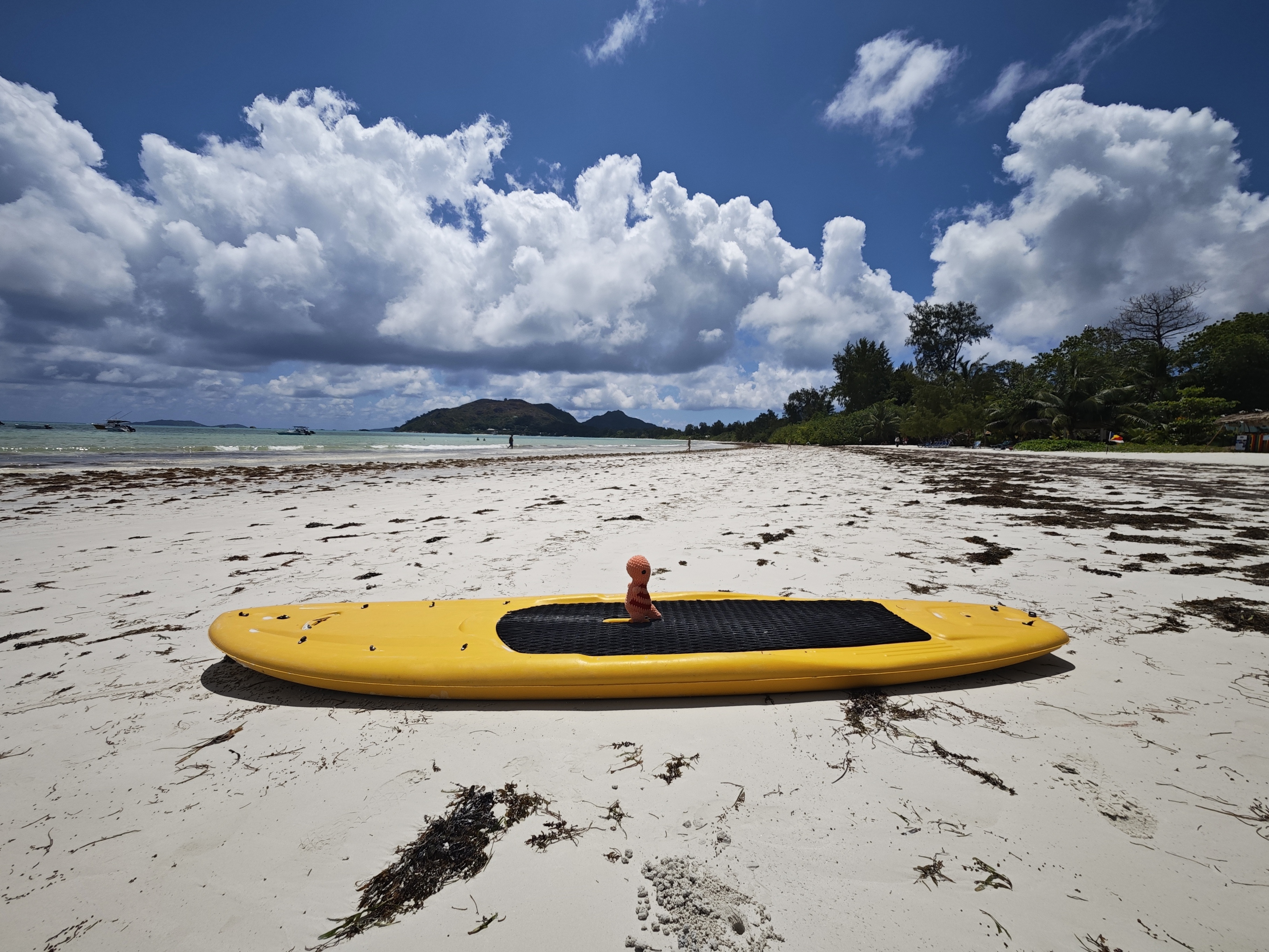
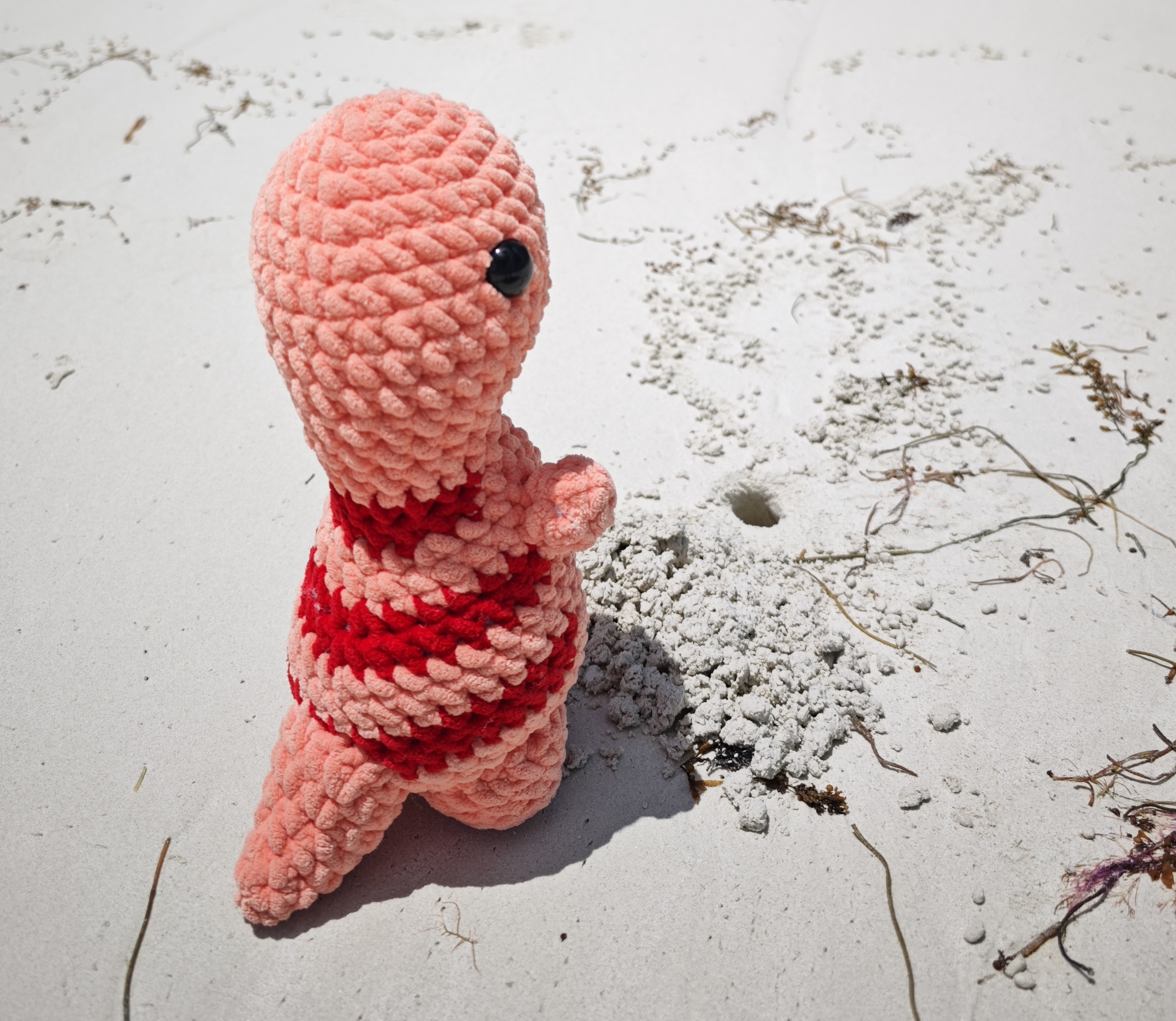
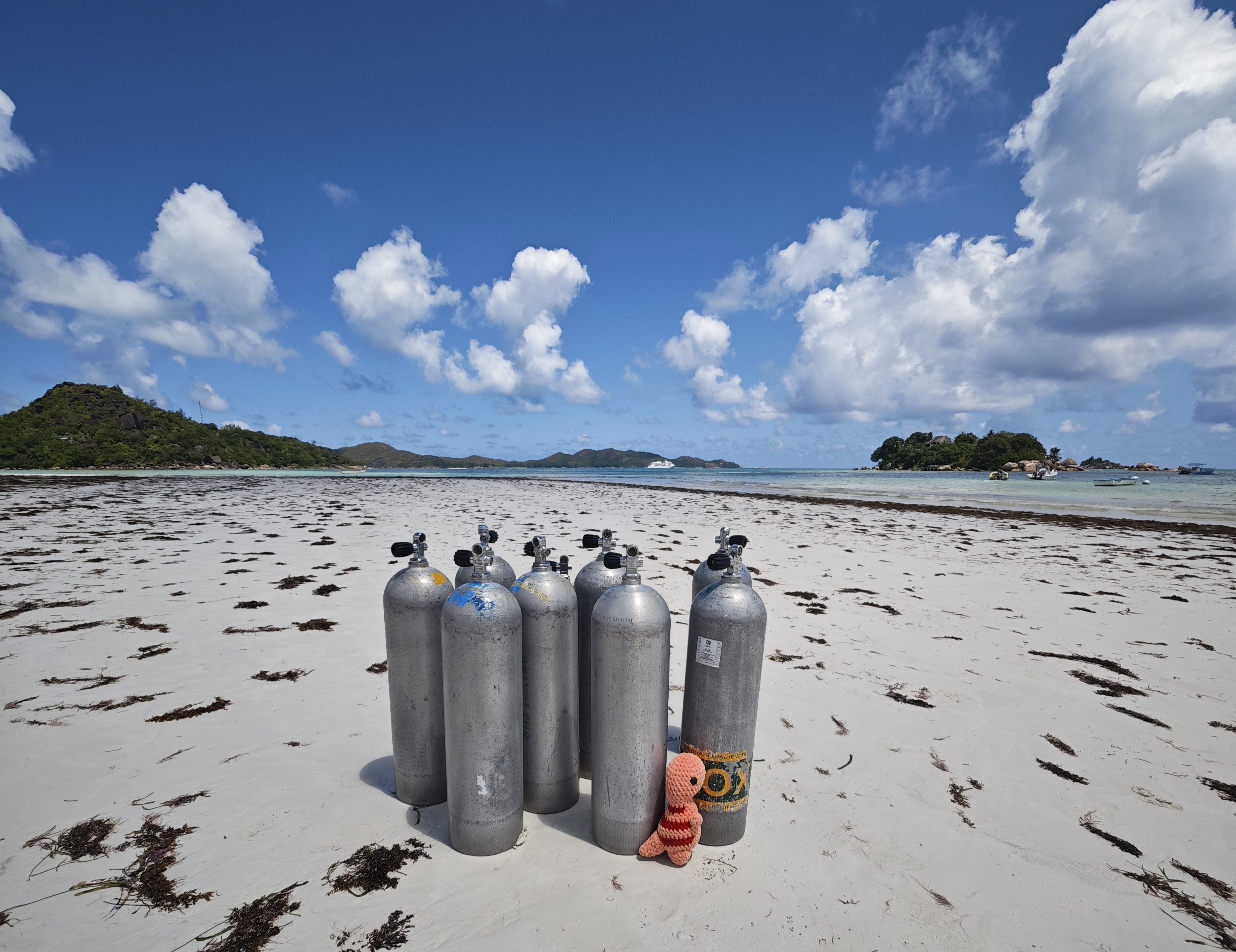
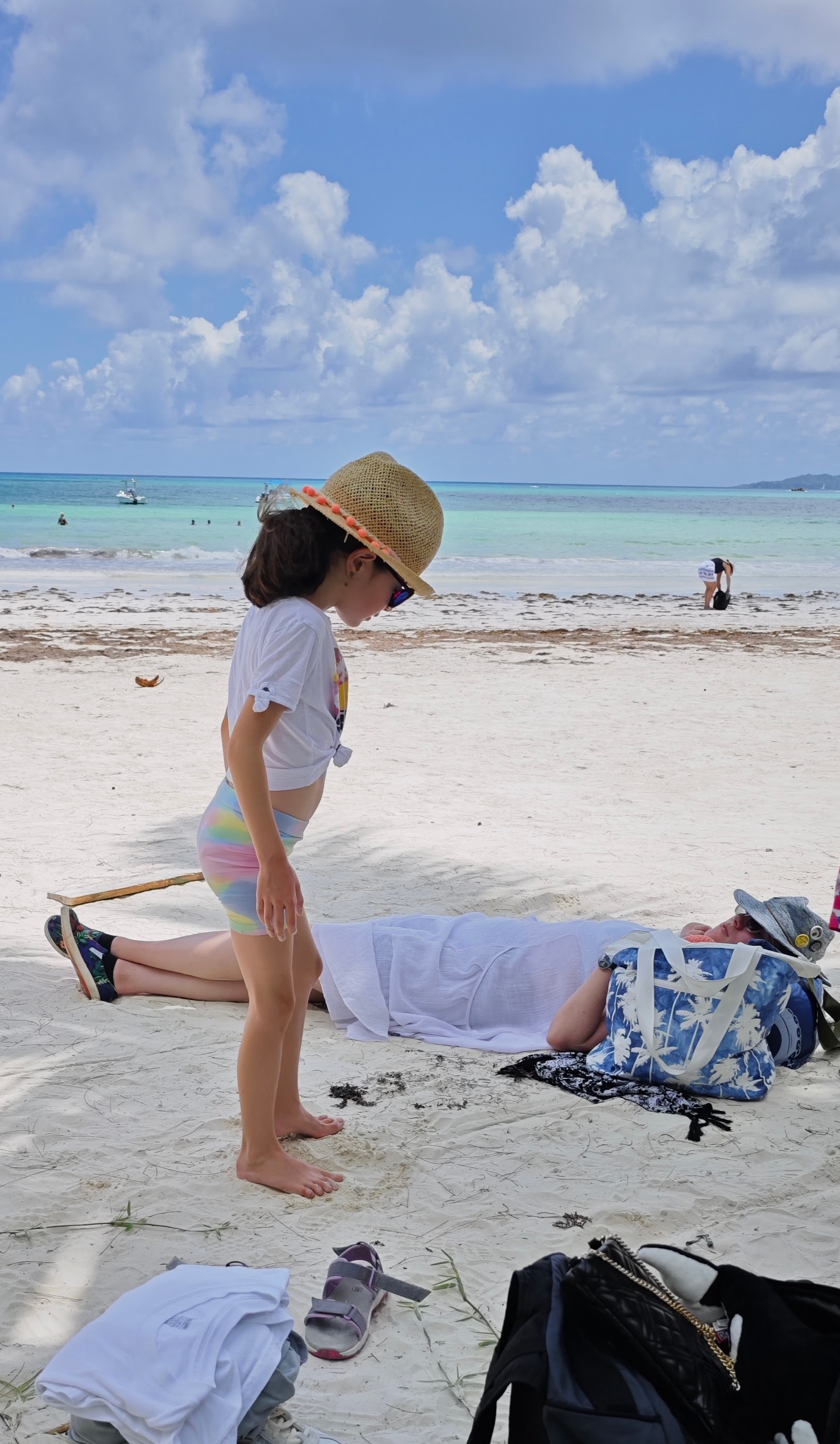
After that enchanting walk we headed to the famous Cote D’Or Beach and enjoyed a few toasted coconut slices with a fruit drink near the beach. I think the little girl knew Larkin was alive! It was a lovely beach and Haru found holes to look into.
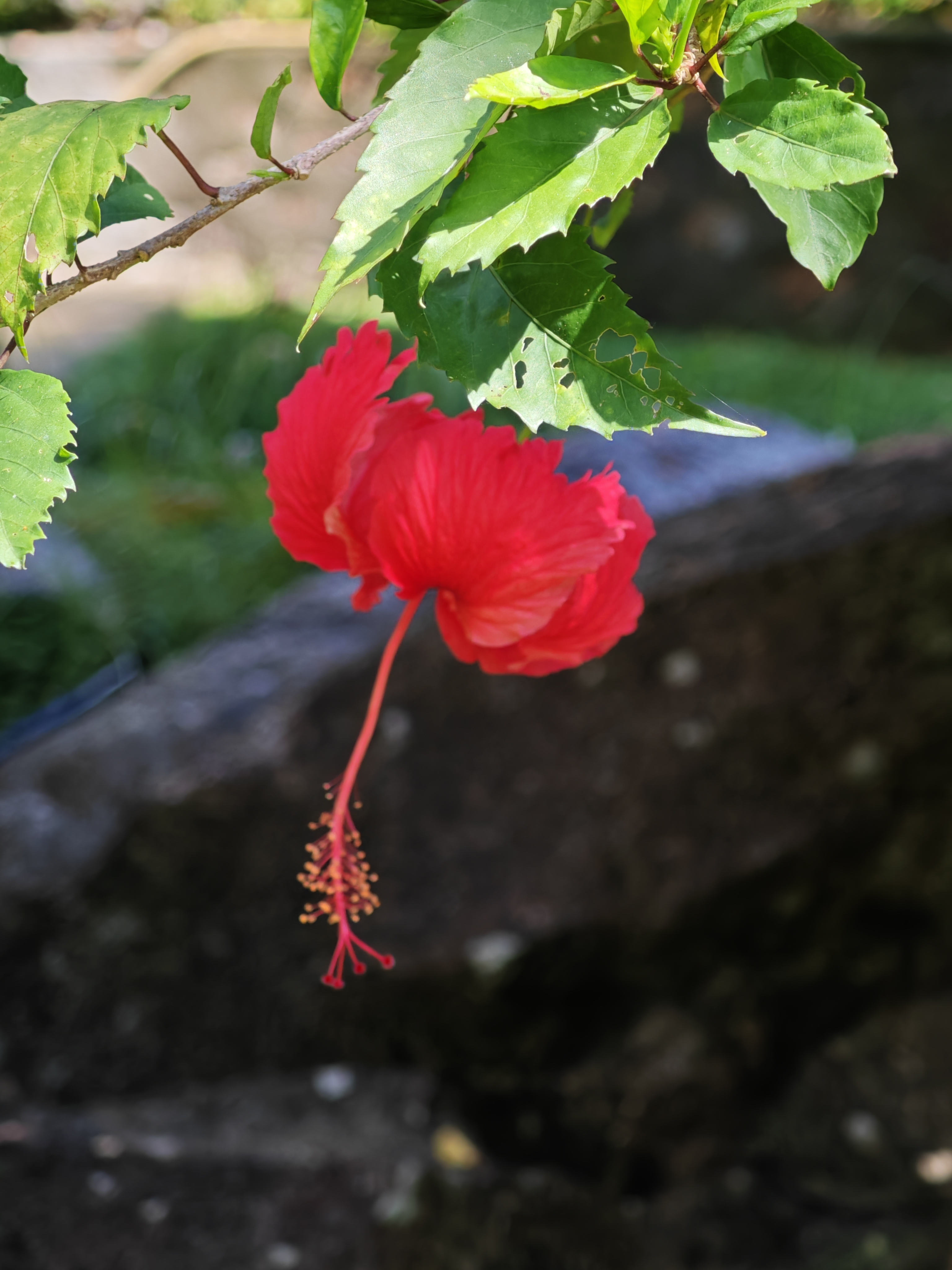
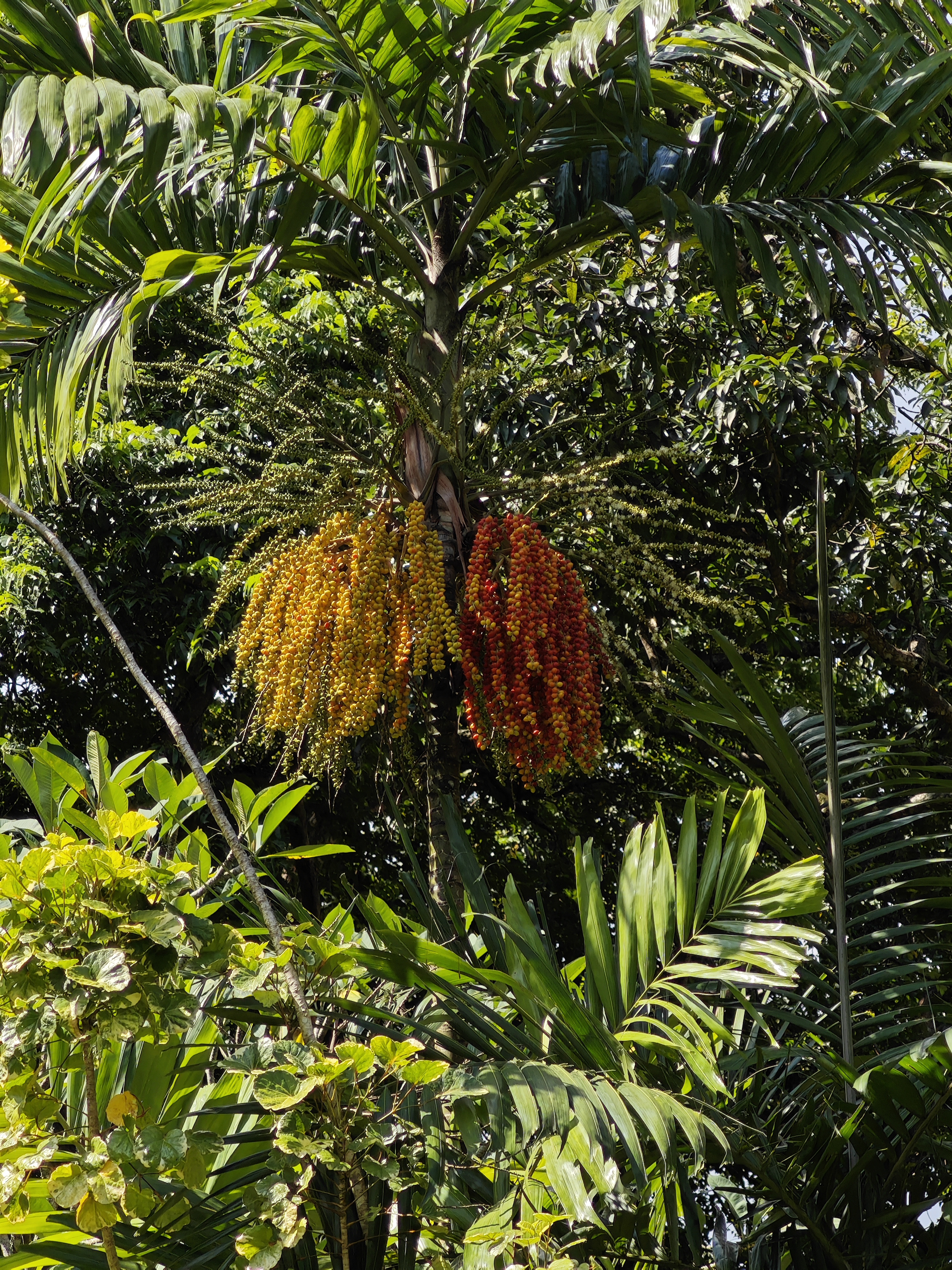
The next stop in the Seychelles was in Mahe, the capital. We joined others on a bus on a tour called Moment in Time, and we started with a visit to the Jardin du Roi Spice Garden and took in the incredible flowers and unique looking coconuts. There were vanilla beans, citronelle, cinnamon, nutmeg, pepper and other spices.
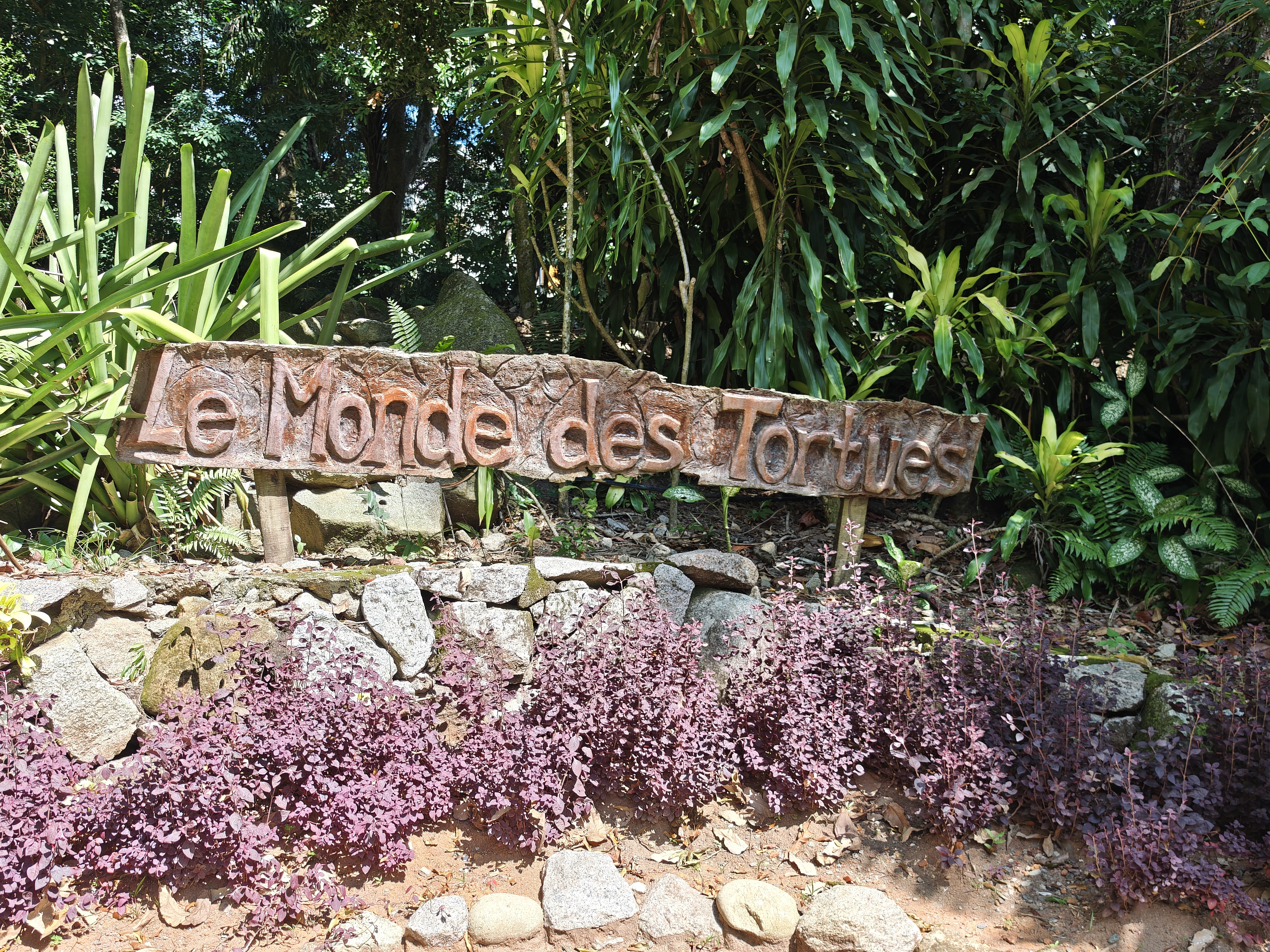
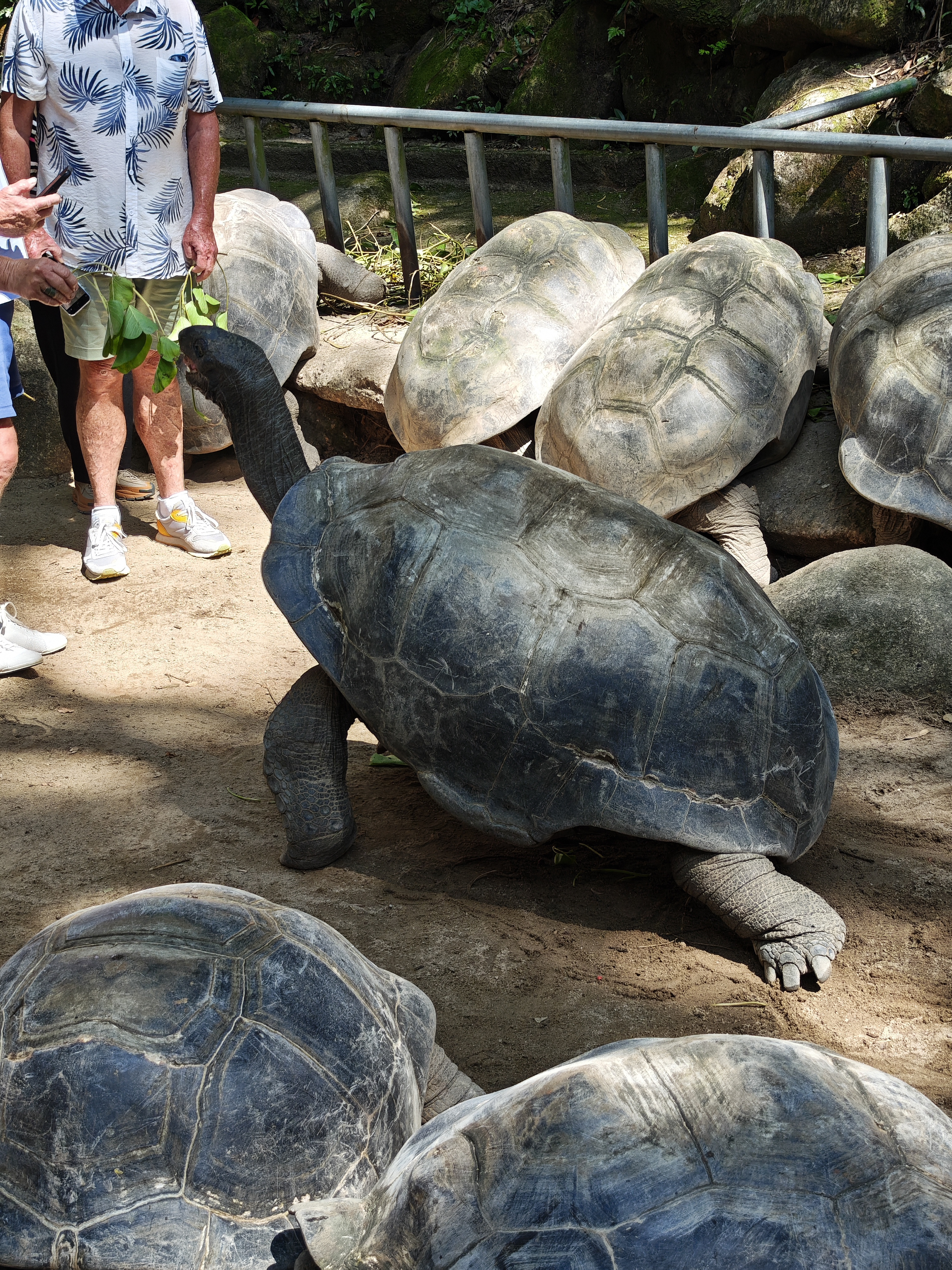
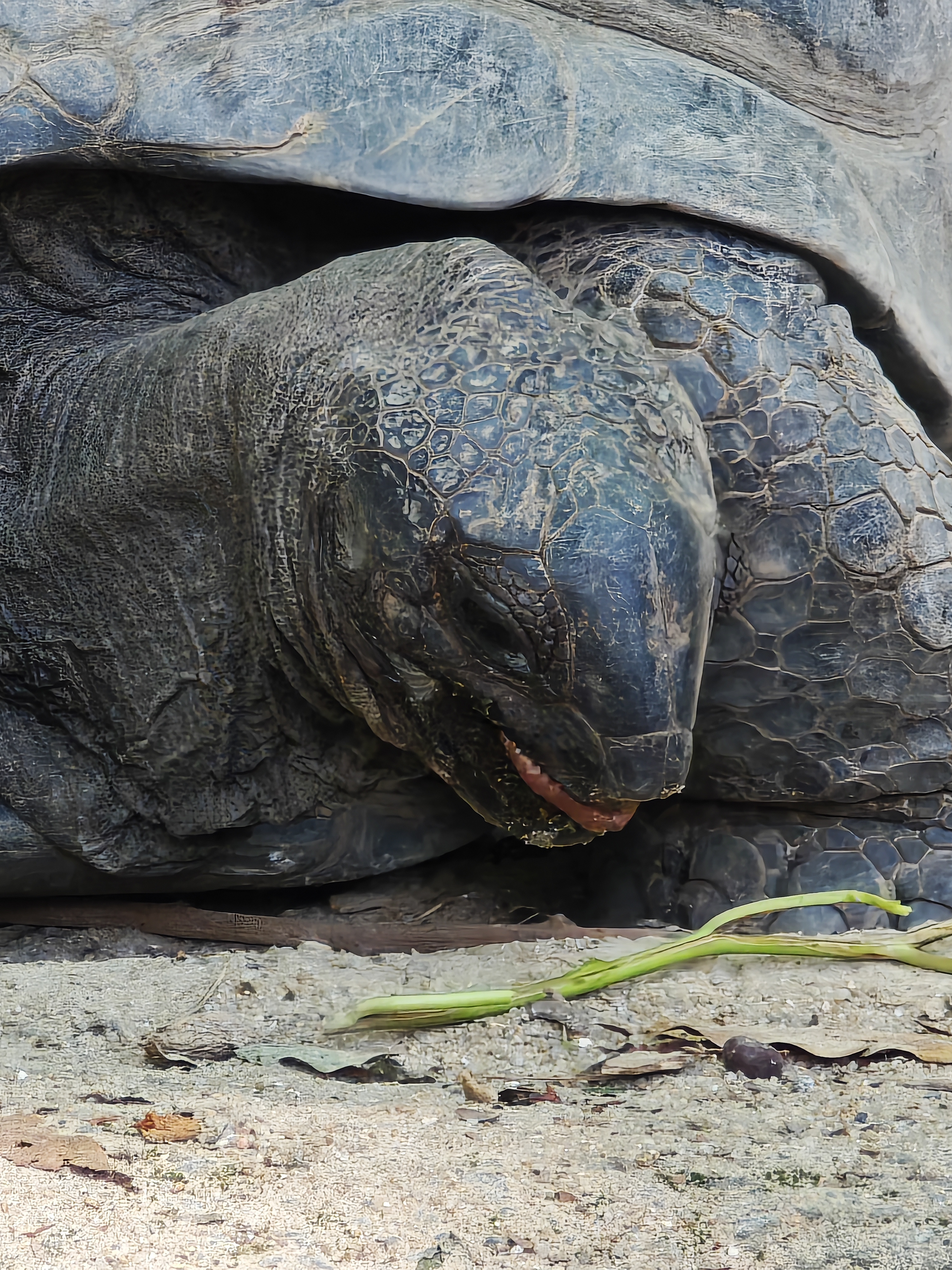
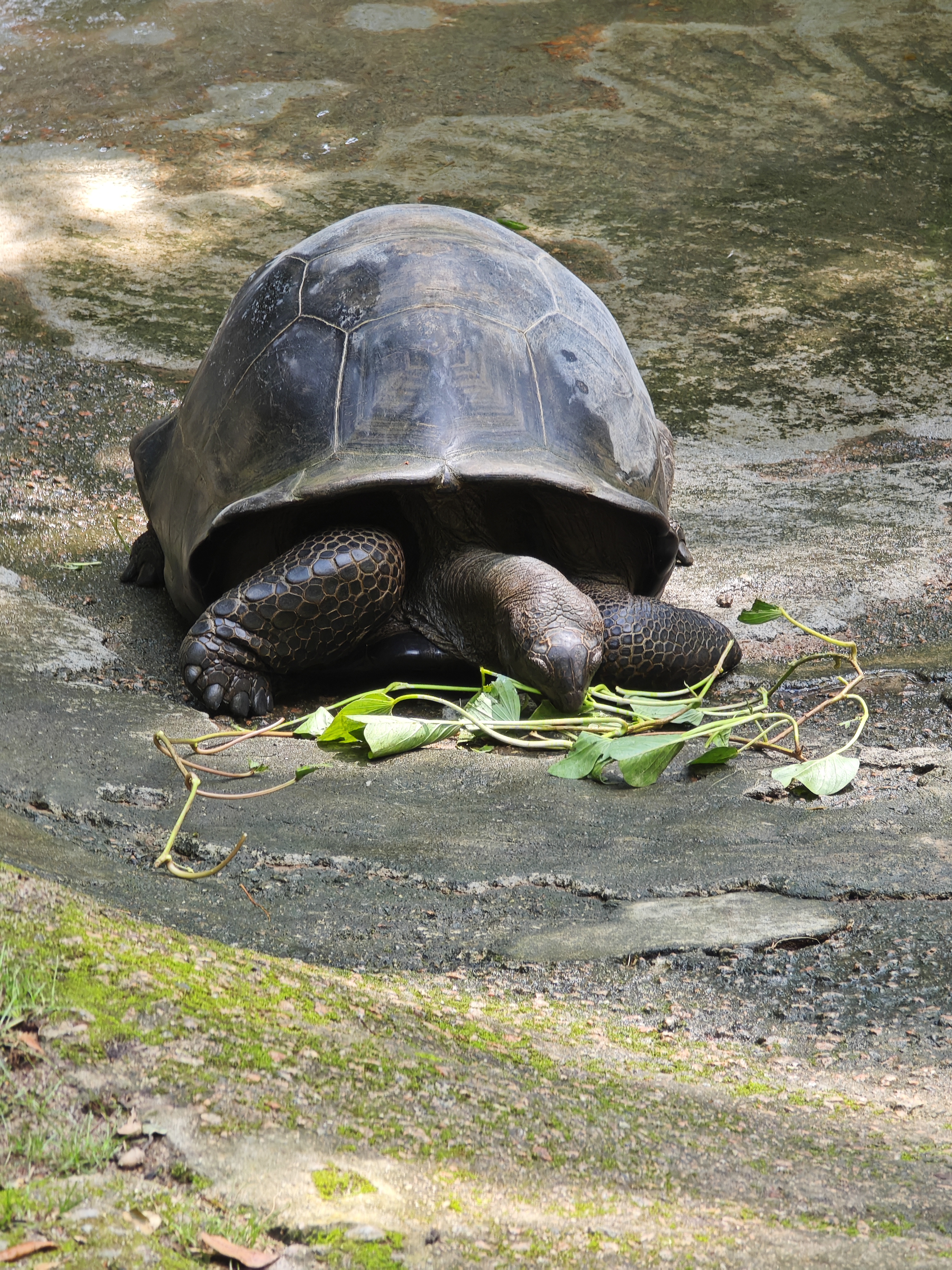
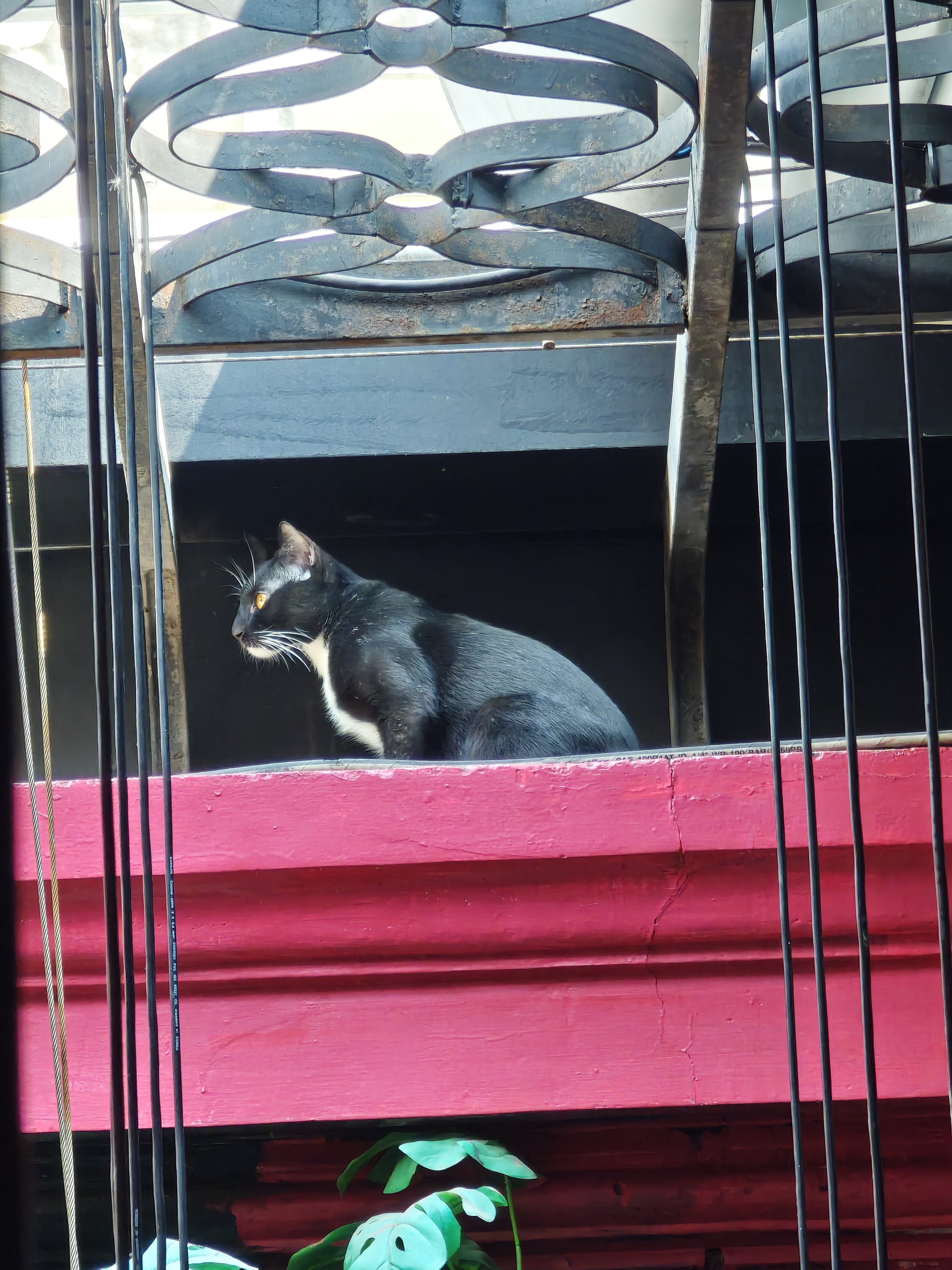
On our walk back down the hill we stopped by the giant tortoises to see them feeding. When they are lined up it looks like they are sleeping but they are actually eating under the rail. These tortoises are native on the Aldabra Atoll which is home to 152,000 of these incredible creatures – it is also a World Heritage Site and only organized tours and research expeditions can visit. These beauties and actually can live over 100 years, weight 500 pounds with a 4 foot length. They have no teeth. Cats of course are photogenic!
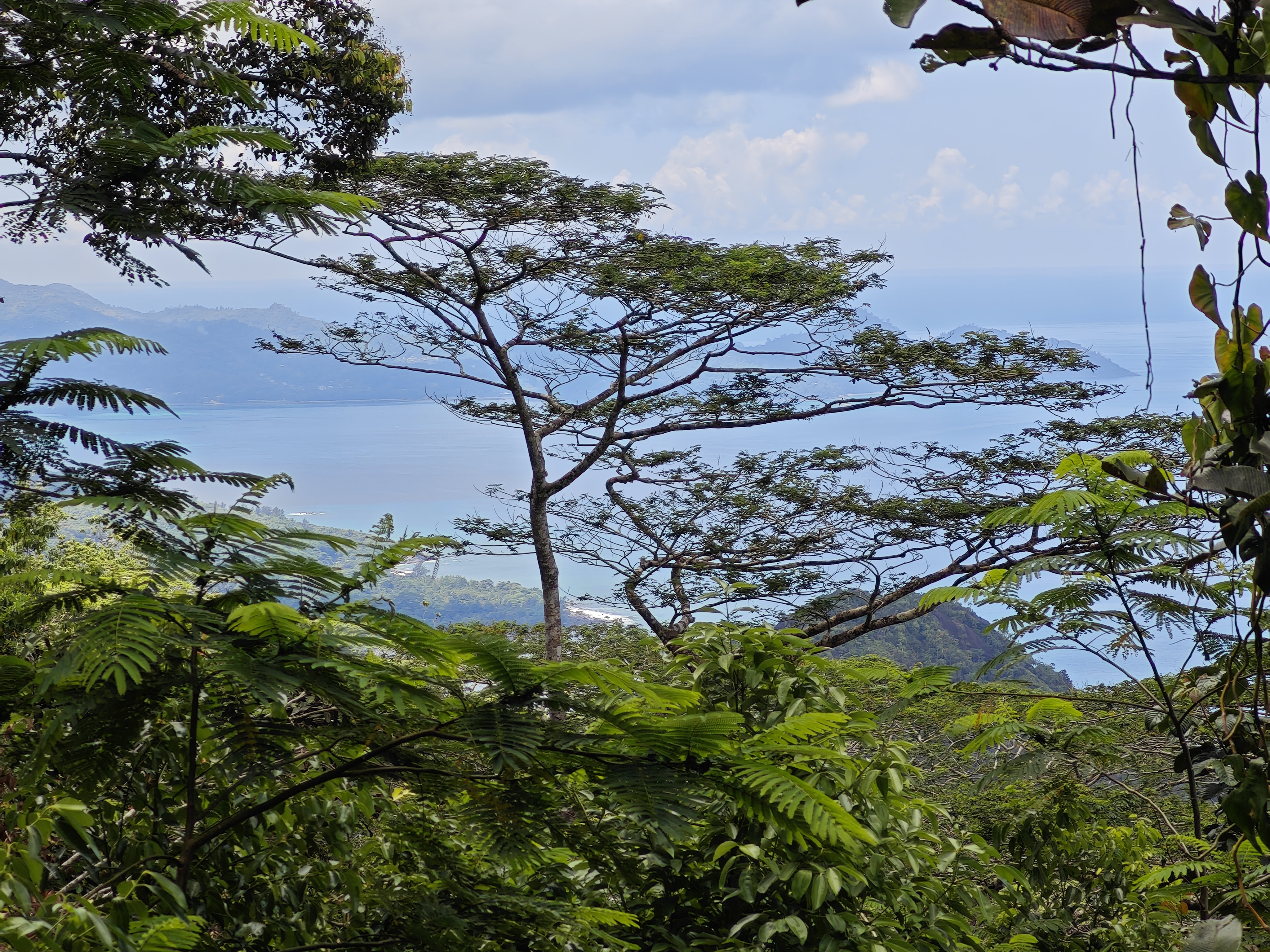
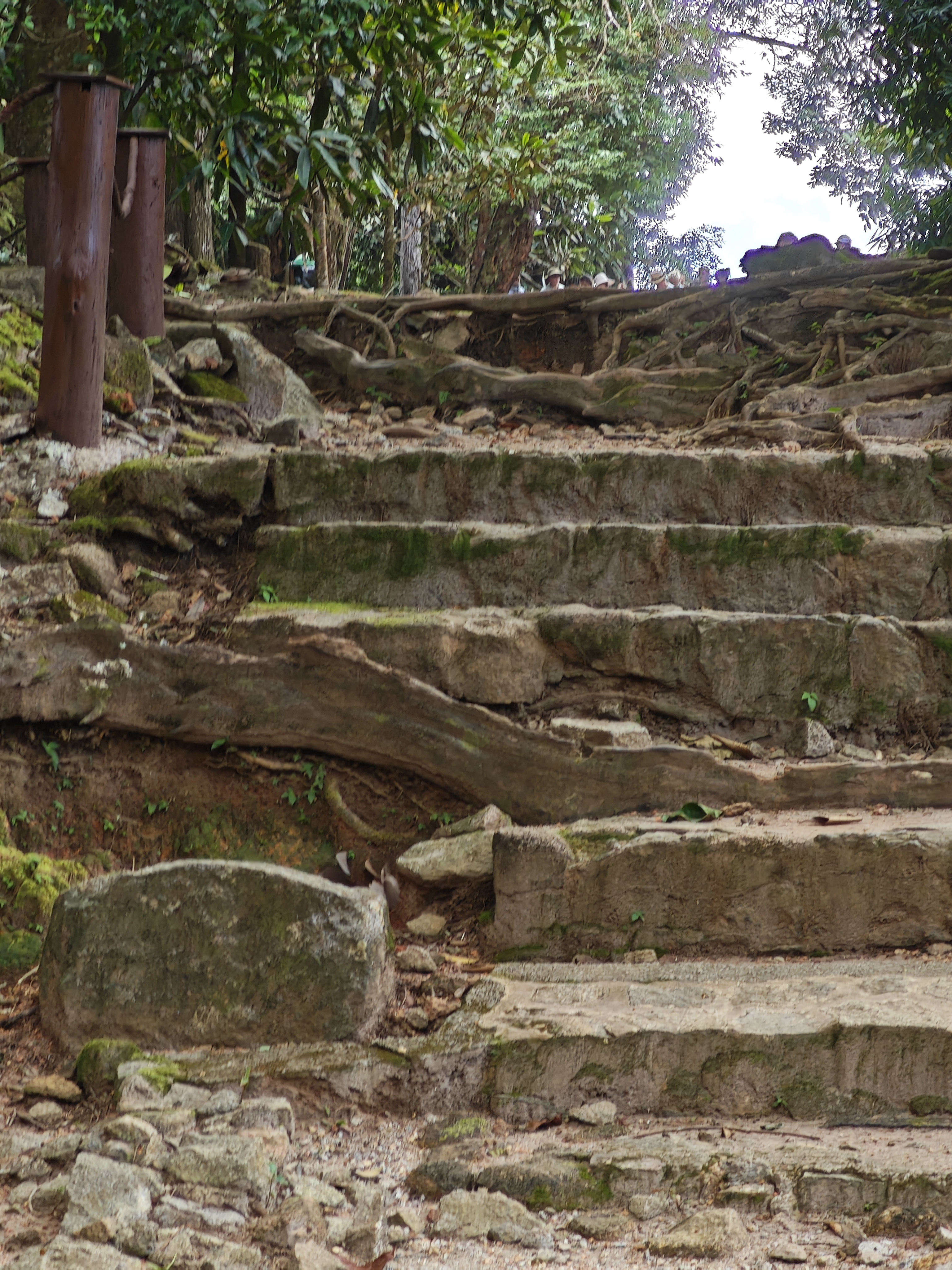
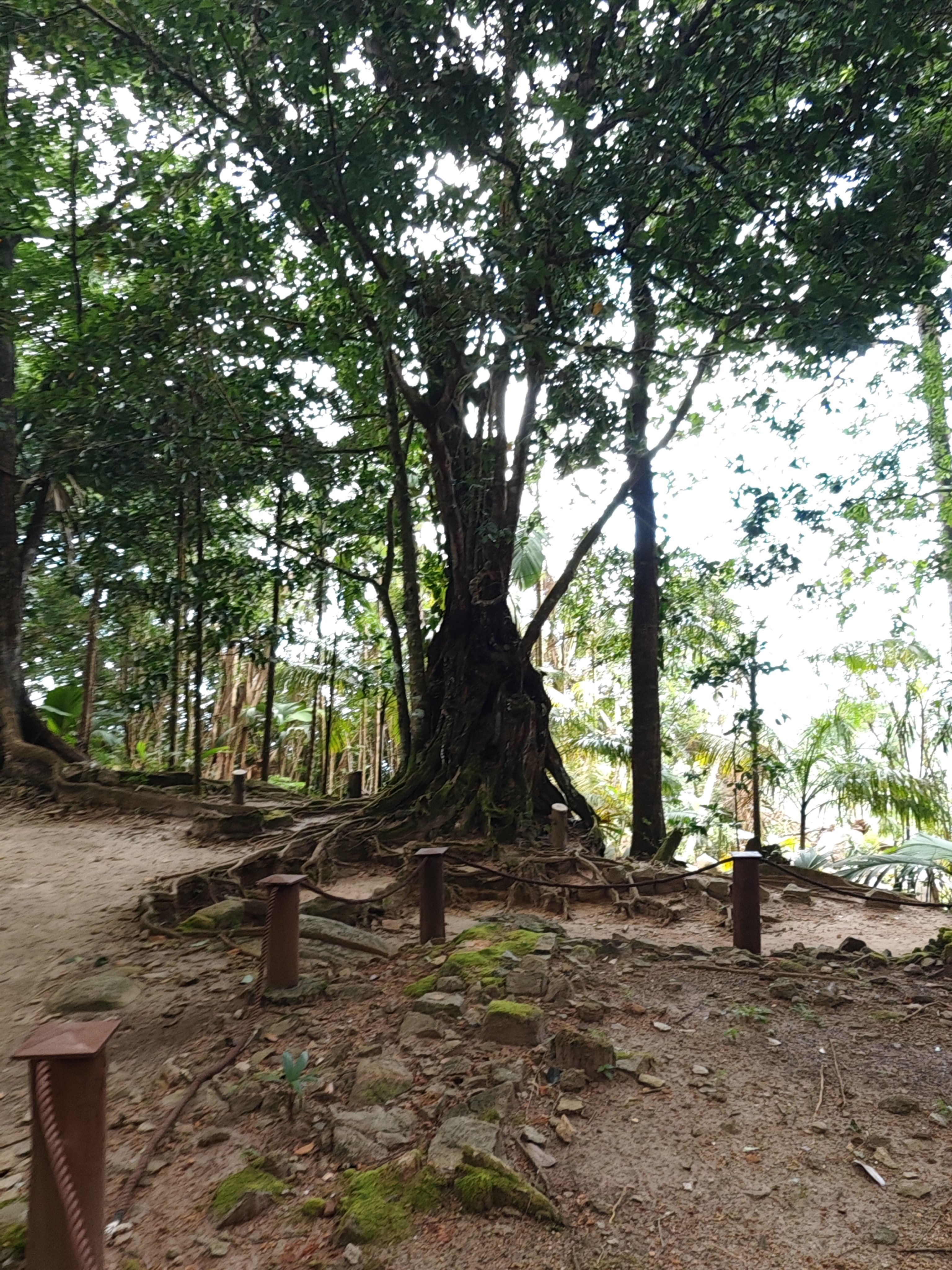
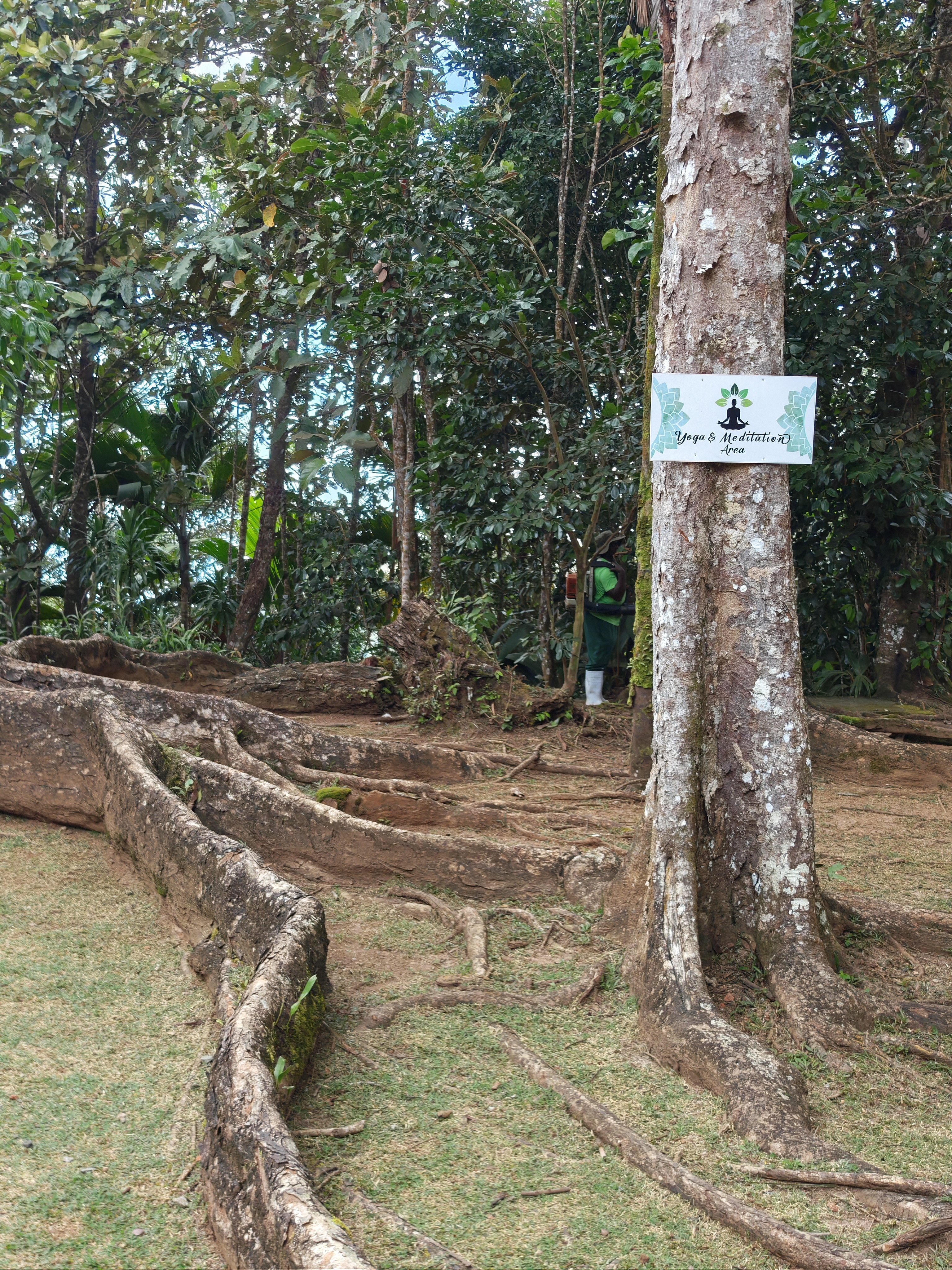
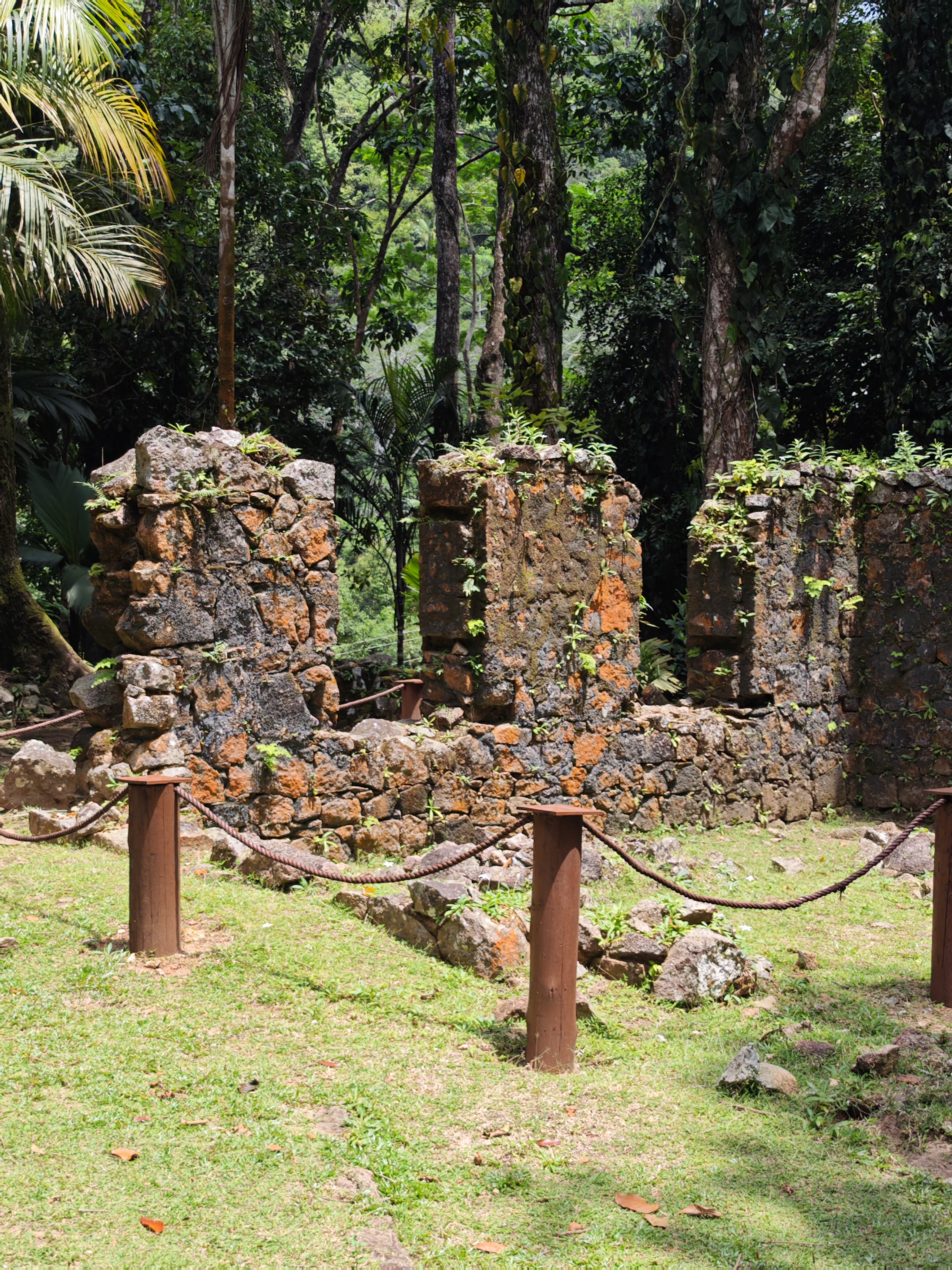
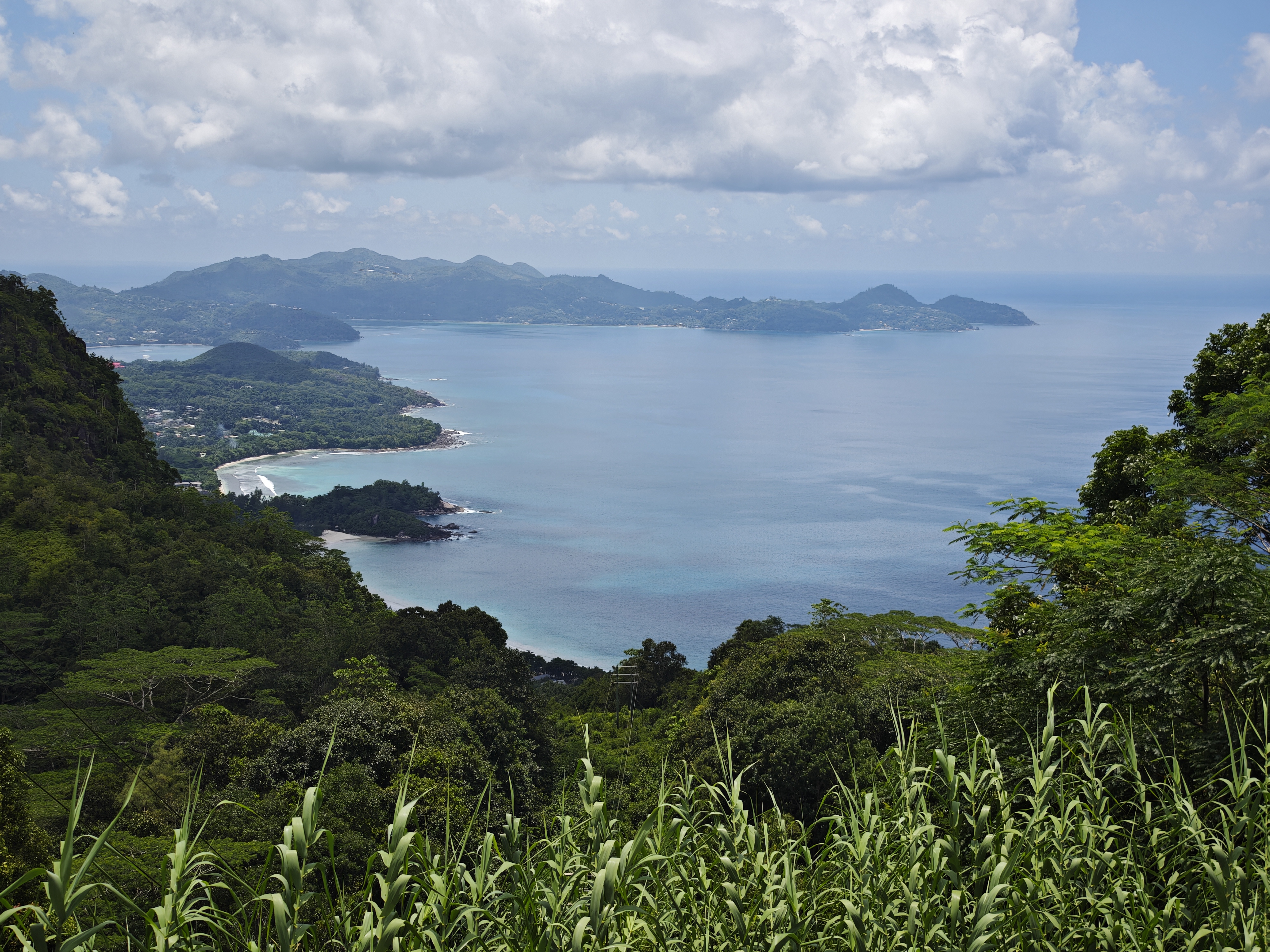
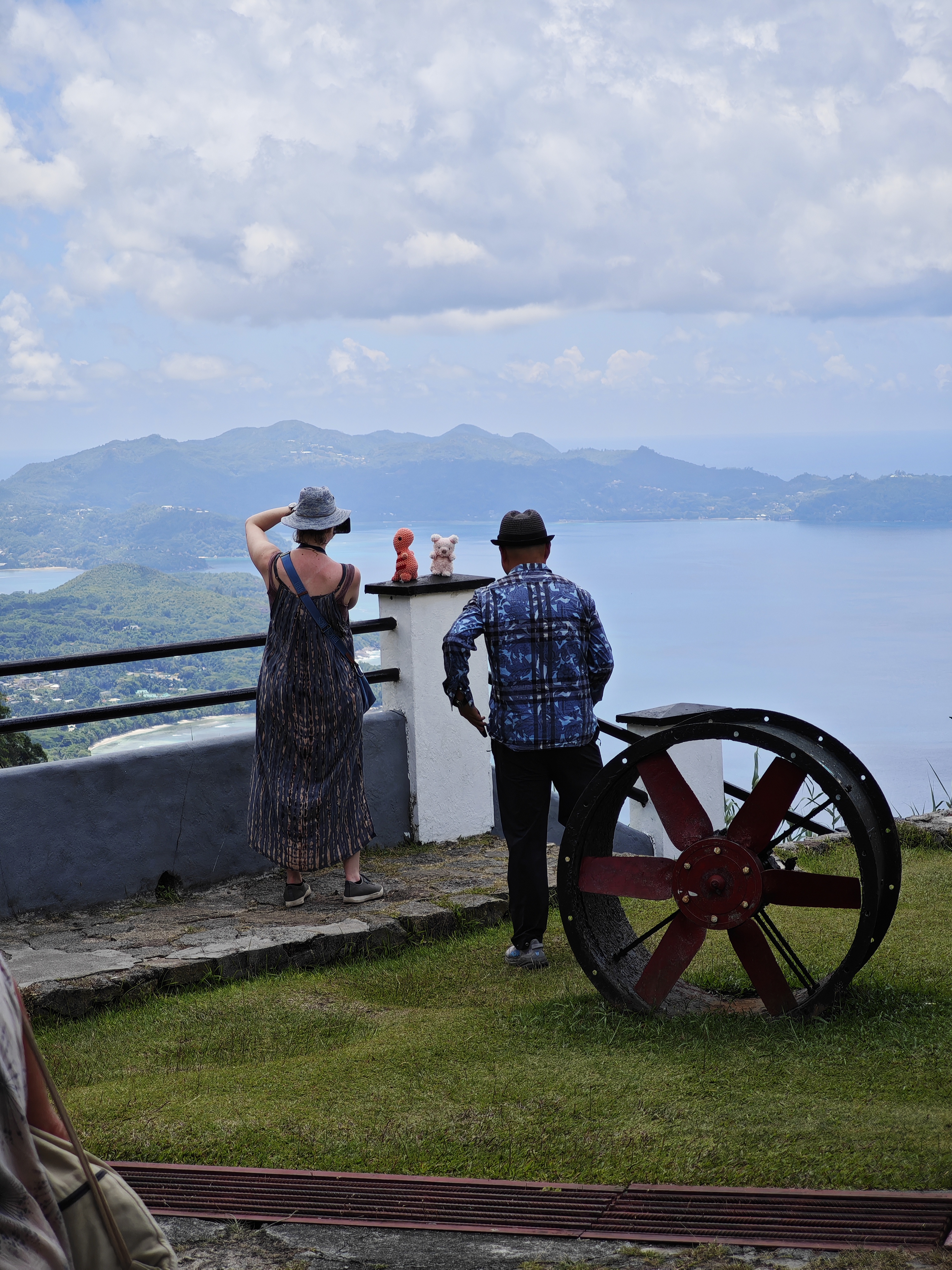
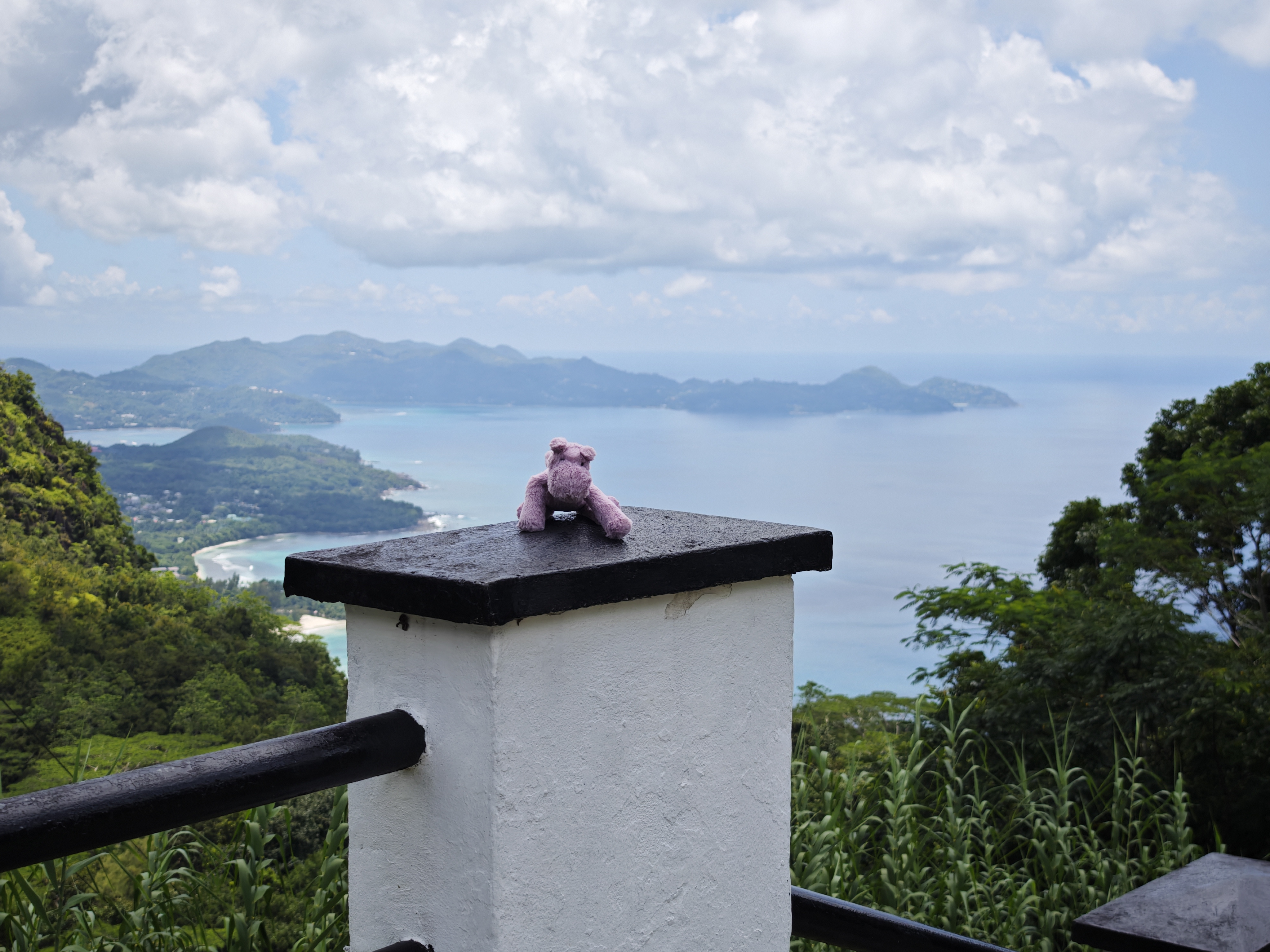
We drove up the hill to Venn Town Mission which was founded by Henry Venn as an industrial school for freed slave children. The Royal Navy patrolled the East African Coast and intercepted slave ships and brought them to the Seychelles to be freed. Slavery was abolished in the UK in 1835. The income generated was used to fund the school. They cultivated coffee, cocoa and vanilla. It operated between 1875-1889. It is now a National Monument and part of the Morne Seychellois Park and Garden Authority. They built a platform to see the beauty of the view and Queen Elizabeth dedicated it in 1972. It is perched on a mountain top which was so obvious as we climbed the hill into much cooler air temperatures. The tree roots encroached on the buildings as the forest engulfed the ruins. Many plants and animals including a rare frog called Sooglosus and Seychelles scops owl can only be found there. The tree roots are amazing. Notice the foot high tree roots and then see the sign, Yoga Meditation Area, which was ironic as the guy in the background was using a leaf blower.
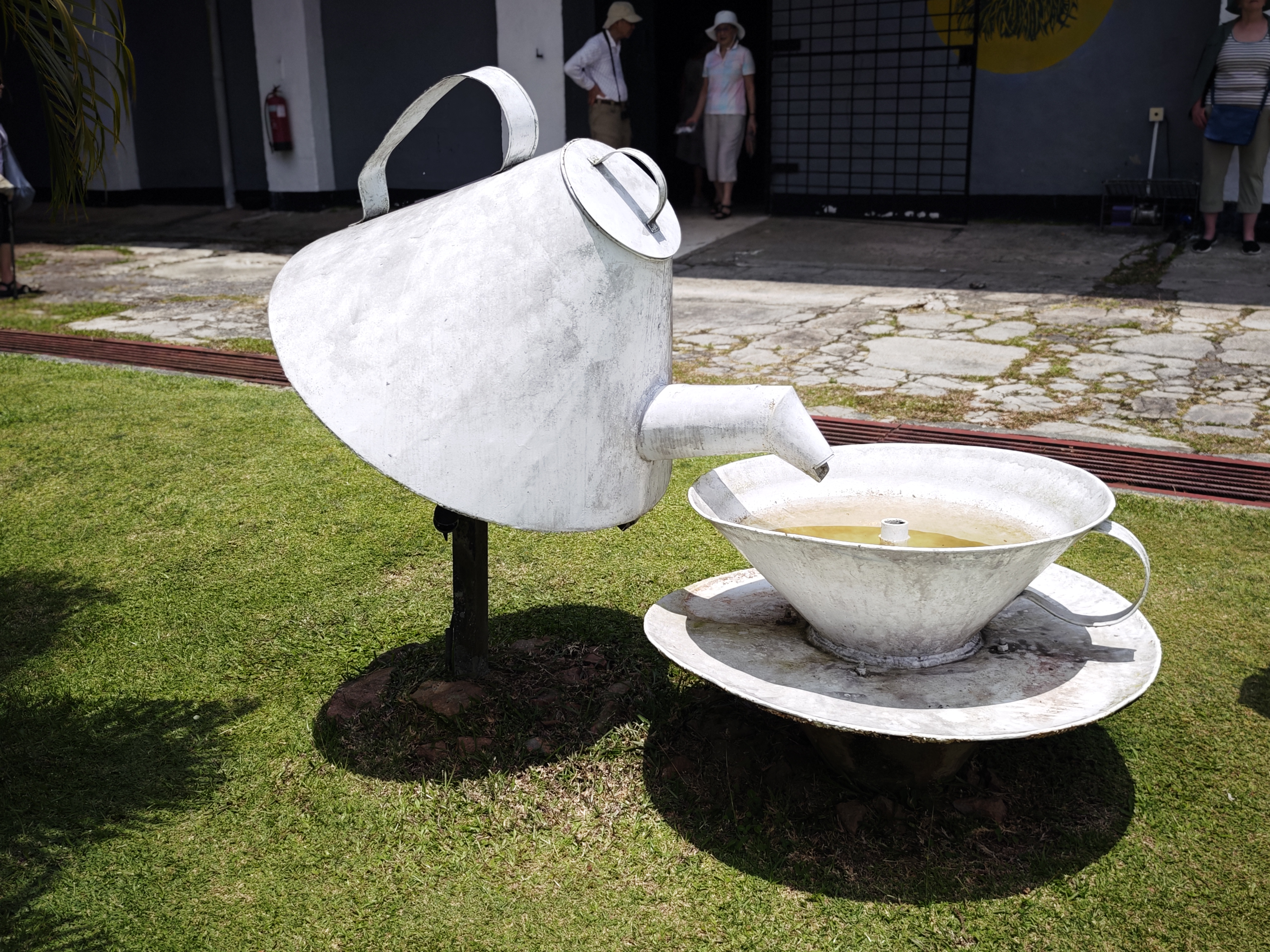
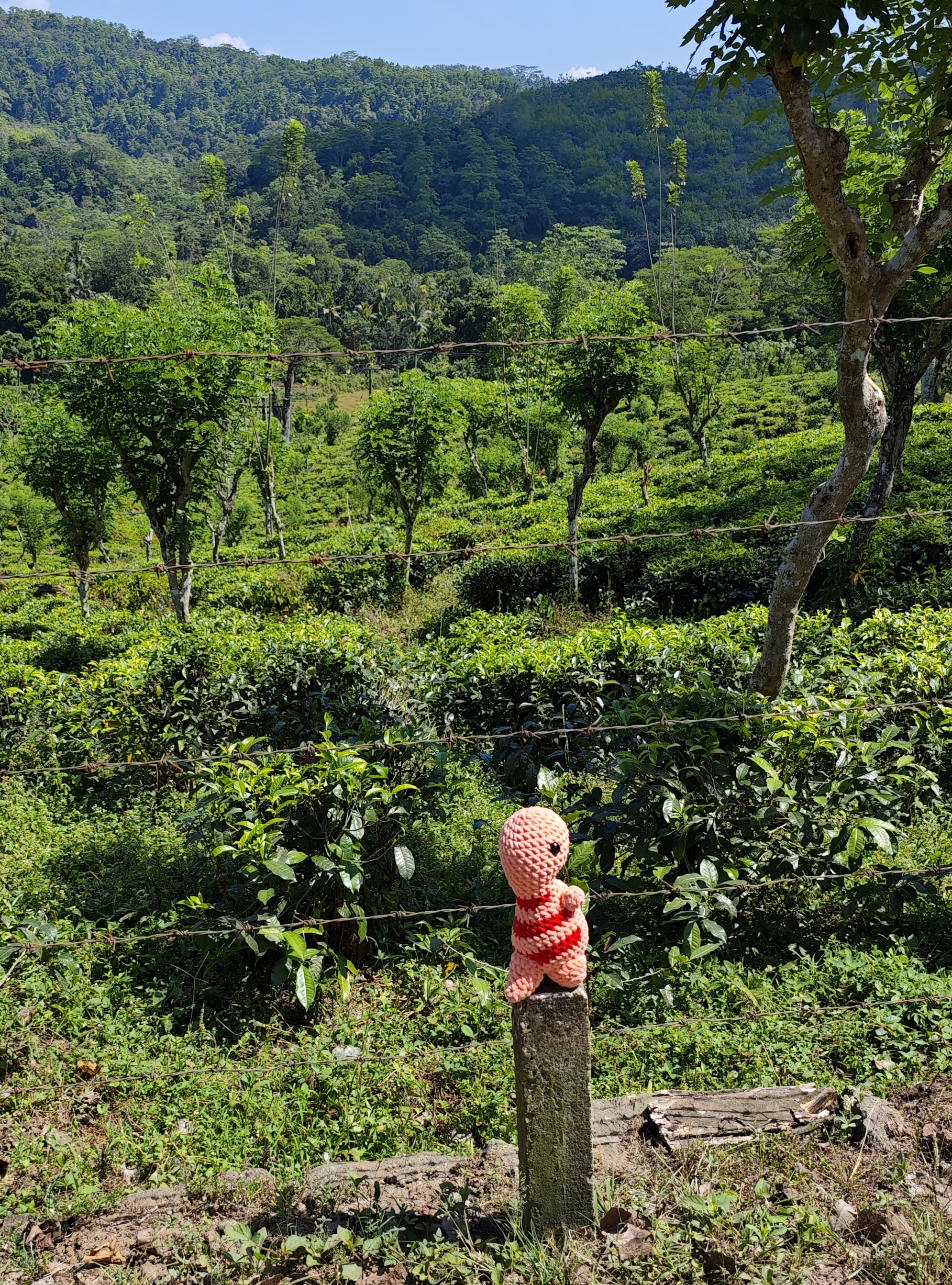
Last up was a stop by another tea factory for a walkabout, tea and to take in the lovely view. My little guy smudge wanted his photo!
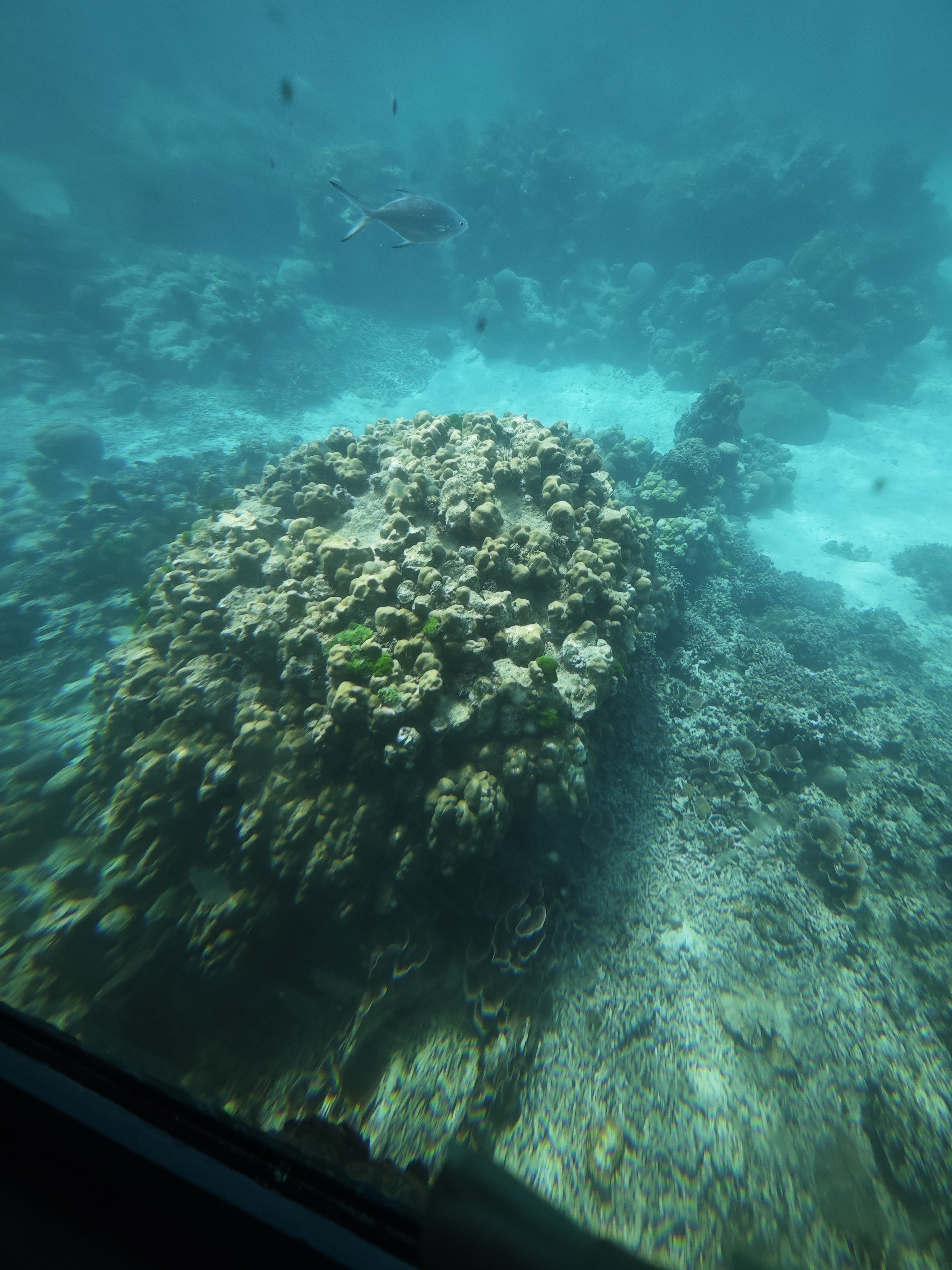
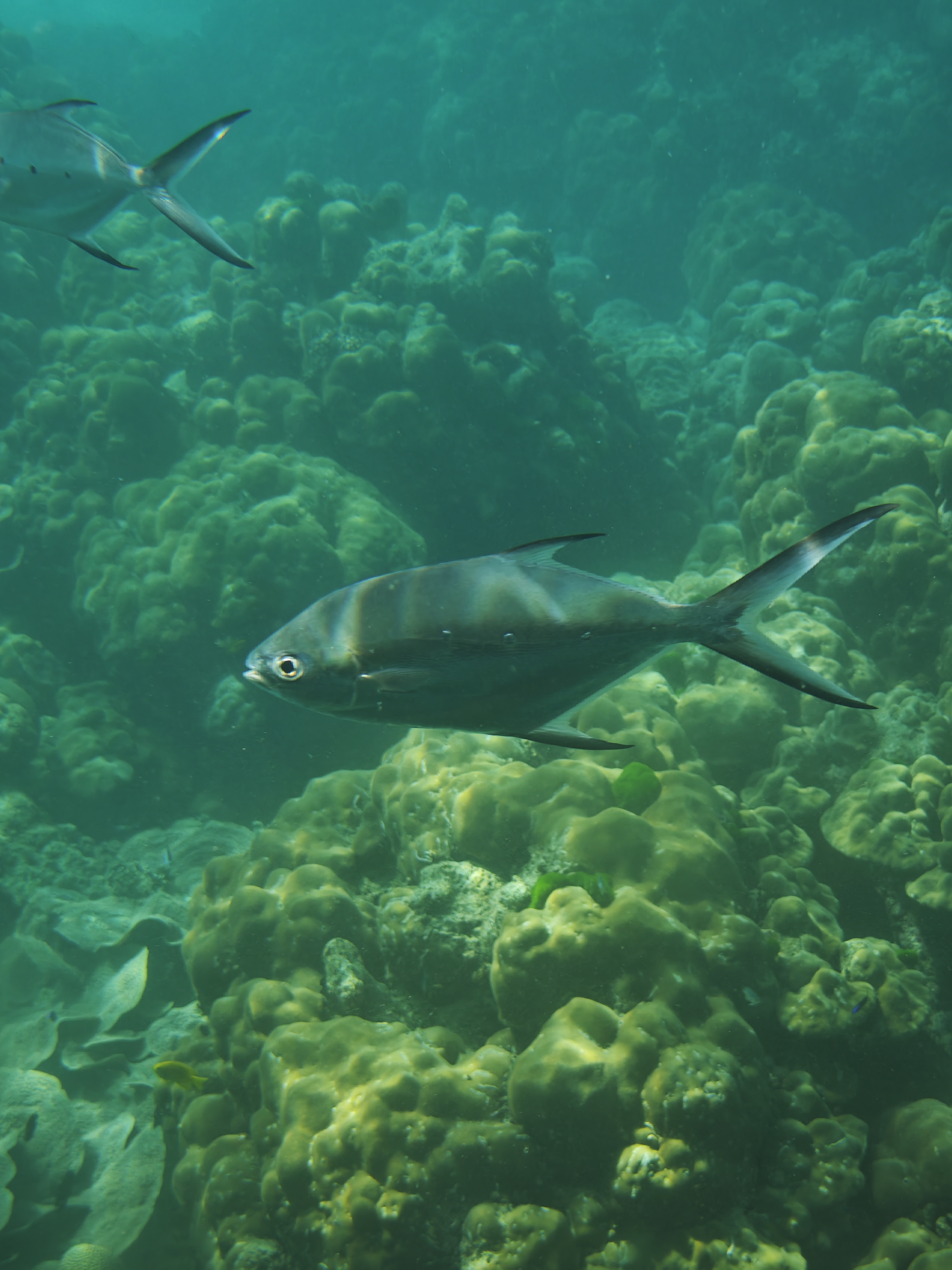
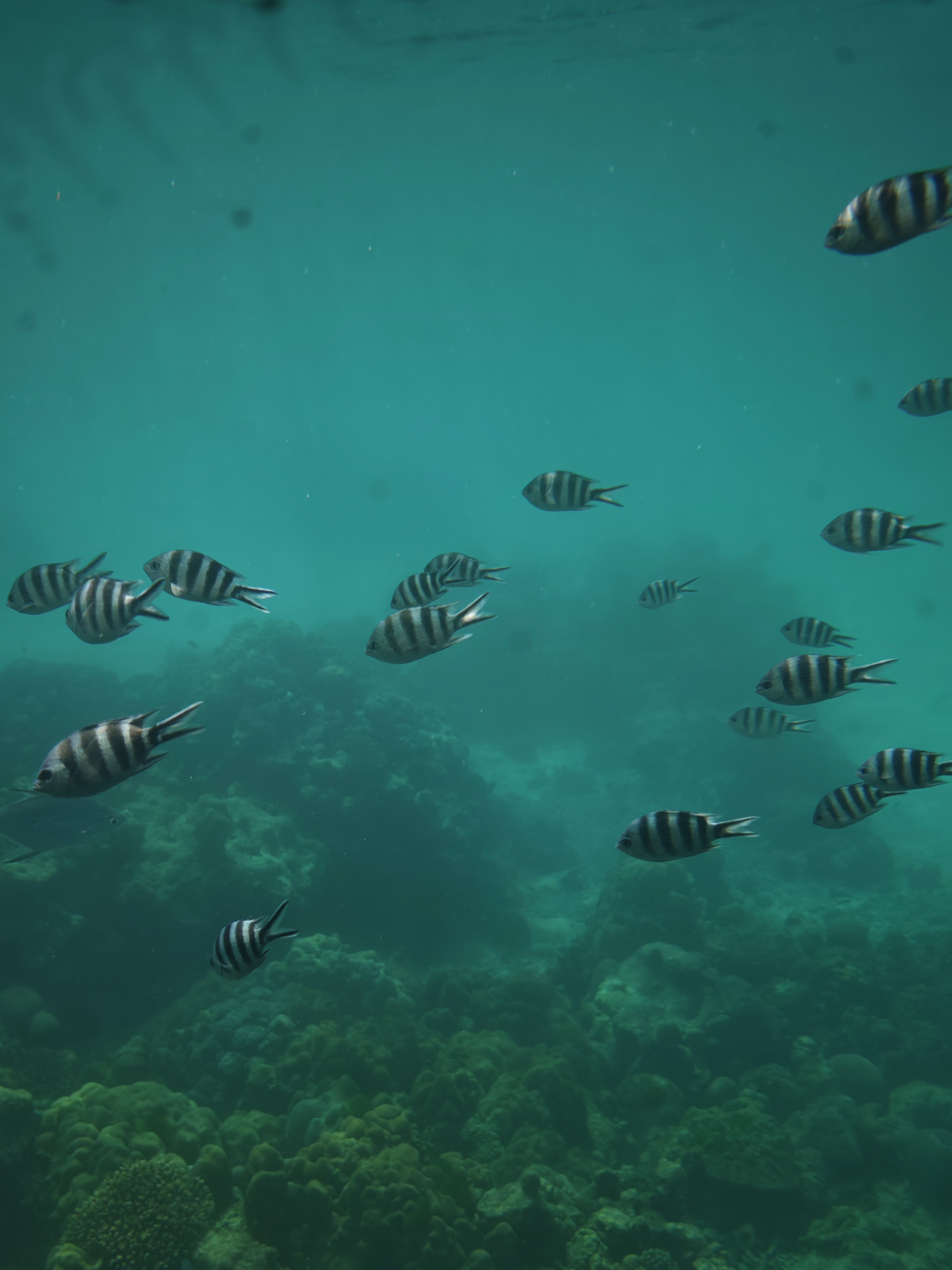
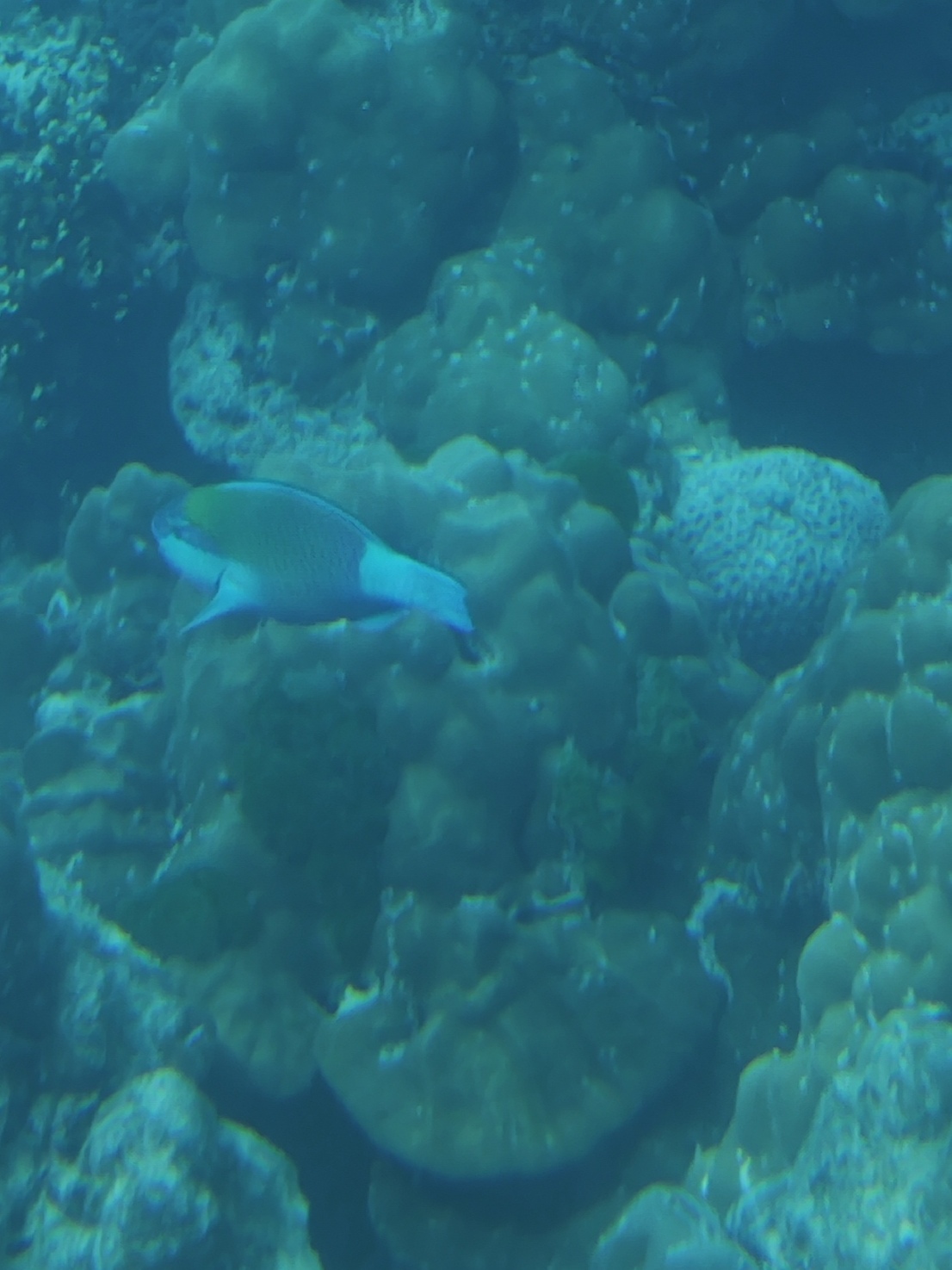
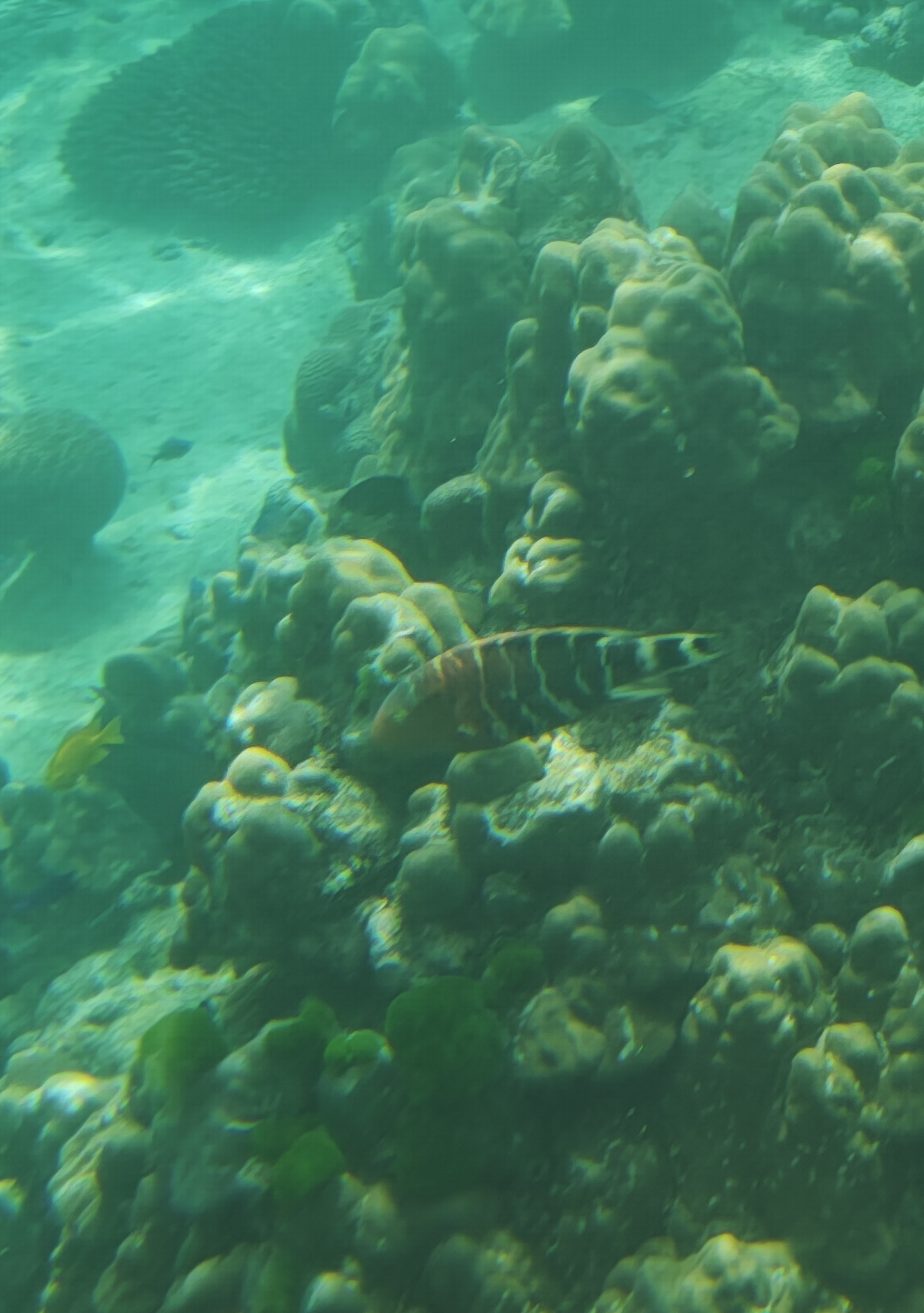
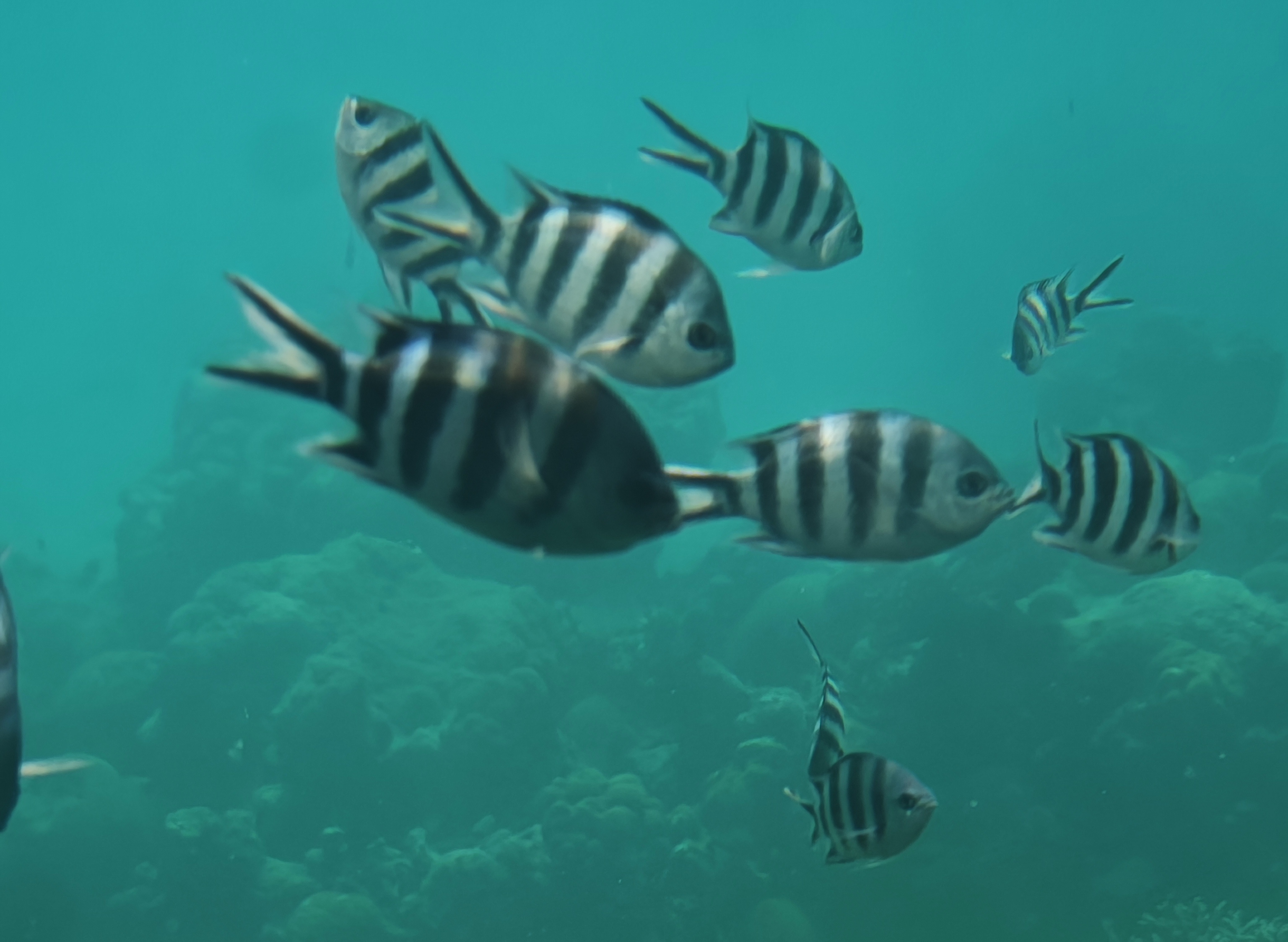
After our overnight and end of segment change over, we took a catamaran and sailed out right from the dock into the St. Anne Marine Park which was right out in the bay from where we docked. We got on a submarine in groups so we could see the marine life beneath us! As usual, photo’s aren’t great but it still amazing to see the creatures without having to scuba dive!
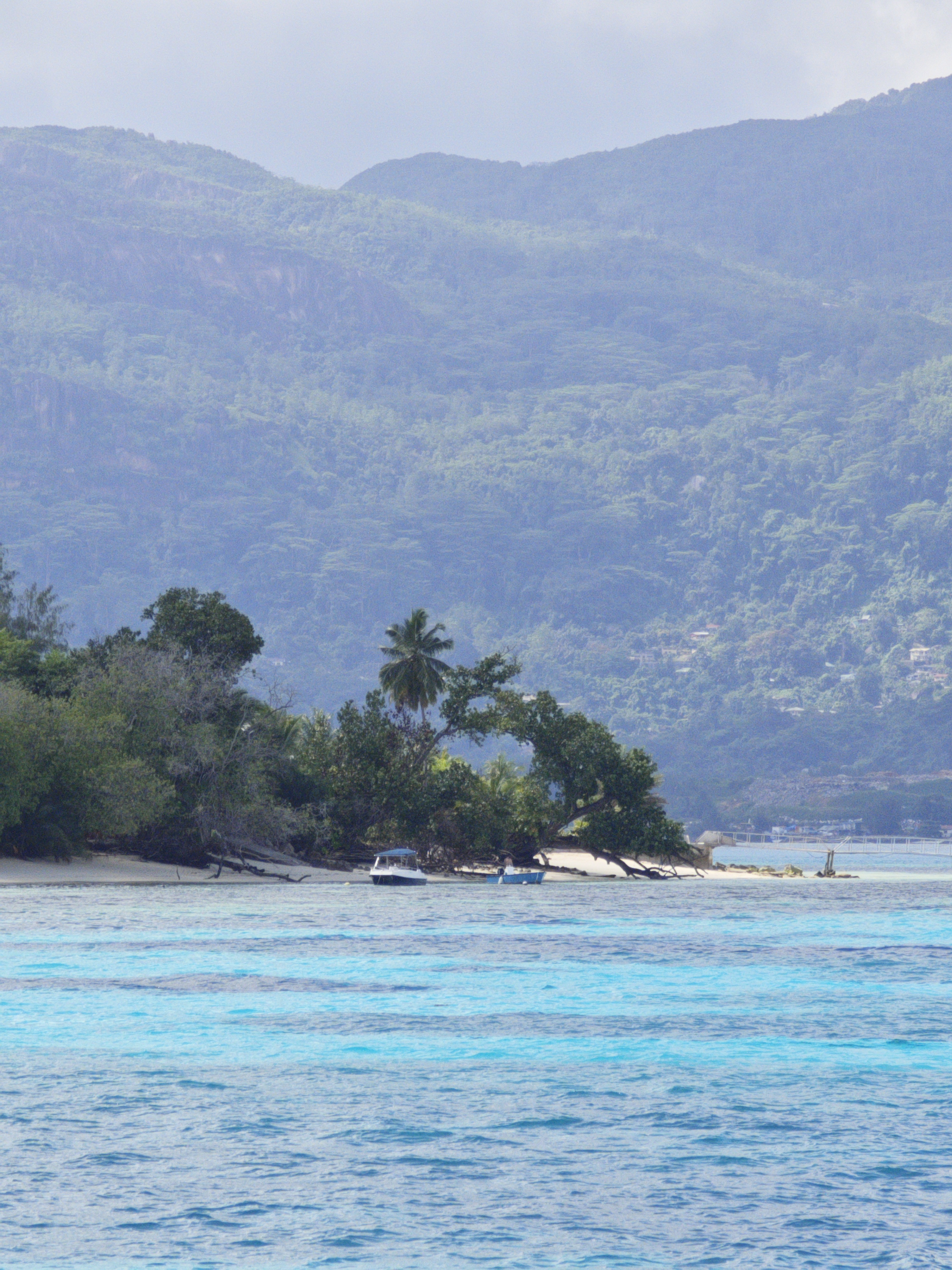
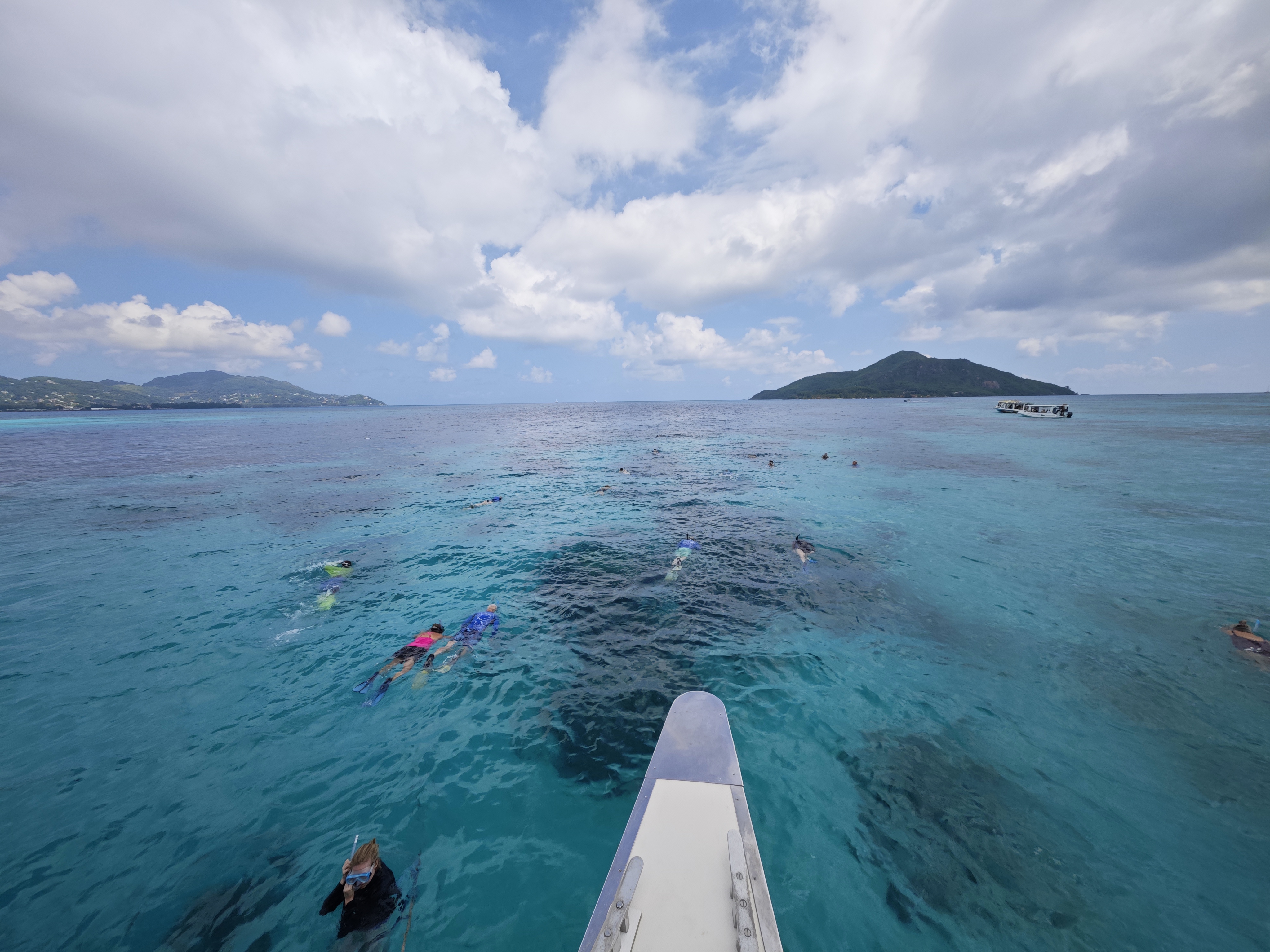
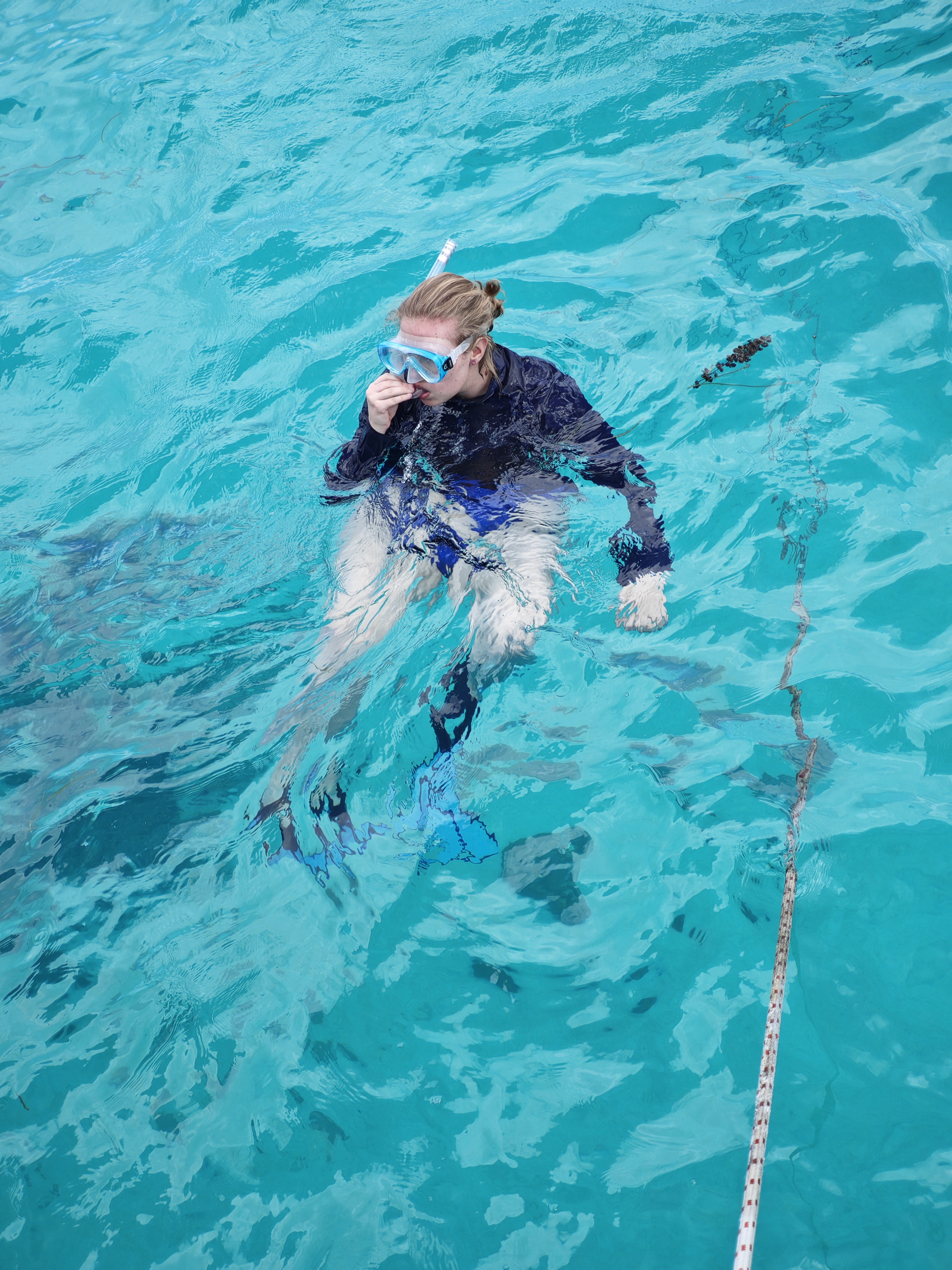
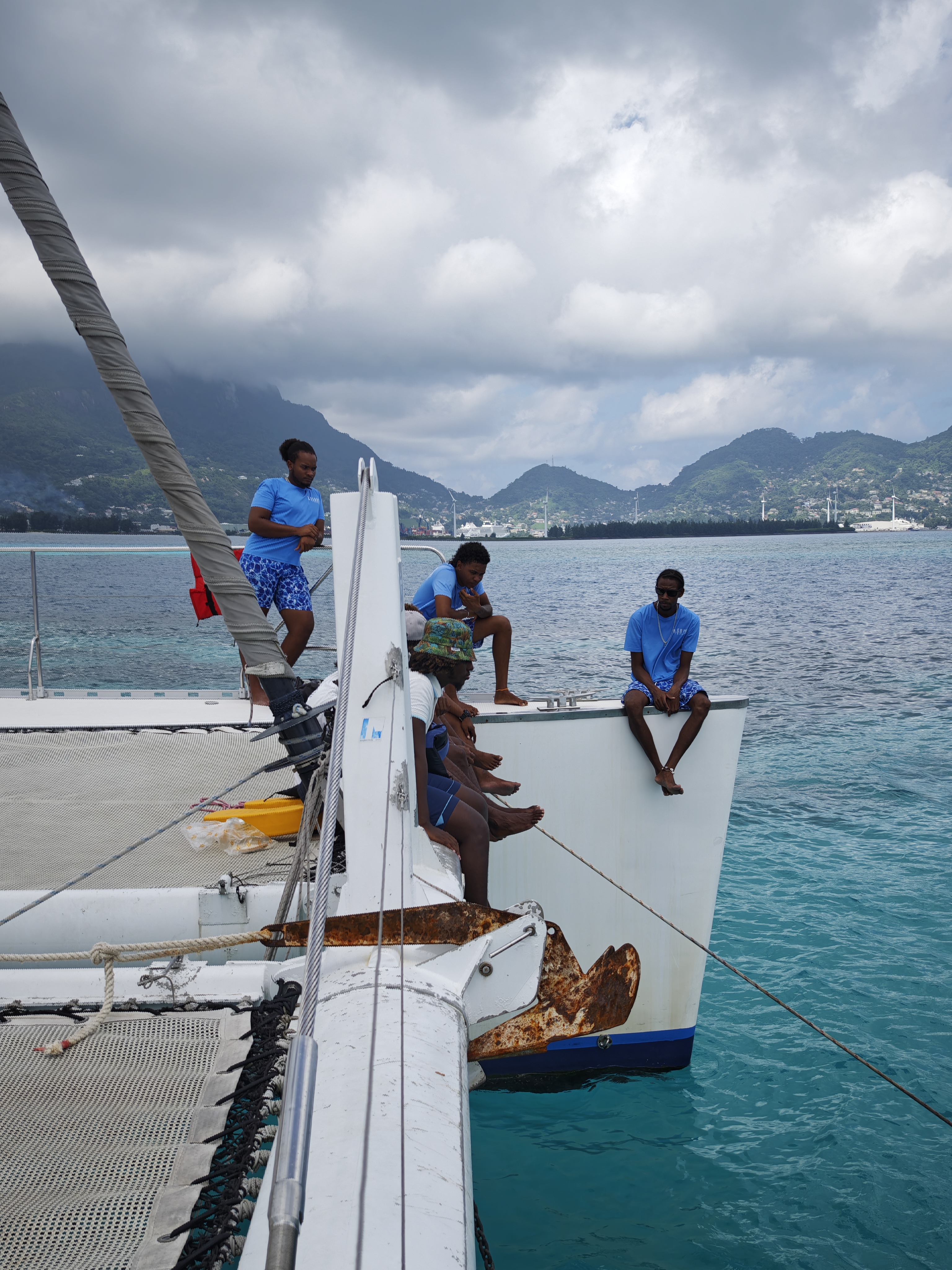
Next was time to snorkel, but I stayed on board as the current was way to strong for my new knee to try to get me back to the boat! I did however enjoy a dip aft when others went off to the local island to walk around in the a resort with beaches. The guys left behind we’re a delight and were having so much fun with most their guests off on the zodiac.
Next up dodging a cyclone in the Indian Ocean and our next port of call a day later Port Louis, Mauritius.
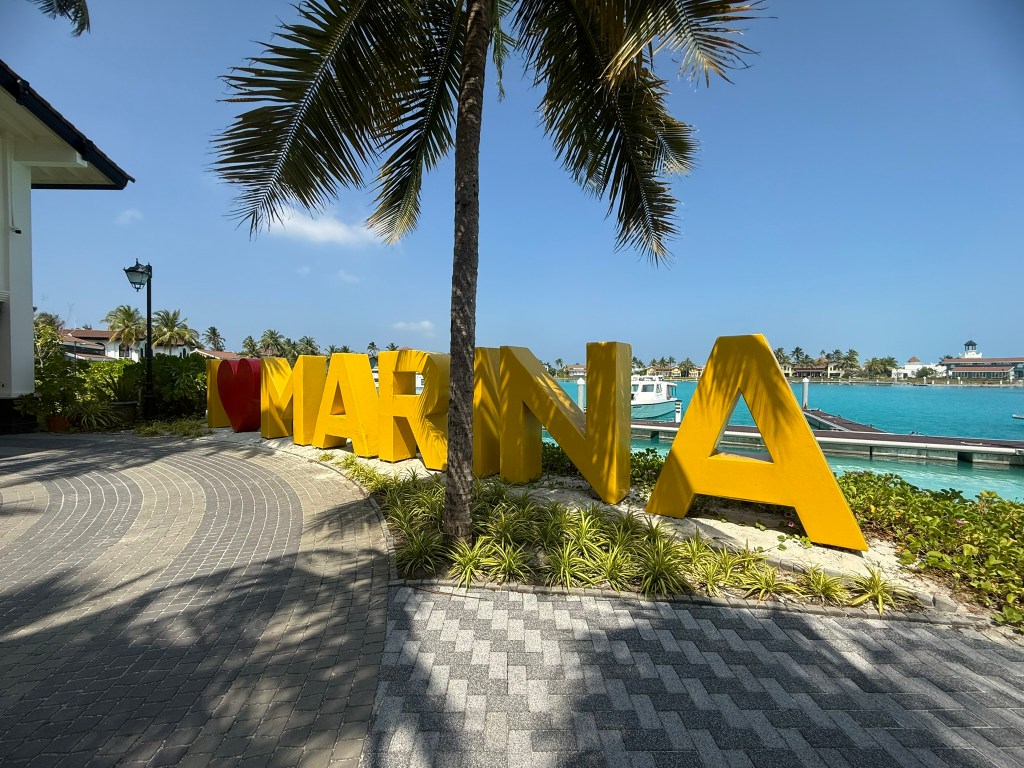
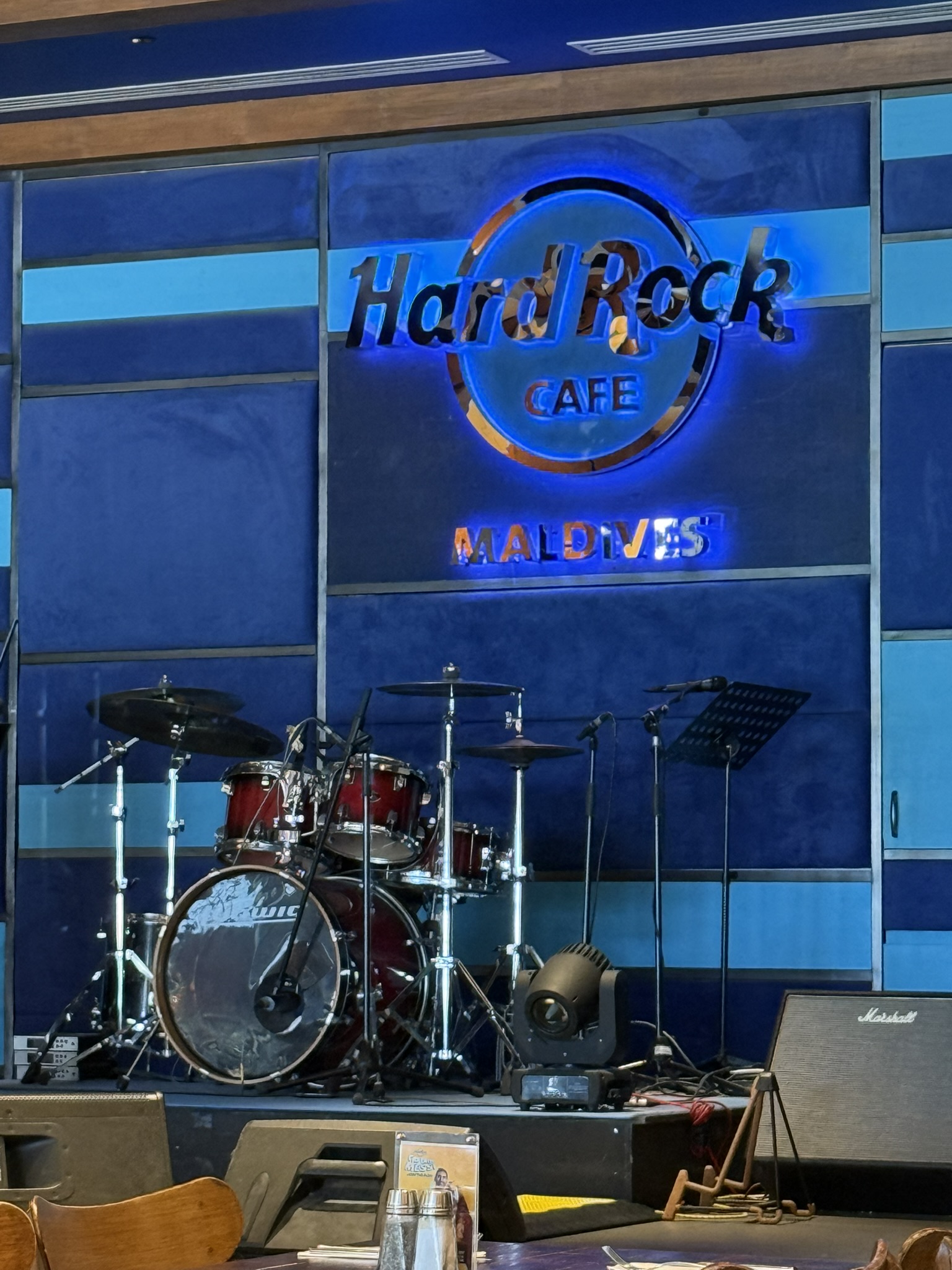
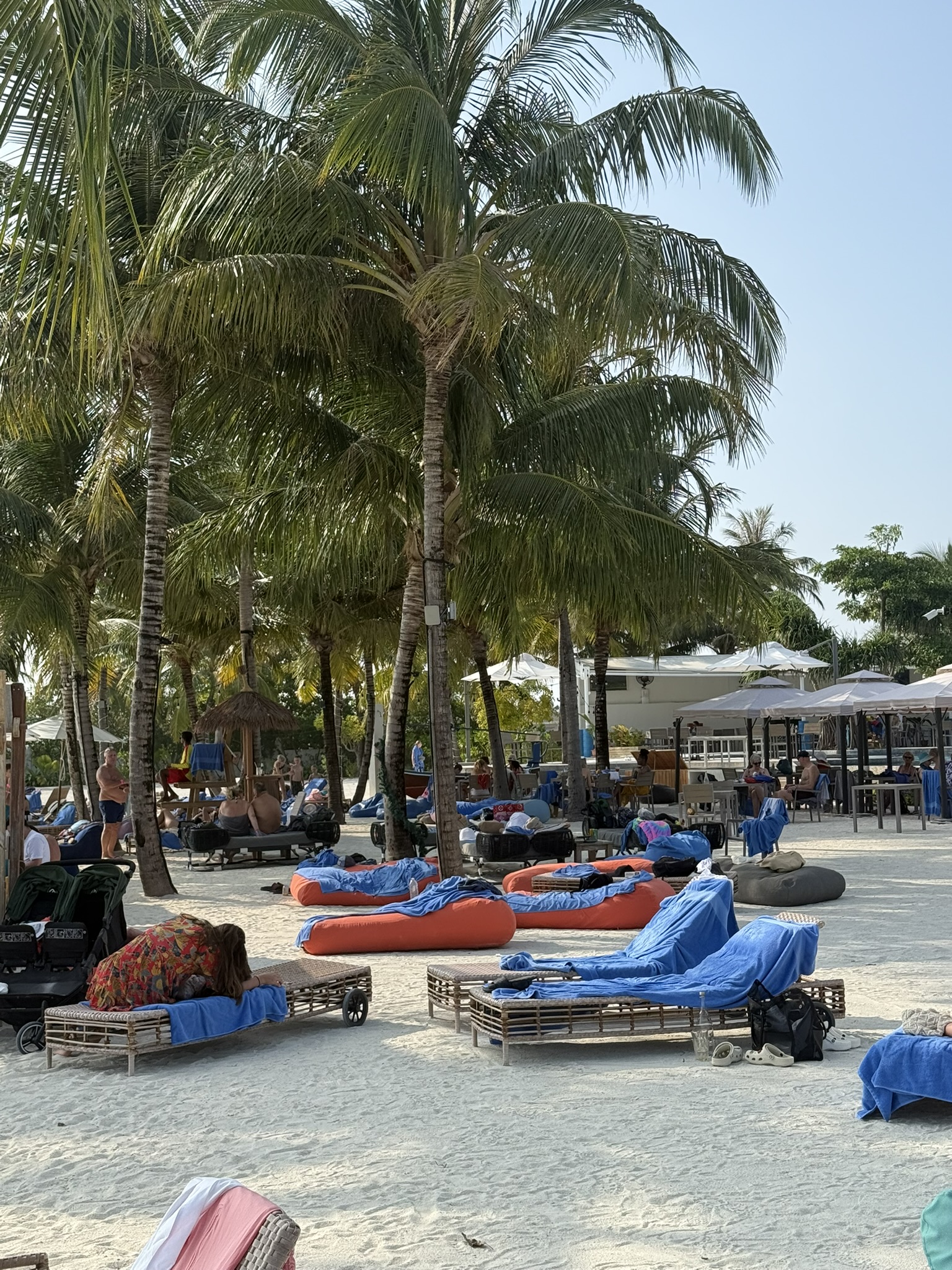
The Maldives are considered the smallest country in Asia but it is also one of the world’s most spatially dispersed sovereign states. It only has a little more than 500,000 people and is the second least populous country in Asia but at the same time it is the most densely populated. It is the worlds lowest lying country as the highest point is MT. Iliingili which is 17 feet above sea level. Male is the capital and the most populated city. traditionally called the Kings Island where the royal dynasties ruled. Islam is the official religion and the only place to enjoy alcoholic drinks are tourist resorts which are the only areas with exceptions to the Islamic laws of the island. So, we did the beach escape in Mahe to the Marina by taking a boat to this little enclave. Our first stop was the Hard Rock cafe to share a hamburger and quesadilla…a nice change of pace…and a margarita!
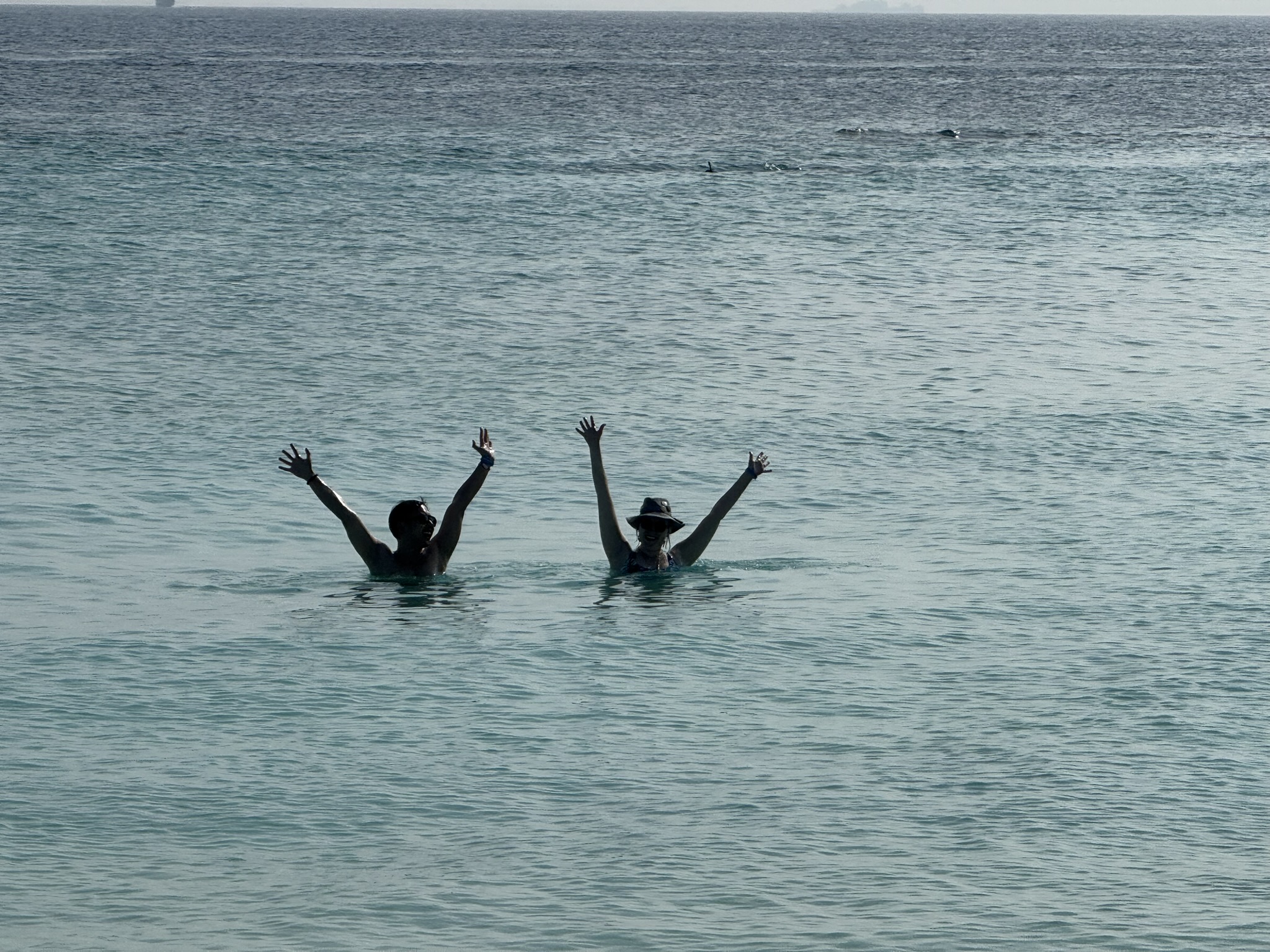
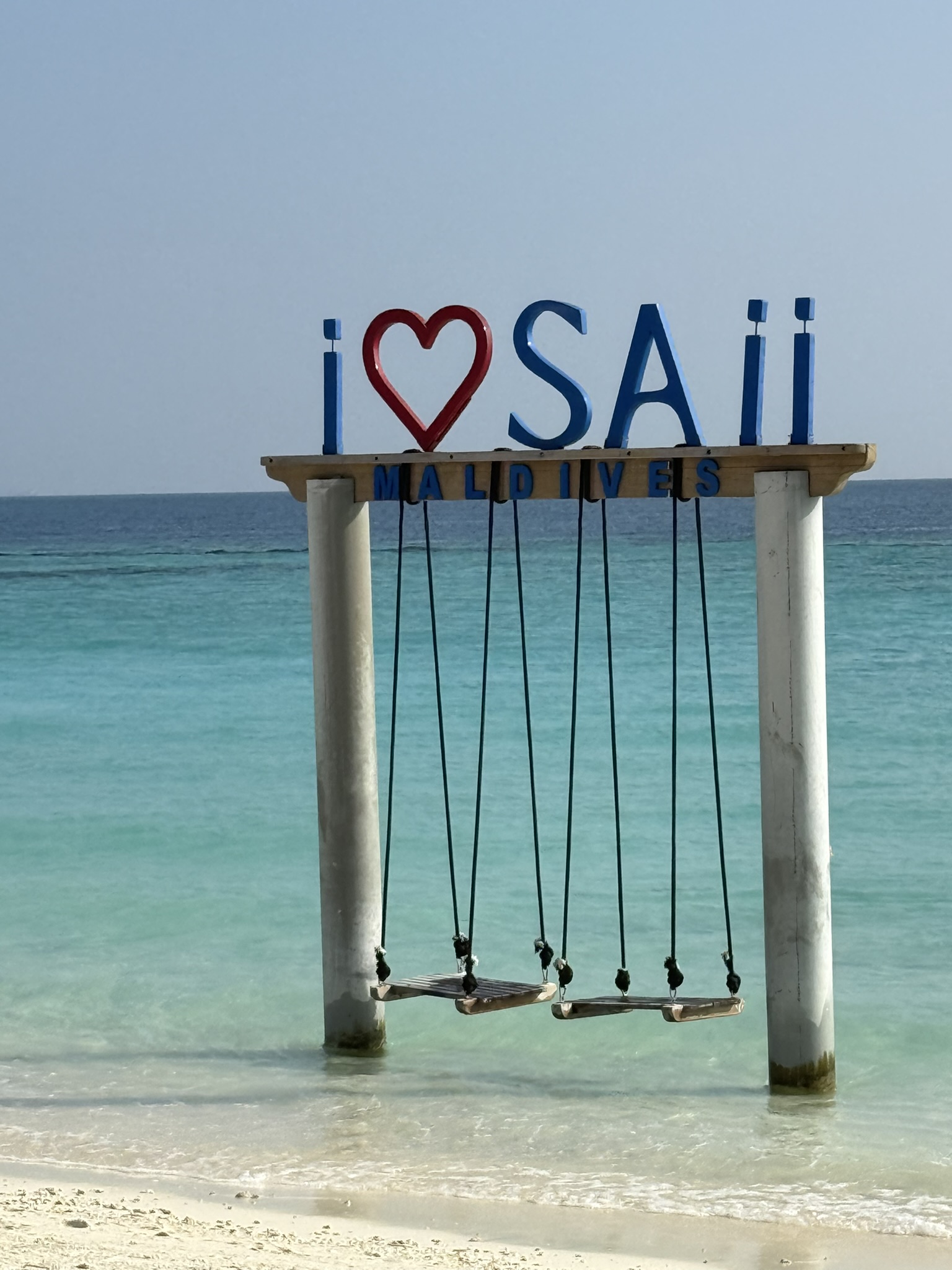
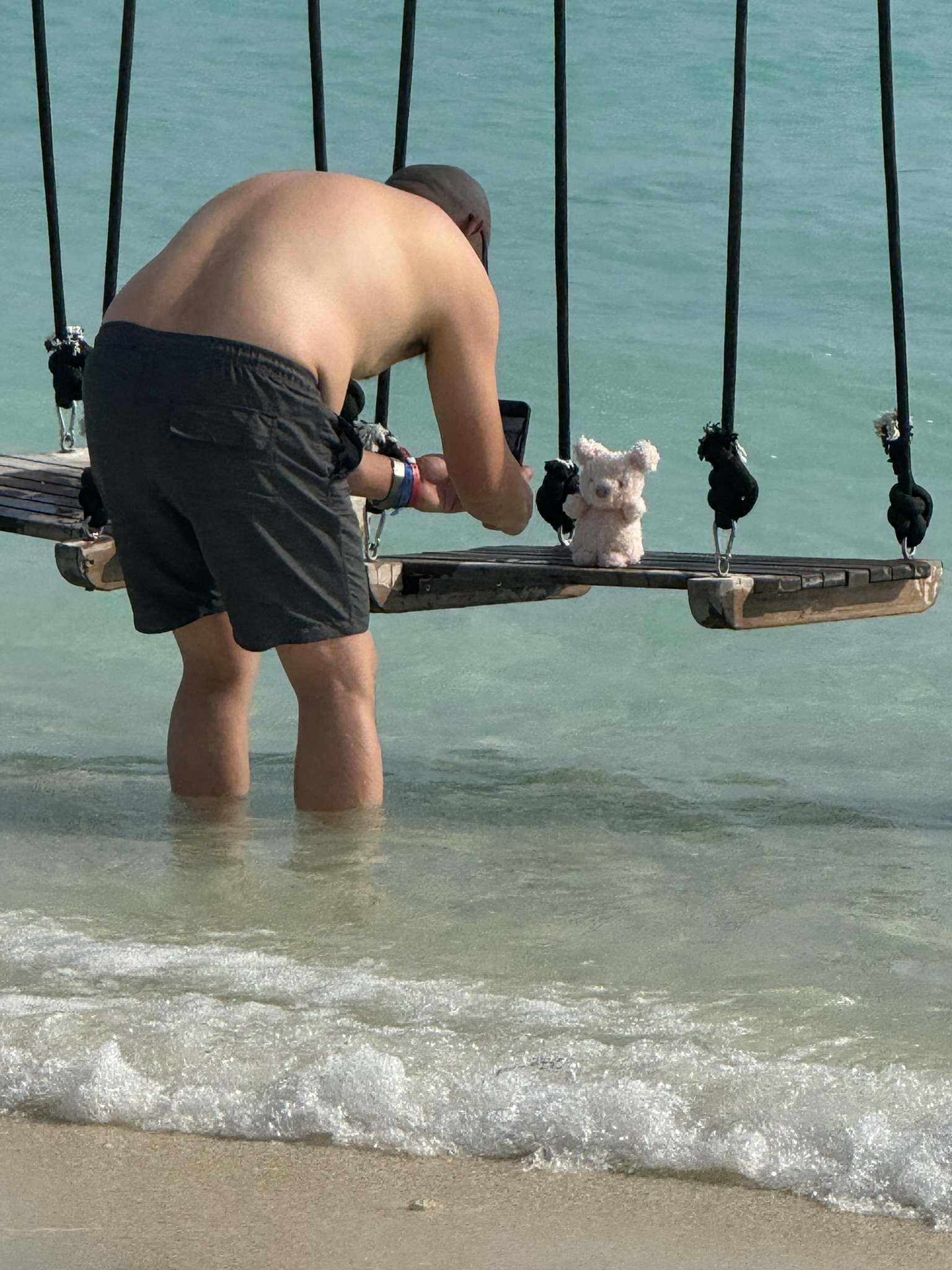
Weiwin, after seeing Larkin make a story with Haru, is taking around a little bear and taking photos for his high school daughter, Dora. We tried to get Haru to sit on the swings, but there were usually other people in the way when we were ready! Larkin was great at swinging on these, me not so much. We all enjoyed a dip in the ocean which put smiles on everyone’s face. The resort was most full with tons of other tourists – but still fun!
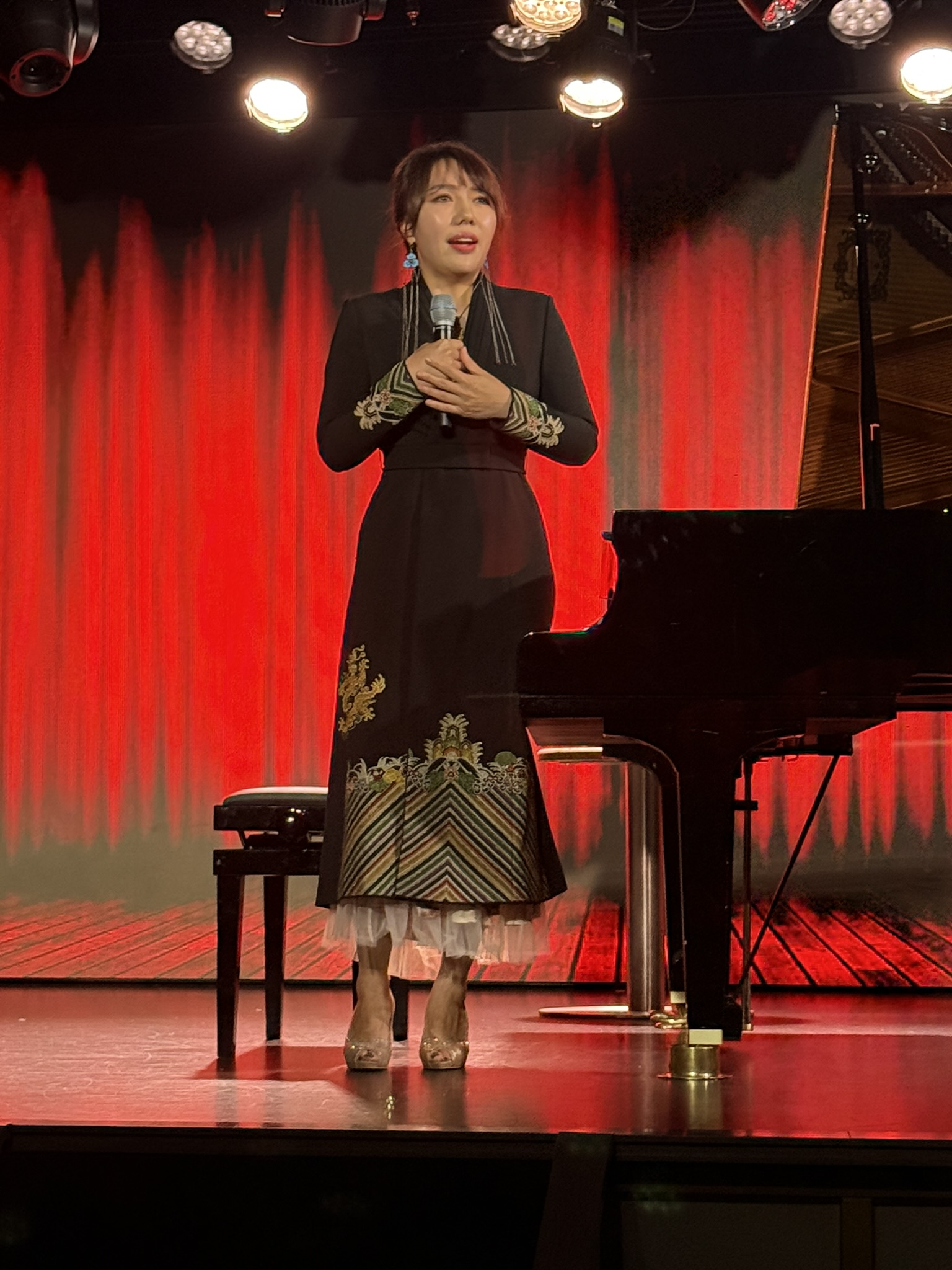
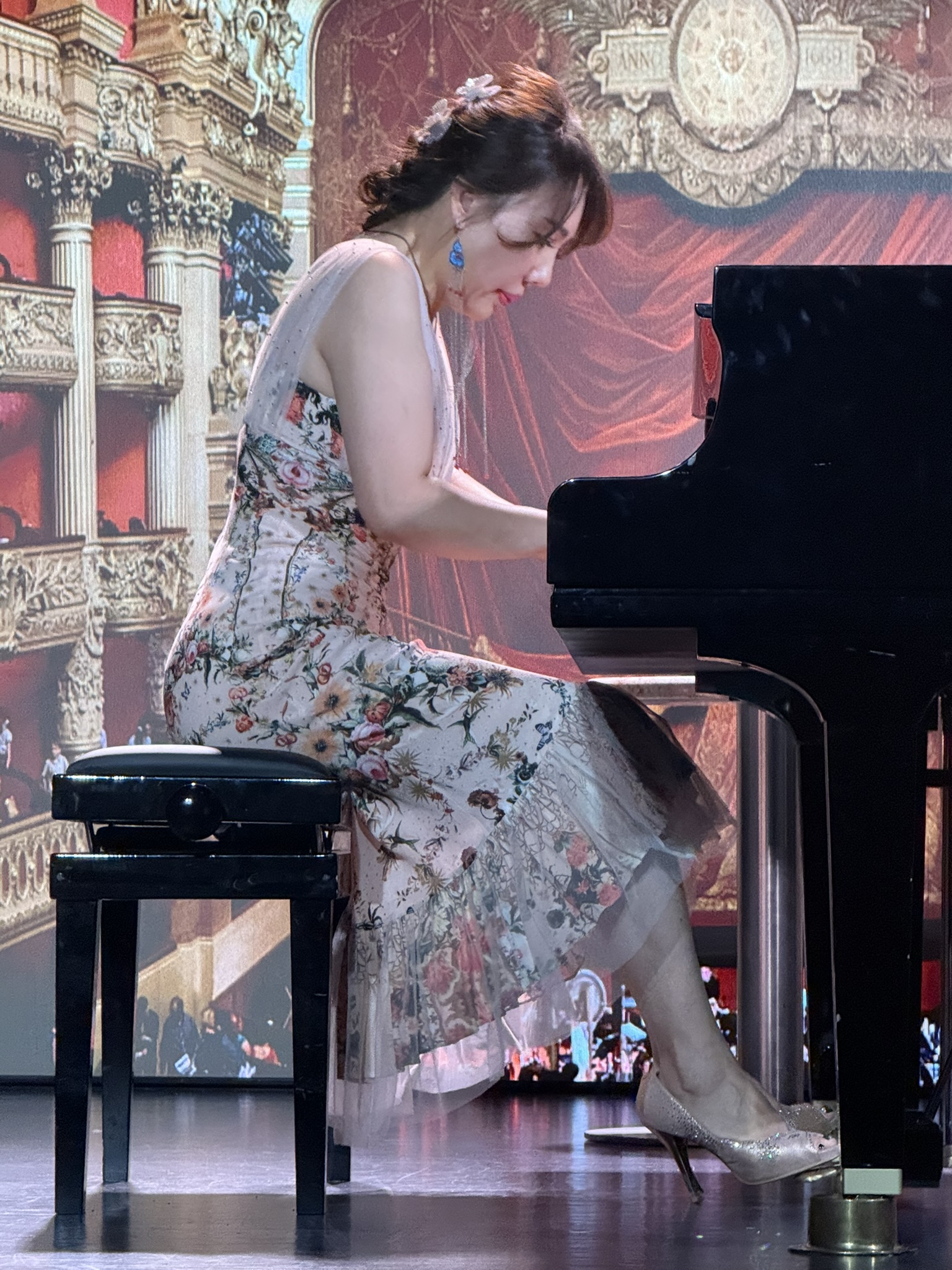
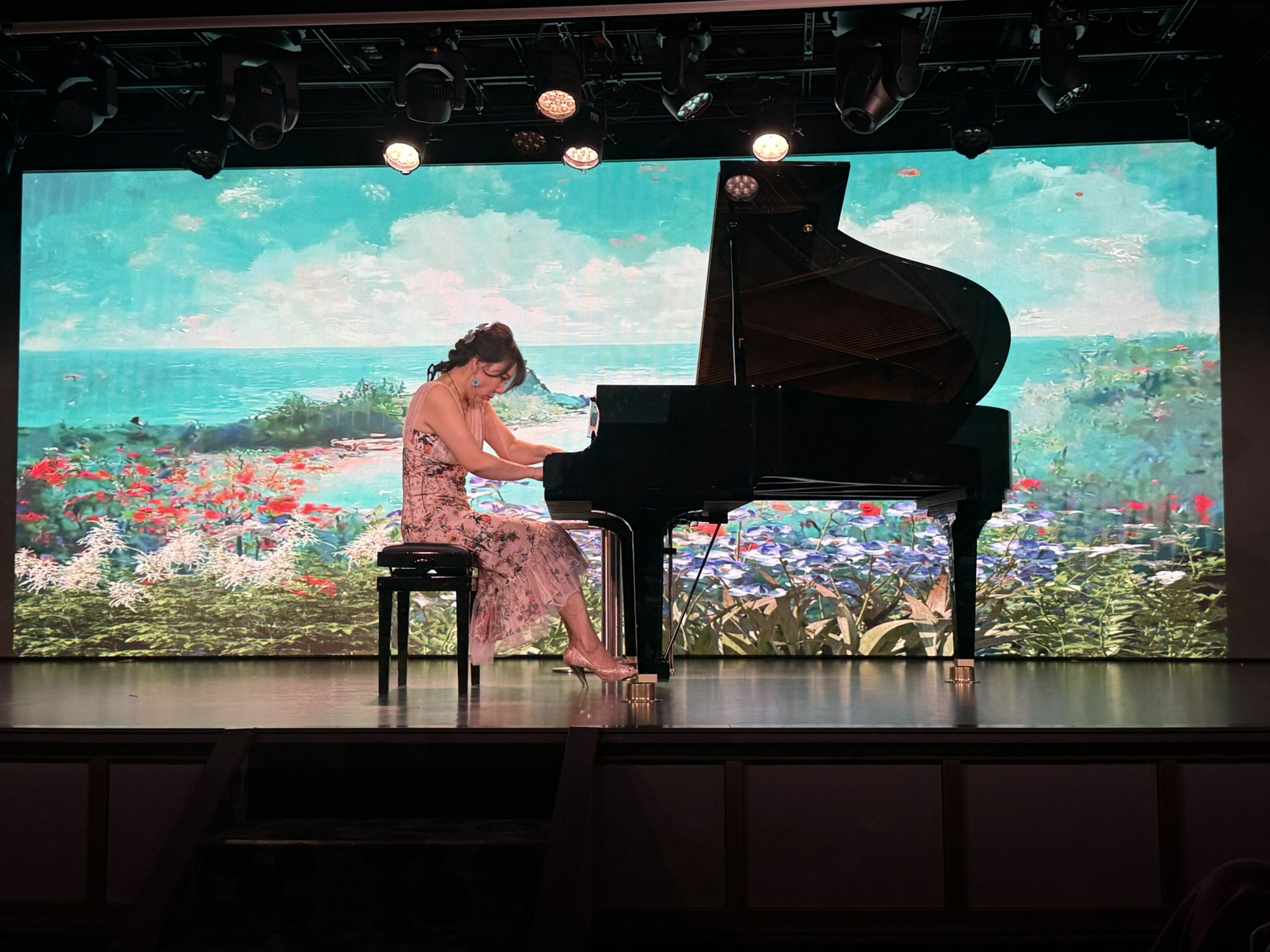
We had a wonderful performance by Ning (Fu Ning)between Mahe and our next port in the Seychelles. She explained the different types of music and followed each with a song. She wowed the packed audience. We are often blessed if we walk through the Dolce Vita lounge when she is practicing in the afternoon! You can play the video in full screen or just enjoying listening!
Fu Ning playing in concert!
We are truly behind on posting our wonderful port stops. Sometimes its the wifi and transferring photos and sometimes we don’t have the creativity needed with so much negativity going on in America. Love that Paige sends videos and photos of my little boy JJ who is now 4 years old!
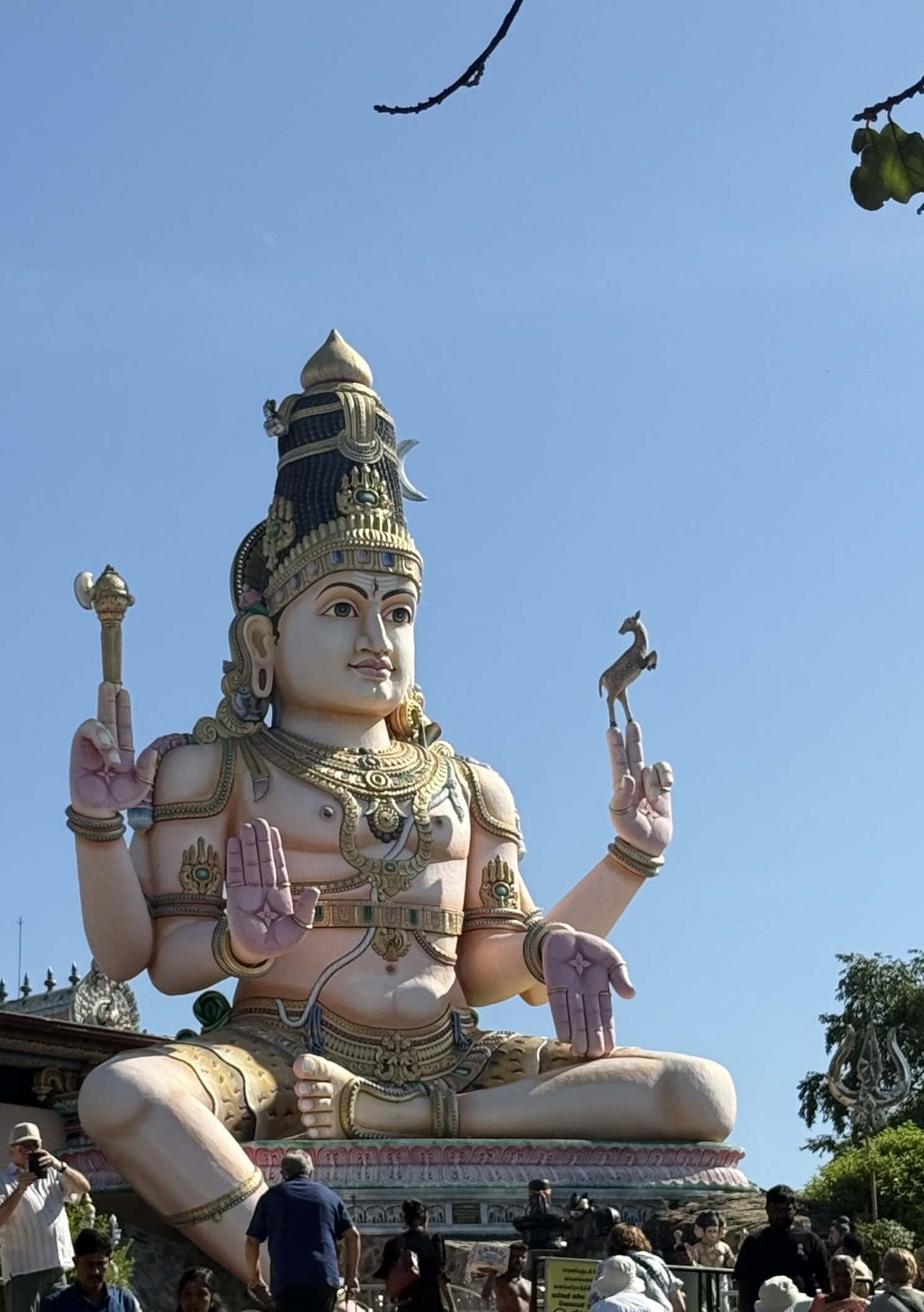
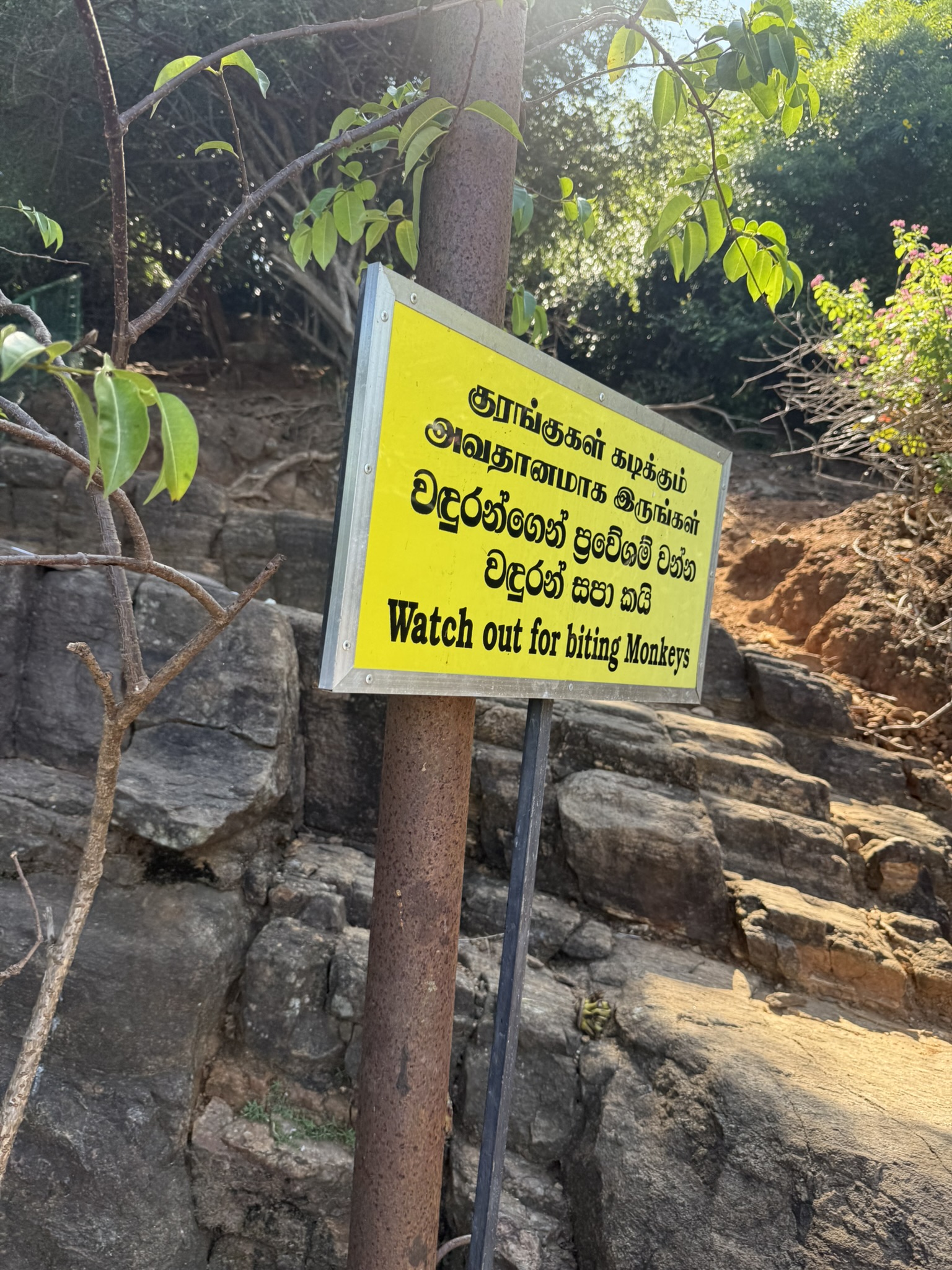
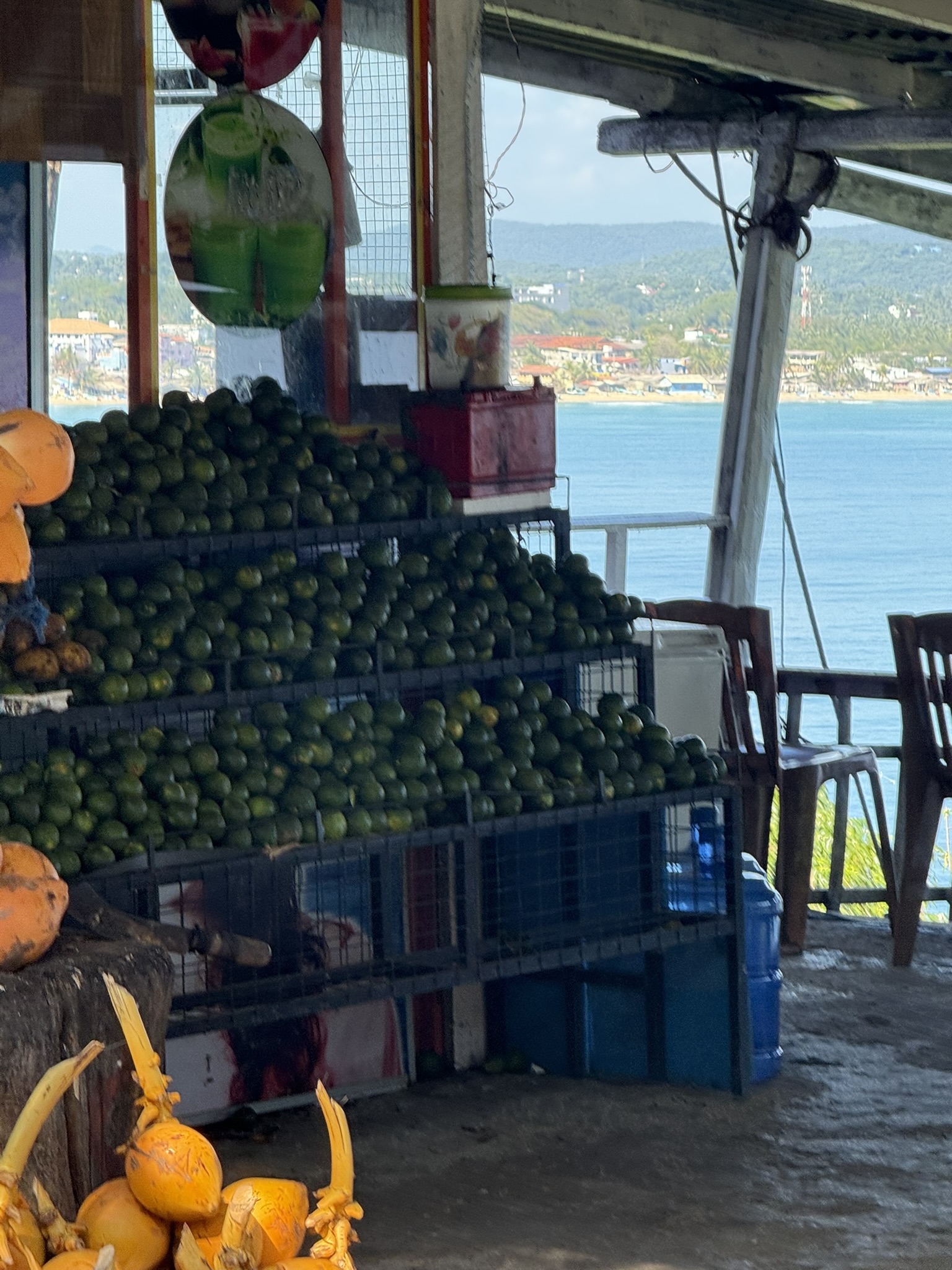
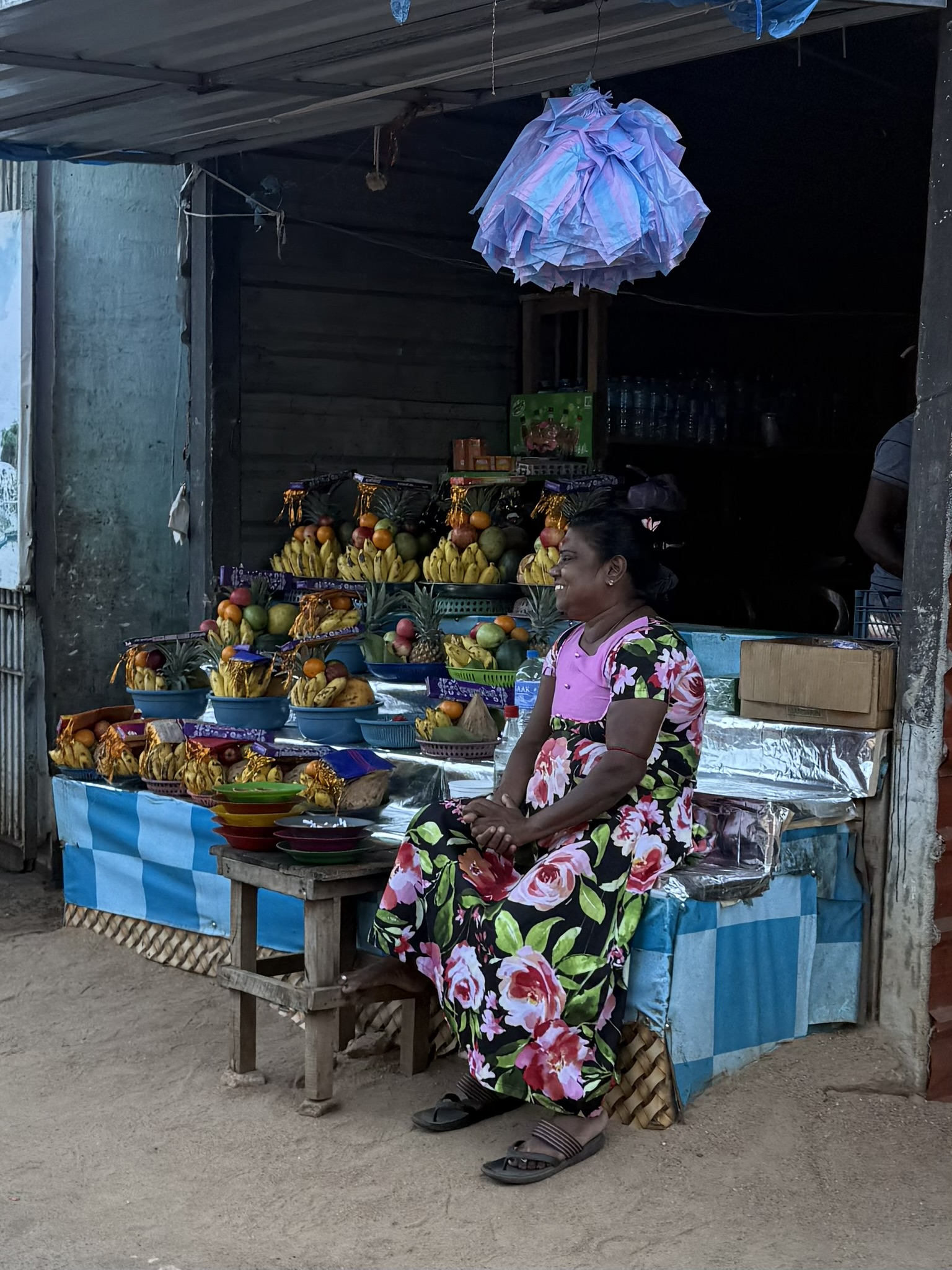
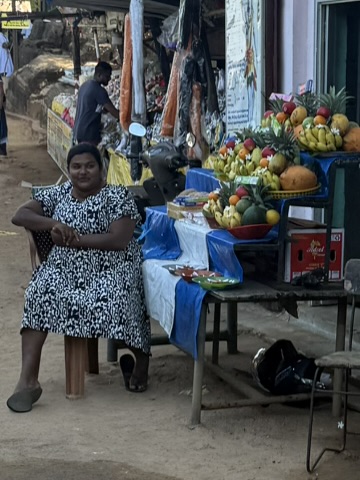
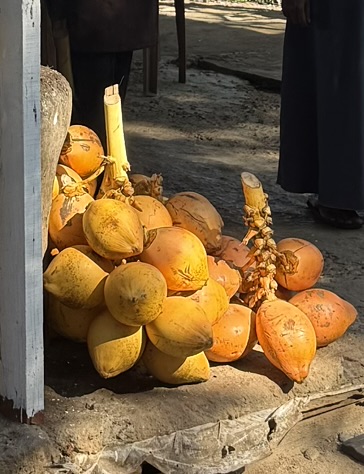
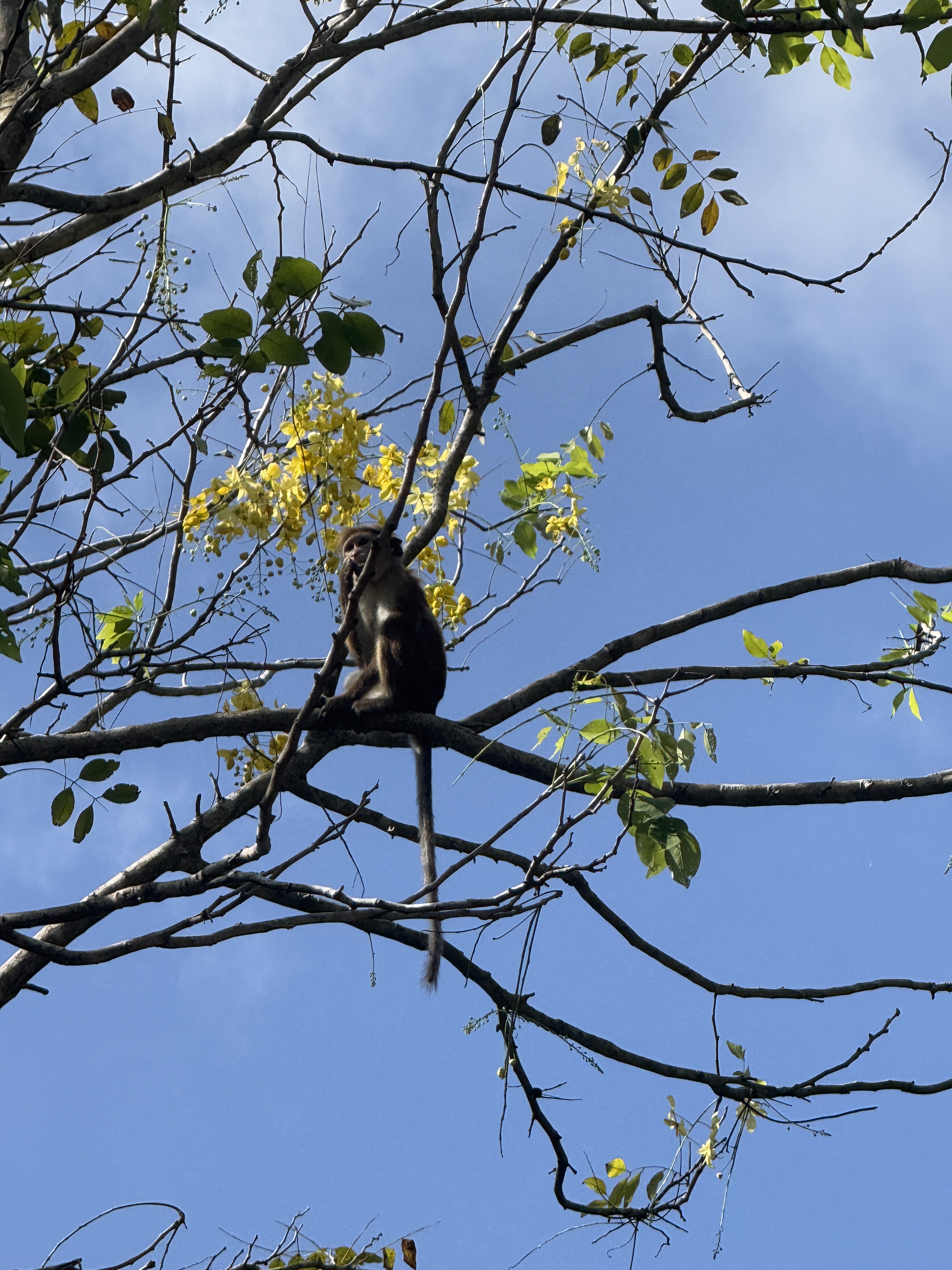
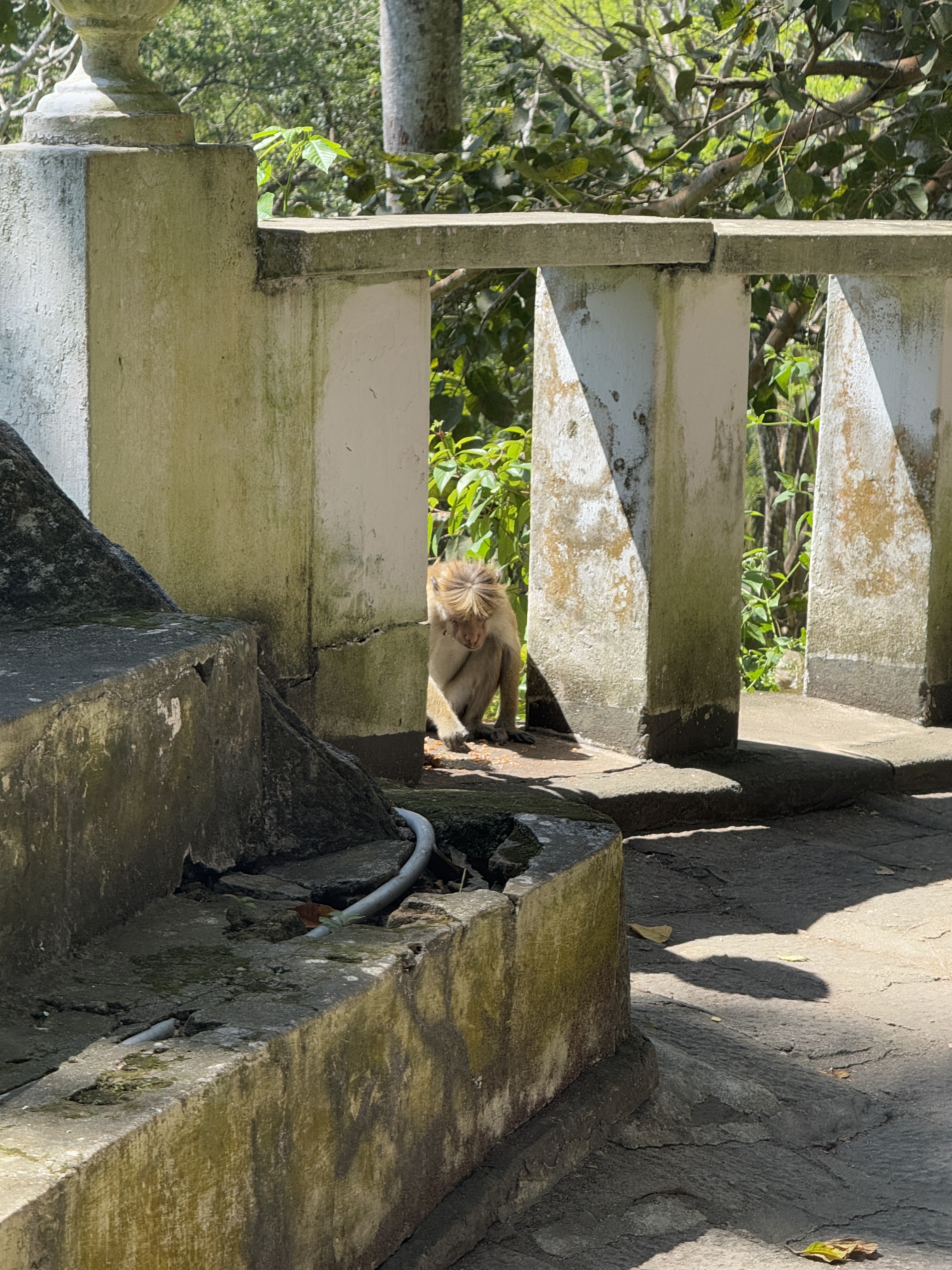
The first stop in Sri Lanka was Trincomalee, which is on the eastern side of the island of Sri Lanka. The first excursion was to temples and sites of the city. First up was the temple, Koneswaram inside Fort Frederick. It was a Hindu temple complex found BCE, described in 400-100 texts. It was destroyed by the Portuguese in 1622 and a fort was built on the site. It was preserved through restorations in 1952 after Worldwide interest was renewed following the discovery of its underwater and land ruins, sculptures and Chola bronzes by archaeologists and Arthur C Clarke. The walk up had plenty of food items to buy for an offering, tourist things and children’s toys. We never saw a monkey at this location. However there were plenty of limes – ready for a margarita?
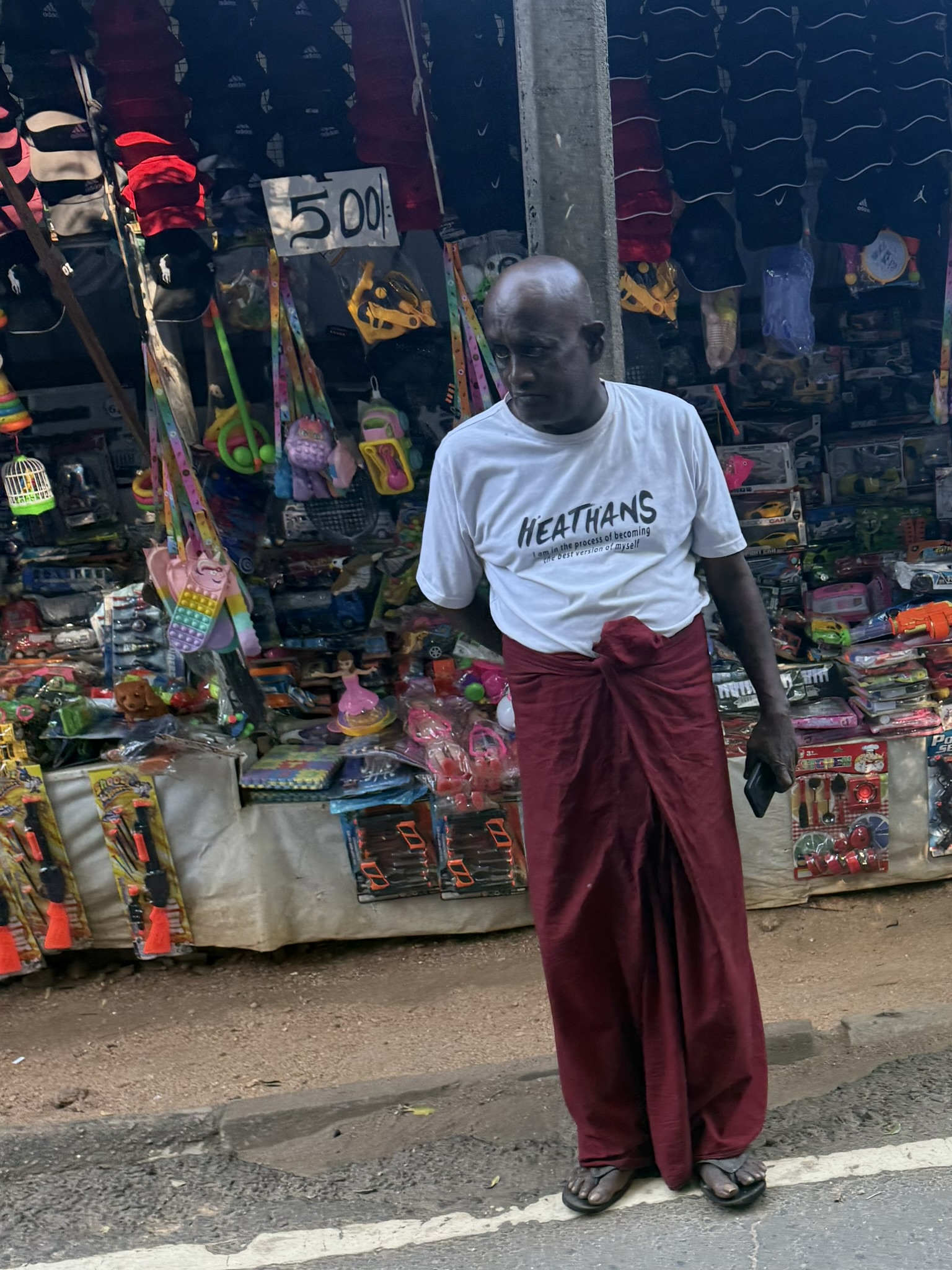
My favorite t-shirt on the excursion was on this beautiful man…Heathans, I am in the process of becoming the best version of myself. We should ALL aspire to that teaching!
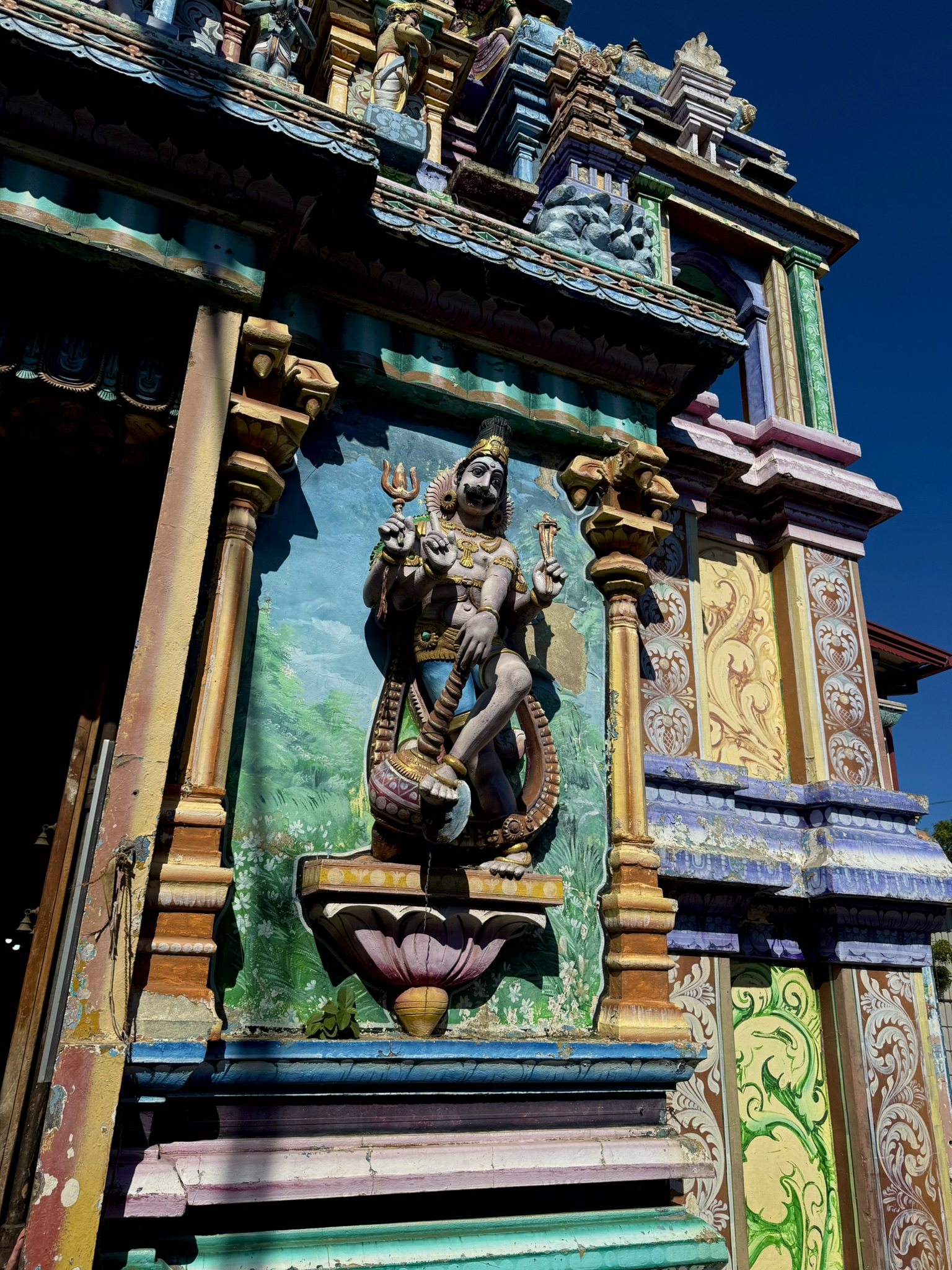
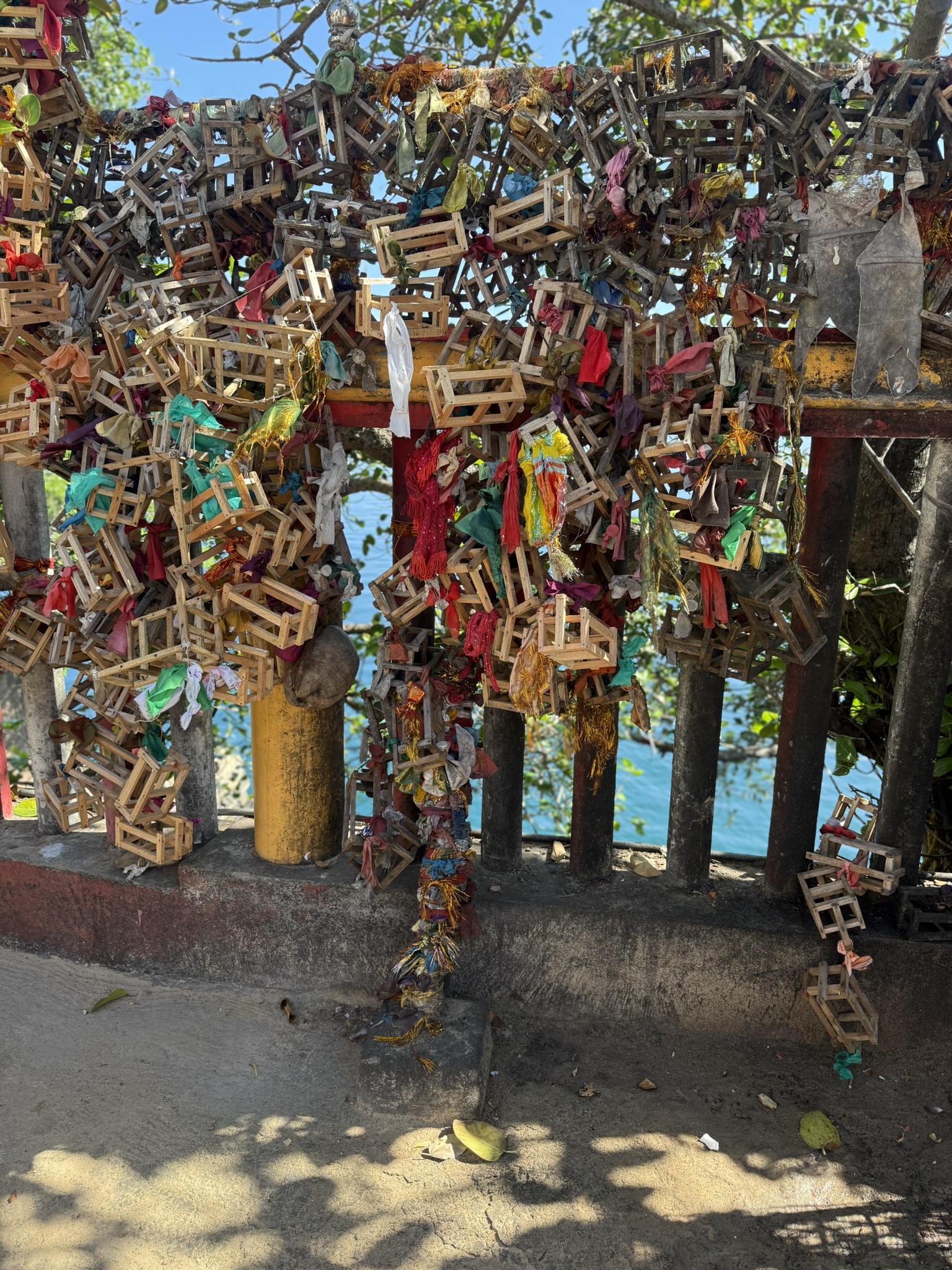
The temple and everything surrounding it was so colorful. Women would tie a little wooden cradle on the fences with bright colored ribbons as an offering to the gods to bless them with a baby!
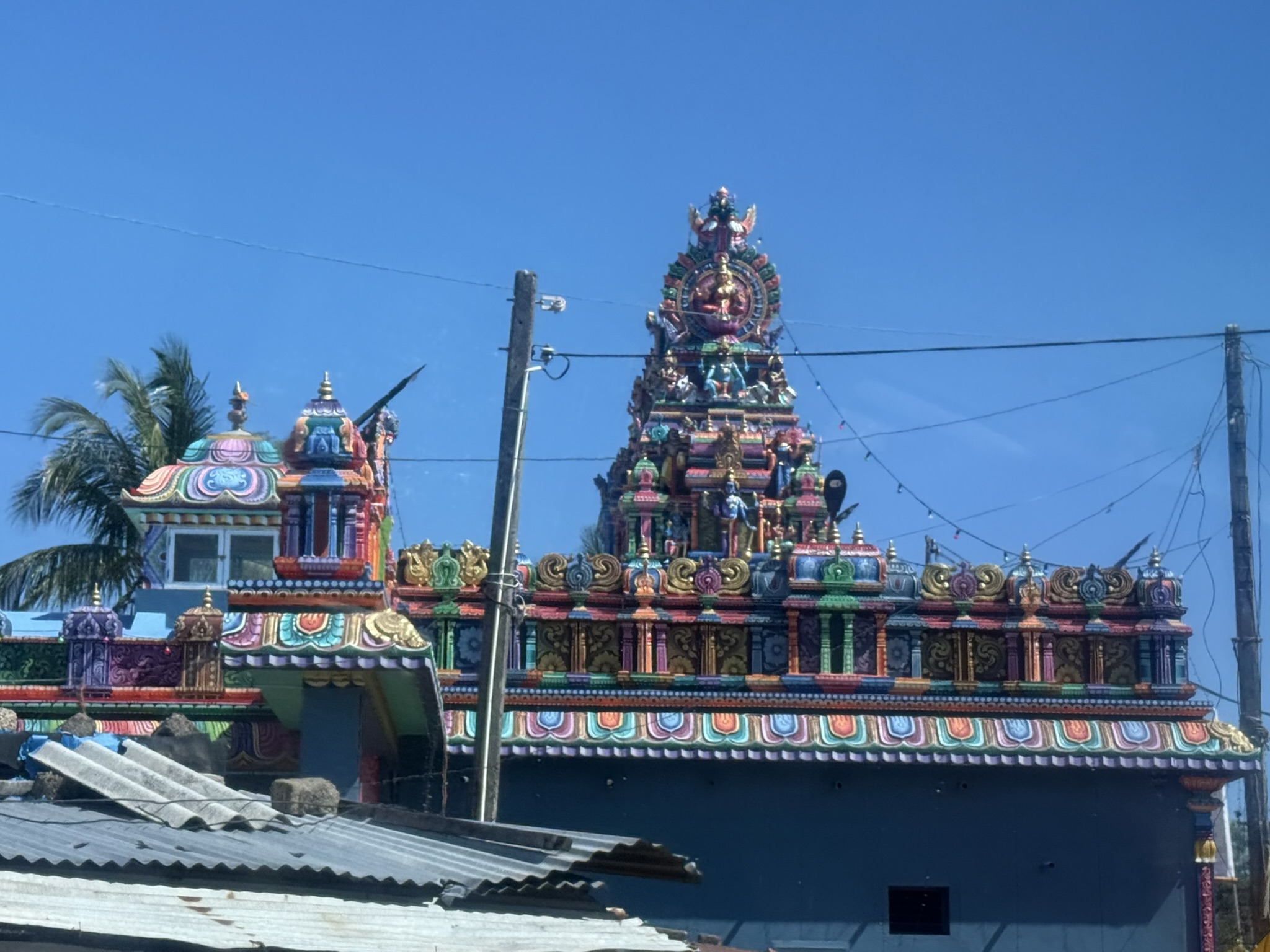
Ravana’s Cleft near the temple at Swami Rock is 350 feet above the sea level and looks straight down into the ocean below. The geology is interesting but Hindu legend says that King Ravana cut the rock and was punished and this cleft is the result. The colorful detailed temples while driving from place to place truly are amazing in their use of so much color!
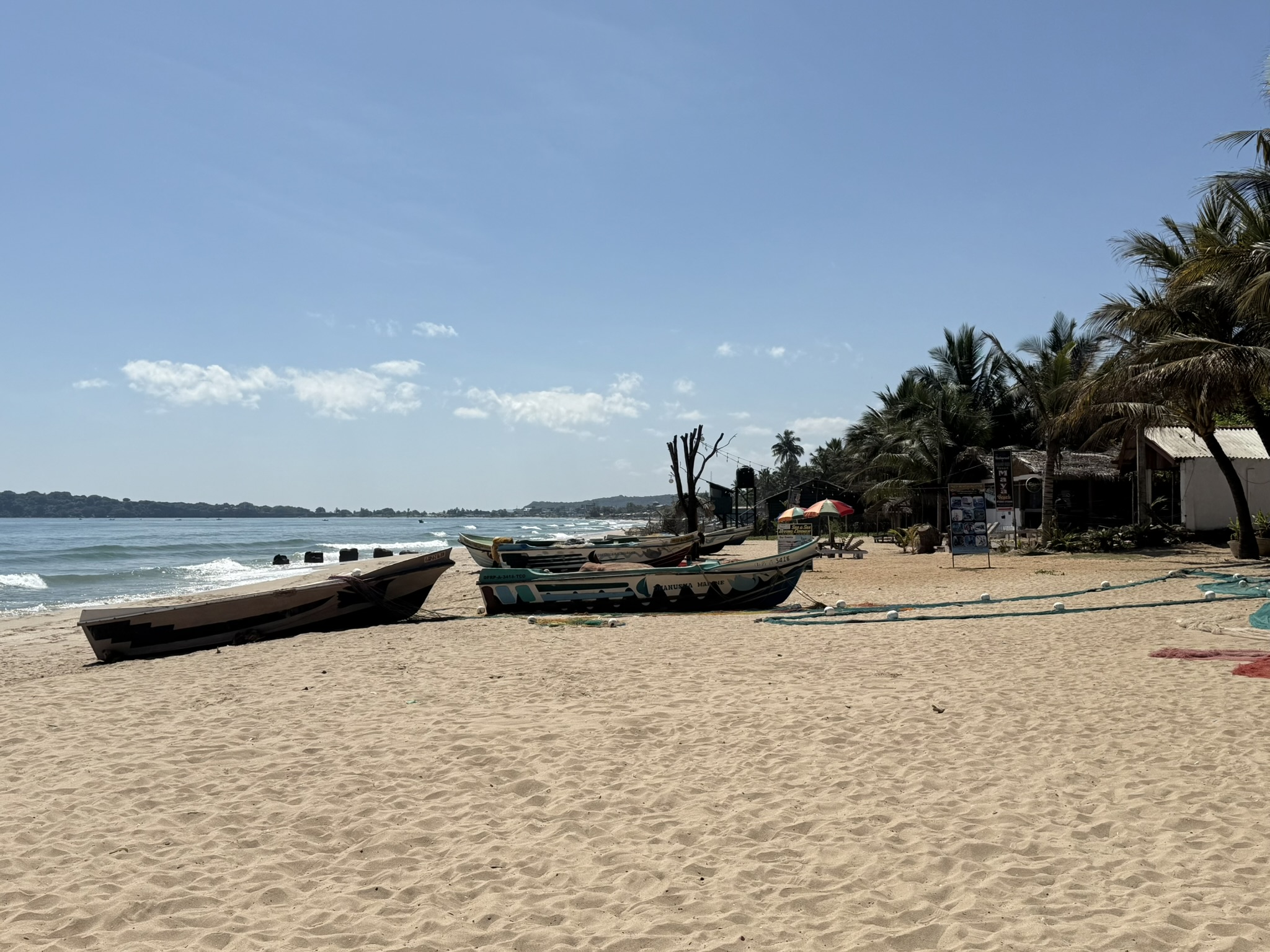
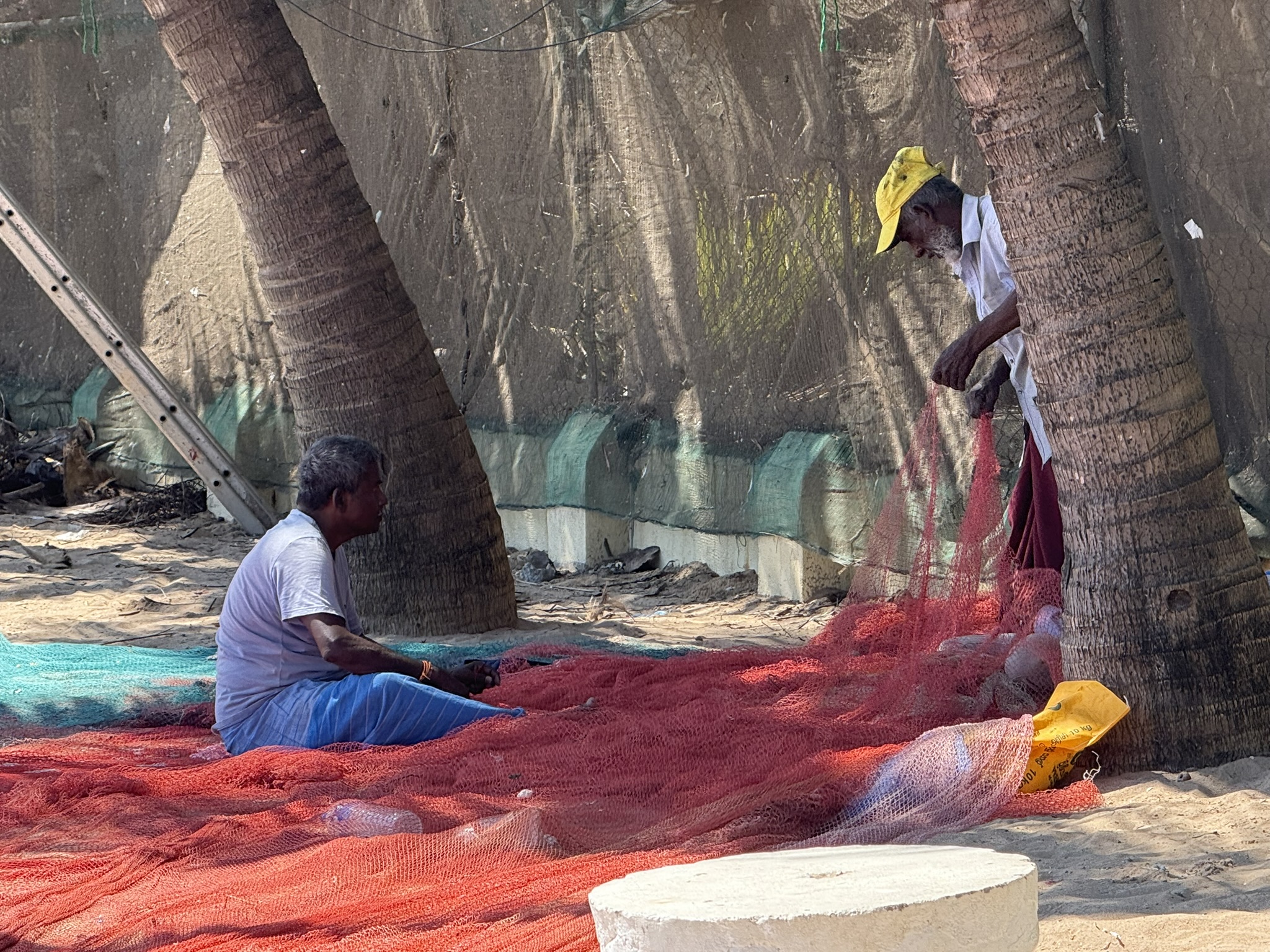
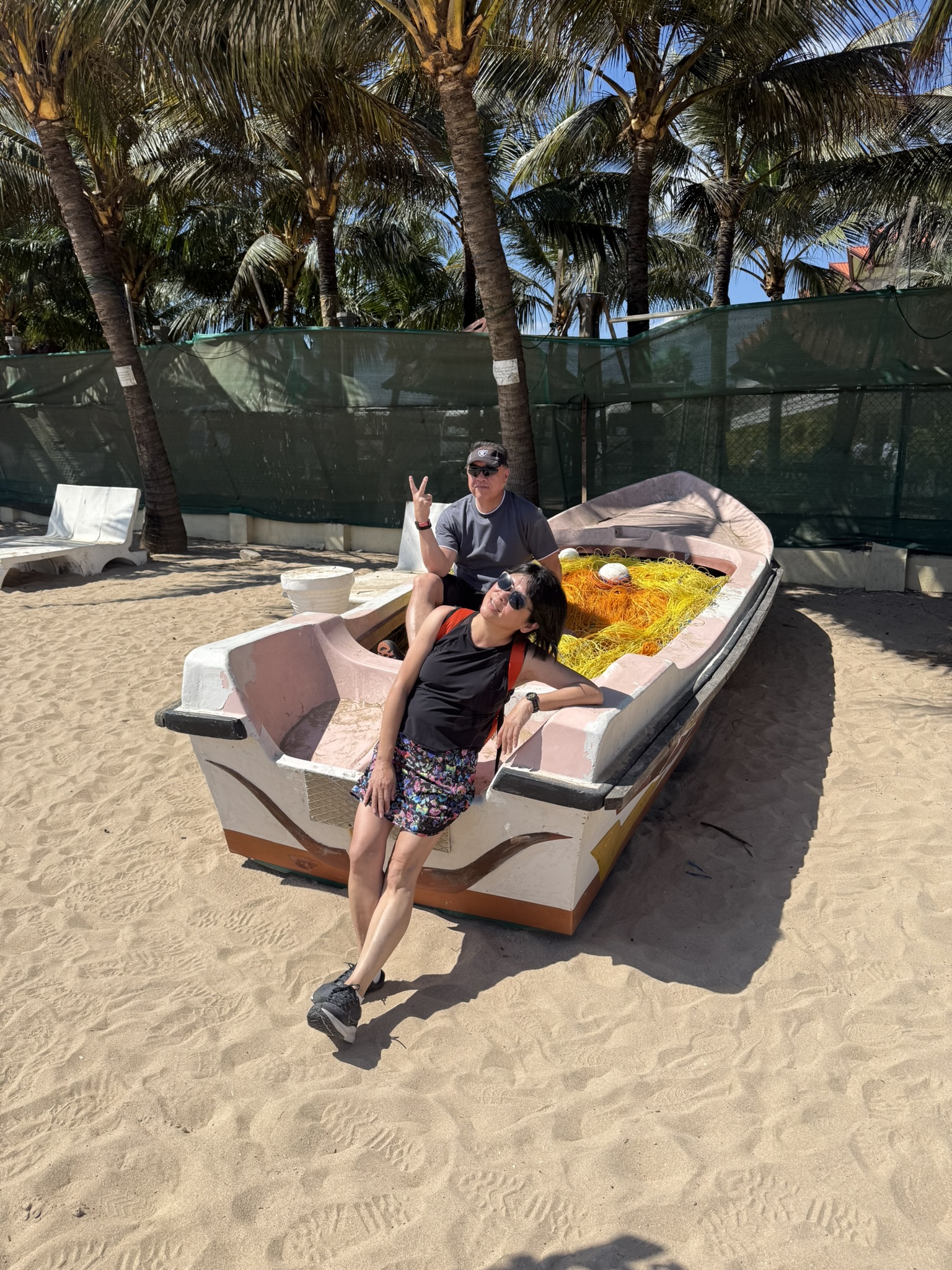
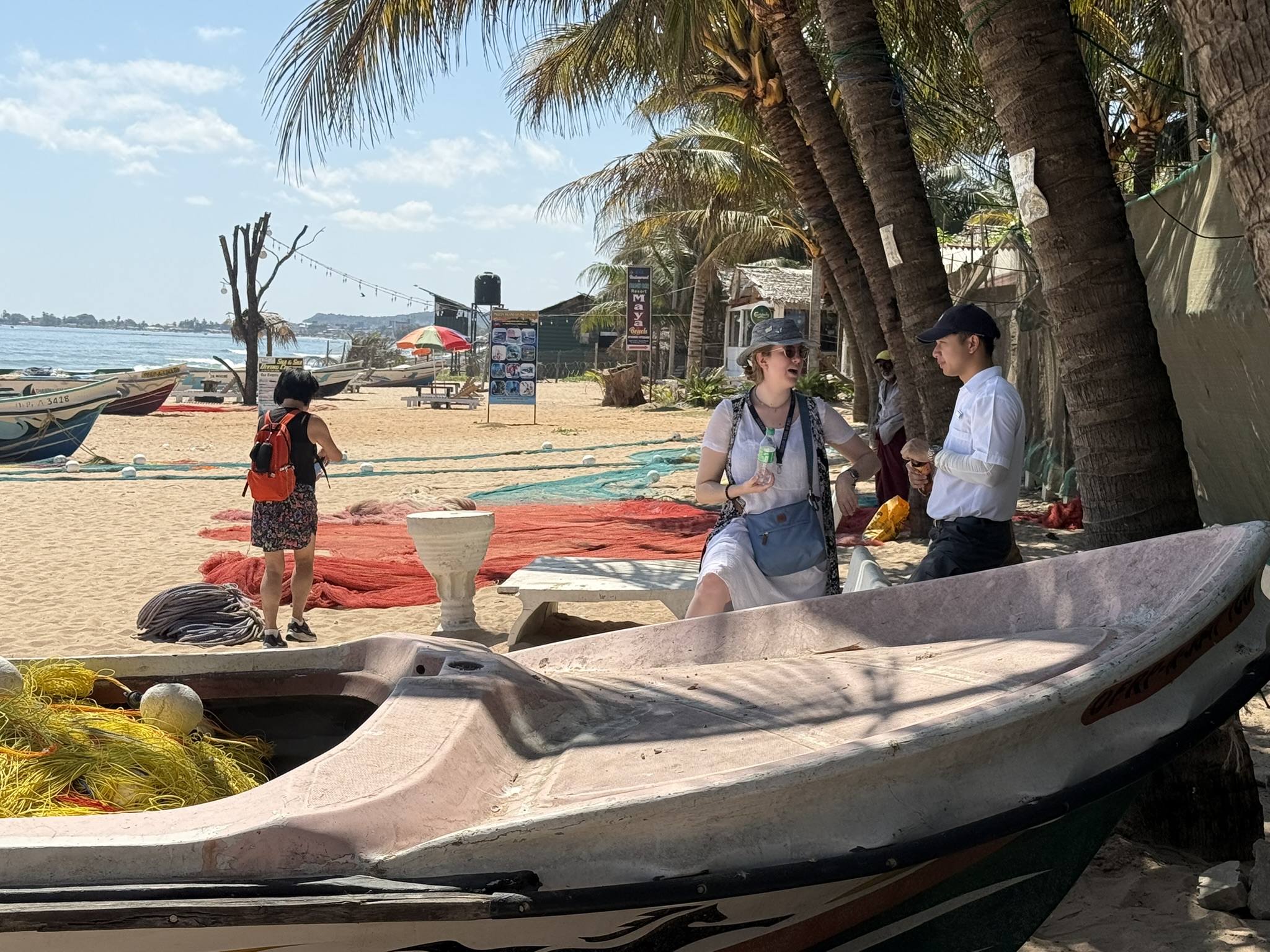
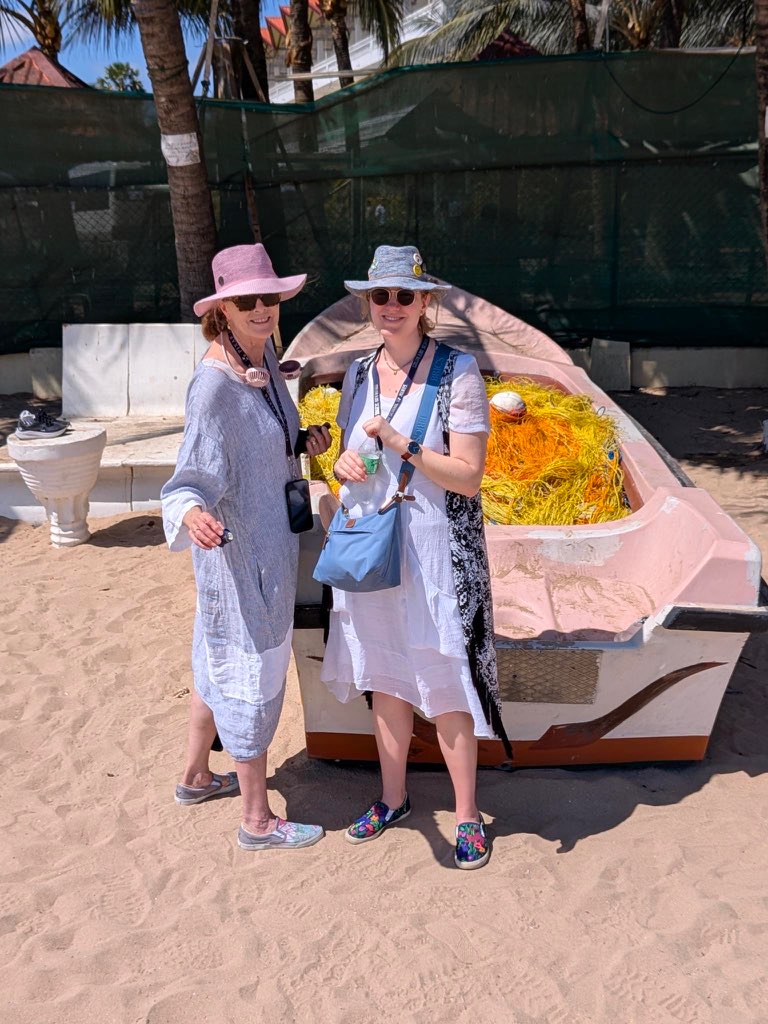
We stopped by a beach with all the bus tours and had a chance to get a drink (hot coffee was NOT my idea of a refreshing drink !) We enjoyed the walking on the beach watching men fixing their nets and friends enjoying the parked? boats!
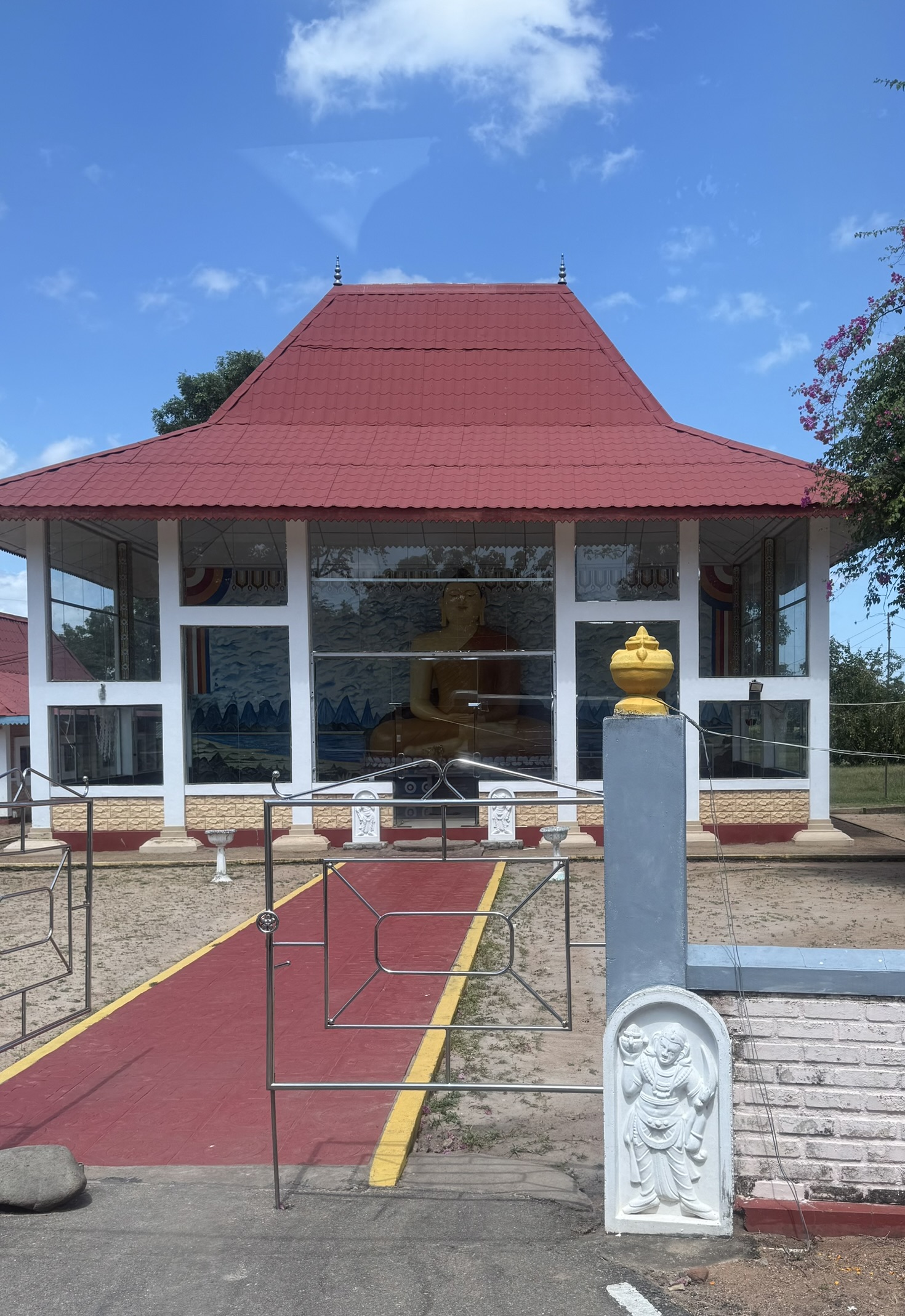
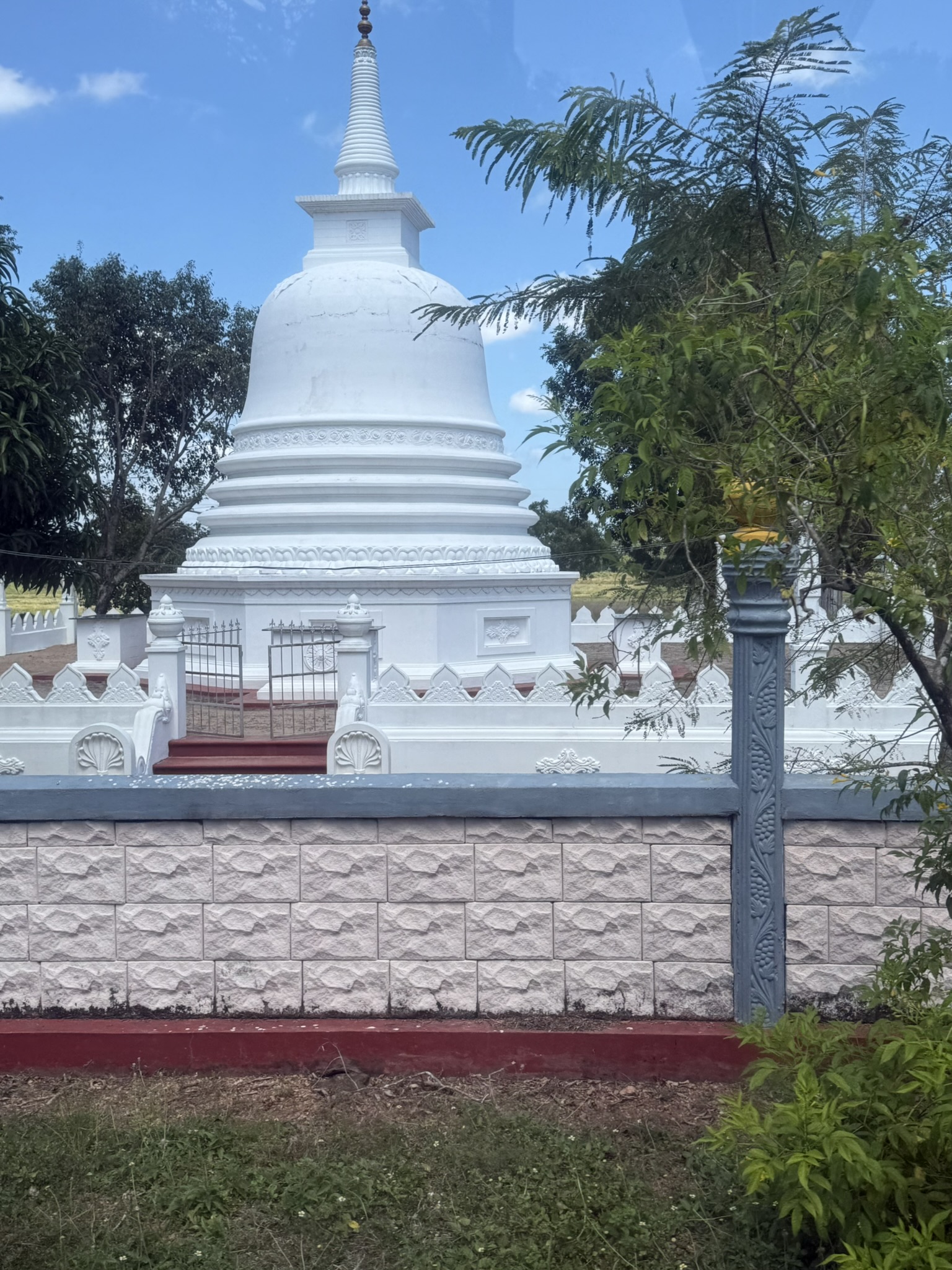
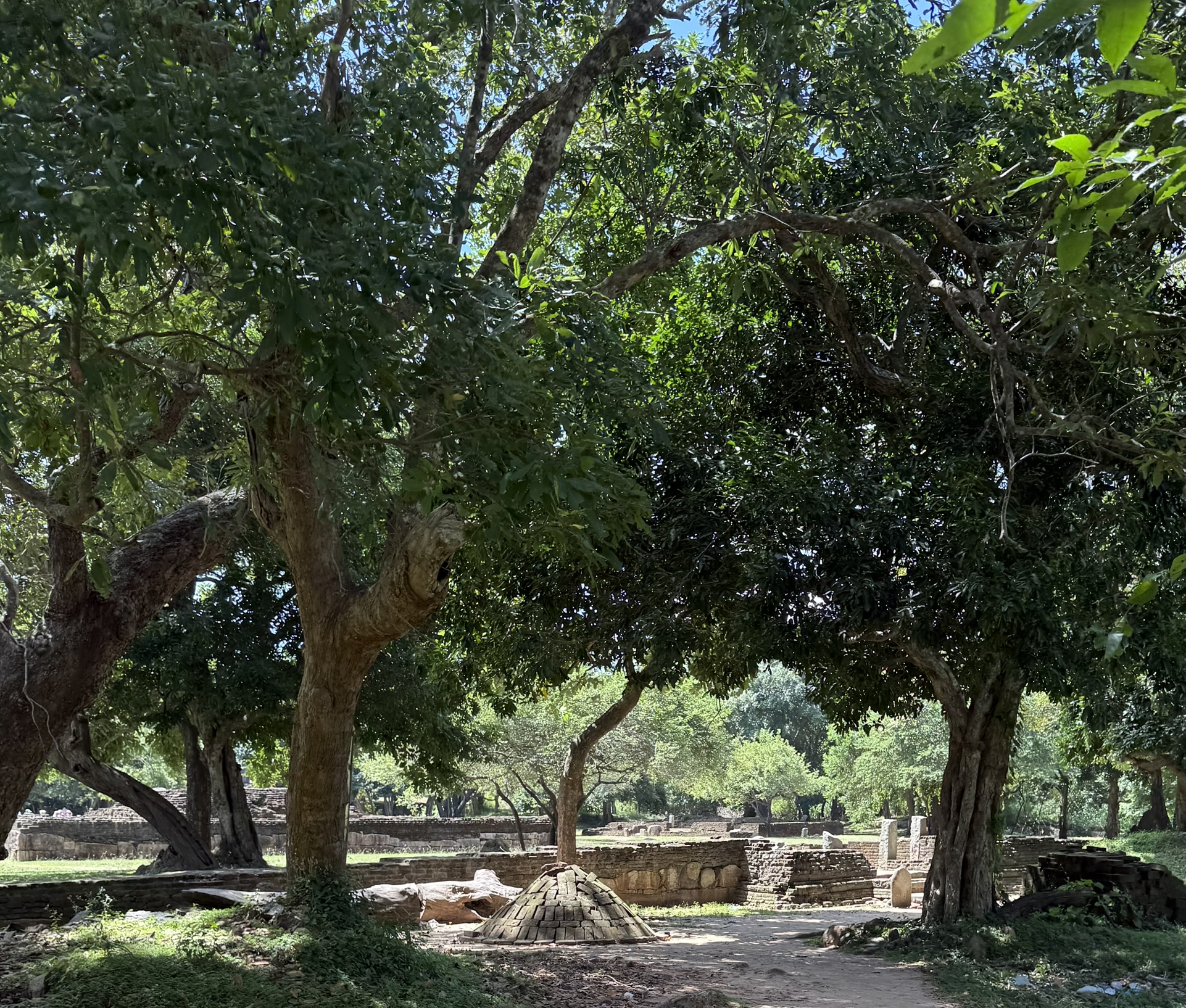
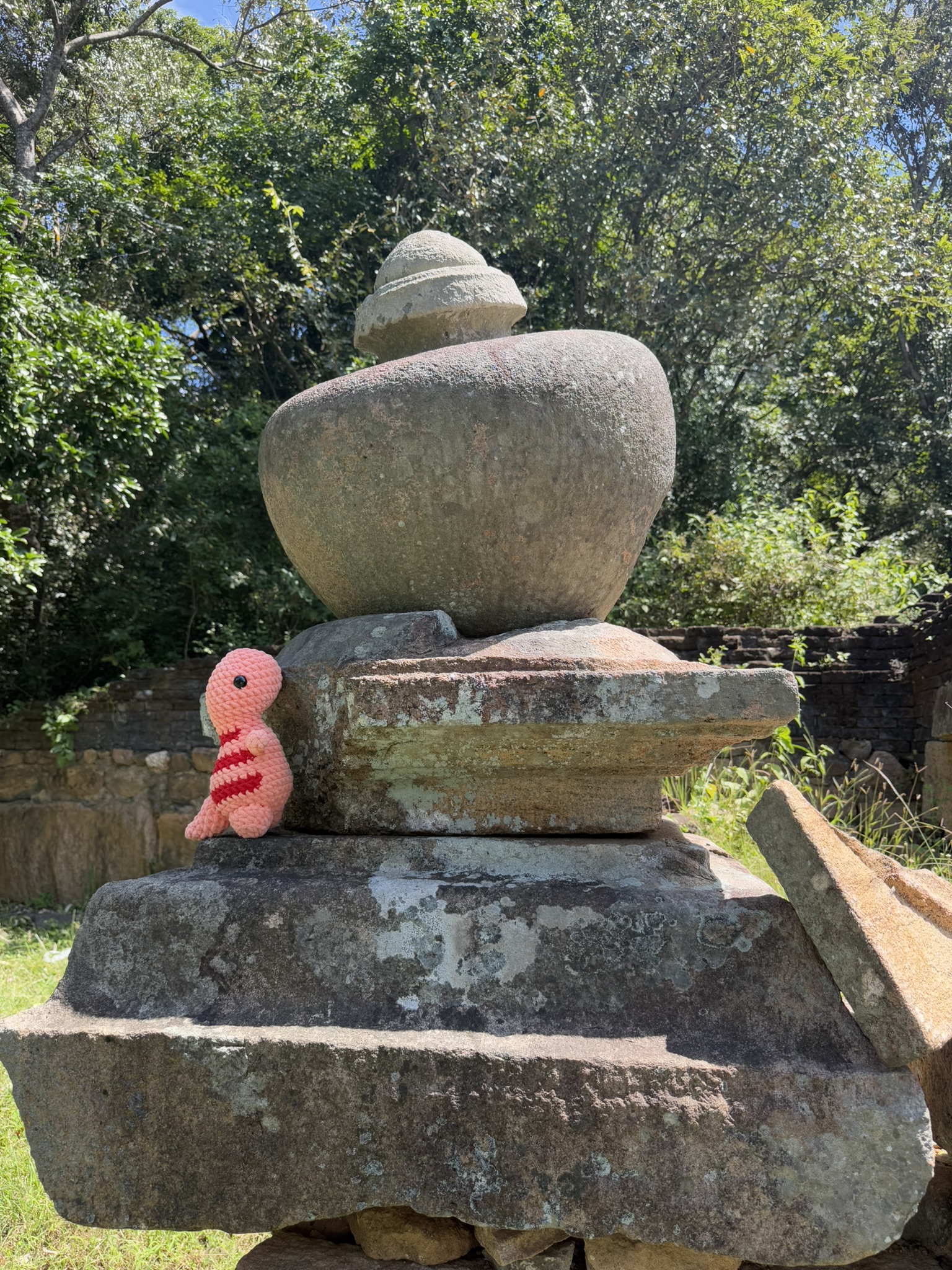
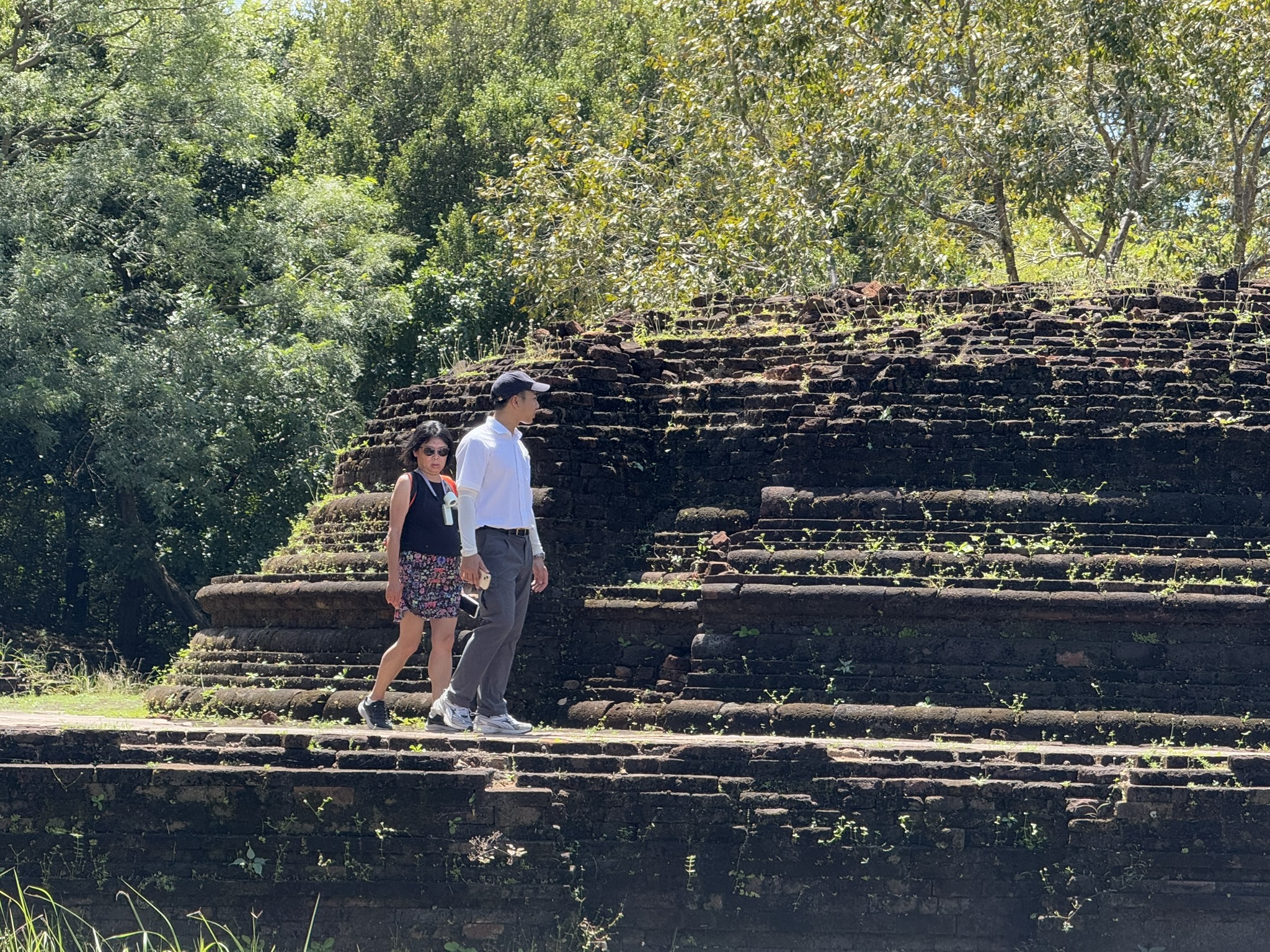
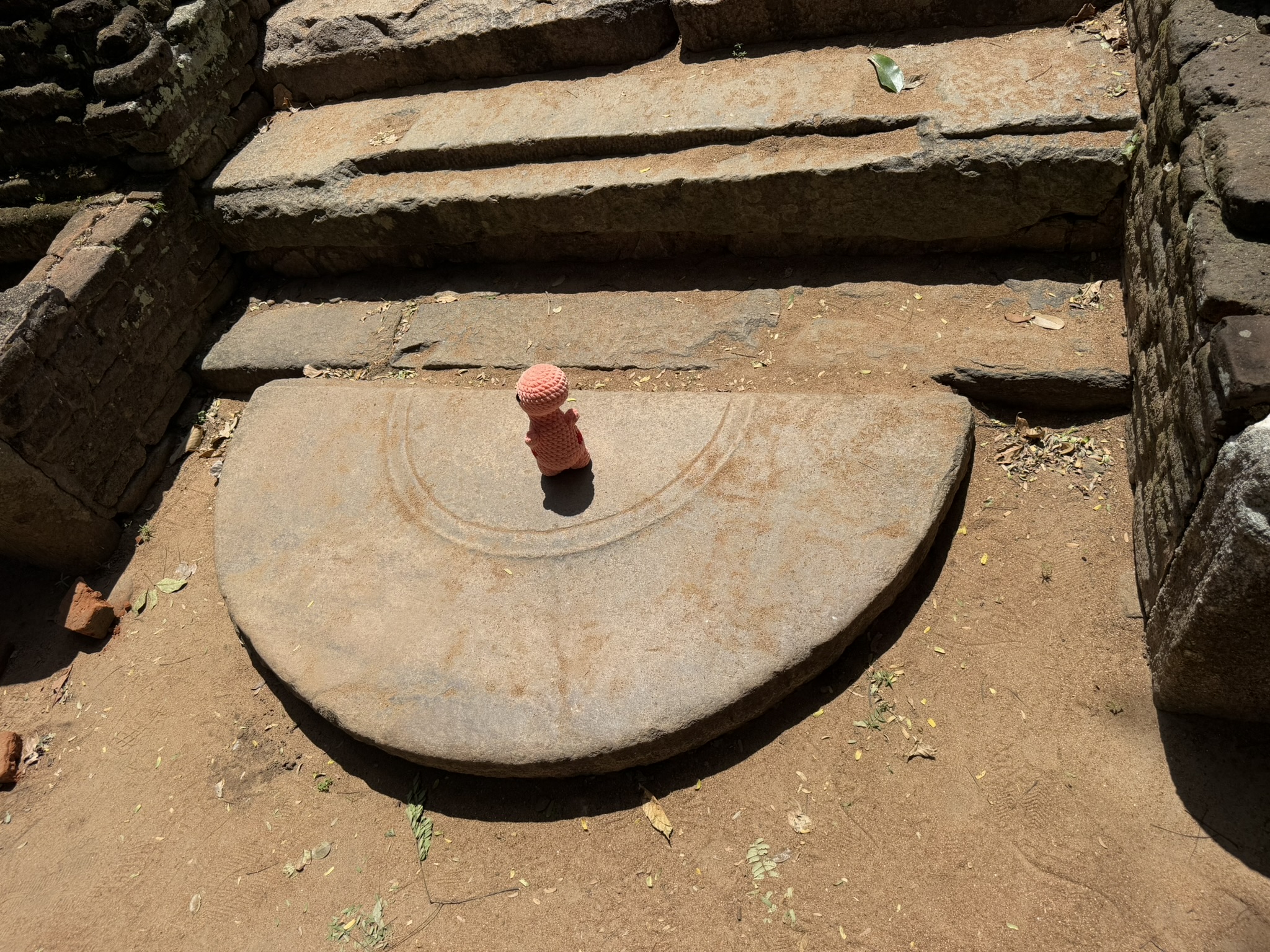
We went by a modern temple to arrive at the ruins of Velgam Vehera. It is an historical Buddhist temple. It also known to Hindus as Natanar Kovil. Historically Velgam Vehera was a very important Buddhist temples in the country. The temple has been declared as an archaeologically protected site.
This temple is believed to be built during the reign of King Devanampiyathissa (307–267 BC) with later renovations haven been undertaken by other King’s. Following the collapse of the Anuradhapura and Polonnaruwa Kingdom’s, the population migrated to the southern part of country, which resulted in the temple being abandoned and falling into ruin. With the invasion of Cholas from India in 993 AD, many of Buddhist shrines were destroyed in the country. Velgam Vehara however managed to survive unscathed. The Cholas instead renovated the temple, adding their own structures and renamed it Rajarajaperumpalli. In 1929 the ruins of Velgam Vehera were discovered by the Sri Lanka Archaeological Department and in 1934 the site was declared as an archaeological protected reserve.
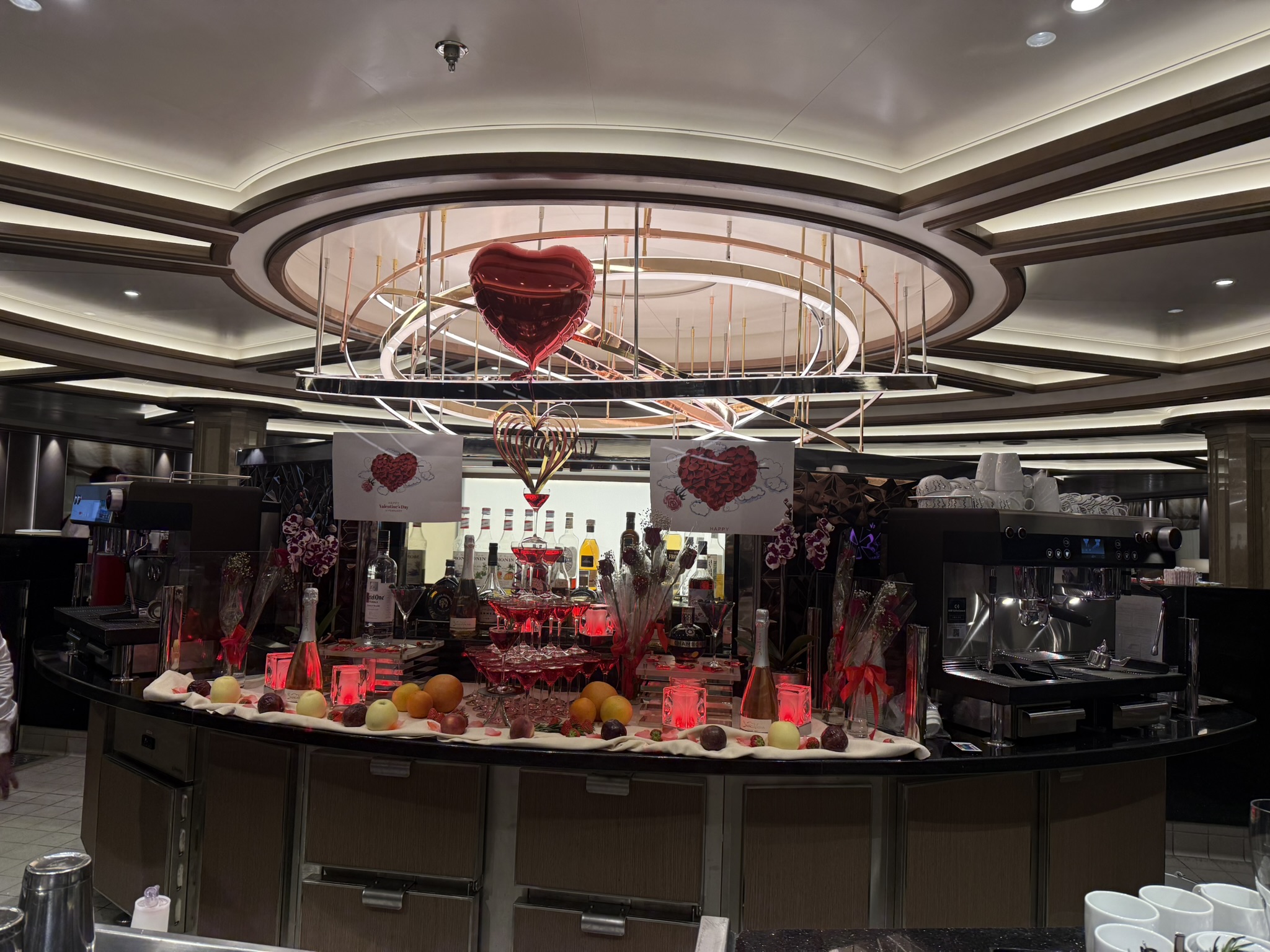
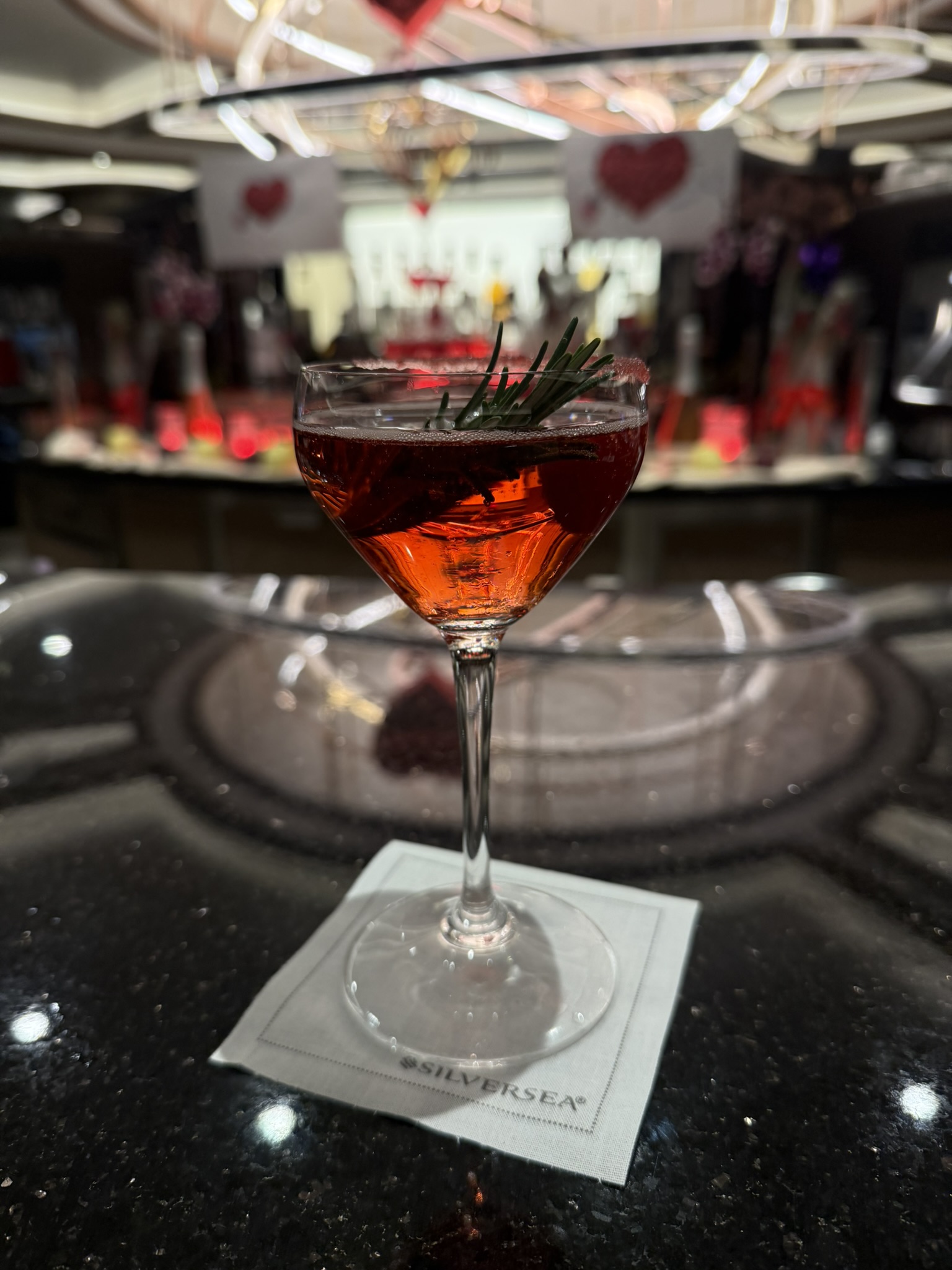
We had a beautiful valentines evening and Larkin and I were invited to the hotel managers table for other women on their own. It was special and we enjoyed being included!
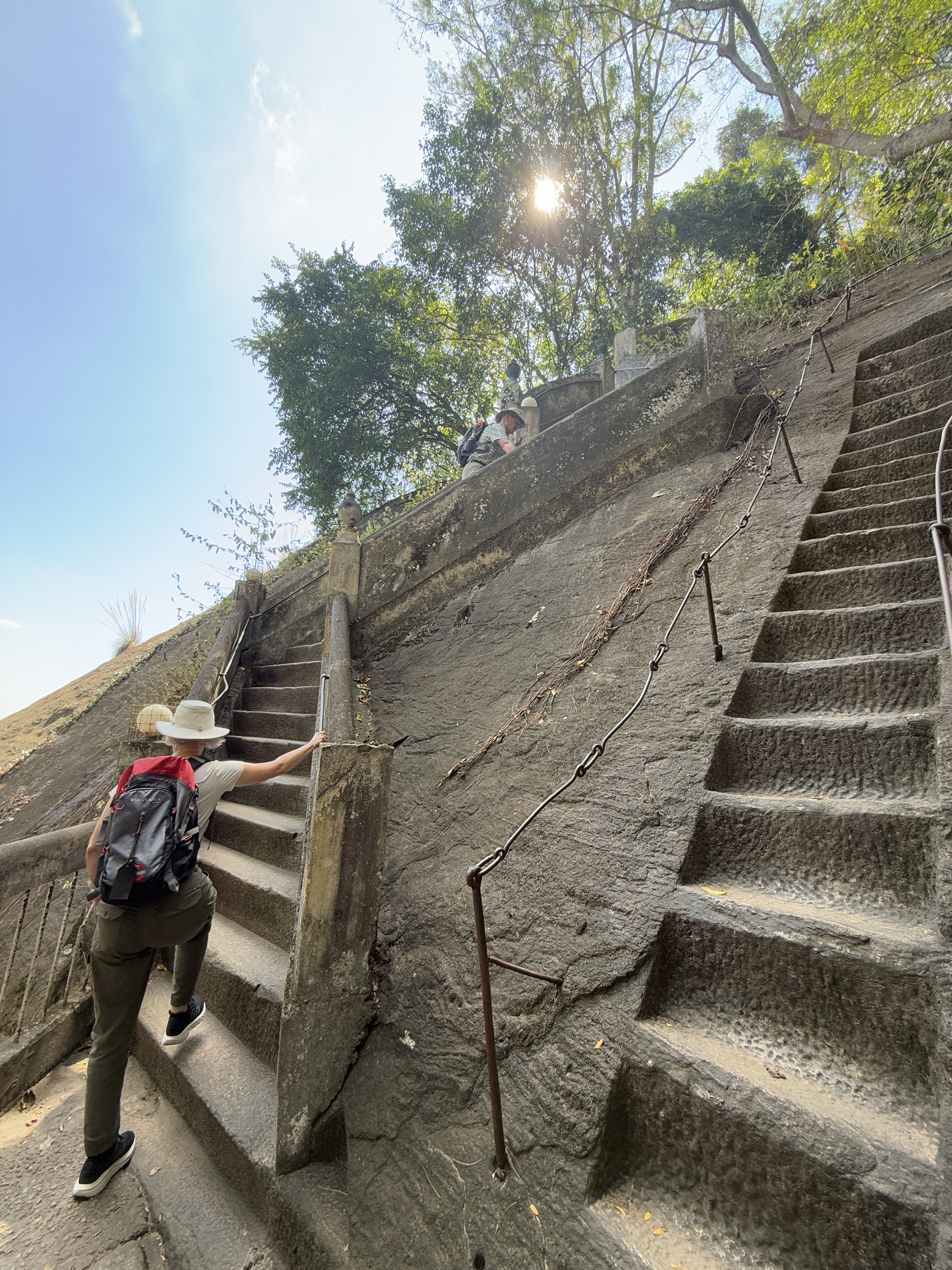
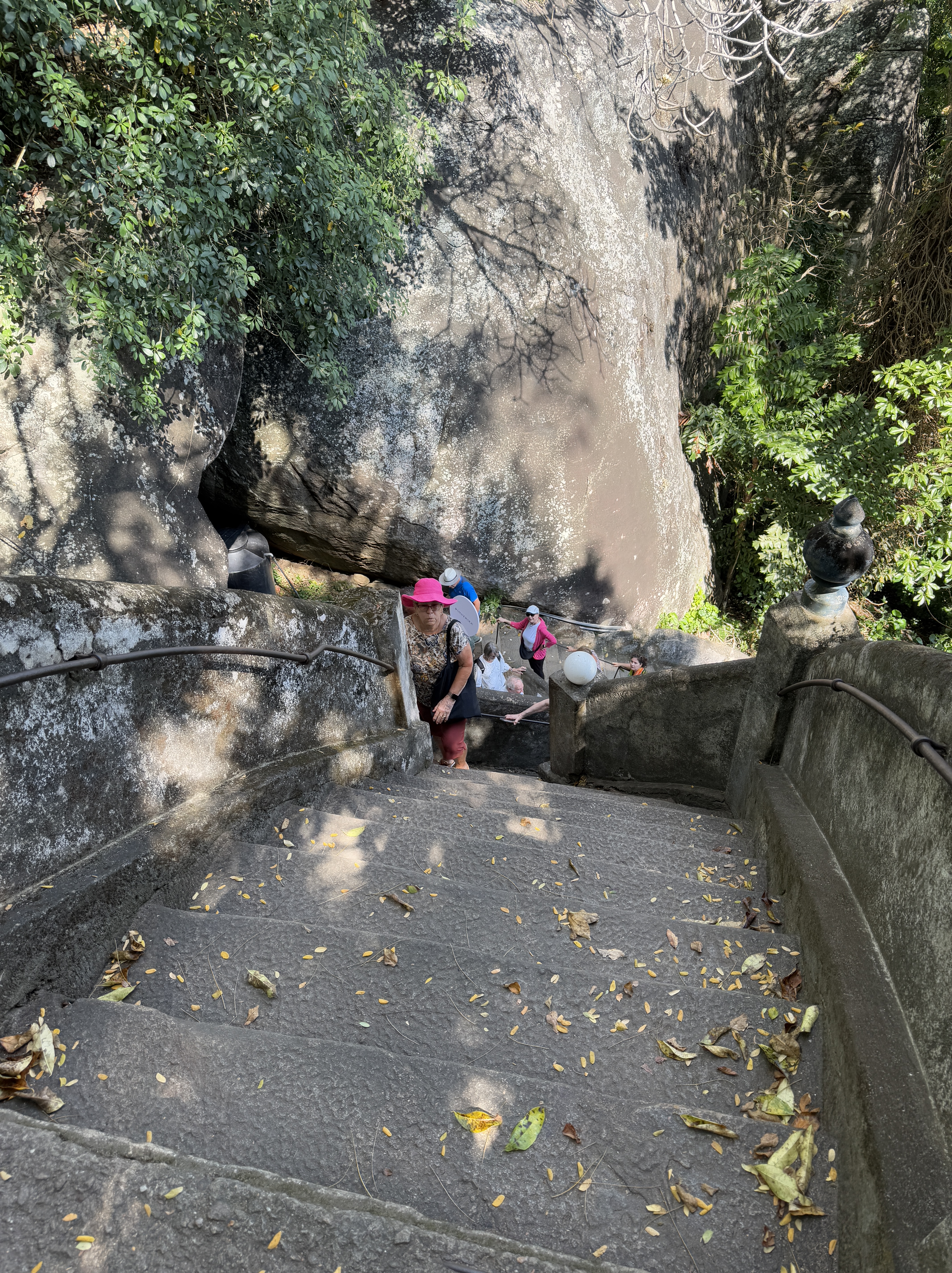
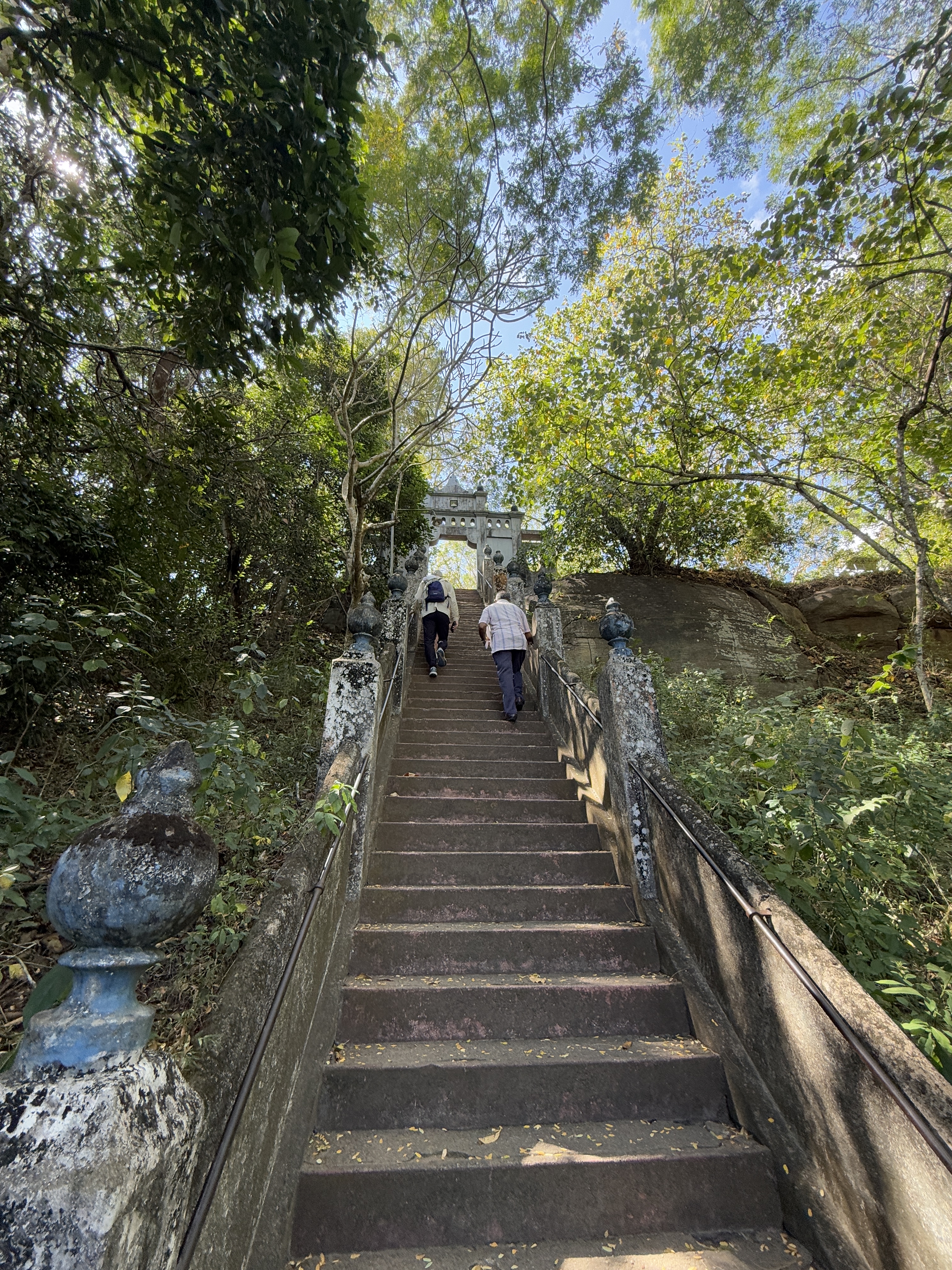
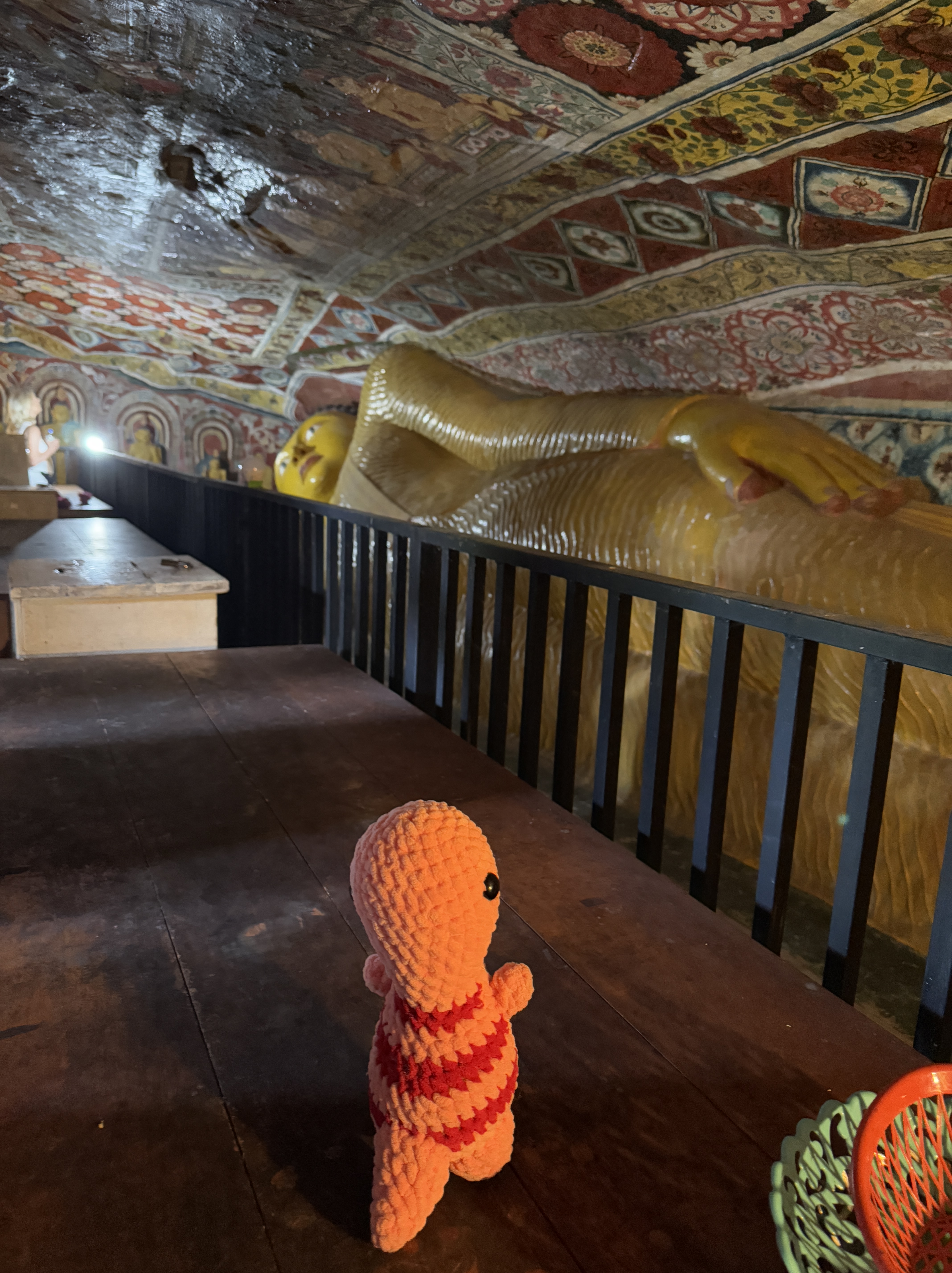
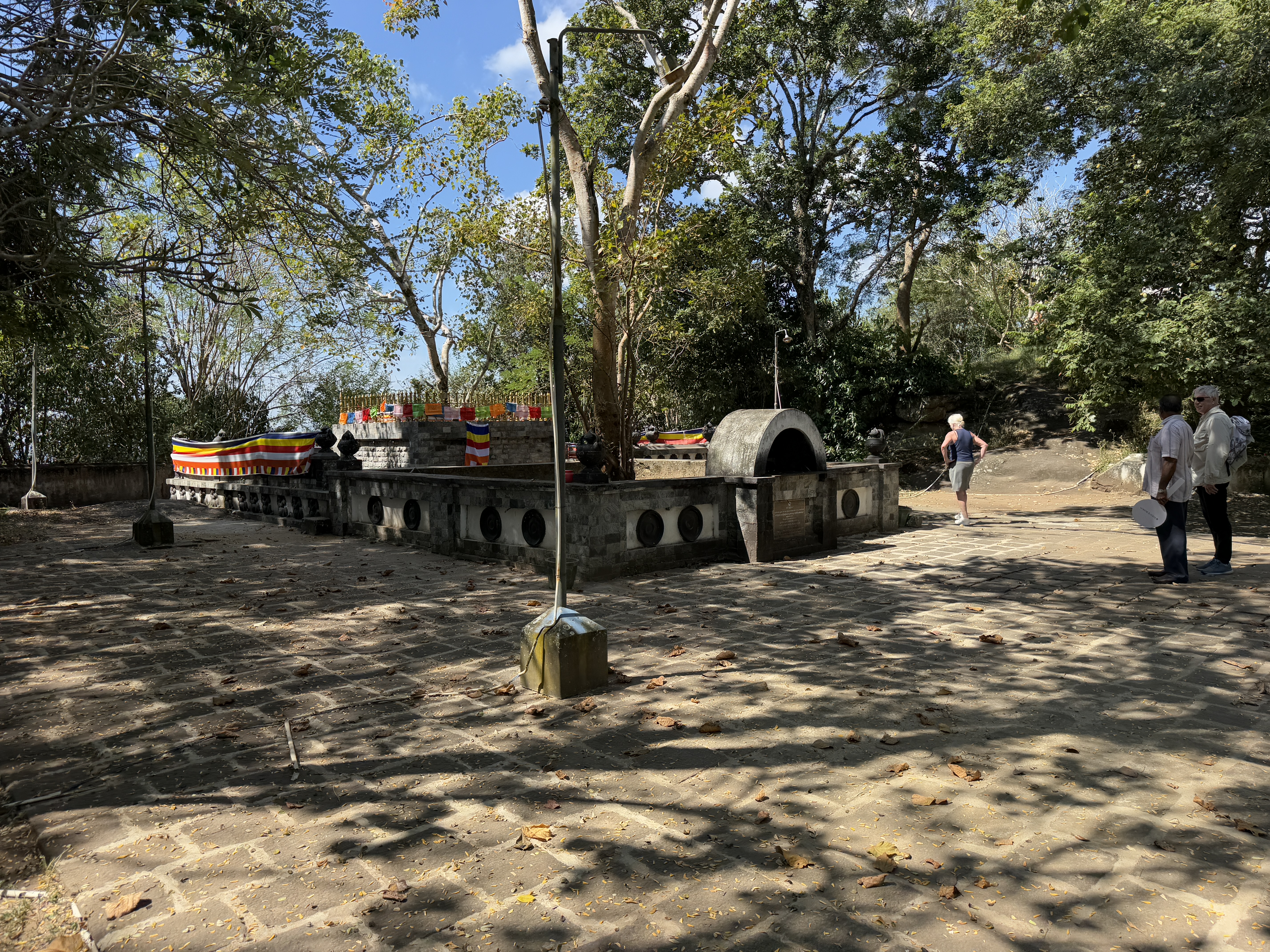
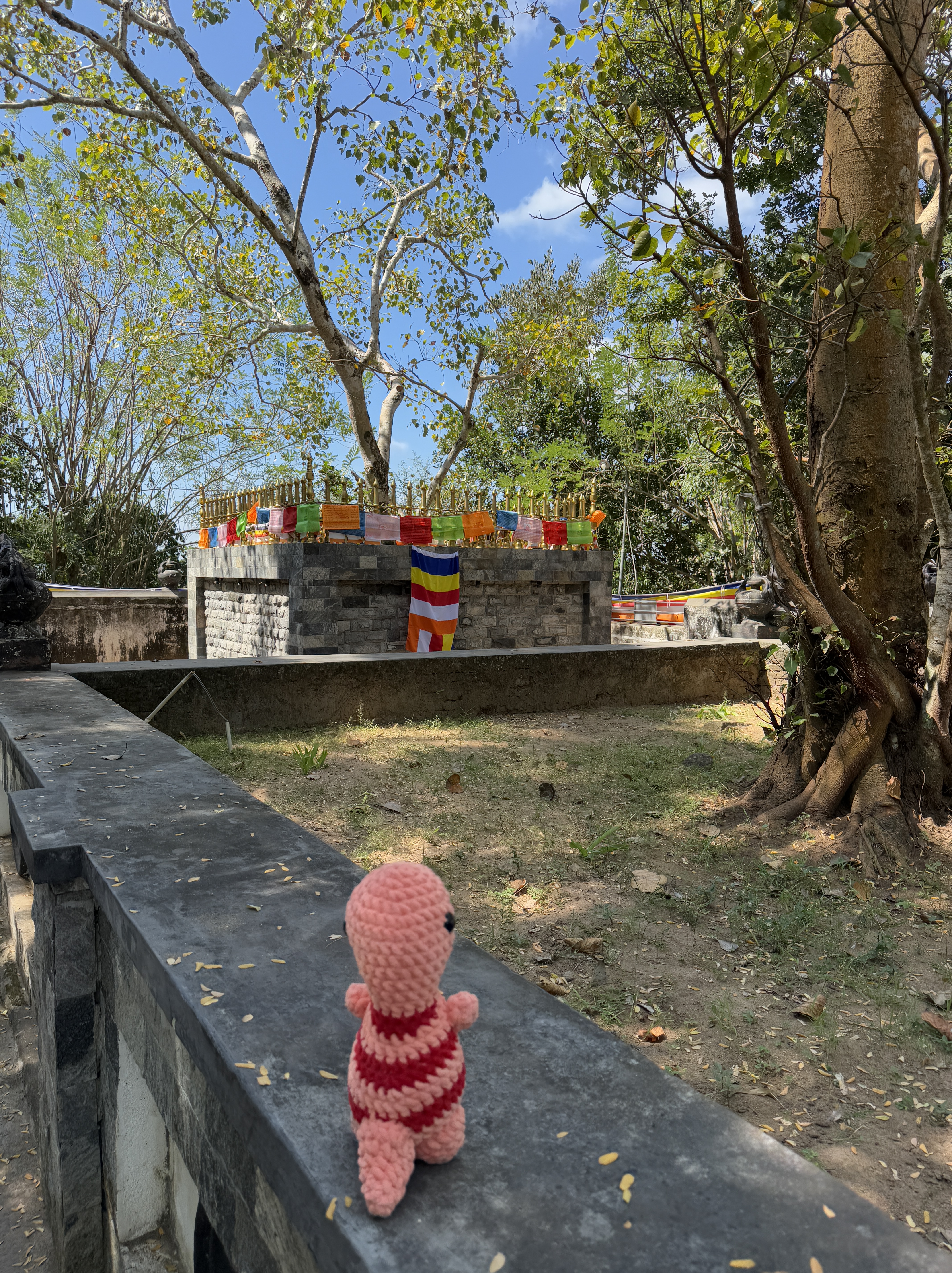
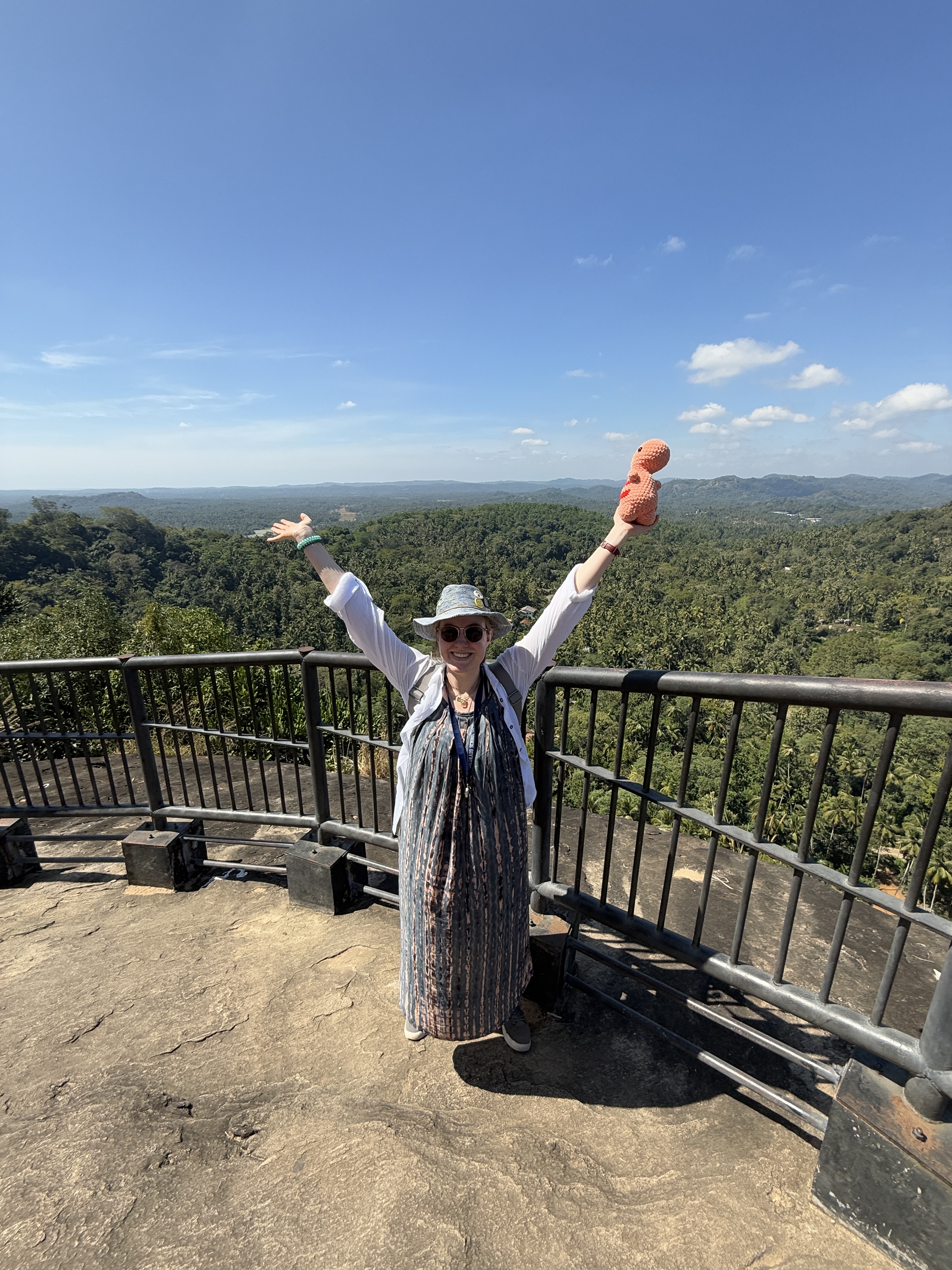
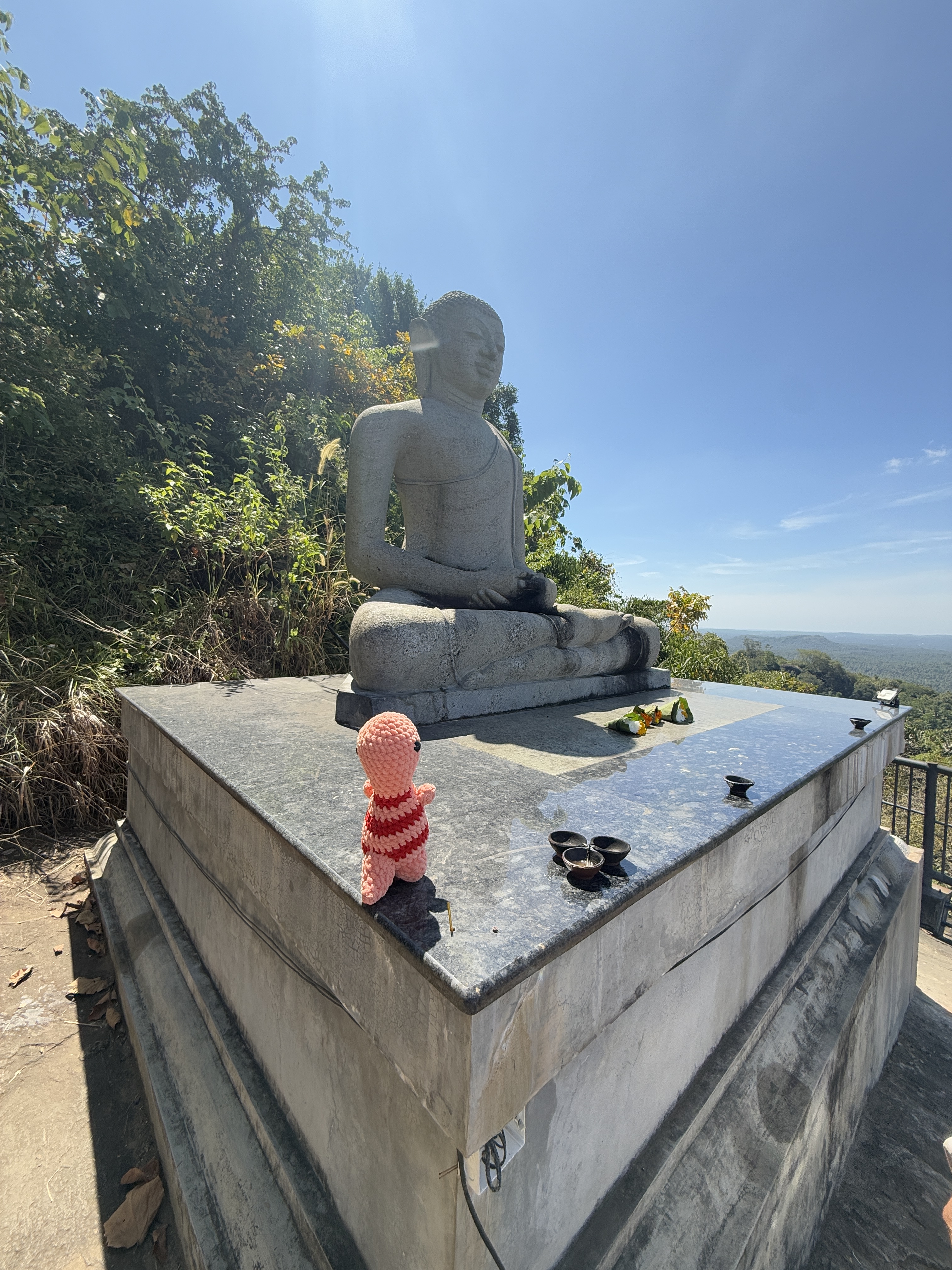
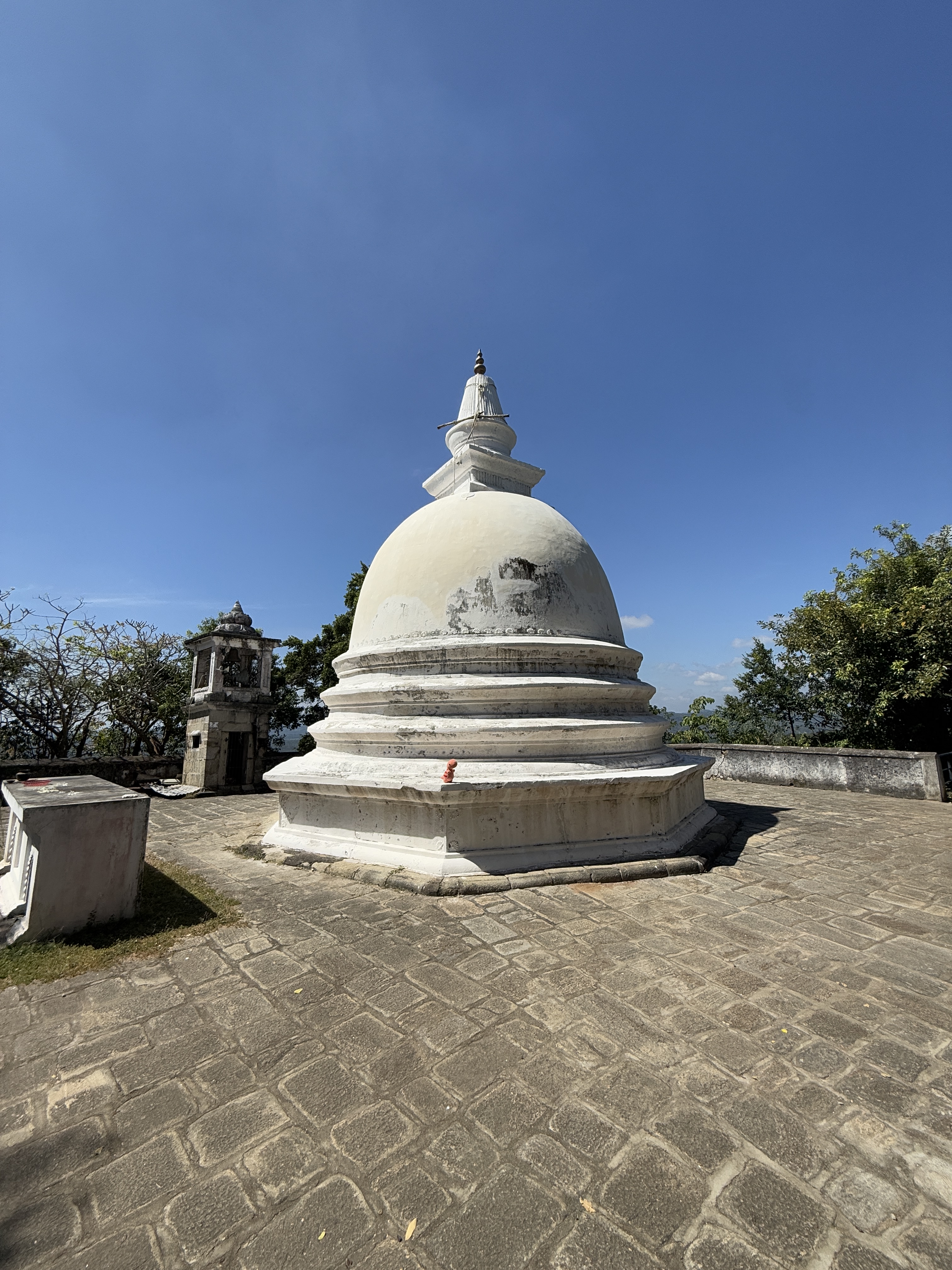
The next day, Larkin went to Mulklirigala, temple of the great kings. She enjoyed many steep steps…hence I did not go on this jaunt! She made it to the top! The temple was built on a 673 foot high natural rock, surrounded by another four rocks. The temple has been formally recognized as an archaeological sire in Sri Lanka. According to the ancient chronicle Mahavamsa, the Mulkirigala Vihara was constructed by King Saddhatissa in the third century. After that the temple received royal patronage by numerous successive kings. During the 461-479 AD time period a Stupa, a mound-like or hemispherical structure containing relics that is used as a place of meditation, was added to the temple by King Datusena, and it was further developed by King Kirti Sri Rajasinghe (1747–1782).
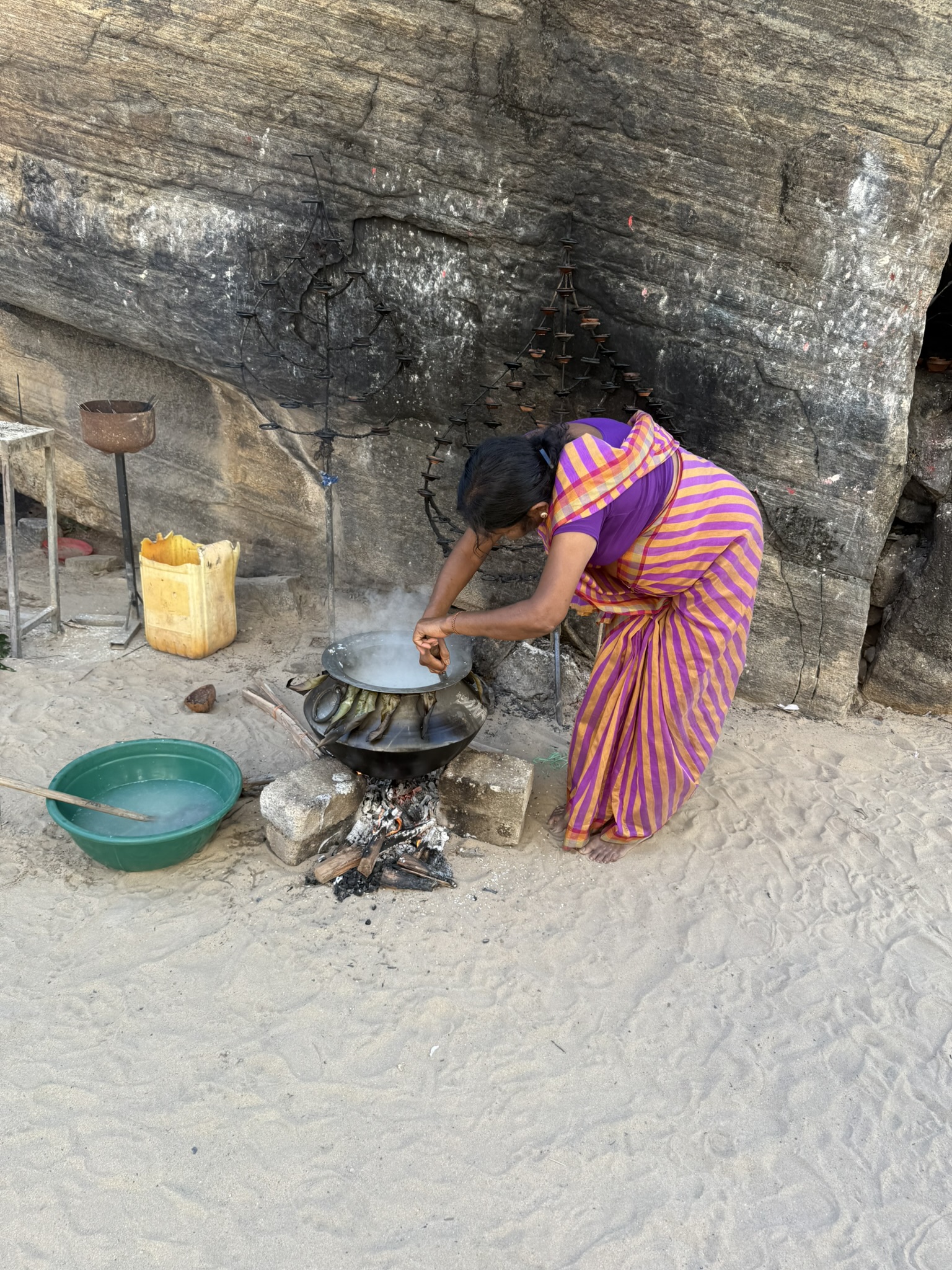
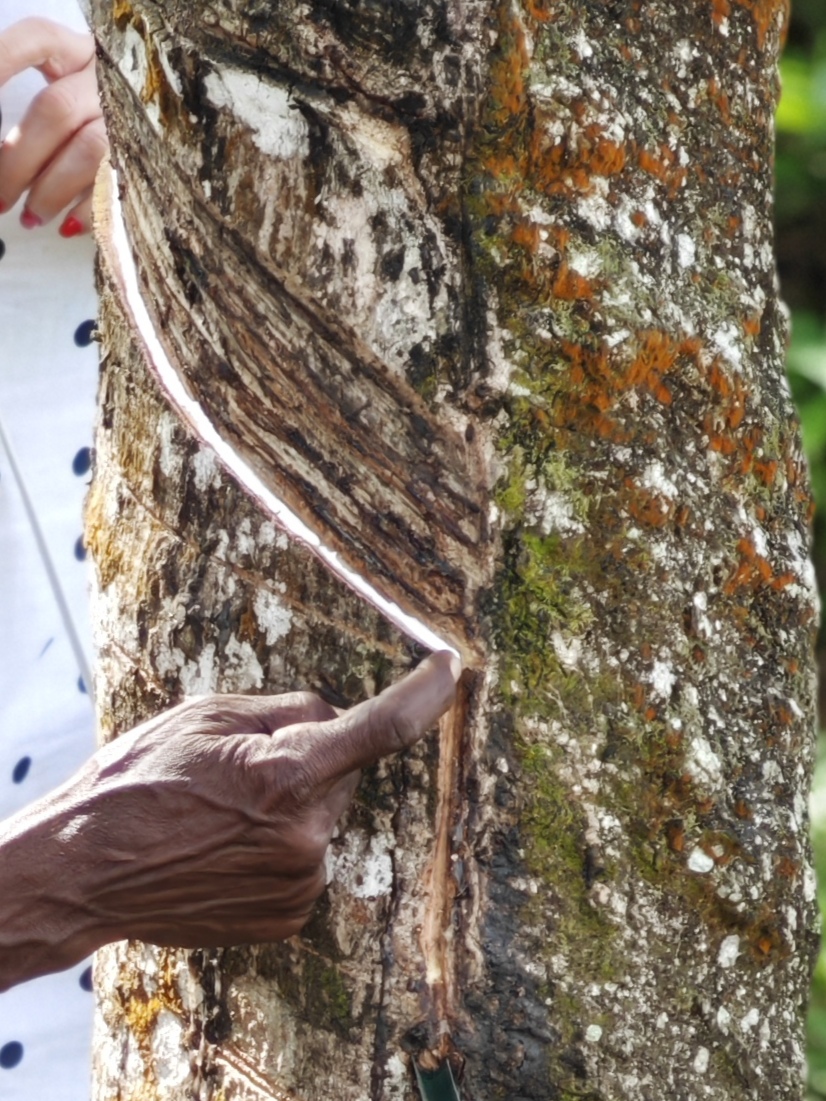
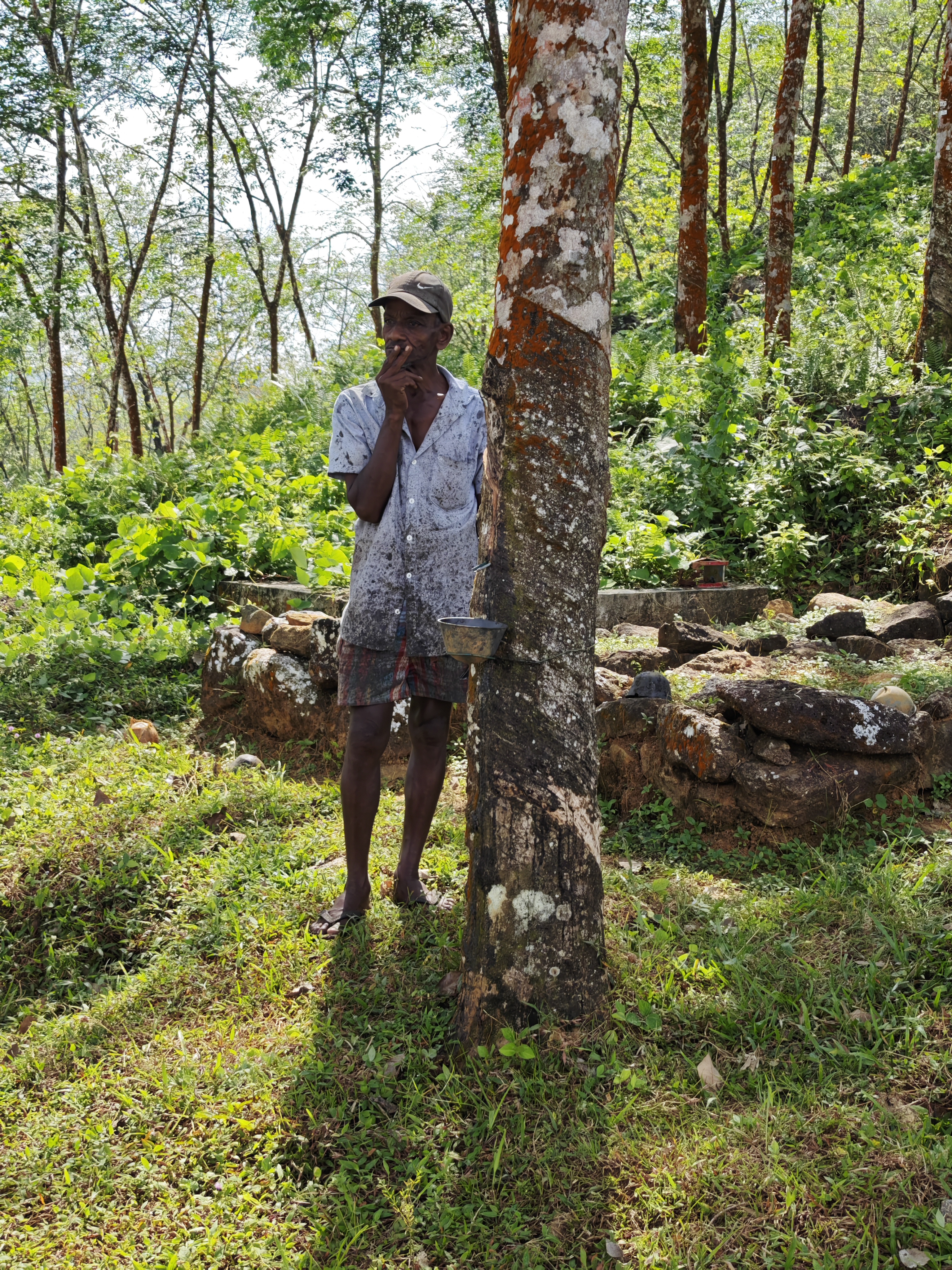
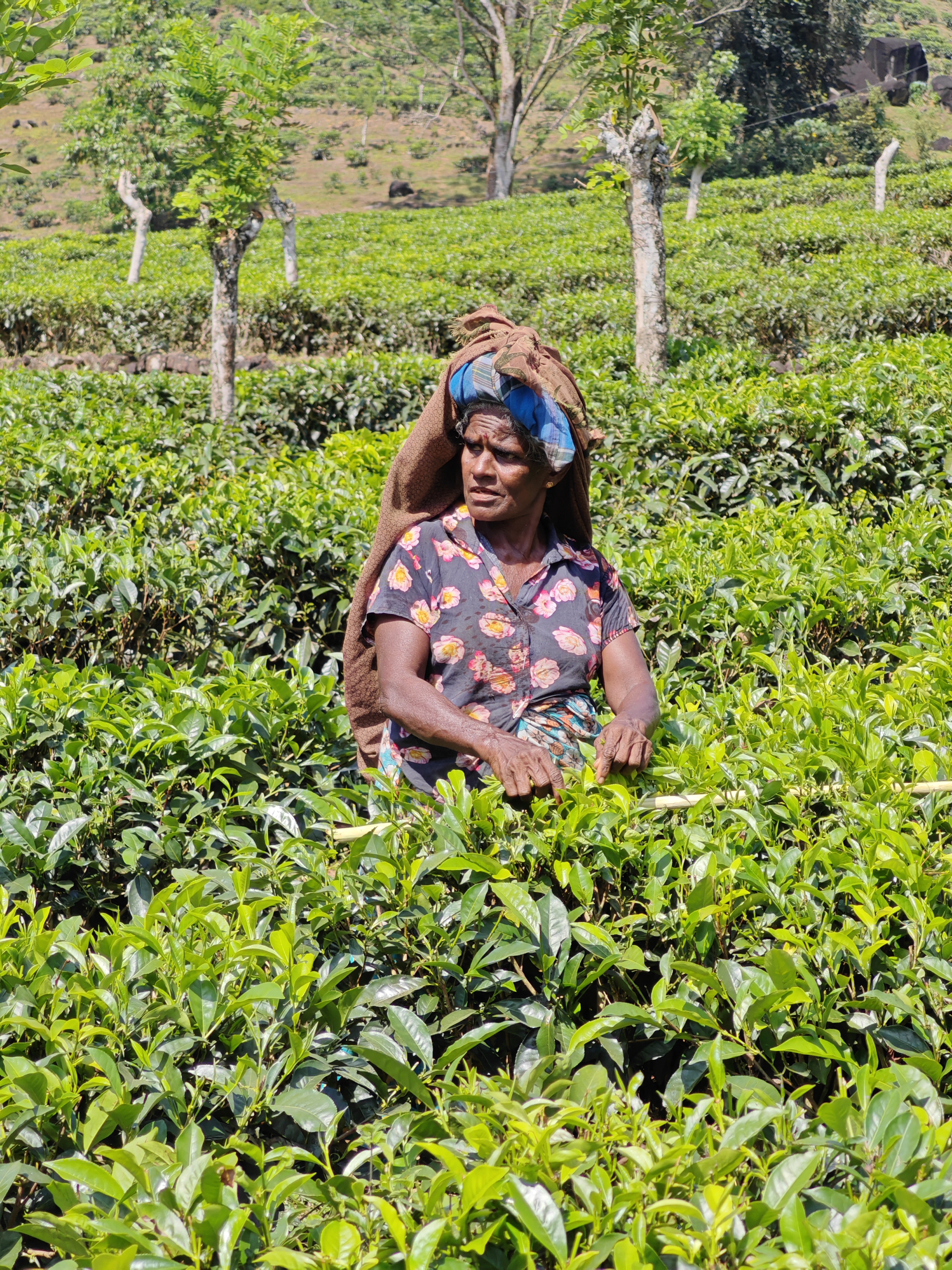
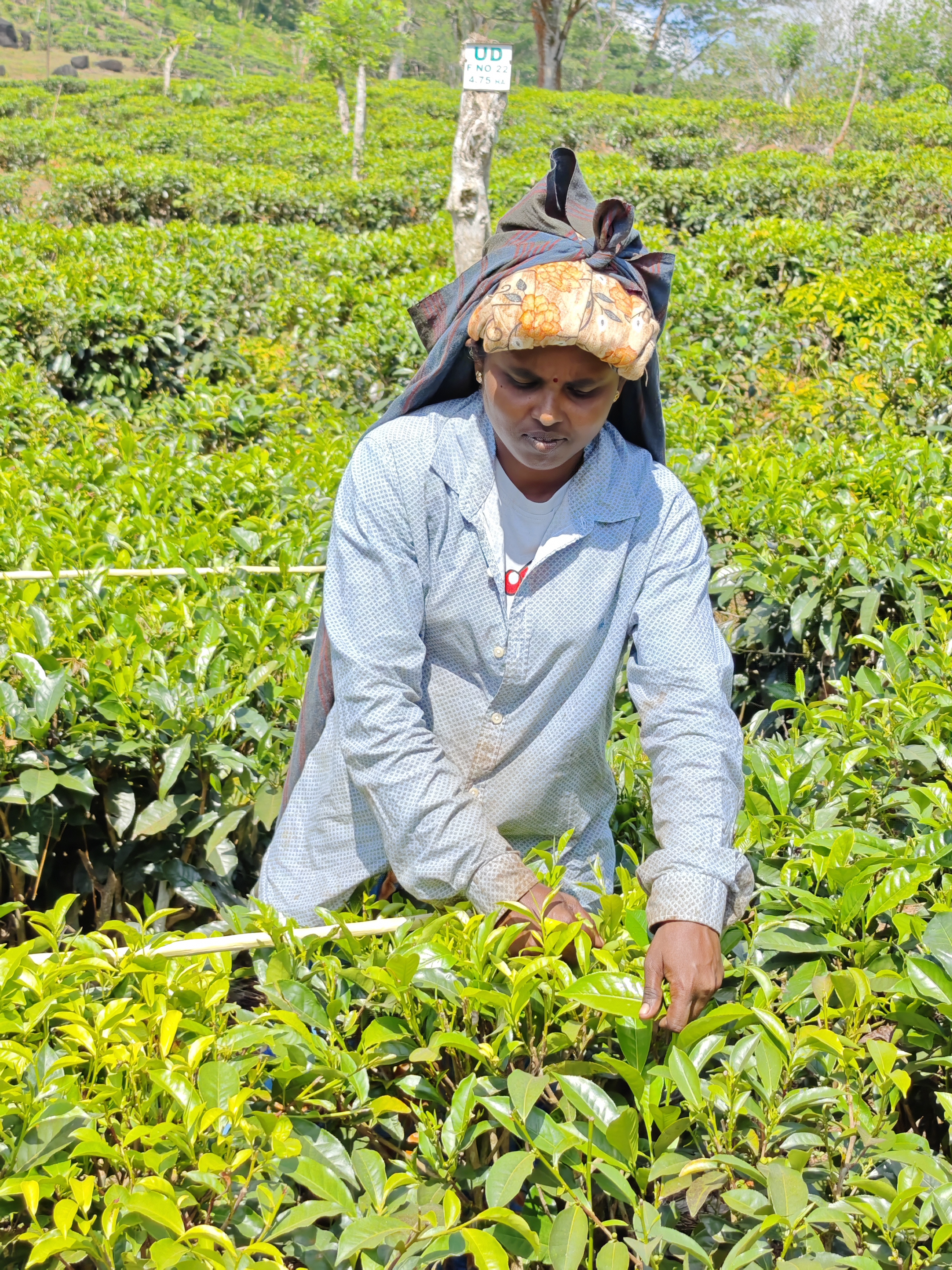
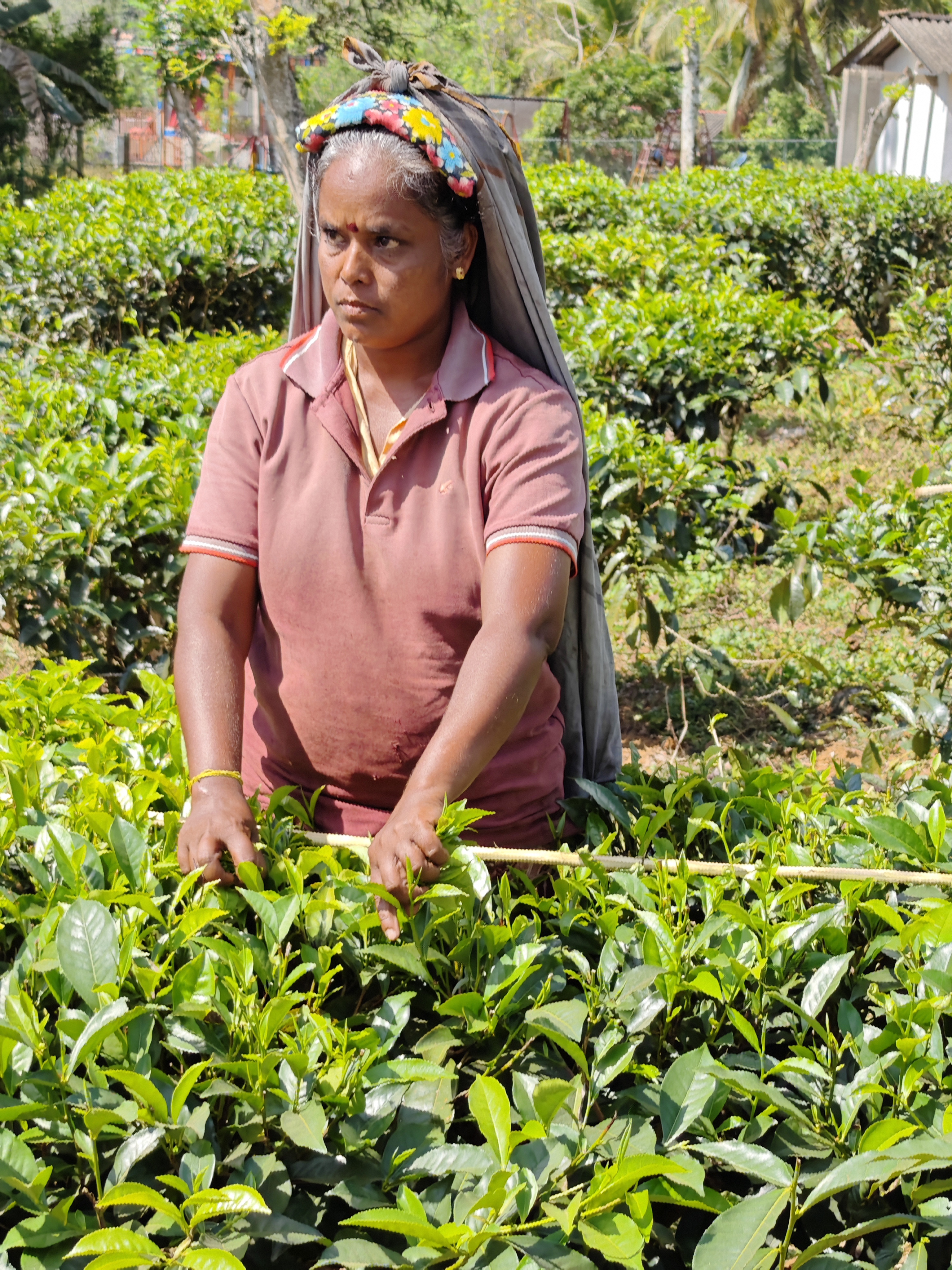
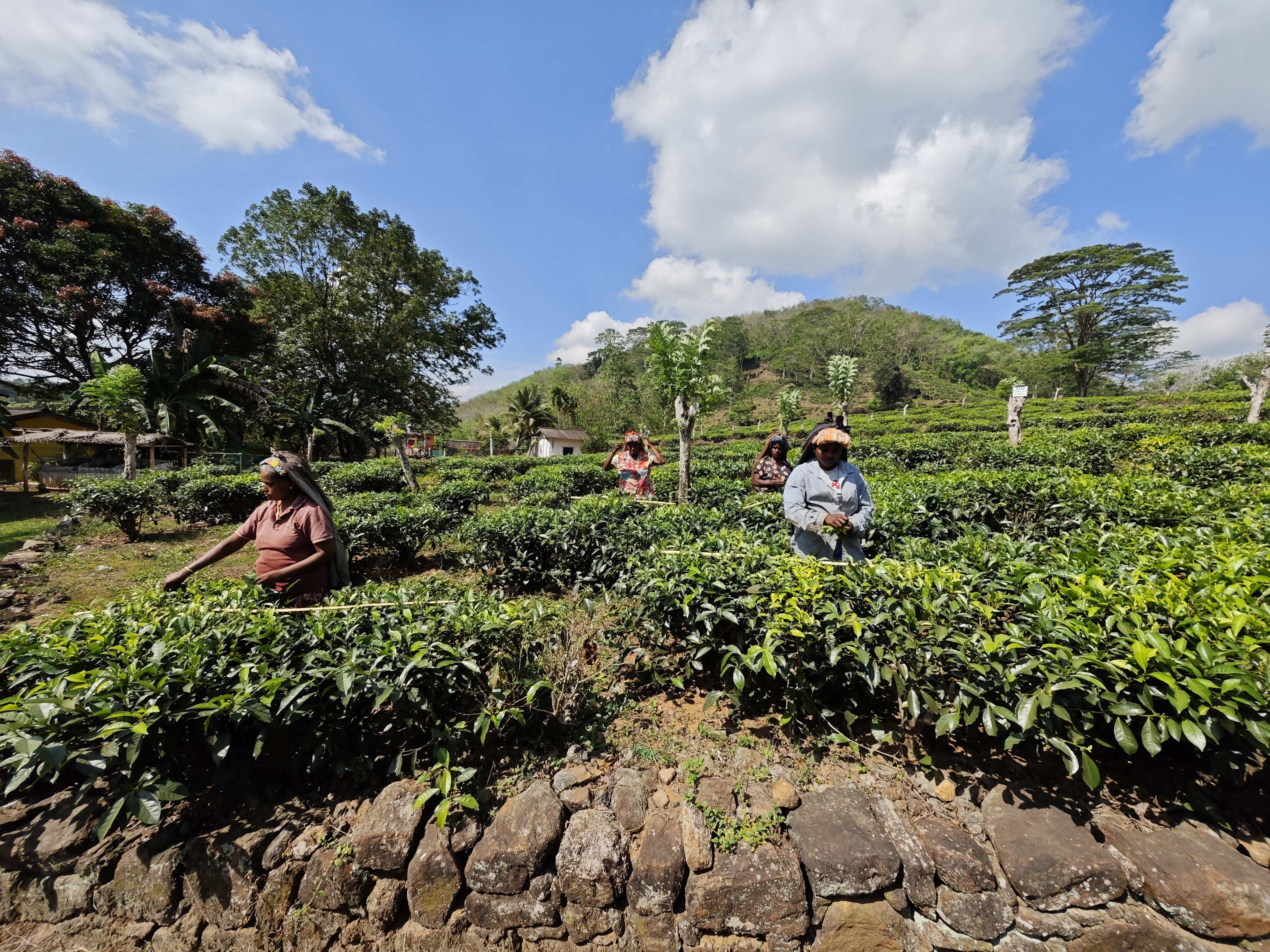
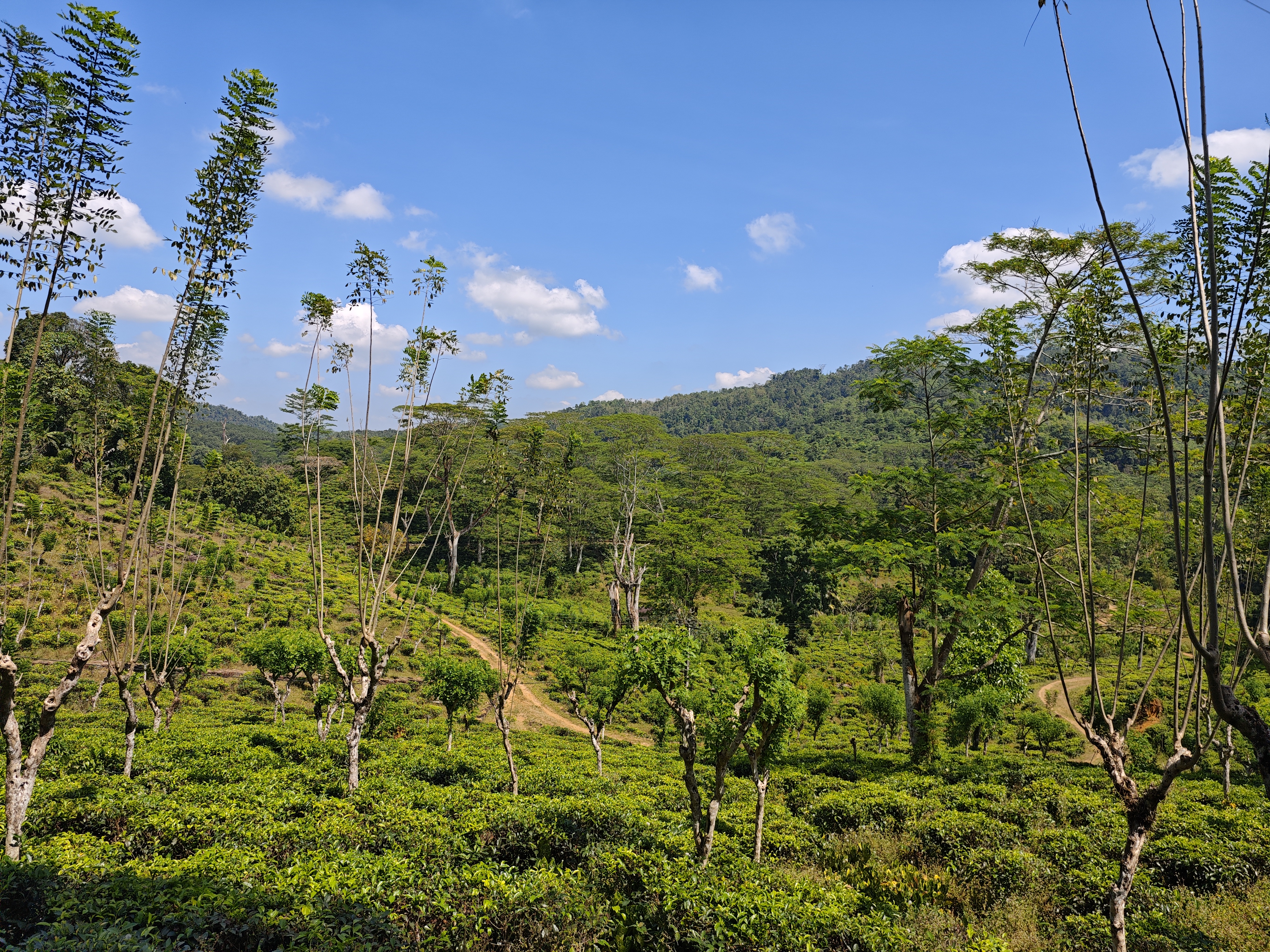
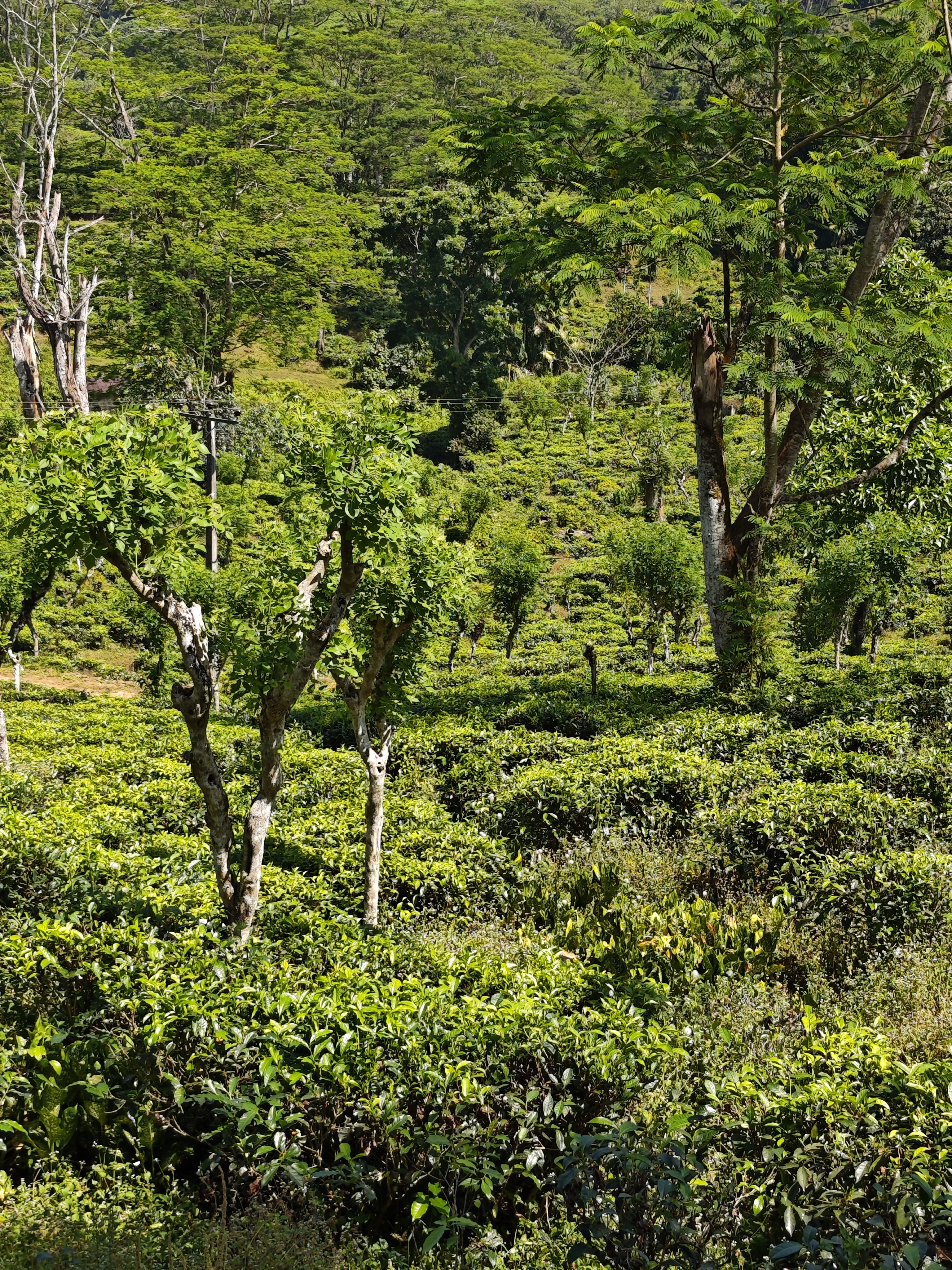
Our last stop on Sri Lanka was the capital, Colombo which is on the west side of the island. We visited a tea plantation, Ingiriya. We stopped on our way up to the plantations to see a rubber tree where we were shown how the latex was tapped. Natural latex of the rubber tree is still used for many applications despite Synthetic rubber being developed! We were also shown how the women pick the tea leaves. Of course this was set up for us, but it is how they harvest the leaves, usually in the morning when it is cooler and those particular plants are ready to be harvested again.
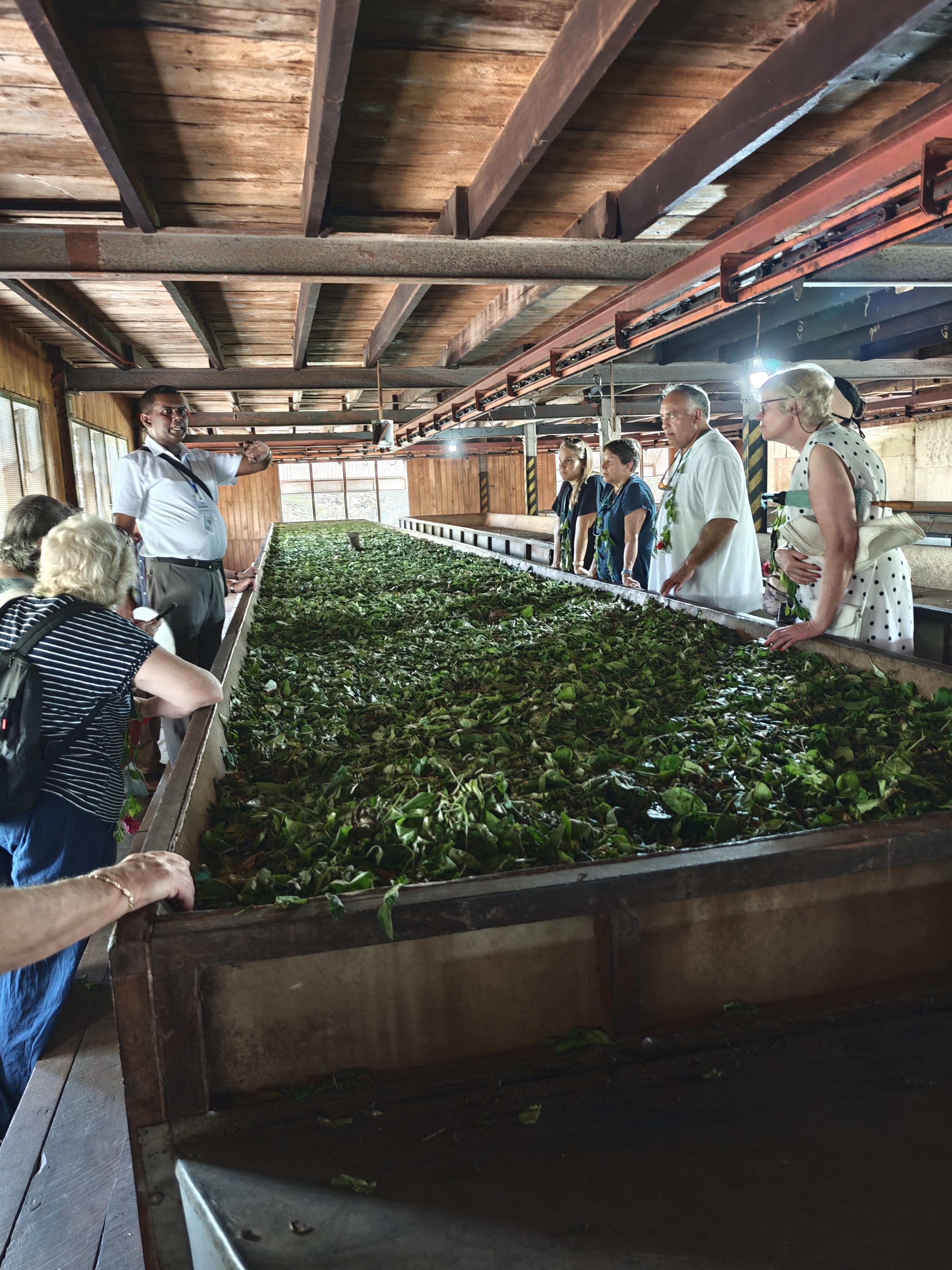
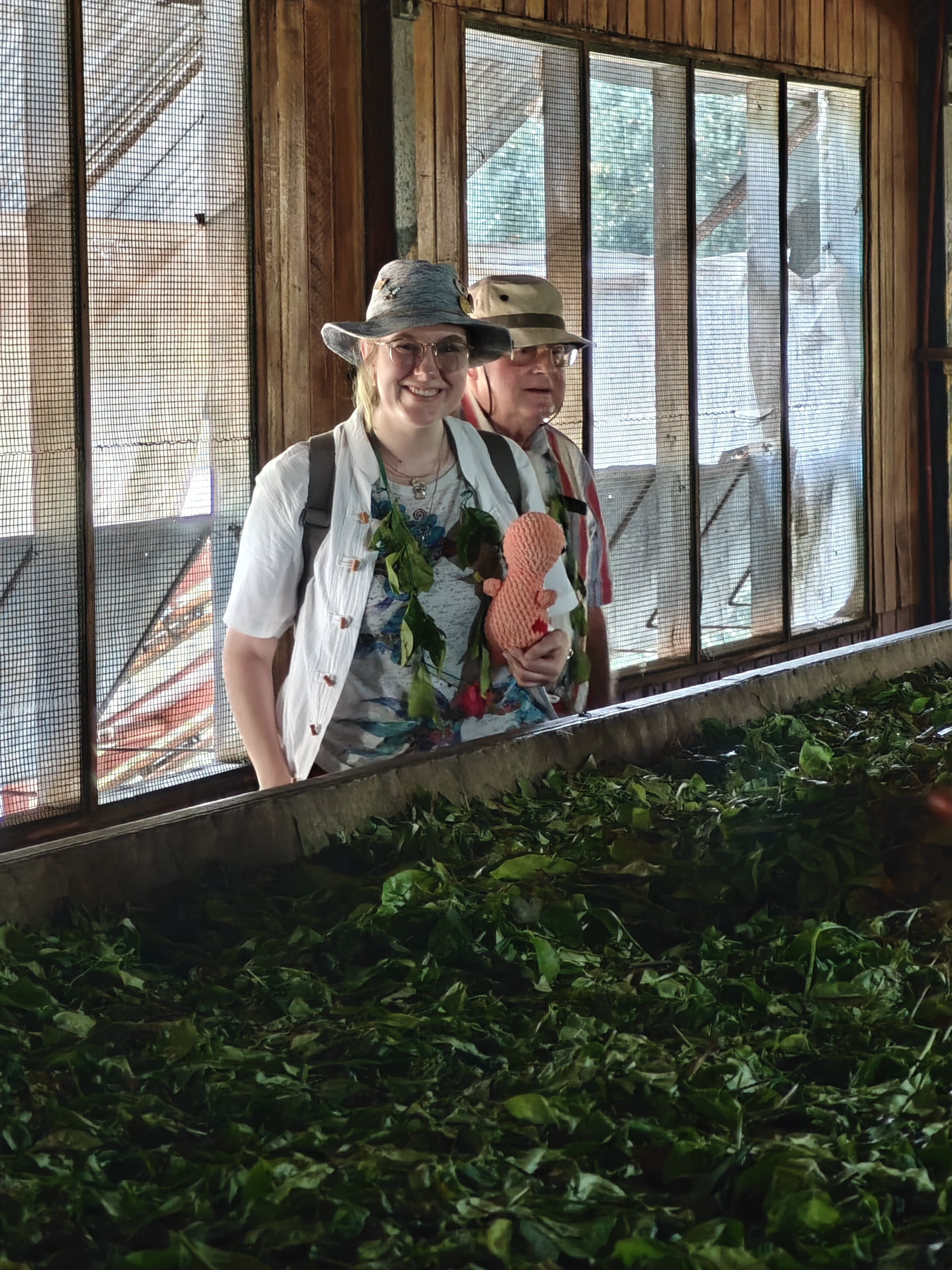
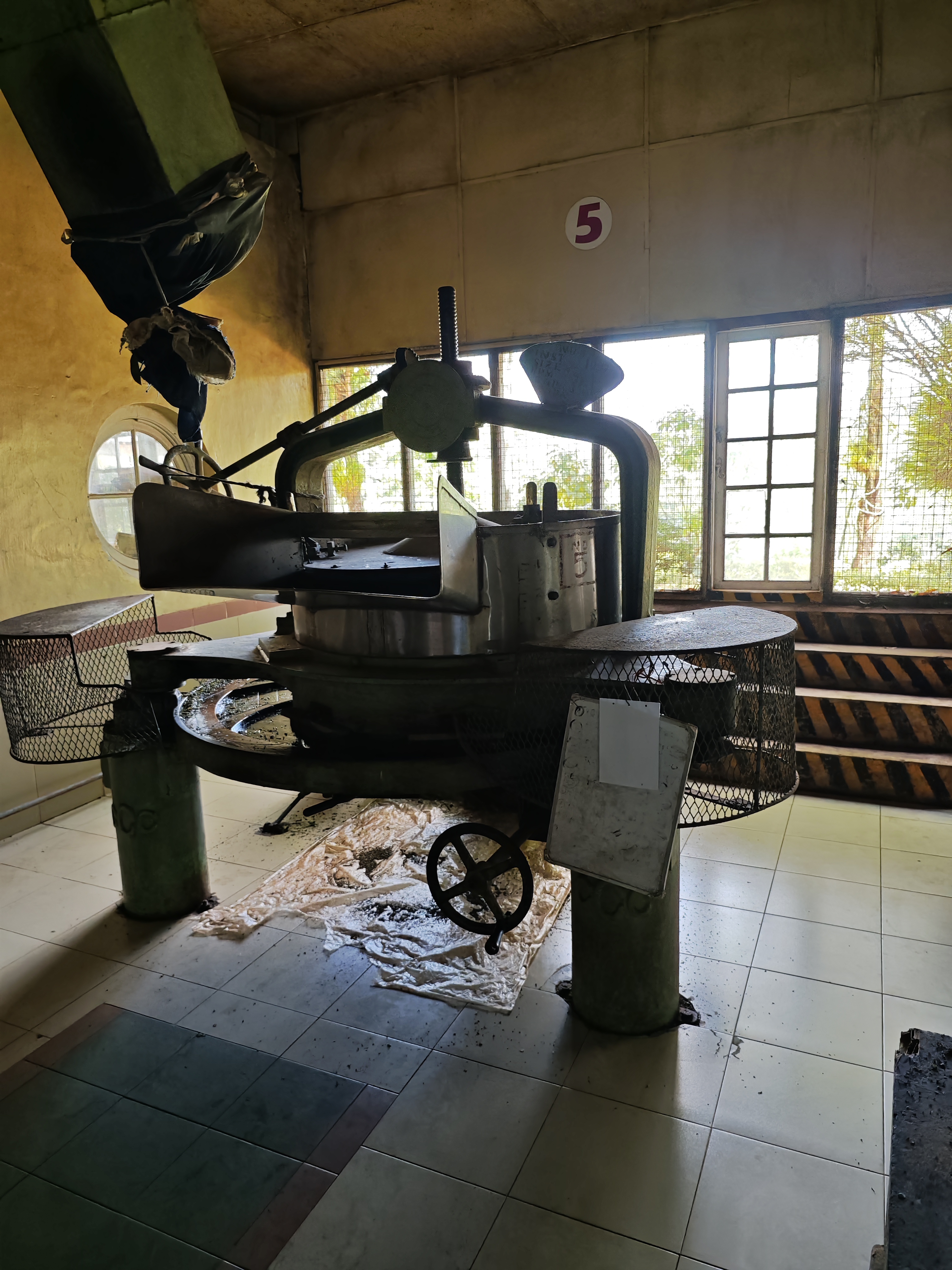
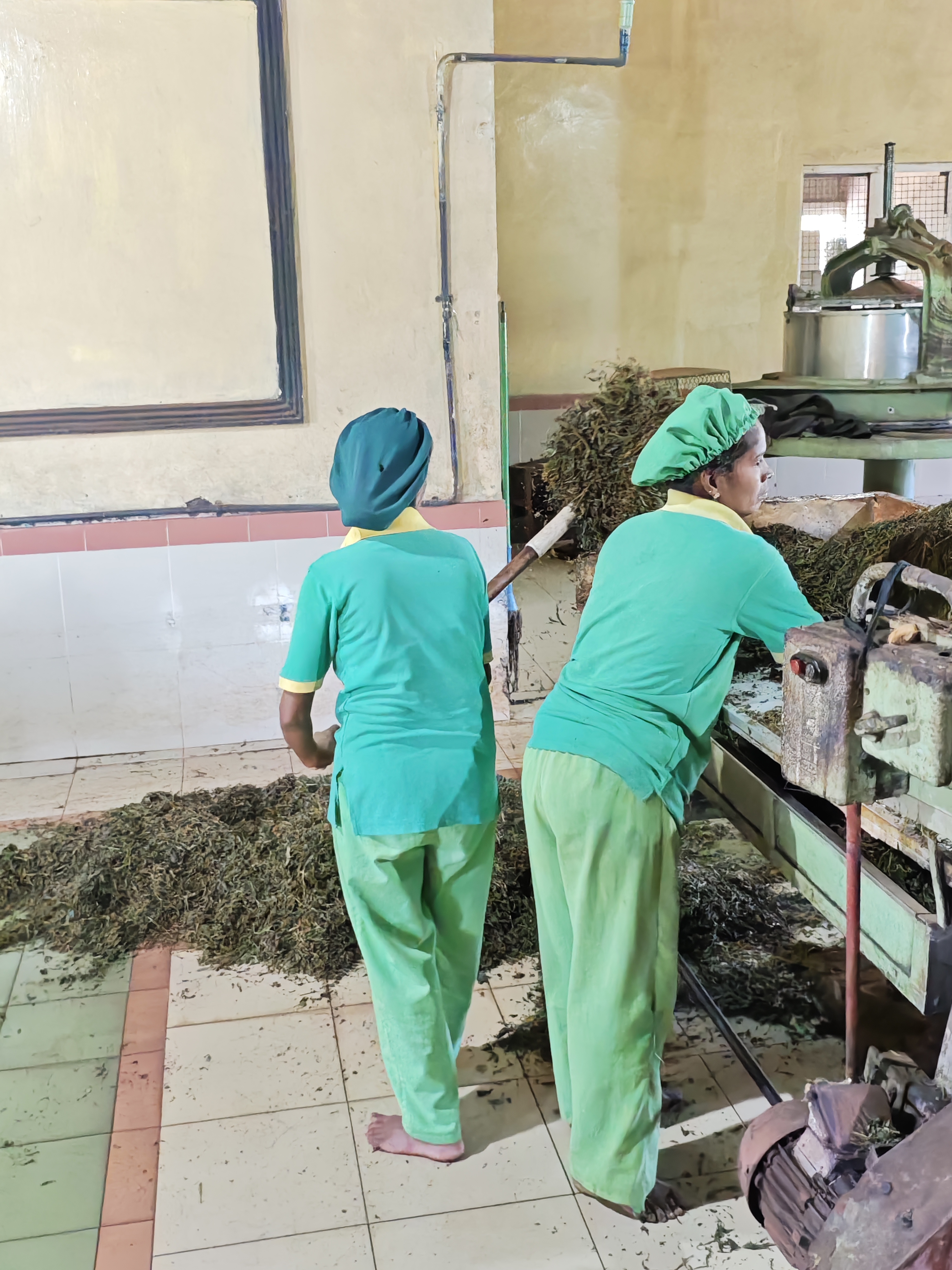
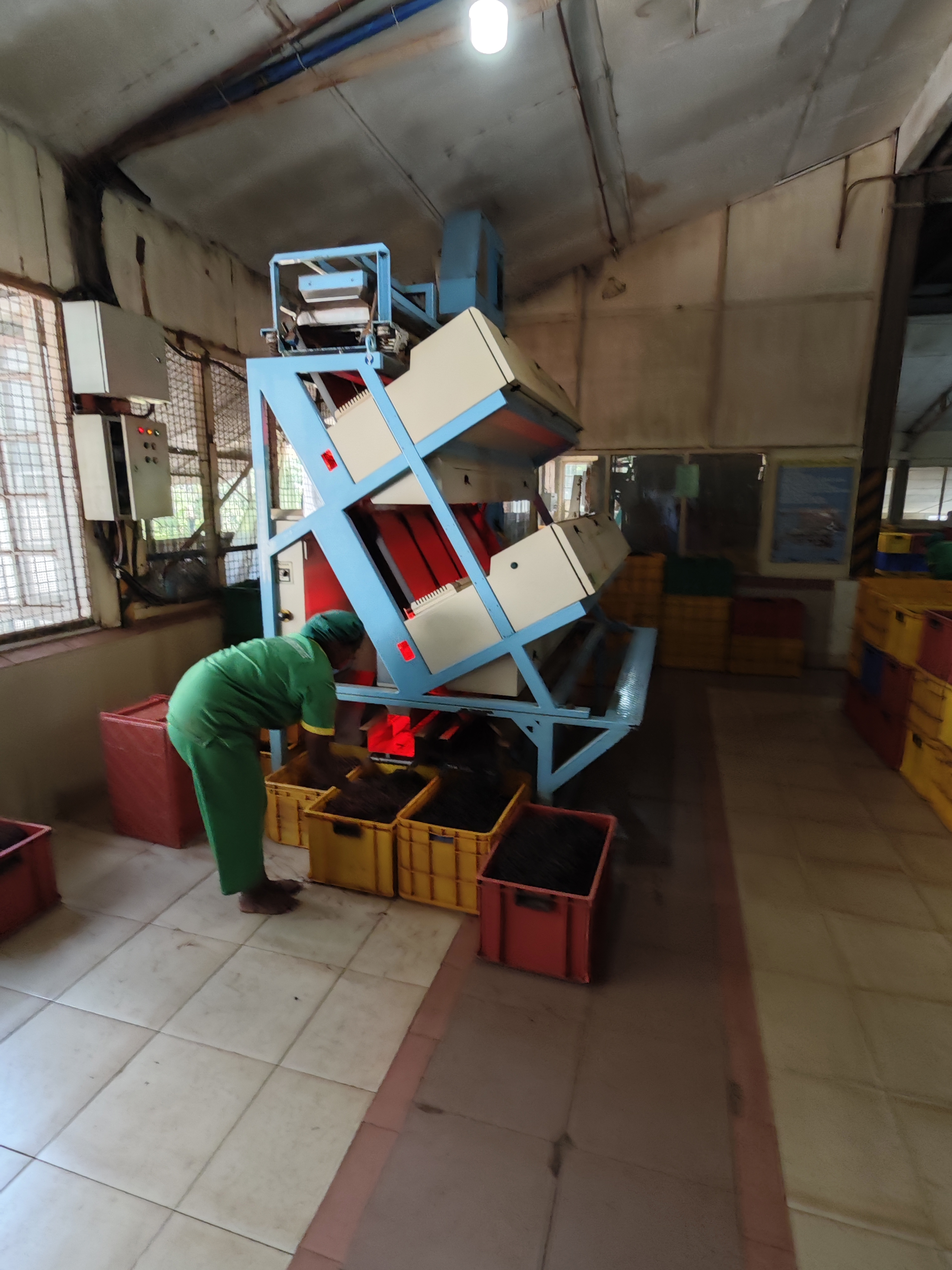
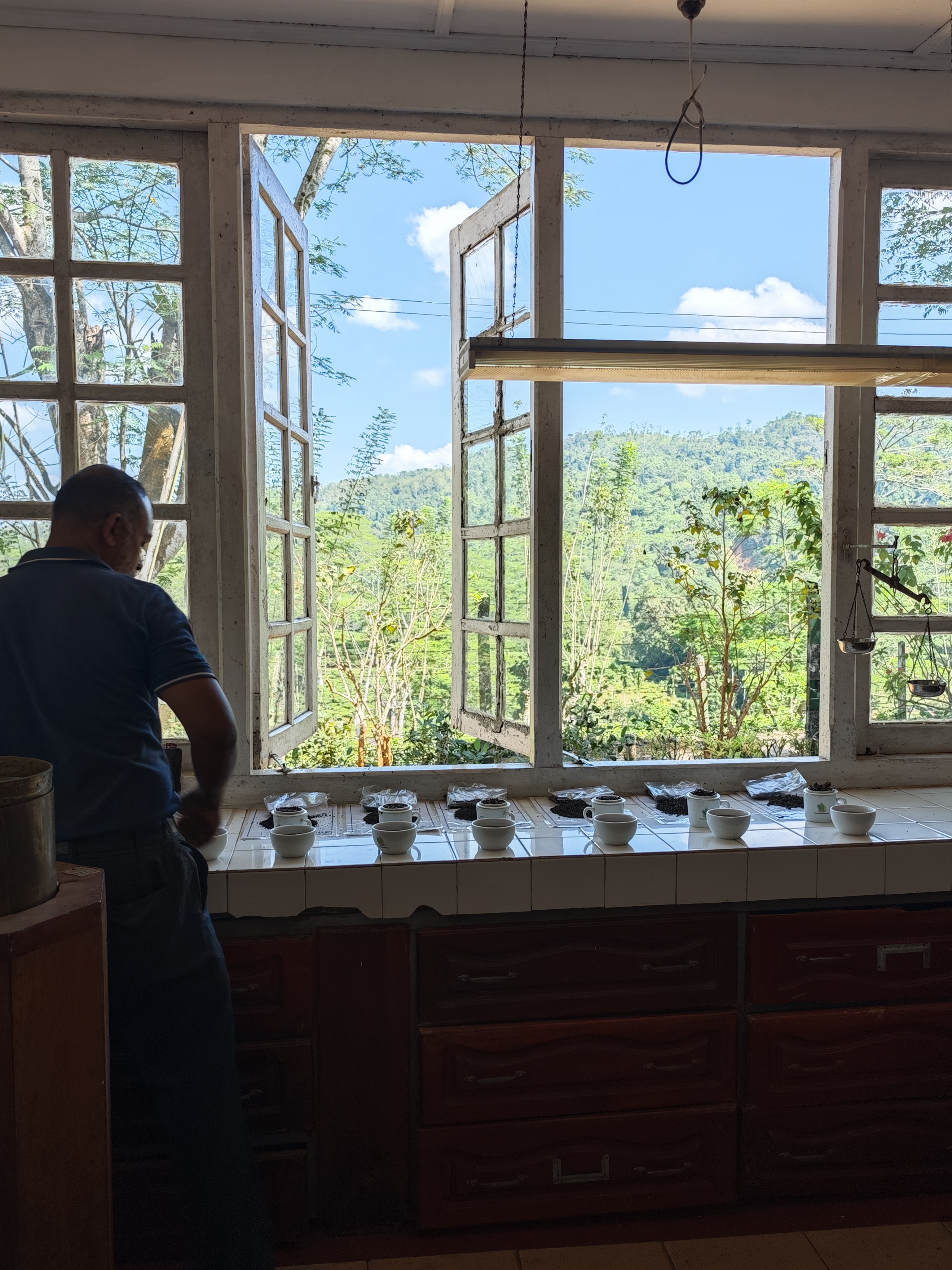
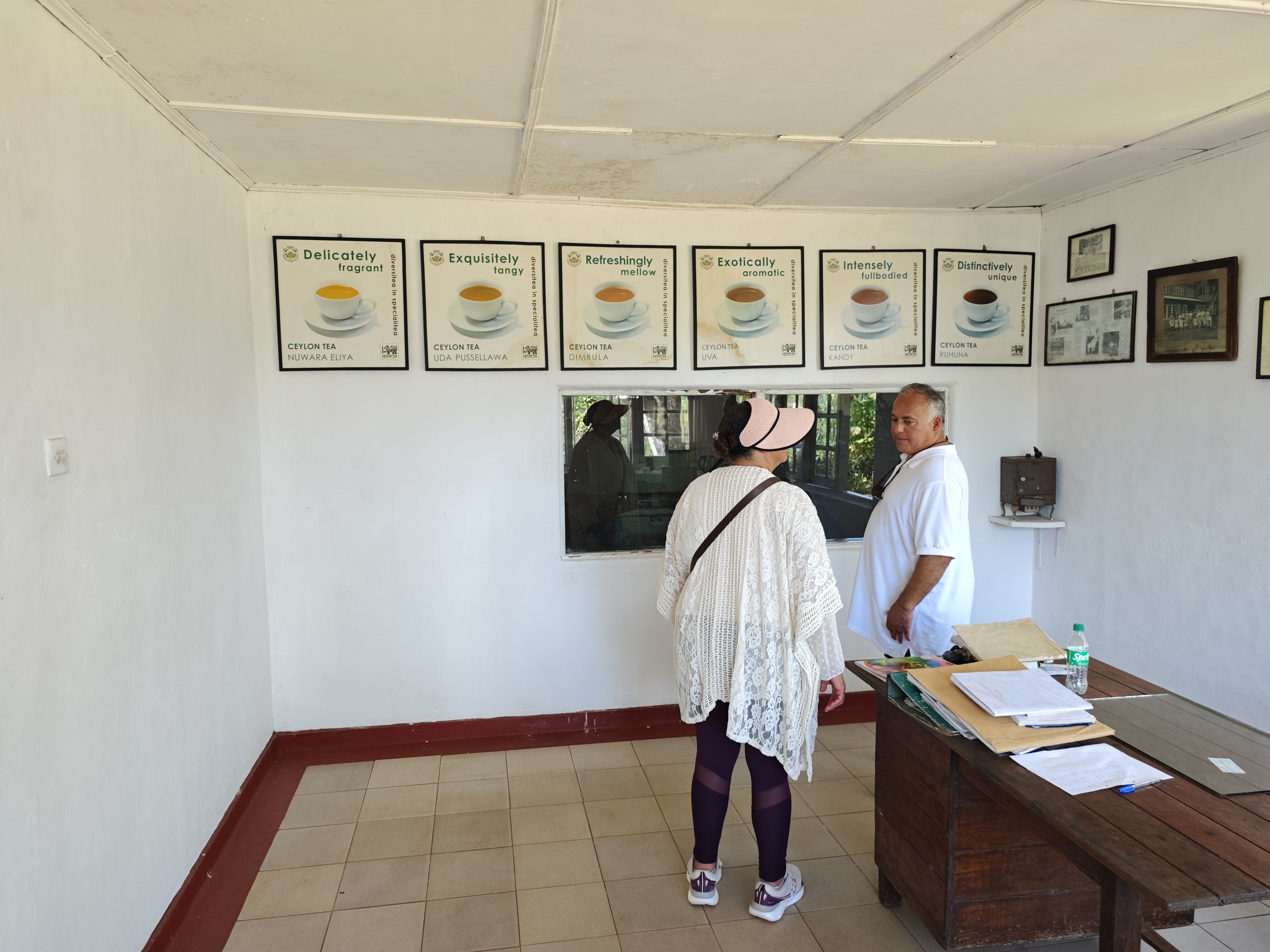
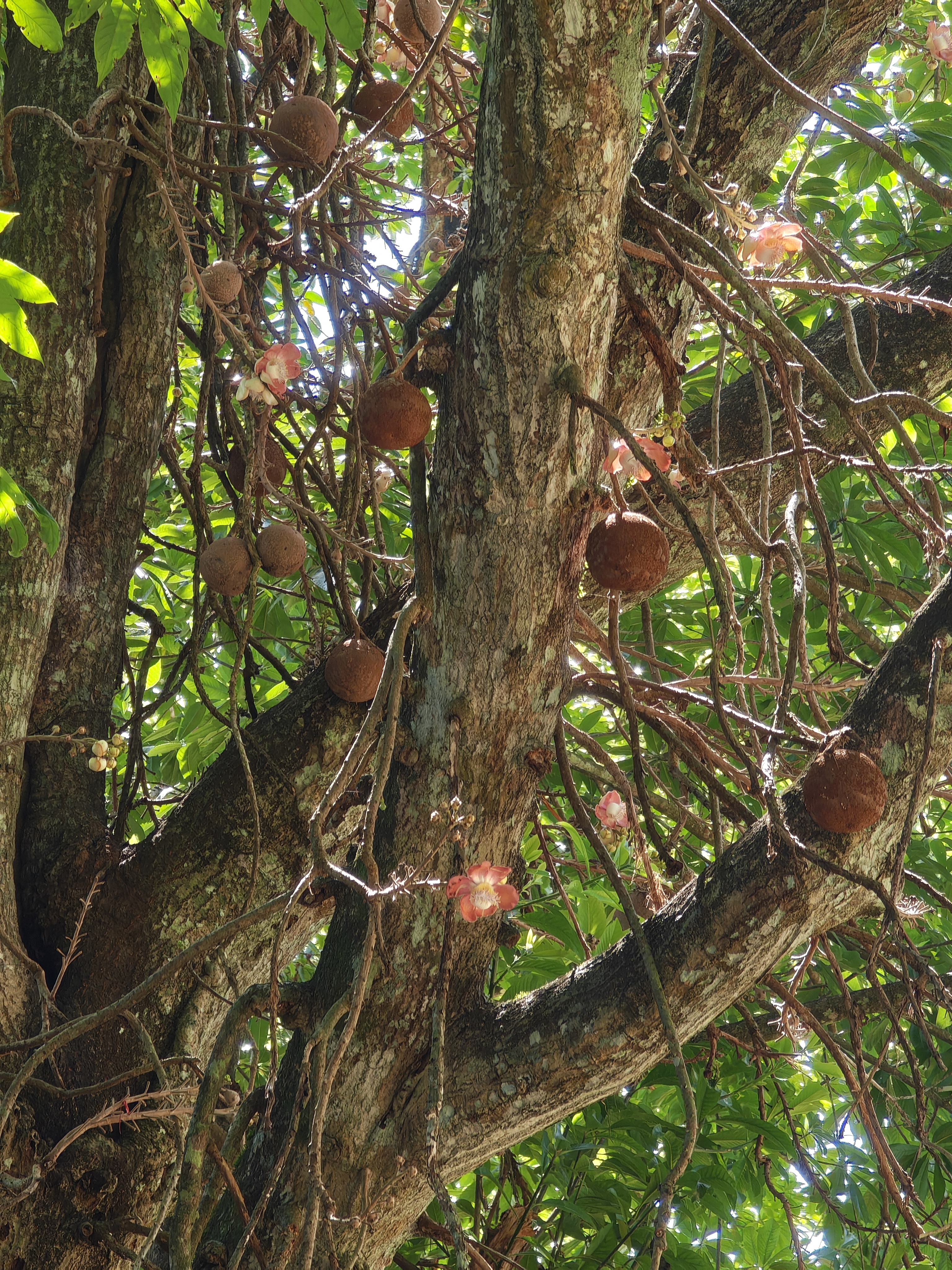
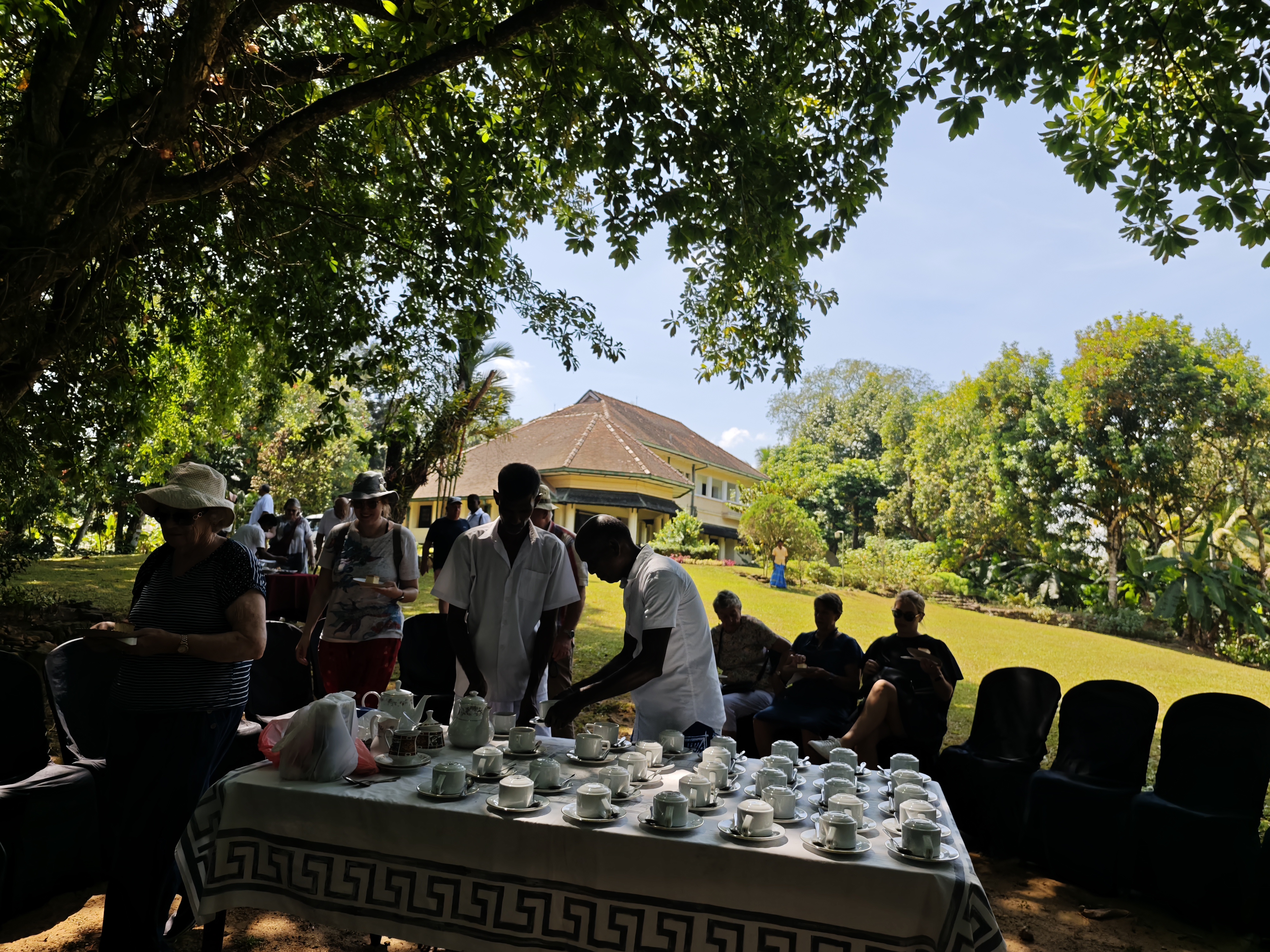
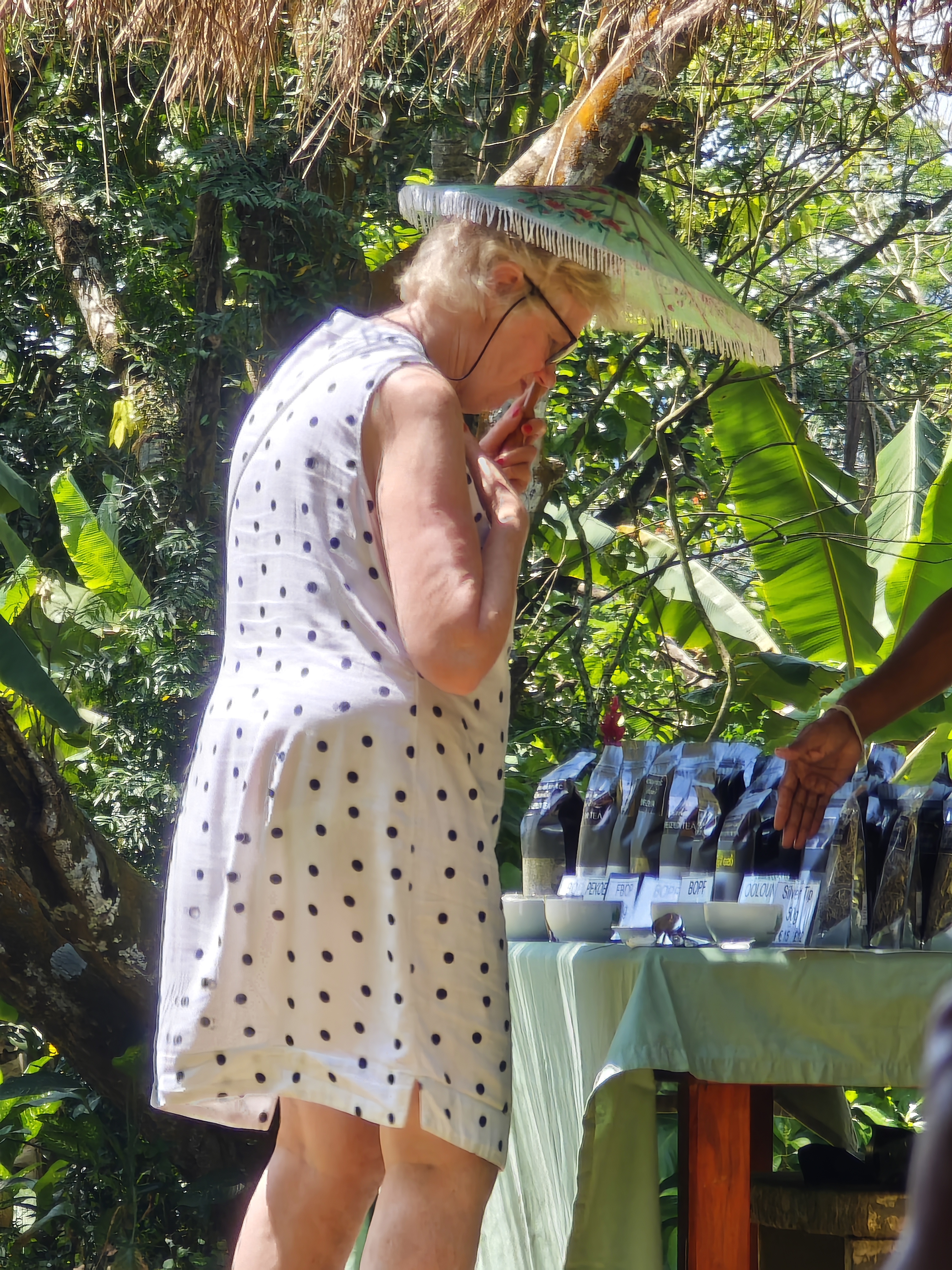
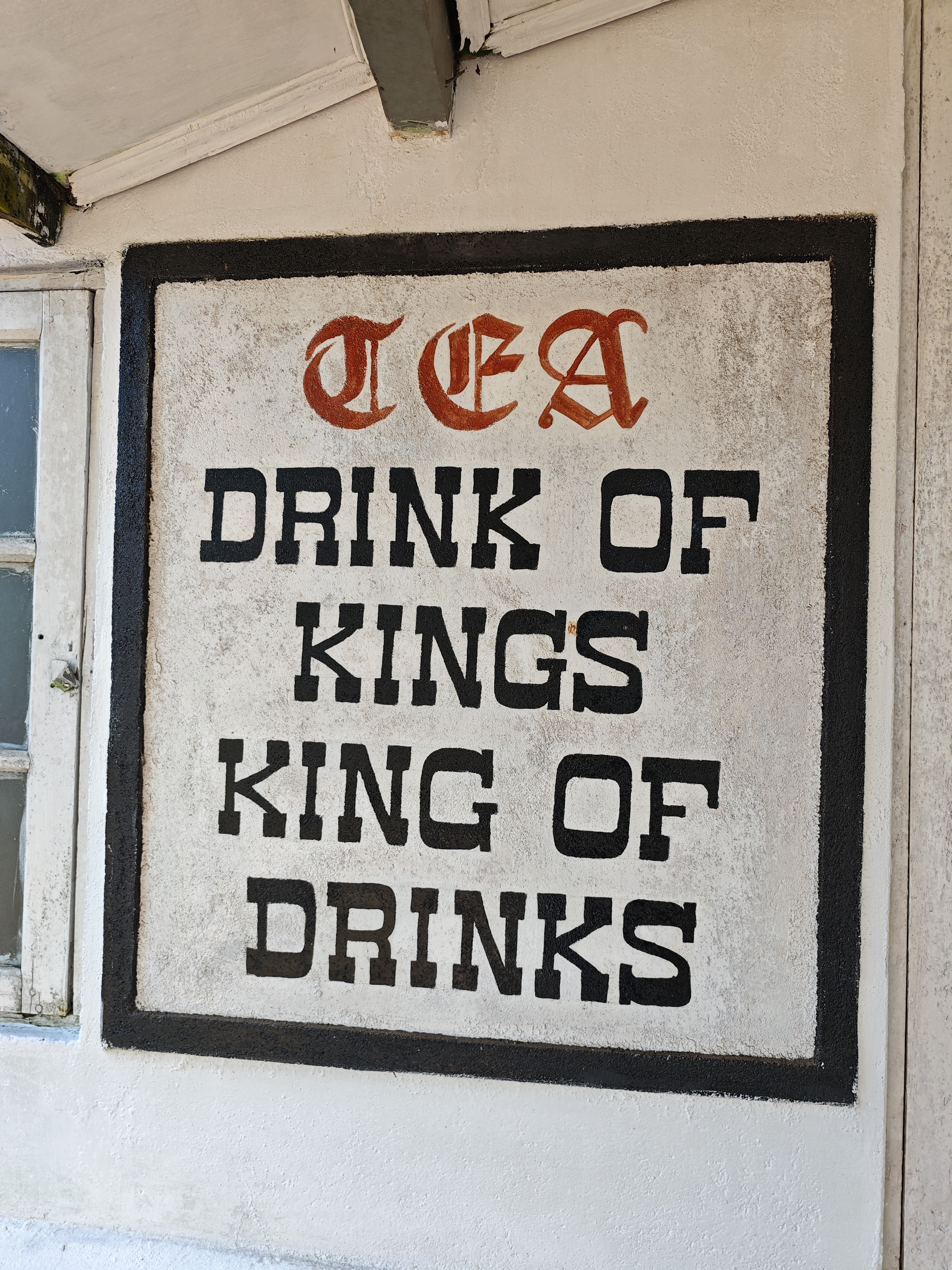
We toured the tea factory at the plantation and saw the various processes and the old machines. At the end, the had us do more of a tea sniffing instead of tasting at the factory. From that stop, we went to the lawn of the owners house and had little cakes and tea and could buy various teas if we wished. The tree we sat under was called a cannonball tree – for obvious reasons! None fell when we were there!
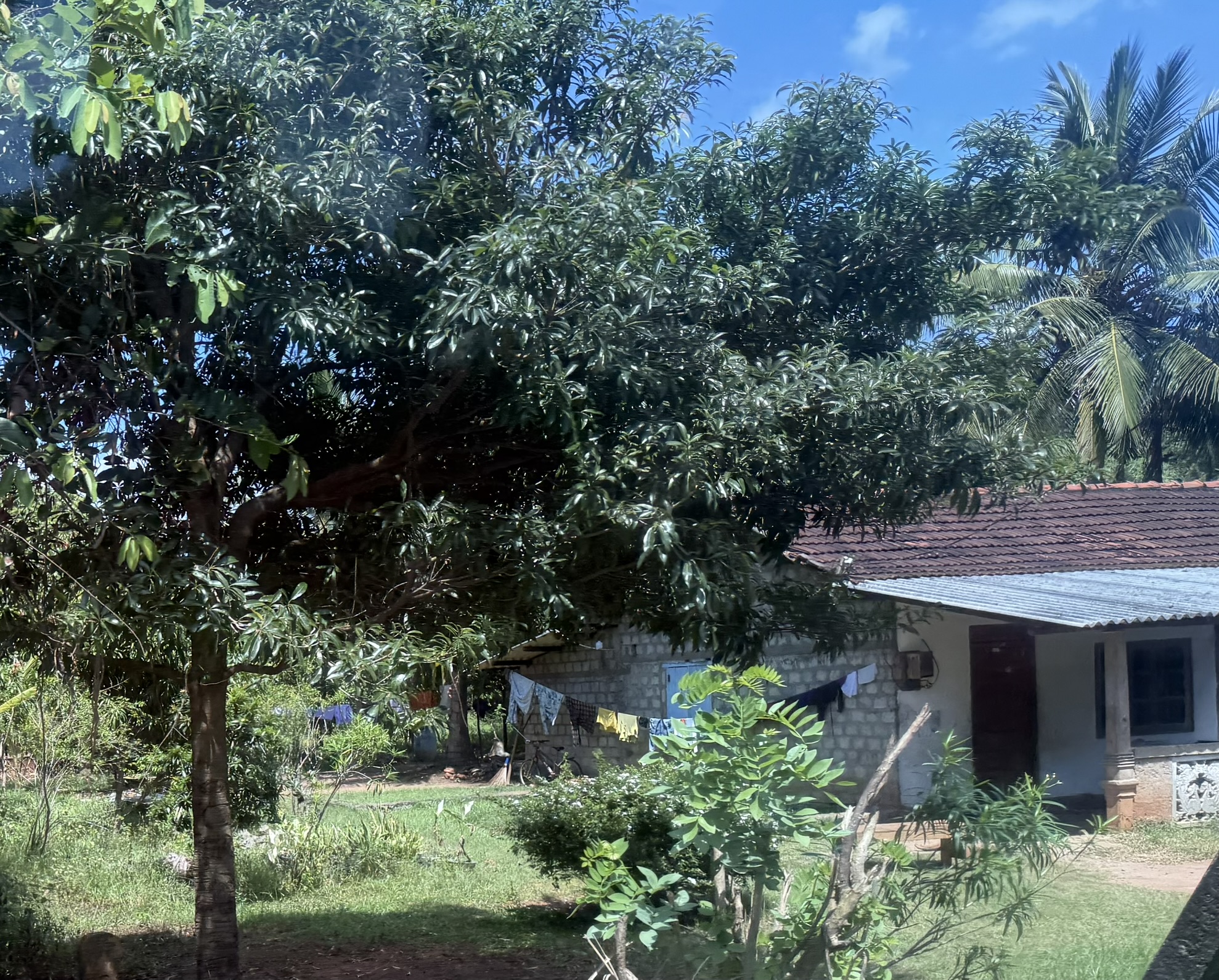
Again what is a trip riding around the various cities on Sri Lanka without noticing the laundry?
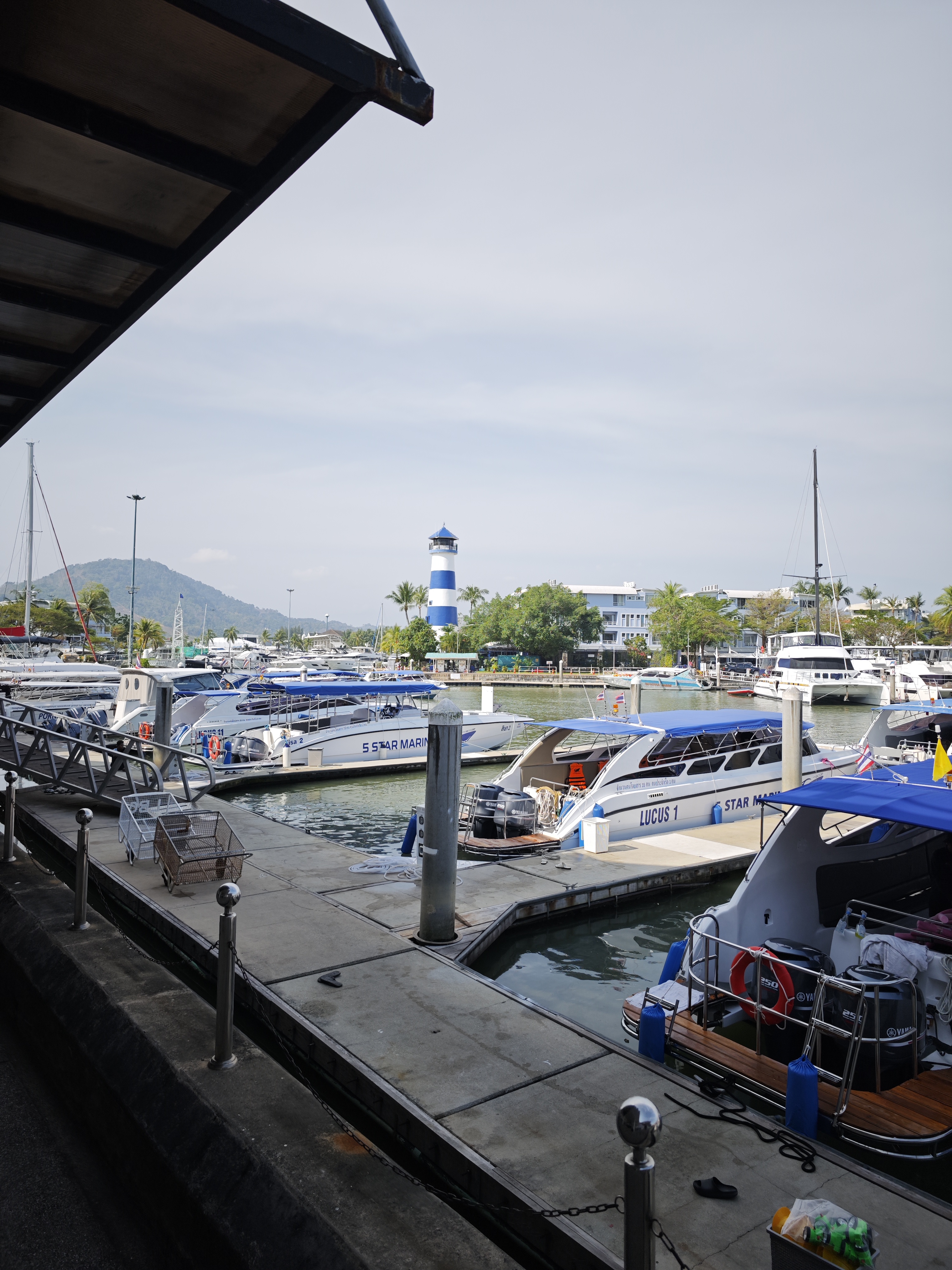
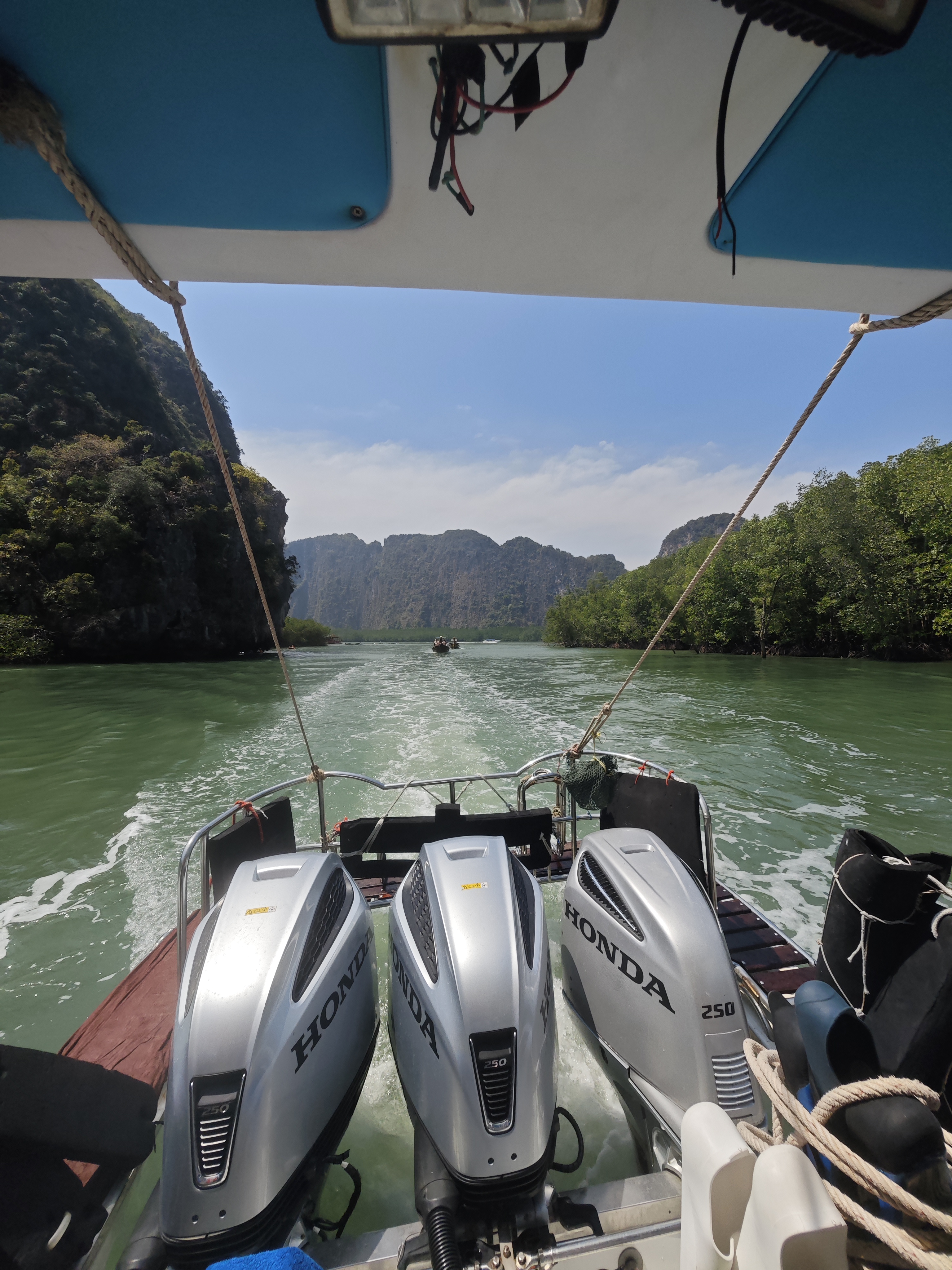
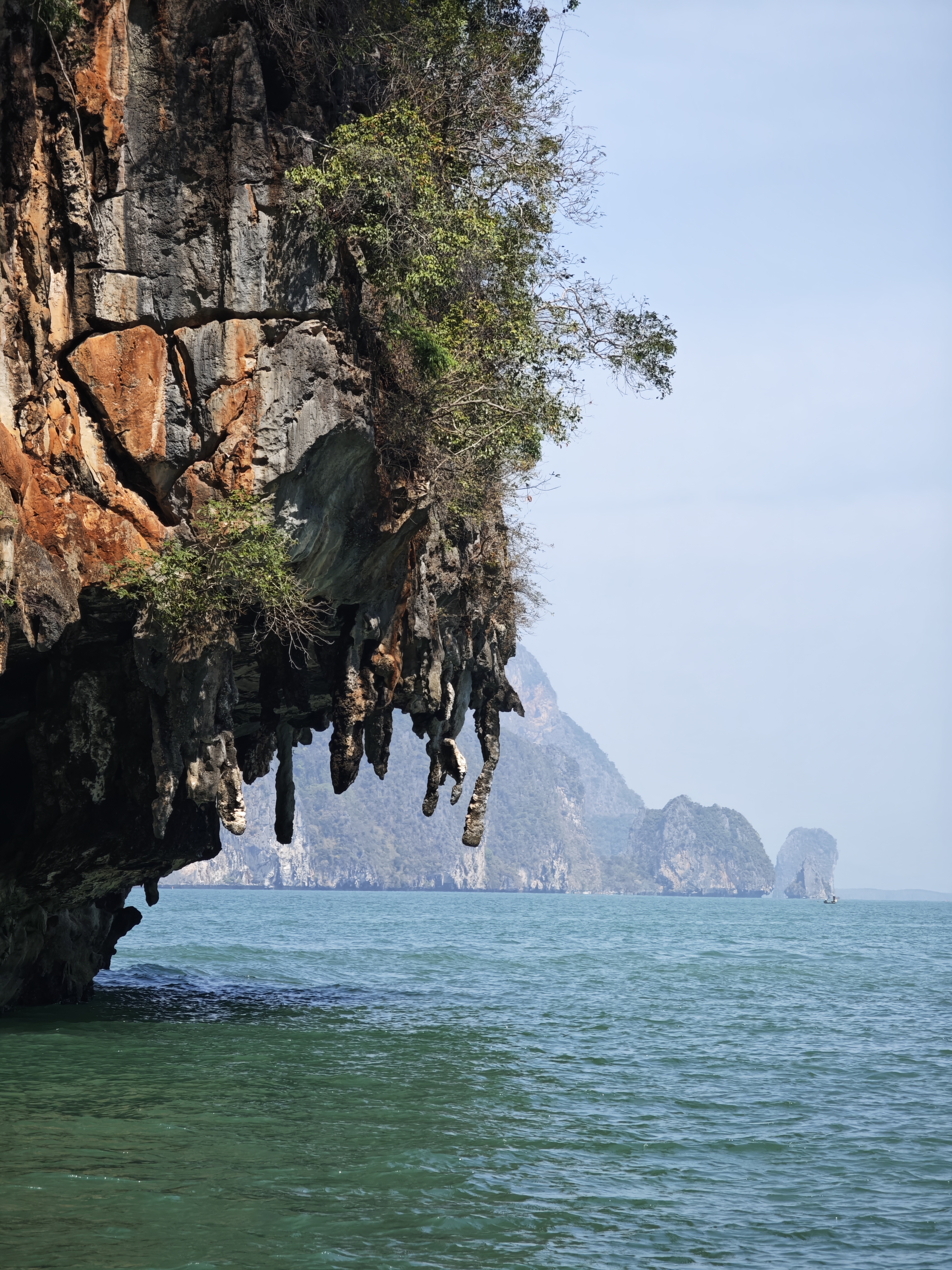
Phuket was not at all the port I remember stopping at when Larkin was five. So…our chosen excursion was to visit Phang Nga Bay was exciting as we took a high speed boat through the 150 sq mile bay in the Andaman Sea which is between the island of Phuket and mainland Thailand. Since 1981, an extensive section of the bay has been protected as a National Park.
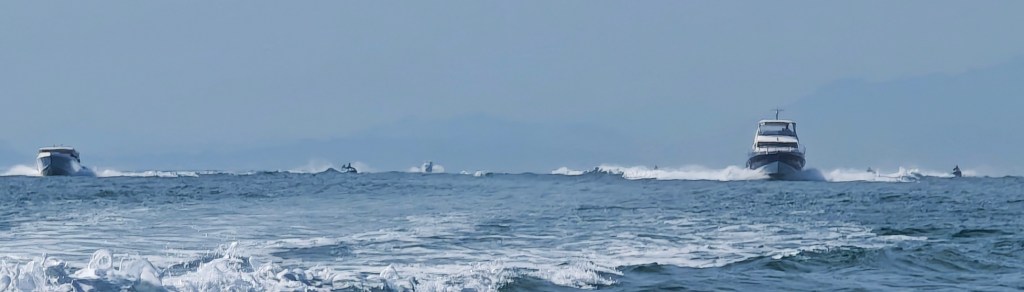
After our initial departure from the marina, the camera caught all these seadoos following the boats which made it seem like James Bond’s evil men were coming after us!
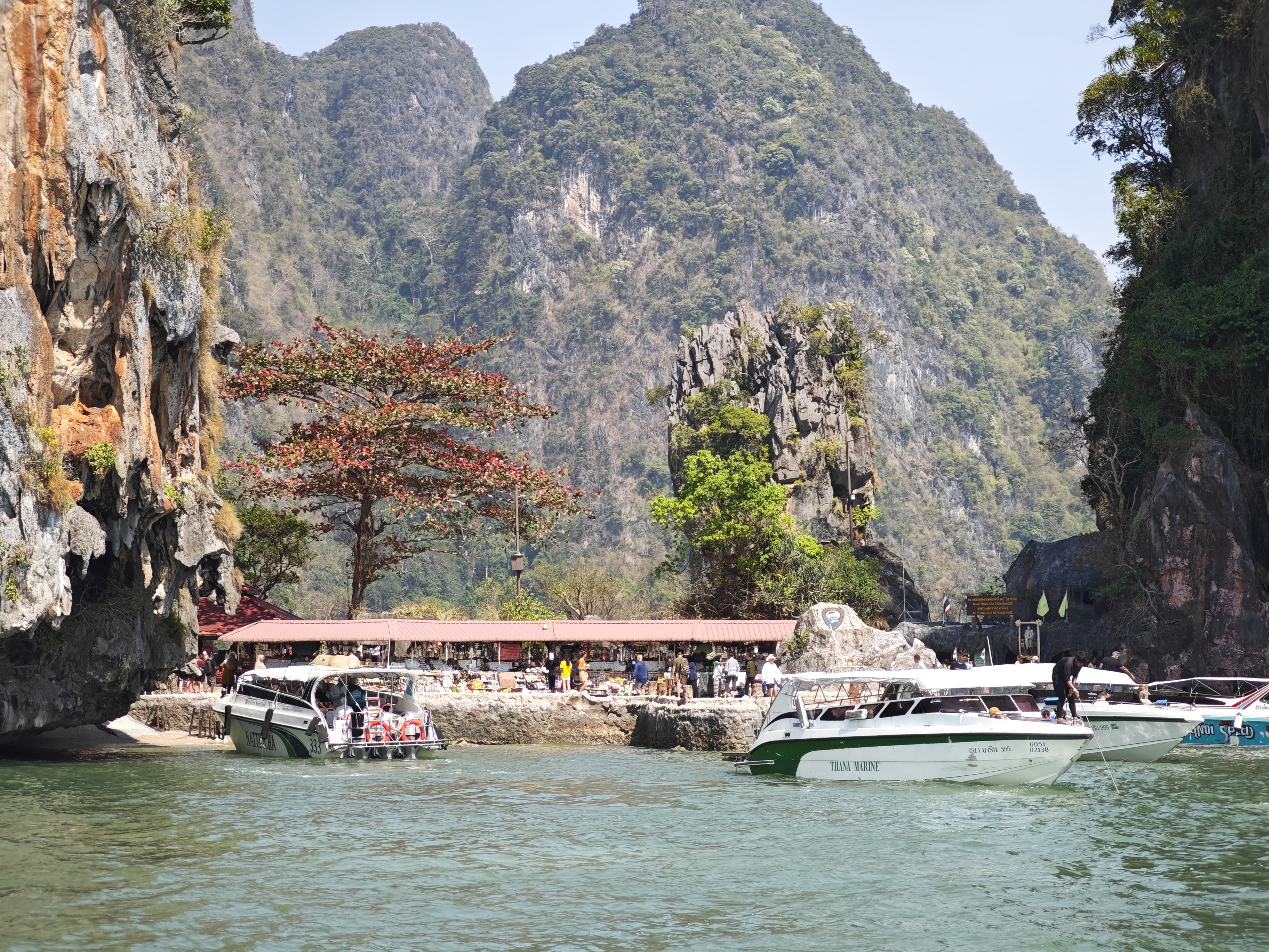
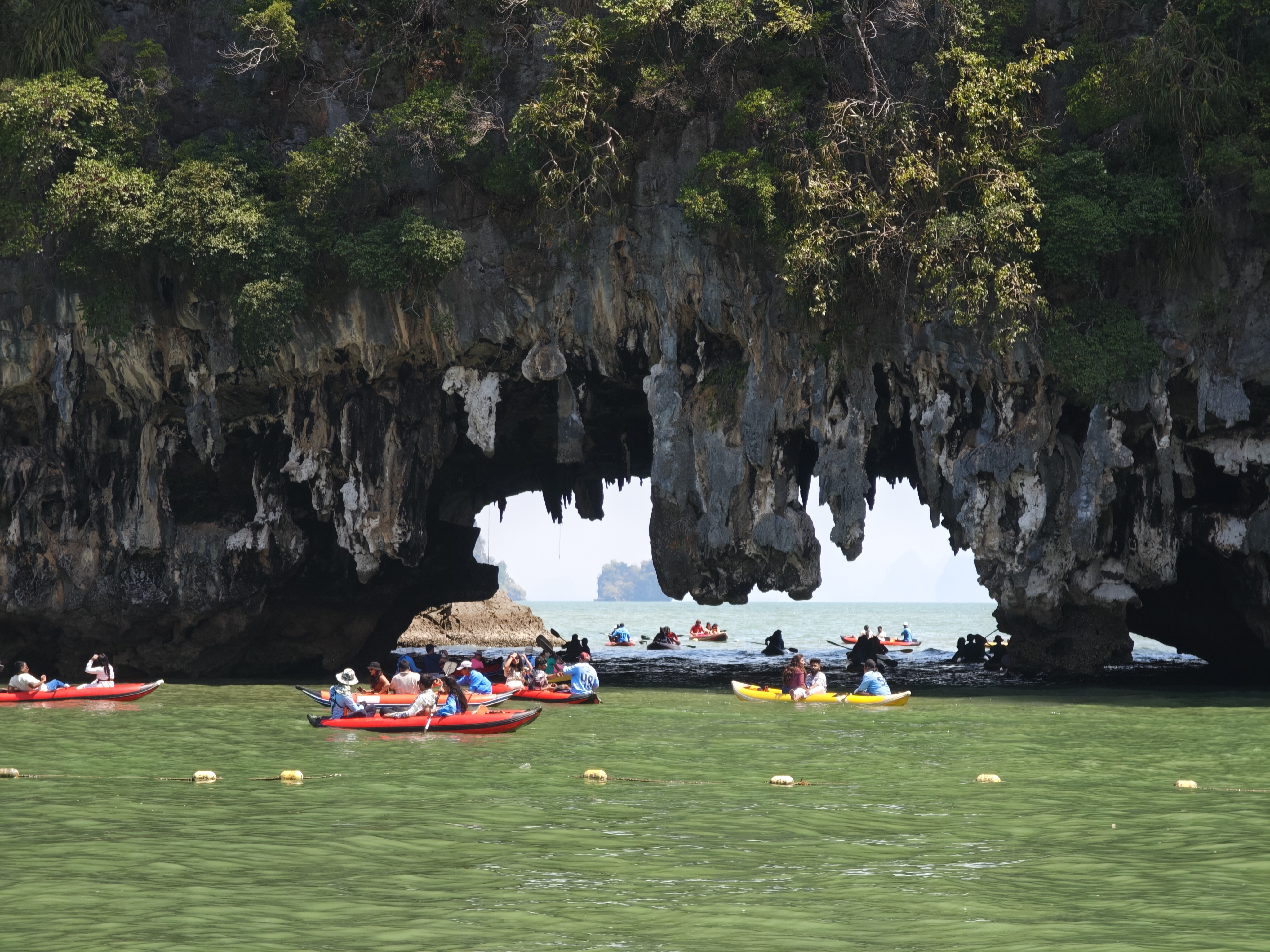
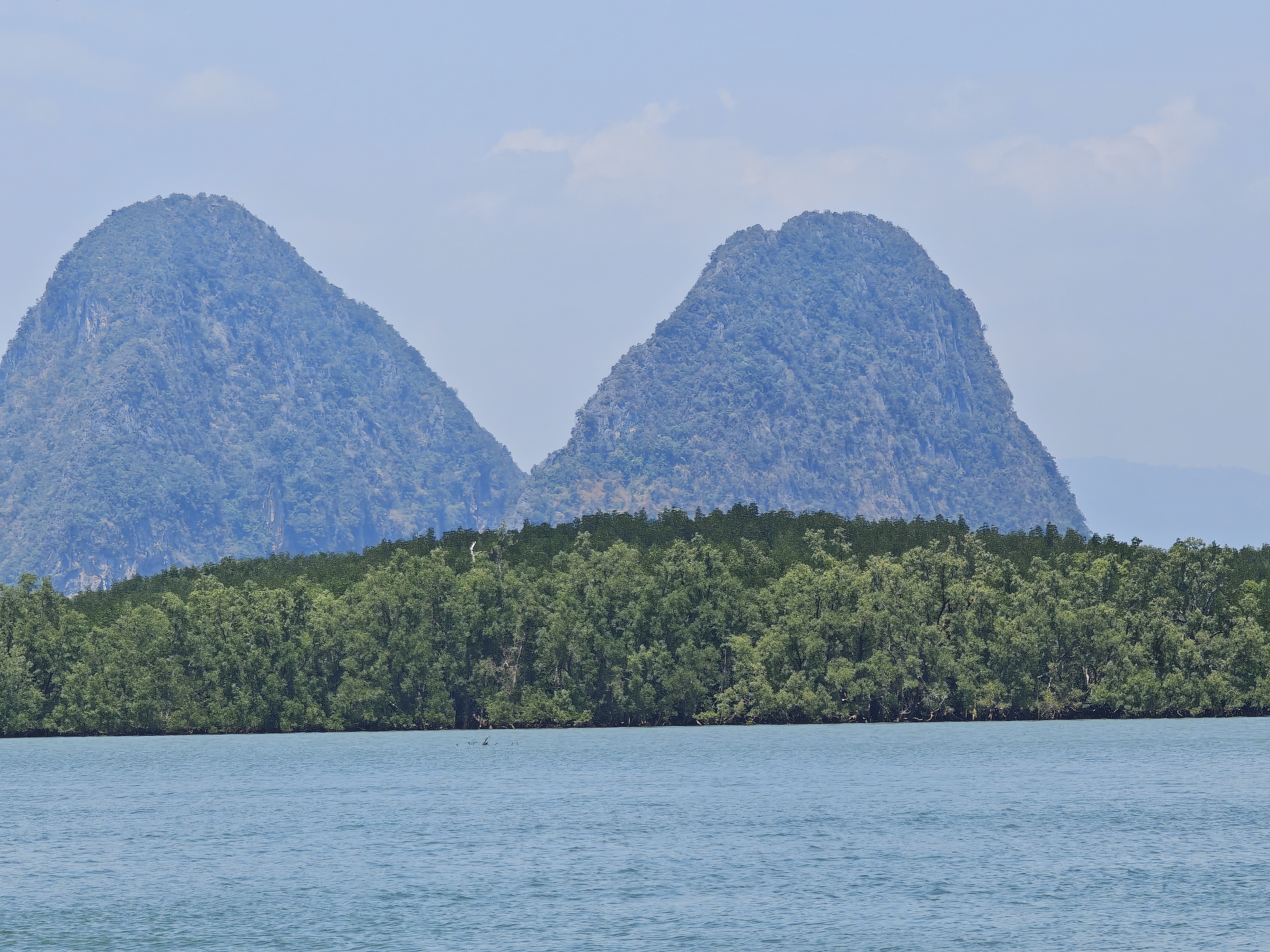
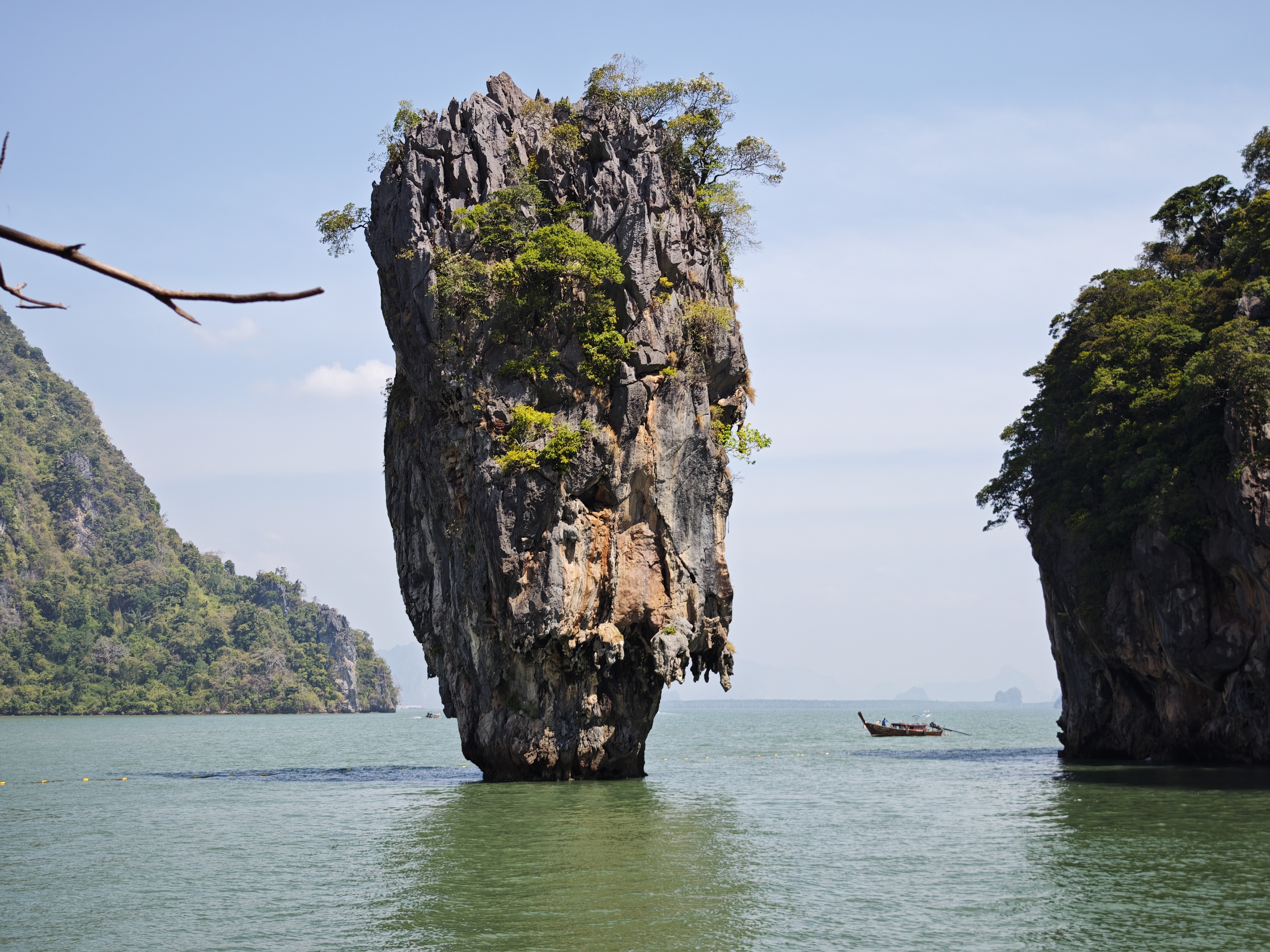
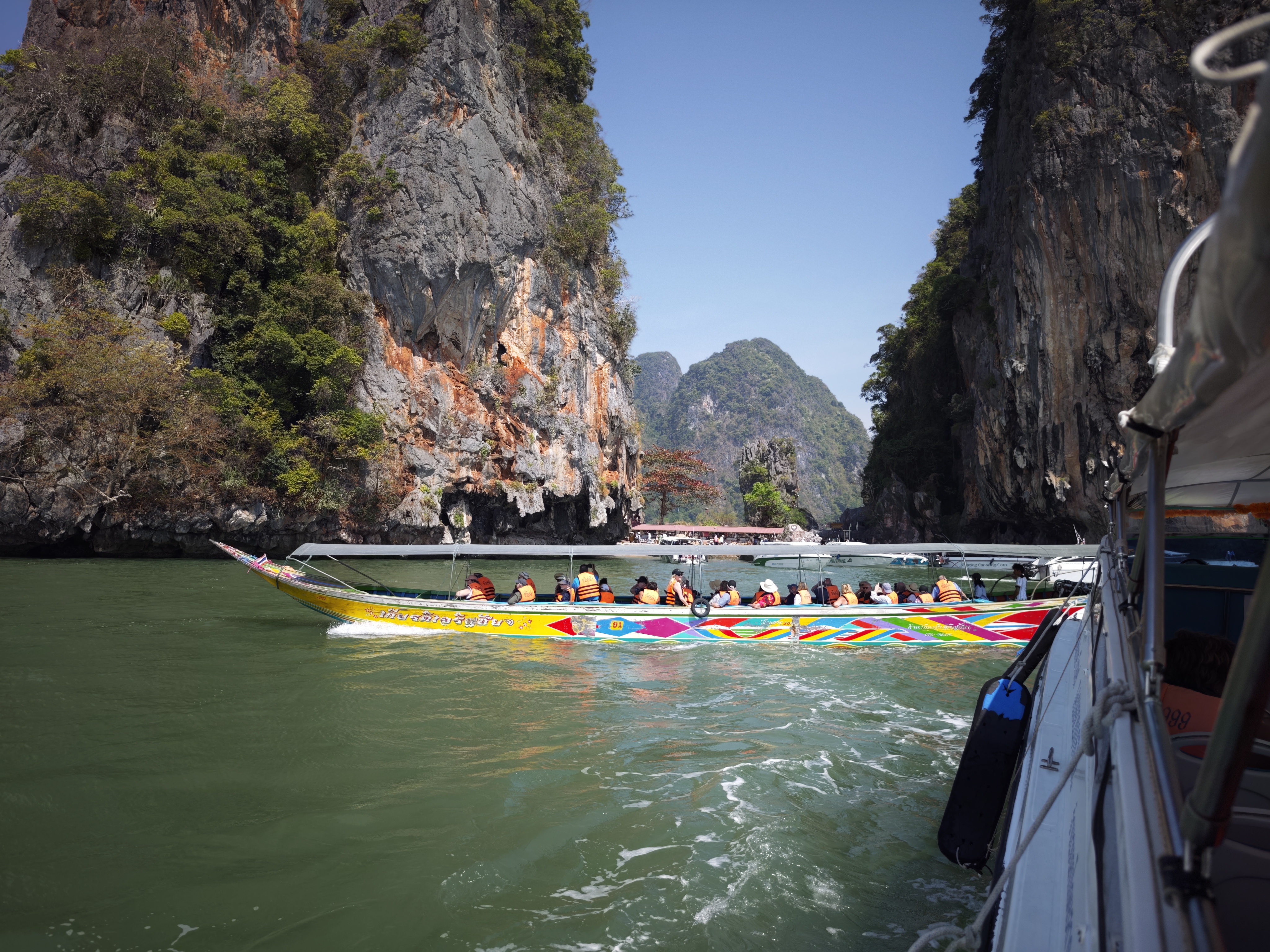
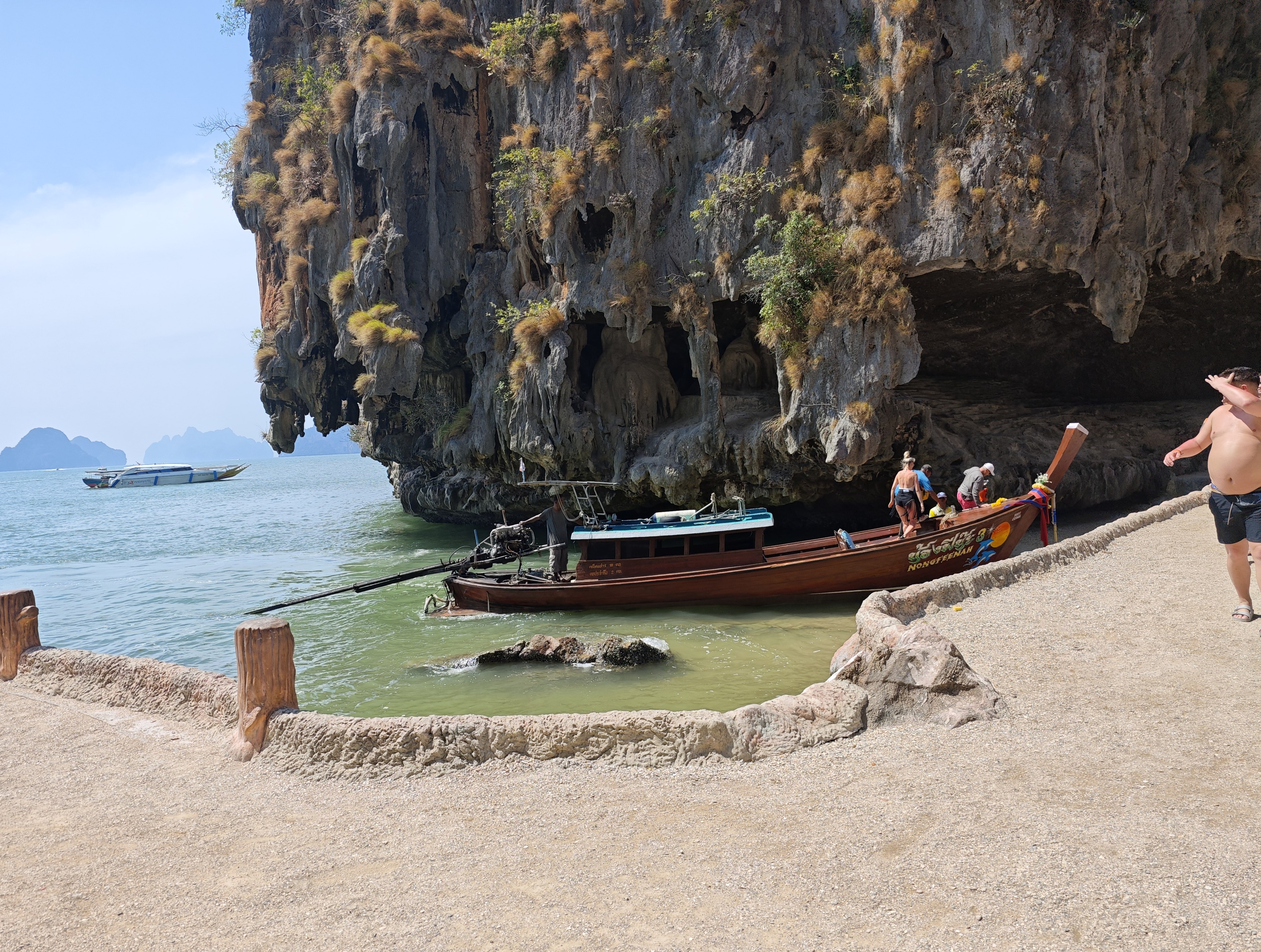
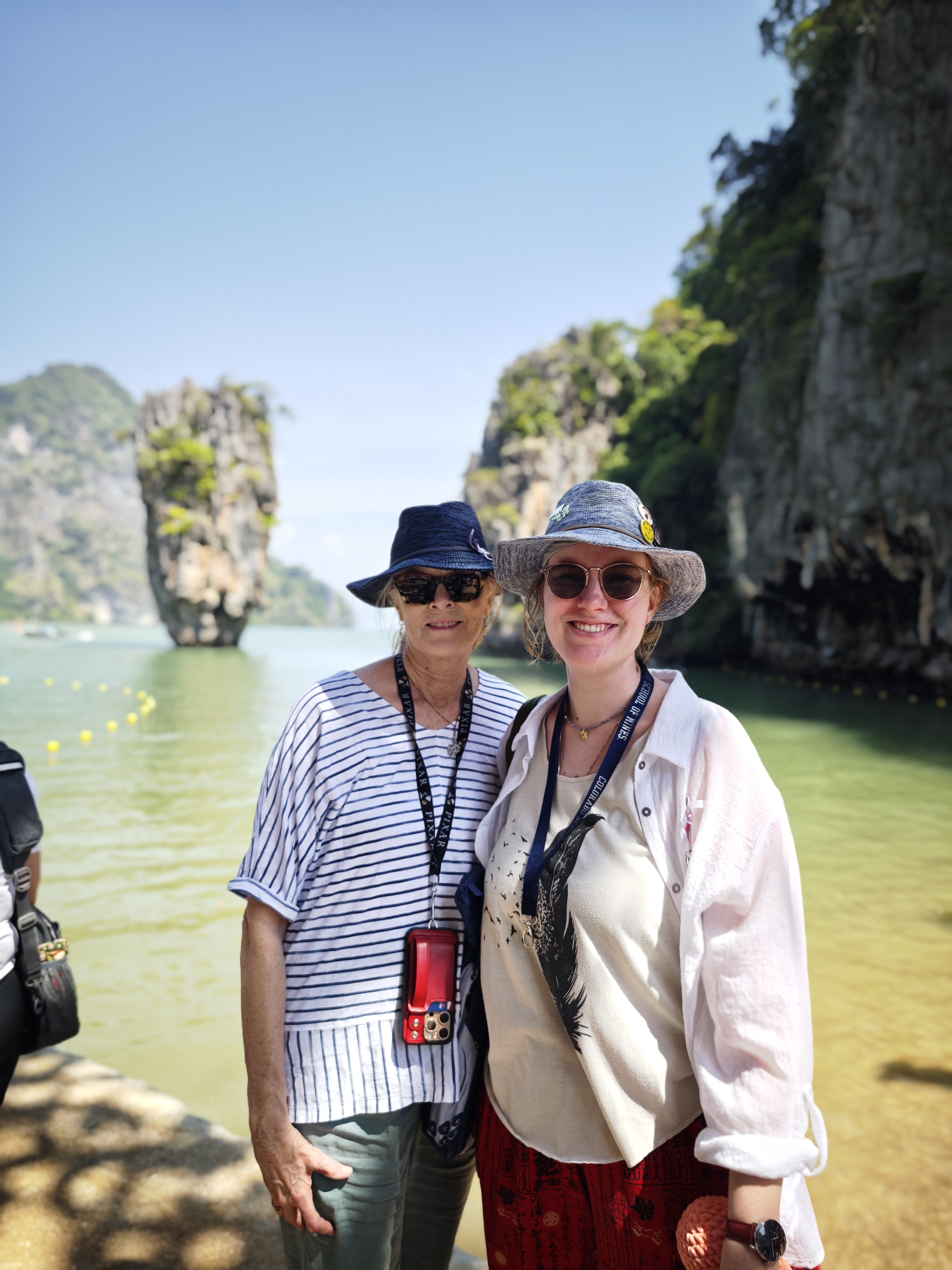
Limestone cliffs with caves, collapsed cave systems, and archaeological sites are found around the bay and we motored through them on our way to Khao Ta Poo island …which means crab’s eye in Thai. Of course it is most famously known and made popular as James Bond Island because of filming a scene for The Man With the Golden Gun in 1974! Hence all the people and all the boats!
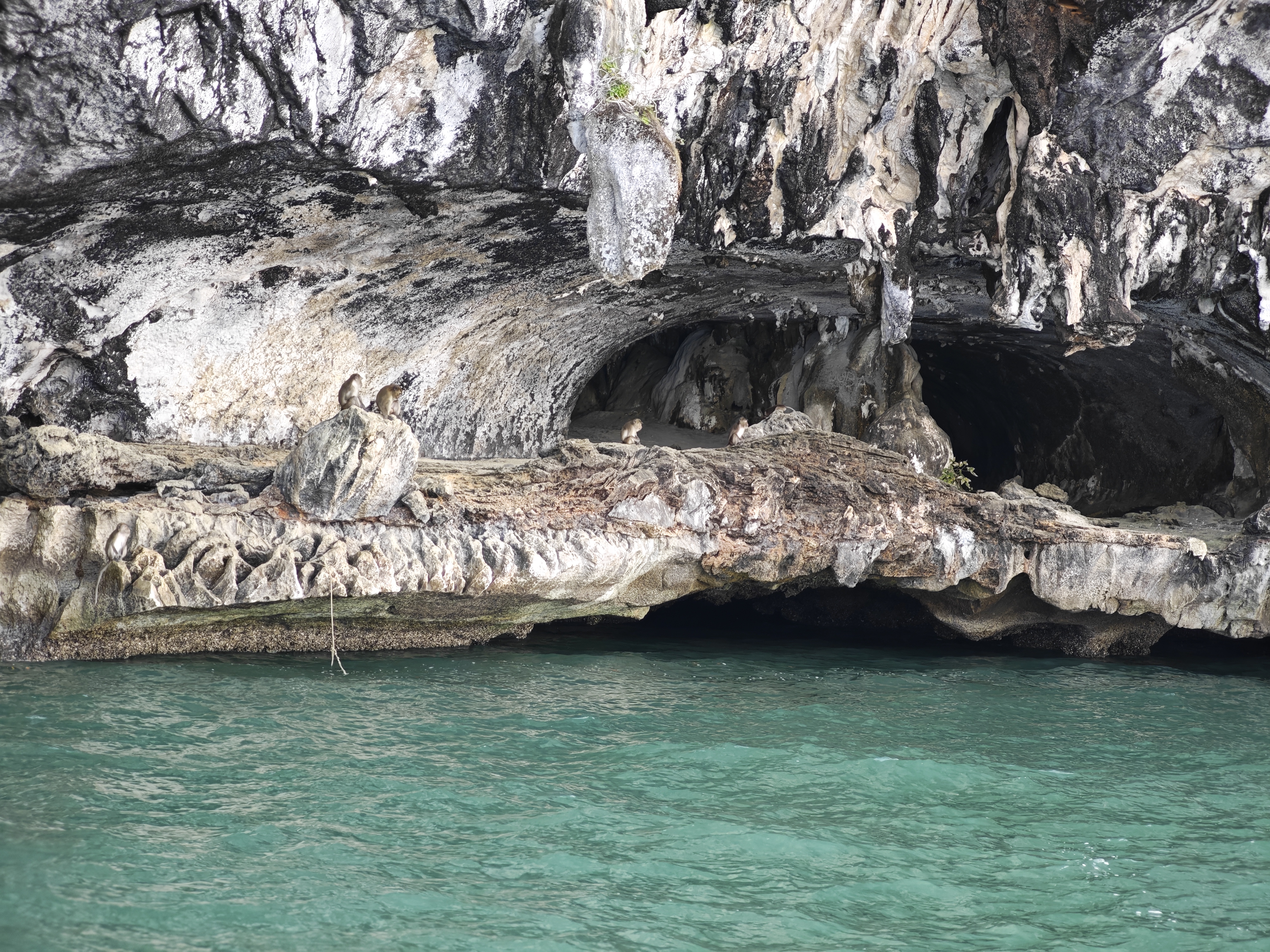
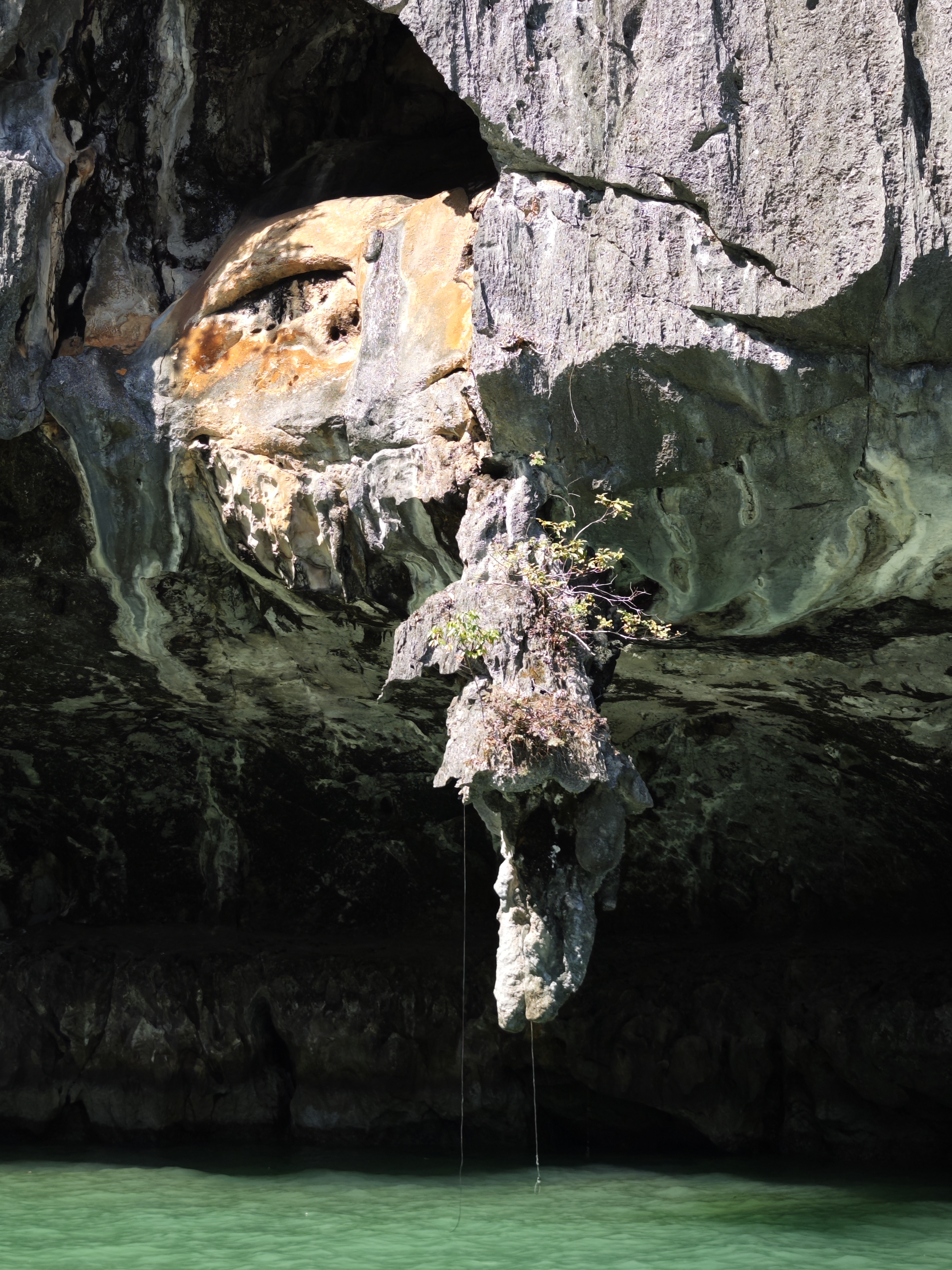
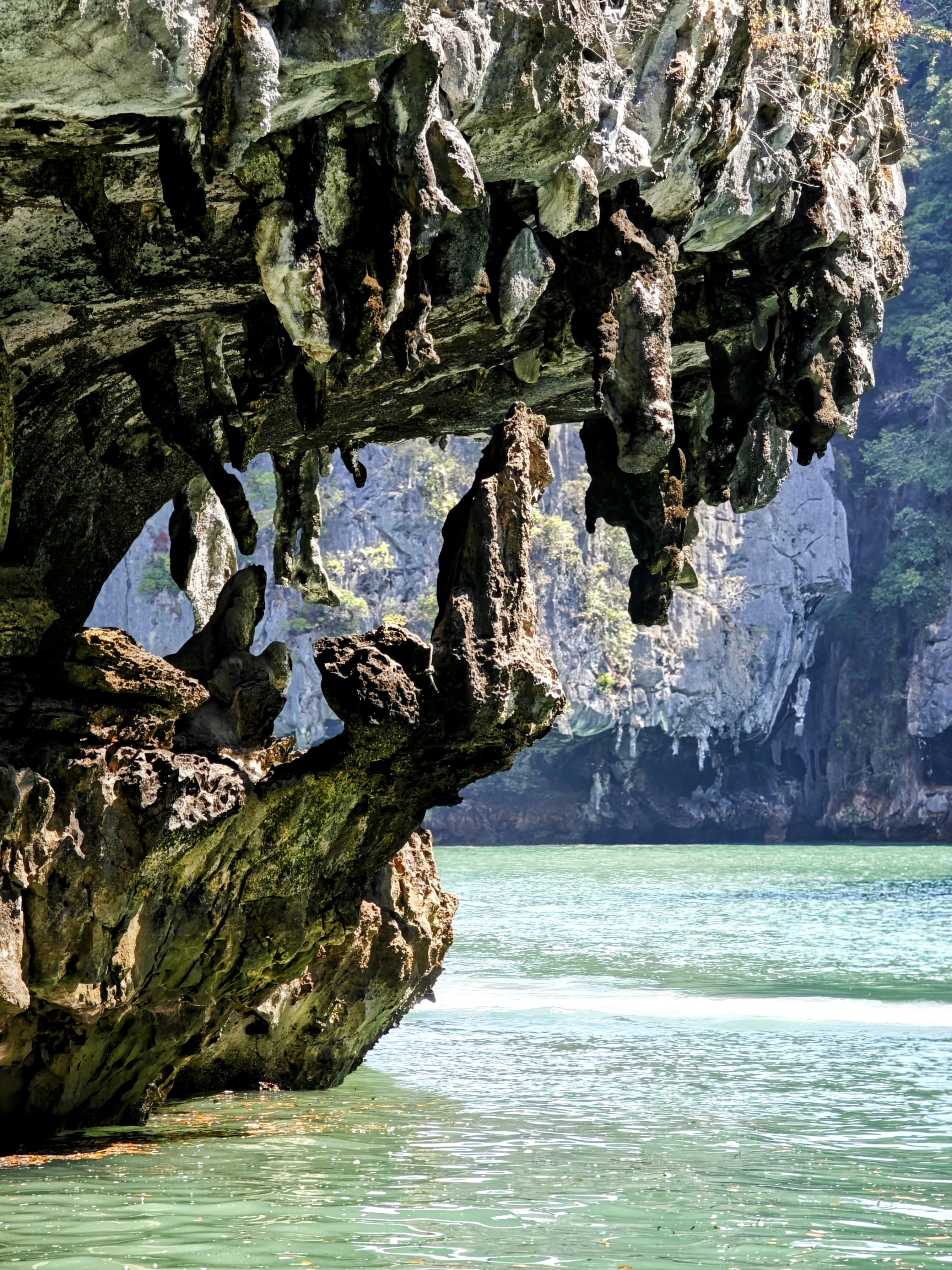
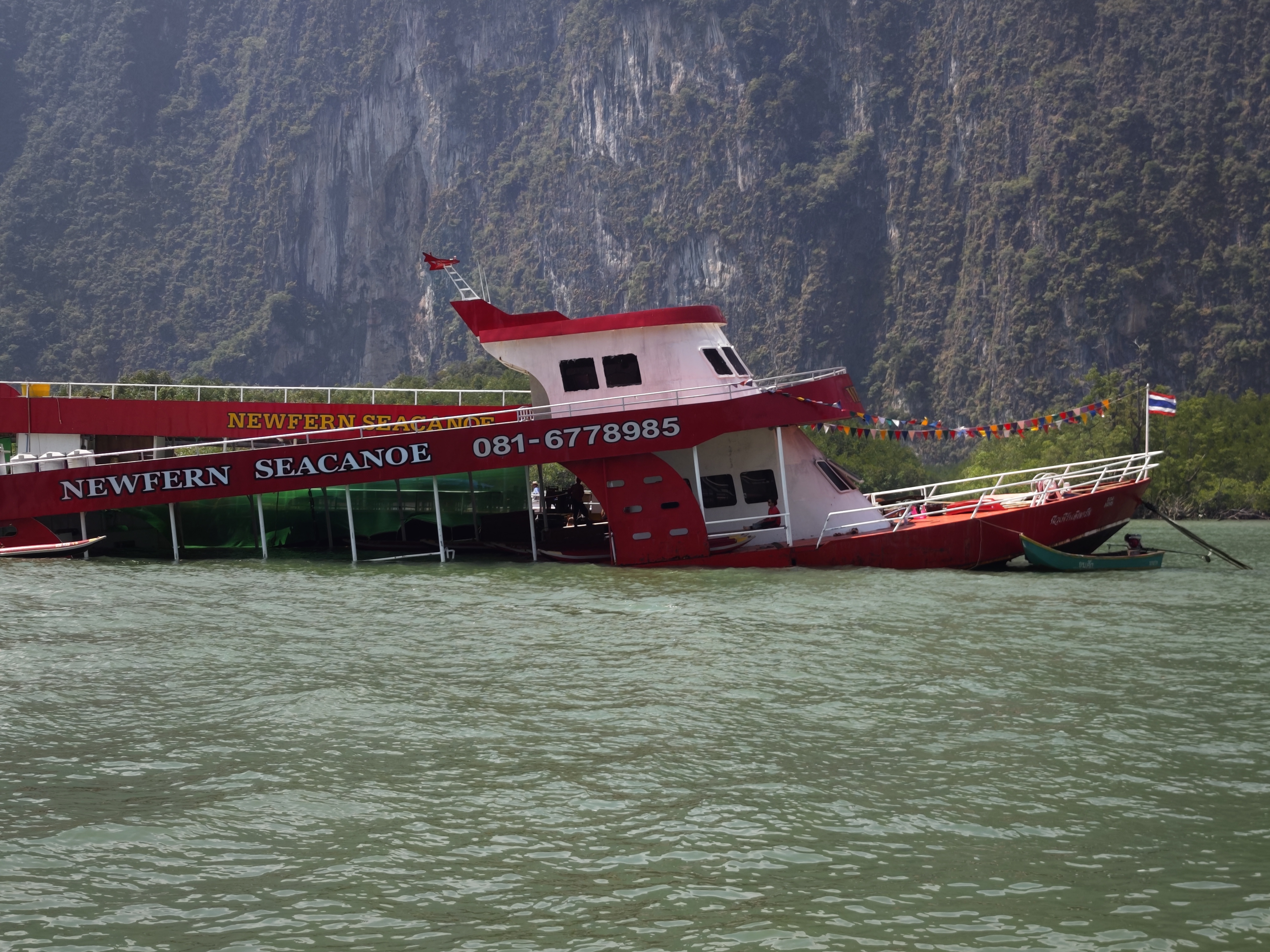
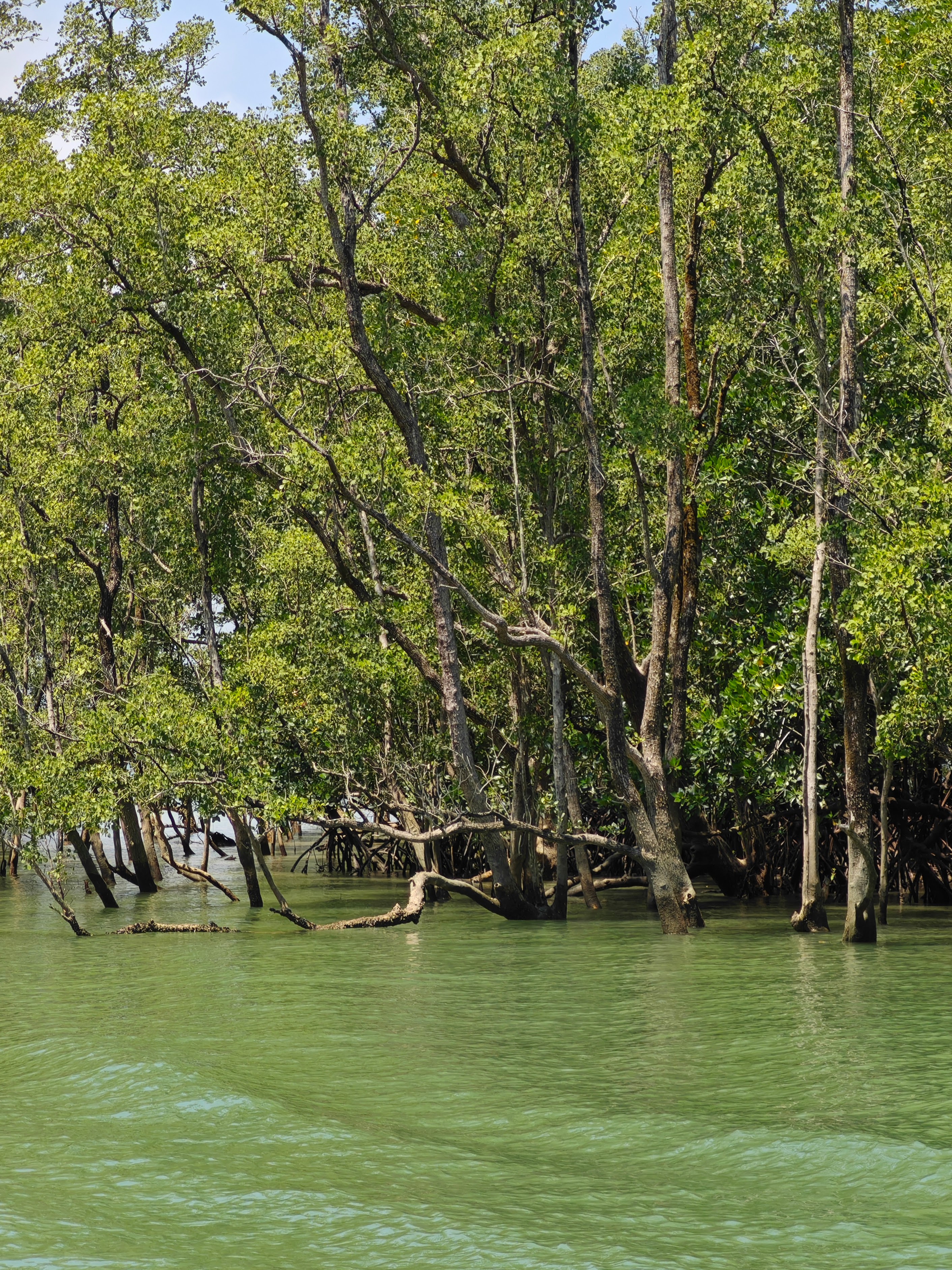
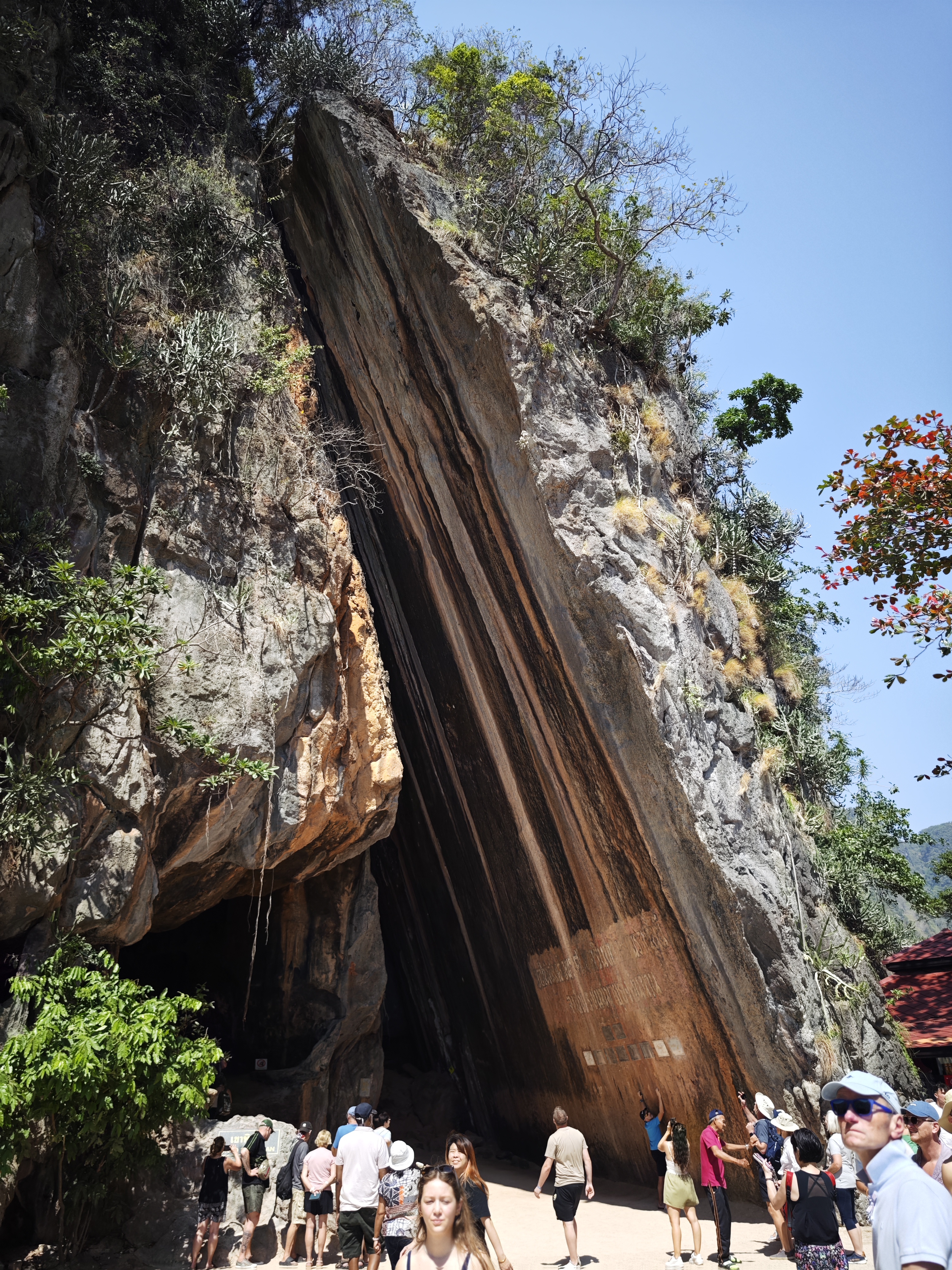
The ride to the “James Bond” island encompassed more carsts like topography rising out of the sea. Their erosion makes for stunning photos! Photos of the encountered erosion up close are below and you’ll note in one cave we found monkeys sitting on the rocks. Sometimes the rocks took on other personalities like dragons or whatever your imagination comes up with! Newfern Seacanoe didn’t seem too reliable but you’ll see the lady sitting on the boat if you look close. Many people could be seen kayaking to enjoy the limestone vistas. We did motor by protected mangrove forests to see what they looked like up close.
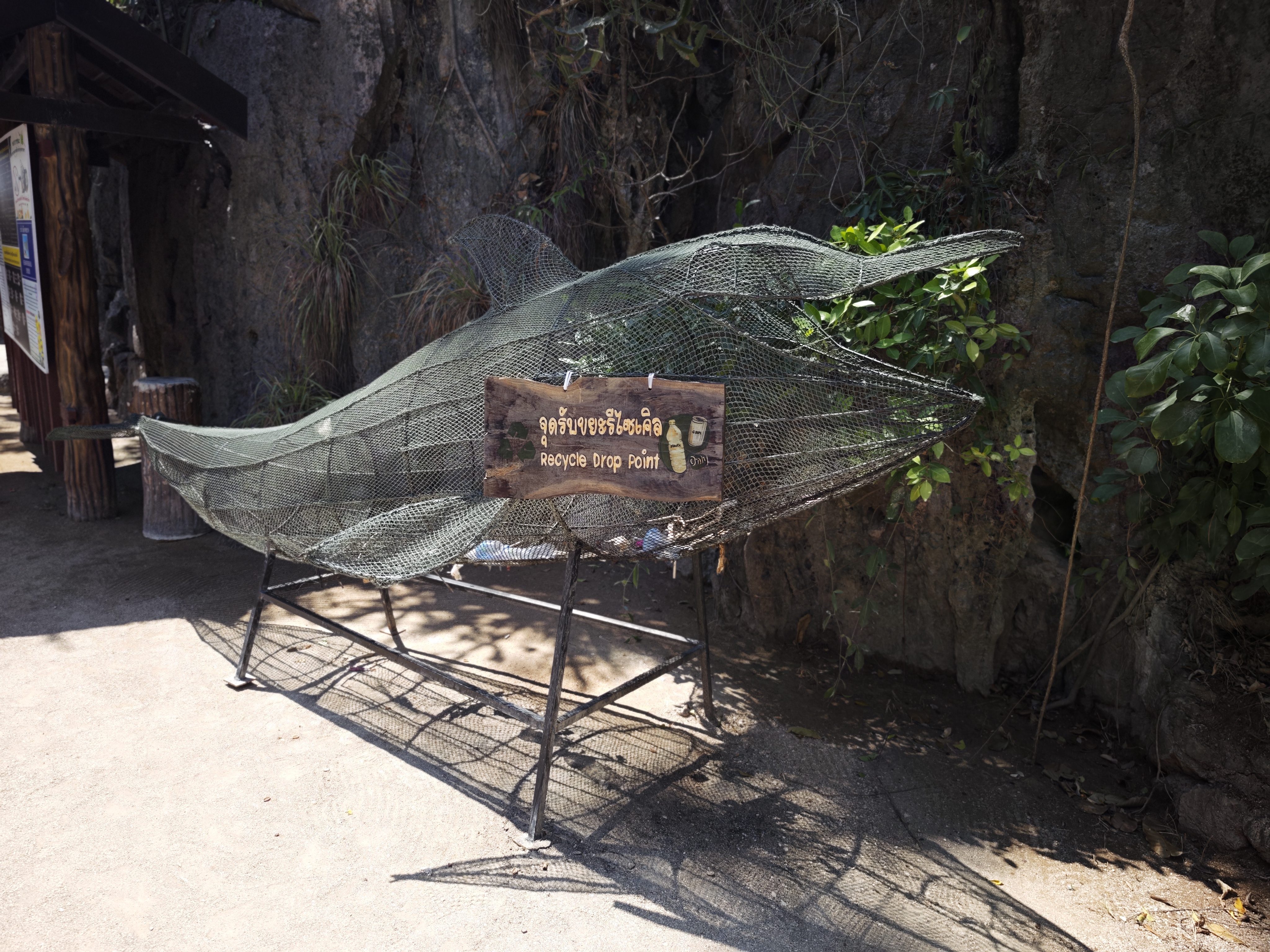
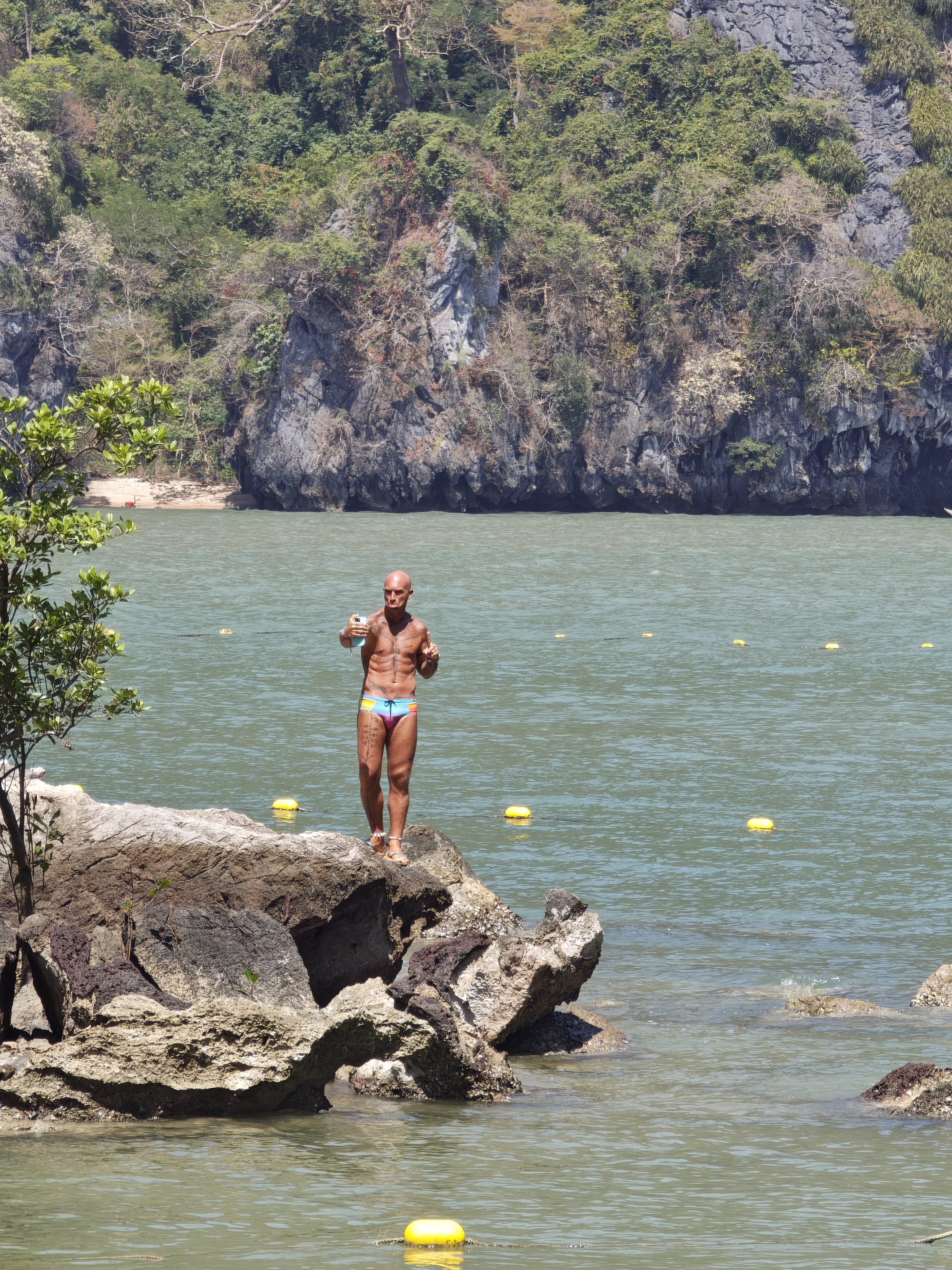
There were many different types of boats that brought people in, dropped them off and hung around until the groups were ready to leave! The had a great recycling bin and of course some people enjoy doing unique selfies! …and of course unique geology!
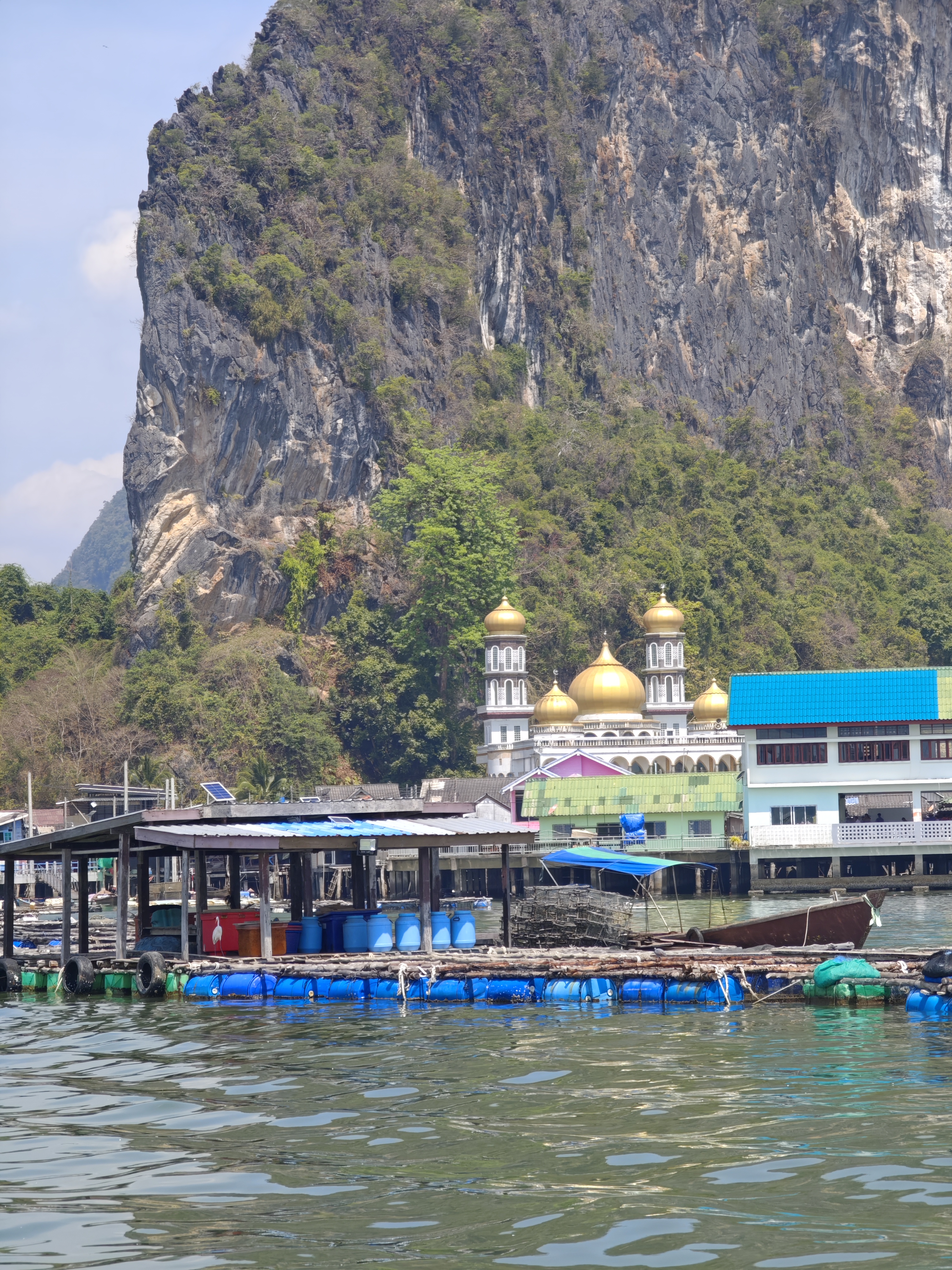
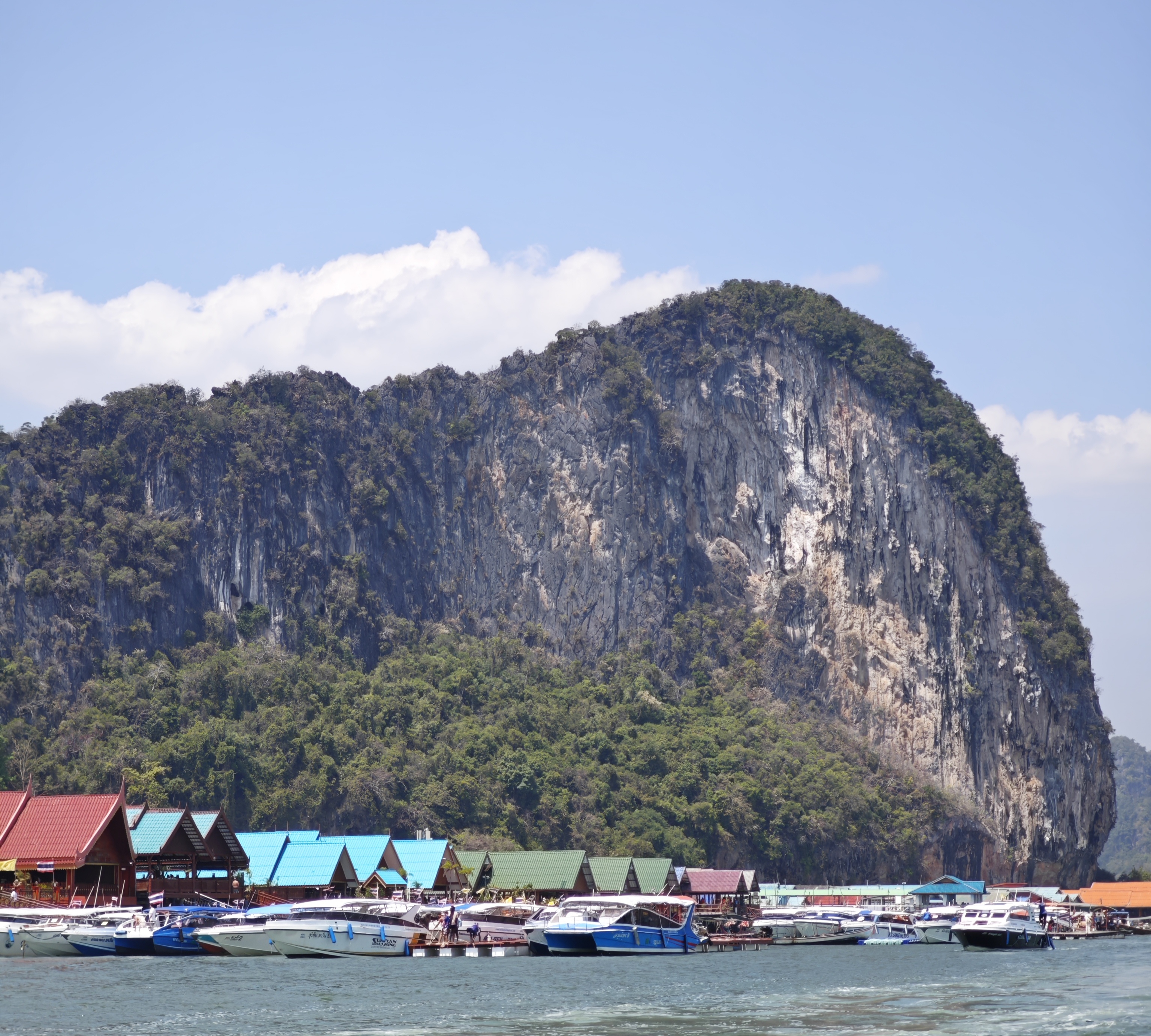
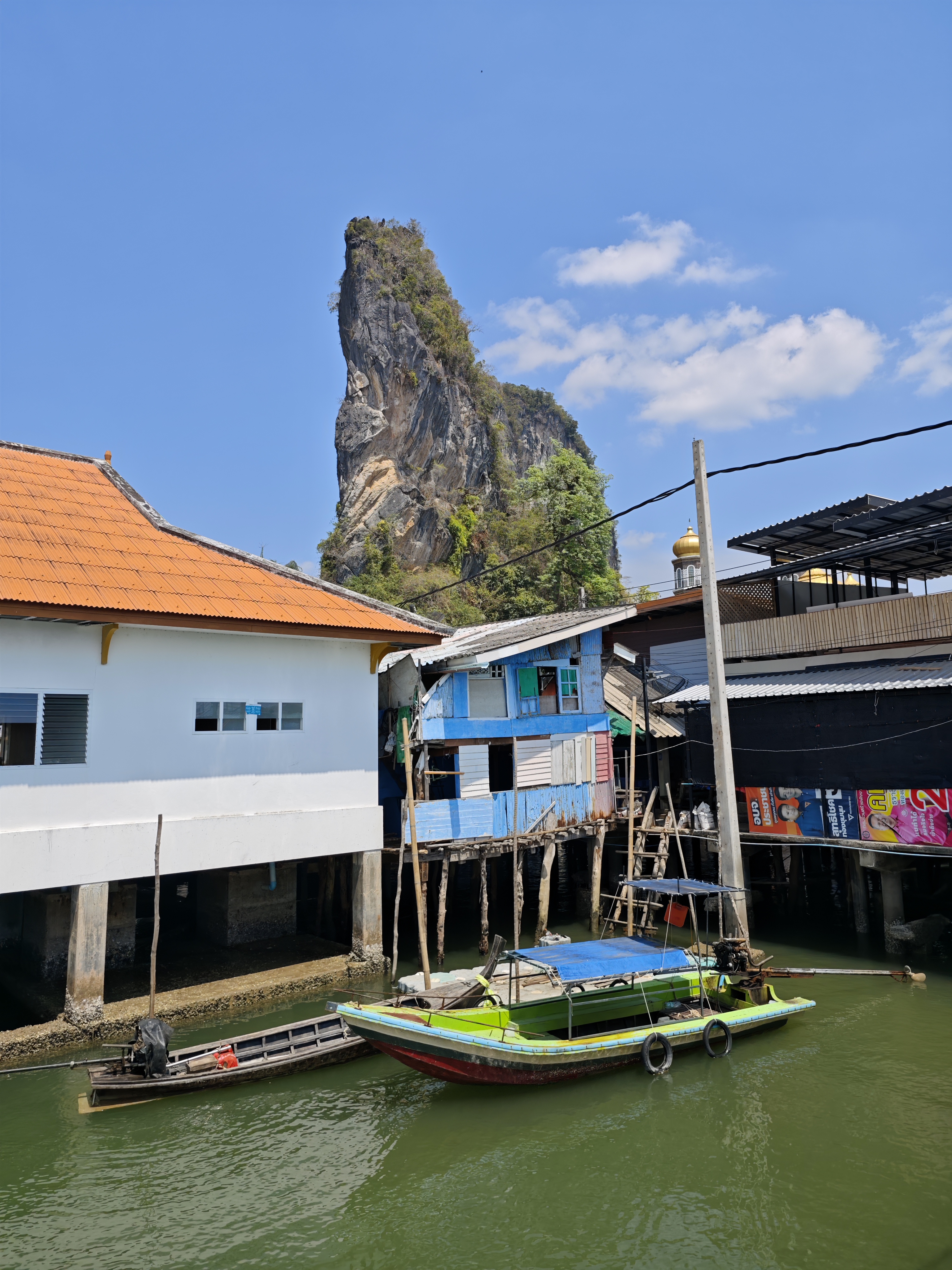
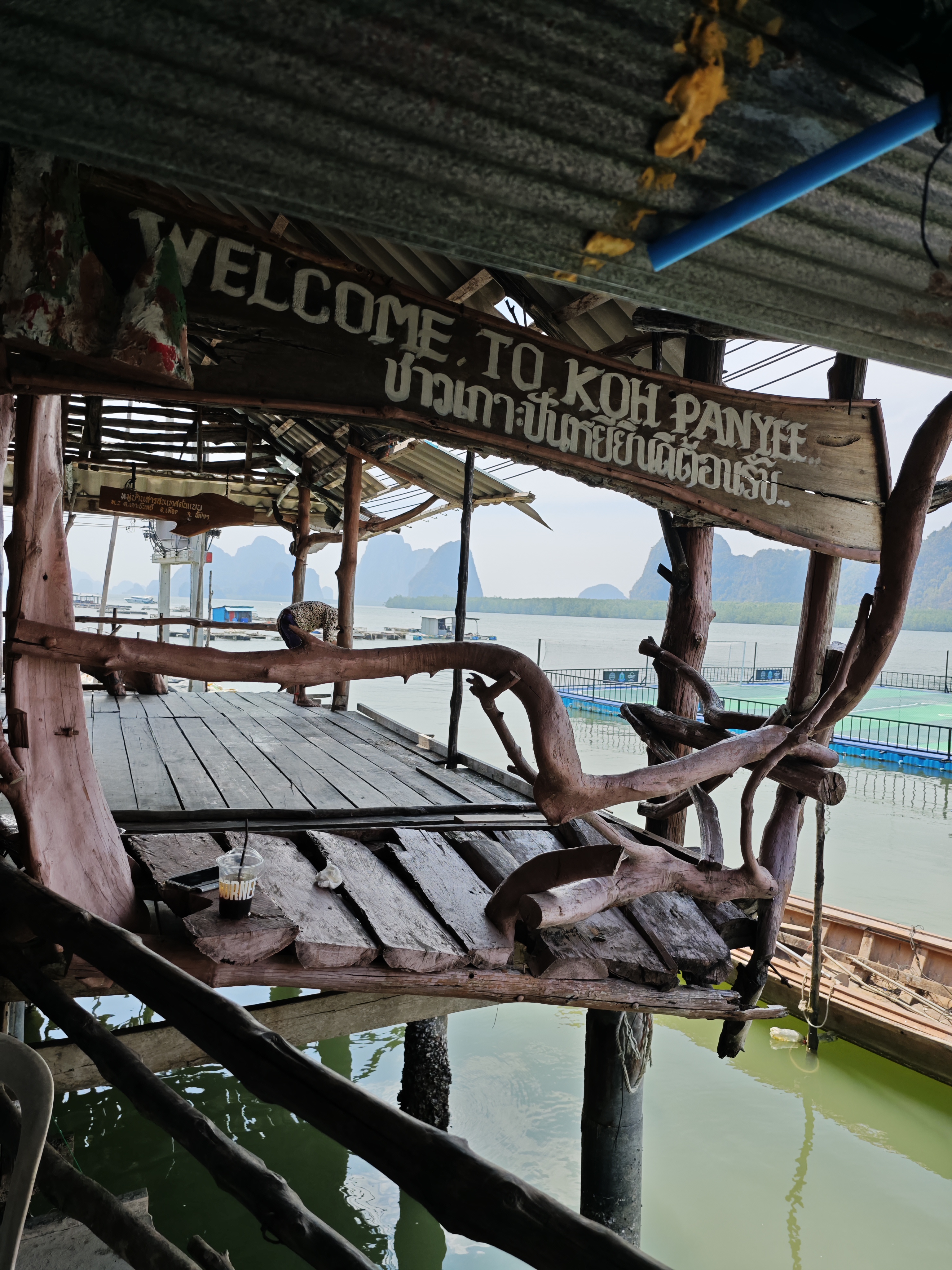
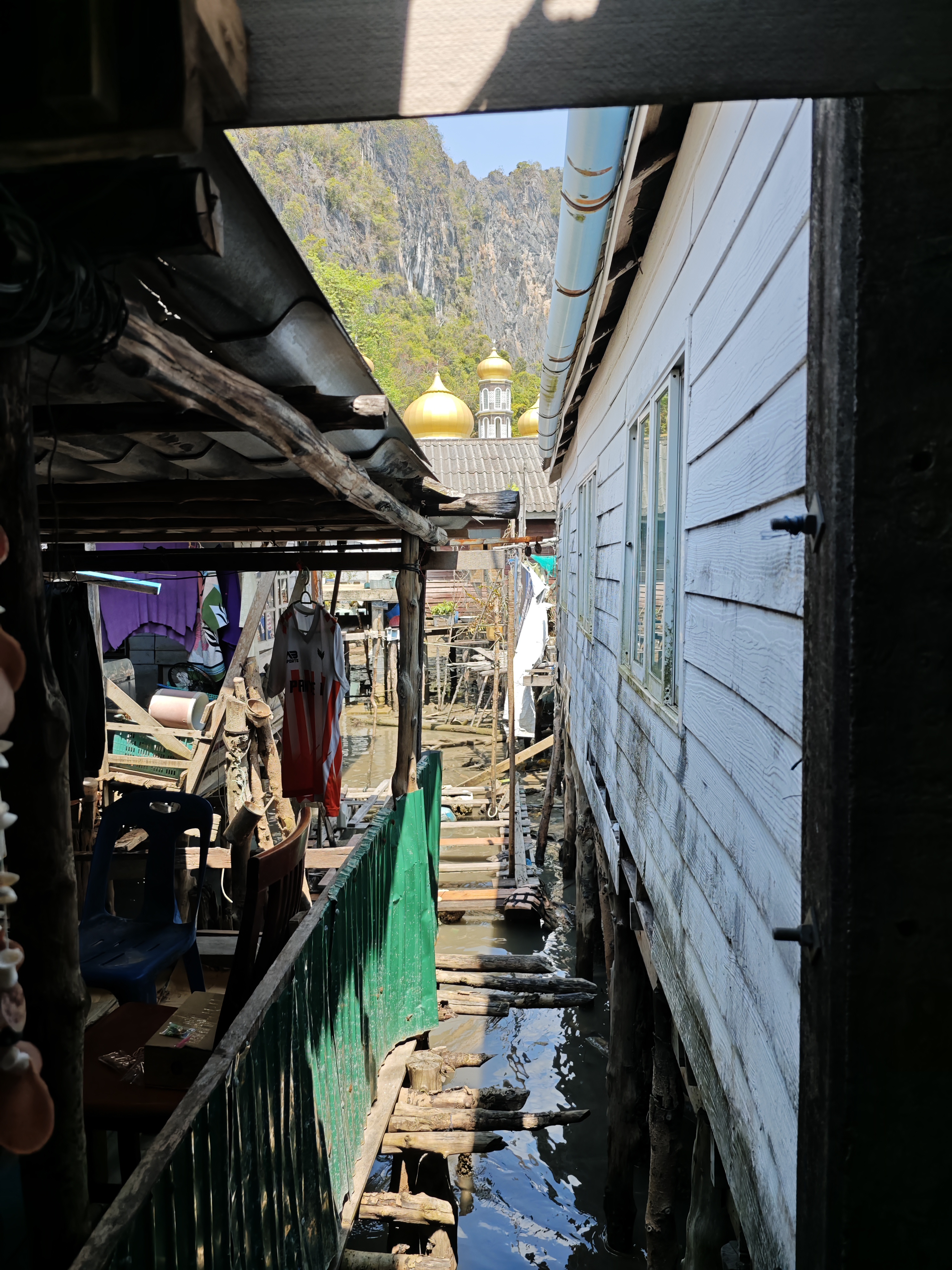
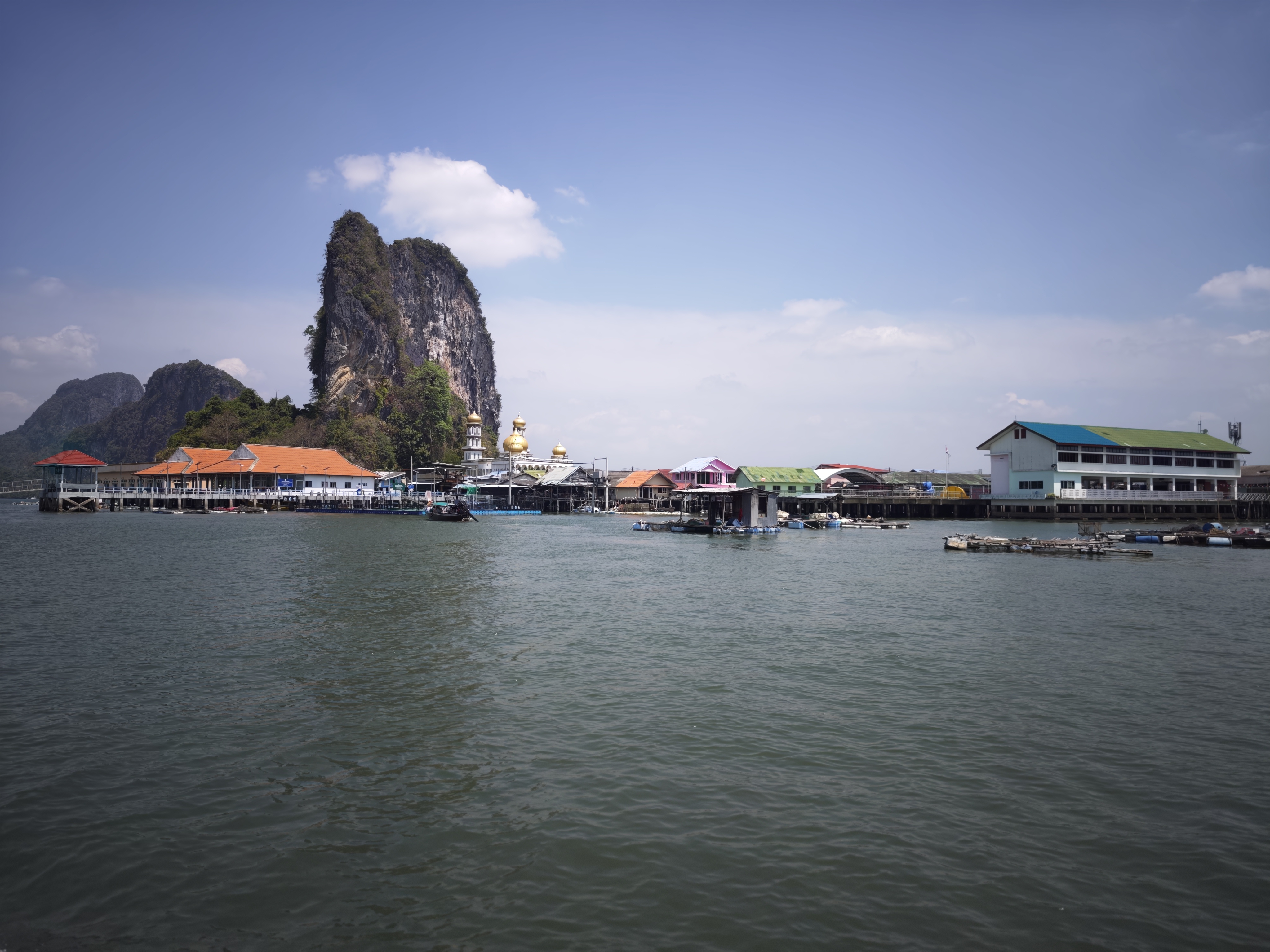
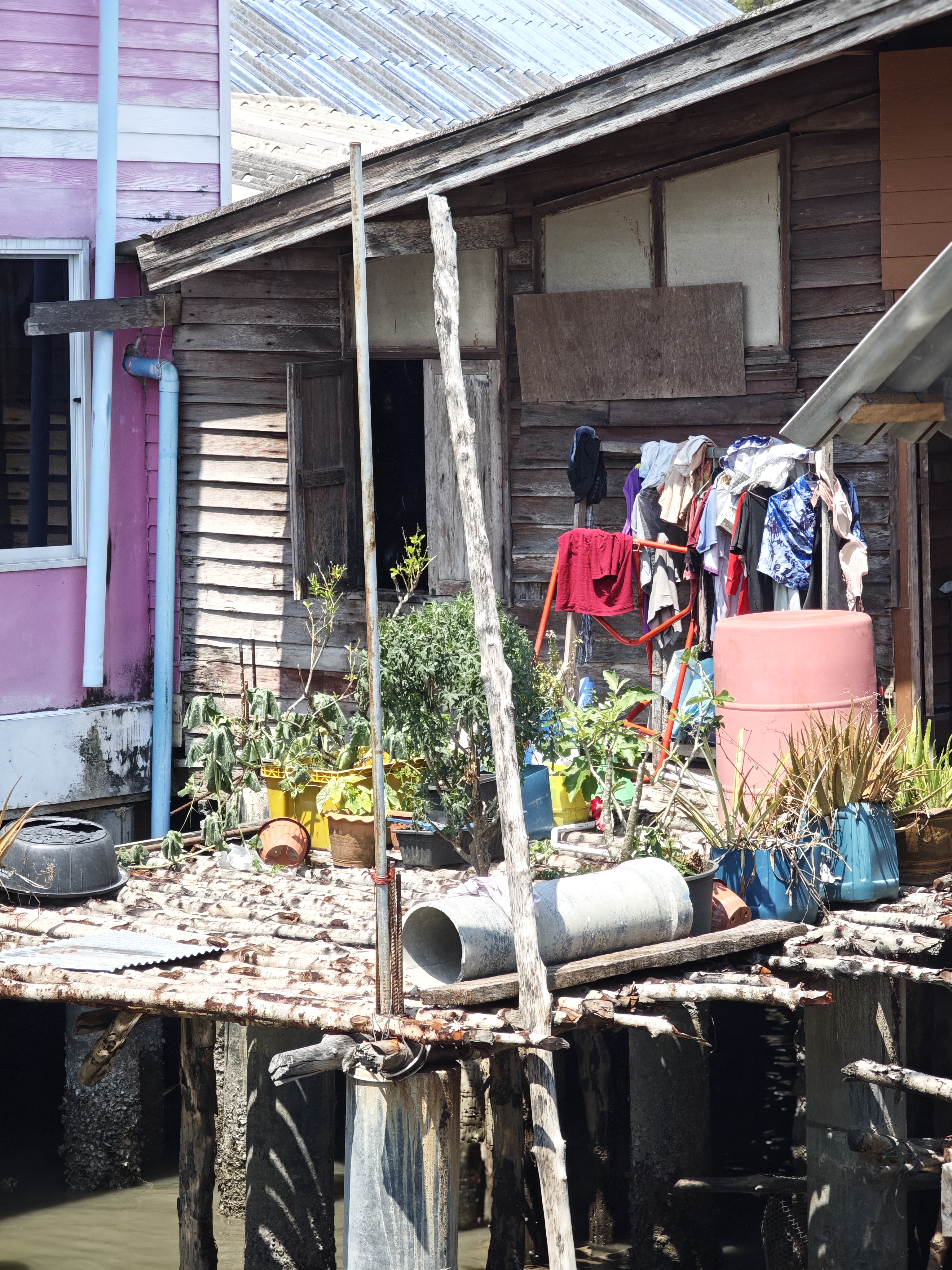
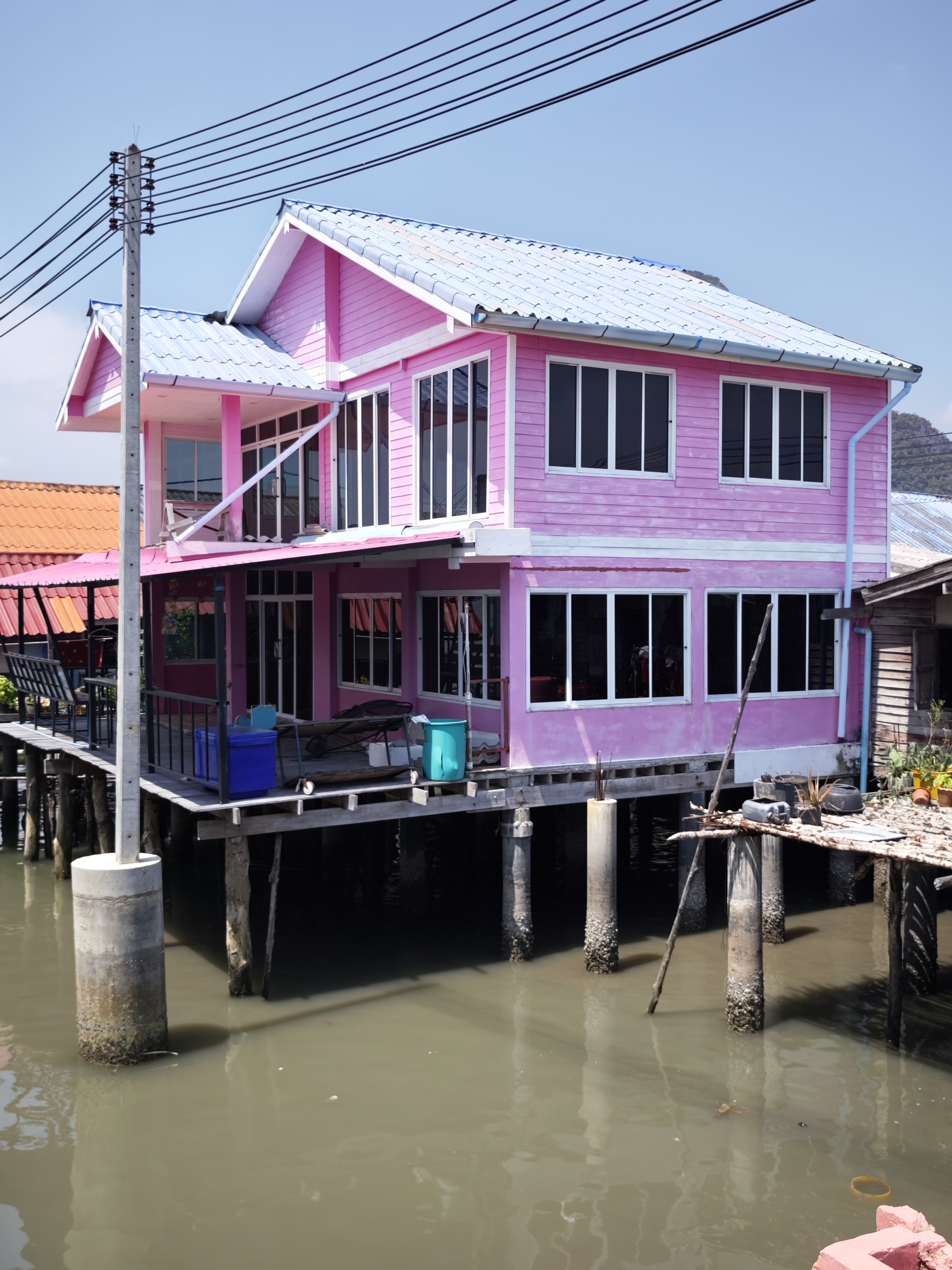
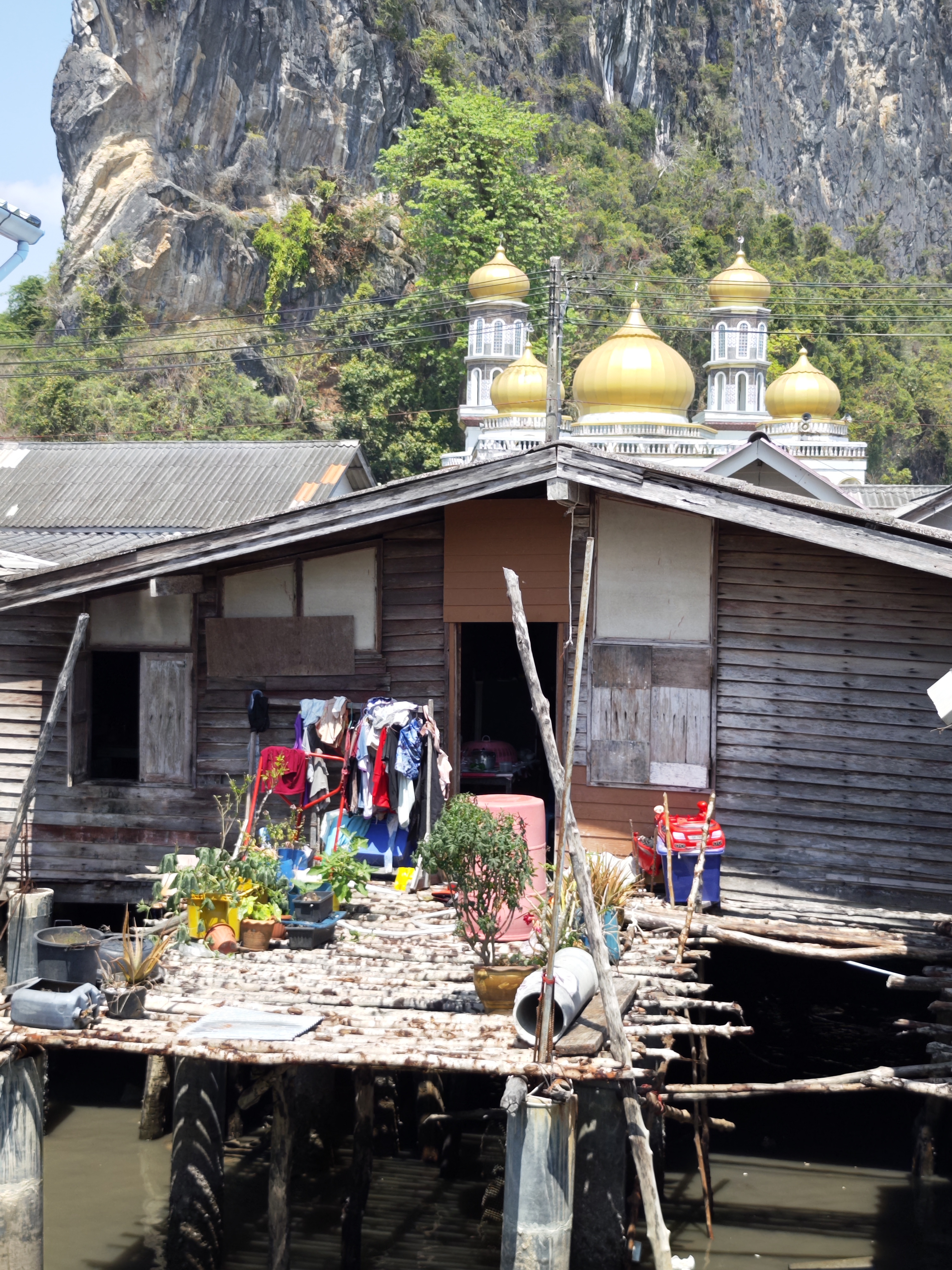
After James Bond Island we landed at a floating Muslim only city called Koh Panyee Water Village with its own schools and mosque which you can see in the background. The settlement at Koh Panee was established at the end of the 18th century by nomadic Javanese fisherman. During this time the law limited land ownership solely to people of Thai national origins, and due to this restriction the settlement was, for the most part, built on stilts within the protection of the island’s bay, providing easy access for fishermen. With the increase of wealth for the community, due to the growing tourism industry within Thailand, the purchase of land on the island itself became a possibility, and the first significant structures were built ashore including a mosque and a fresh water well.
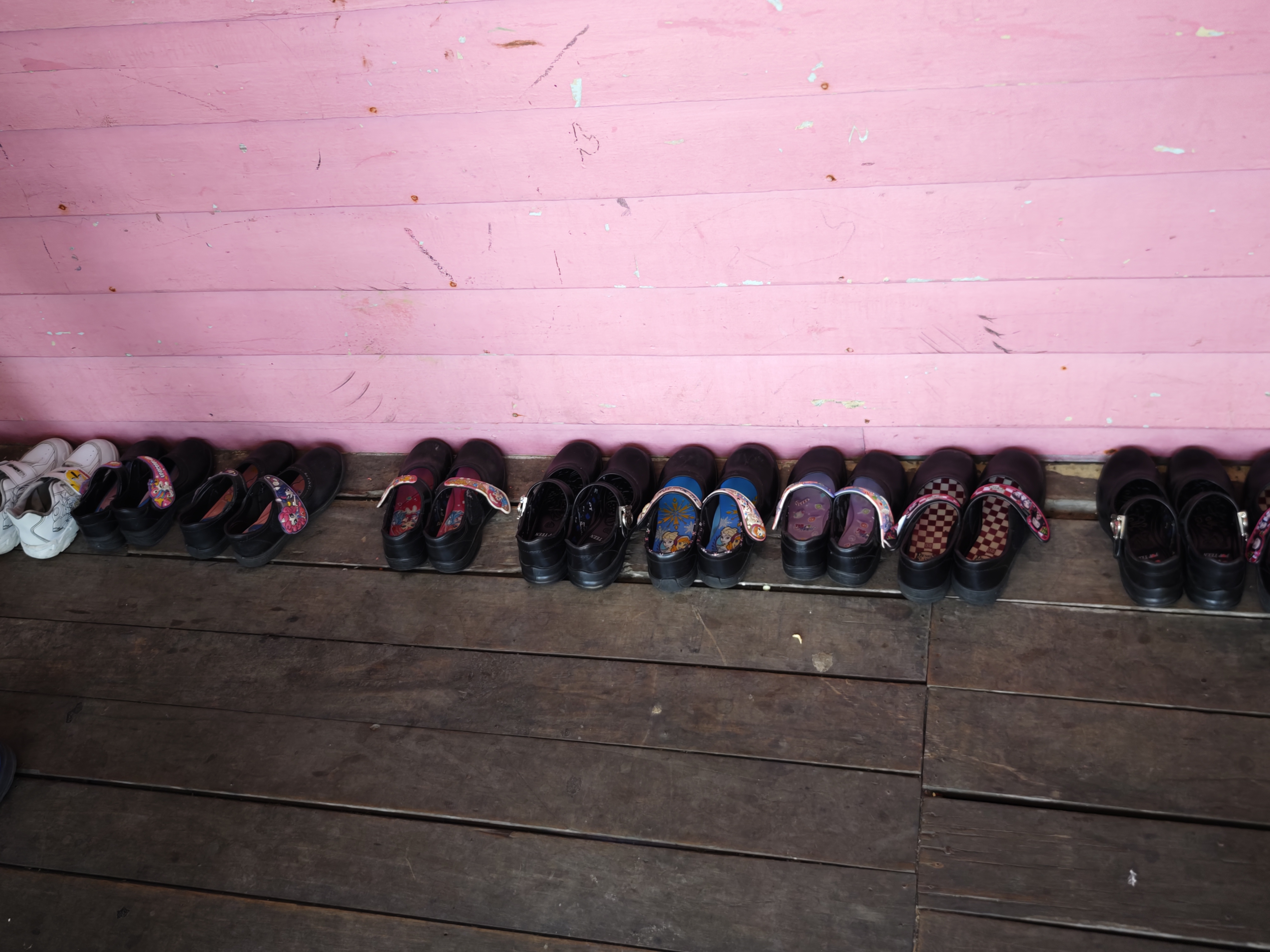
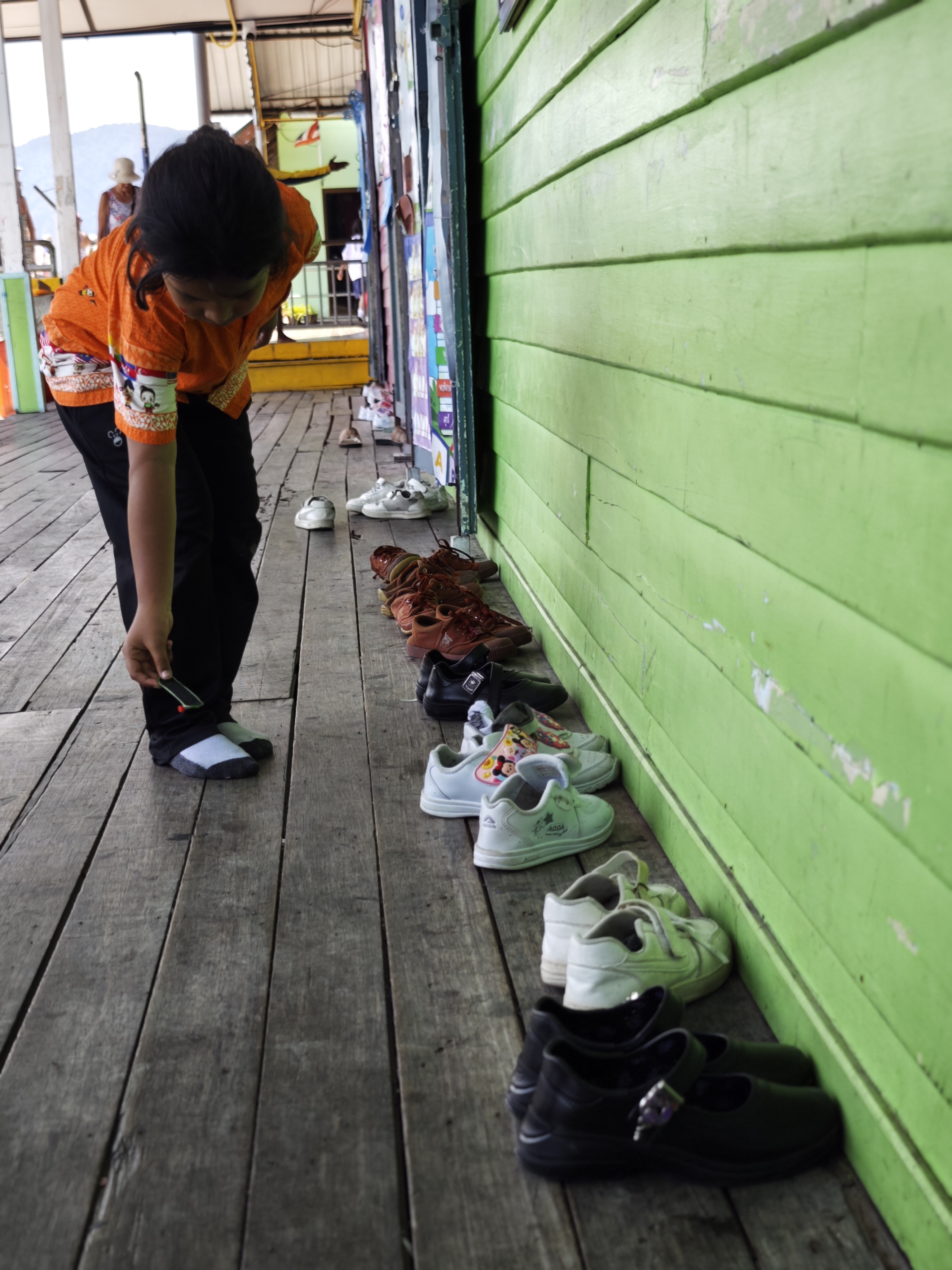
In the late-20th century, the community found it difficult to subsist solely on the fishing industry, and the postman proposed to invite tourists to the village to benefit the residents. Nowadays this is one of the main attractions on tours of Phang Nga Bay from Phuket, often serving as a lunch stop. We did not do lunch there, but did walk through the floating island where our boat met us on the other side with of course various stalls selling souvenirs to make money along the way. No photos of the kids were allowed but I figured their shoes weren’t off limits! Girls shoes with pink, boys with green…
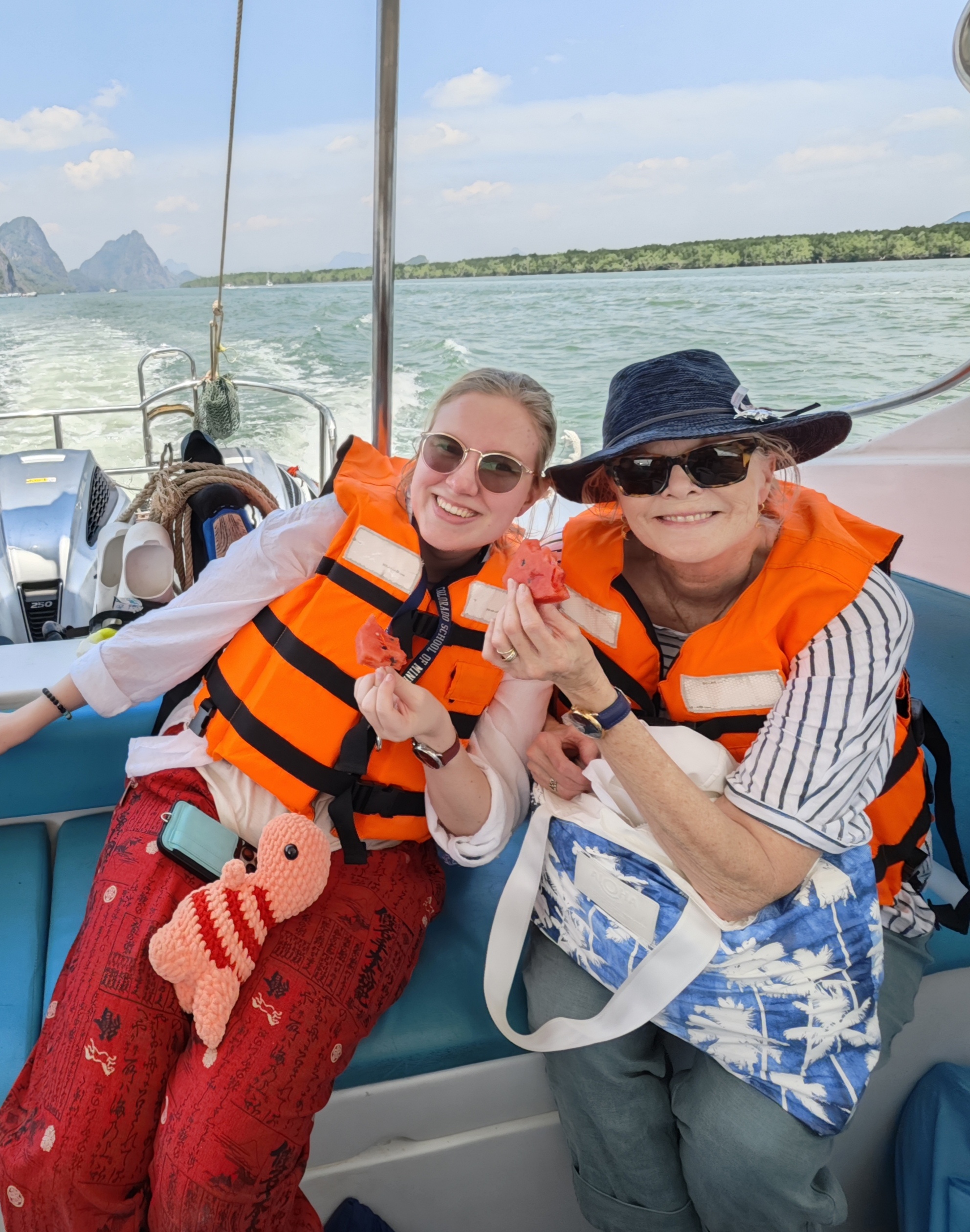
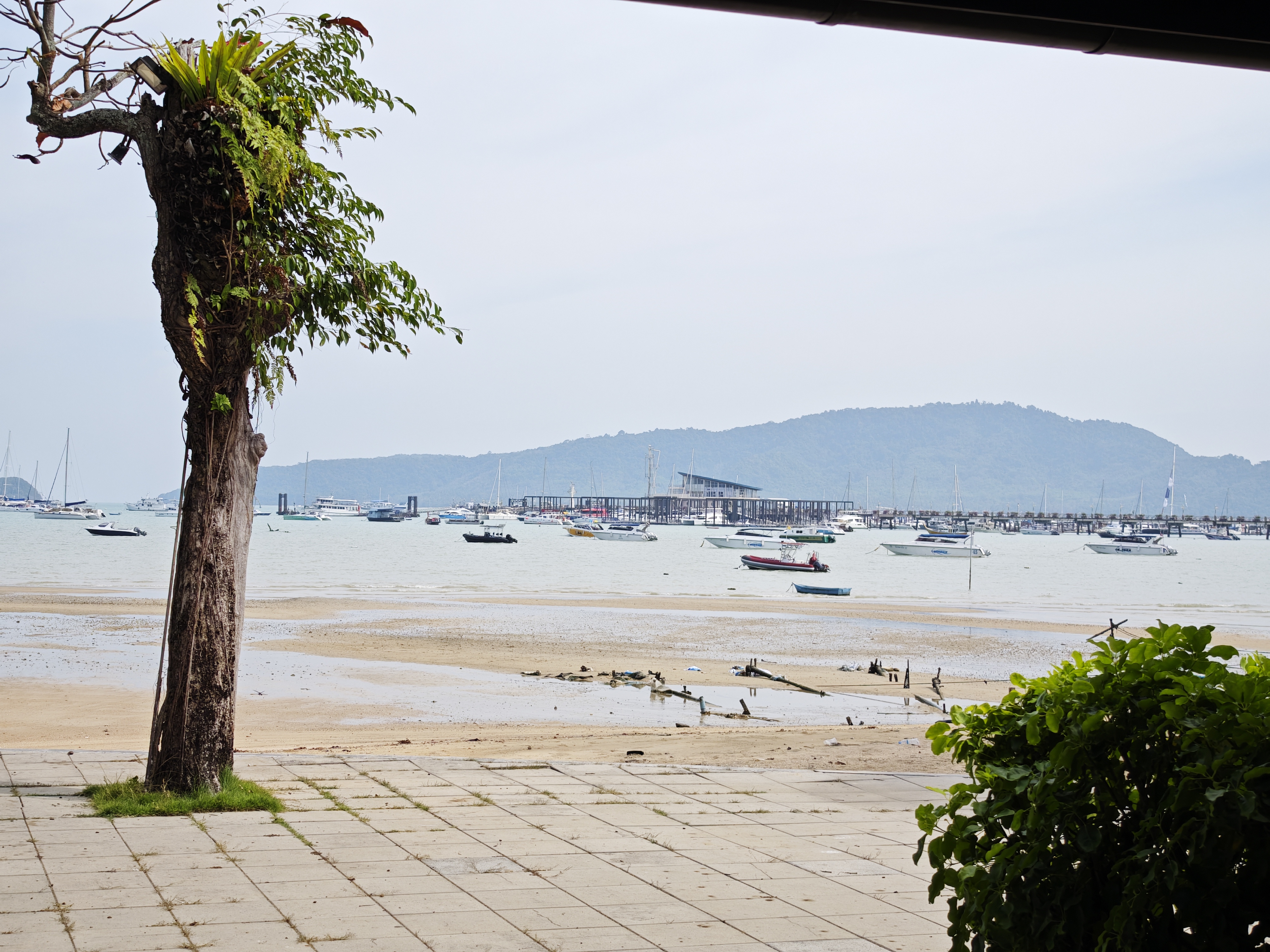
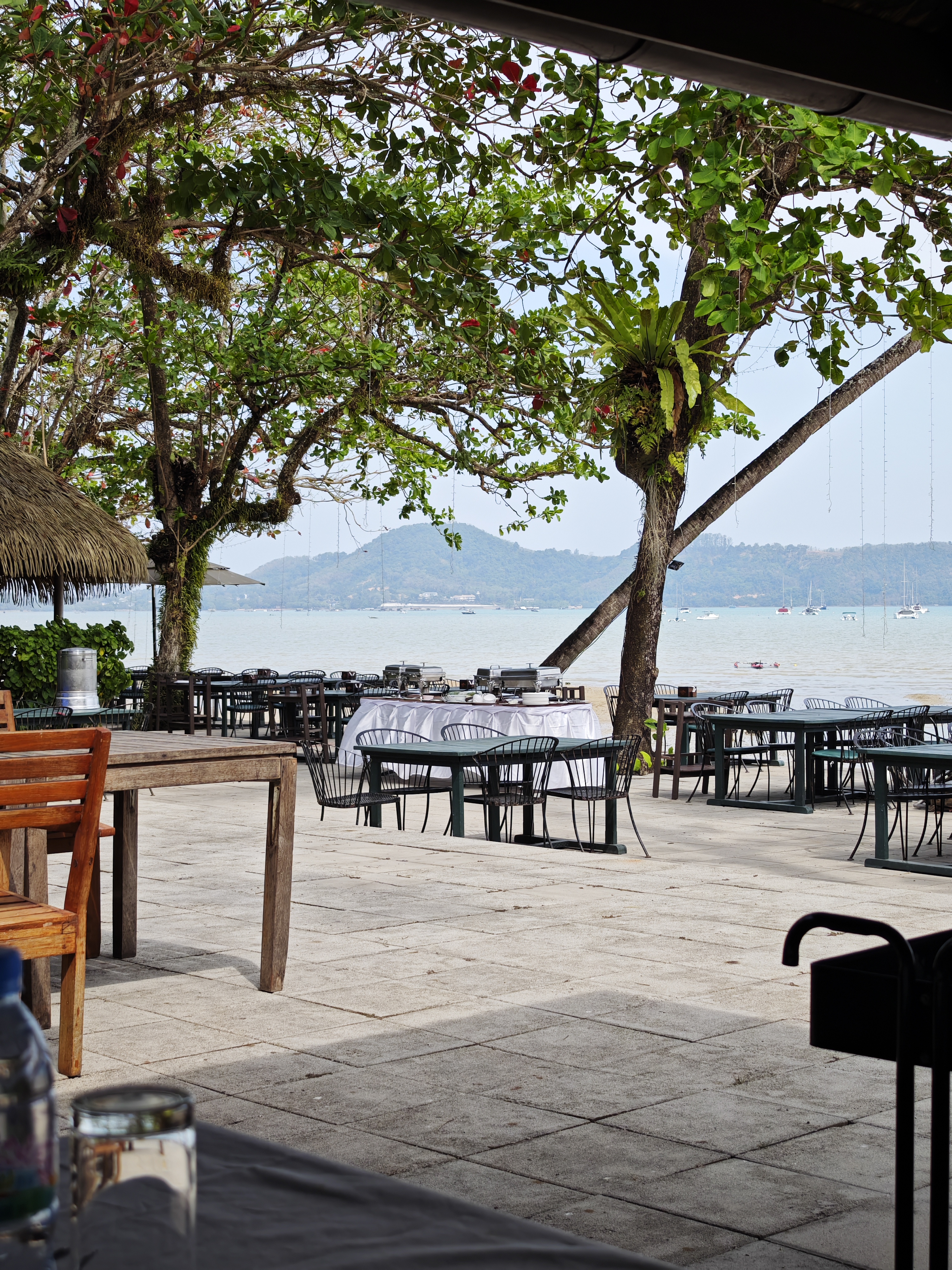
We headed back to Phuket enjoying some water melon, only to get back on a bus to drive thirty minutes to a restaurant. I’d say, the tide was out! It was a lovely lunch.
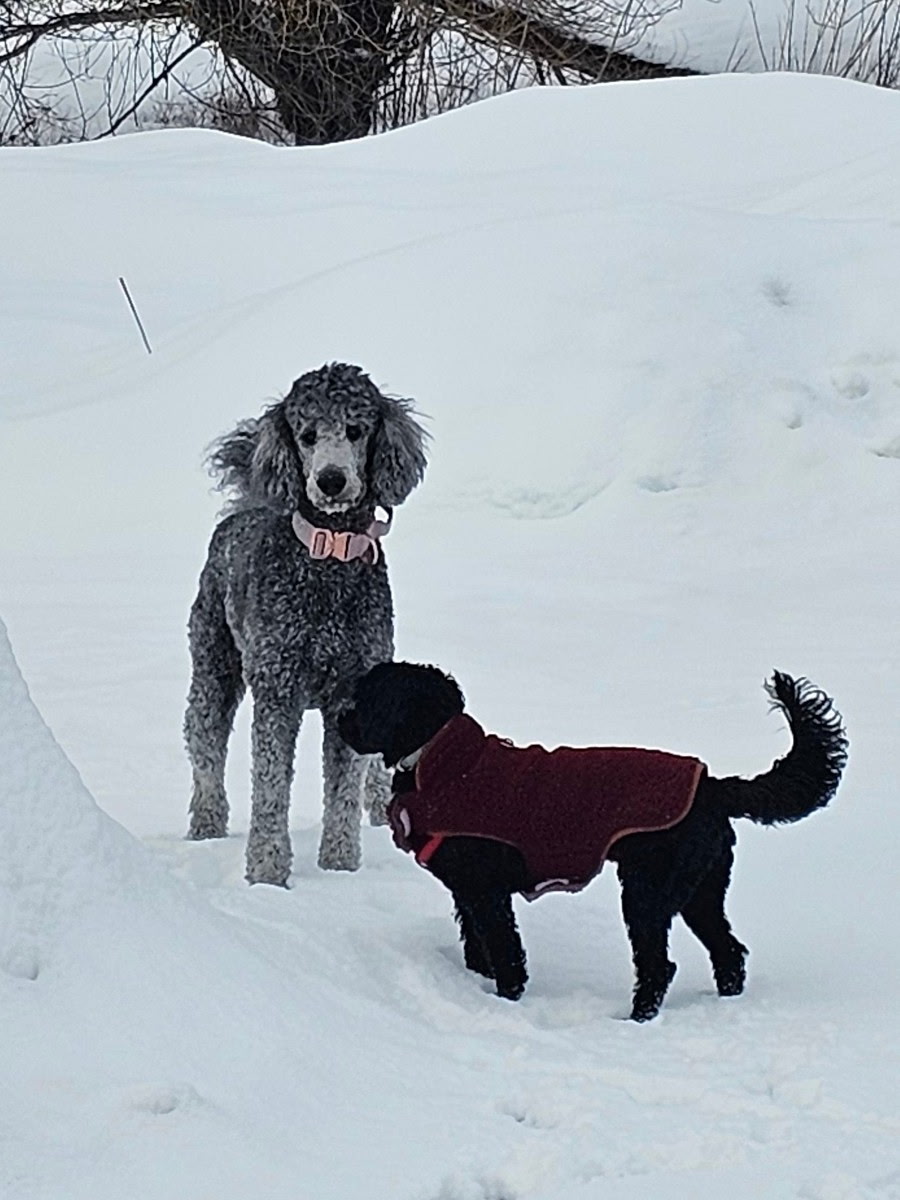
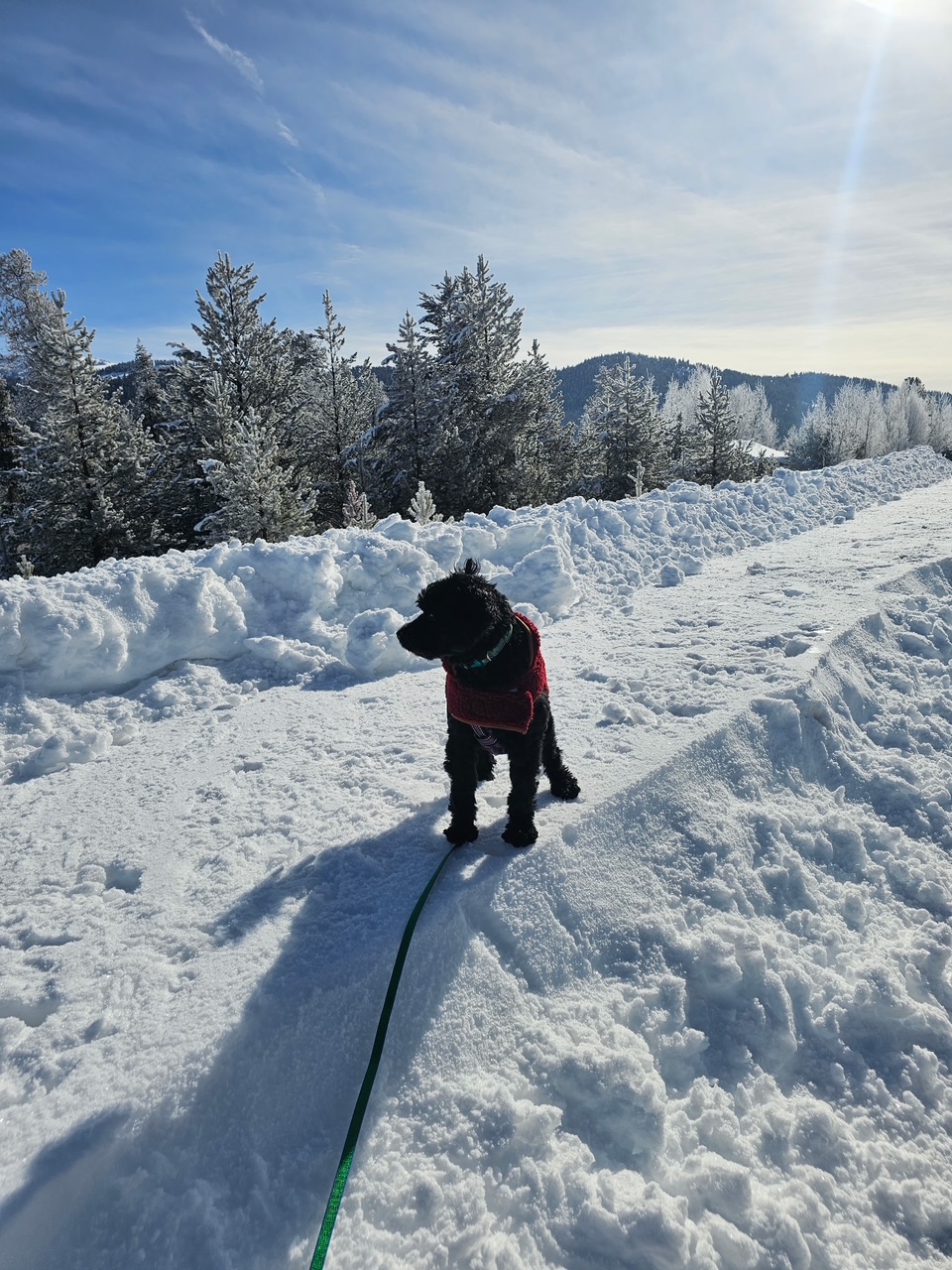
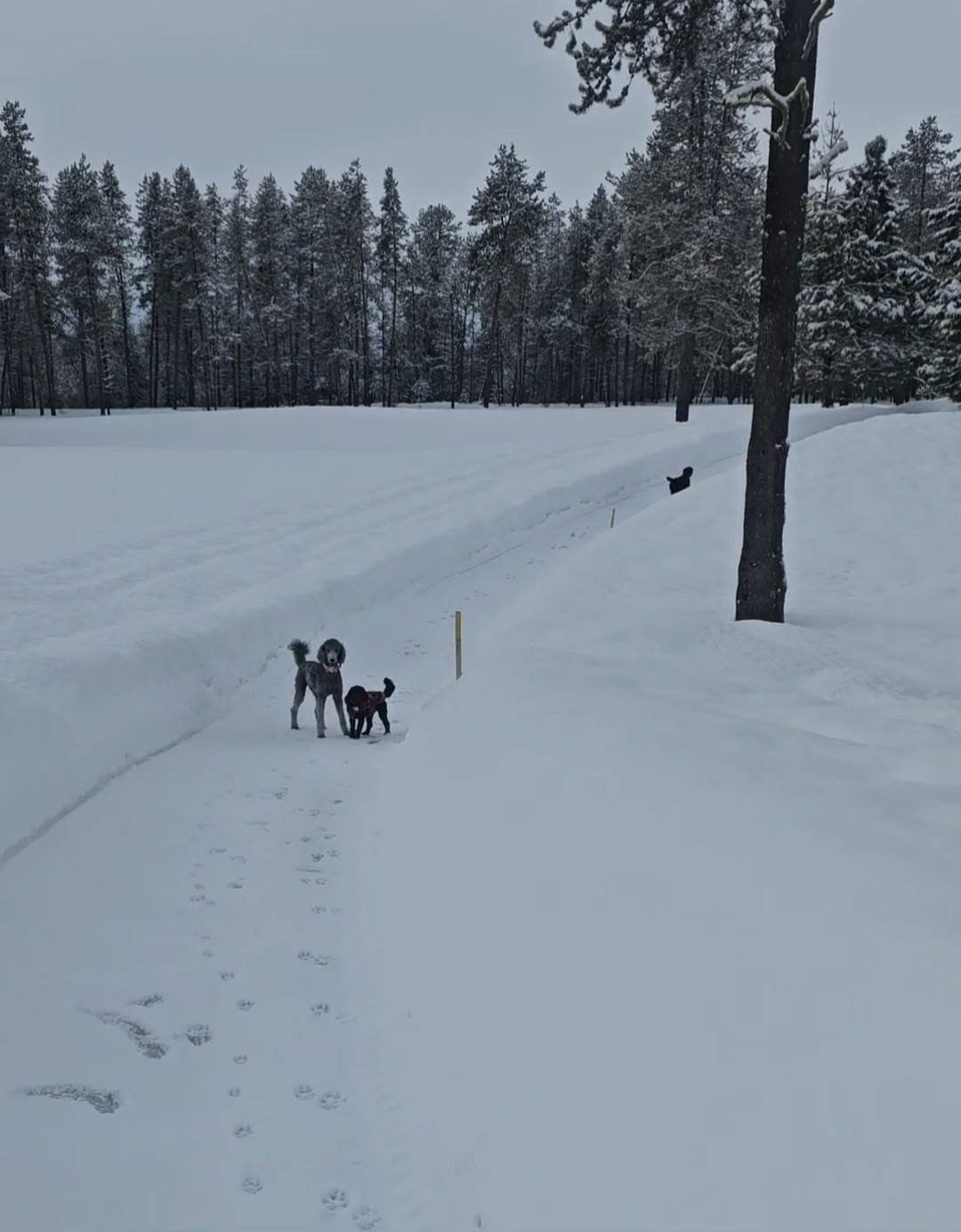
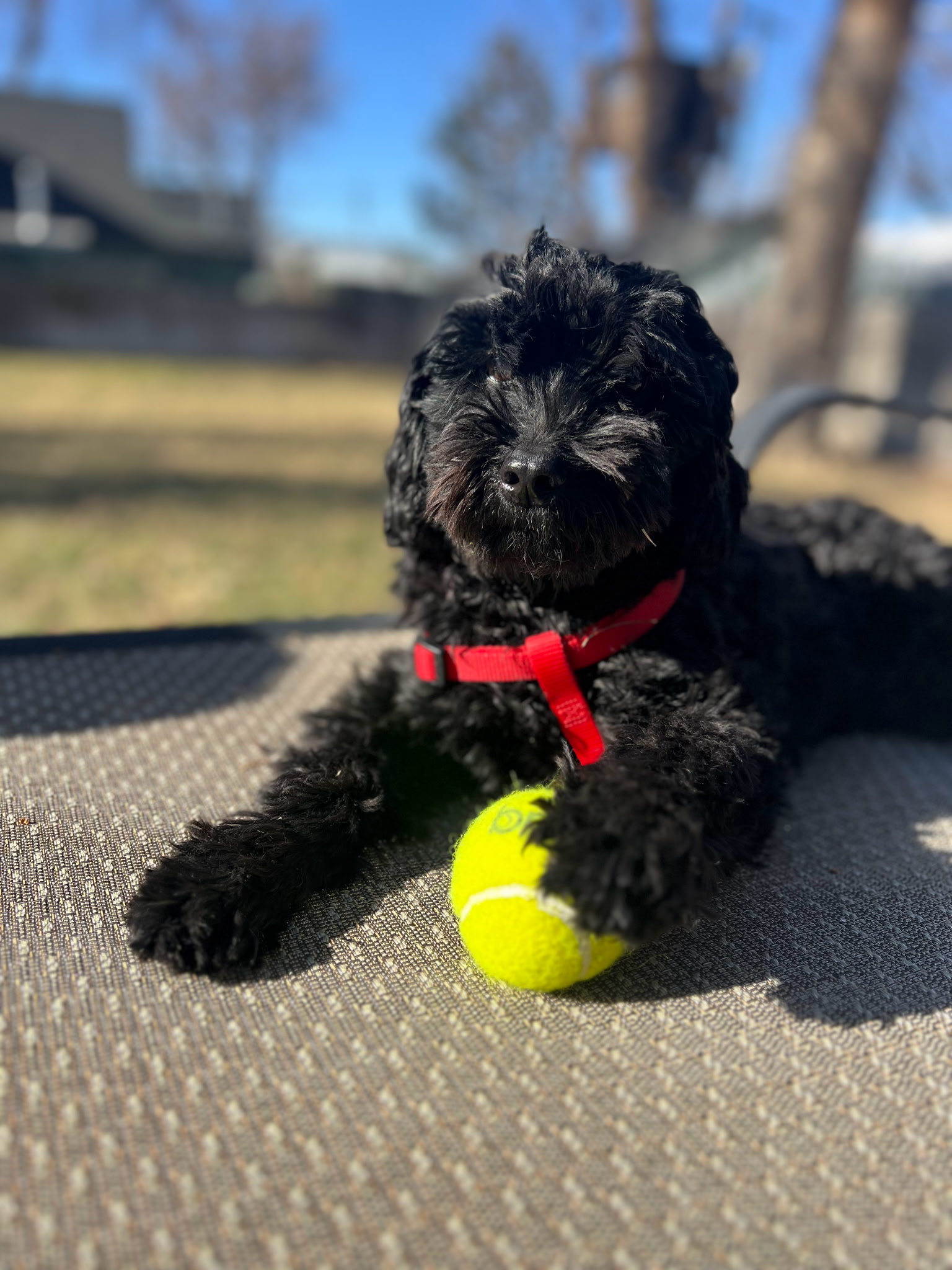
My favorite little buddy JJ is still having snow fun in Idaho! Up next, Sri Lanka and three stops!
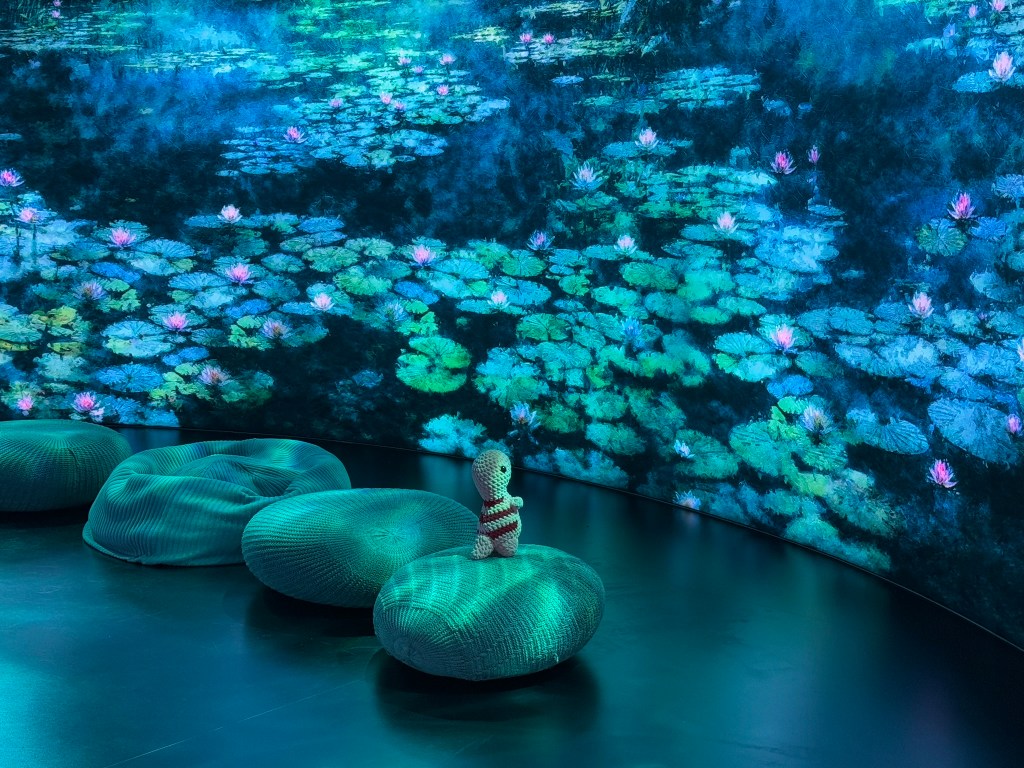
The magic of lights in the Garden by the Bay for Haru.
When we arrived in Singapore, we left the ship with Chris and Lucy who wanted to show us Chinatown. Blessings – Chris figured out how to get the four of us to Chinatown from the port via the subway! It was so much quicker and cheaper than a taxi or bus would be!
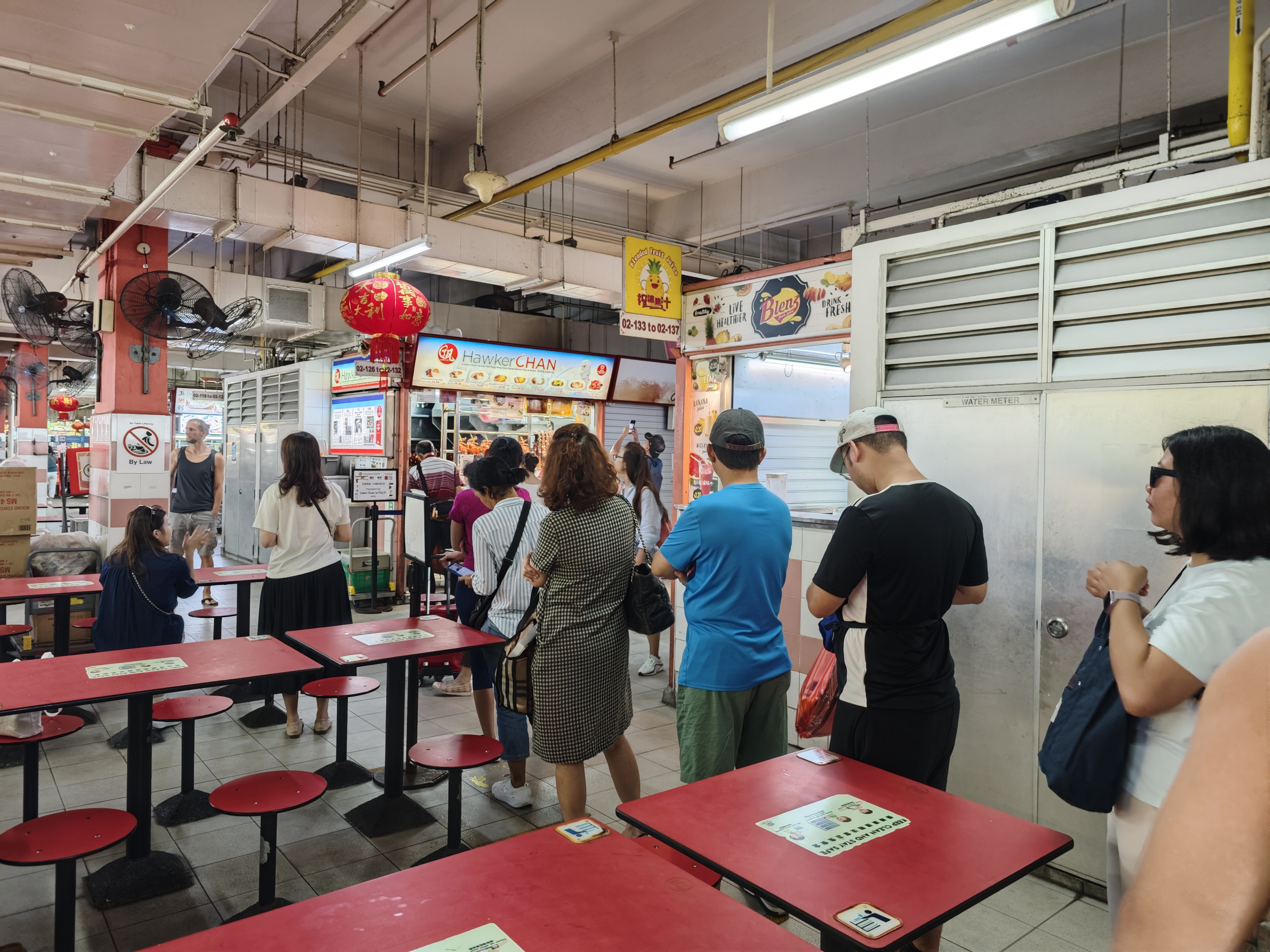
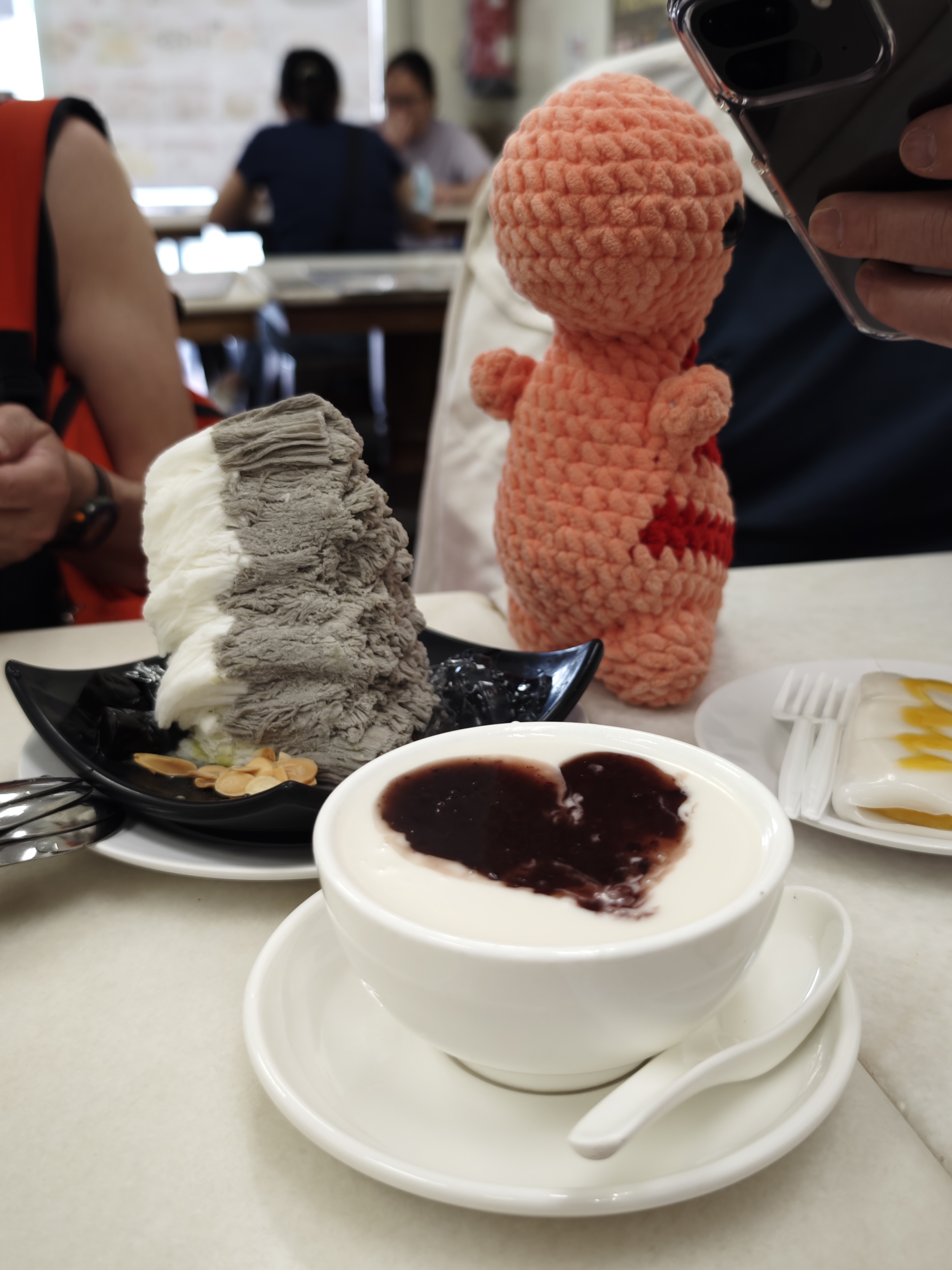
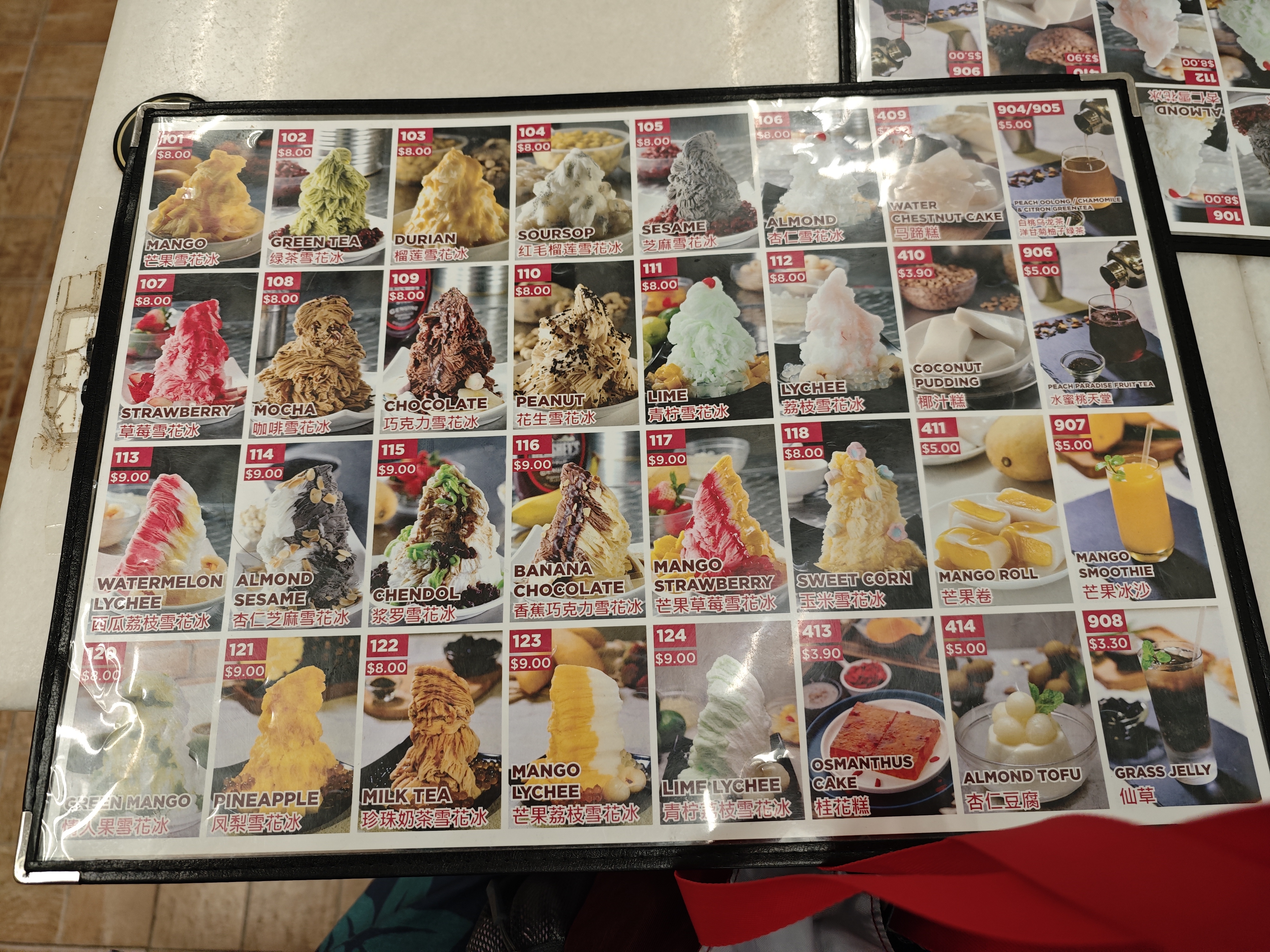
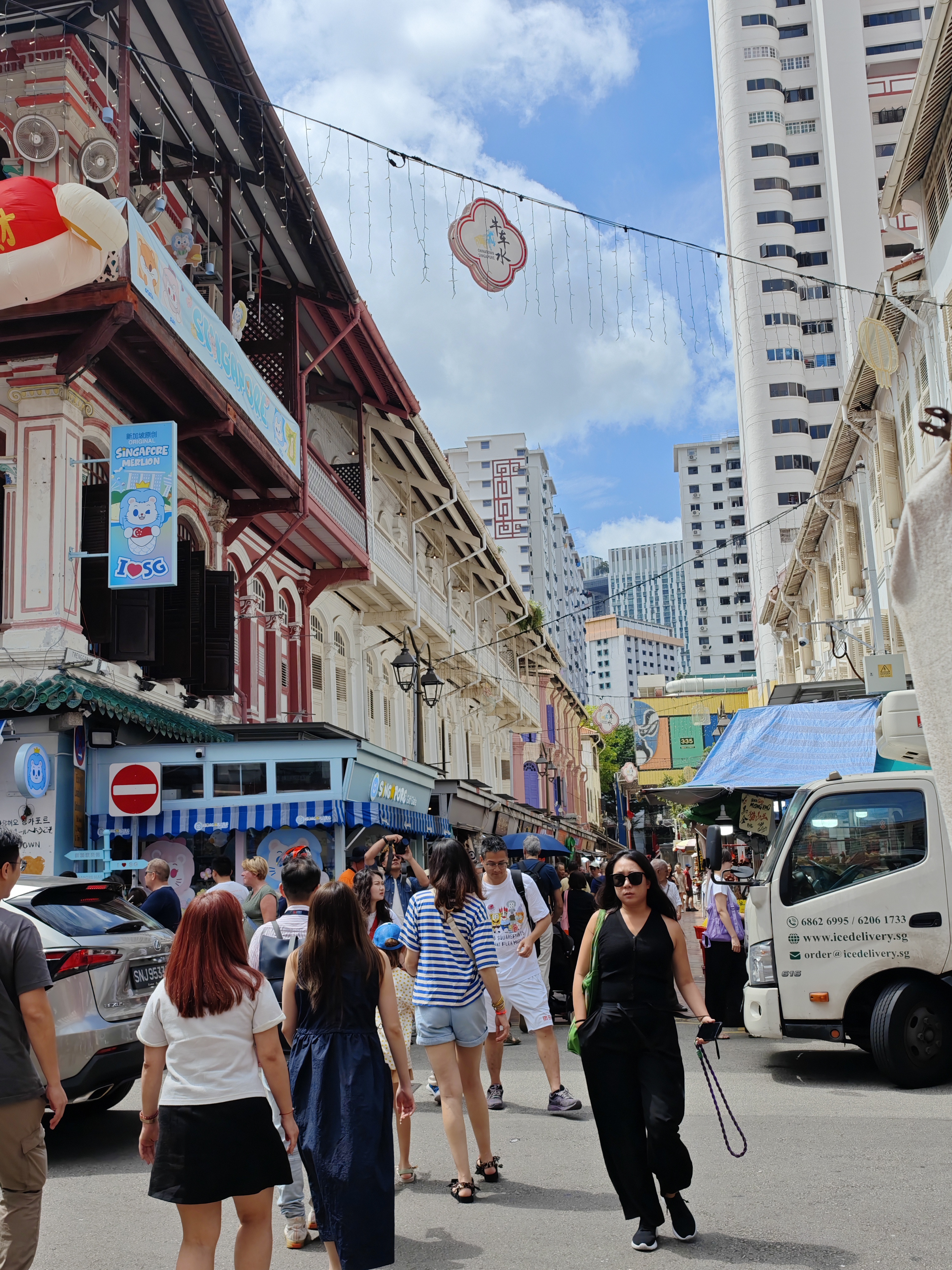
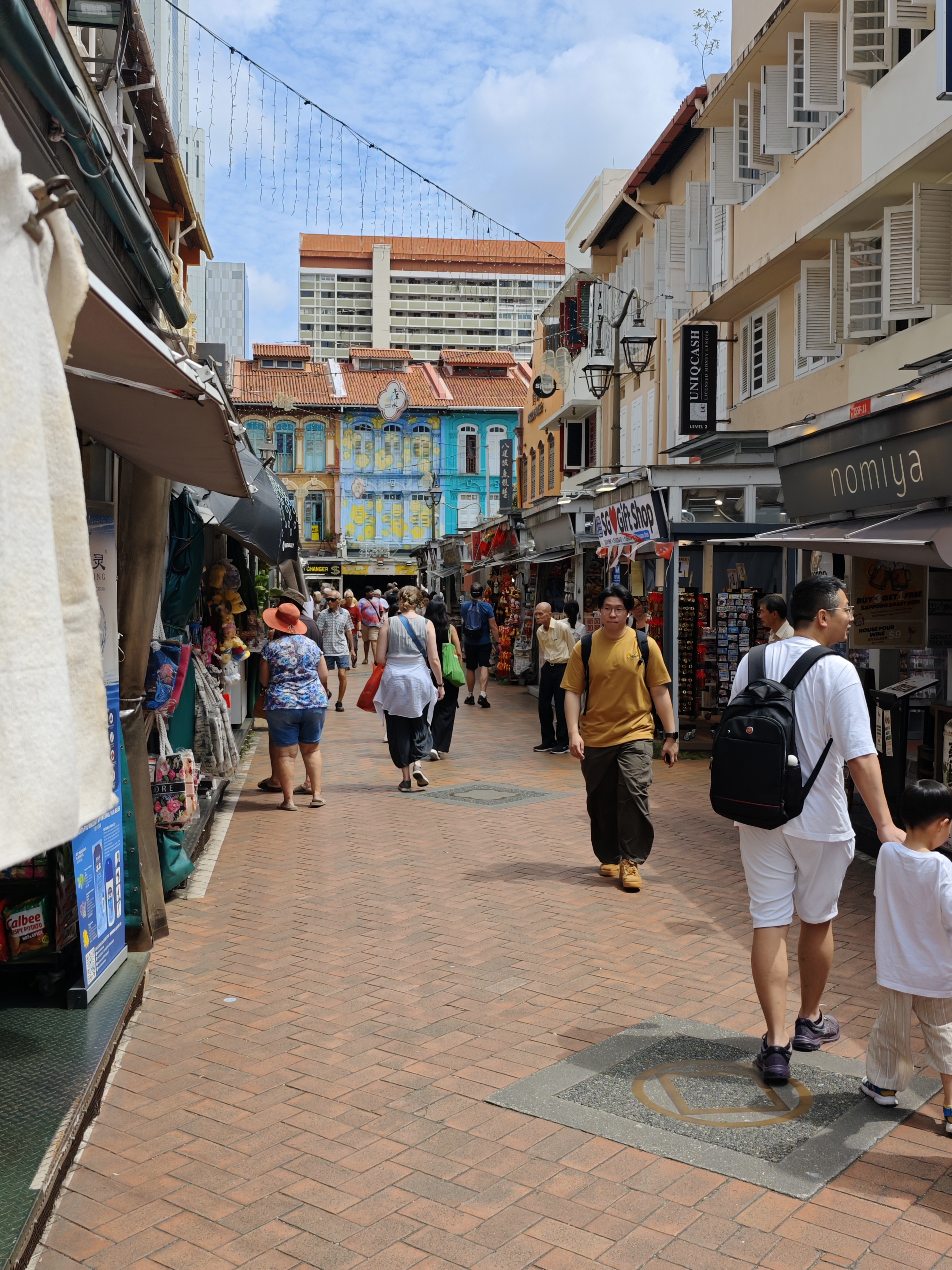
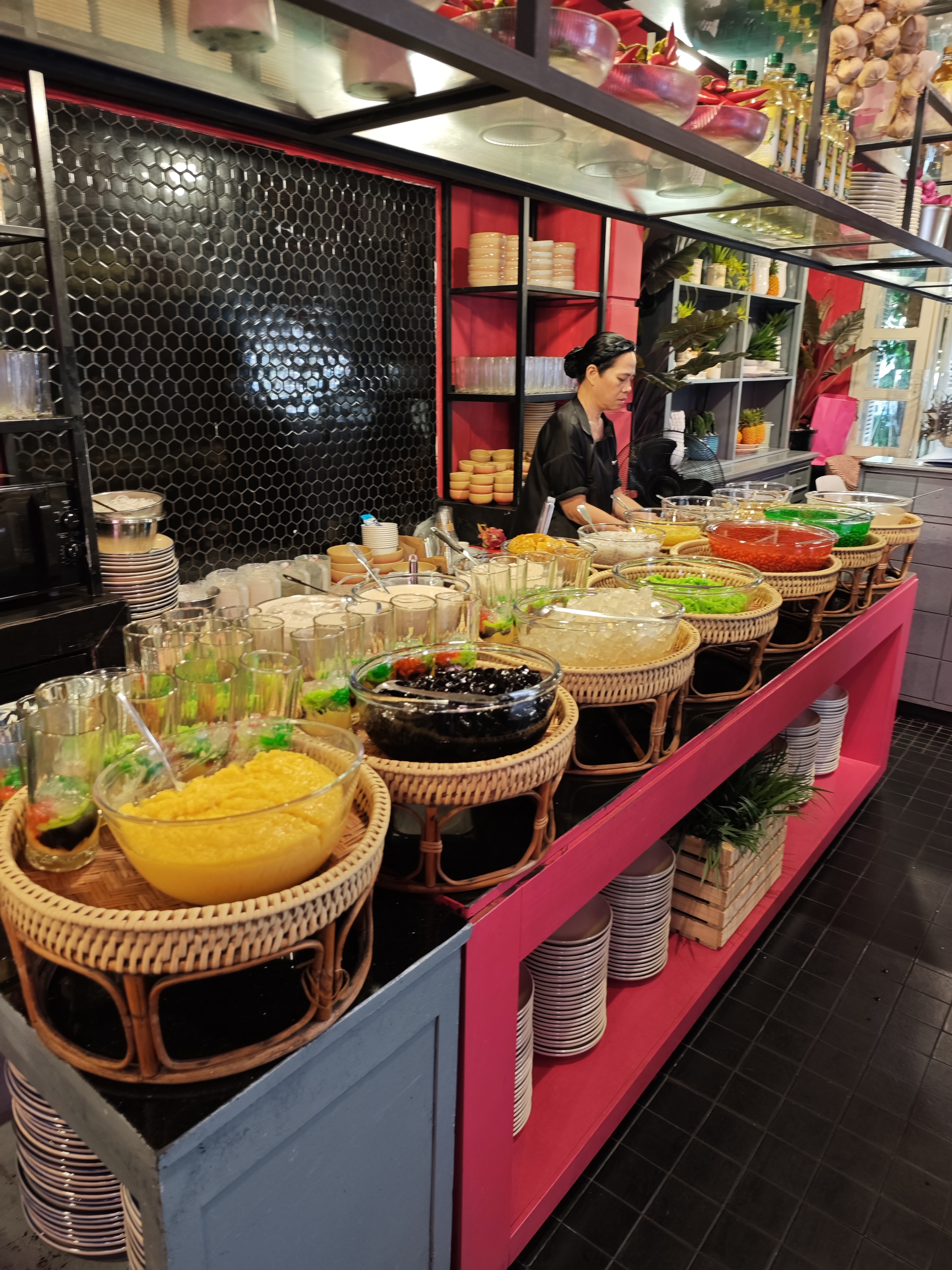
We walked the food court and enjoyed Hawker Chan, waiting in its long line for the food. It was Michelin recognized and the food had lovely flavors. We looked around this market from the food to the clothing and knickknacks and then walked out to wander the streets – which is where Chris and Lucy knew the shaved ice was for our desert. A sesame and almond shaved ice, a gelatinous rice pudding and Haru taking it all in! Wow! The shaved ice menu was deep in flavors! Choose yours!
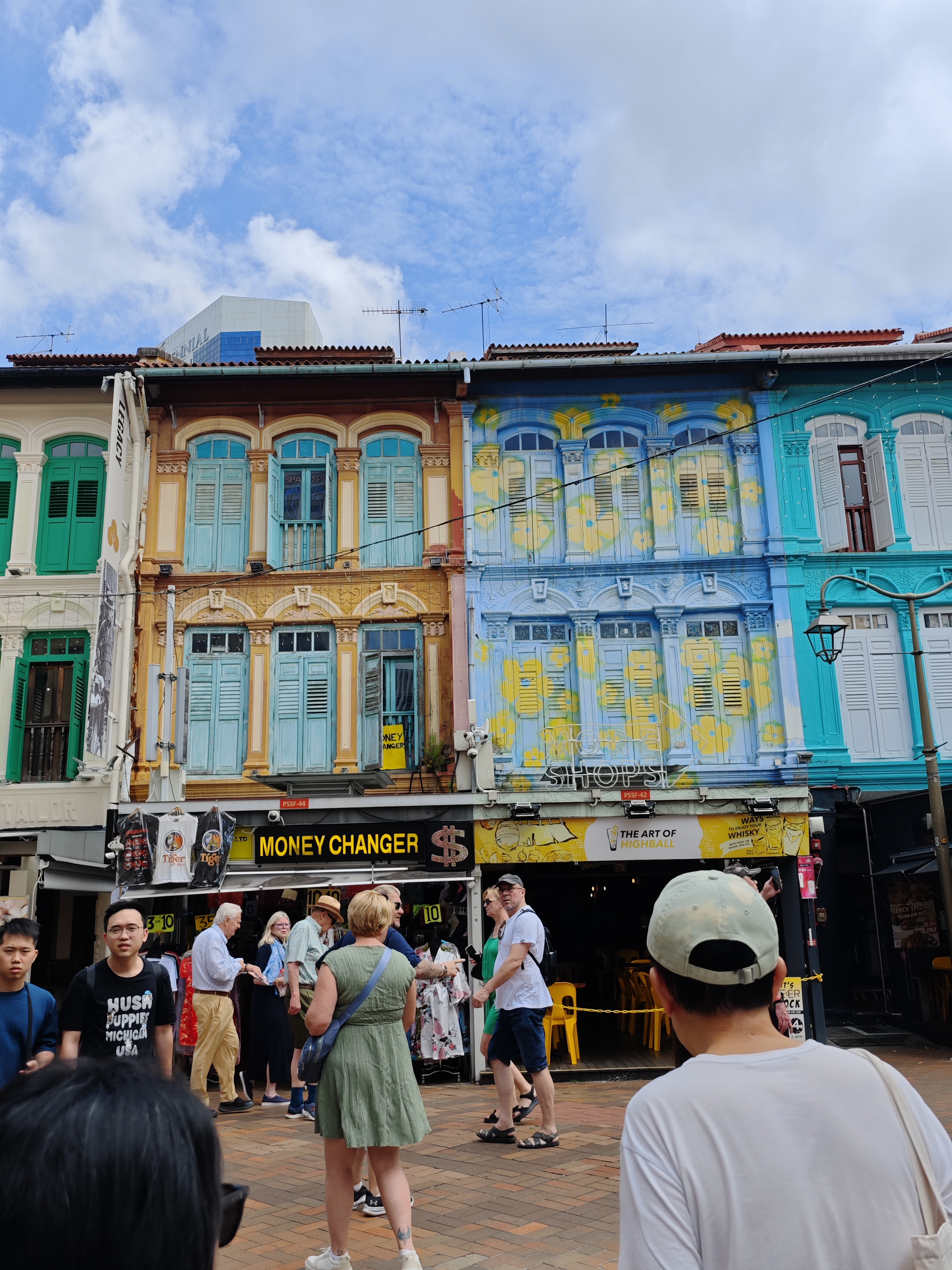
The streets for our walk about are colorful and reminiscent of New Orleans with its architecture in the Vieux Carre. It was a delightful day! We also had shopping centers connected to the port and a leather shoe company that I buy from, Another Sole, is based in Singapore and in this particular mall. So the next afternoon, we had to check out their brick and mortar store! Bingo – a few pairs of new leather shoes for both of us! Luckily they don’t take up much room!
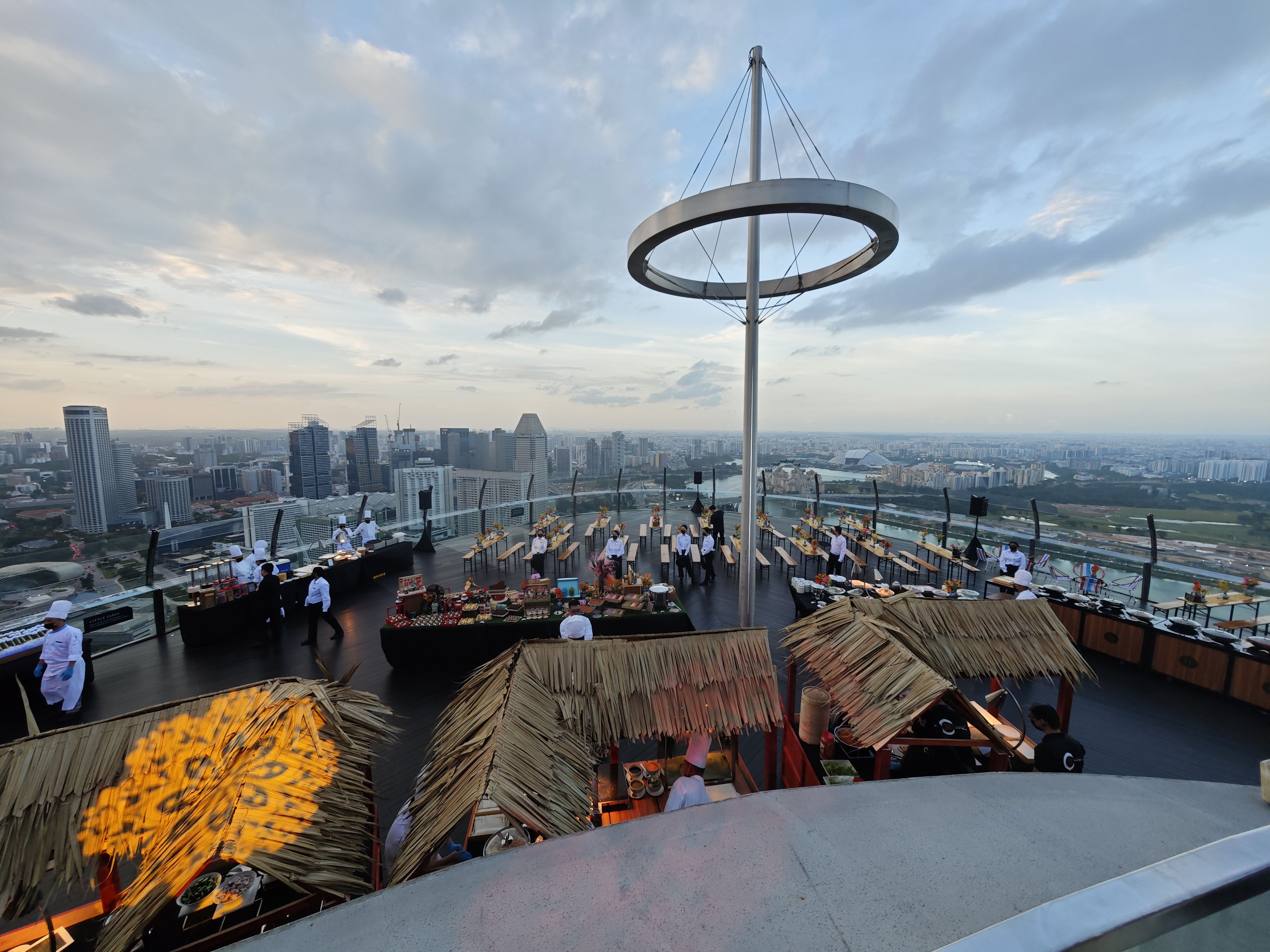
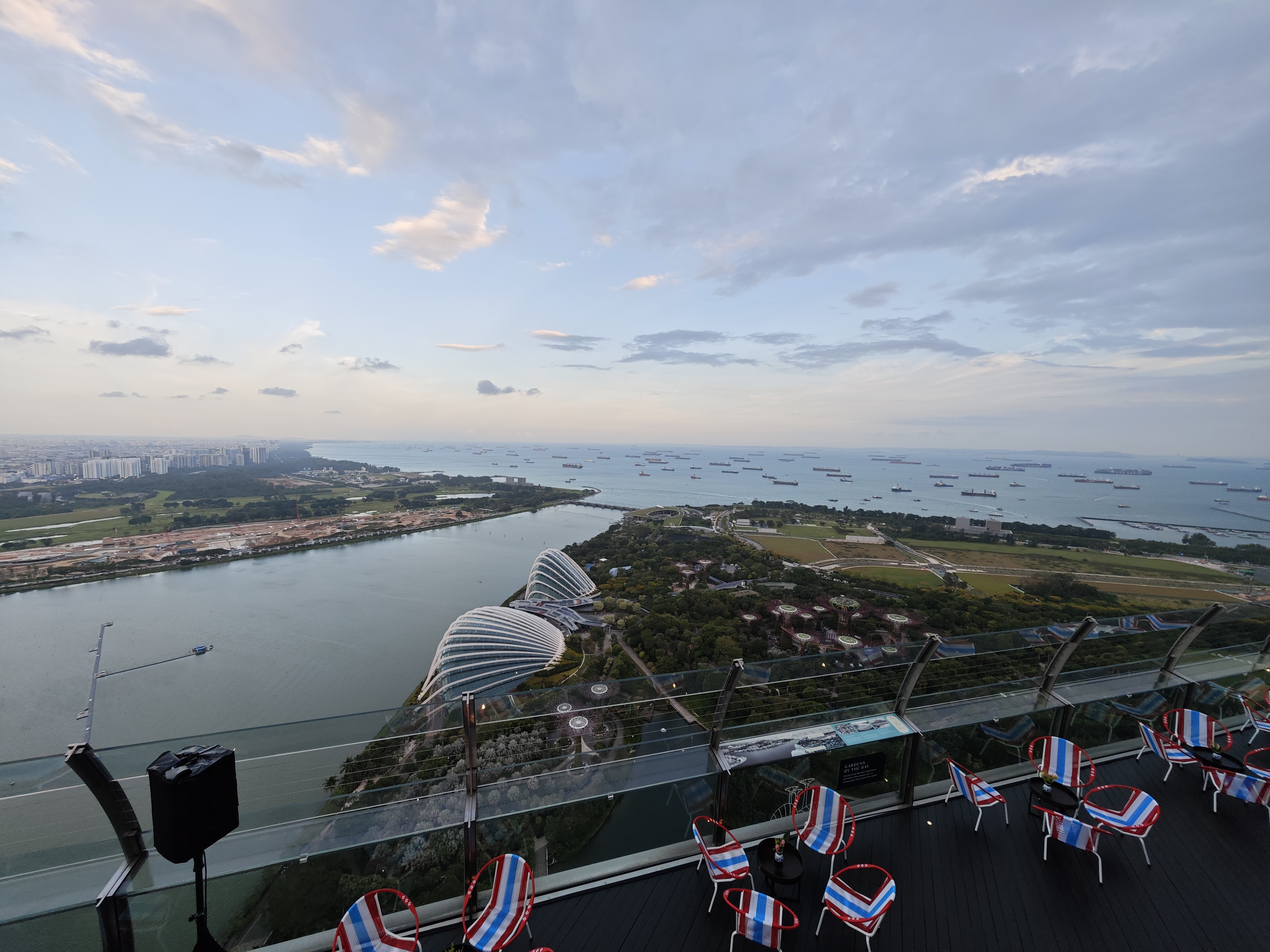
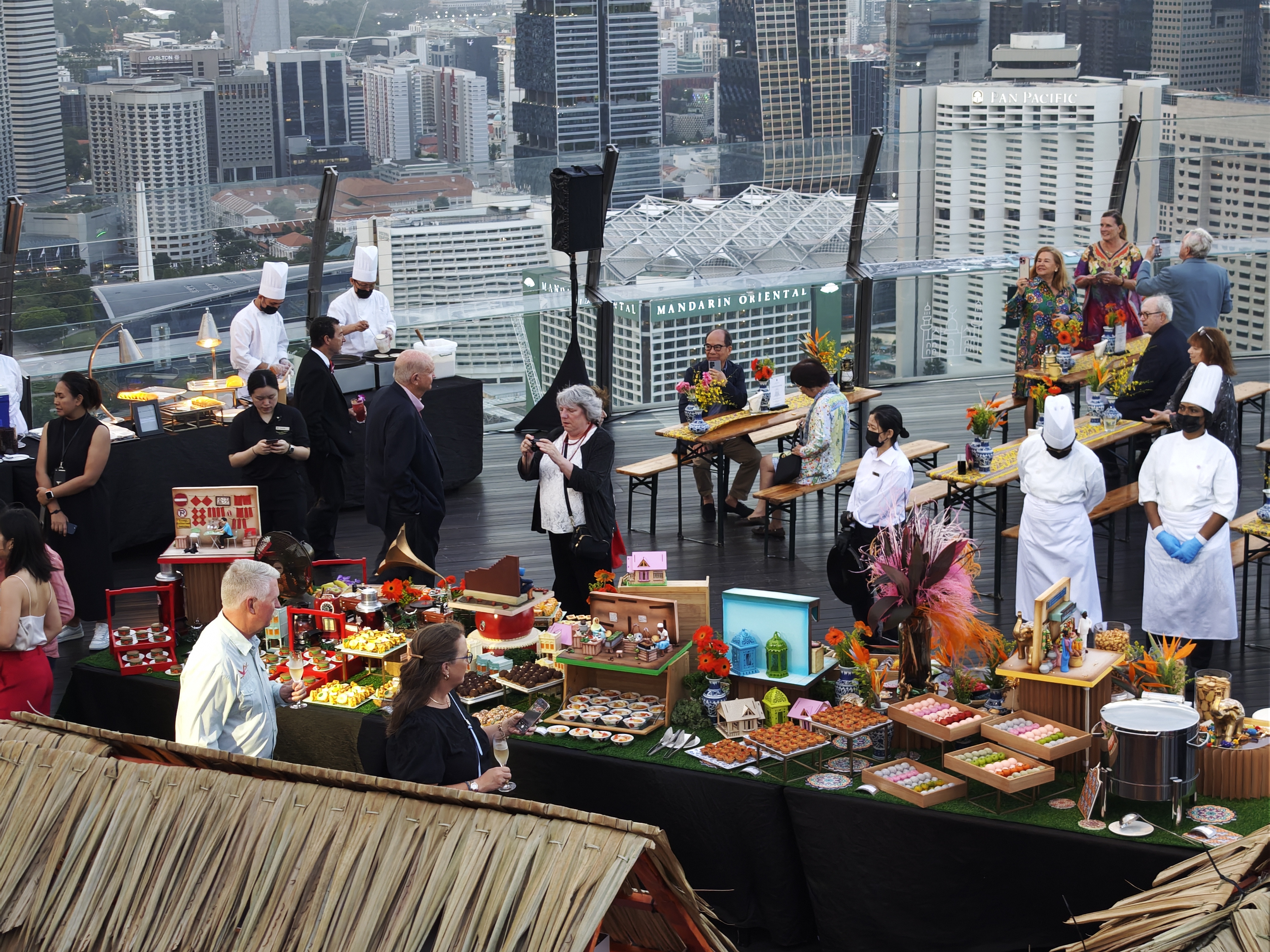
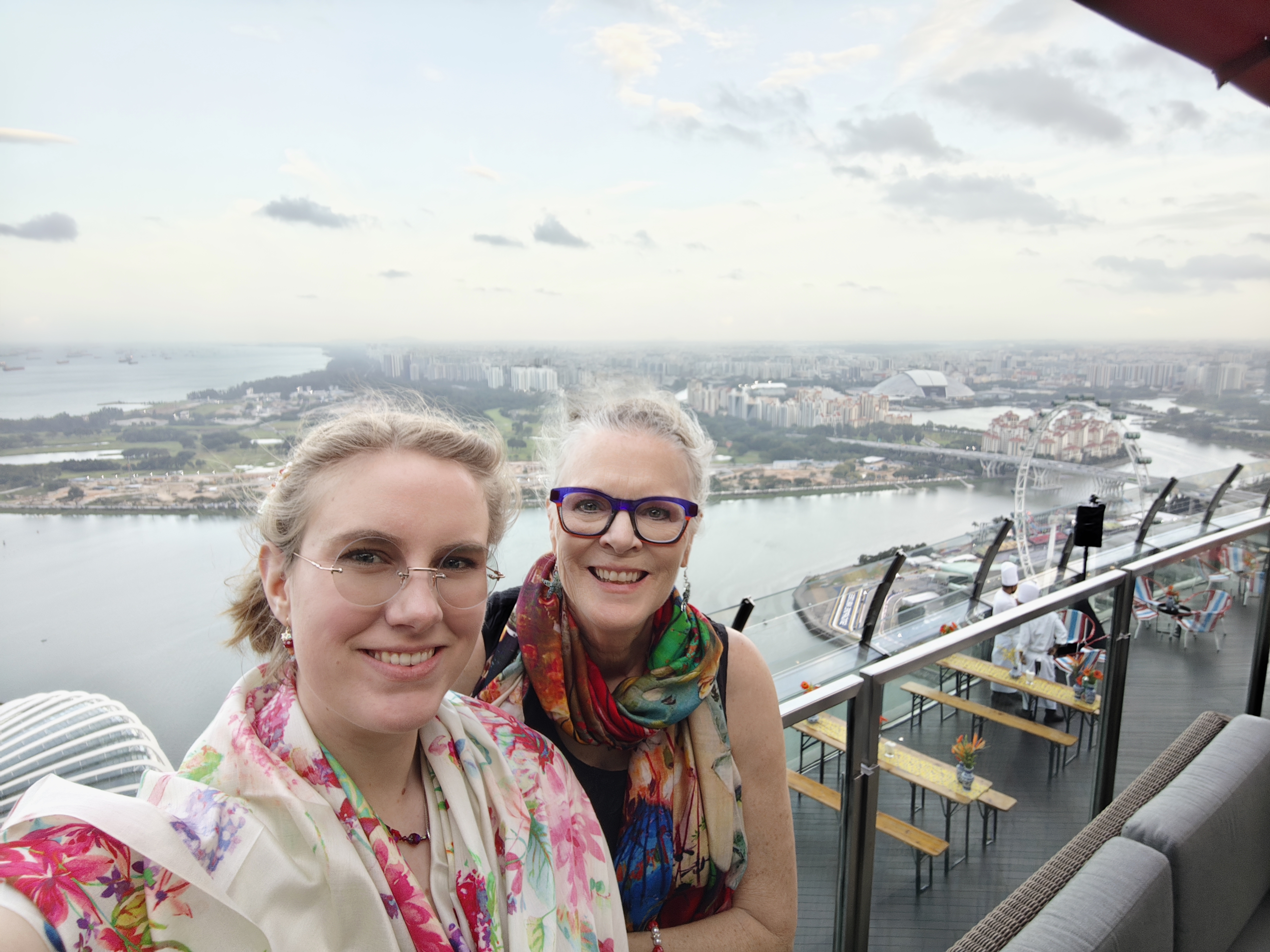
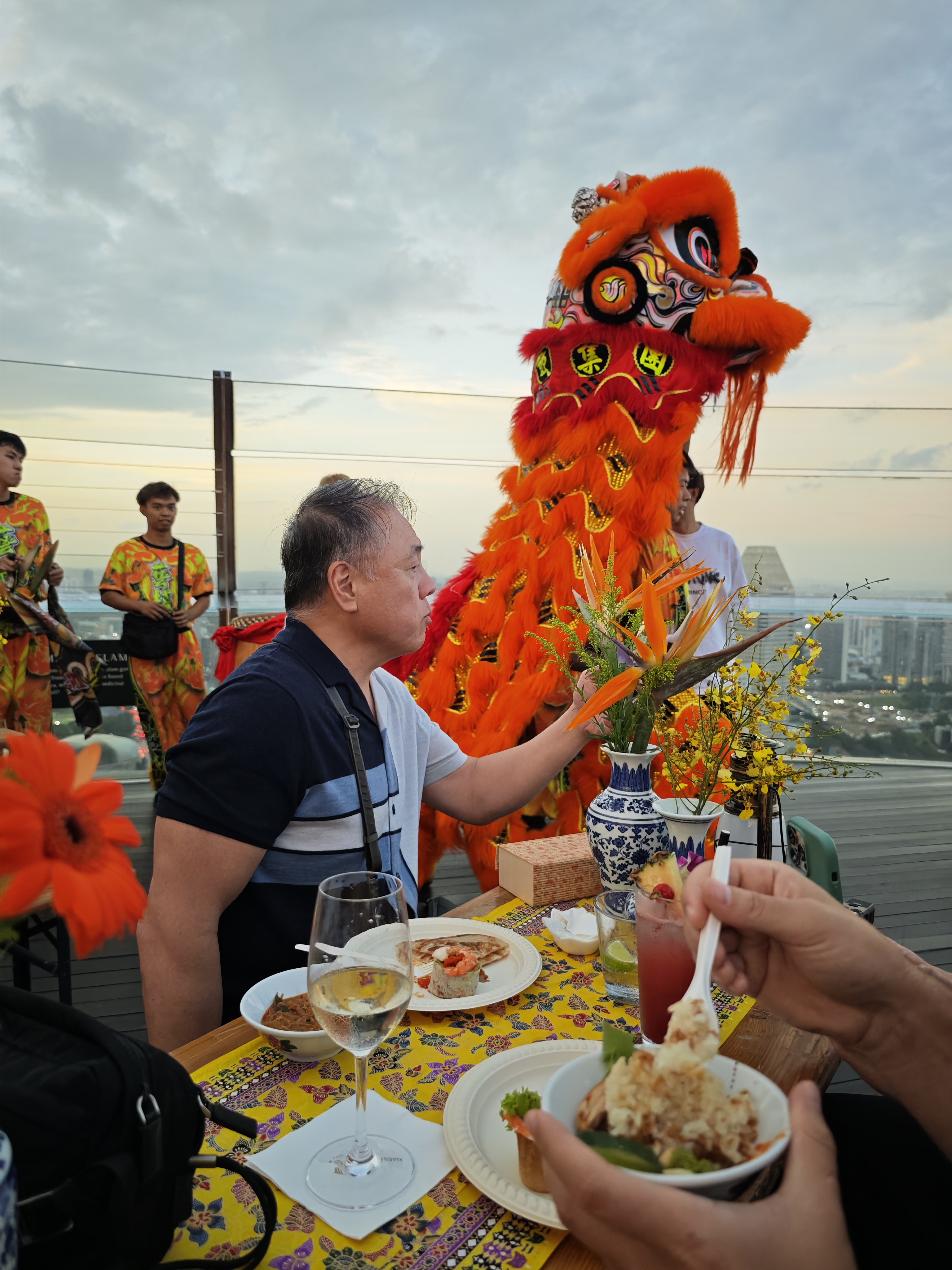
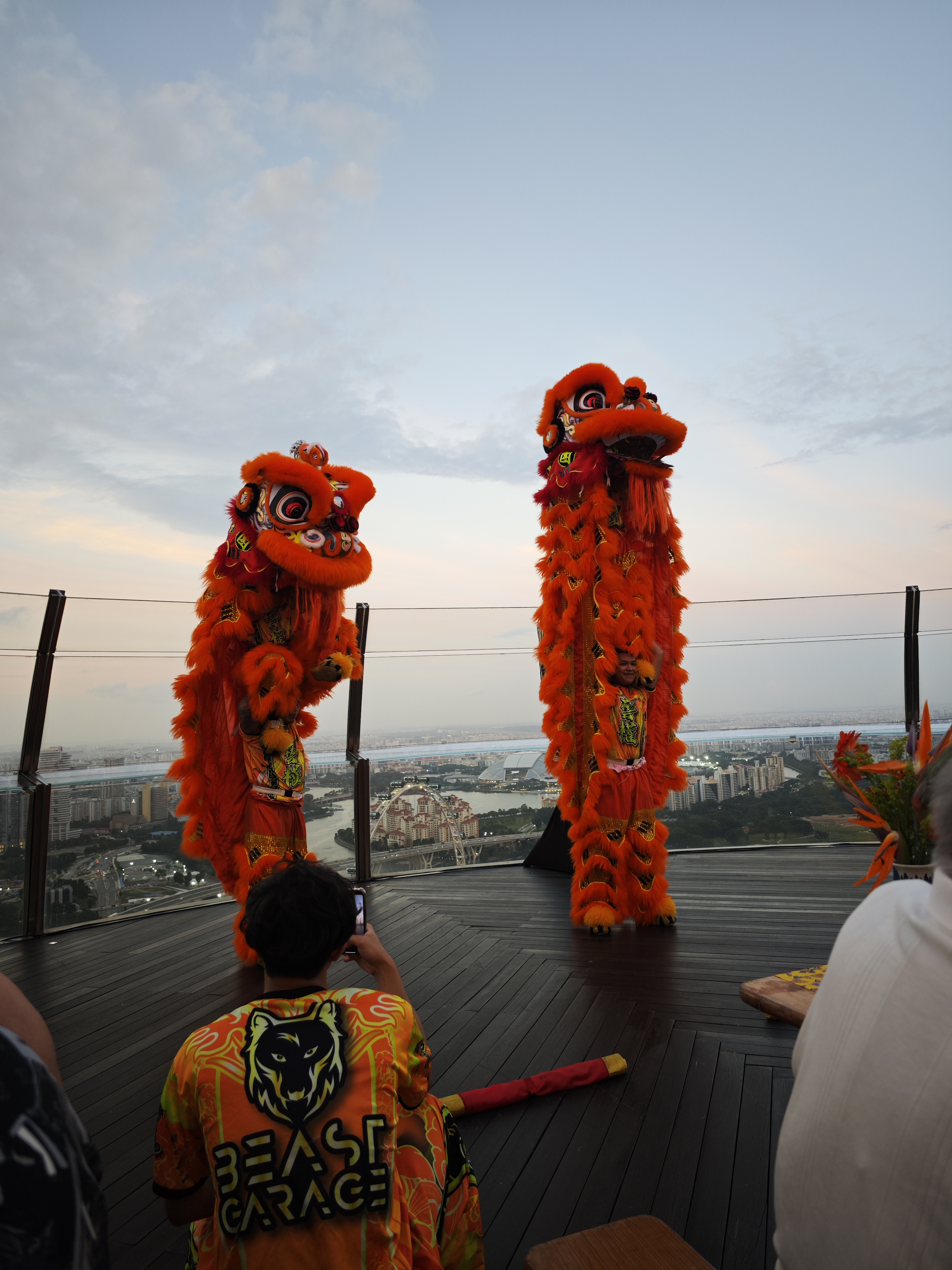
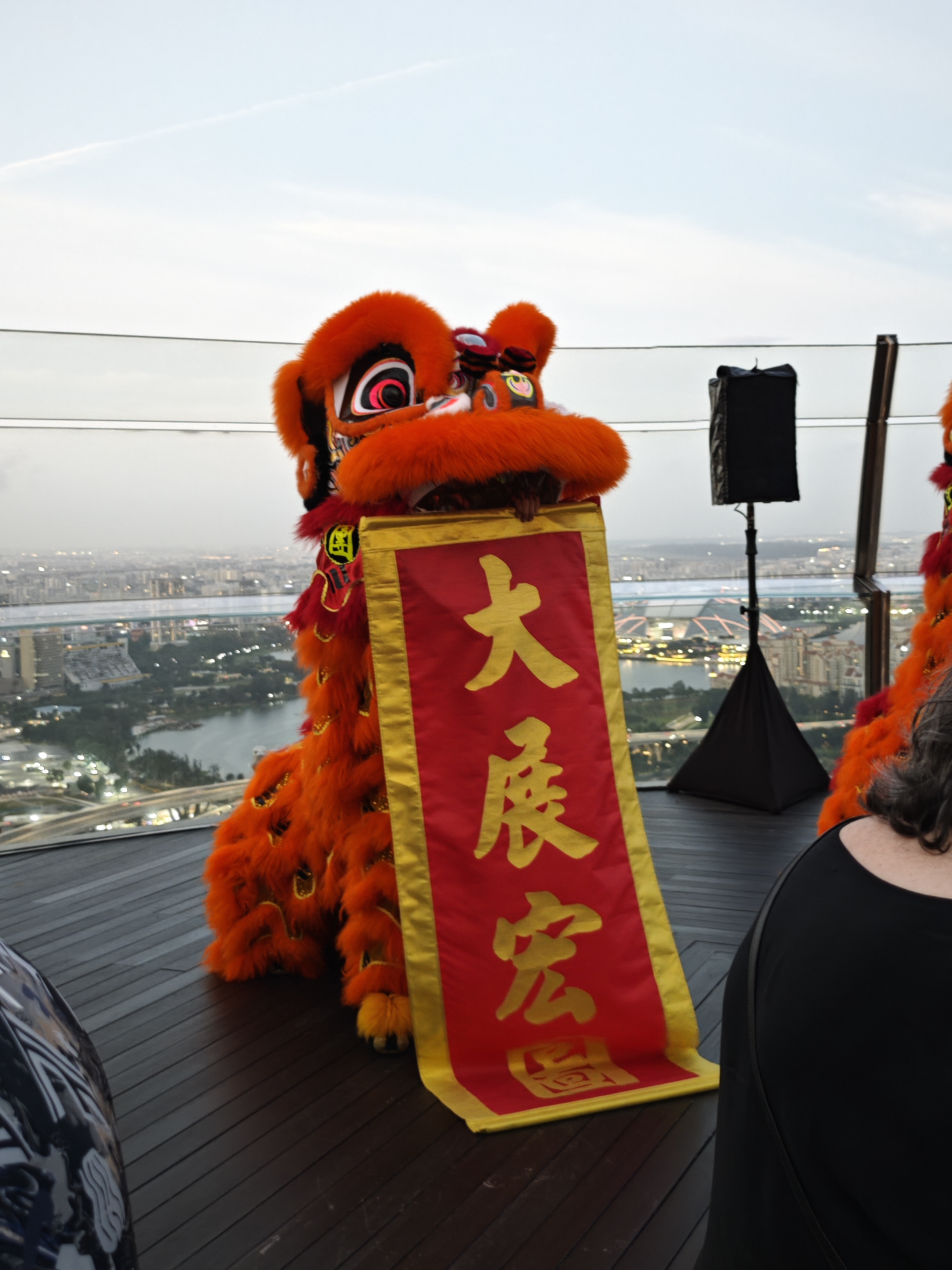
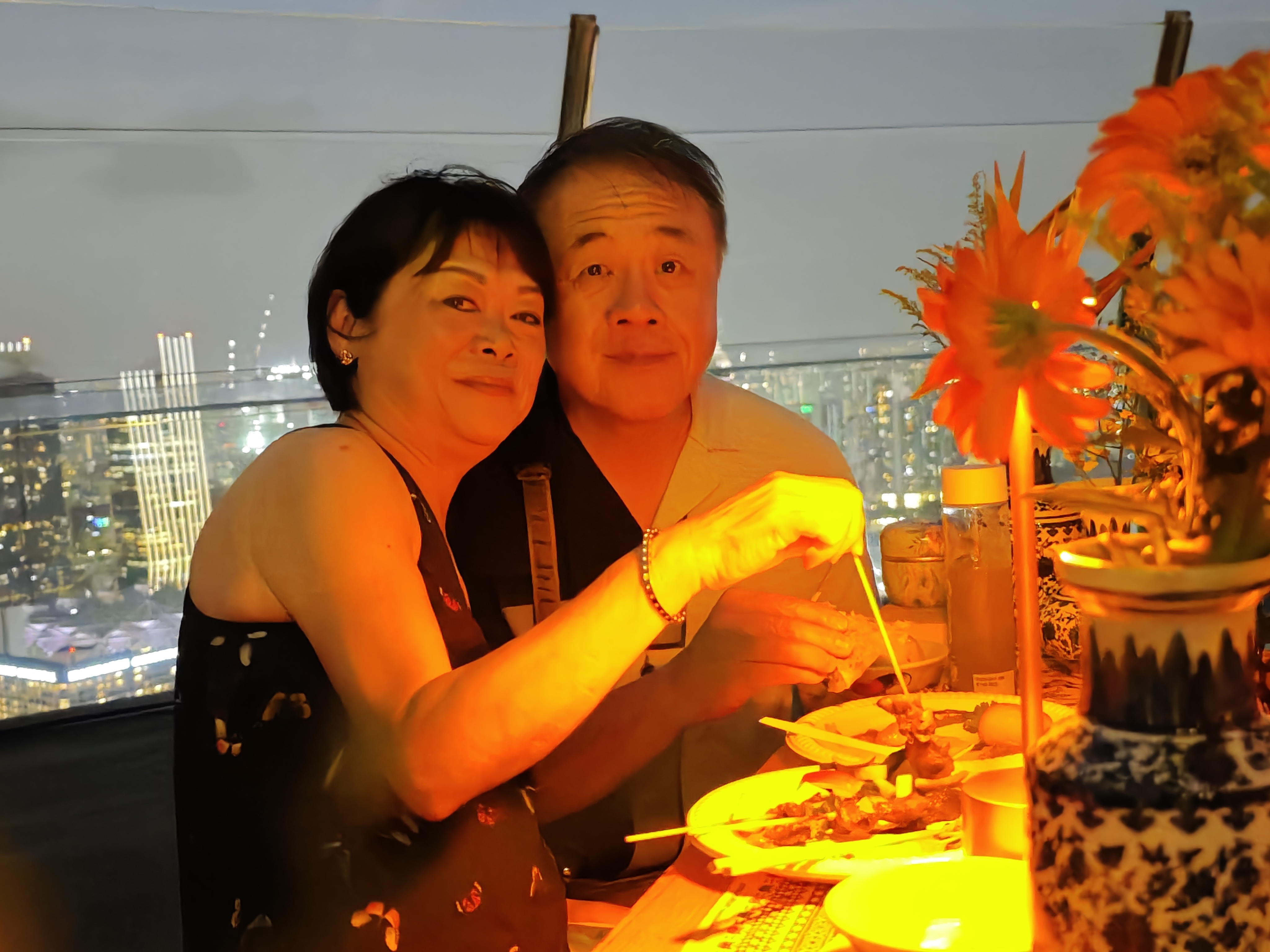
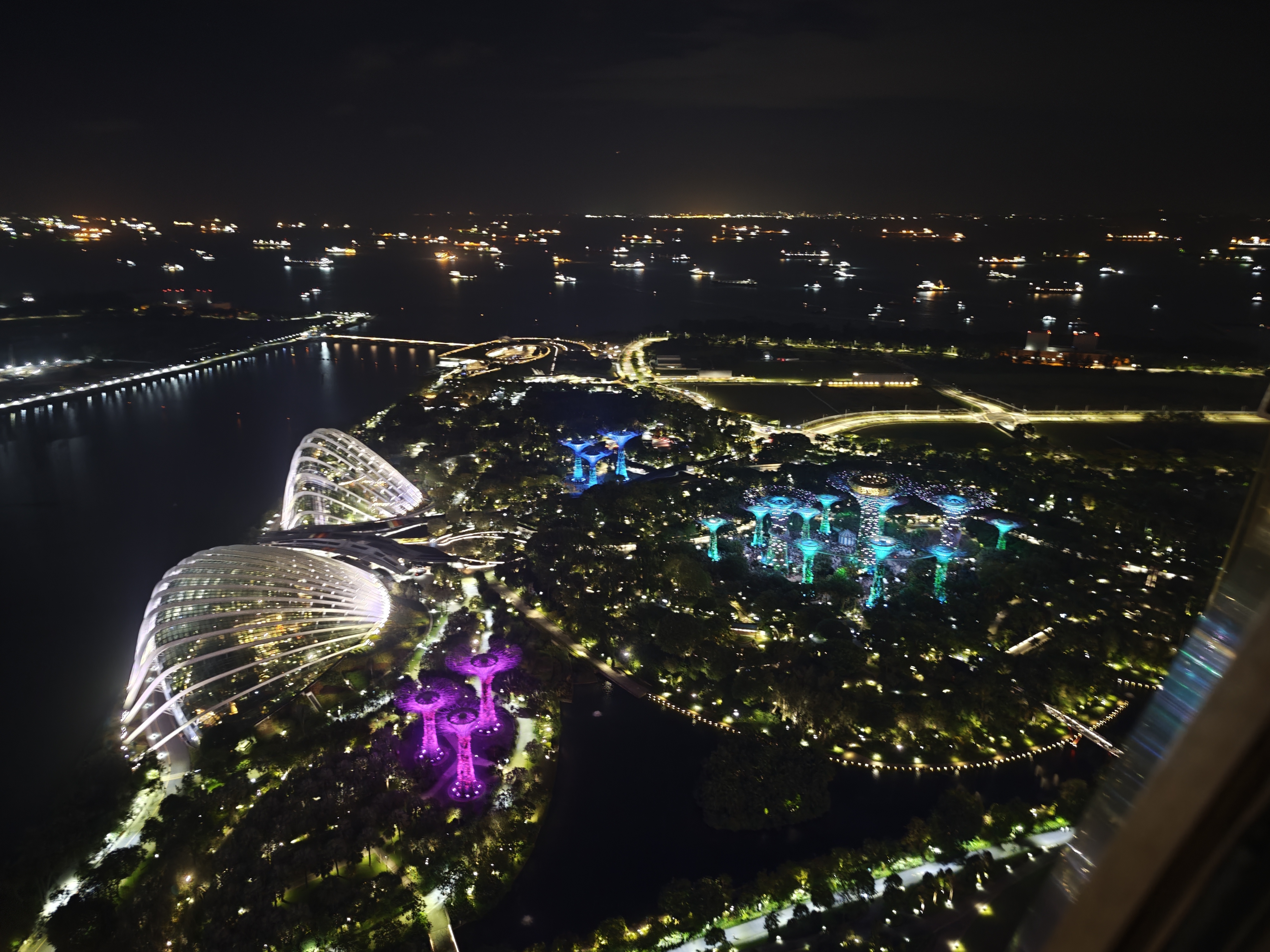
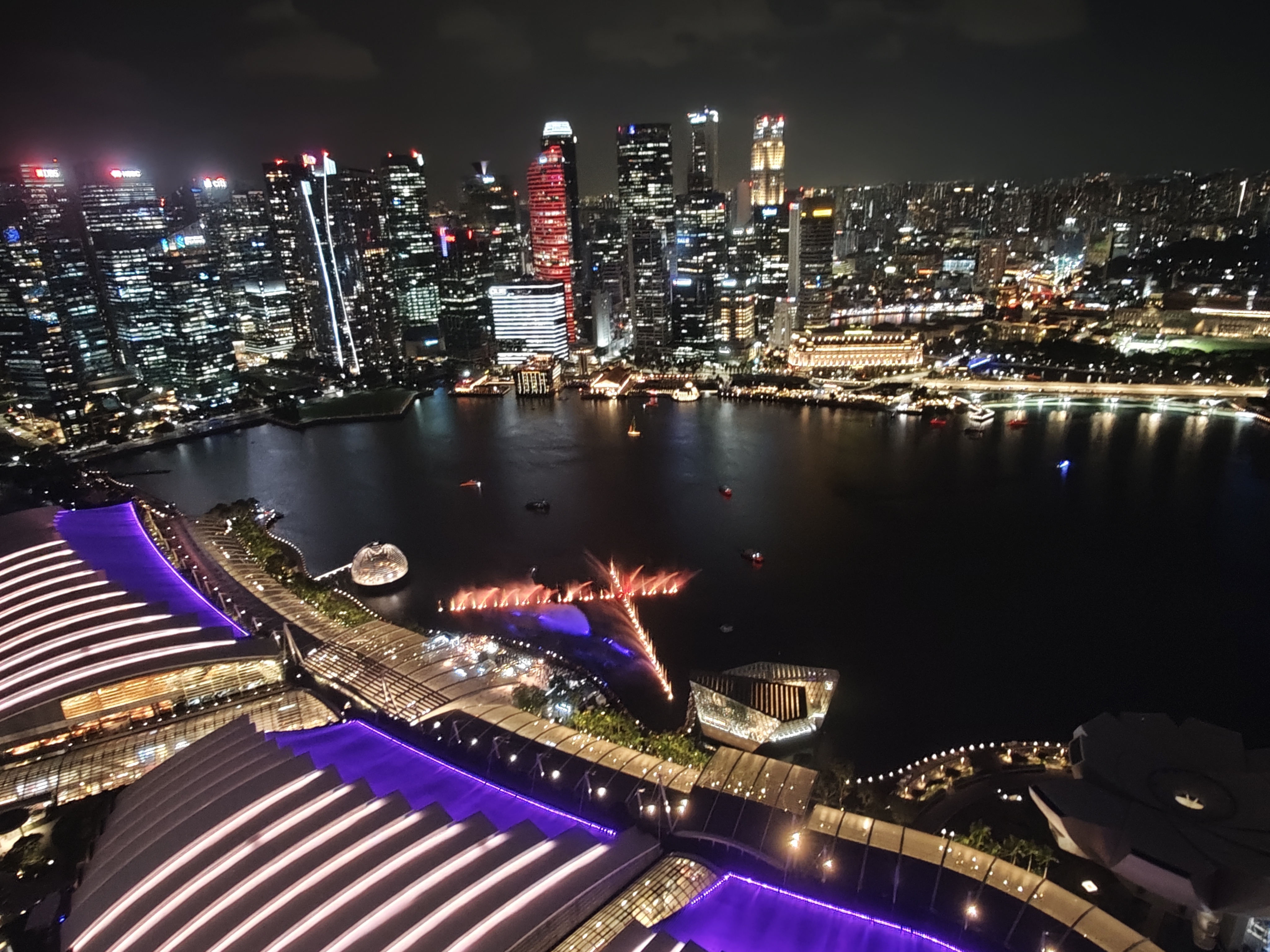
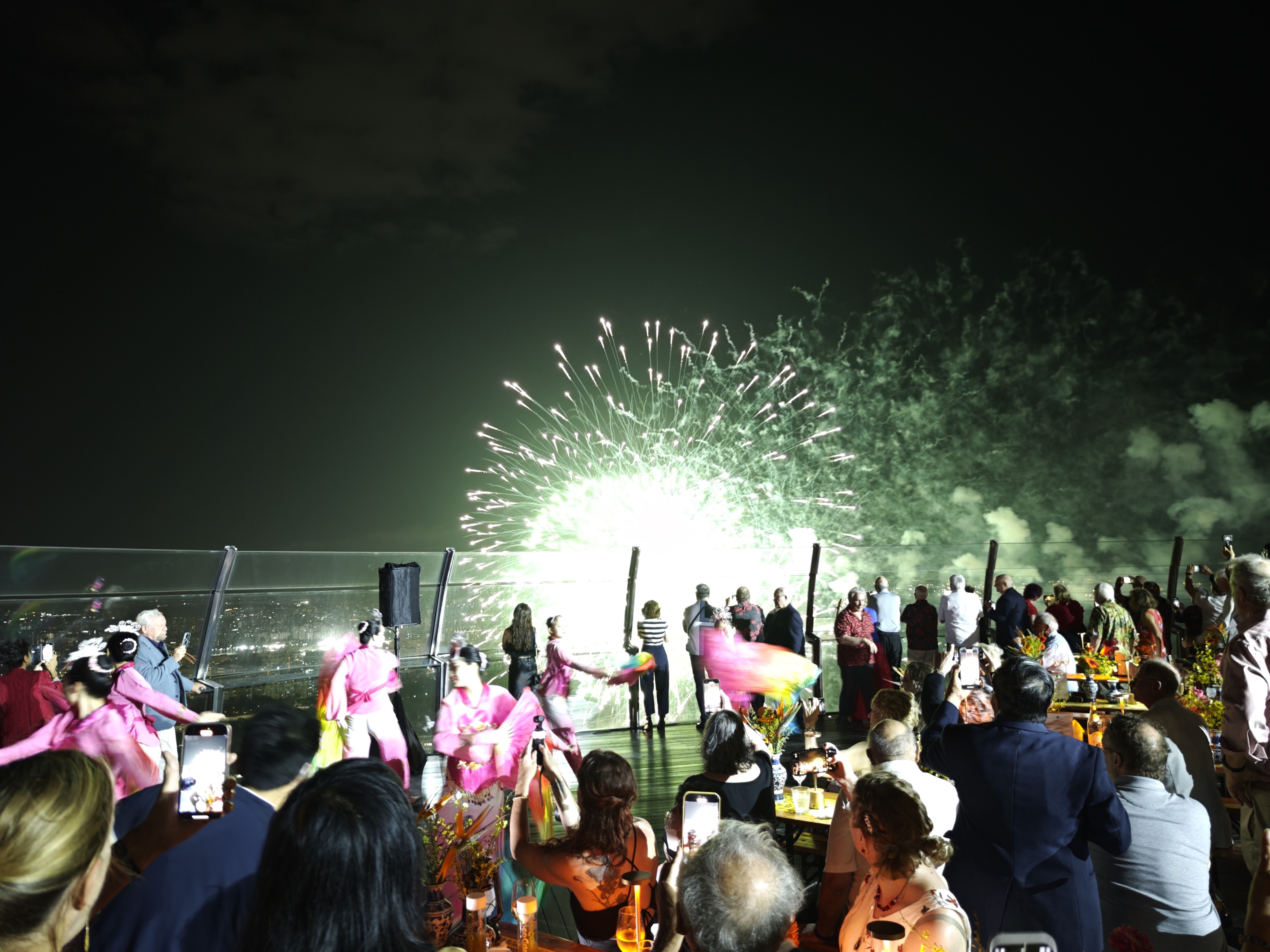
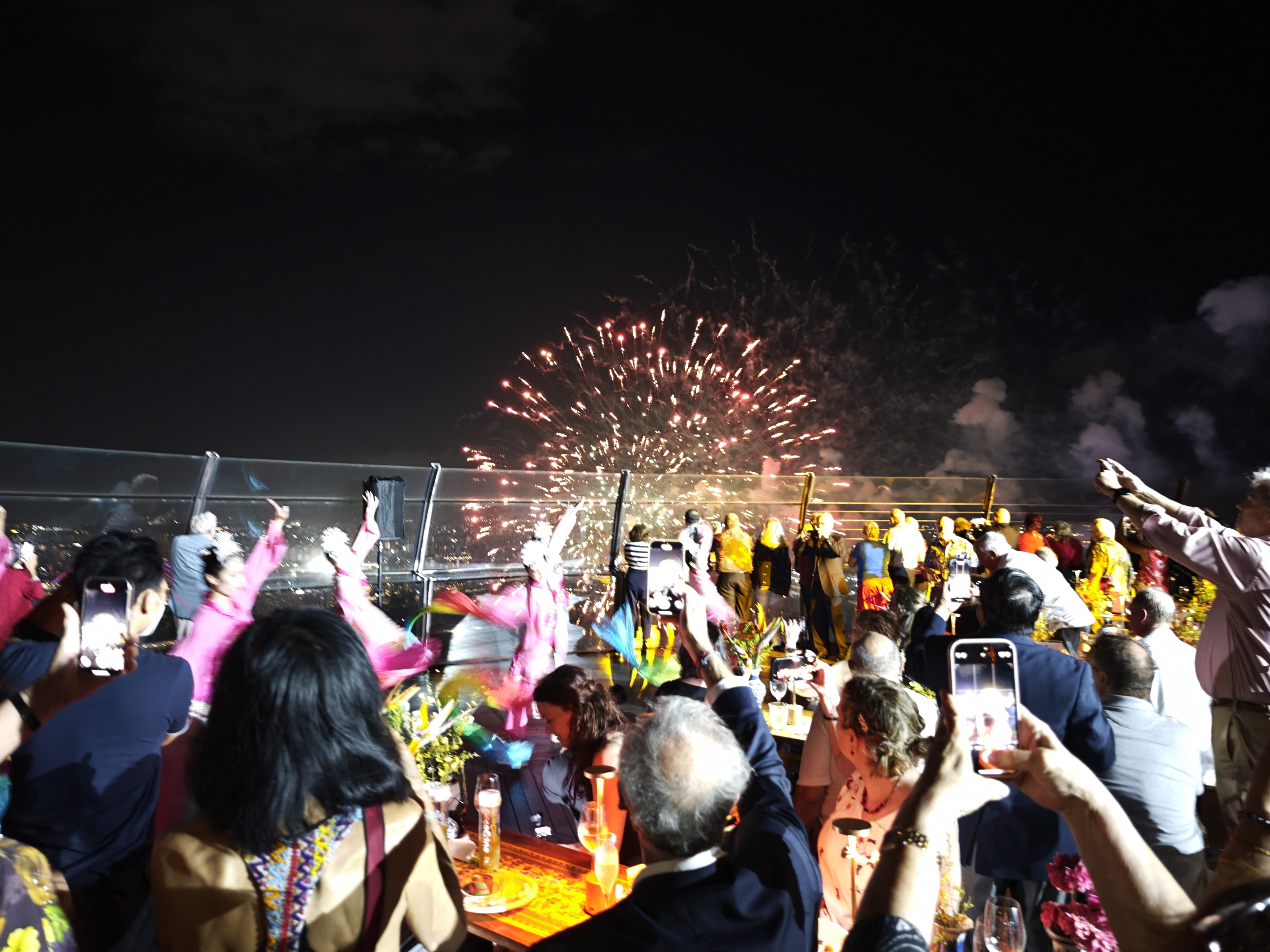
The our overnight in Singapore, we had a major World Cruise event at the top of Marina Bay Sands Hotel on the 57th floor. The views were over the top – from the Gardens by the Bay, to the boats at sea with all the goods to trade! We had drinks on the 57th floor and then moved to the lower floor, also outdoors, where you can see all the food being set up.
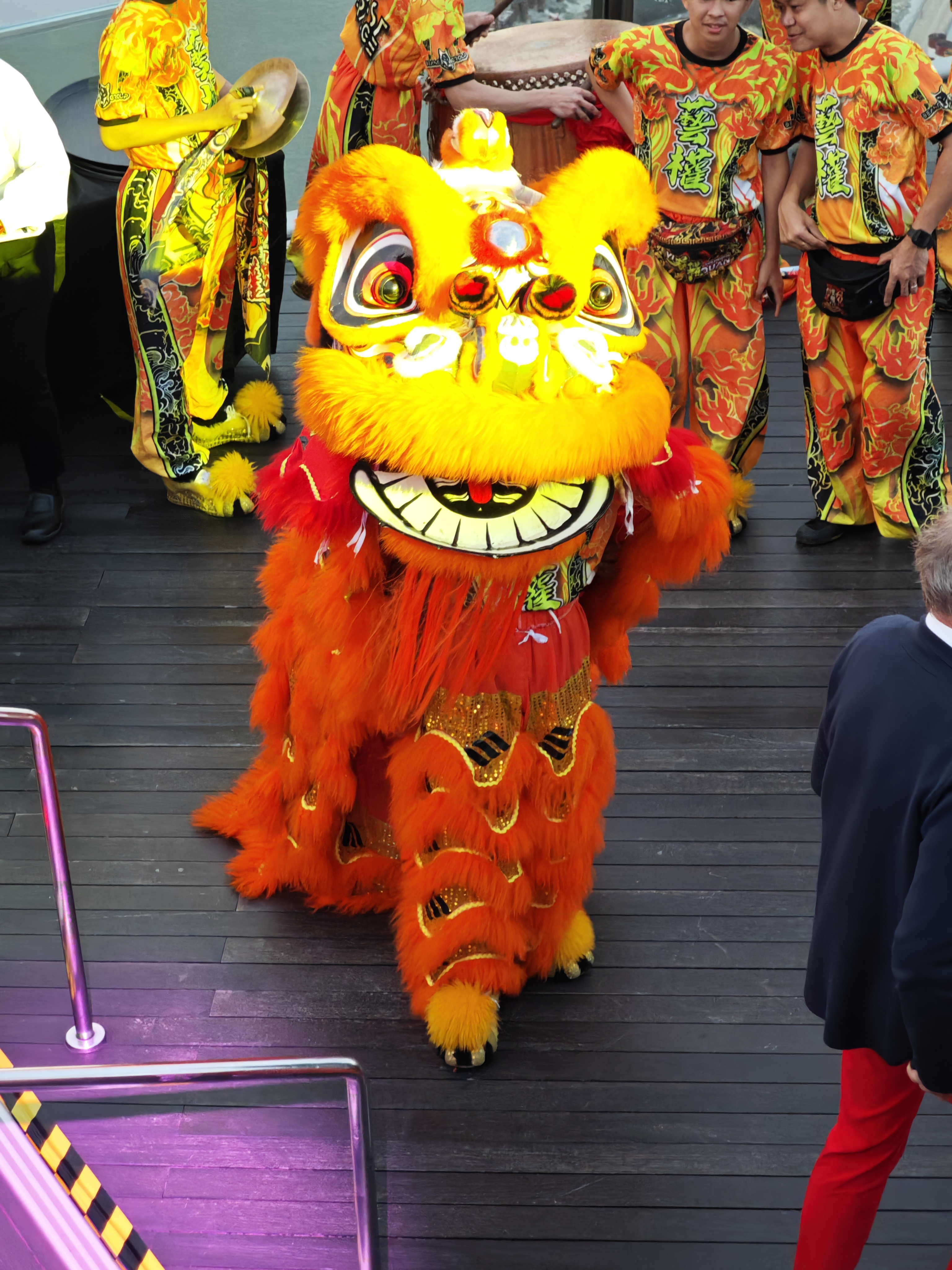
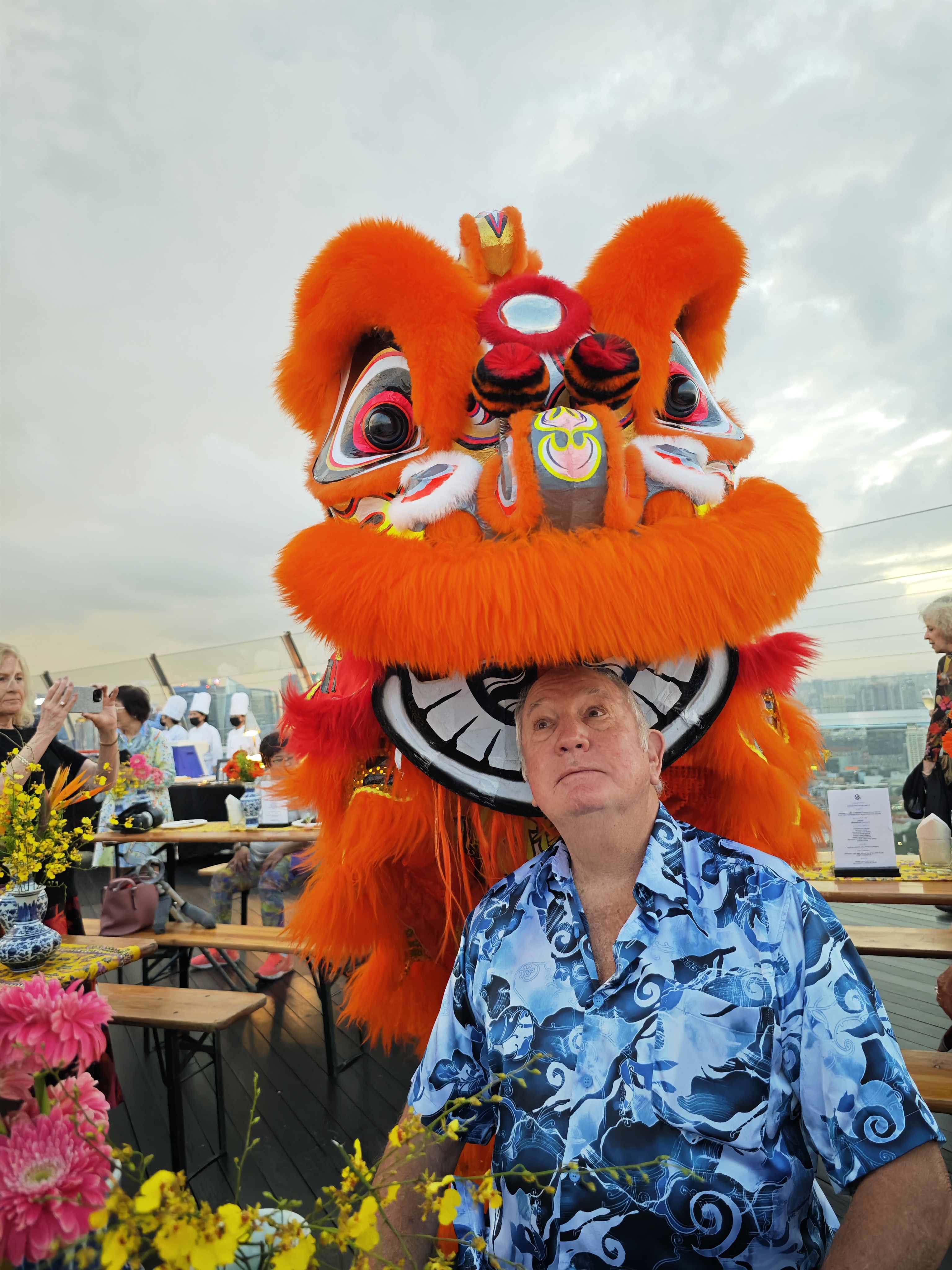
Entertainments was mostly the cute two person dragons! They even entertained our guests including, Chris and Johnny…
The night sky lit up with magnificent colors that changed by the minute. At one point in time we had fireworks that literally exploded off our viewing/eating deck. It was a magical evening for the approximate 180 of us world cruisers.
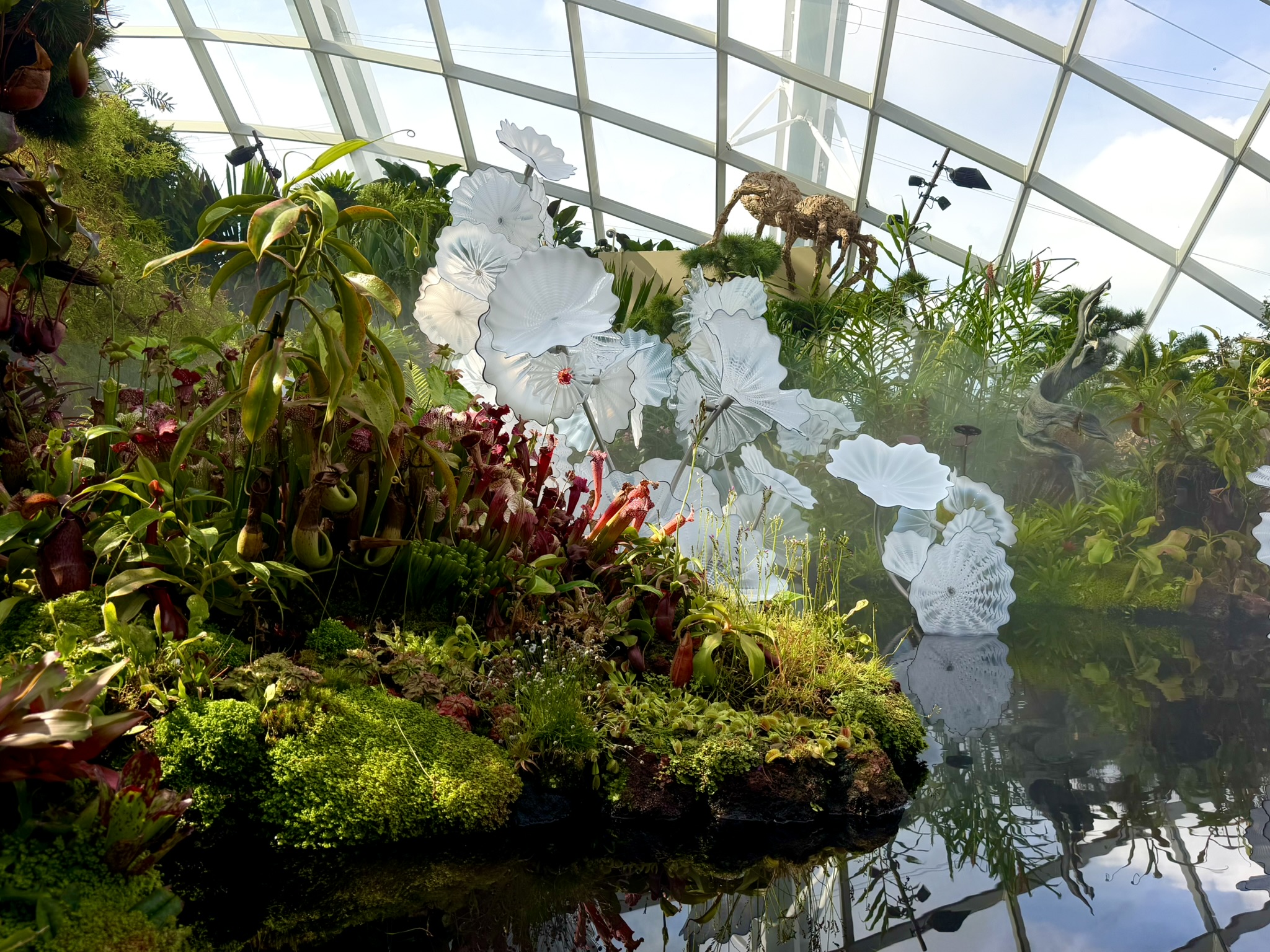
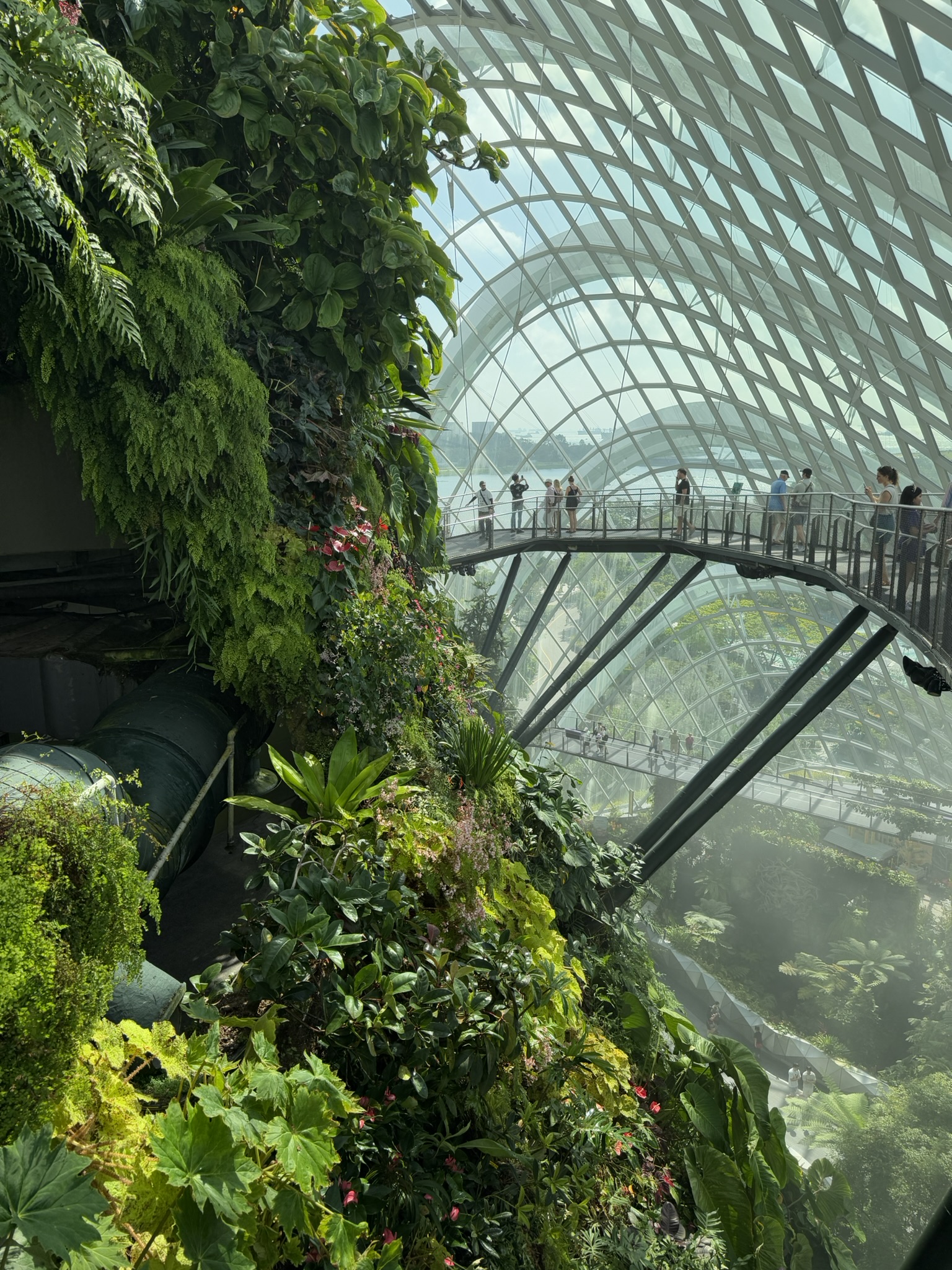
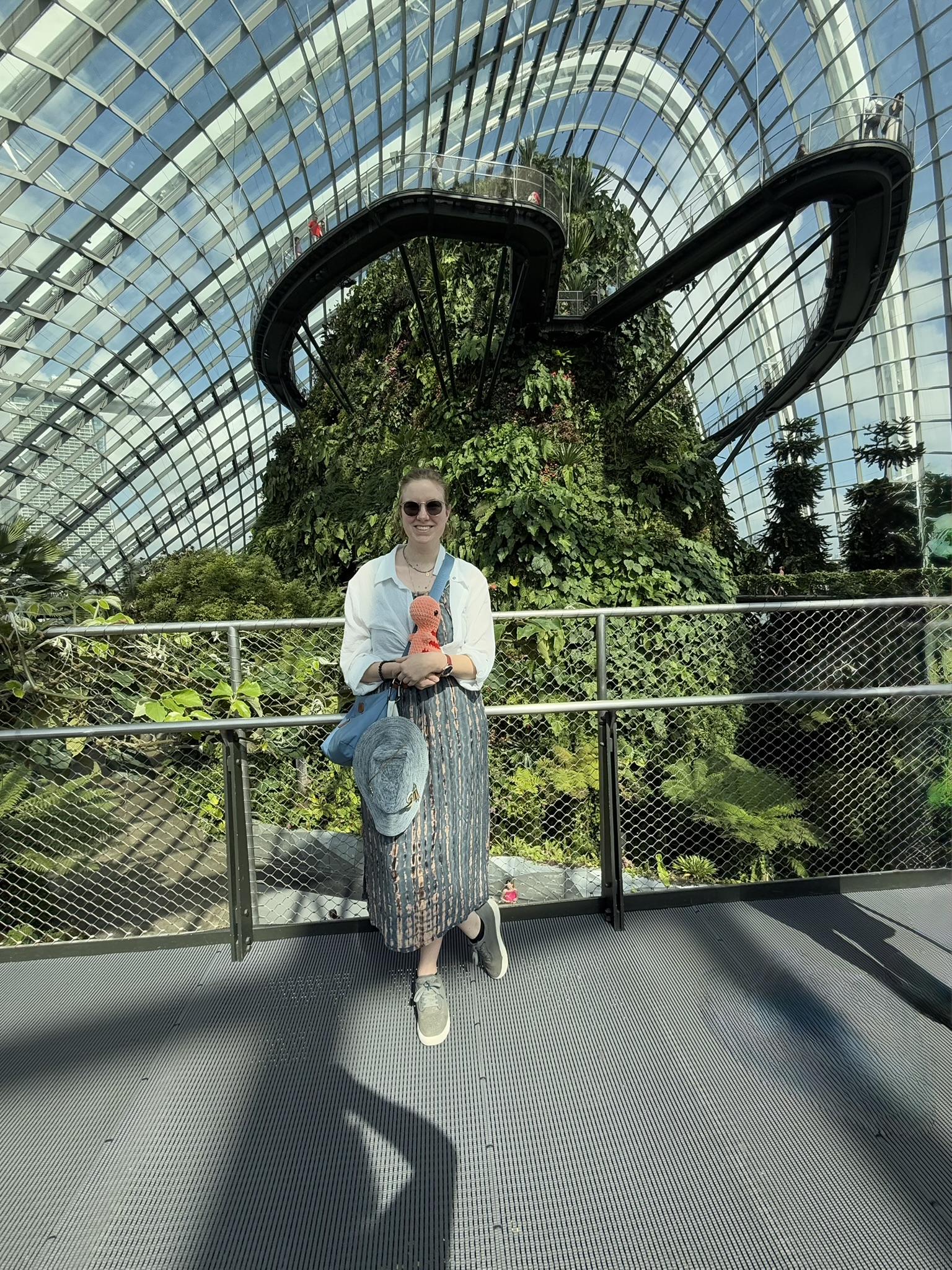
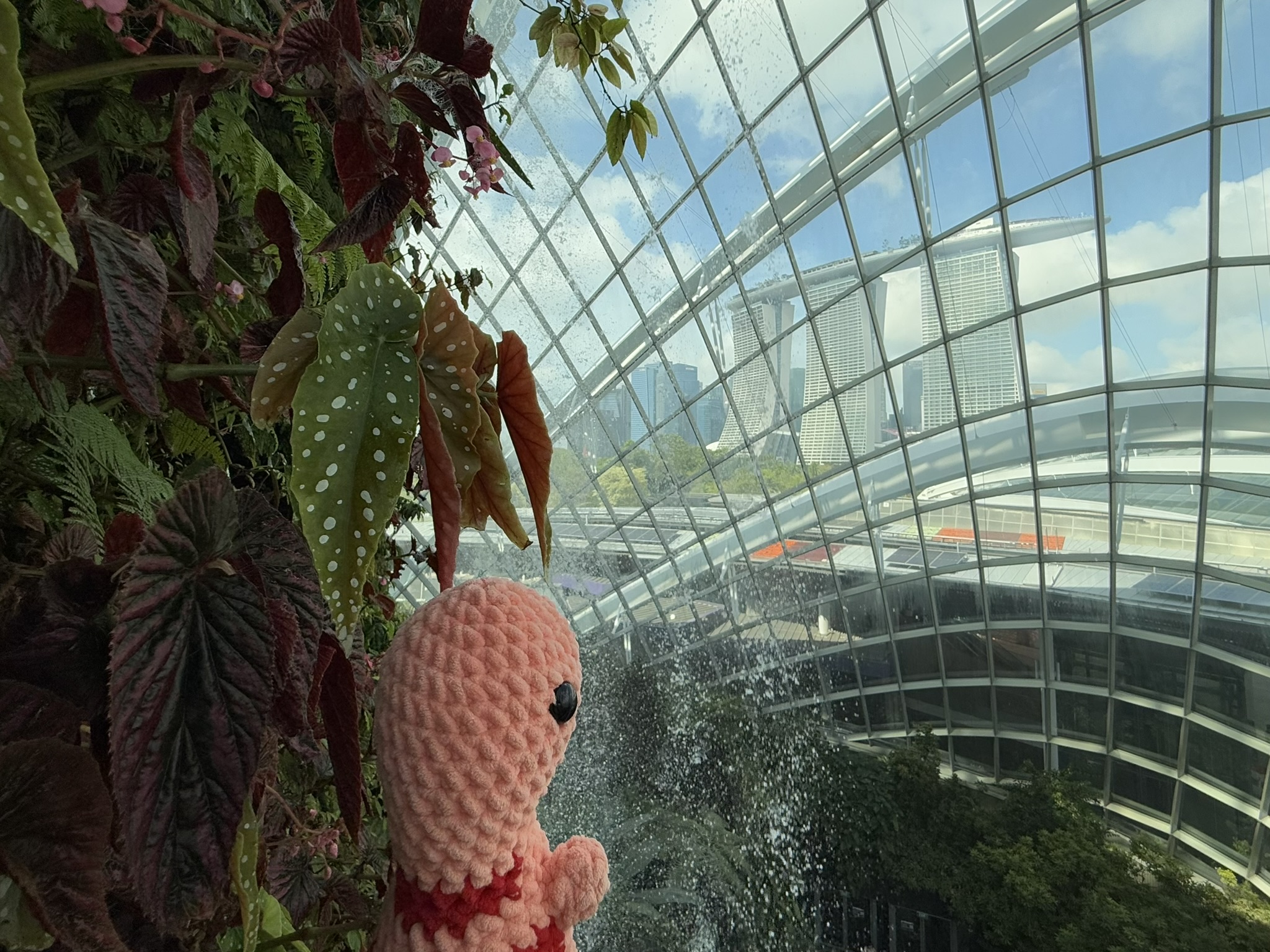
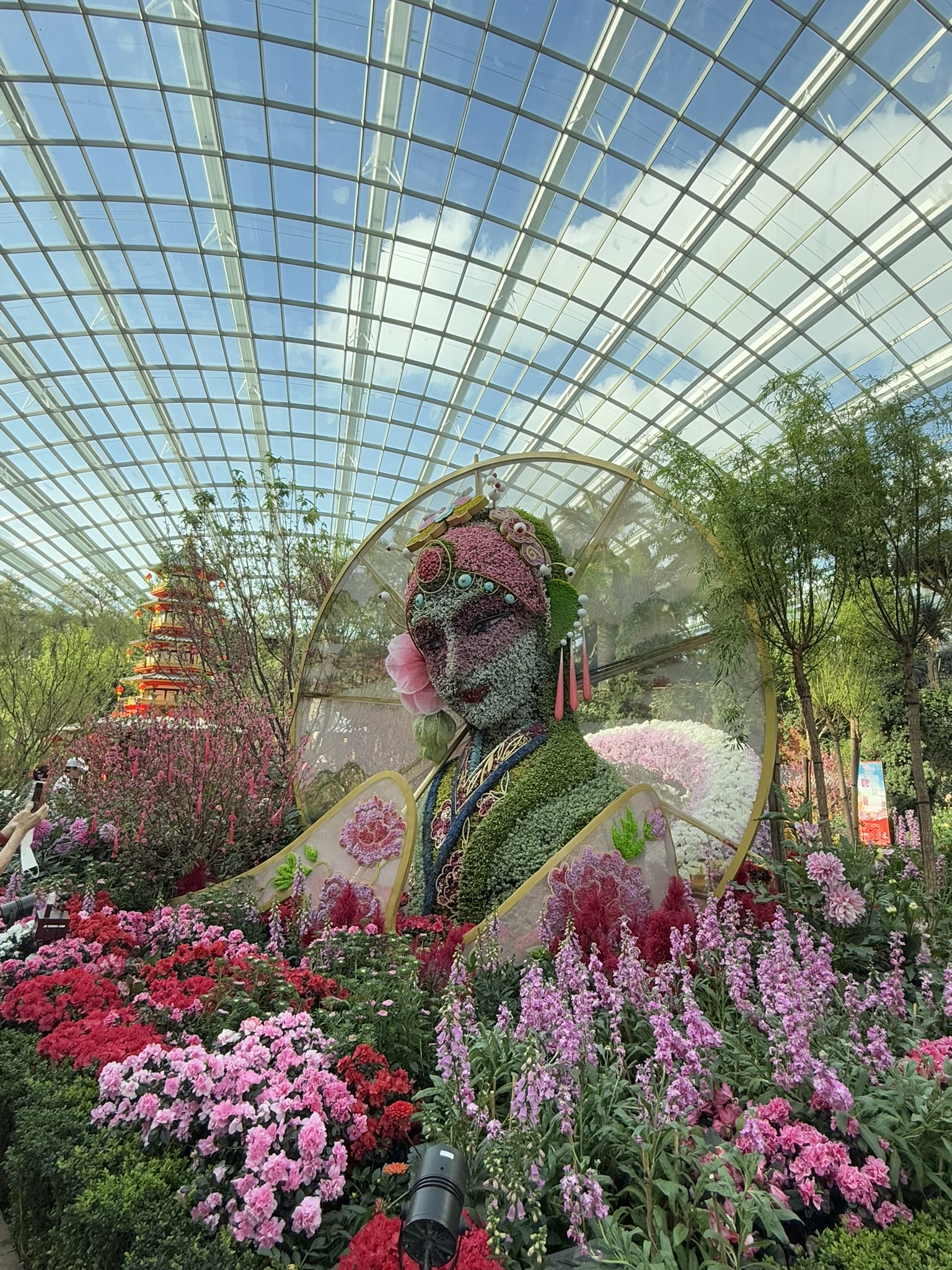
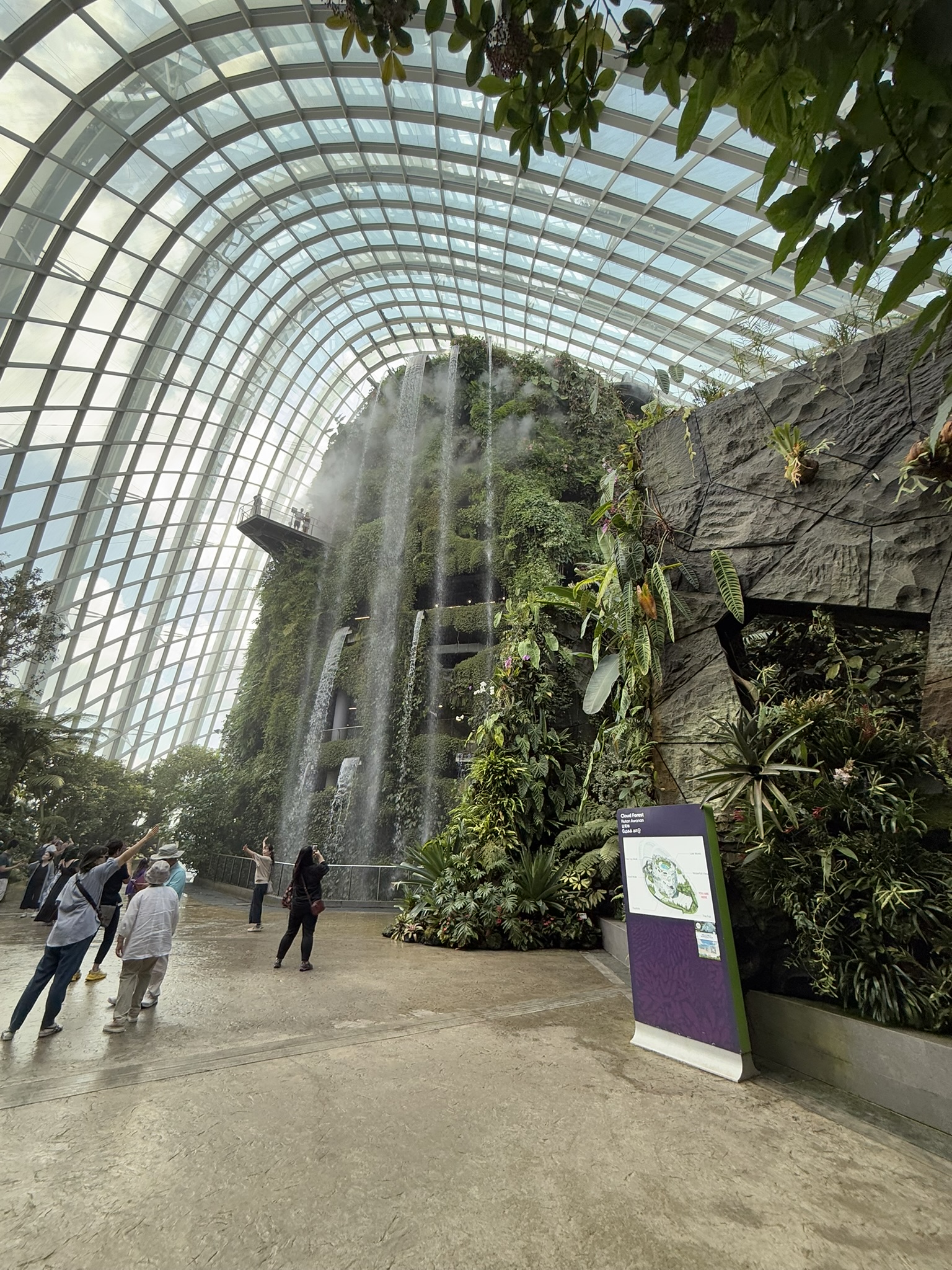
Next up after our busy night, Larkin went on an excursion to the Gardens by the Bay. Larkin took some fabulous photo’s and wished she wasn’t on a tour because she felt she had to move through too quickly. We both want to go back and do it on our own someday so we can wander…You can see the Marina Bay Sands from the night before in Haru’s view! We were on the top platform on the far right for our event the night before.
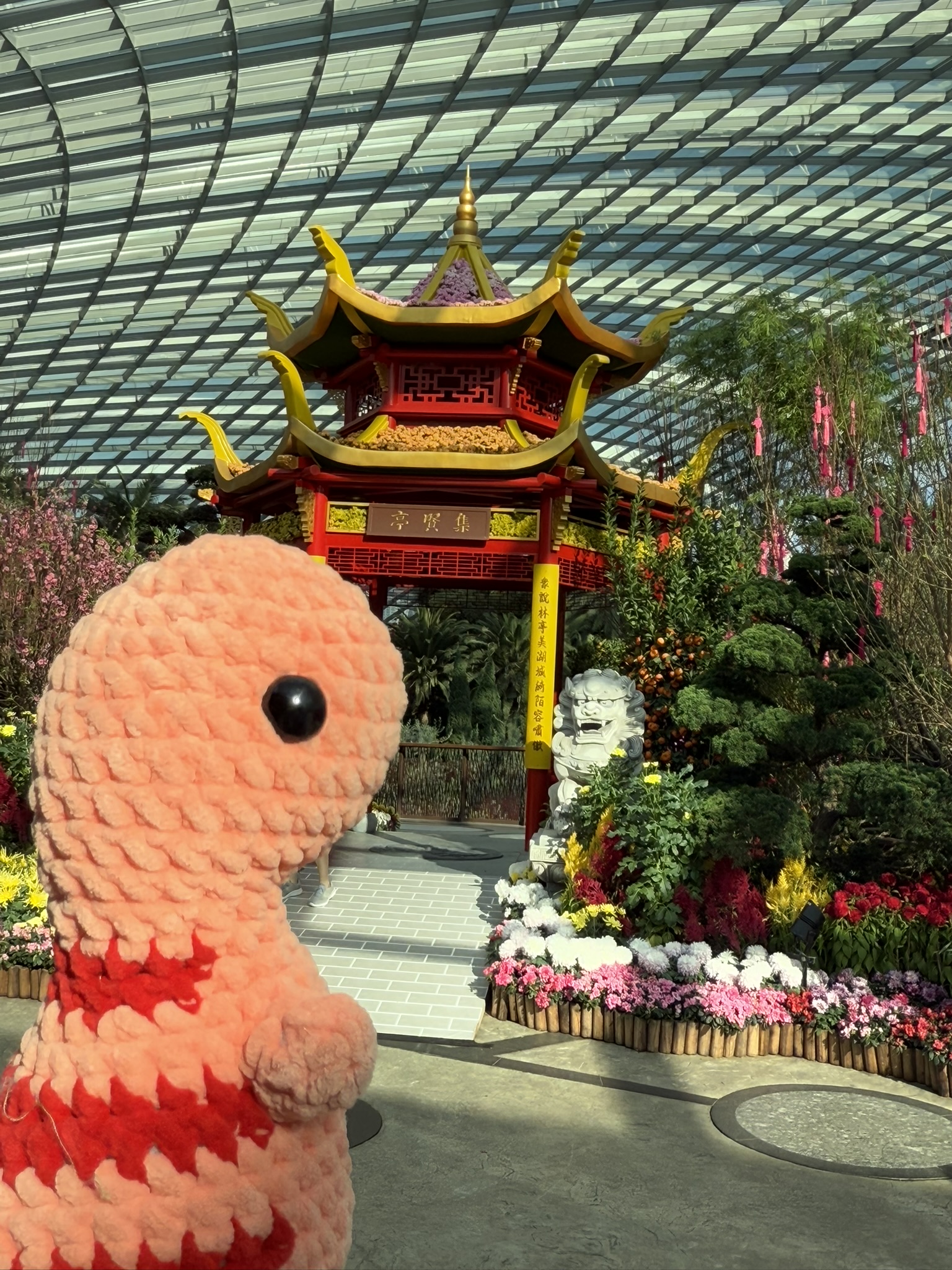
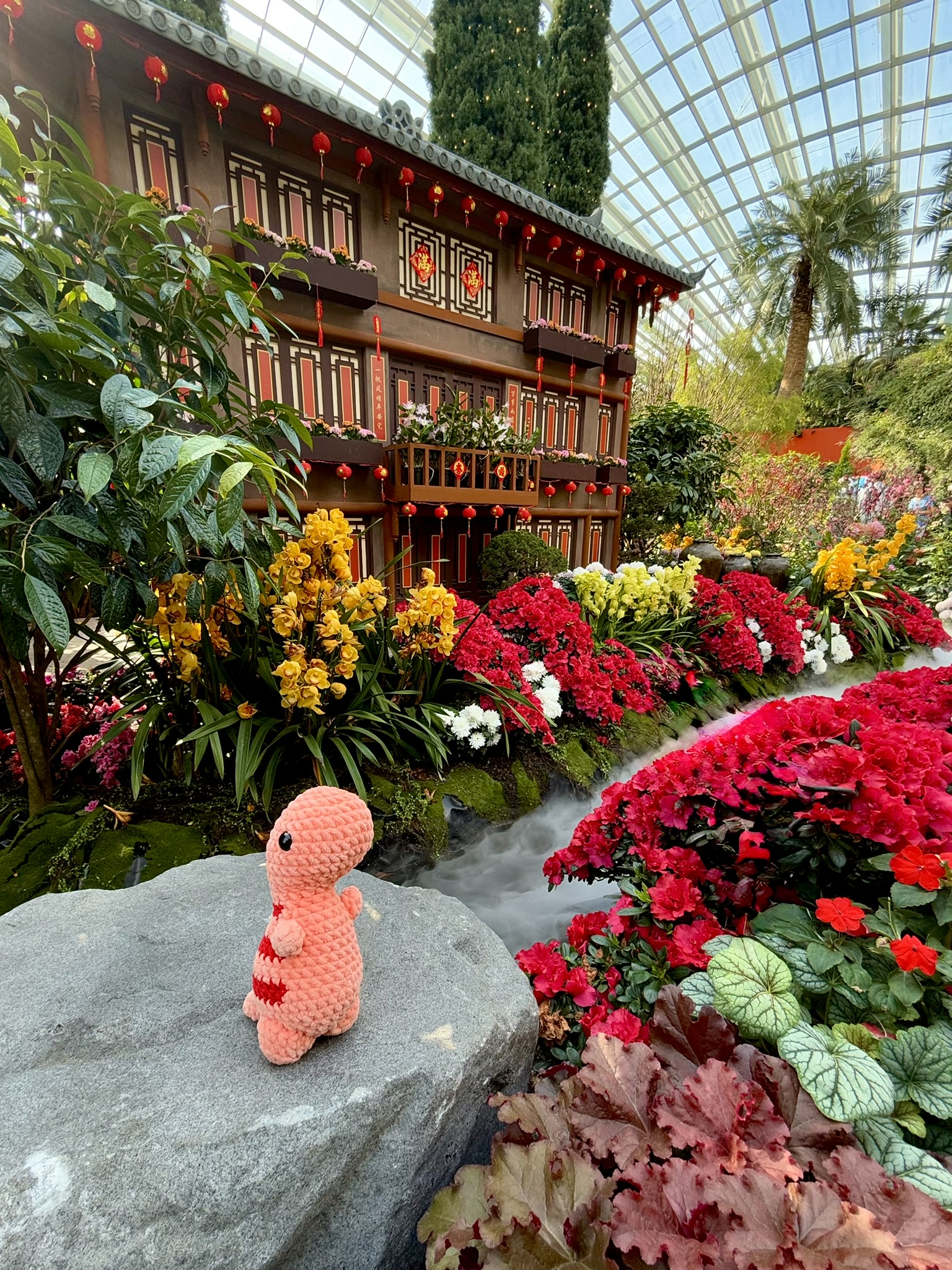
You can see how much fun Haru had!
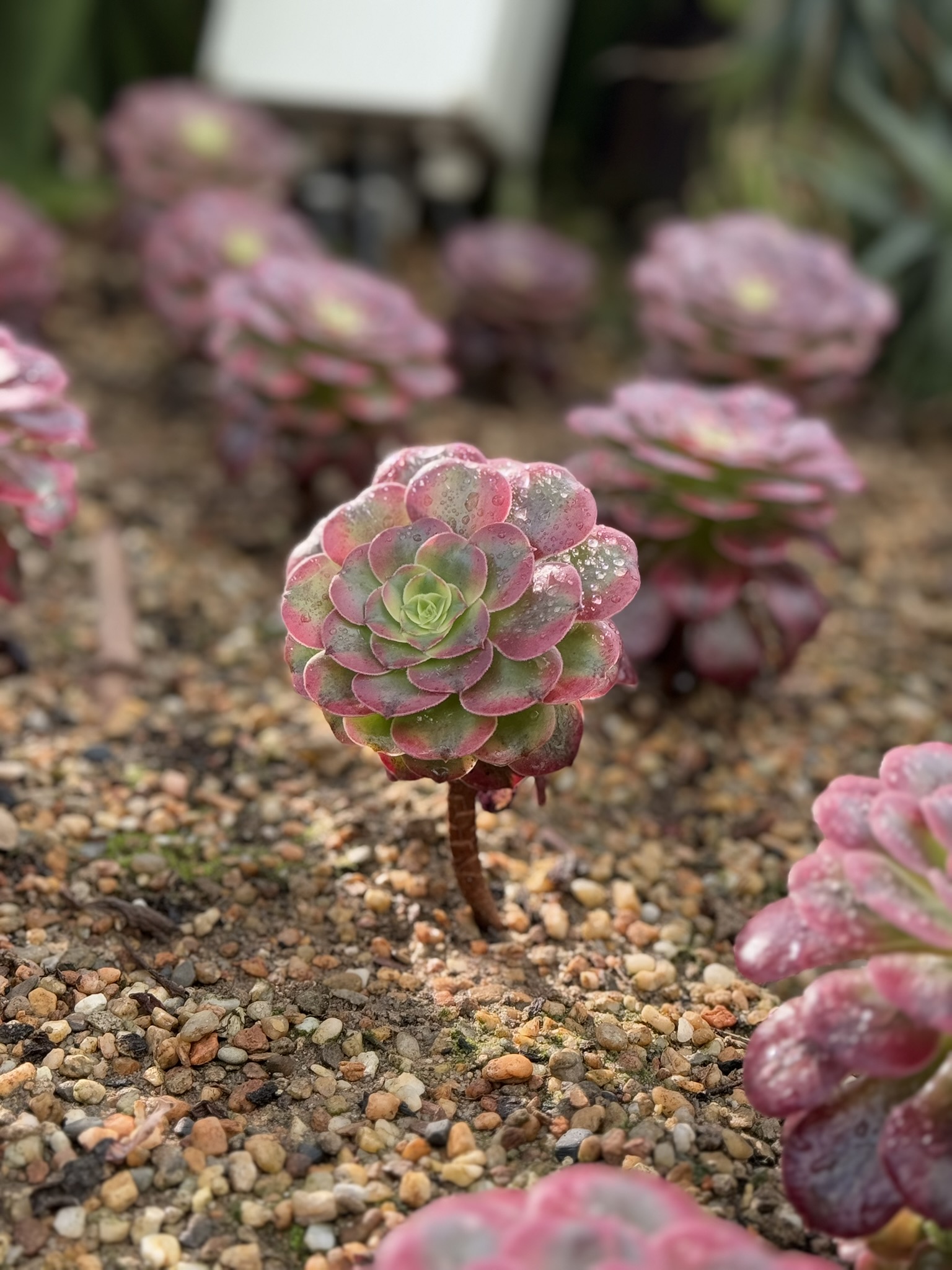
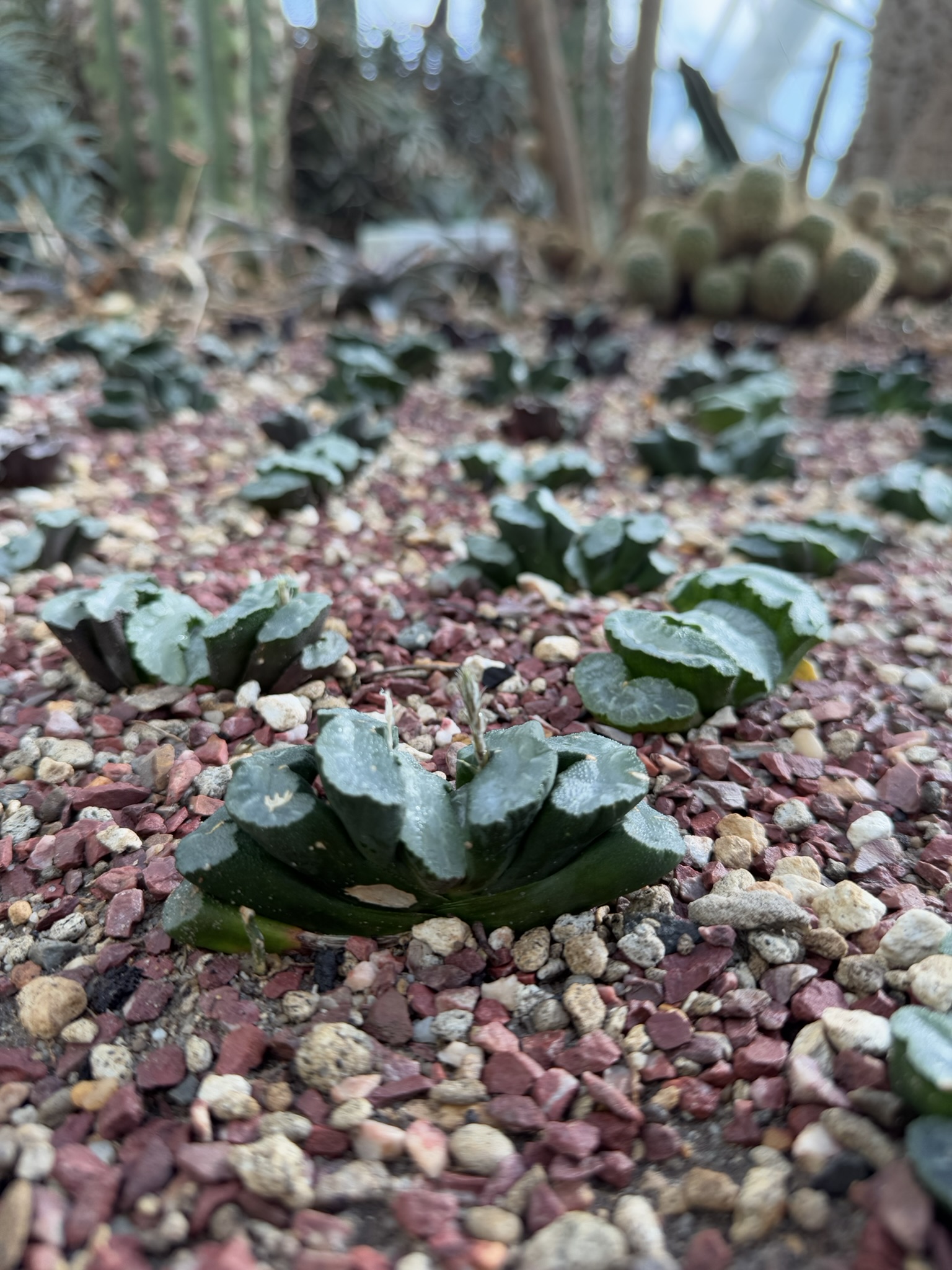
The flowers and plants along with the waterfalls were stunning!
..and the colors magnificent!
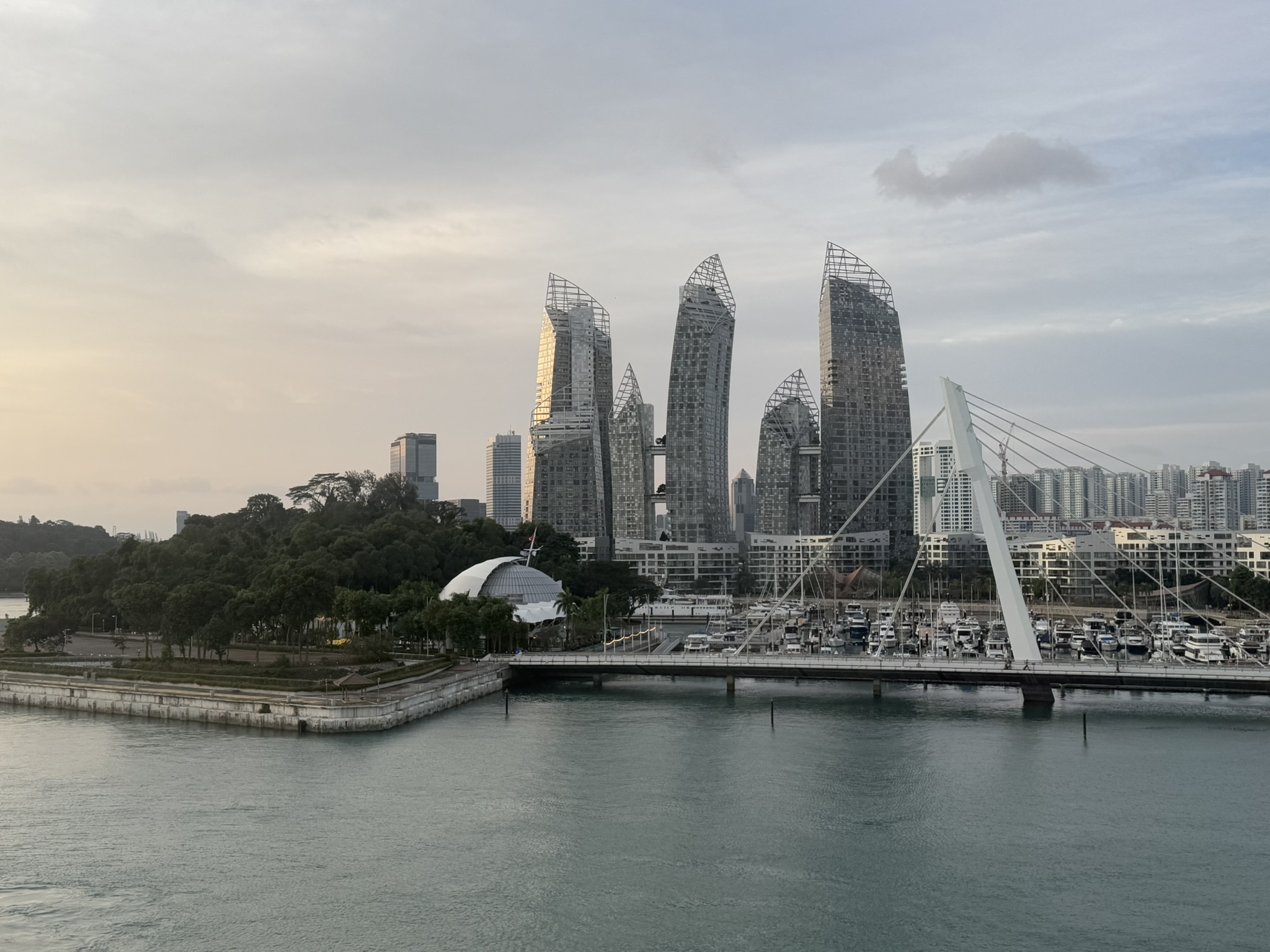
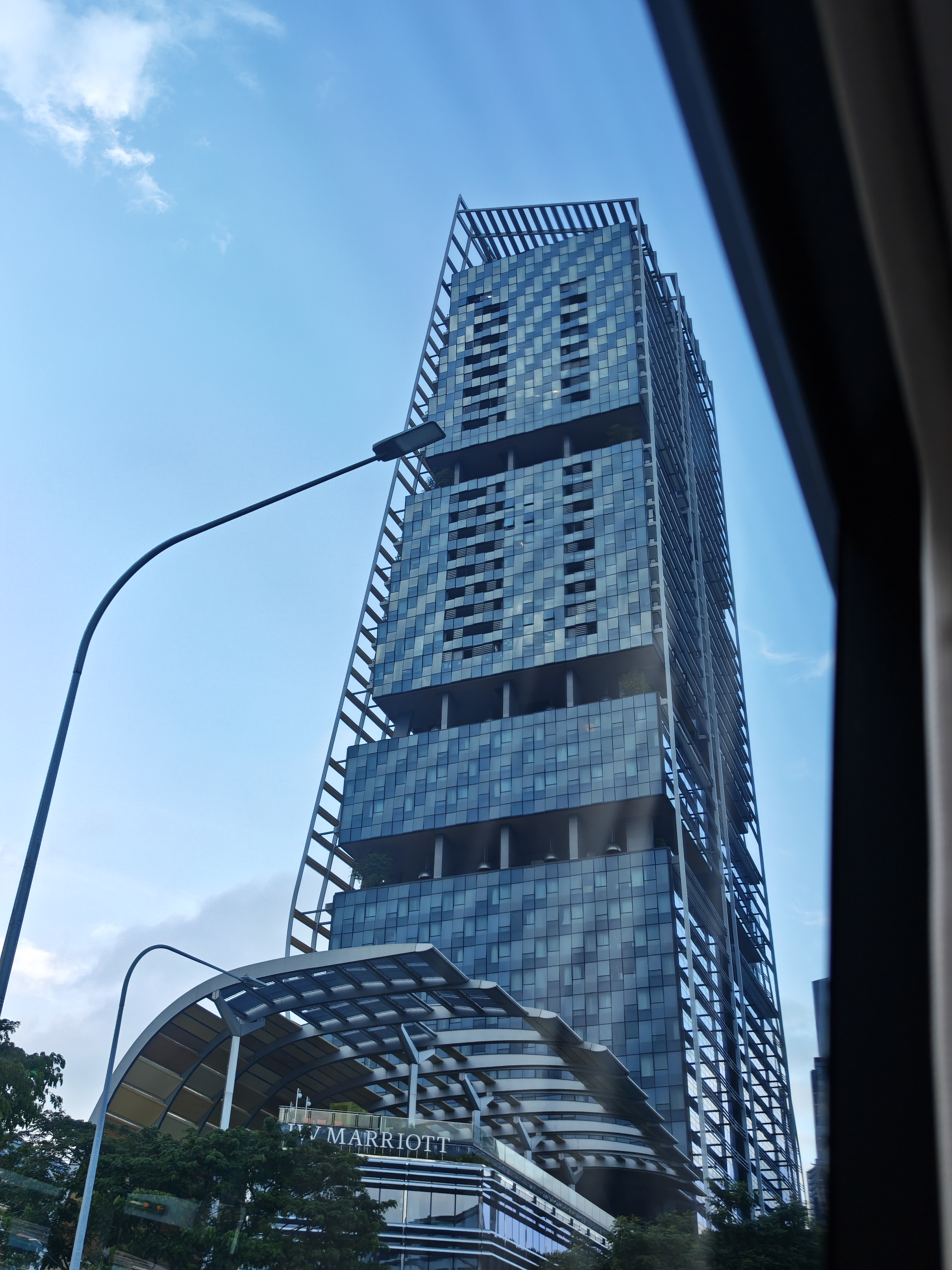
The architecture of Singapore’s skyscrapers is always interesting!
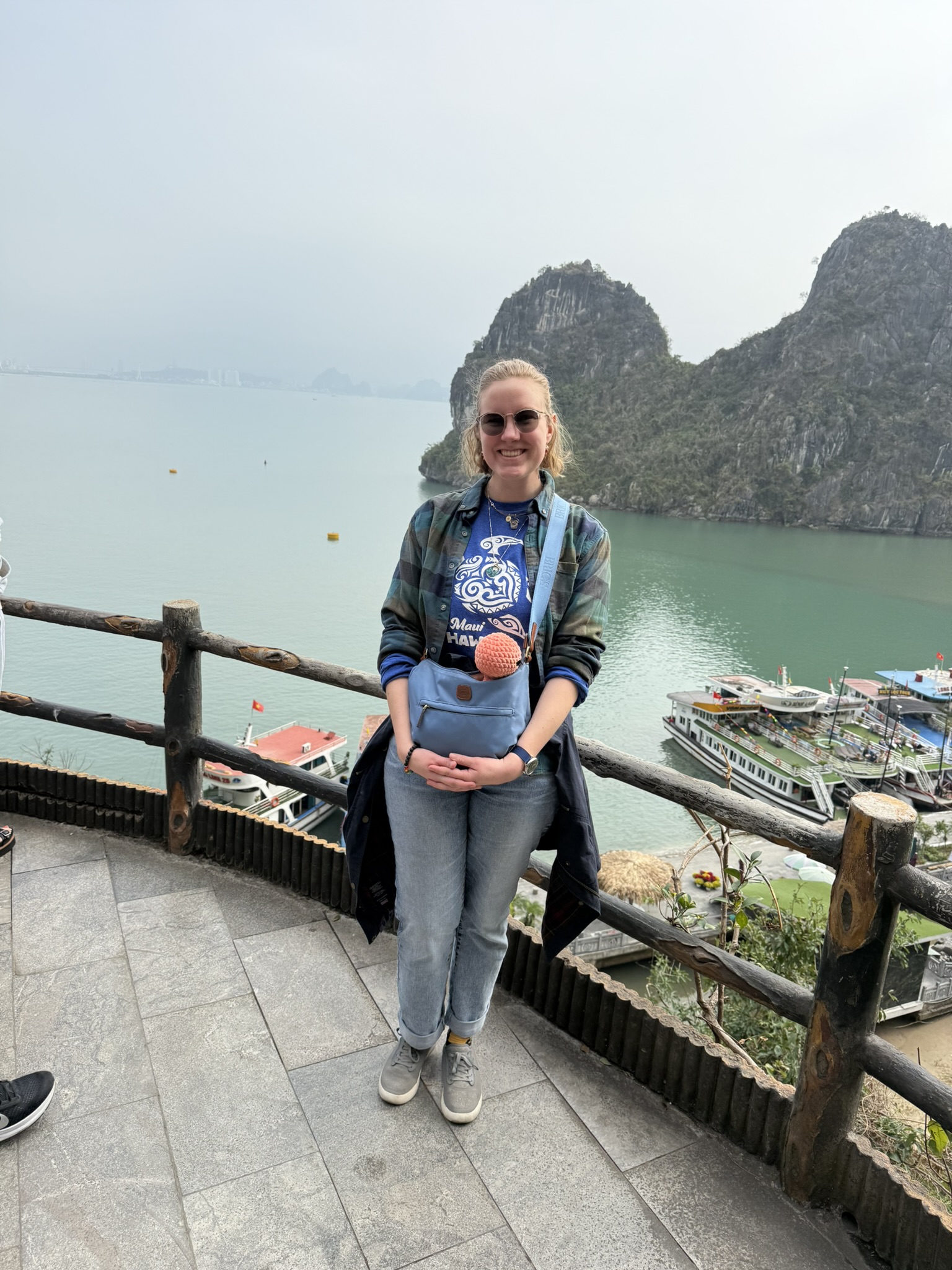
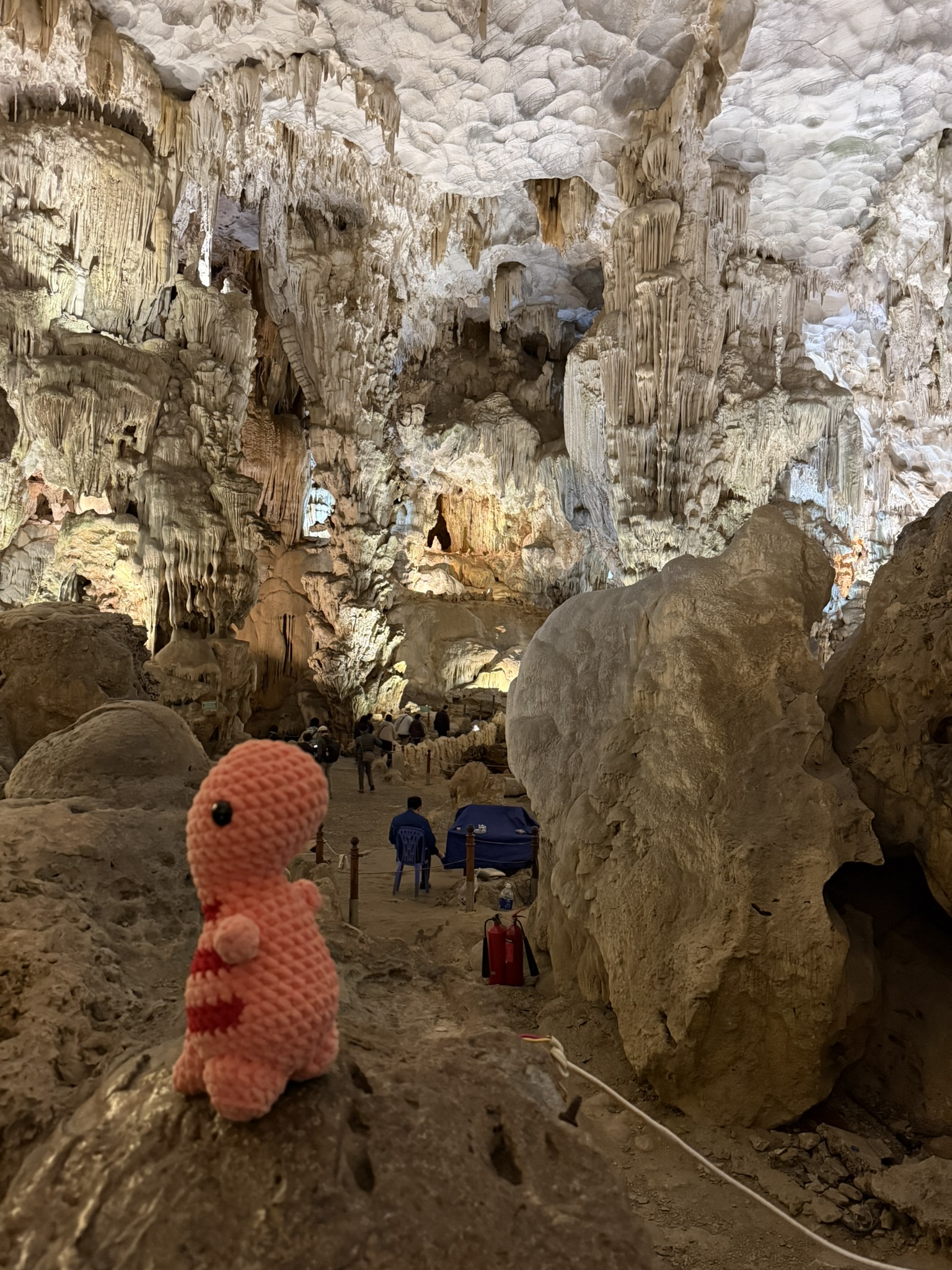
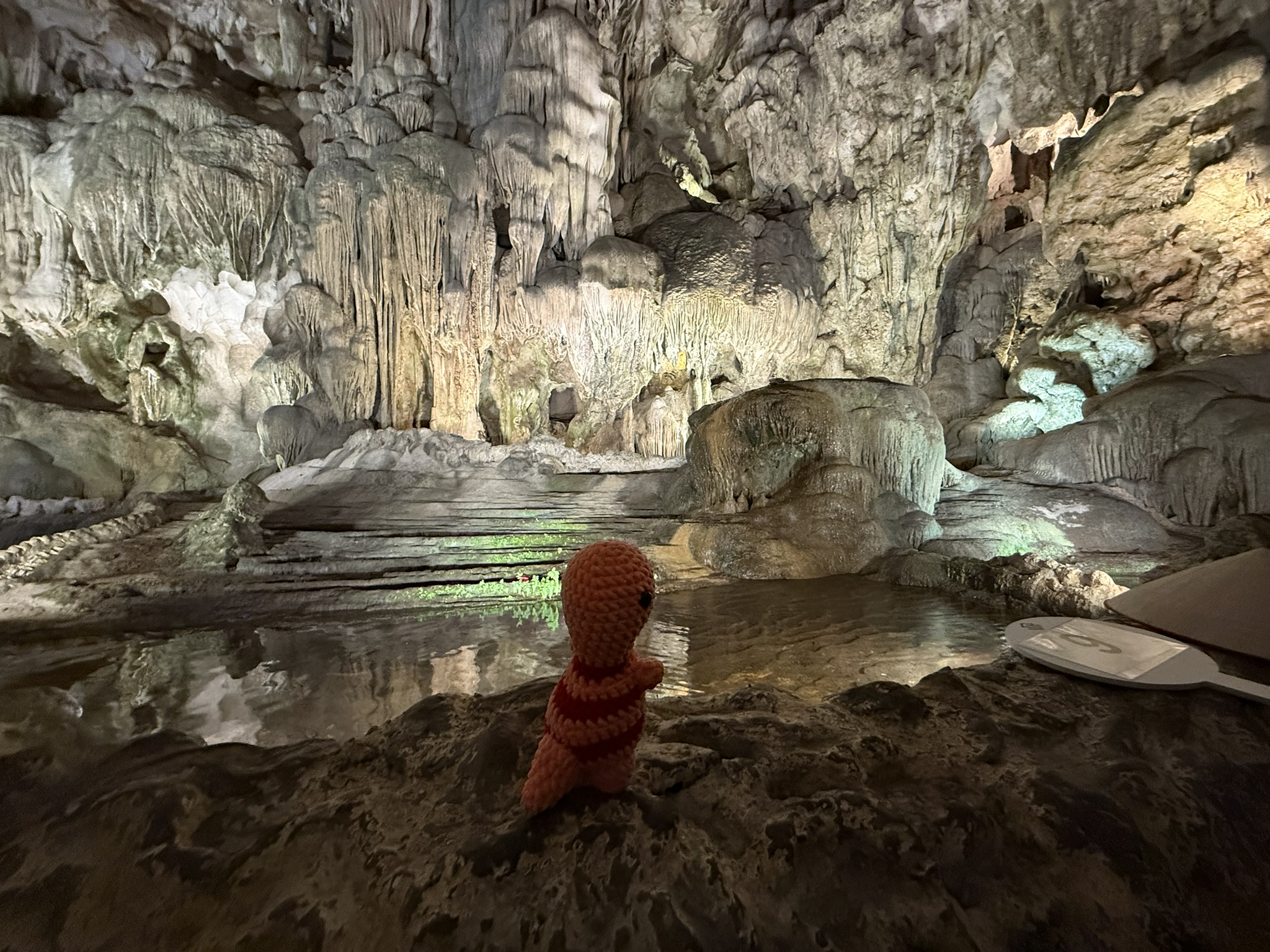
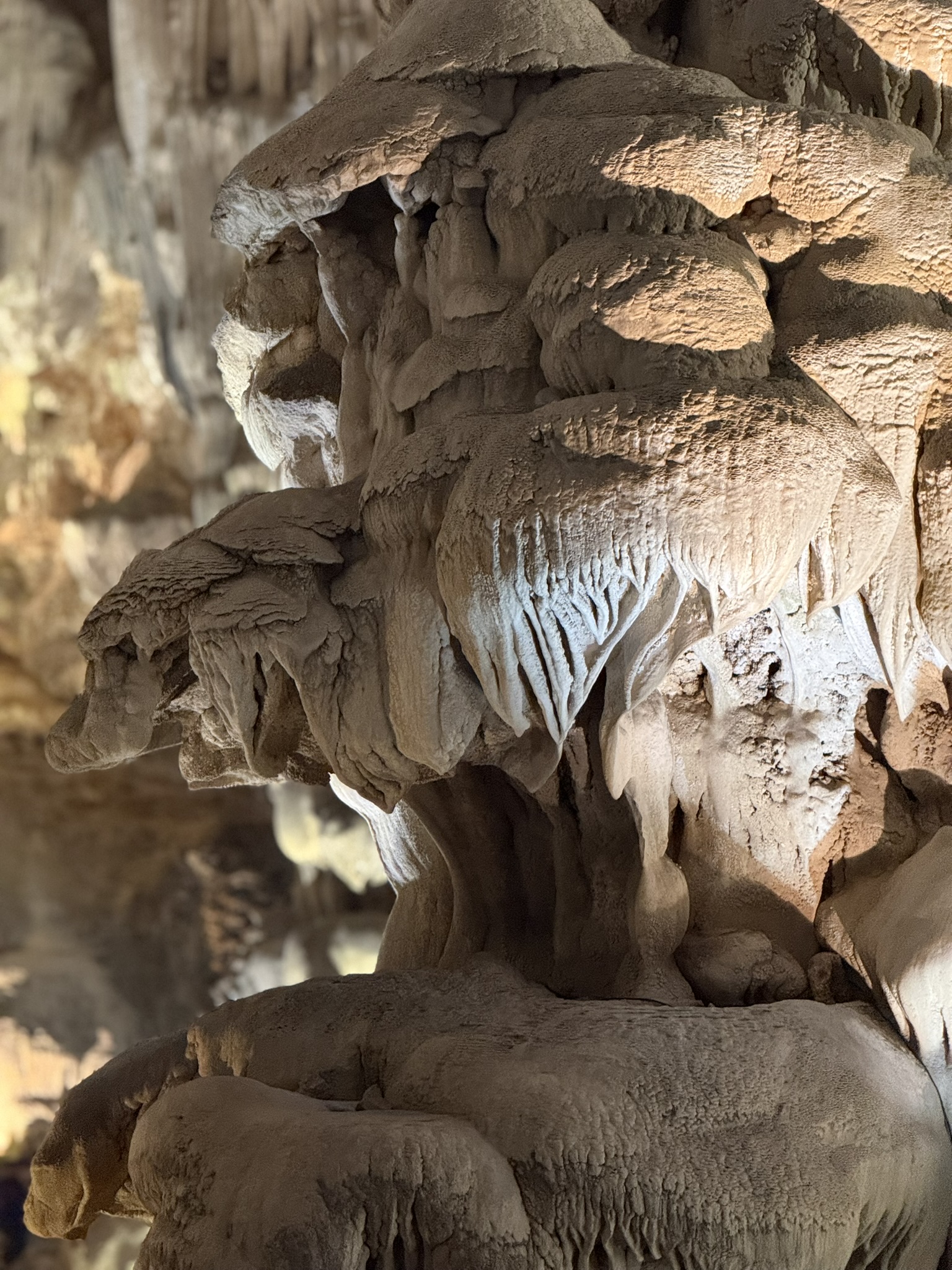
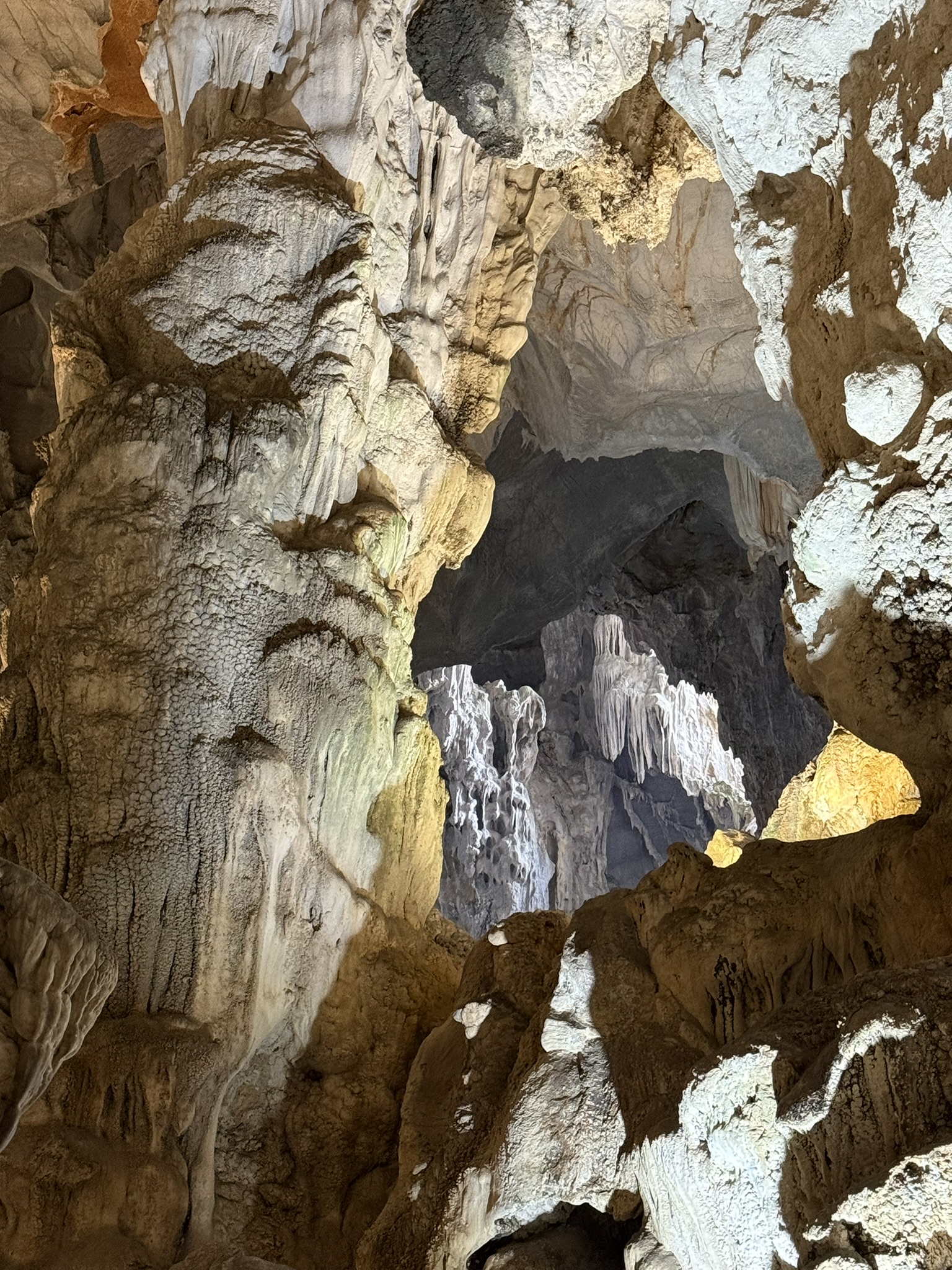
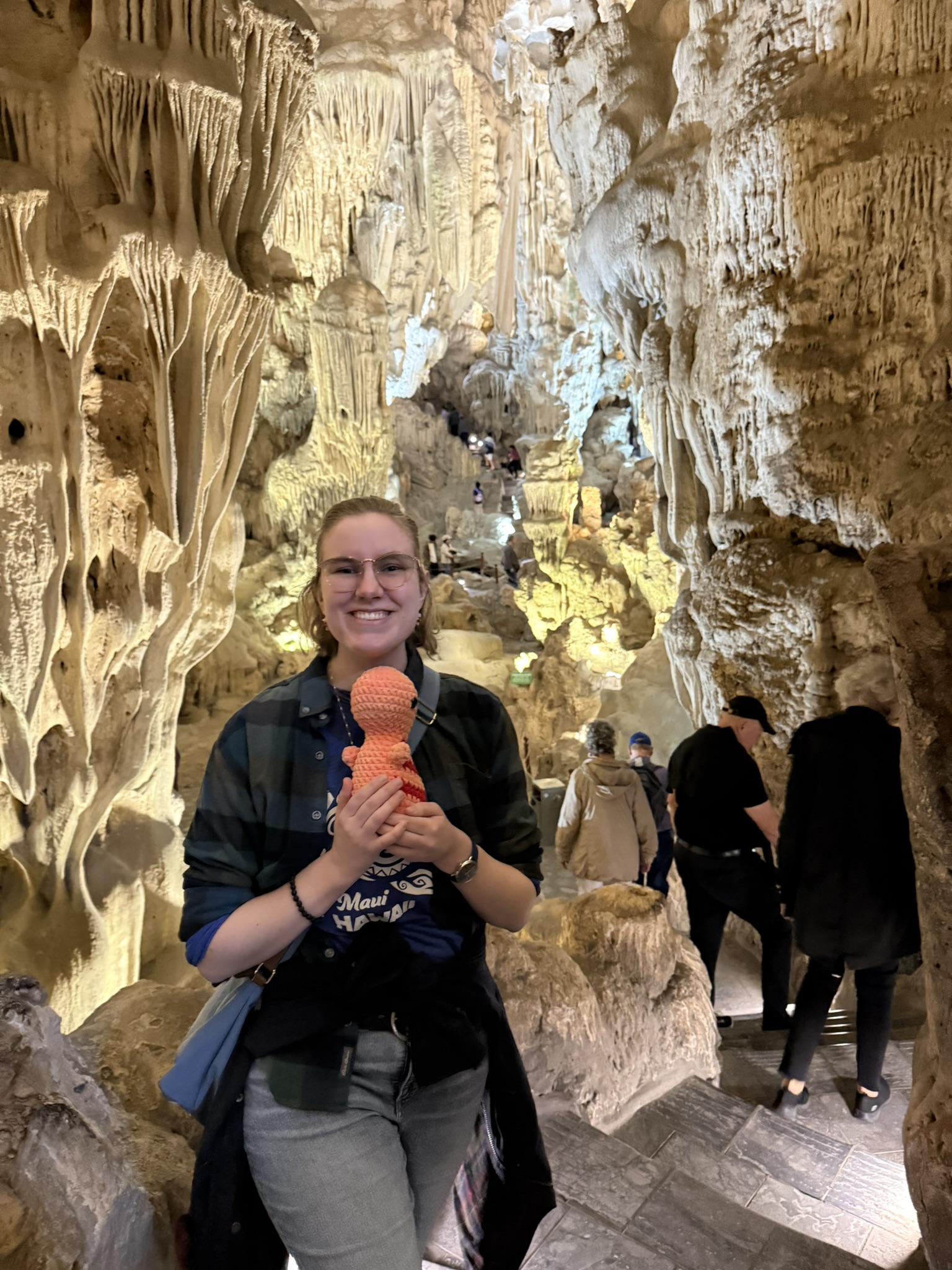
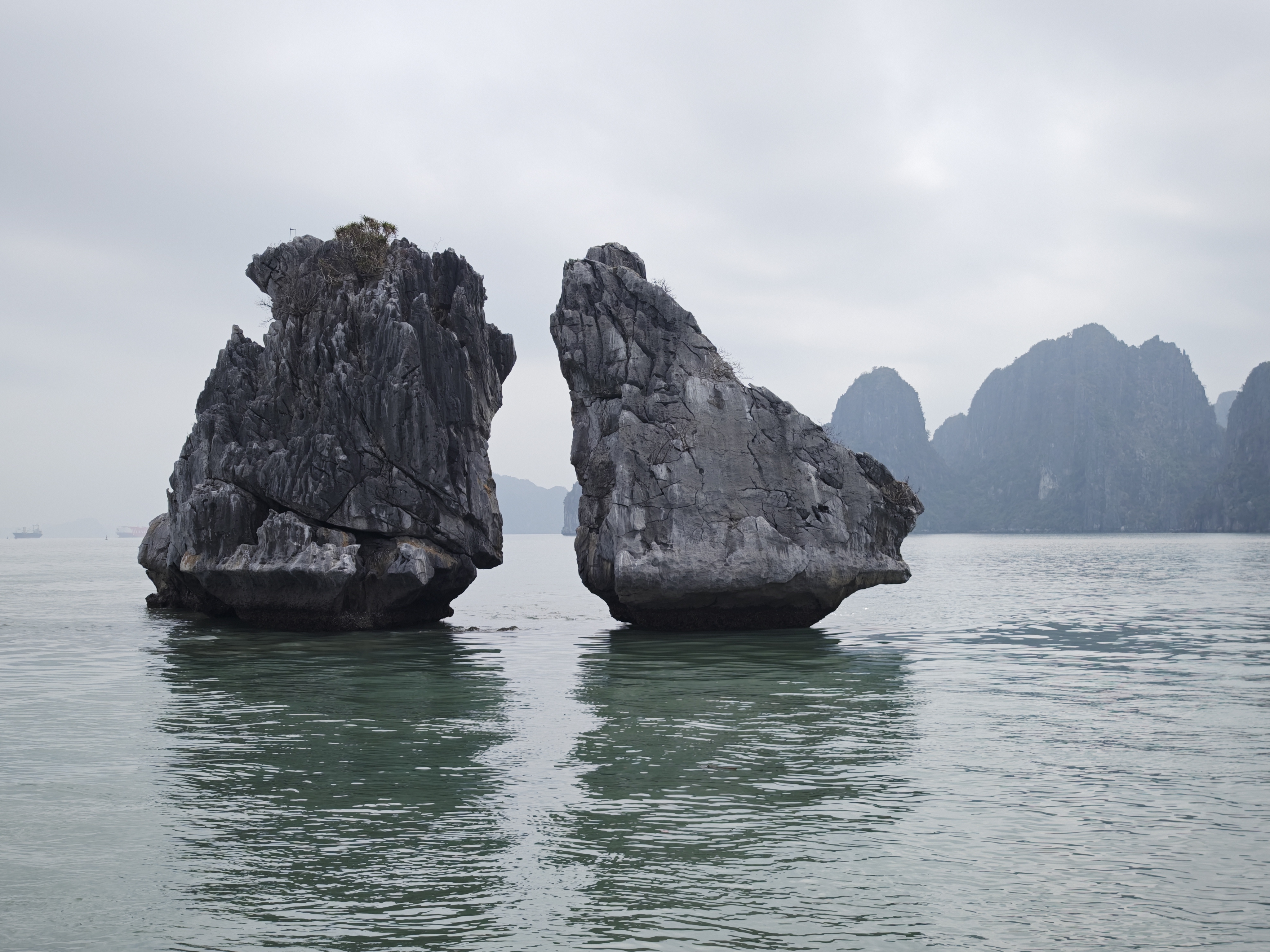
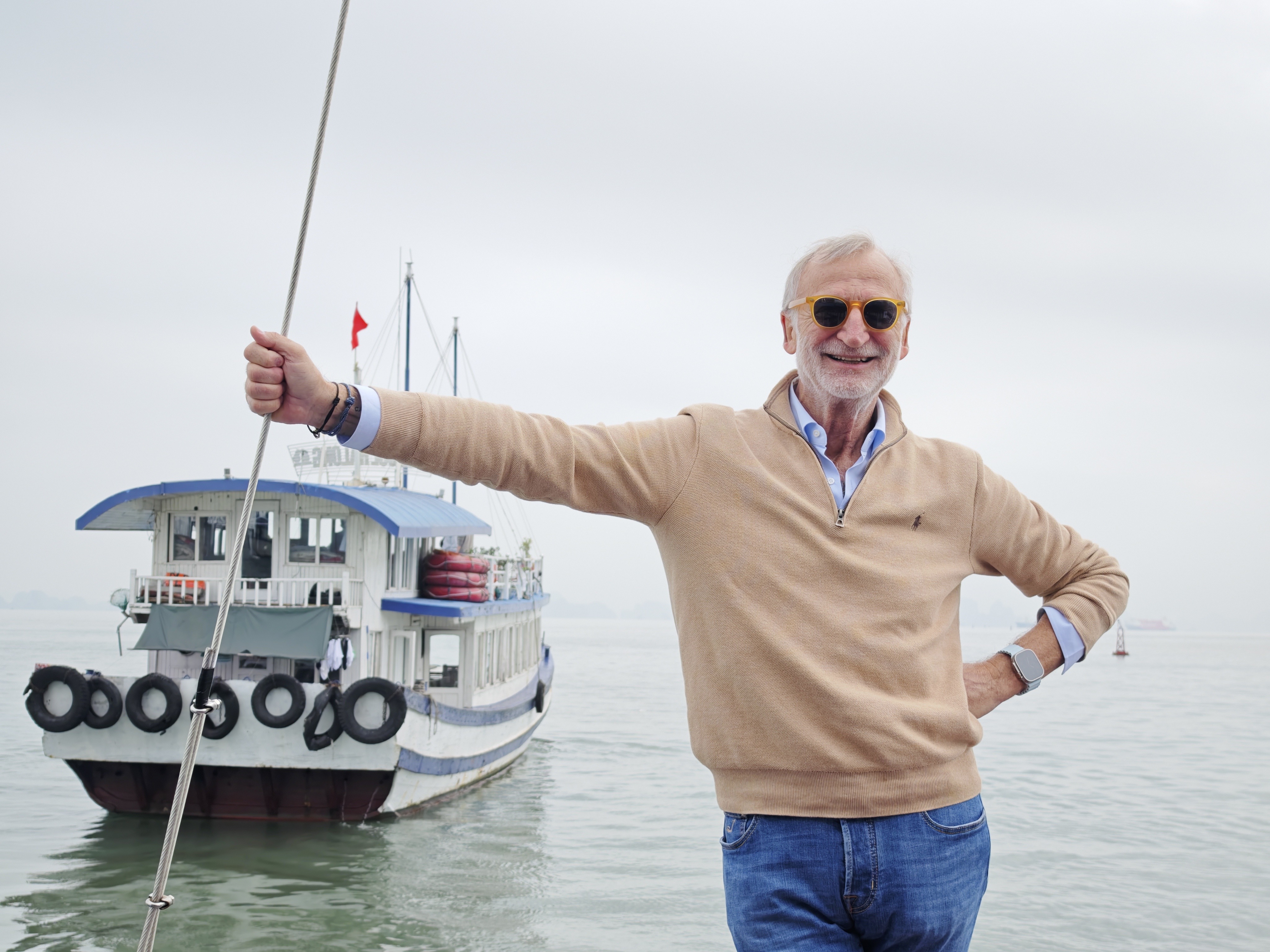
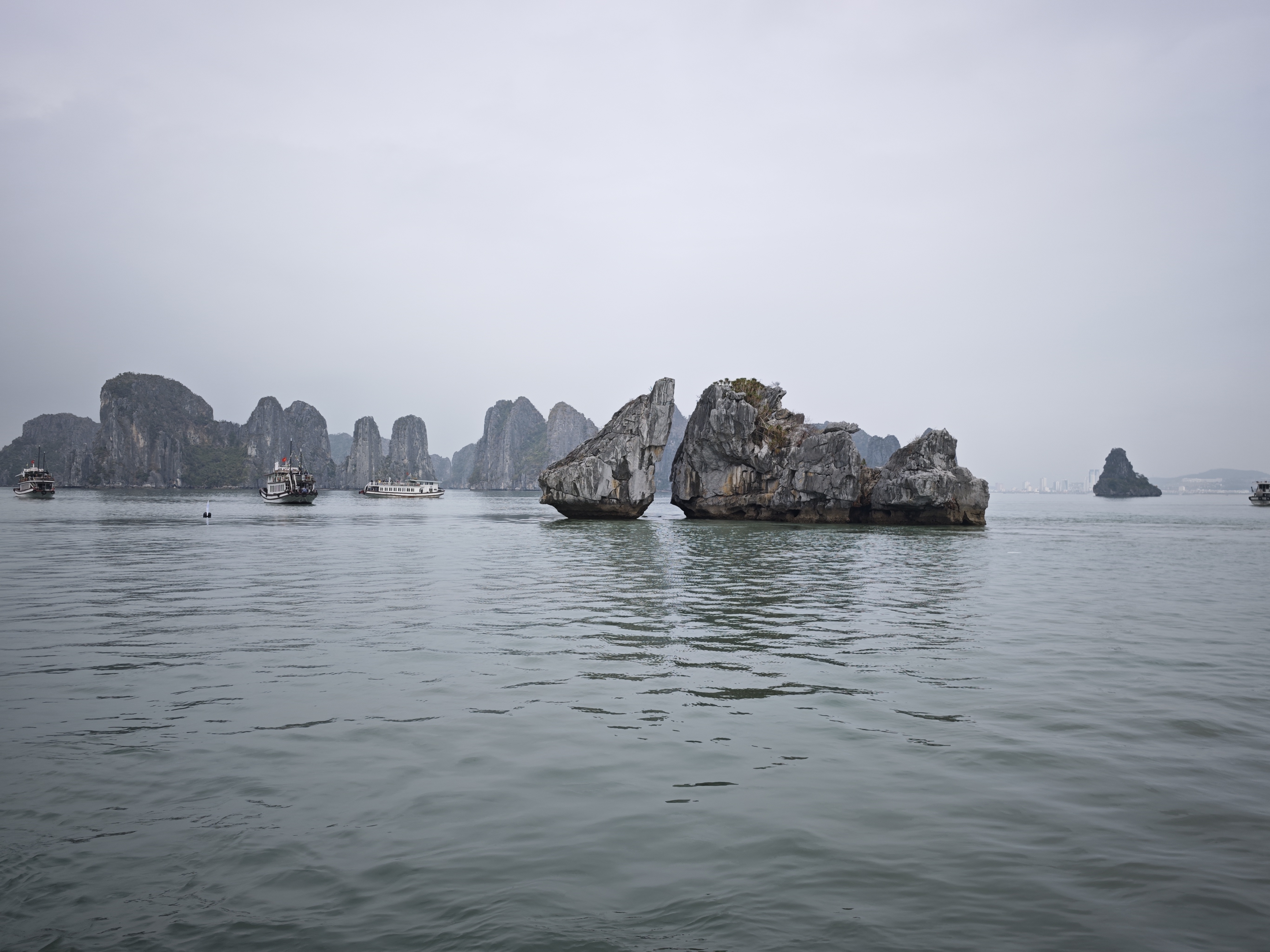
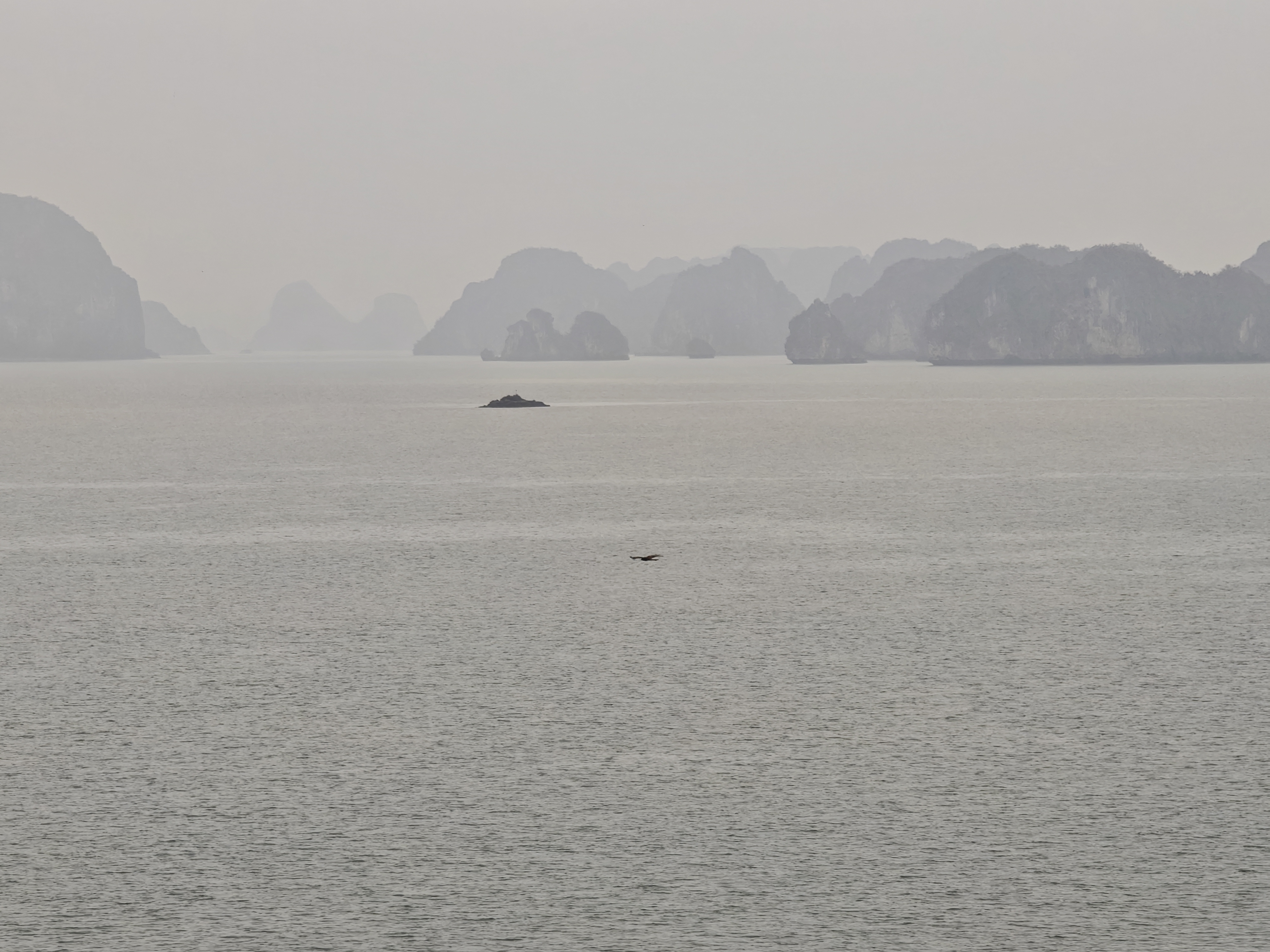
After our New Year celebrations, Ha Long Bay was explored via a junk out to the beautiful carsts. If you have seen the magical Chinese paintings that show carsts like these erupting from out of solid ground, you will realize they truly exist – especially when you see them here rising out of the water. Haru and Larkin got to walk into a cave, Dau Go, that was remarkable with tons of stairs and no rails…glad I stayed behind and enjoyed her photos! You can see the junks that a few of us waited in, in the background of her photo from the cave landing above the entrance.
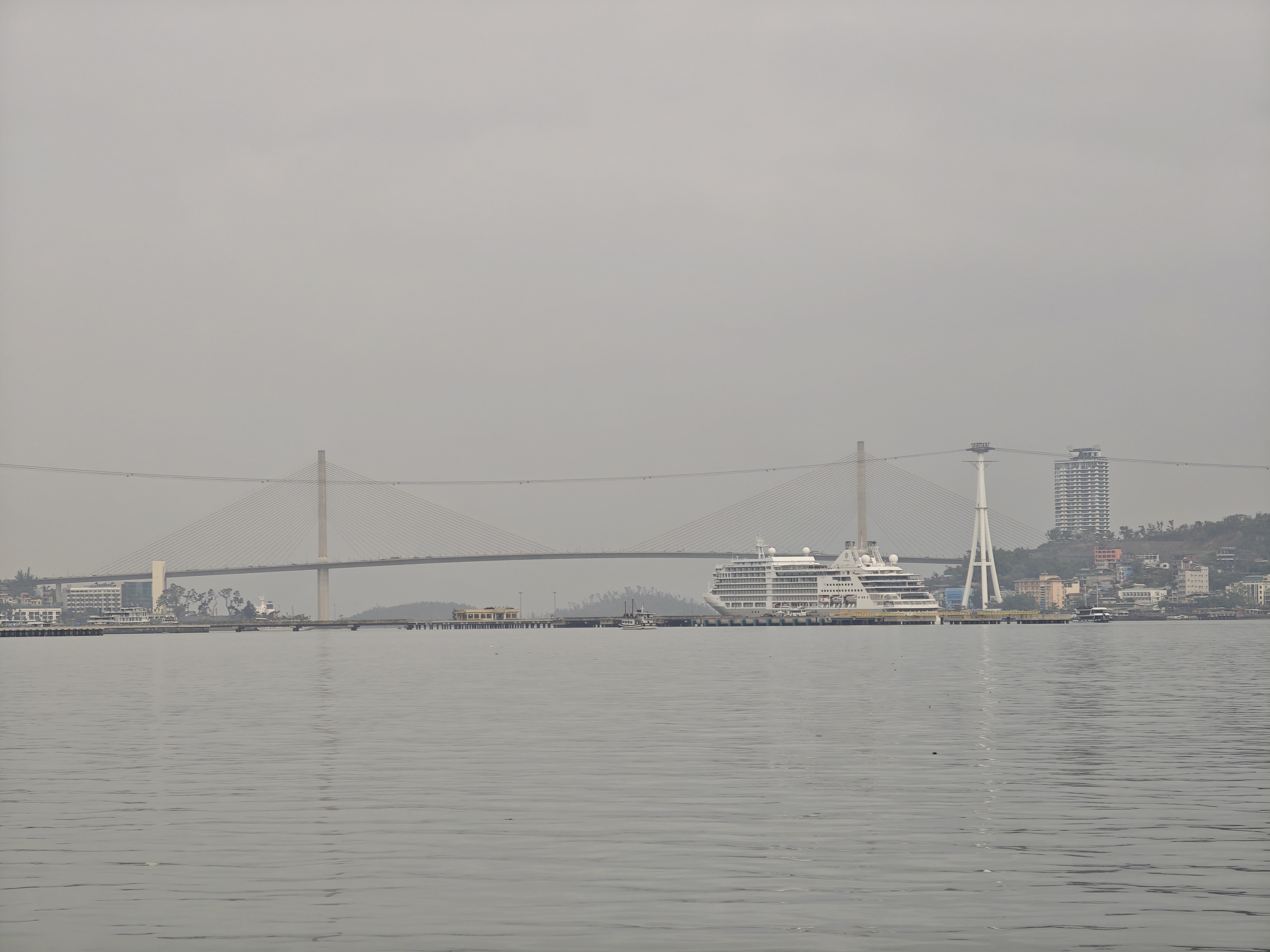
Michele (Michael), from Italy was on this junk and Larkin got to practice her Italiano! We also sat with Ning, Weiwin, Paul and Sherrill. The bridge below was under construction in 2006 and finished when Larkin and I visited at Thanksgiving in 2007! The bridge links different sides of the city together – our boat is in front of the bridge. Sailing away that evening was eye candy through all the carst!
Interesting, with our entire cruise down the coast of Vietnam and seeing many of the same things we saw in the 2000’s, I realize I miss the food trip Michael and I took to Vietnam – same food, less people, more interesting junk boat trips. The food as always was, and is, some of my favorite food – I love all the Asian flavor profiles. We started with a junk, sadly generic and NOT wooden with no sailing potential. No fish market to visit and have lunch on the junk after buying seafood, as they have been moved to the city. After seeing a little boy pee off the dock in 2006, the understanding as to why is obvious even though it takes some of the charm away!
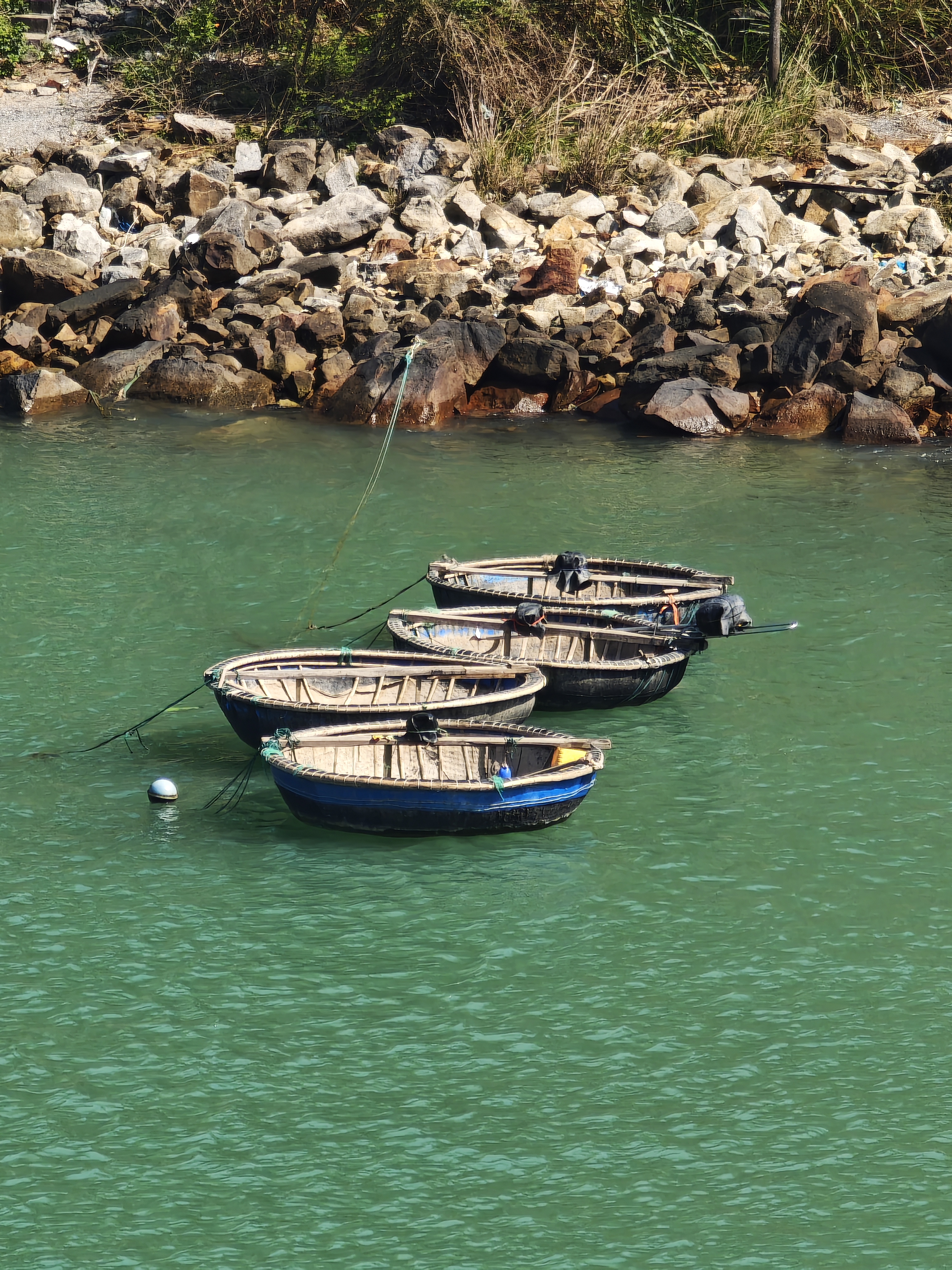
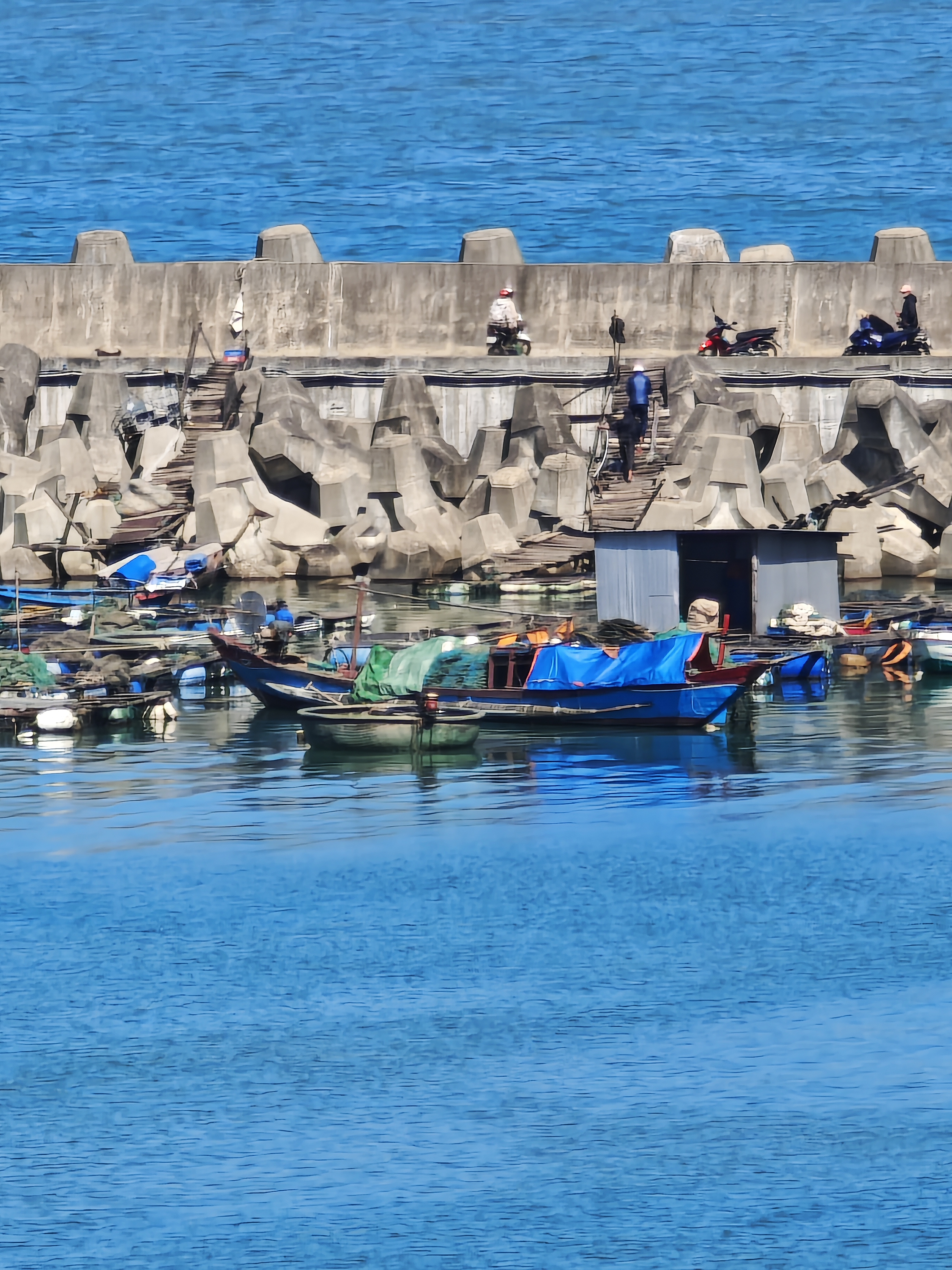
Next up was the “central coast” as we Californians would call it! The whole two days was strangely out of sync as we stopped north of Da Nang at My An on Chan May bay and we were supposed do an excursion to Dang Nang that first day with way over an hour of driving south, yet the next day we were docked in Da Nang and they had a trip to Hue going north for way over an hour driving past where we were the day before! At least they had interesting boats at our first port tiny there!
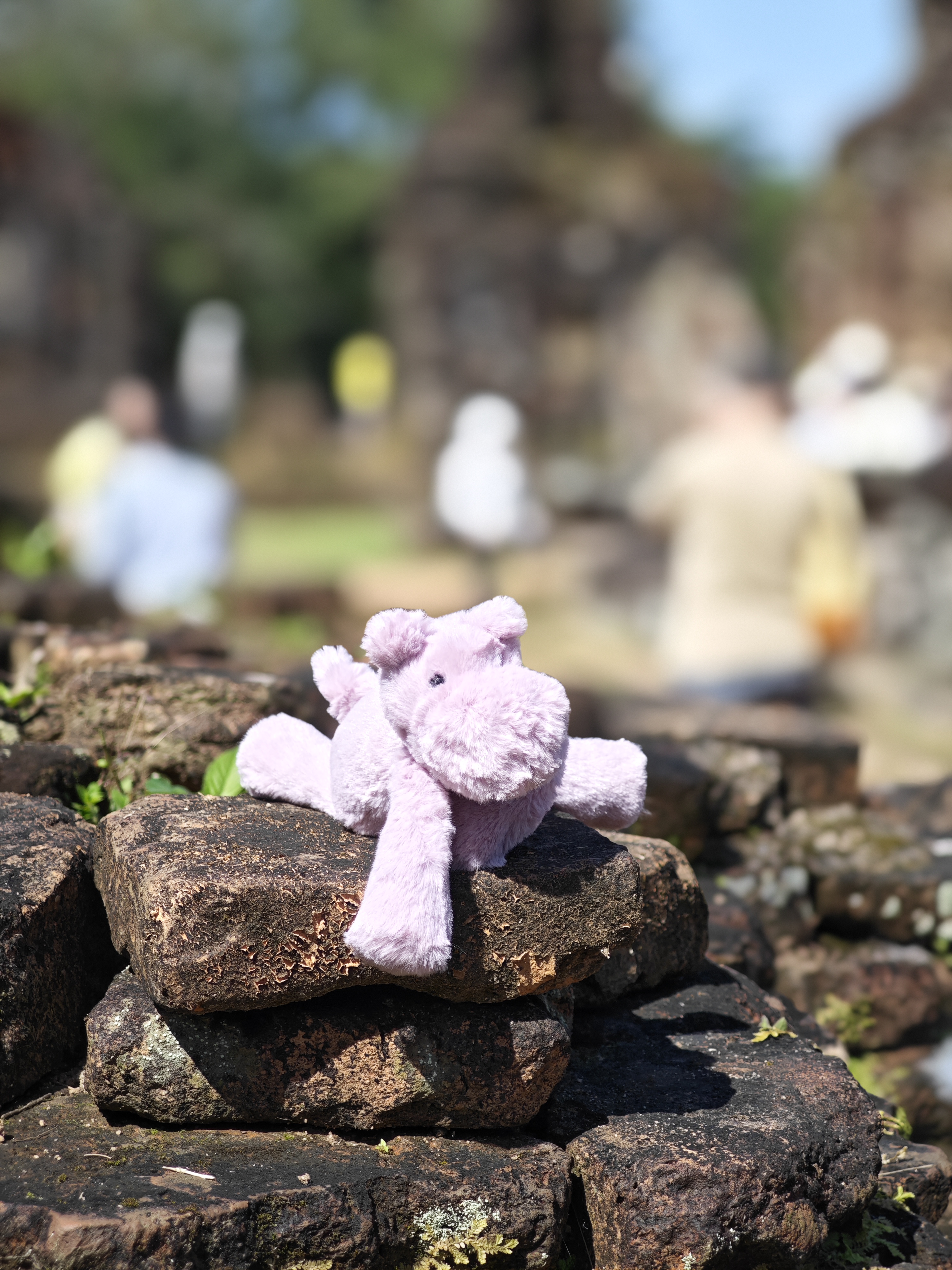
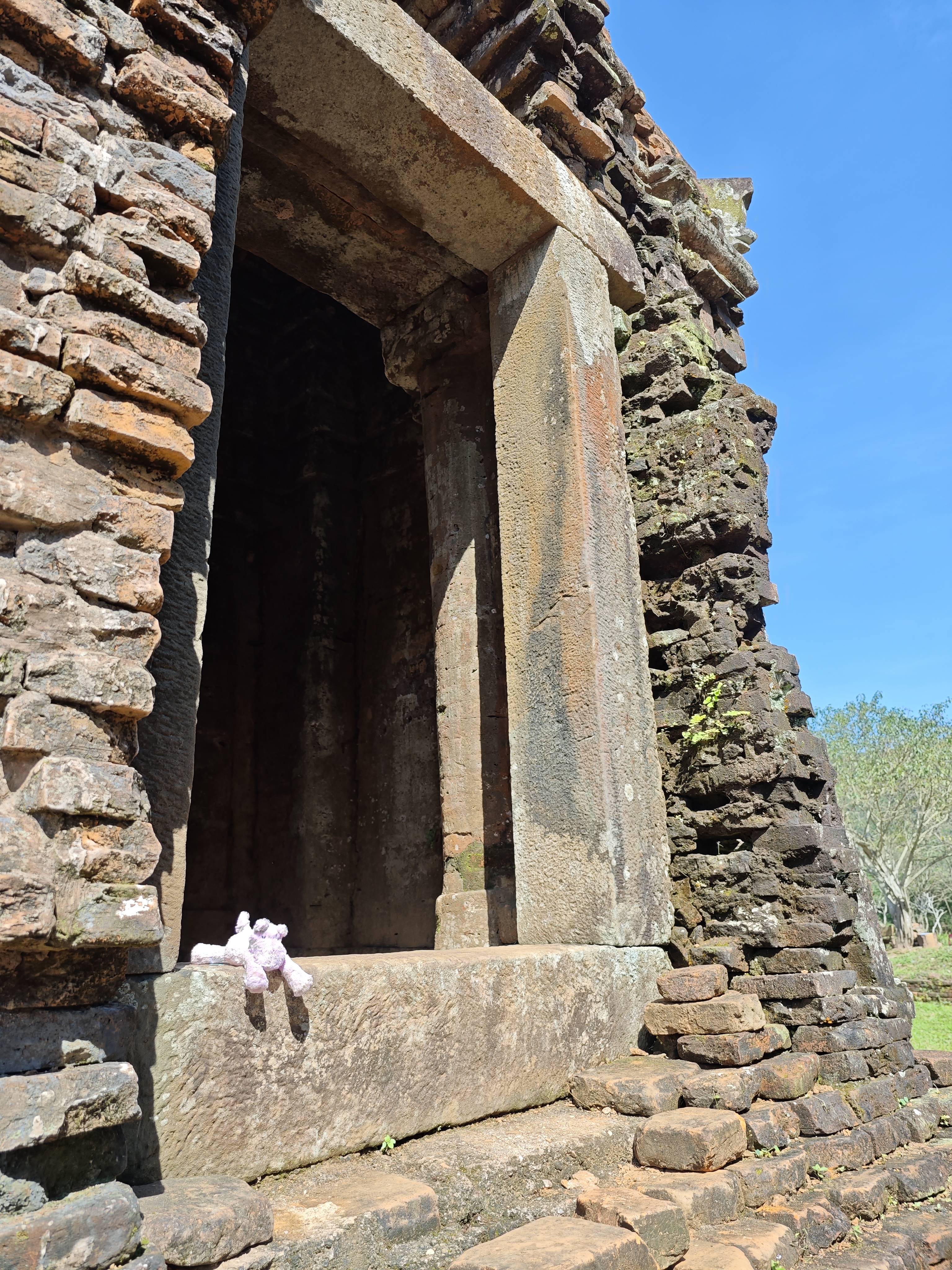
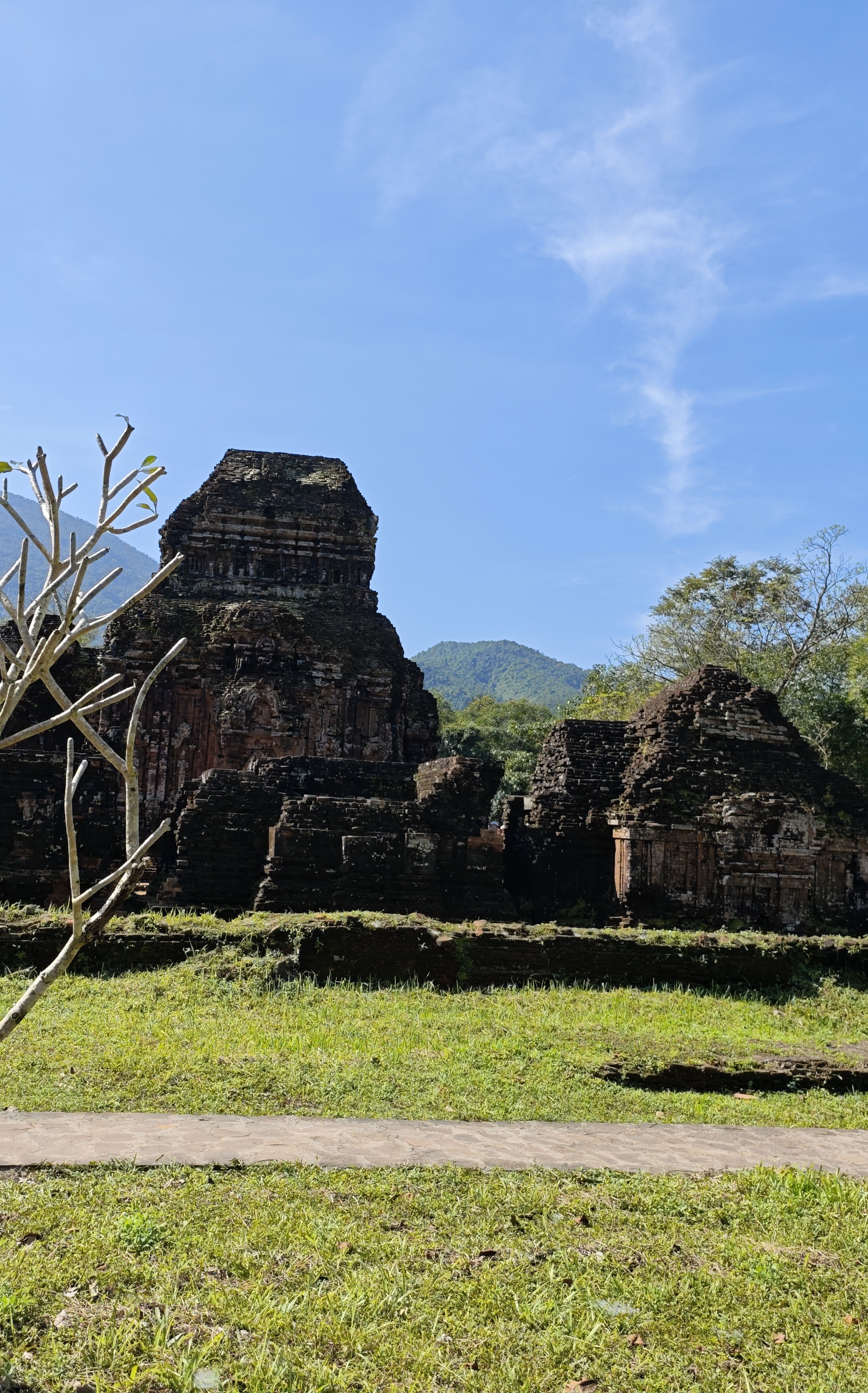
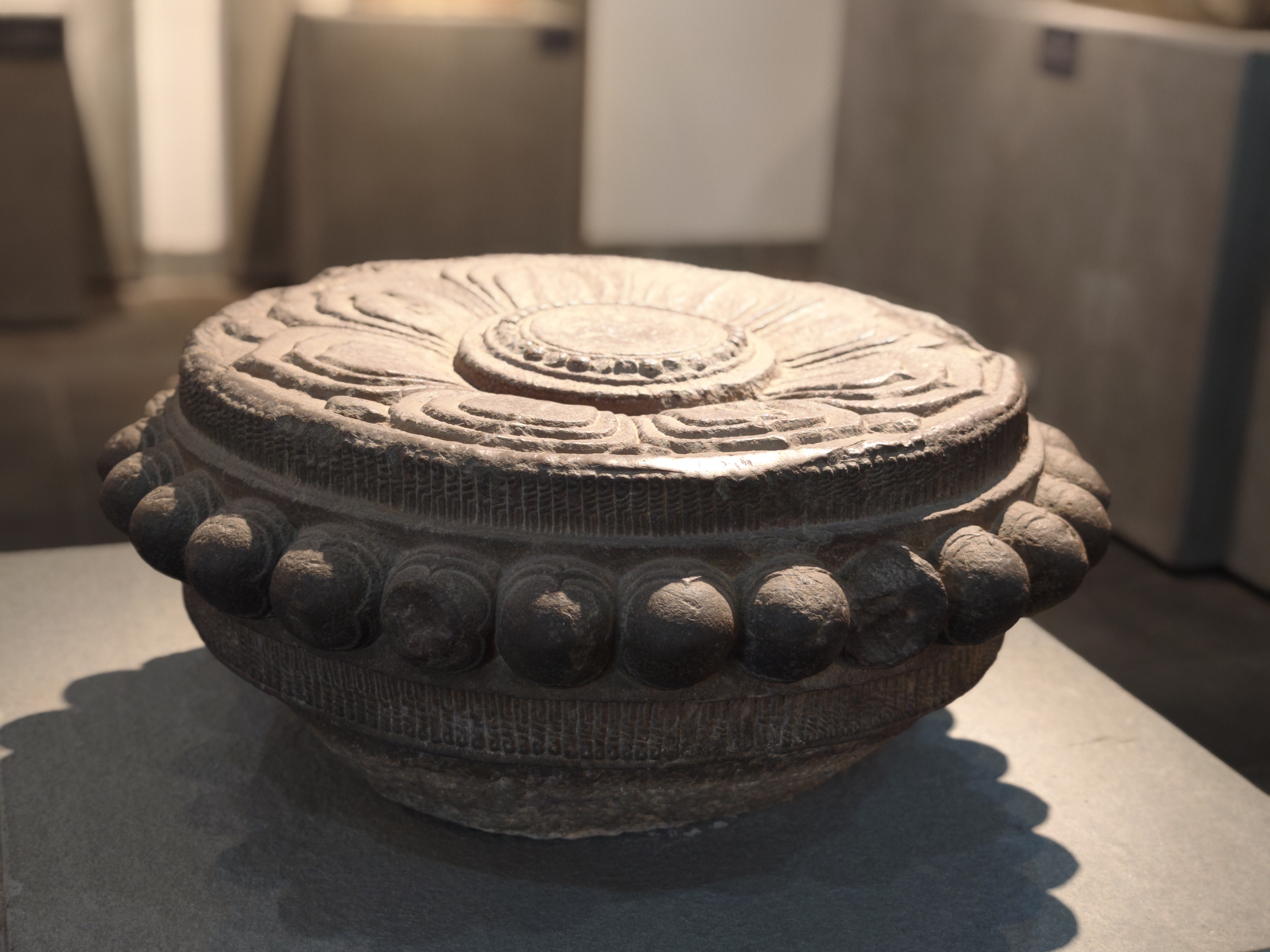
For the first time, the next day from Da Nang, Larkin and I went on an excursion to see the Cham civilization ruins called, Mỹ Sơn. The World Heritage ruins, are a cluster of abandoned and partially ruined Hindu temples in central Vietnam, constructed between the 4th and the 13th century by the Kings of Champa. Mỹ Sơn is located 69 km southwest of Da Nang. The temples are in a valley roughly two kilometres wide that is surrounded by two mountain ranges.
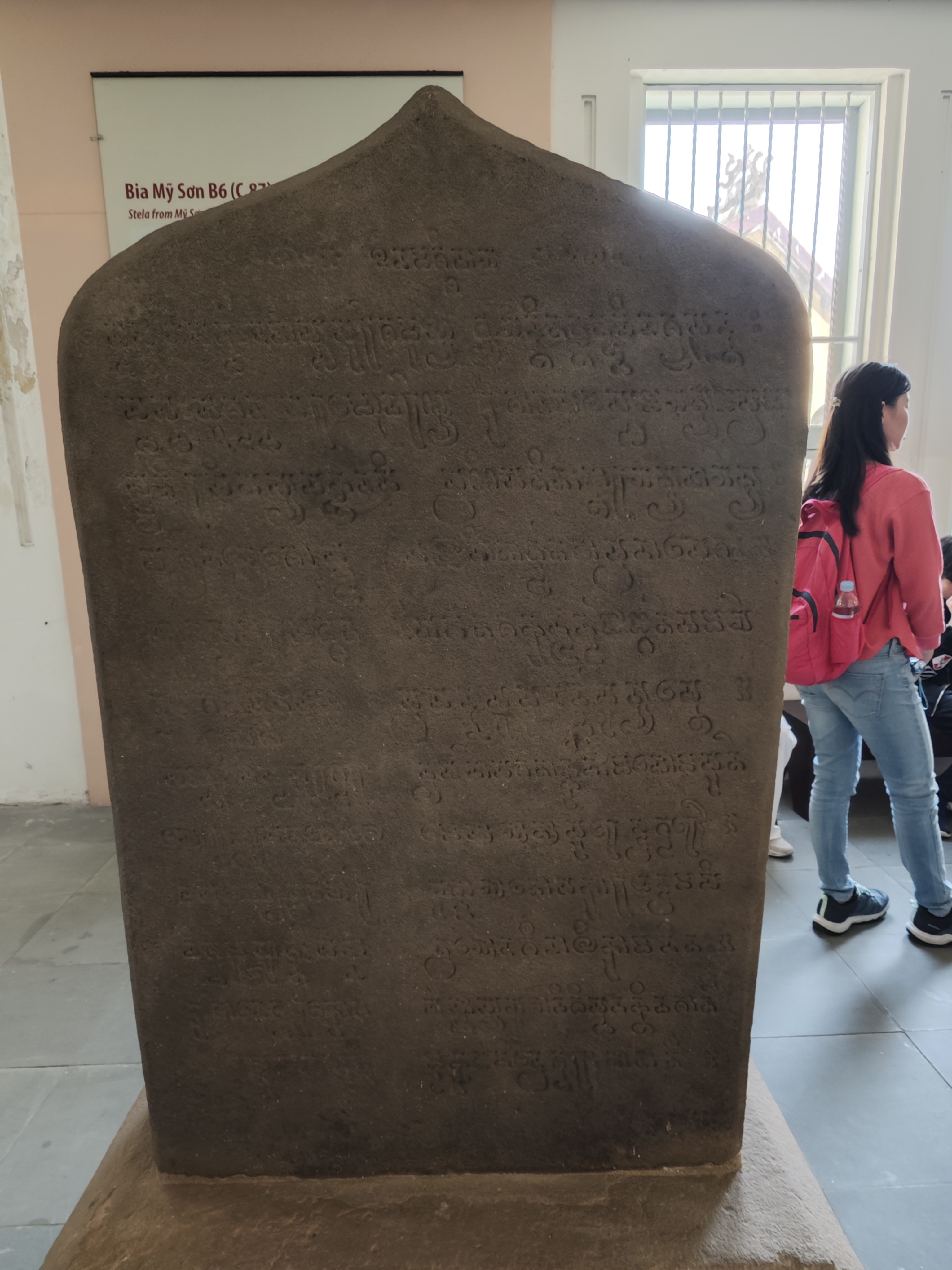
From the 4th to the 13th century AD, the valley at Mỹ Sơn was a site of religious ceremony for kings of the ruling dynasties of Champa, as well as a burial place for Cham royalty and national heroes. At one time, the site encompassed over 70 temples as well as numerous stele bearing historically important inscriptions in Sanskrit and Cham. Mỹ Sơn is perhaps the longest inhabited archaeological site in Mainland Southeast Asia, but a large majority of its architecture was destroyed by US bombing during a single week of the Vietnam War.
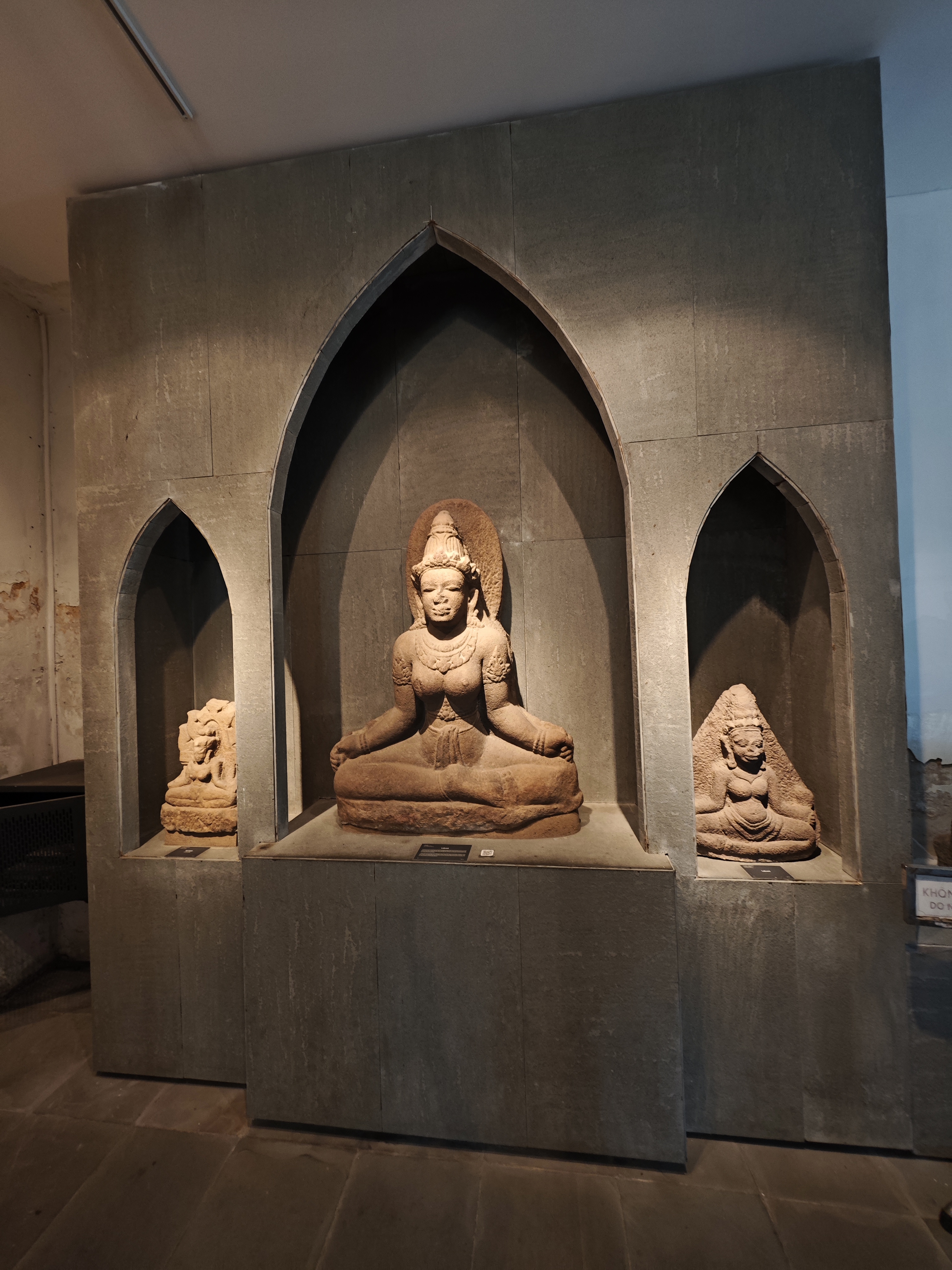
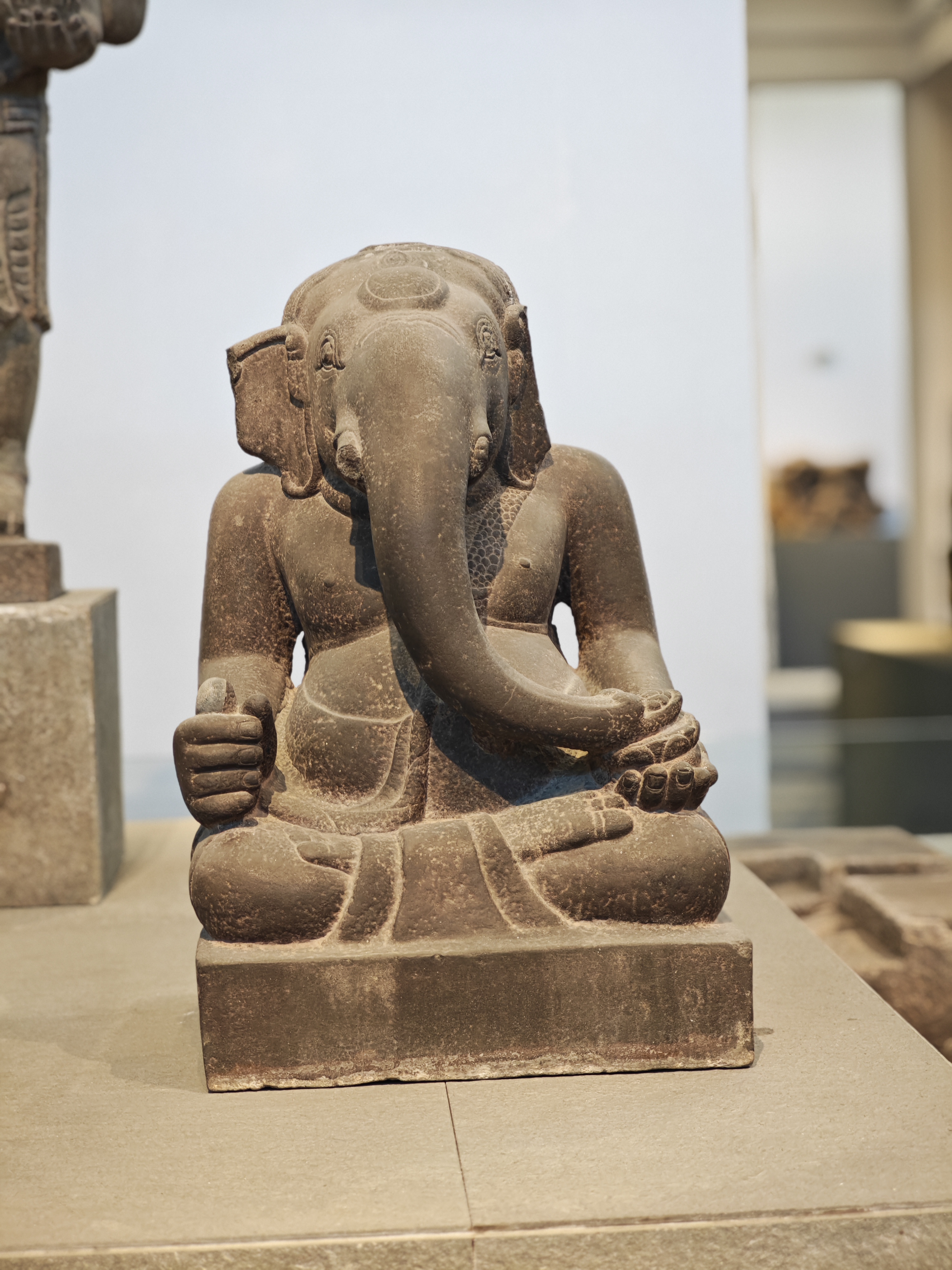
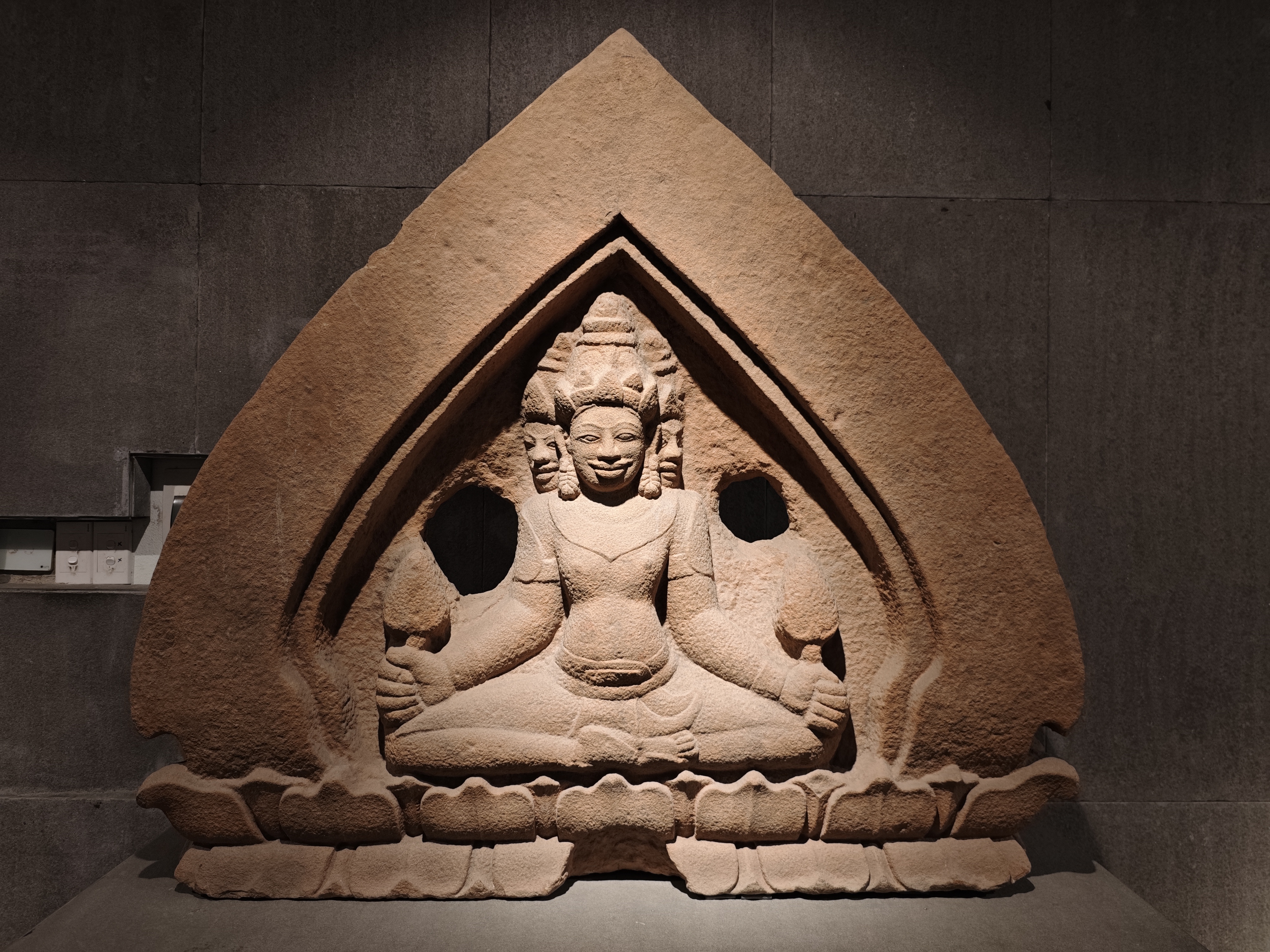
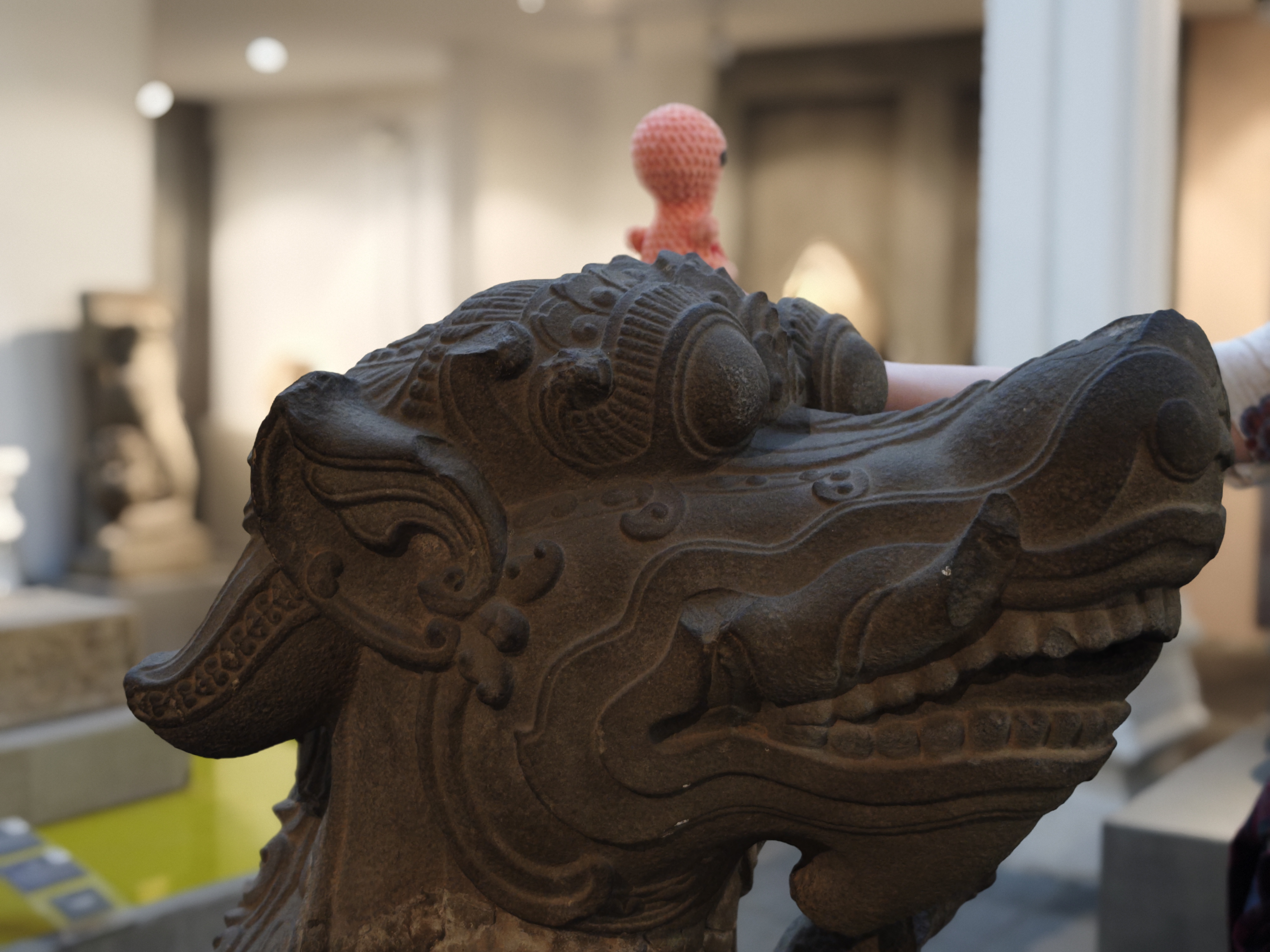
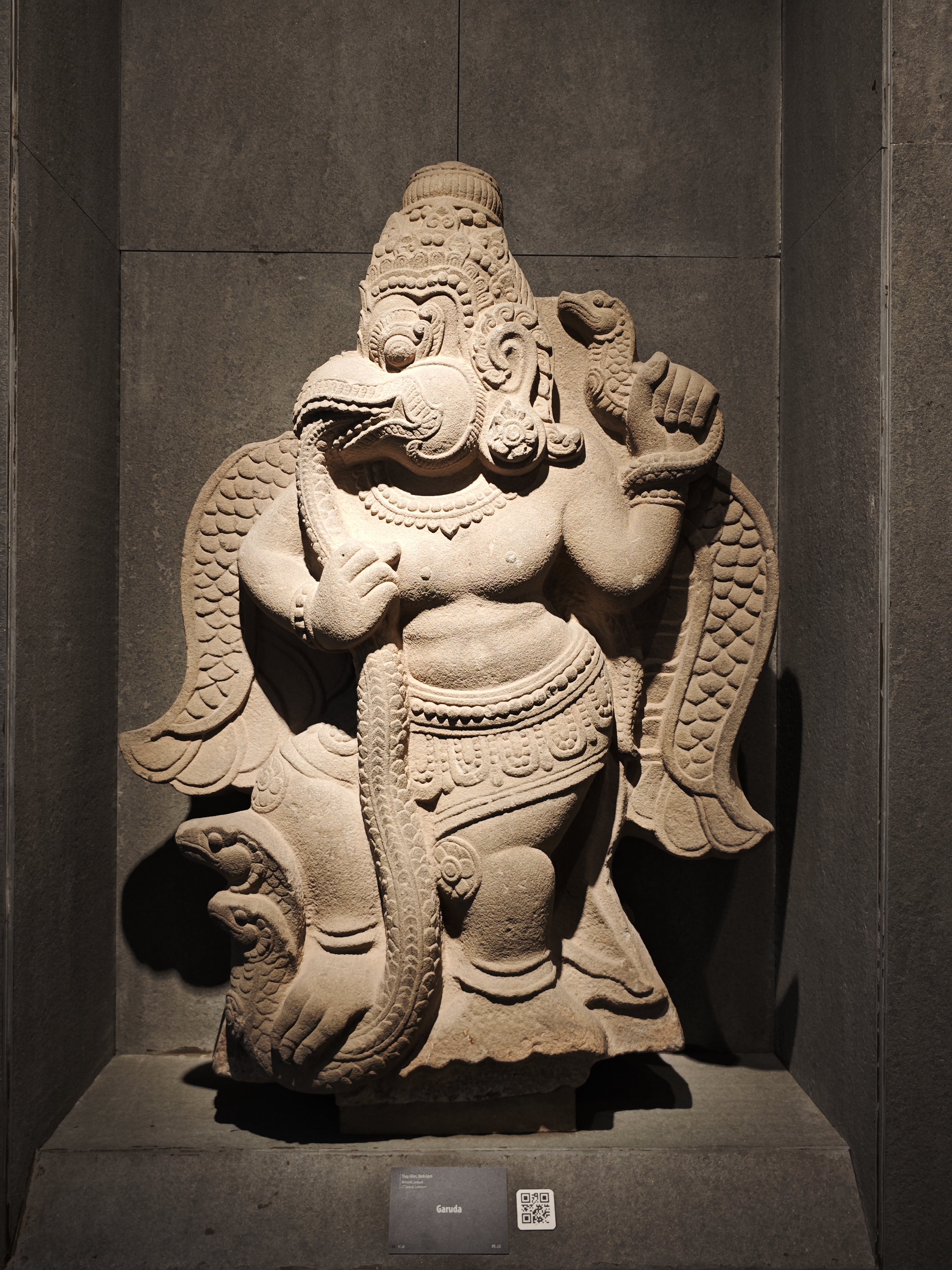
Most of the temples at Mỹ Sơn were made of red brick, and only one temple was made of stone. Even the decorative carvings on the Cham temples were cut directly onto the bricks themselves, rather than onto stone slabs inserted into brick walls. To this day, the construction techniques used by the Cham builders are not completely understood. Issues that have not been completely resolved include issues about the firing of the bricks, the mortar between the bricks, and decorative carvings found on the bricks. A scale model of the former temple created by Japanese researchers is exhibited in the Museum of Cham in Da Nang which was our next stop. Michael and I had seen this Museum and I remembered many of these statues. Haru and my little hippo Smudge, enjoyed their days too!
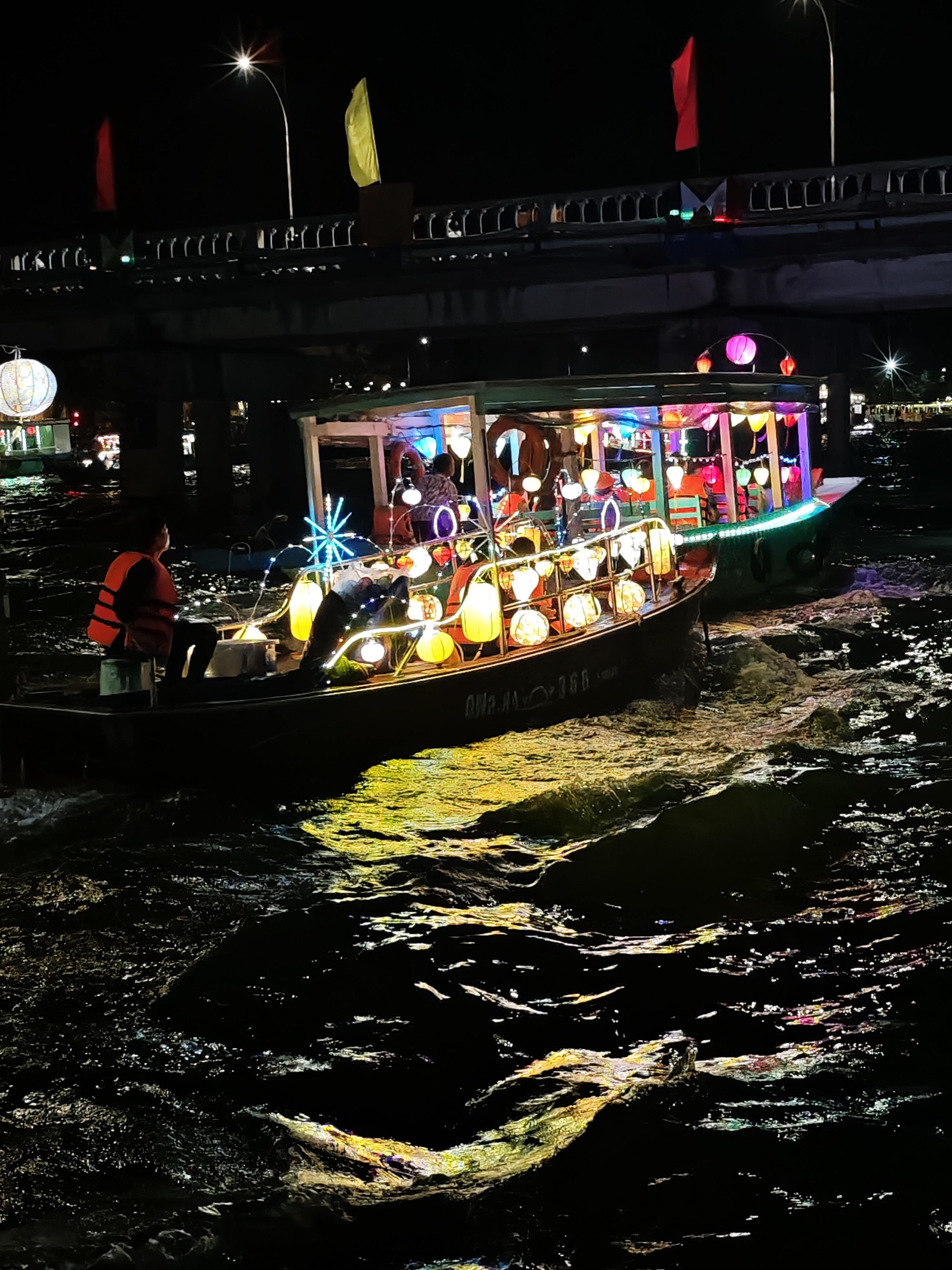
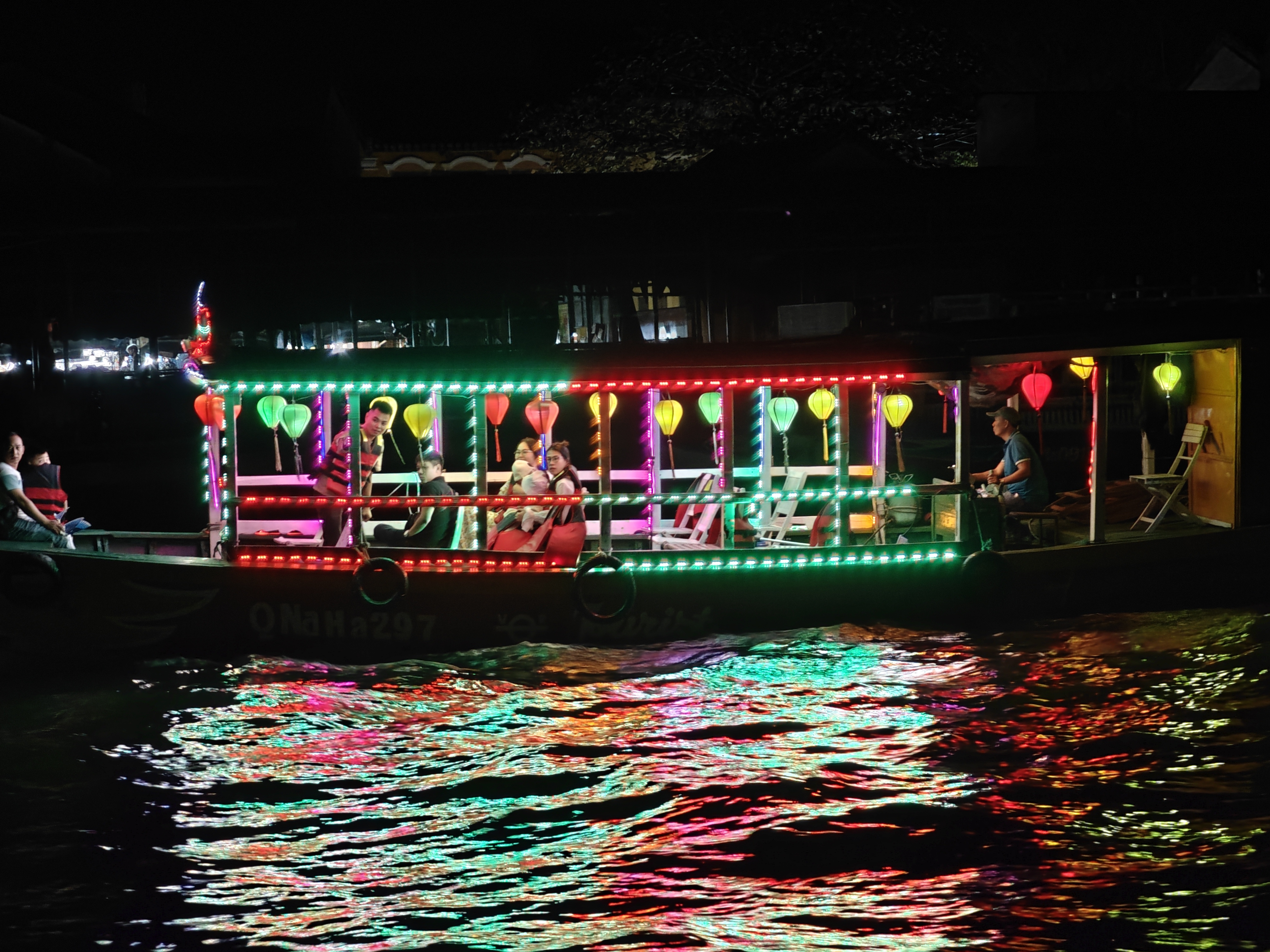
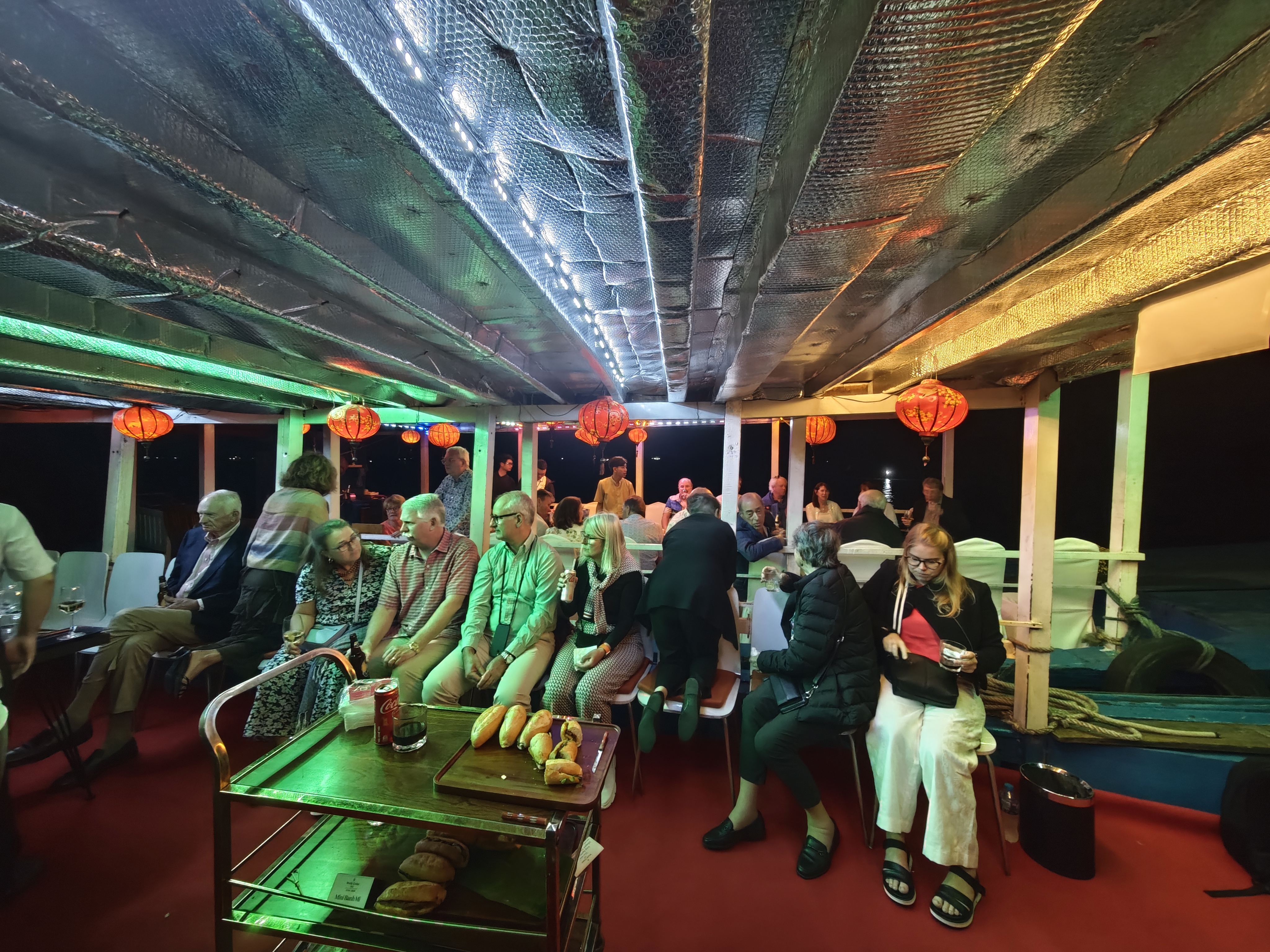
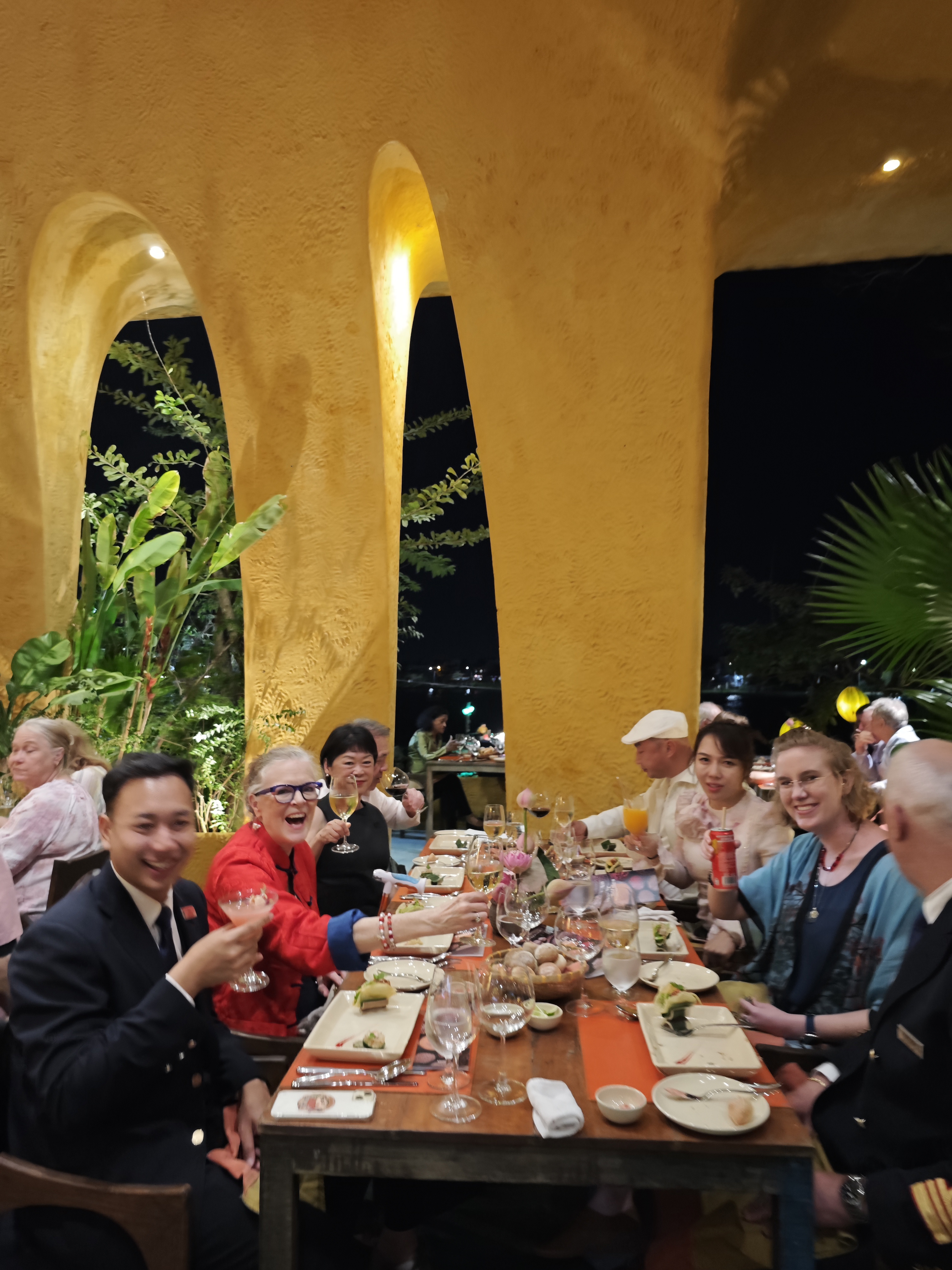
The evening after the Cham excursion, we had a fabulous World Cruise event which started with many party boats on the river at Hoi An and our choice of three dining venues. We chose the one on the river and had a wonderful evening. The colorful lights lit up the river! A couple of the boats could pull along side and visit.
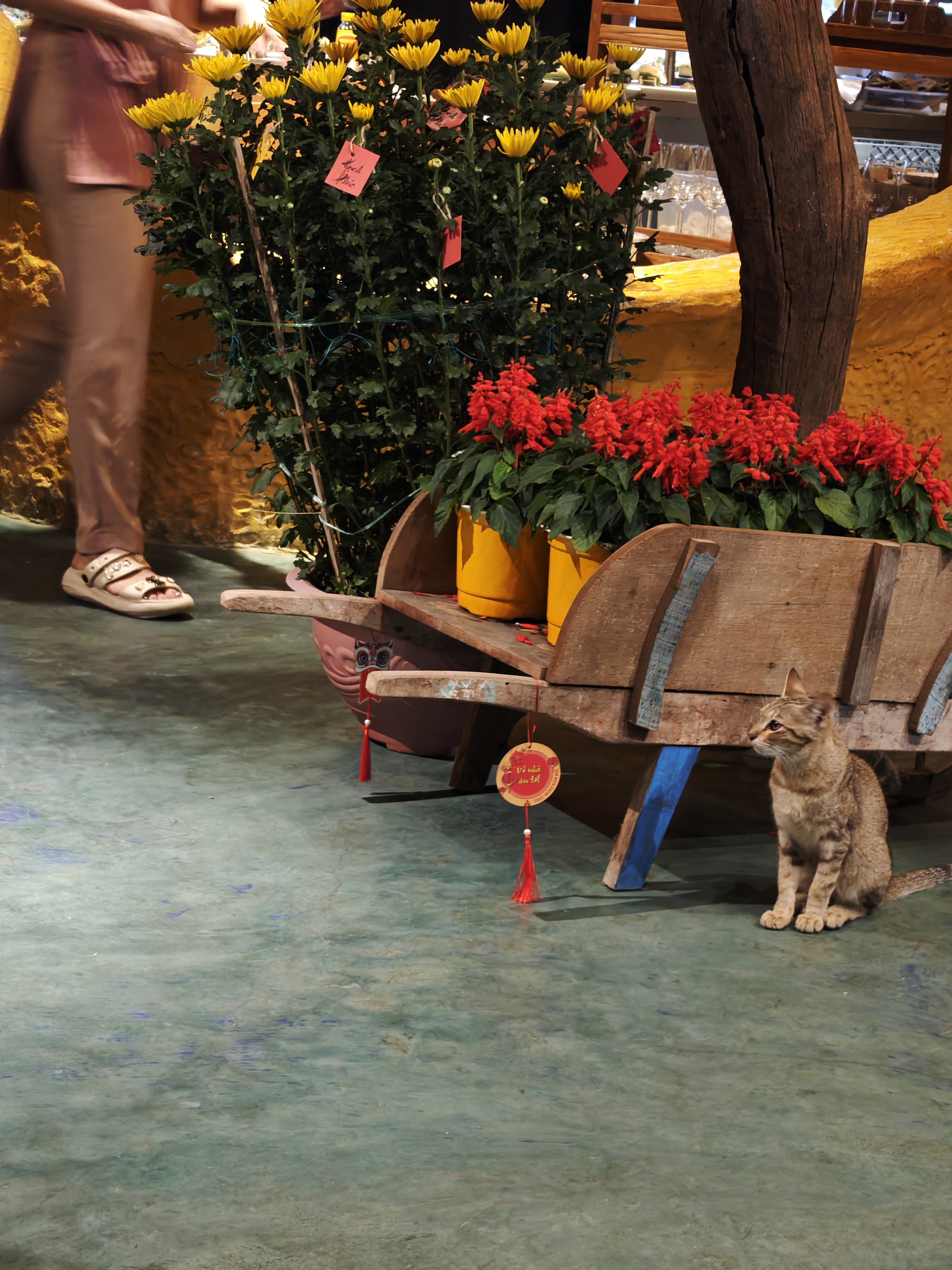
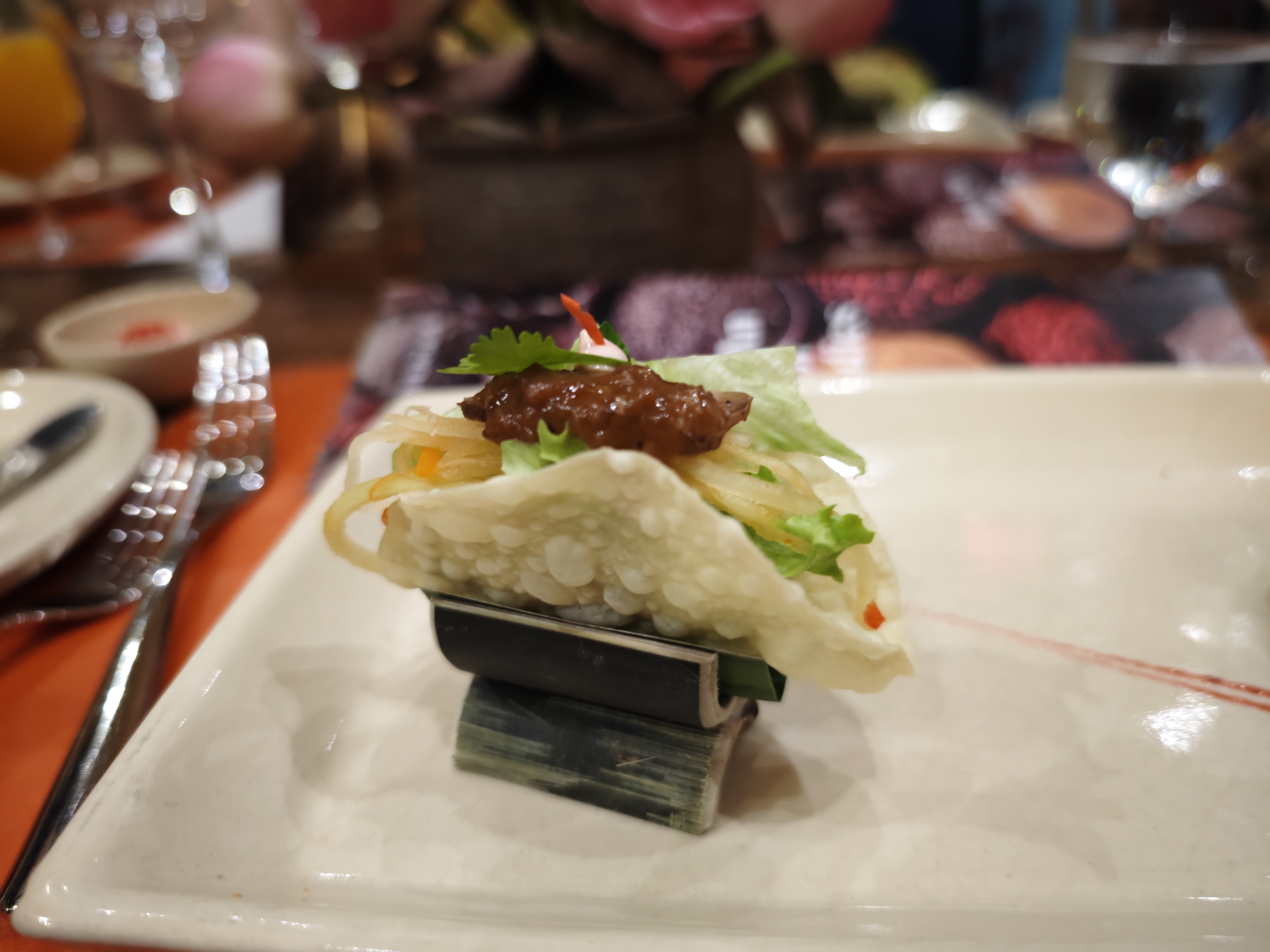
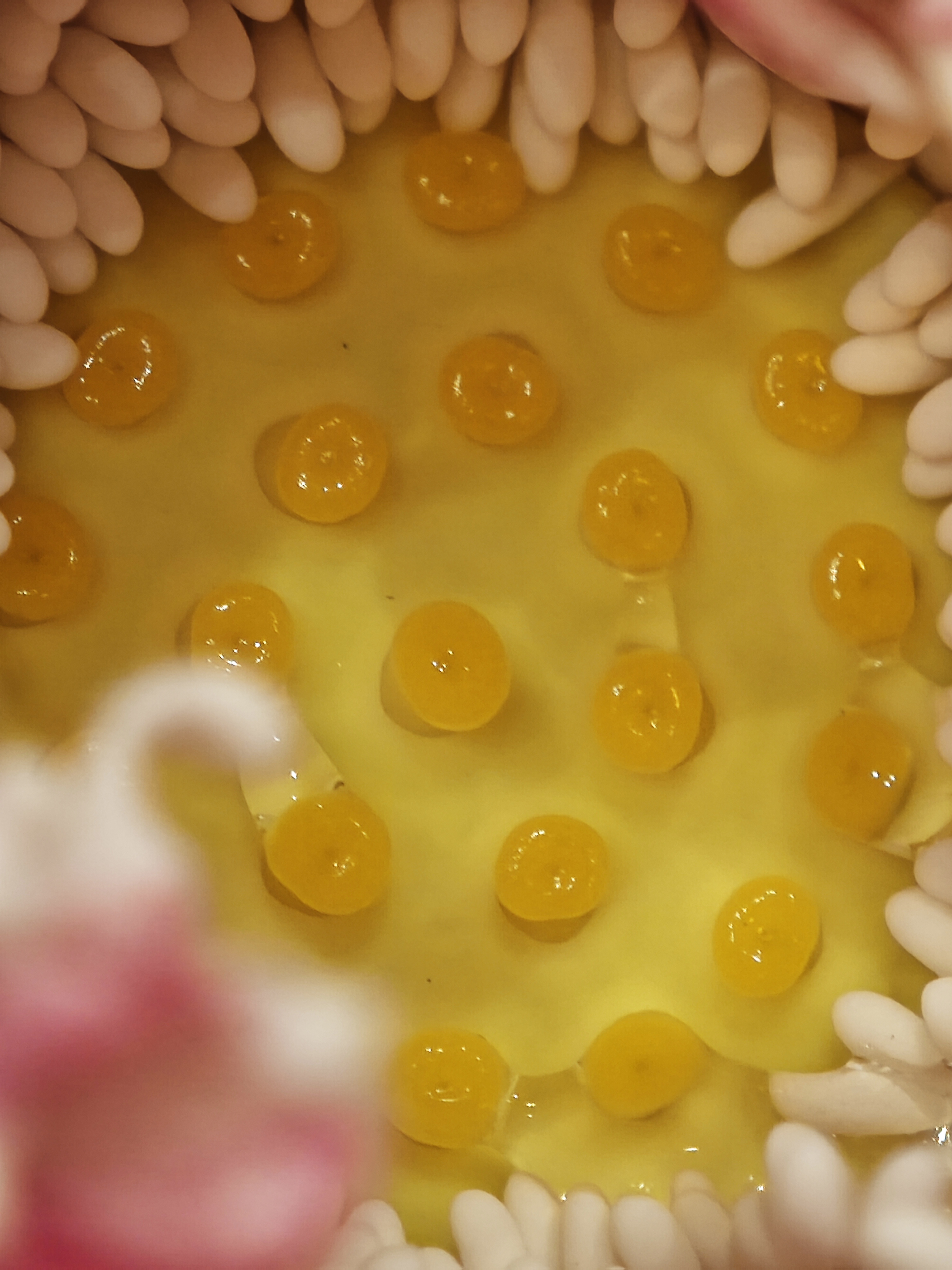
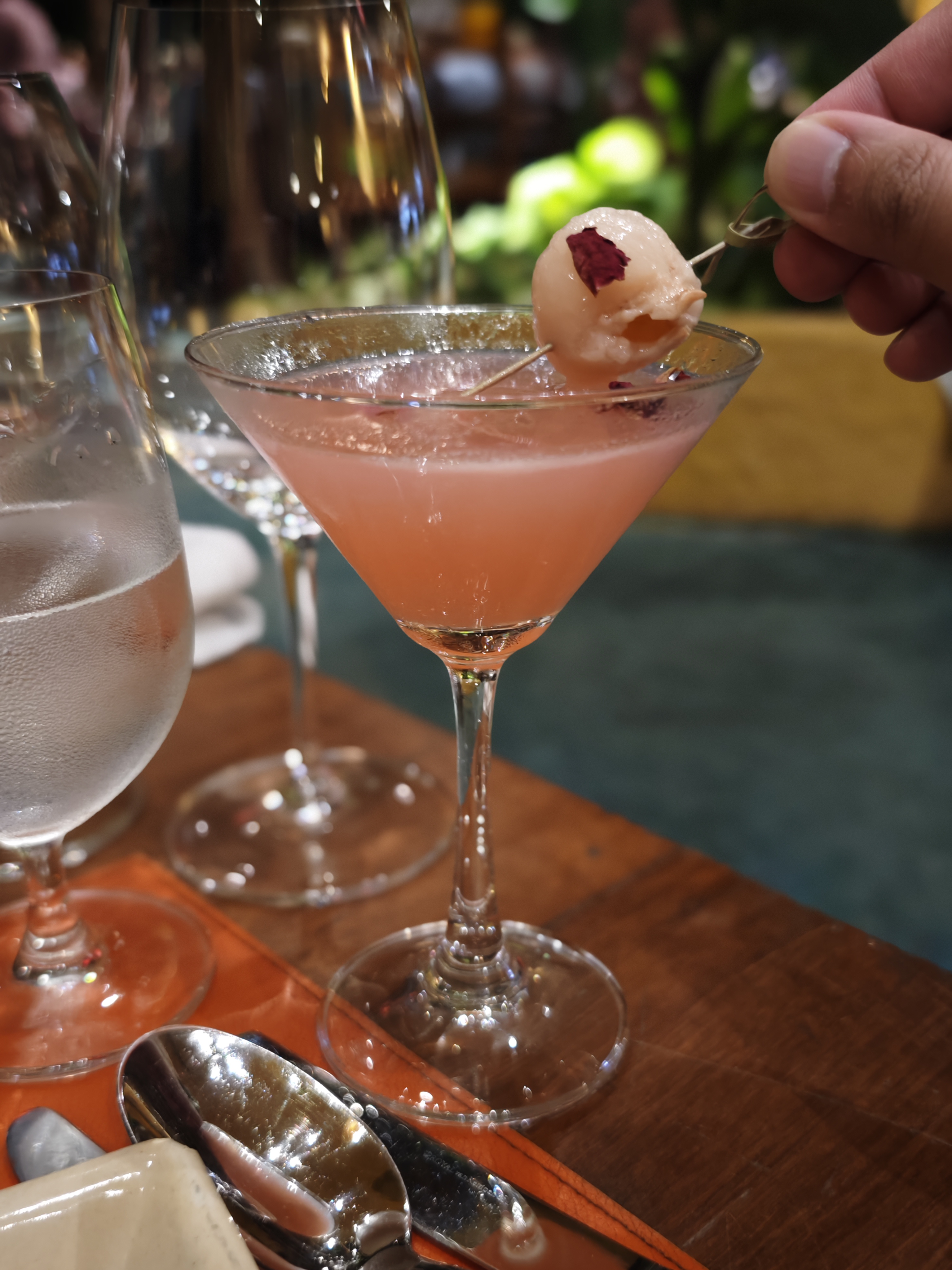
Delicious food, drinks and entertainment by the kitty cat as he tackled the tag! The yellow photo at this amount of zoom looks like a dessert, but it was the center of a flower on the table!
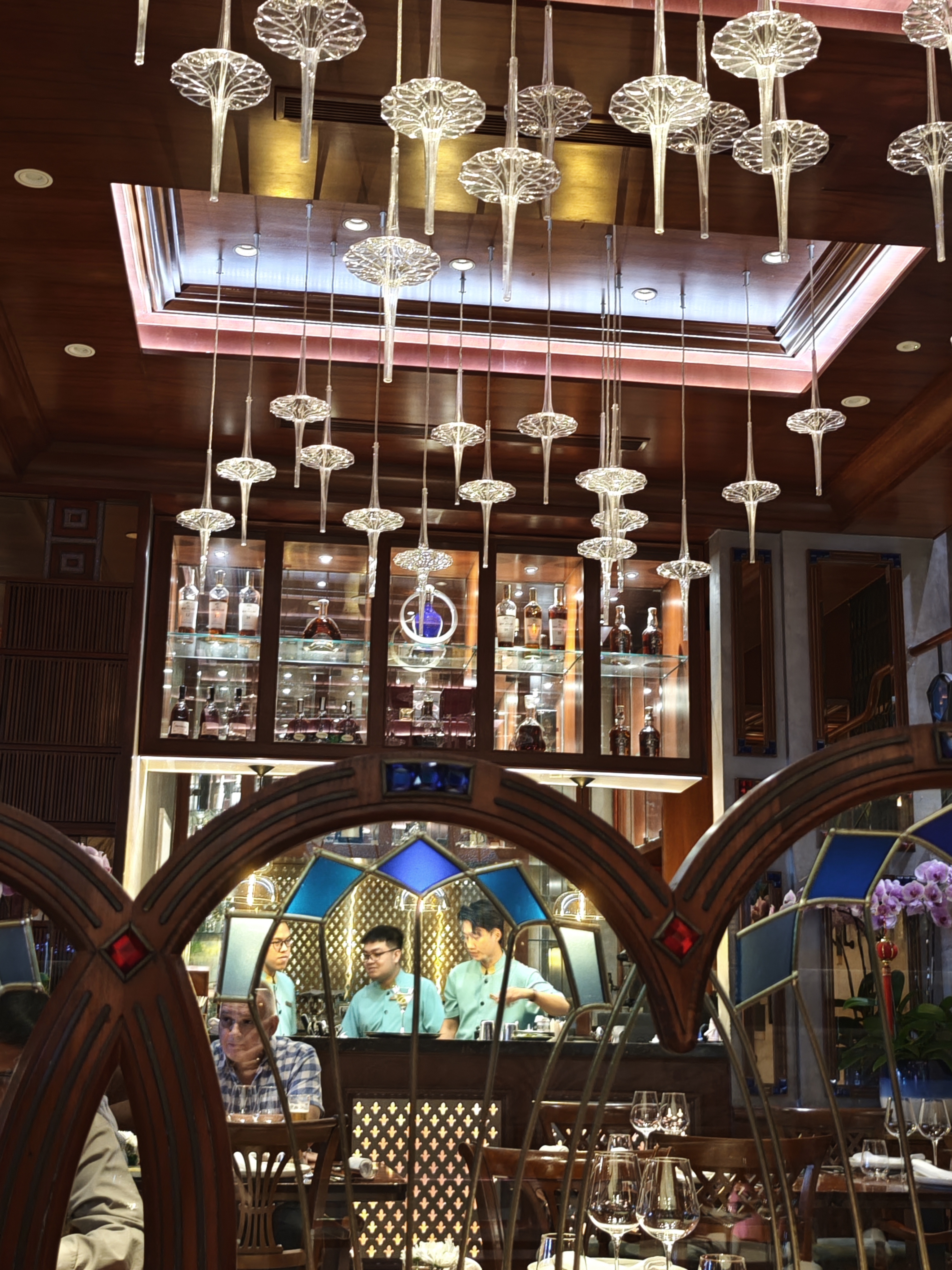
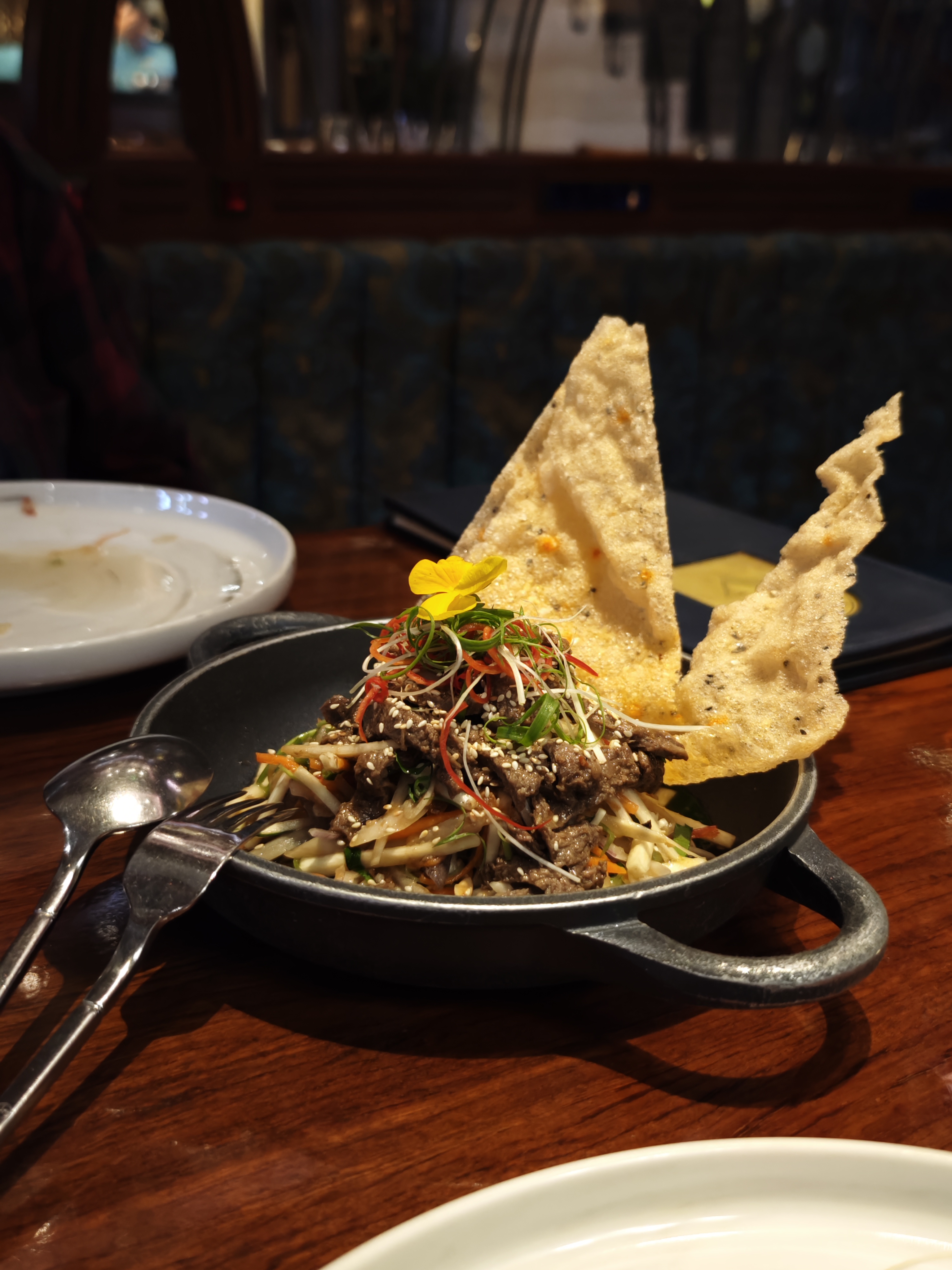
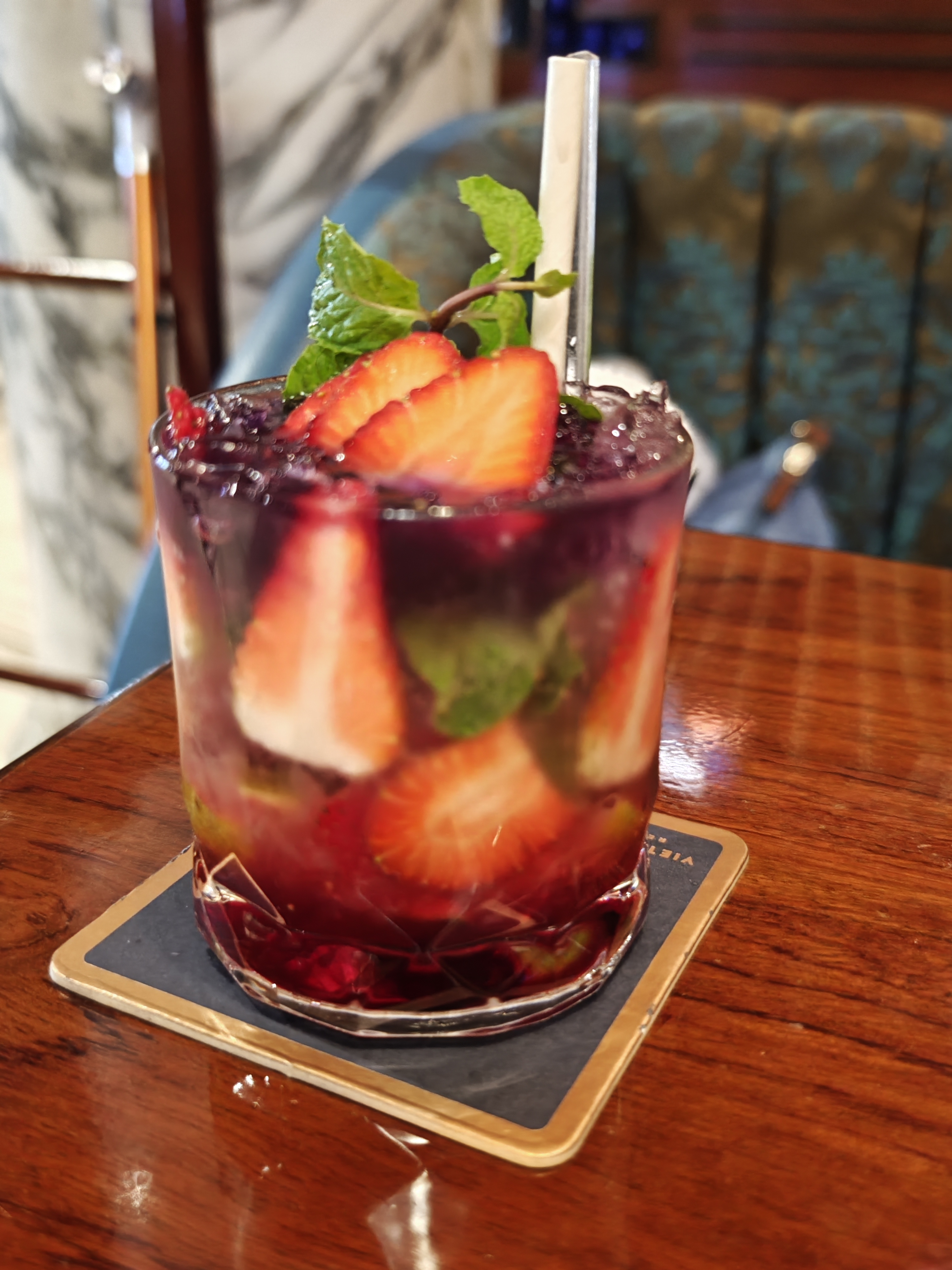
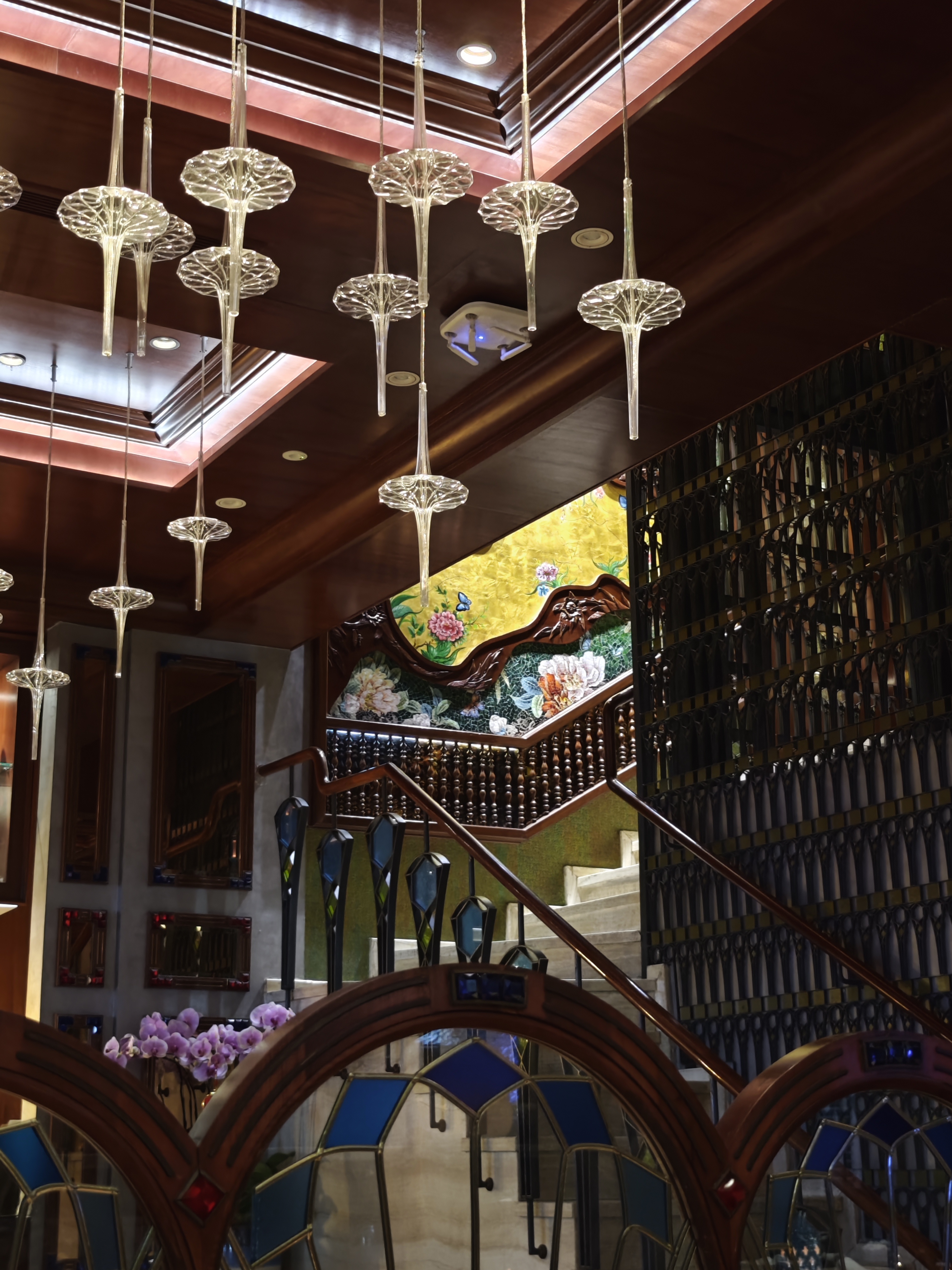
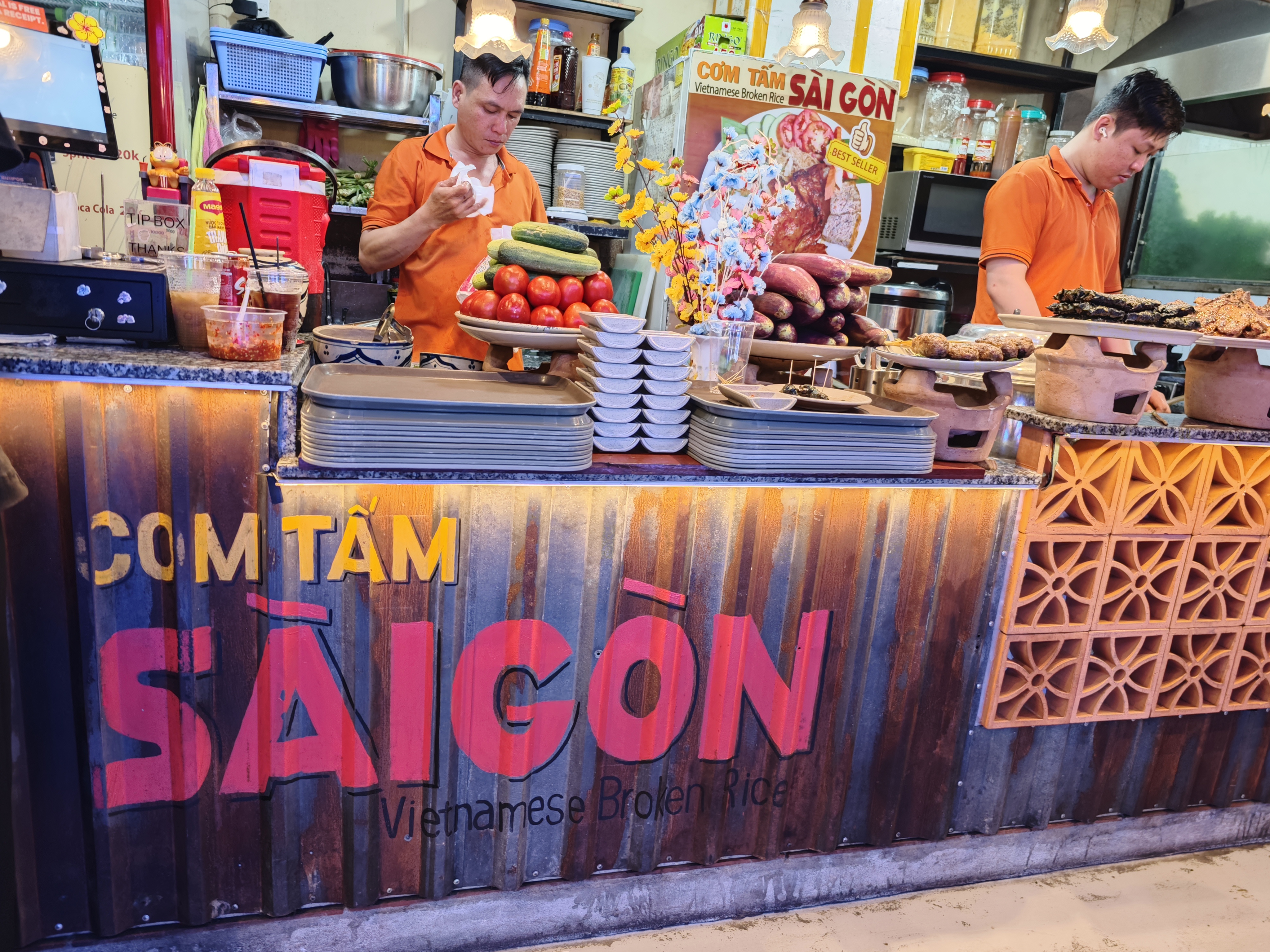
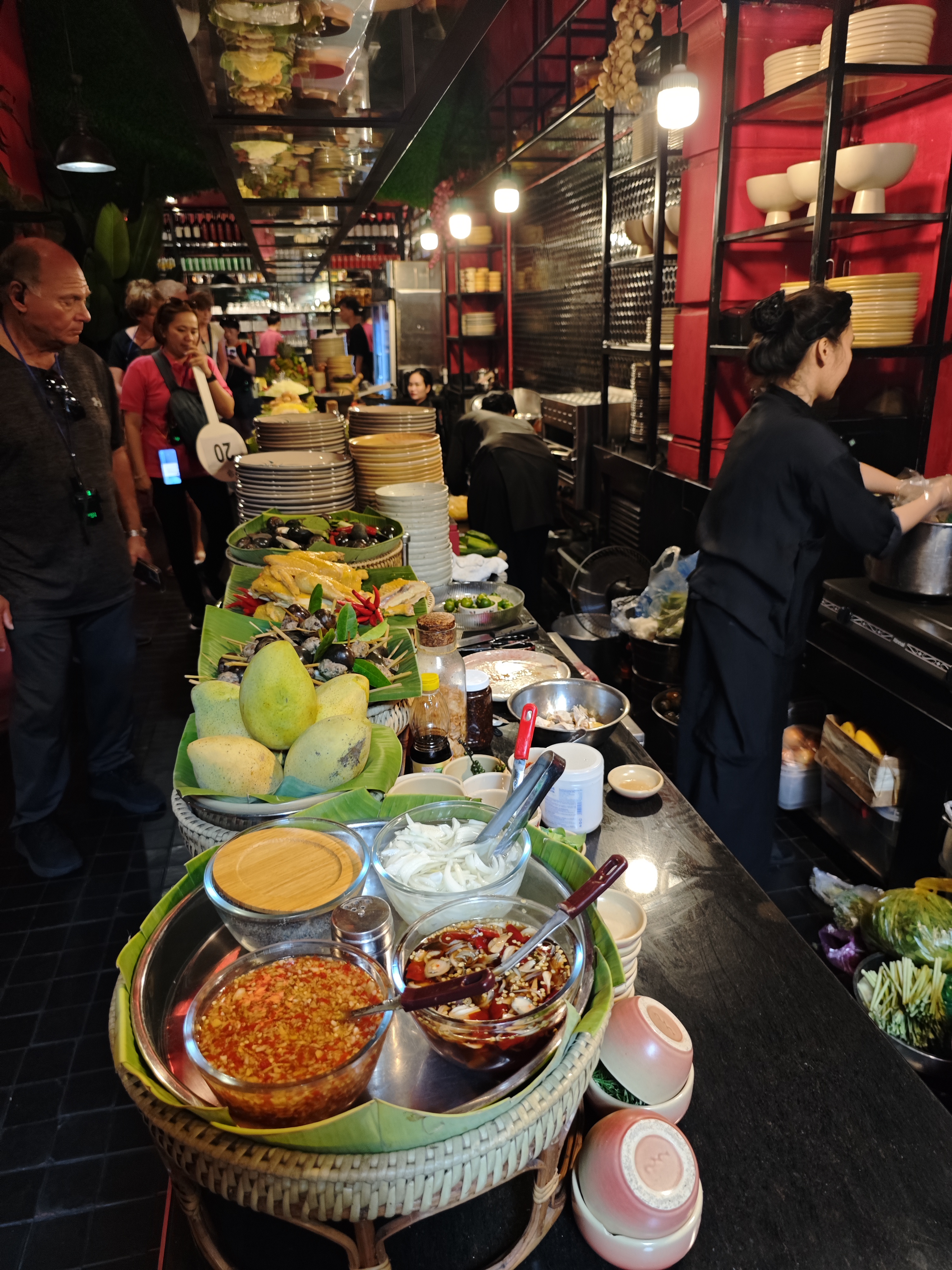
Saigon awaited us and our mission; find a tailor and get Larkin a tuxedo type suit made for a wedding she’s in next summer. She’s on the grooms side! We found a tailor called Trish and Verona and they were located approximately 15 minutes walking from the Ben Thanh Market where our bus dropped us off. Larkin and I chose fabrics and got measured. Why you ask was I being measured? Well, when you pack for a world cruise you can leave a few of your absolutely favorite things at home, like nice slim black pants (and my favorite pair of black flats). Since I had to go back in the evening for a final fitting so I could pick them up the next day, we started walking to a hotel on the absolute other side of the market where Quynh’s wife Nhung was suppose to be after flying in from Hanoi. (Quynh was our wonderful local guide twice in Vietnam and we saw him once at our home in California. We have met the entire family and of course his kids are grown up now and attending University). However, I totally misread the email as Nhung had fallen in Hanoi and wouldn’t fly into HMC the next evening late. So there we sat in this quaint boutique hotel, where I had to walk up steep steps and proceeded to plop on a couch to cool off. A lovely fan would grace us with its breeze as it rotated, while the ladies in the hotel called Nhung. We had a nice chat with the family and afterwards Quynh made reservations for us near our tailor at a restaurant called, Vietnam House by Australian/Vietnamese chef, Luke Nguyen who of course wasn’t creating food that night because it was the first day after everyone’s New Years vacation…
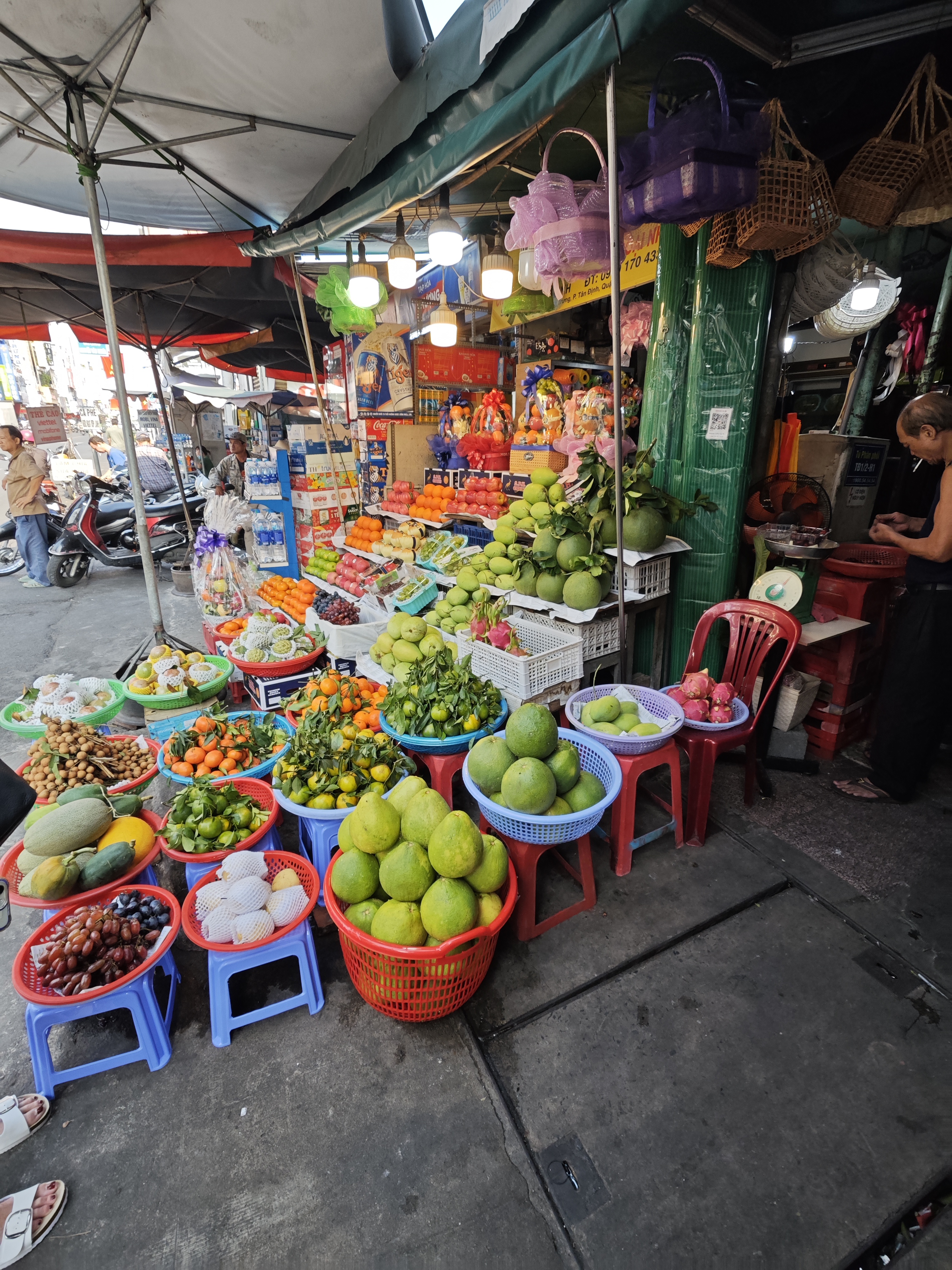
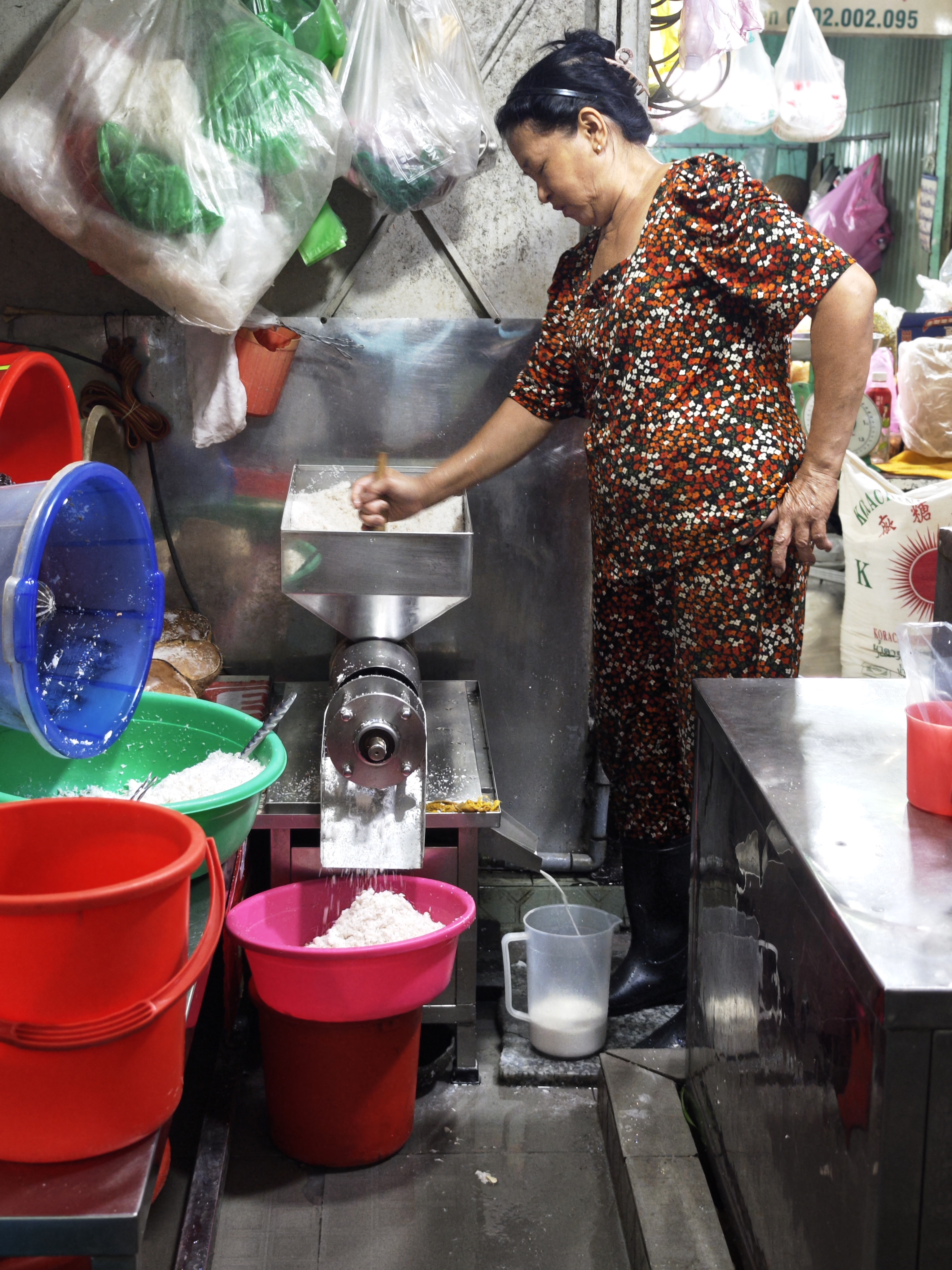
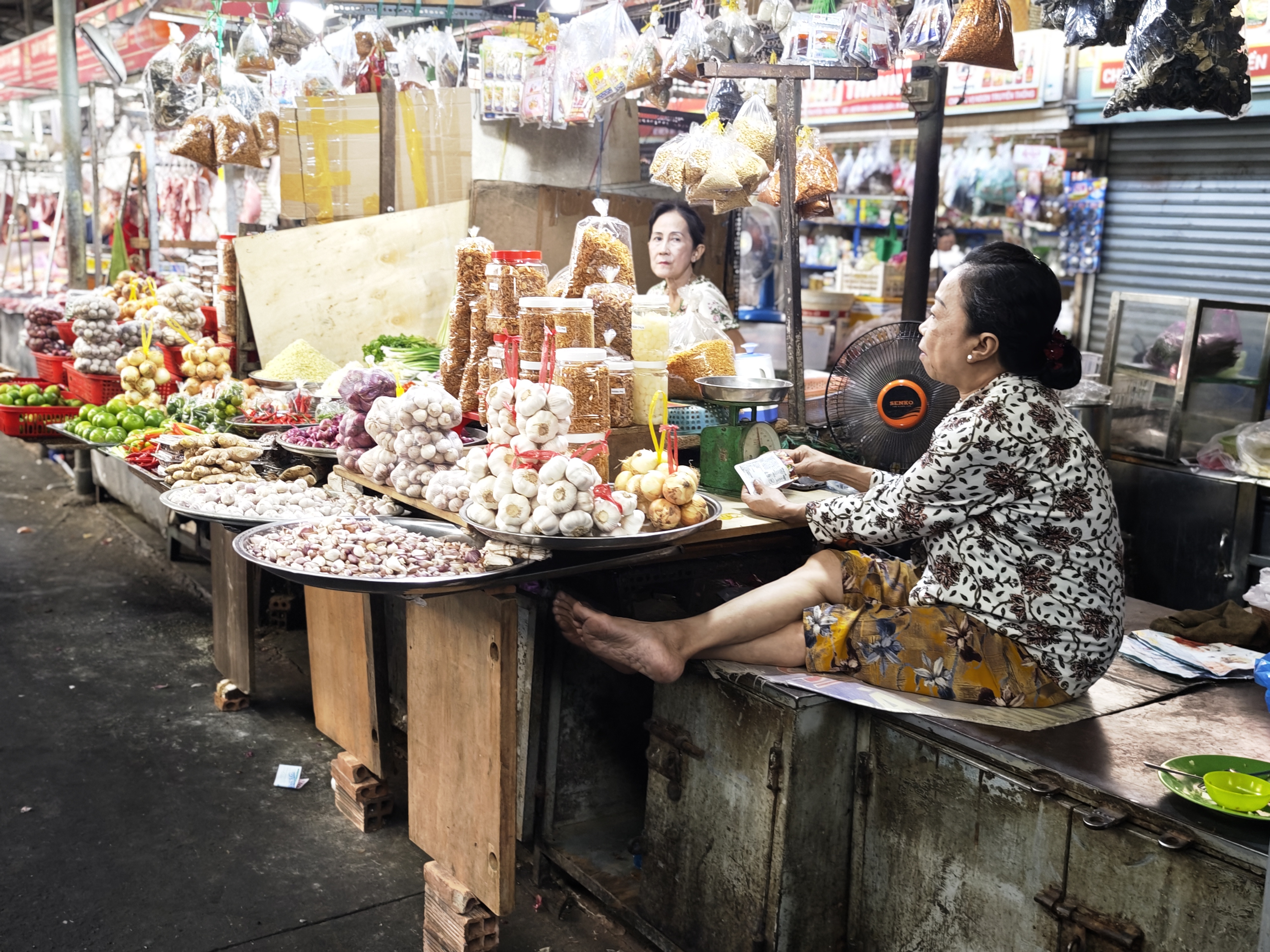
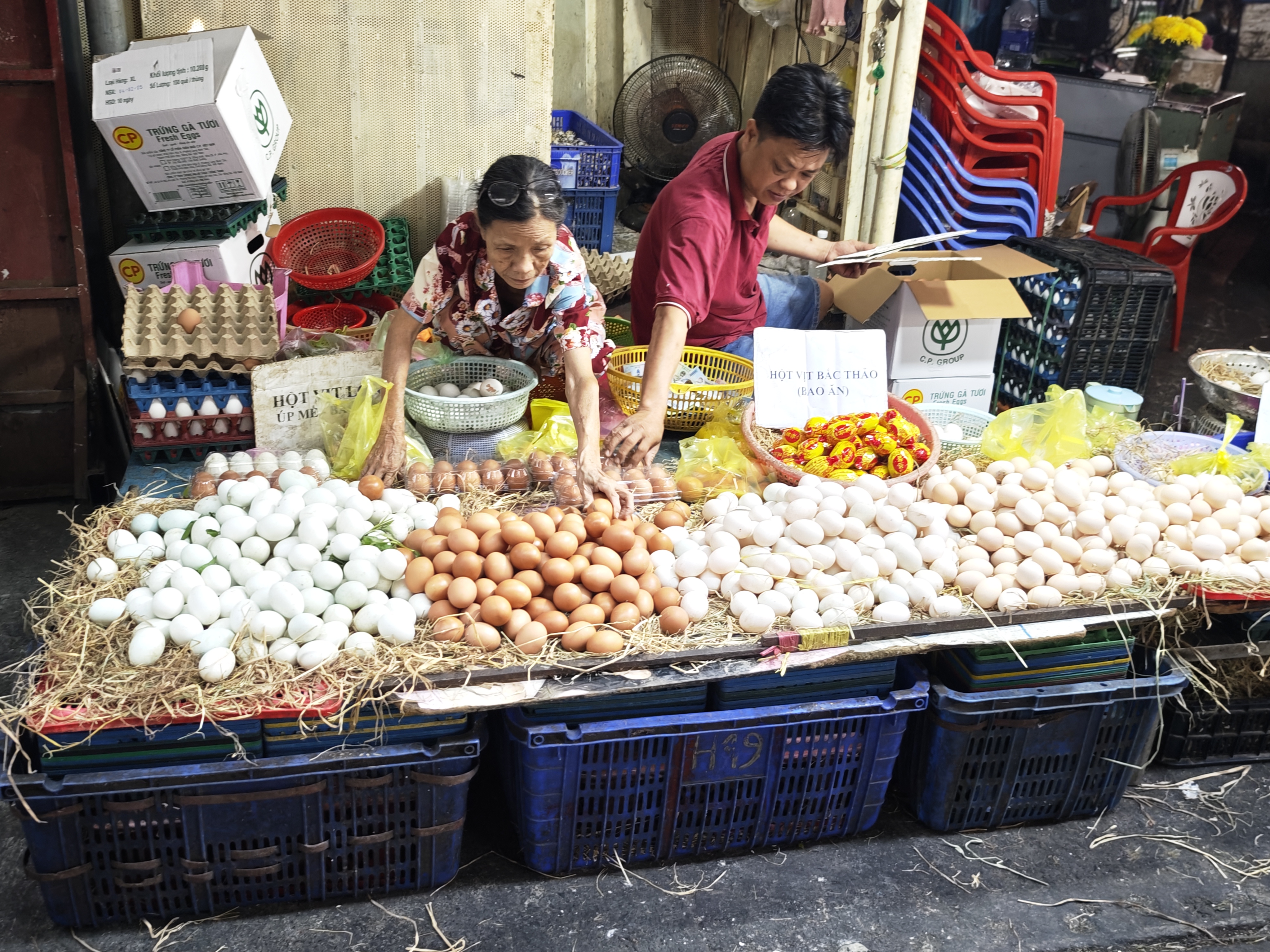
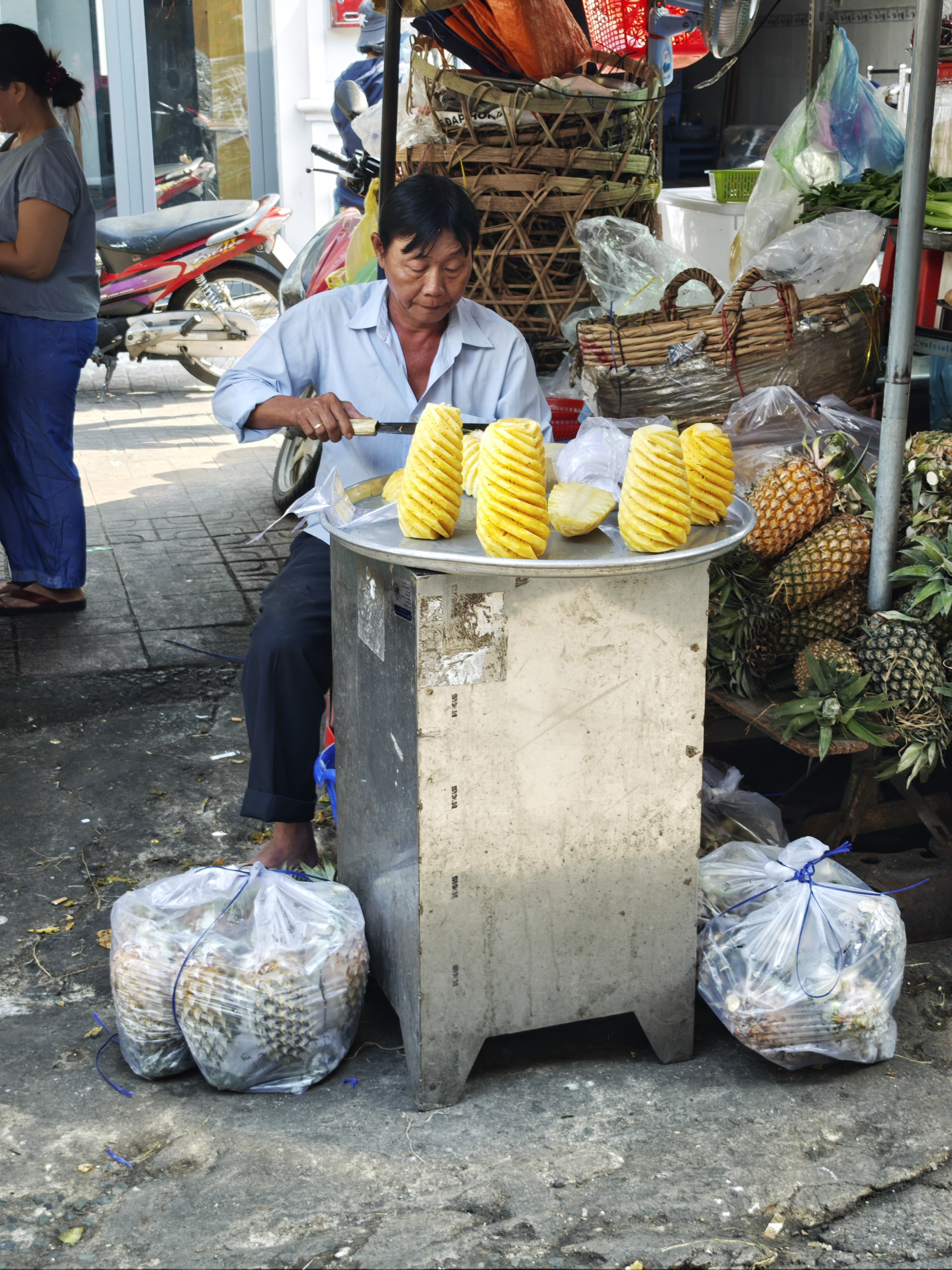
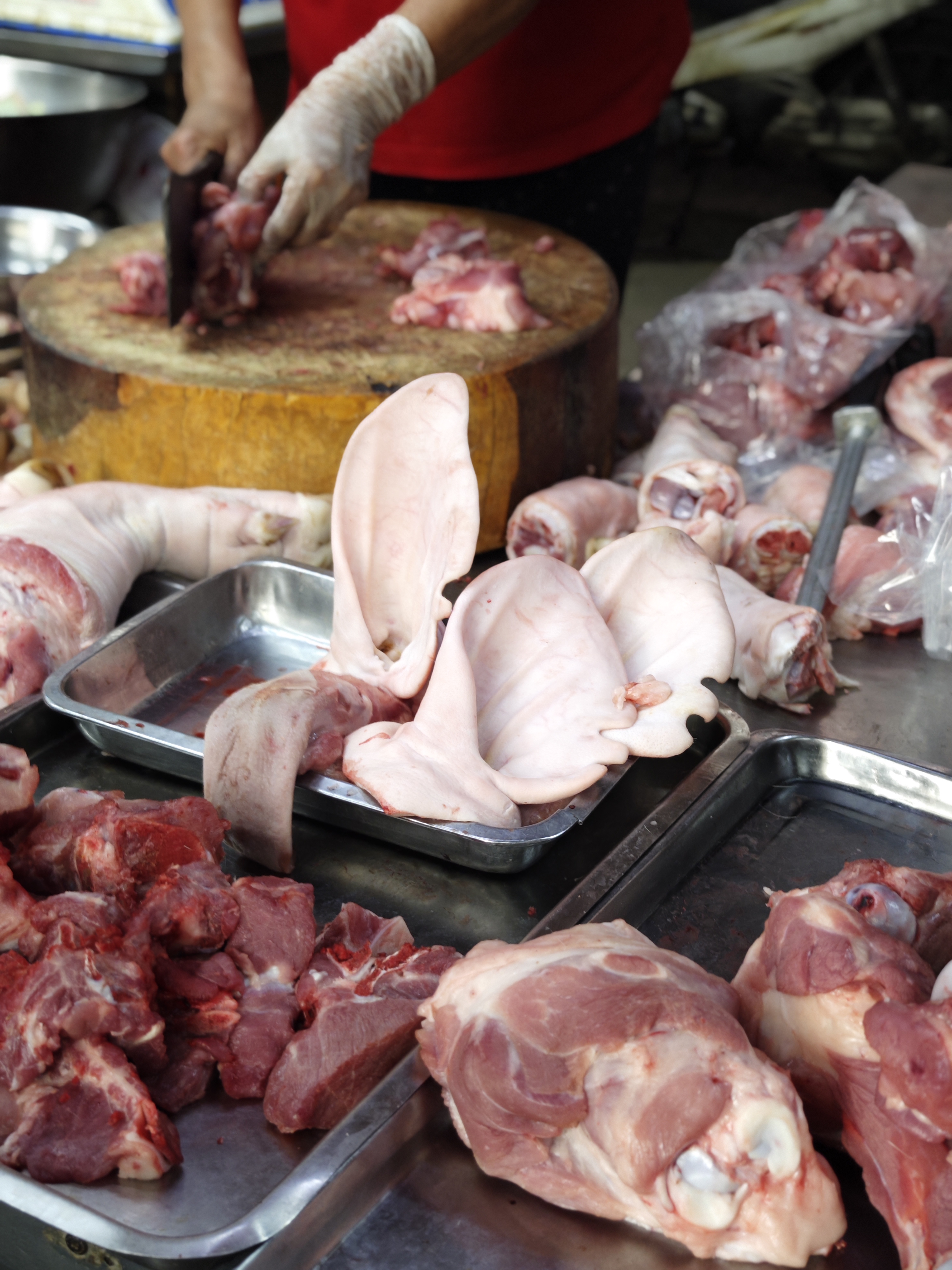
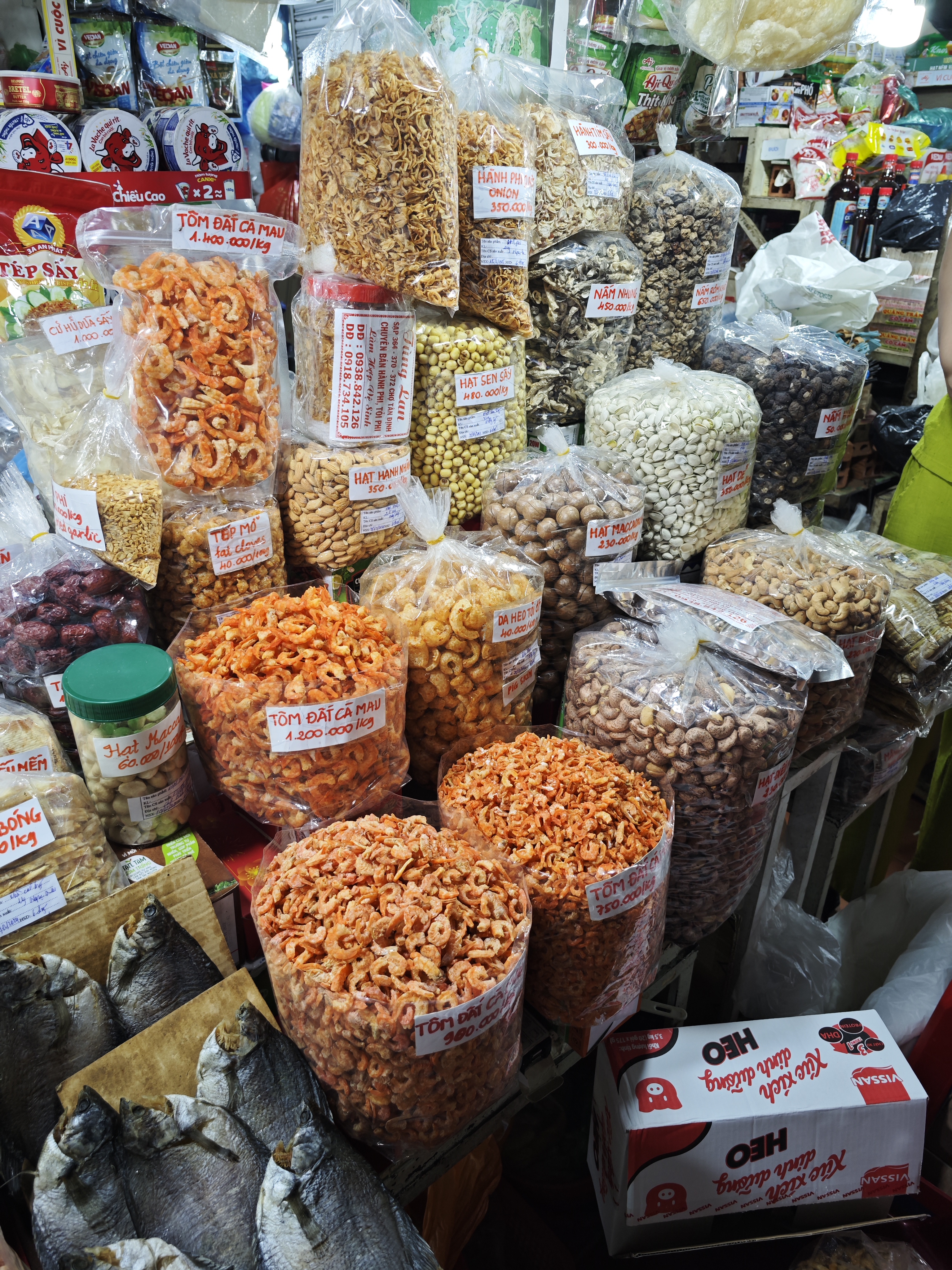
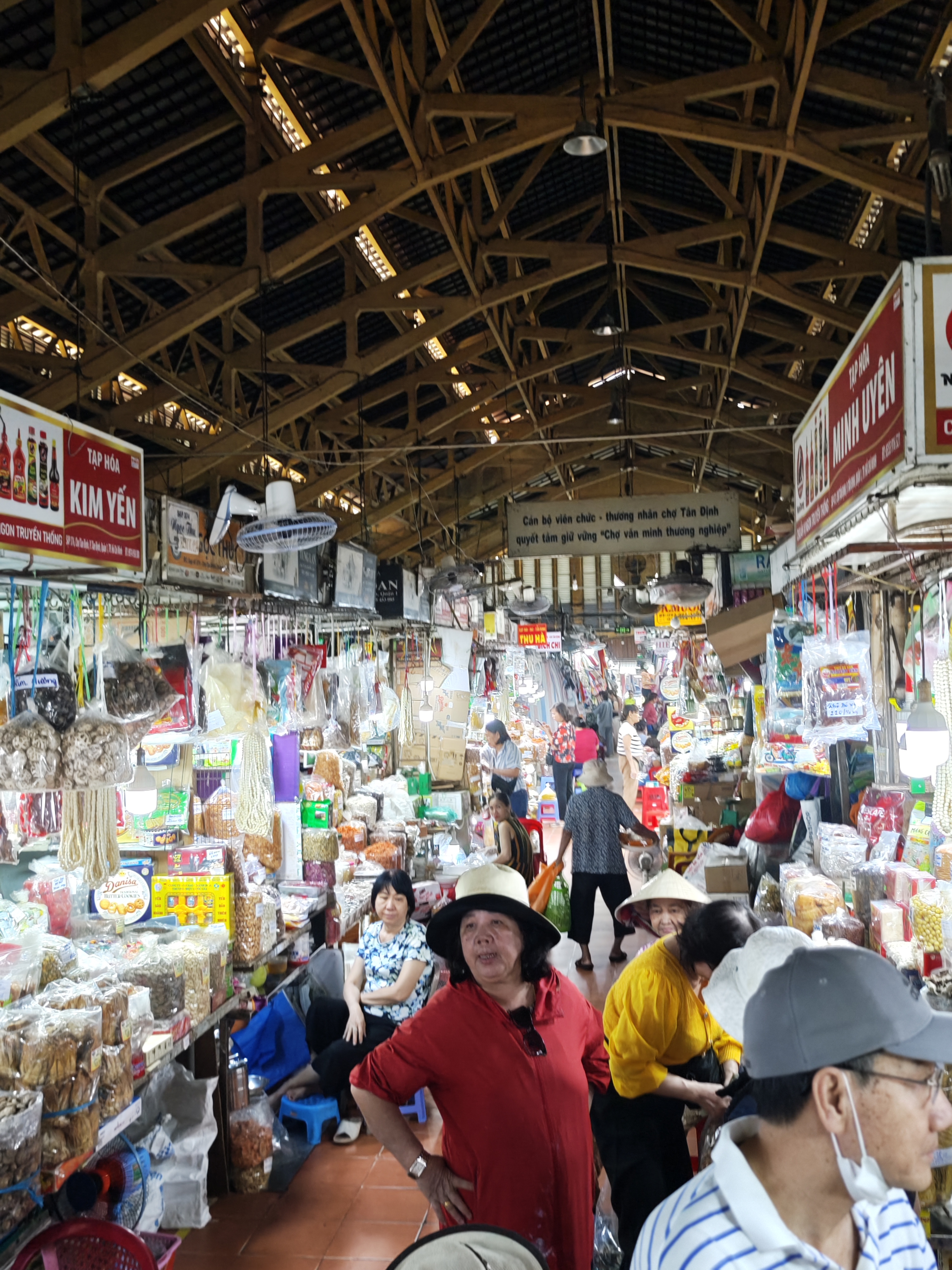
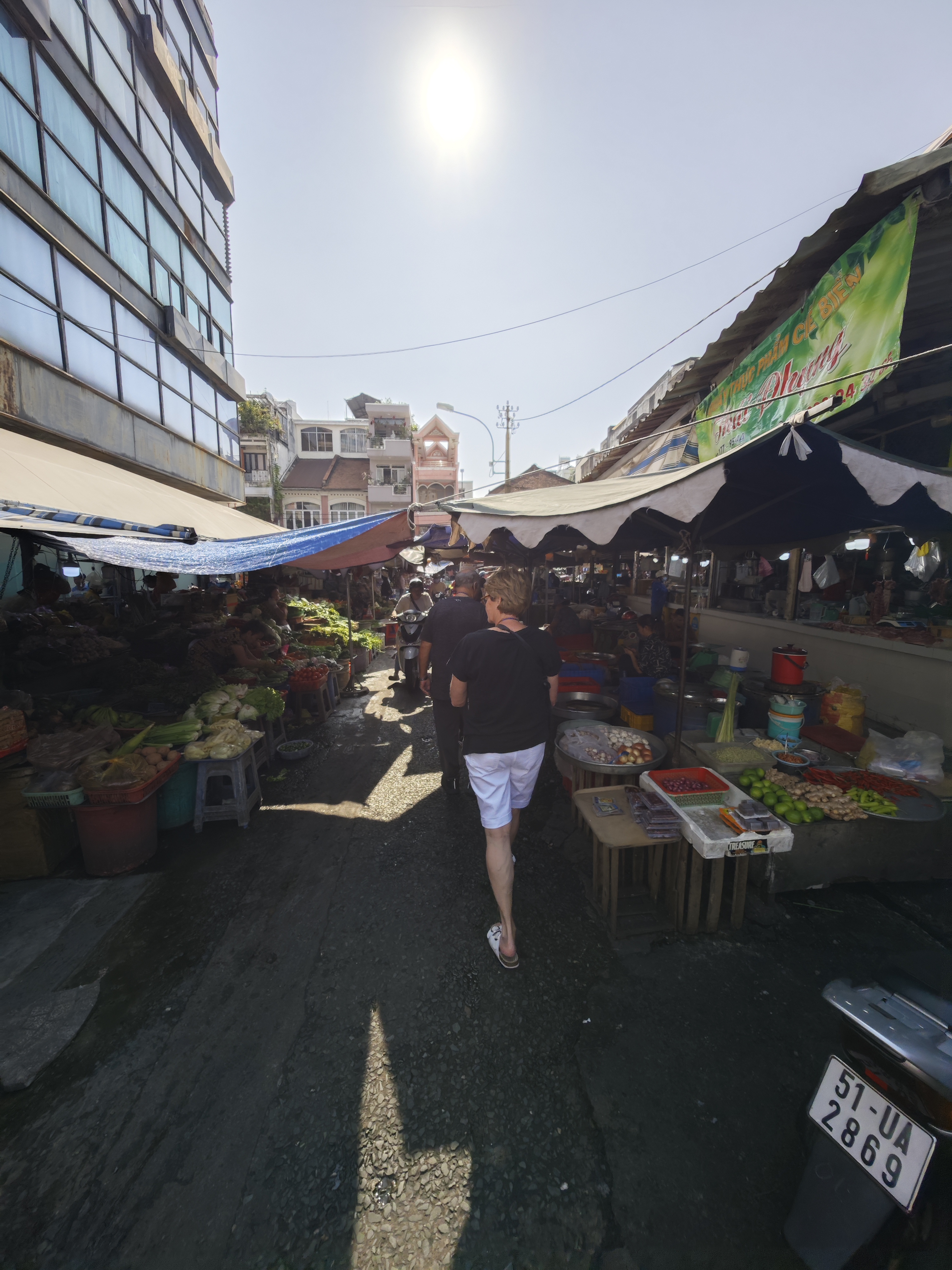
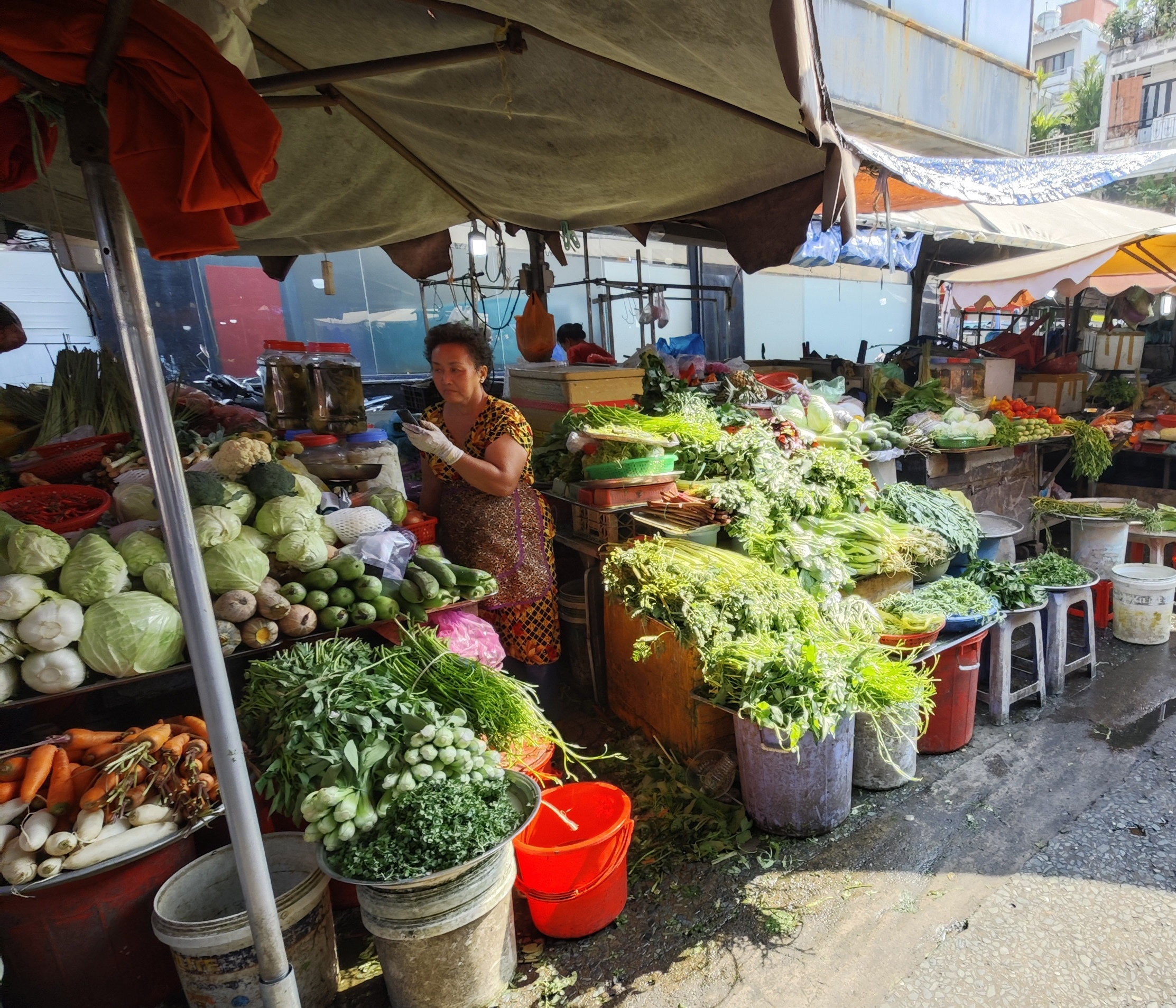
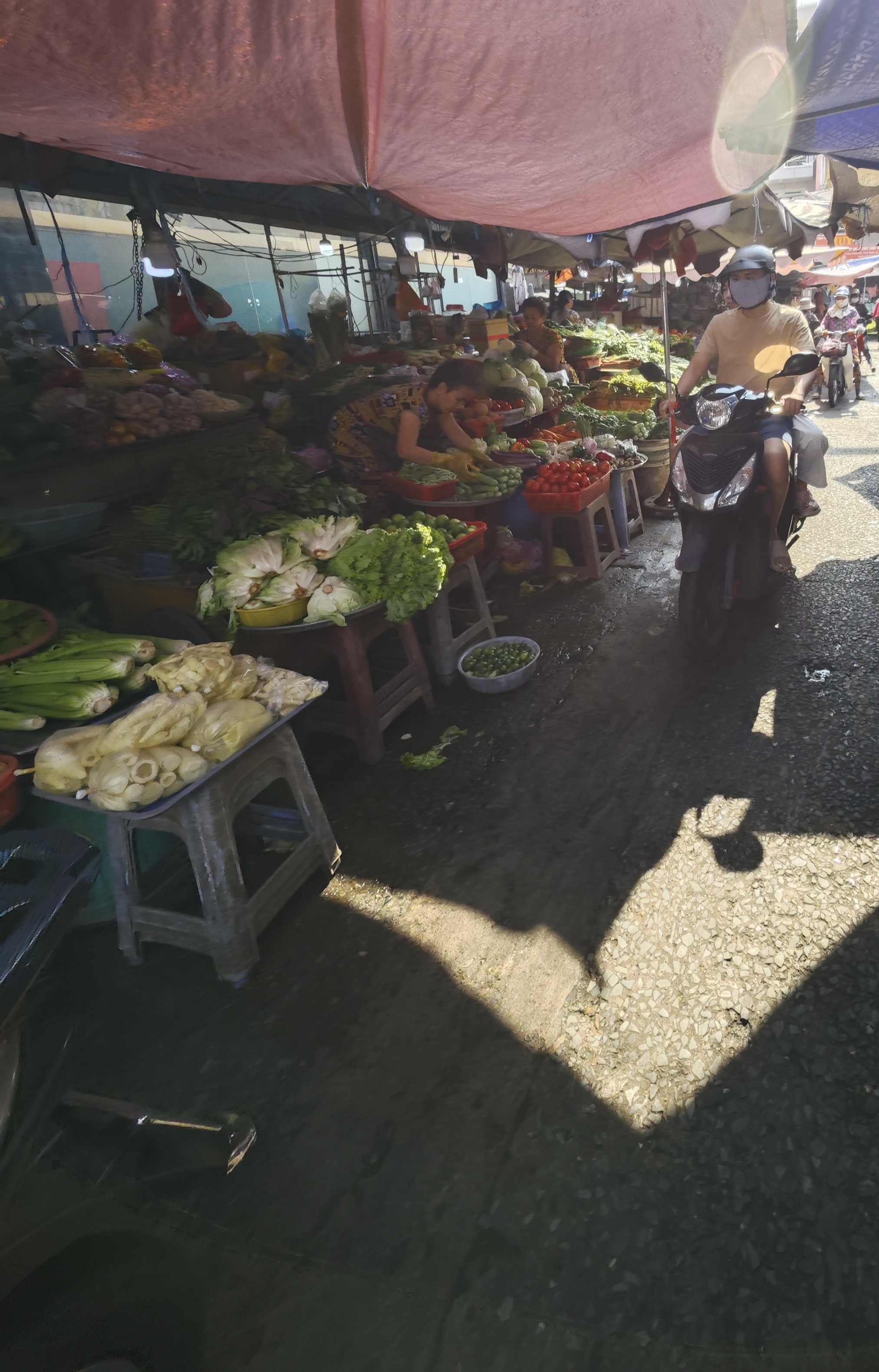
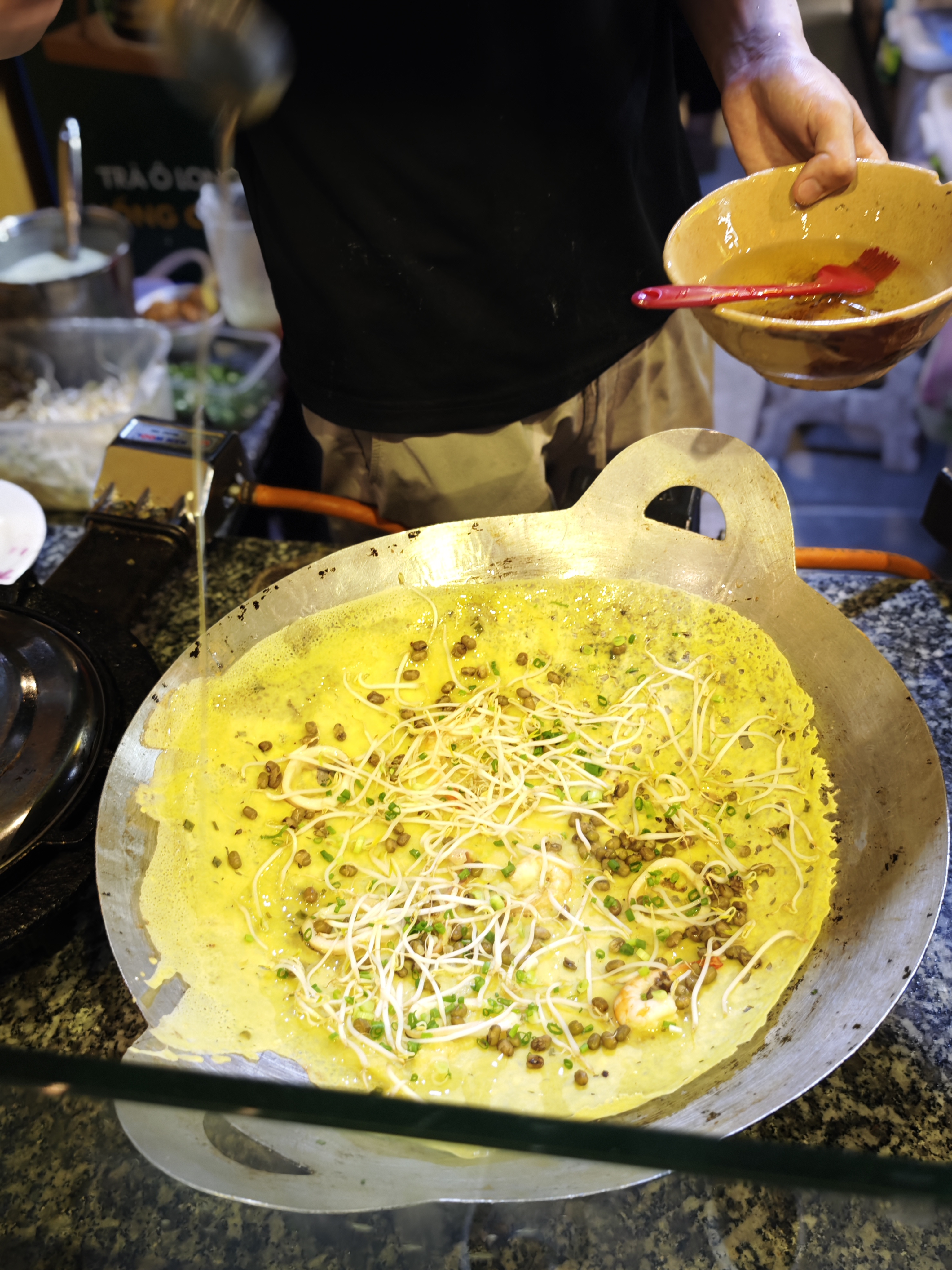
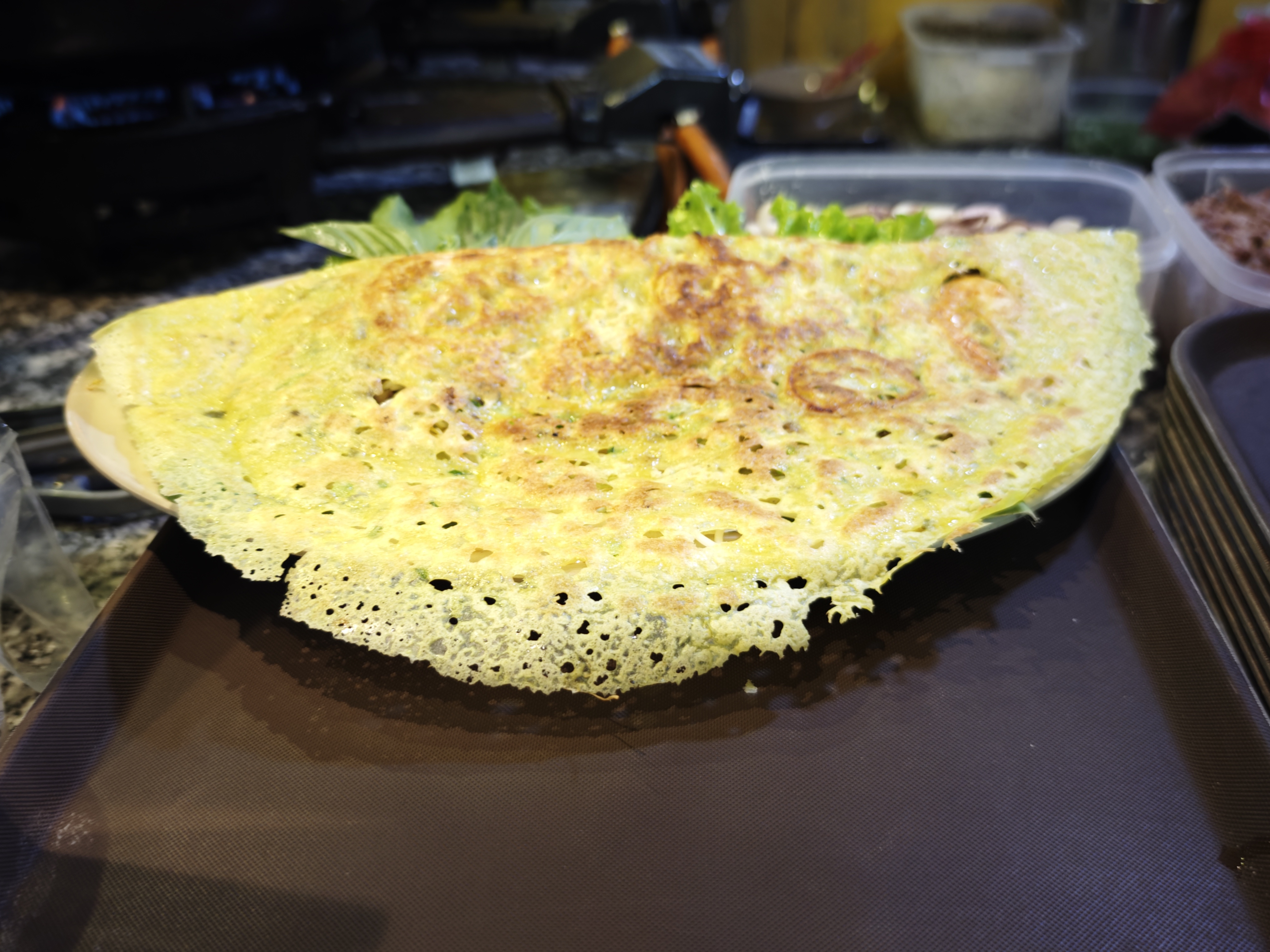
The next morning we had a taste of Saigon Street Food. As usual it starts out with walking the stalls in the wet market. From incredible citrus fruits, fresh coconut milk, Garlic and fried onions and garlic, any kind of egg, fresh stripped pineapple read to take home and etc, to fresh meat, dried fish or fresh fish – there is everything one needs for dinner!
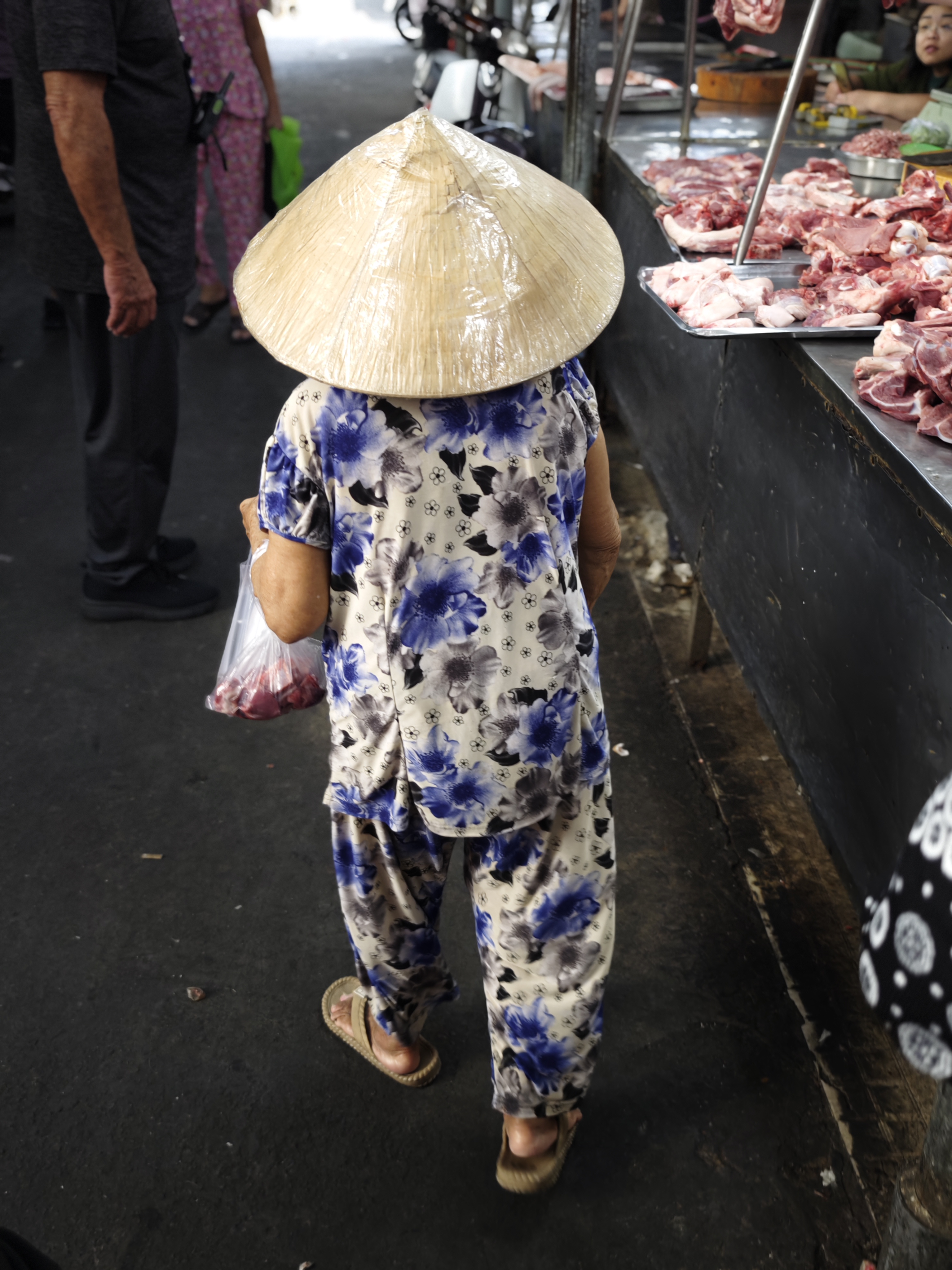
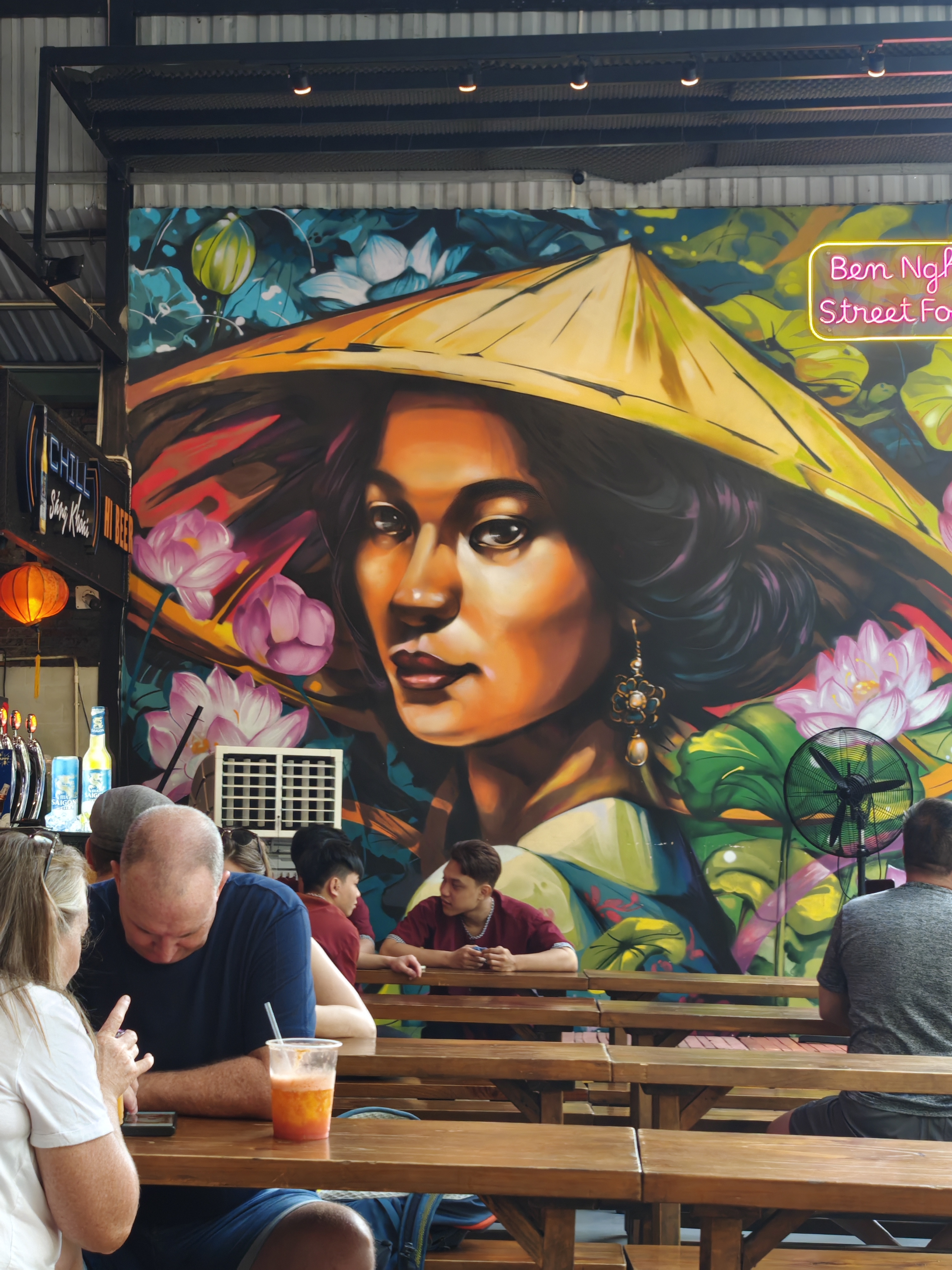
The market itself has so much more but as you get outside of the main building, you need to watch for bikes and scooters in the narrow alleyways, and yes they wear the conical hat…its not just to bring home as a novelty!
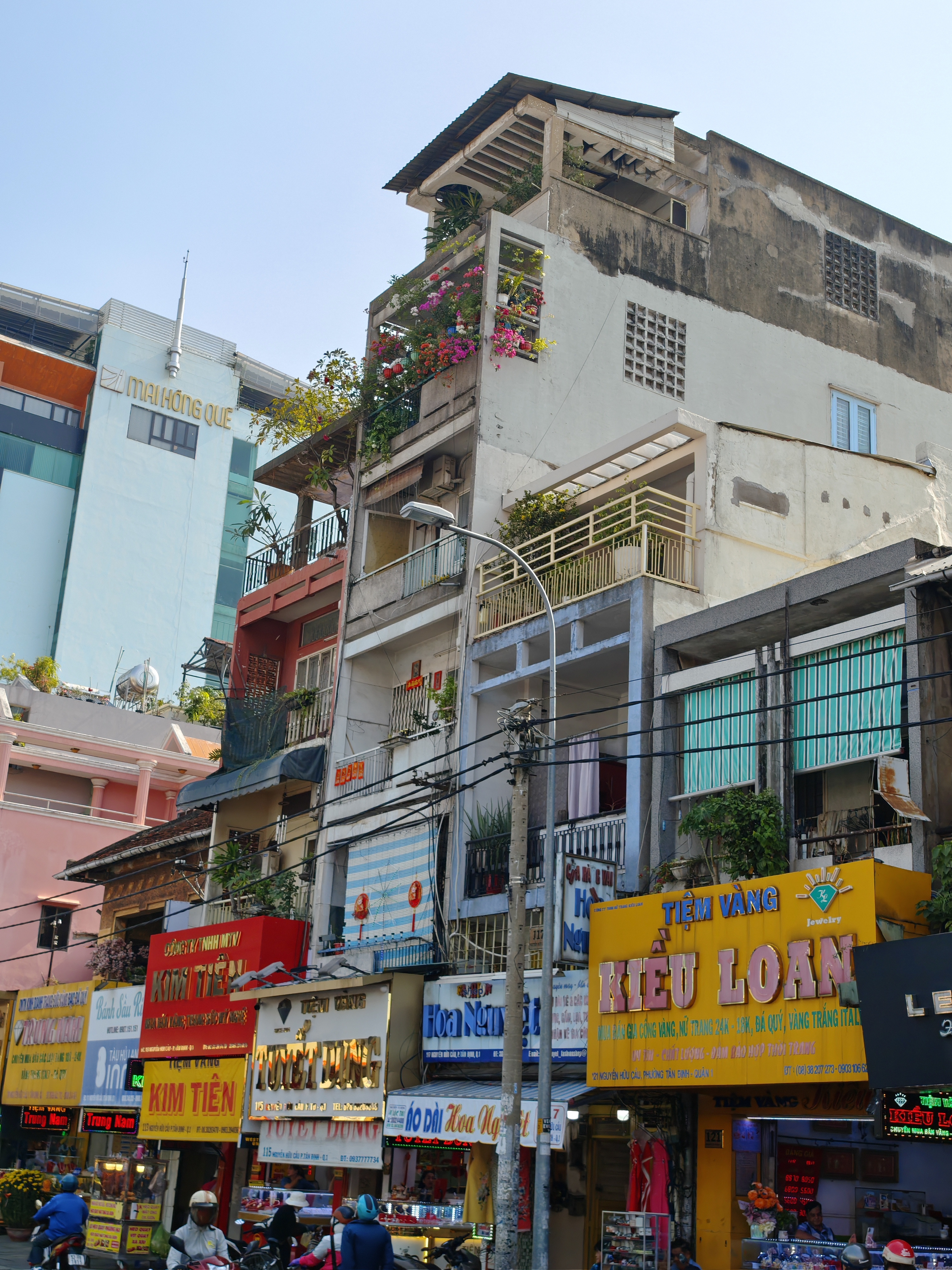
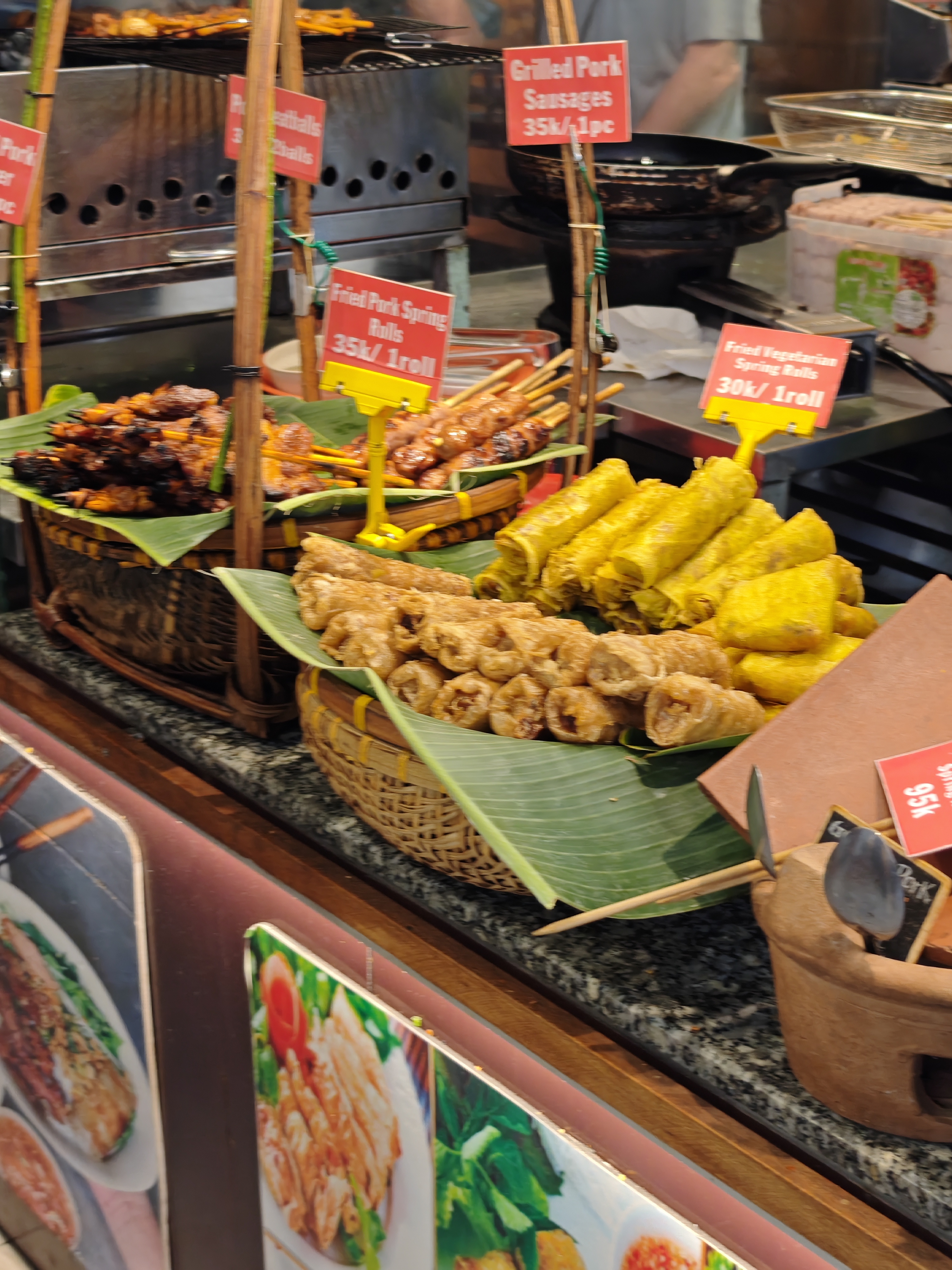
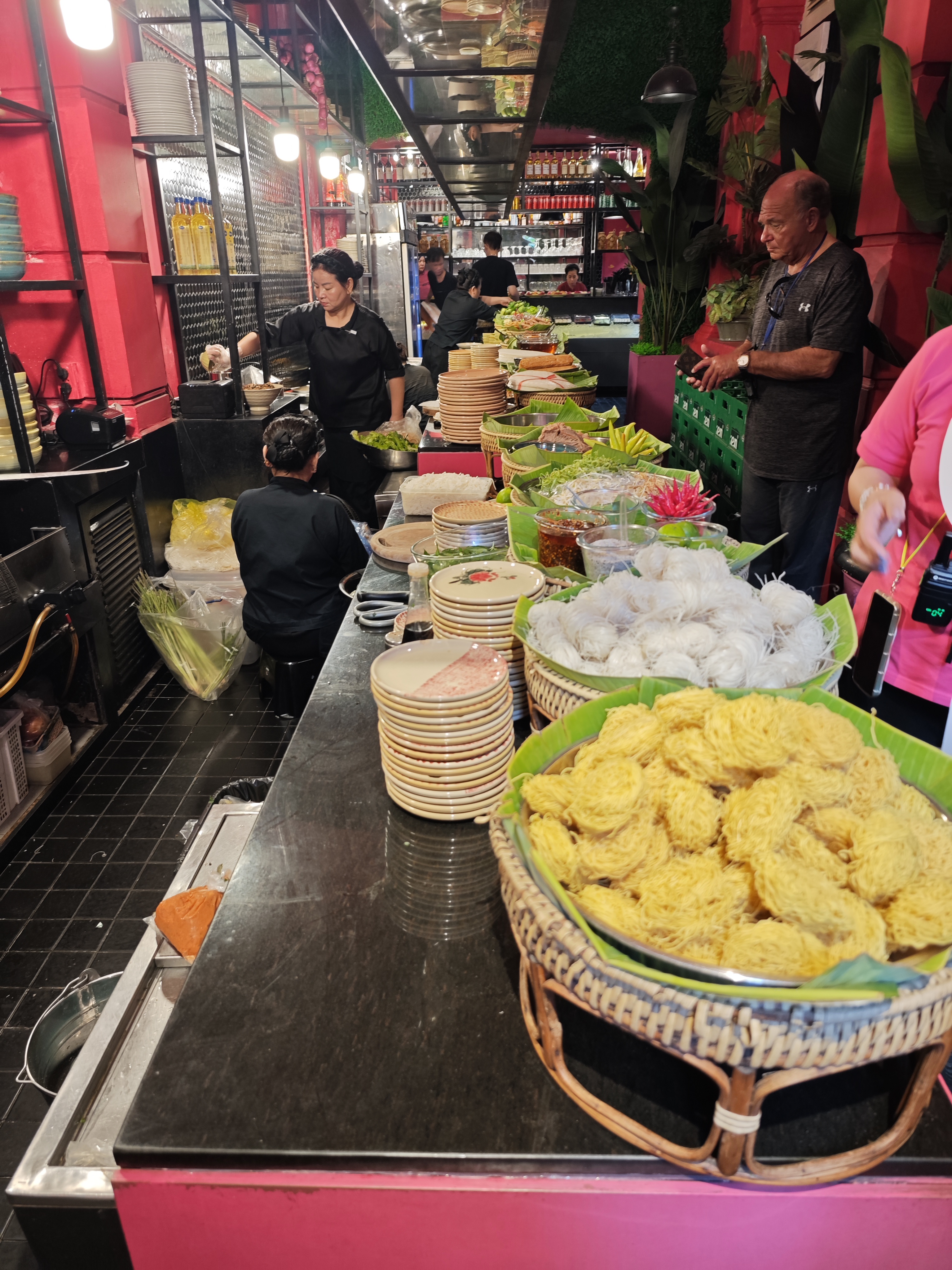
Next up was a walk to our street food venue. We passed many colorful buildings on our walk to this destination. Street vendors to make it safer for locals and tourists, set up a building where each individual has their own area to present their foods.
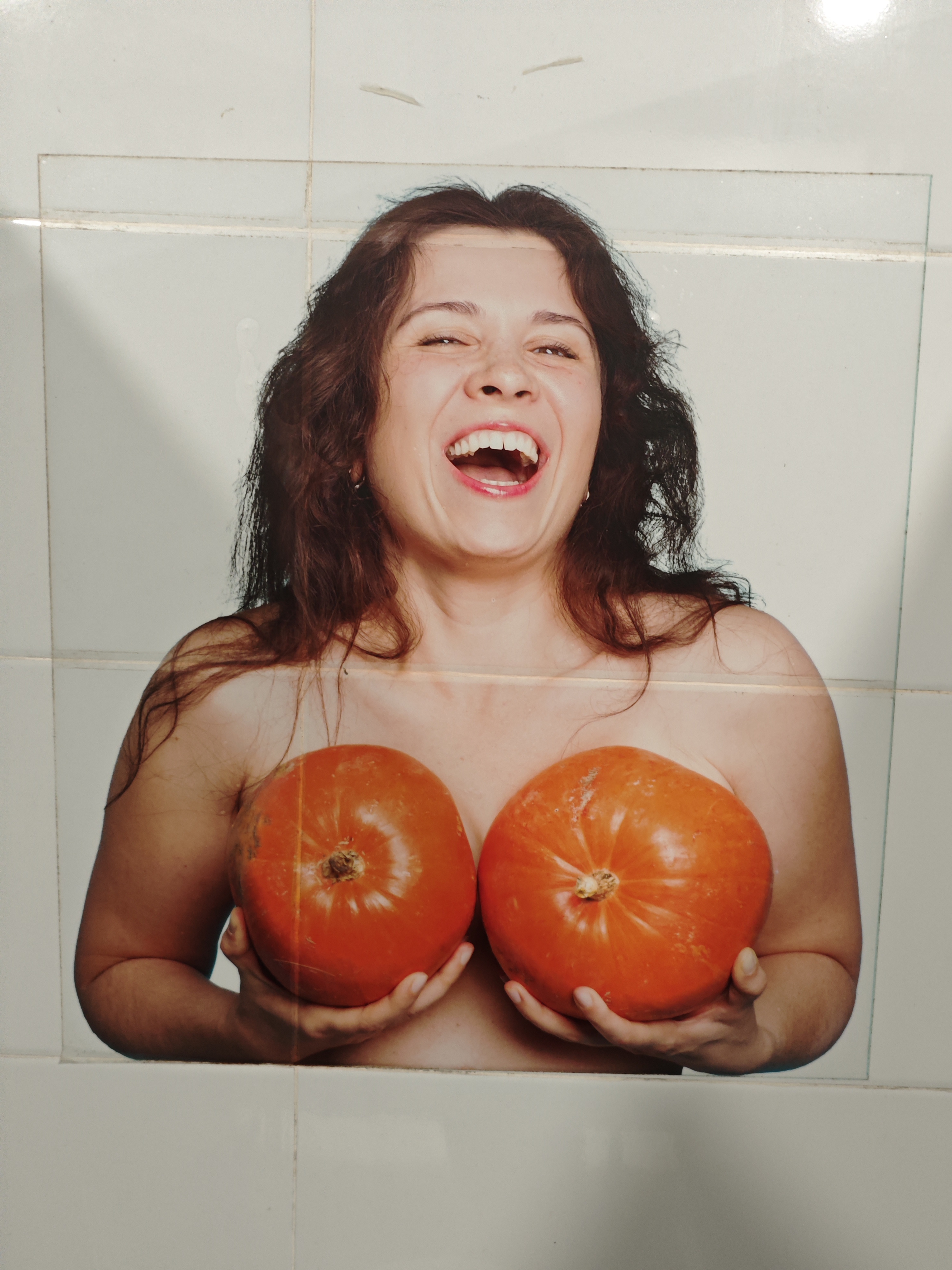
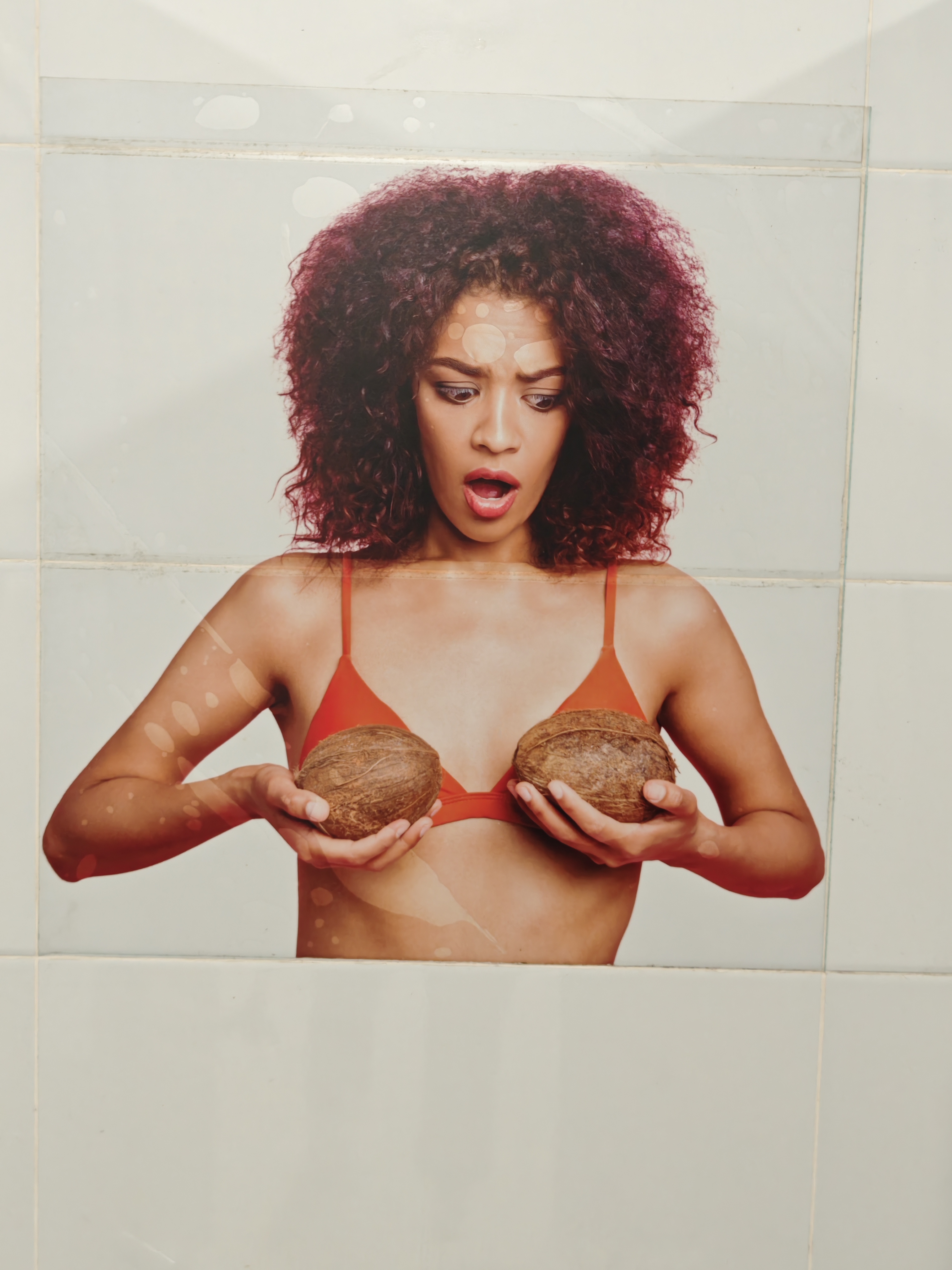
The bathroom stalls in the ladies room were quite interesting! Imagine using a few other fruits and vegetables!
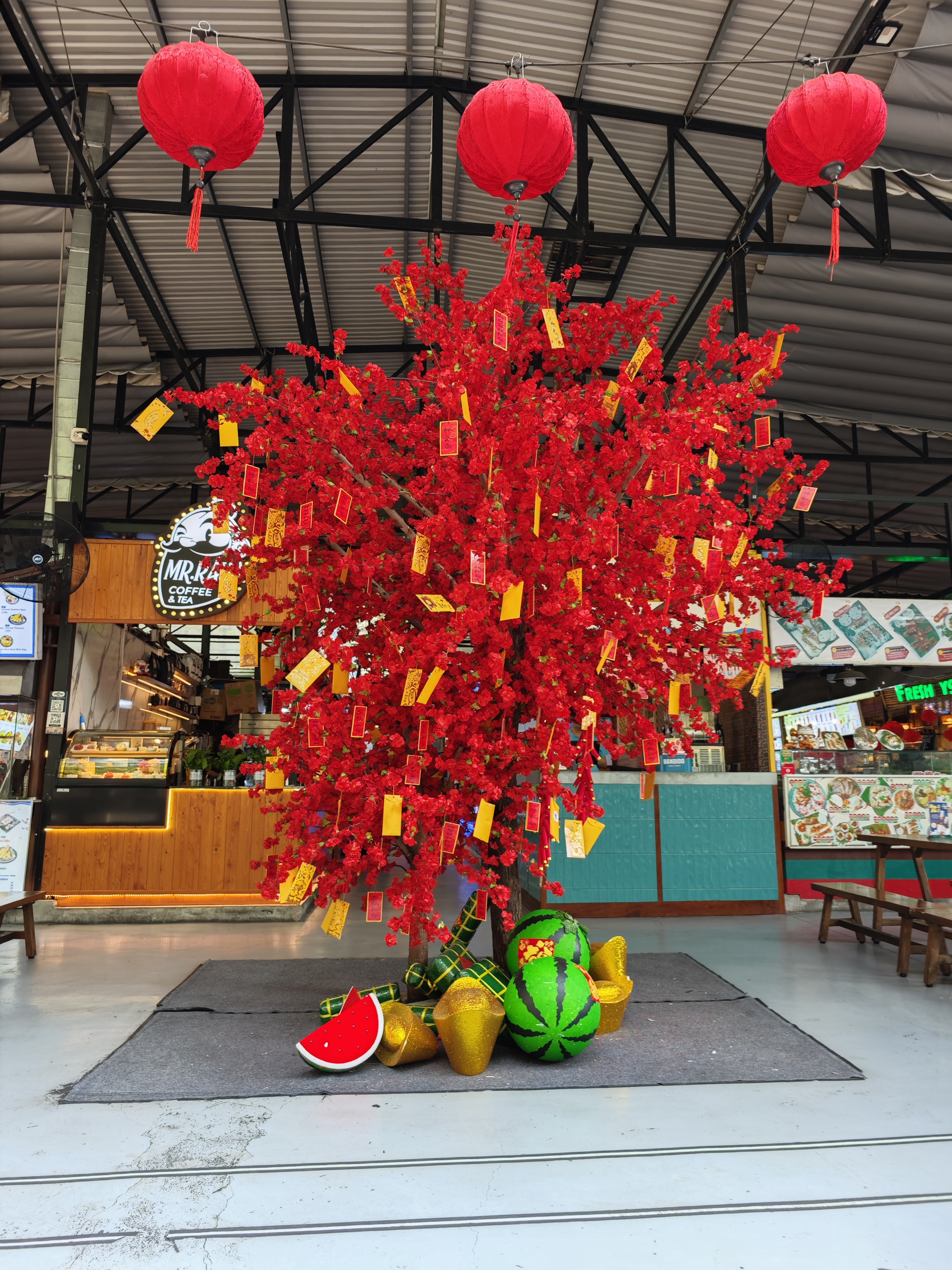
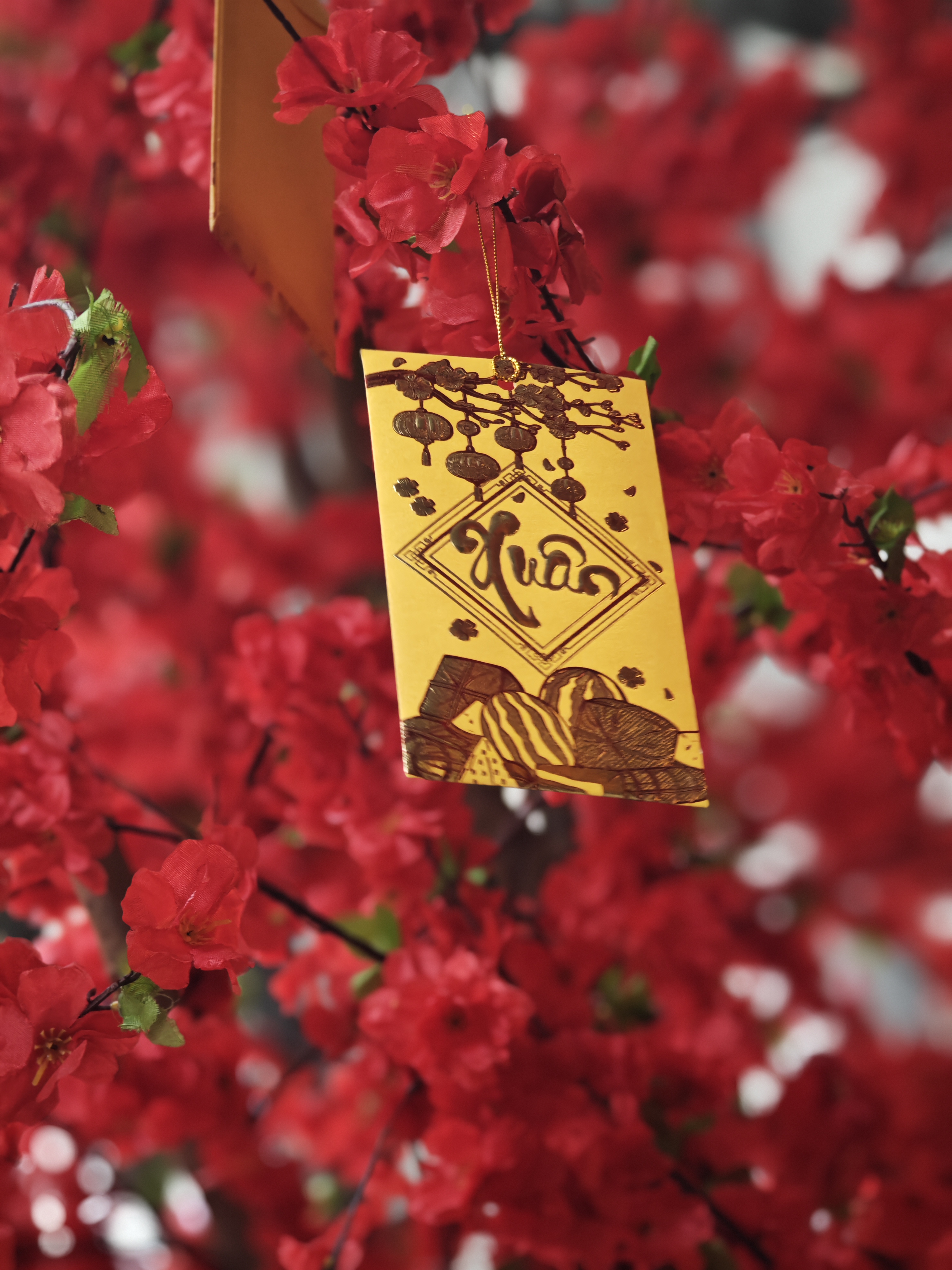
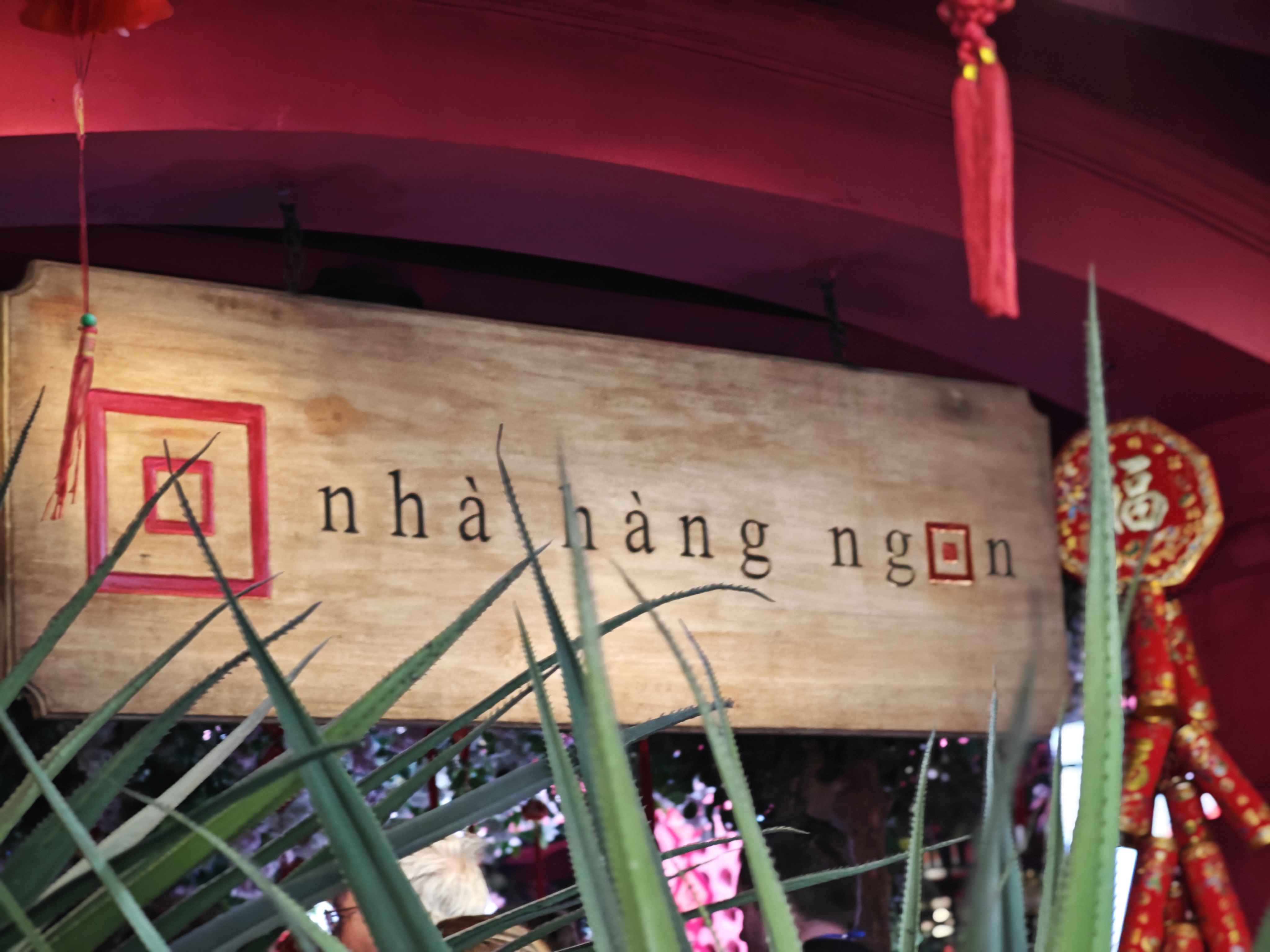
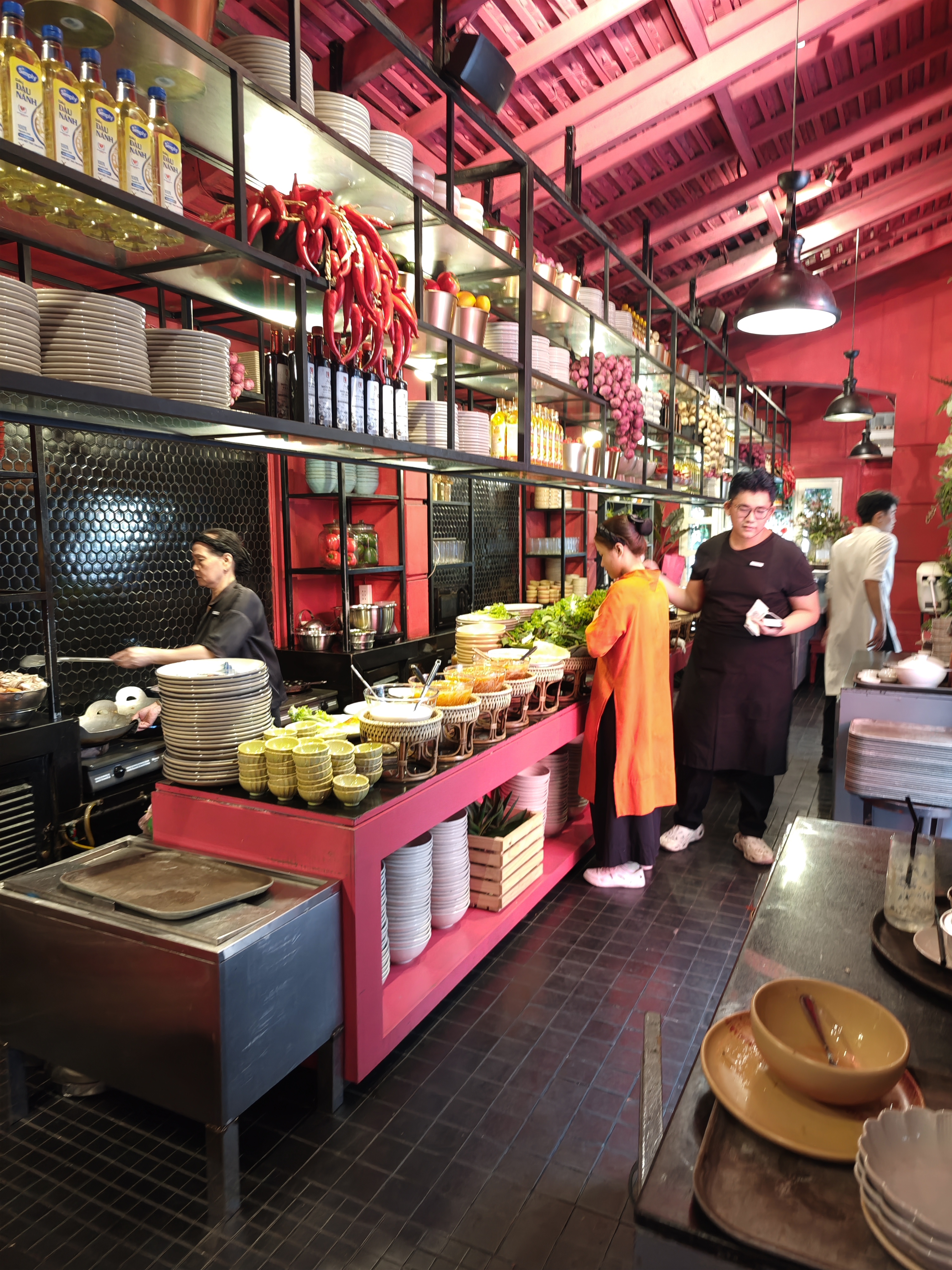
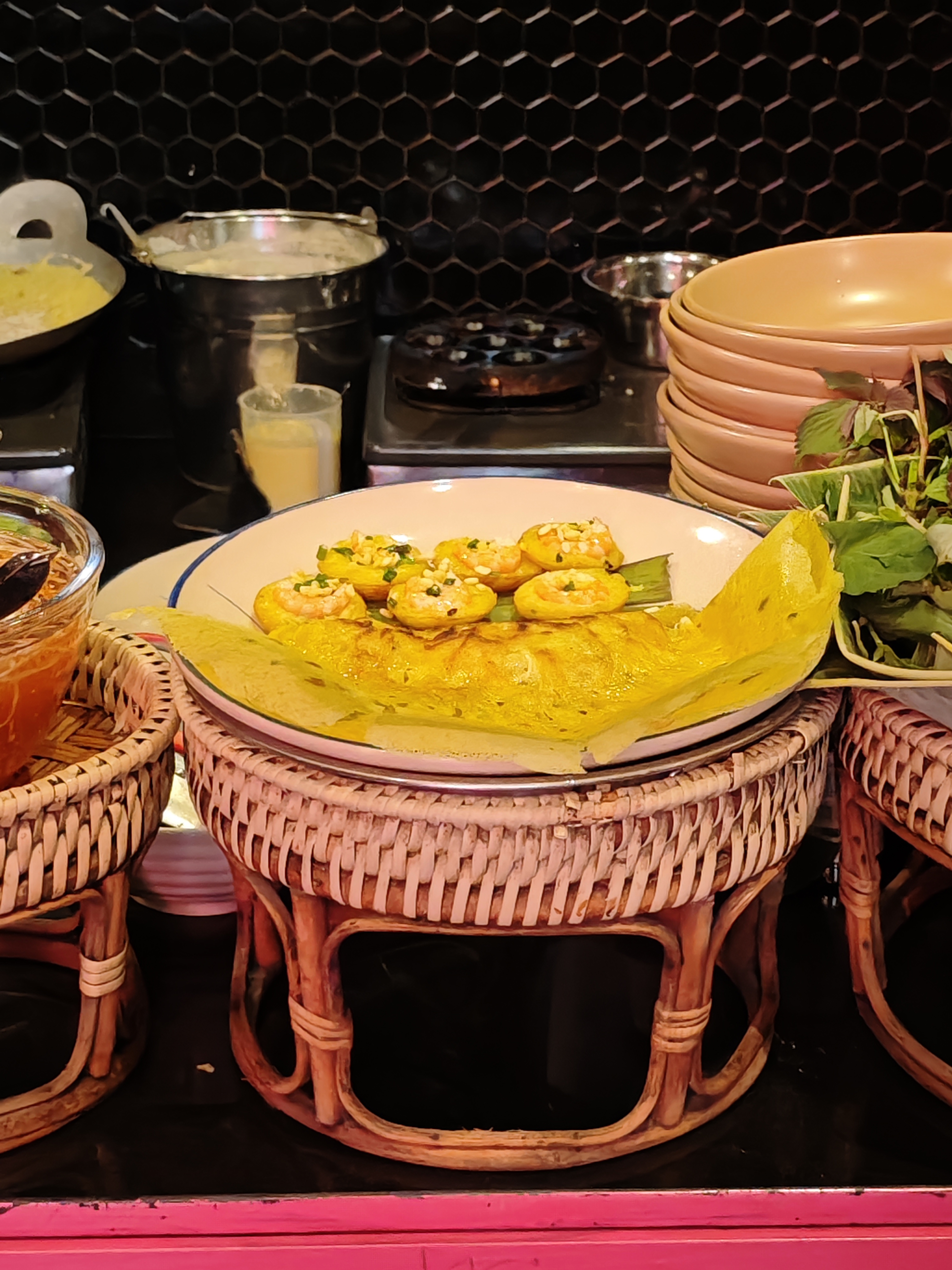
Everyone was obviously still in the middle of celebrating the Tet Lunar New Year! Nha Hang Ngon was a place Michael and I found in 2006 before we joined our Culinary cooking class! We arrived early and found this gem…each area with its own stall for their specialty and we ordered what we wanted to be served at our table. Since we were on an excursion that day, lunch was set up for us upstairs. It was quite crowded by the time we left!
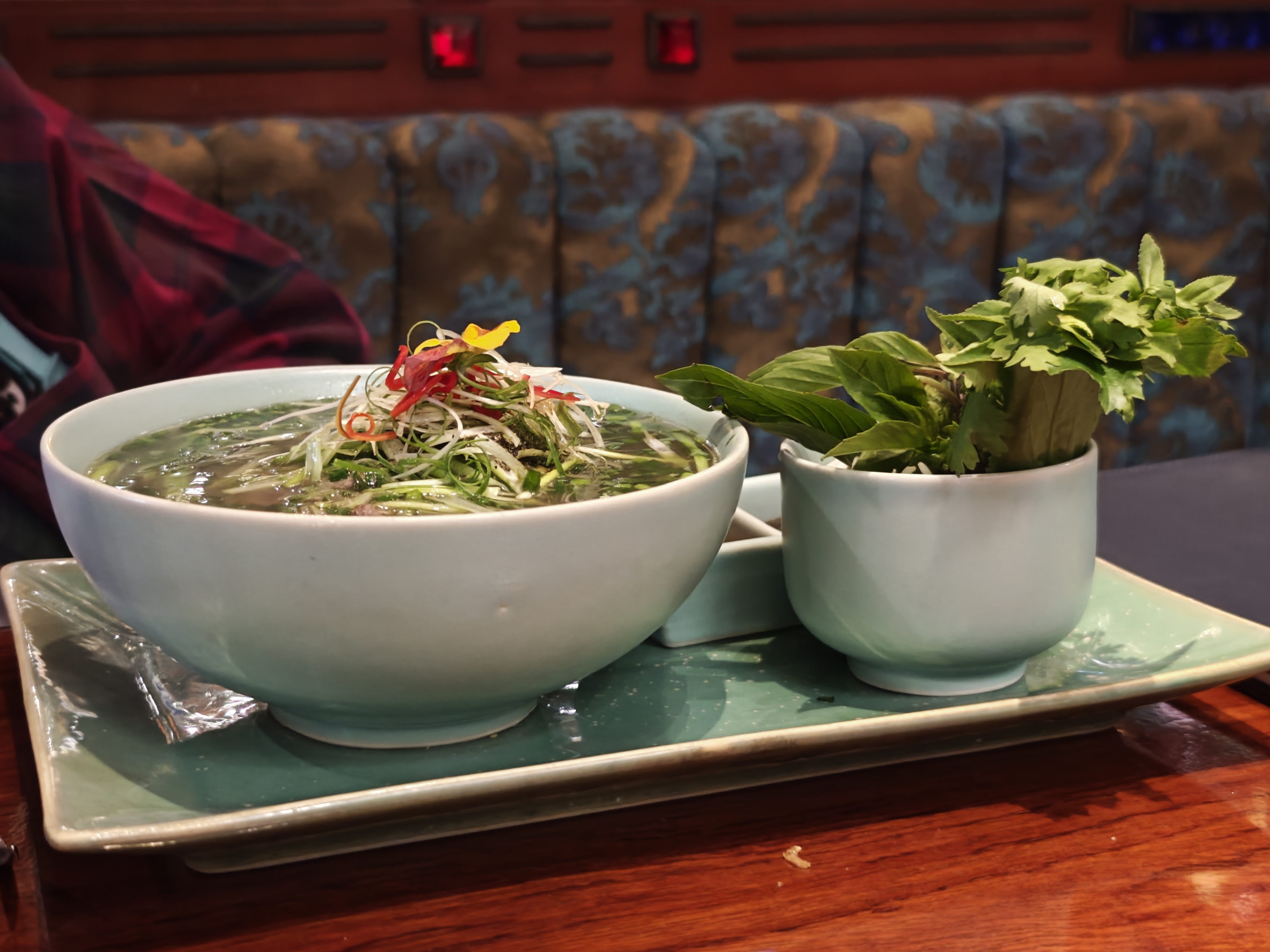
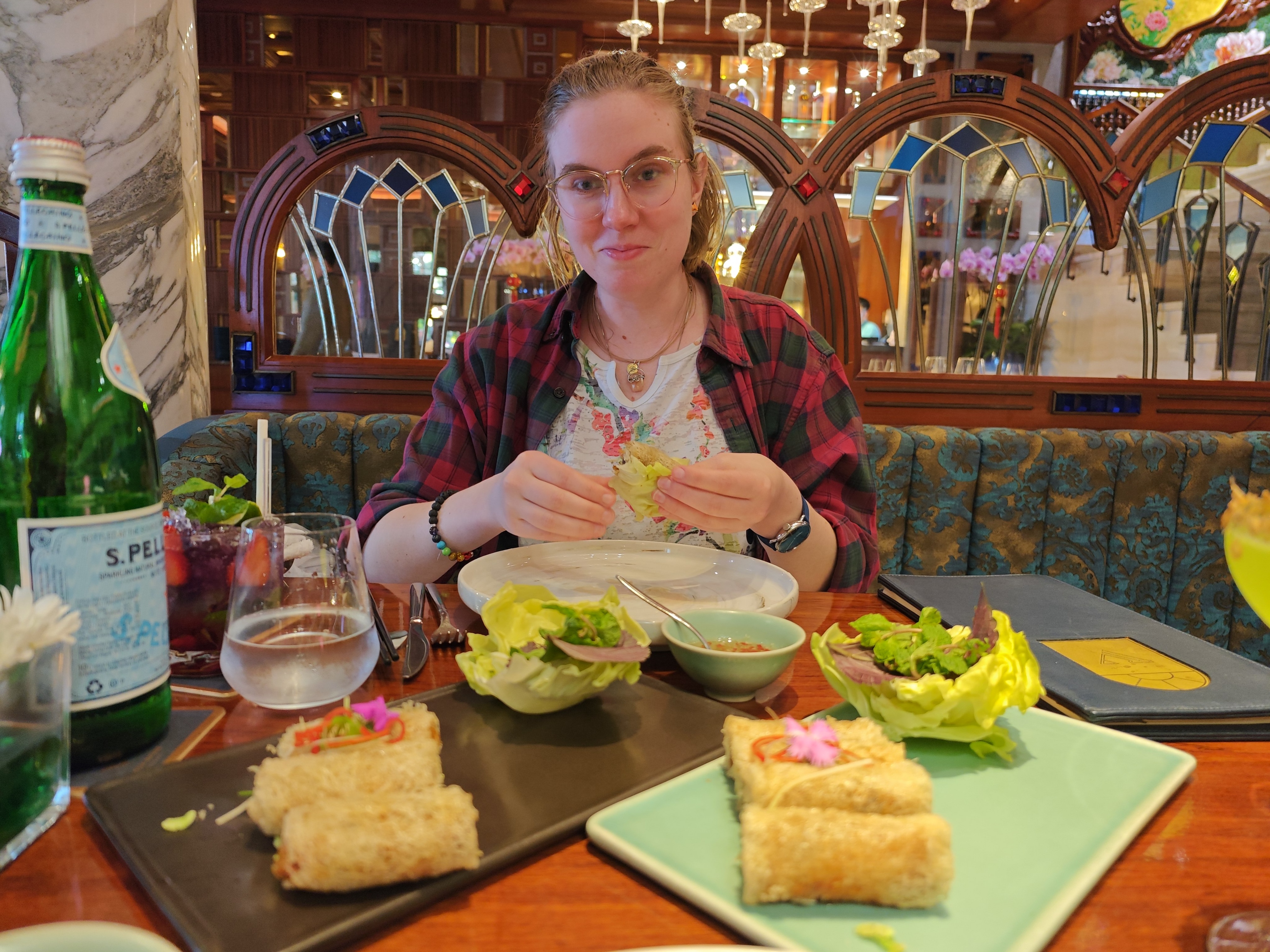
After the Street Food tour, we headed back to the ship. Lucy and Chris joined us for the trip back to pick up my pants, Larkin trying on the unfinished tux, AND enjoy the Vietnam Kitchen once again. Lucy and Chris were very patient! Our only true bowl of Pho on the trip was at this restaurant. One can’t visit Vietnam and NOT have authentic Pho! The food and drinks the second night were just as memorable…and yes, I’d go back!
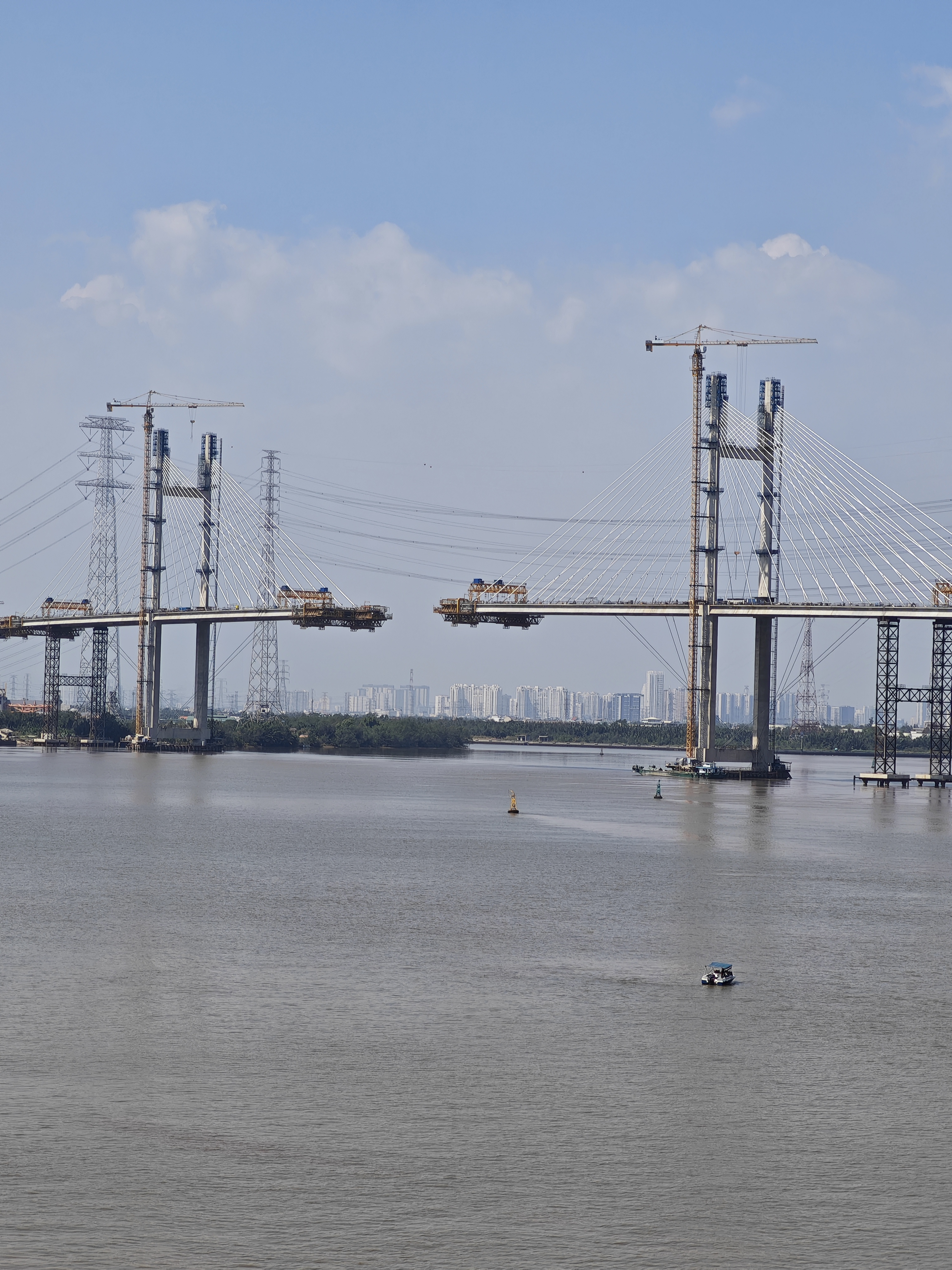
The next day, we left Saigon by 1 p.m. to make it down the river in the daylight hours. We enjoyed seeing not one, but two bridges being built. Its always interesting to wonder how they align each side to connect perfectly. They engineers would know! JJ is loving his time in Idaho – even in the snow!
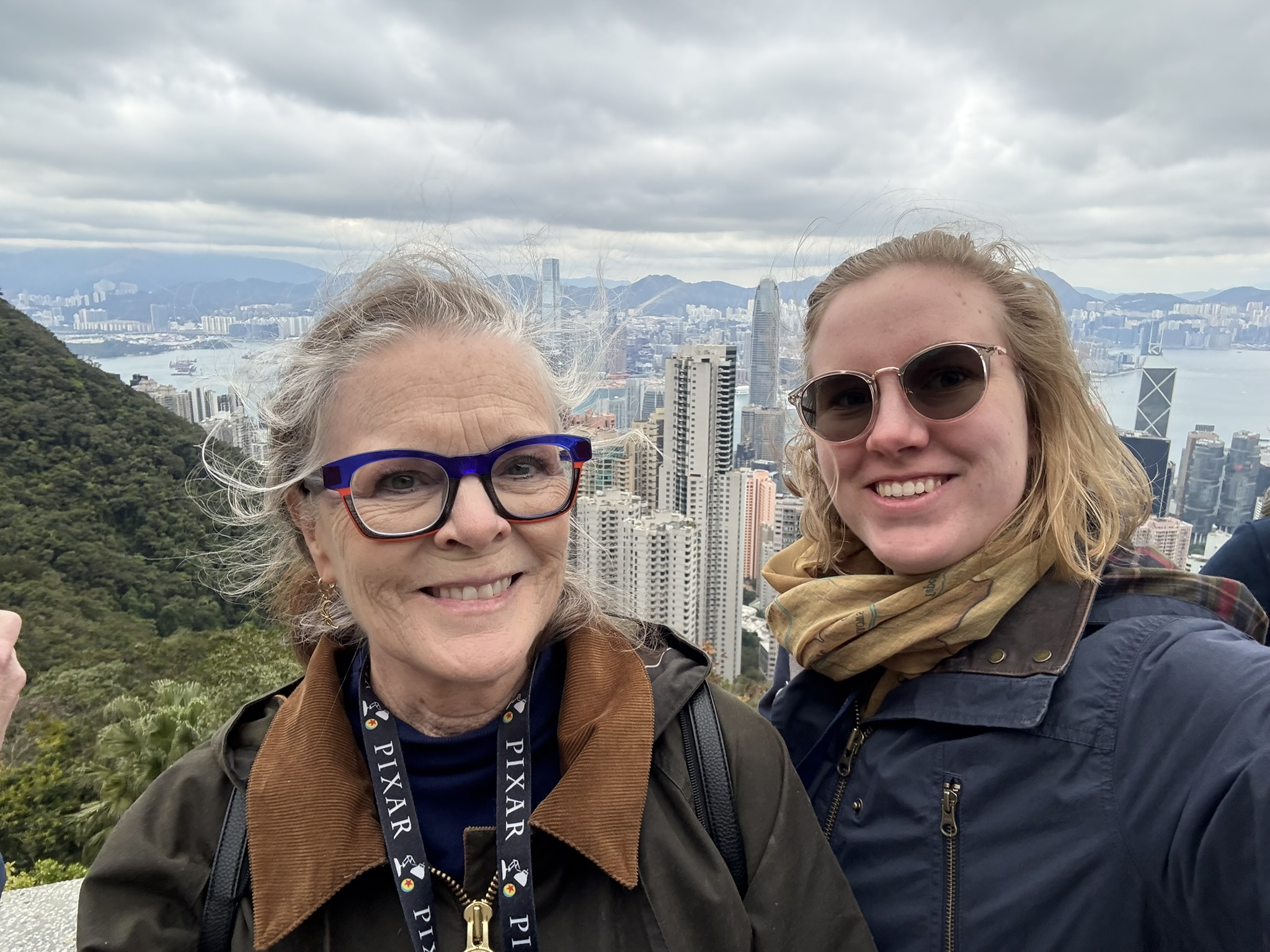
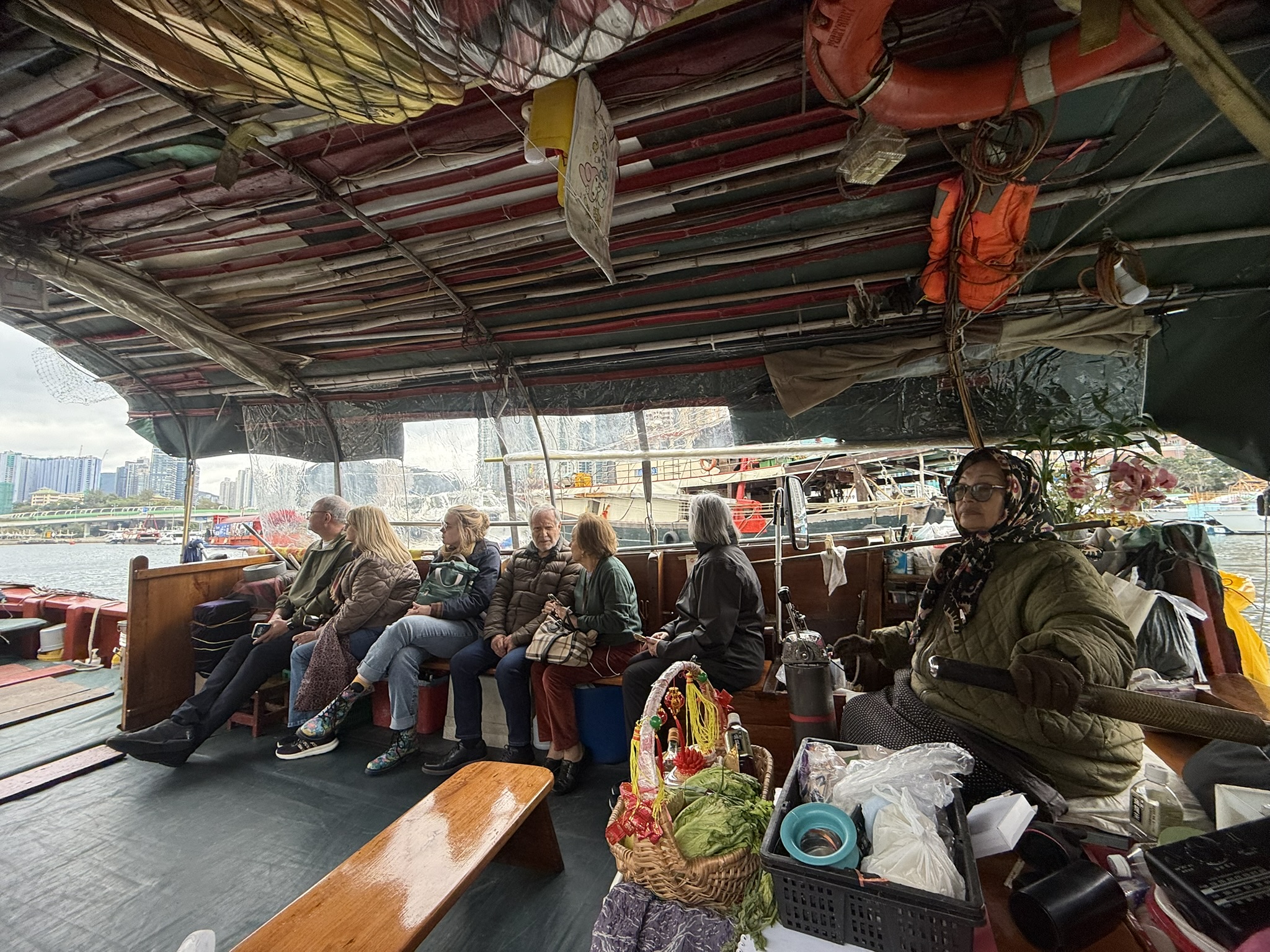
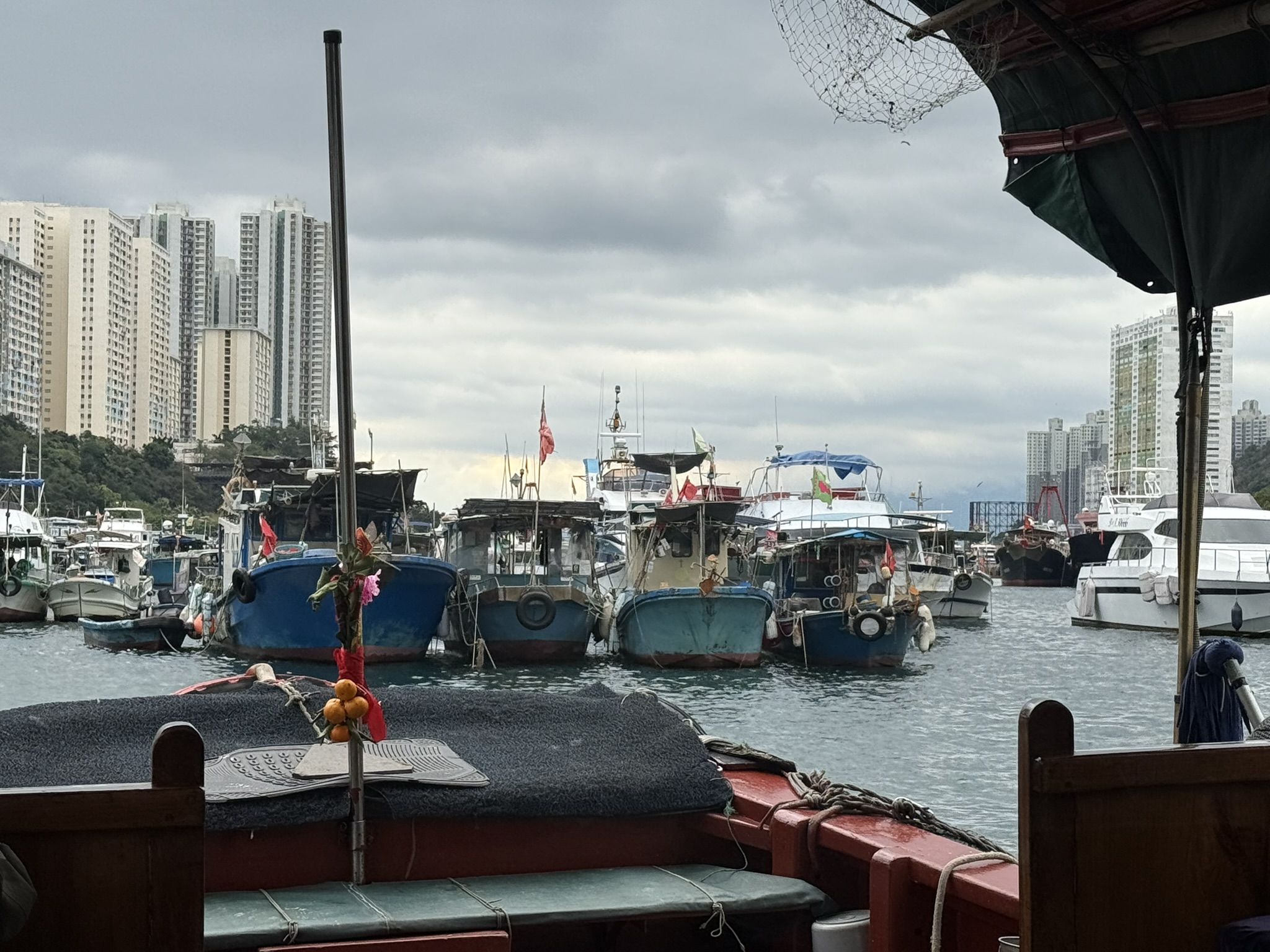
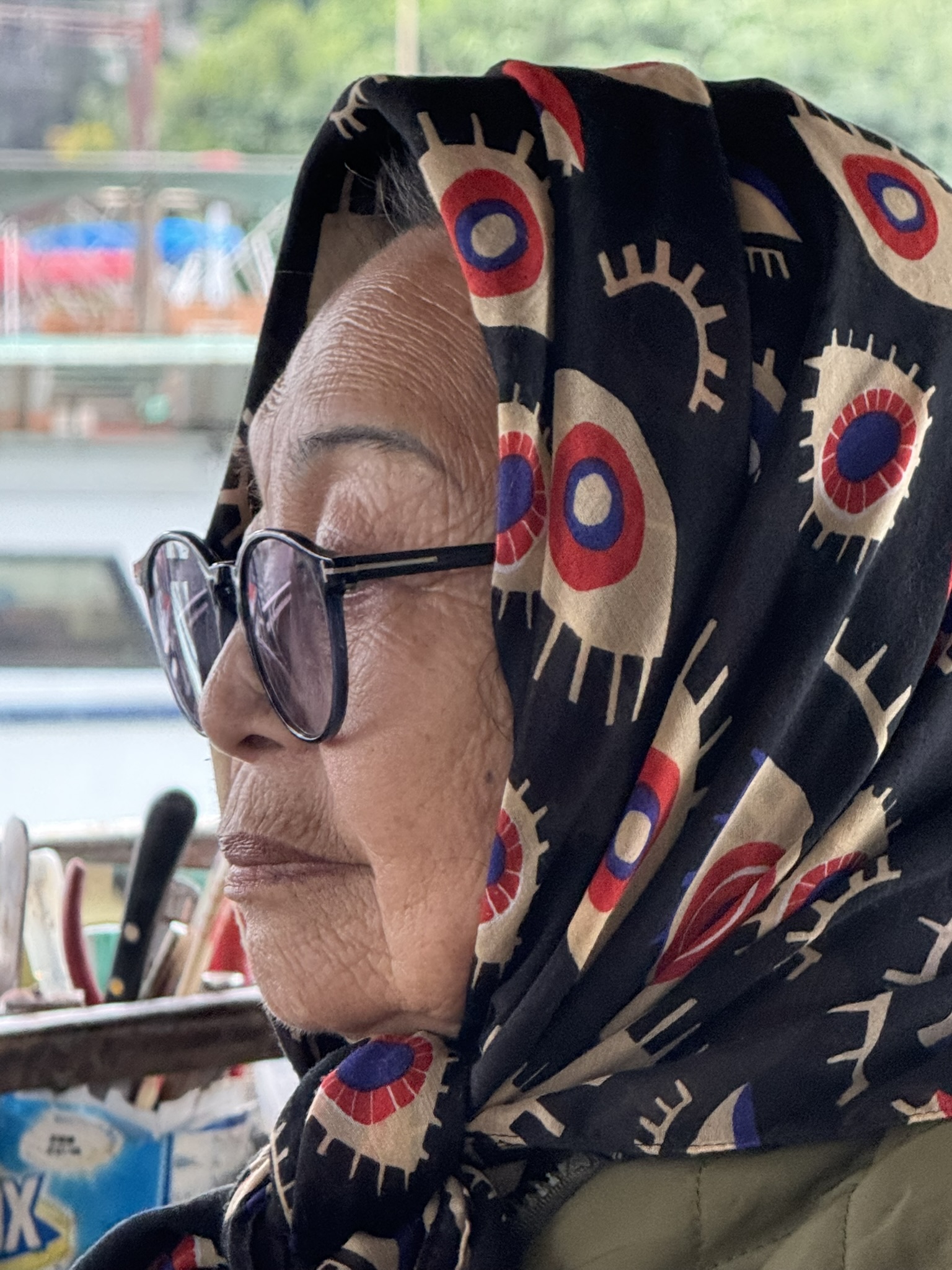
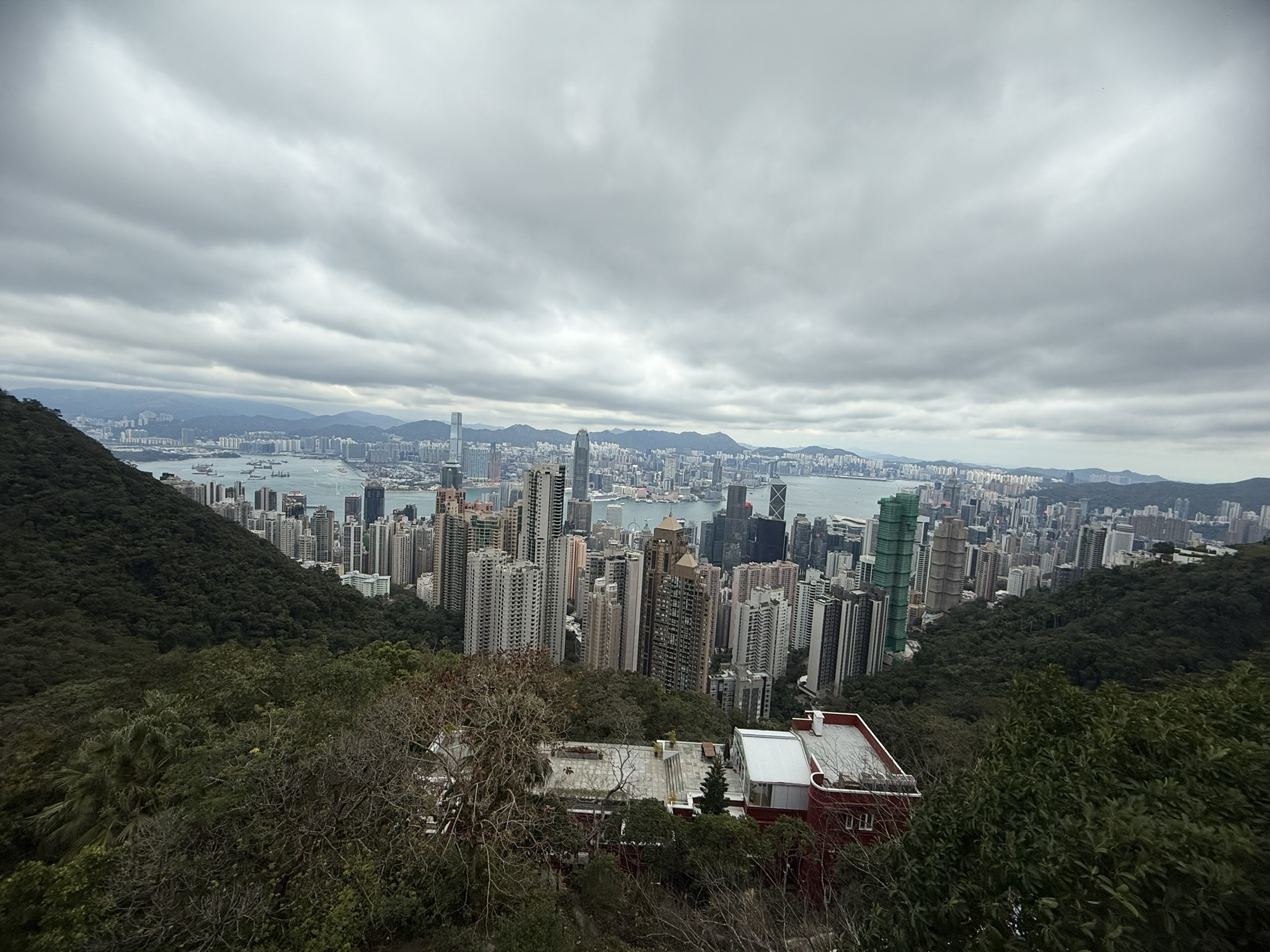
Blown away at the top of Victoria Peak! Another bus, another day, another fun trip with our new friends, Paul and Sherrill. Our actual first stop was the Stanley Market where Michael and I always enjoy traveling to every time we came to Hong Kong. From our berth in Kowloon, the bus took a tunnel under the water to get to Hong Kong Island and Stanley is on the other side of this small island. After perusing the market, we went to Genki Sushi or the Aberdeen area and took a water taxi around a little harbor. We loved our captain’s head scarf!
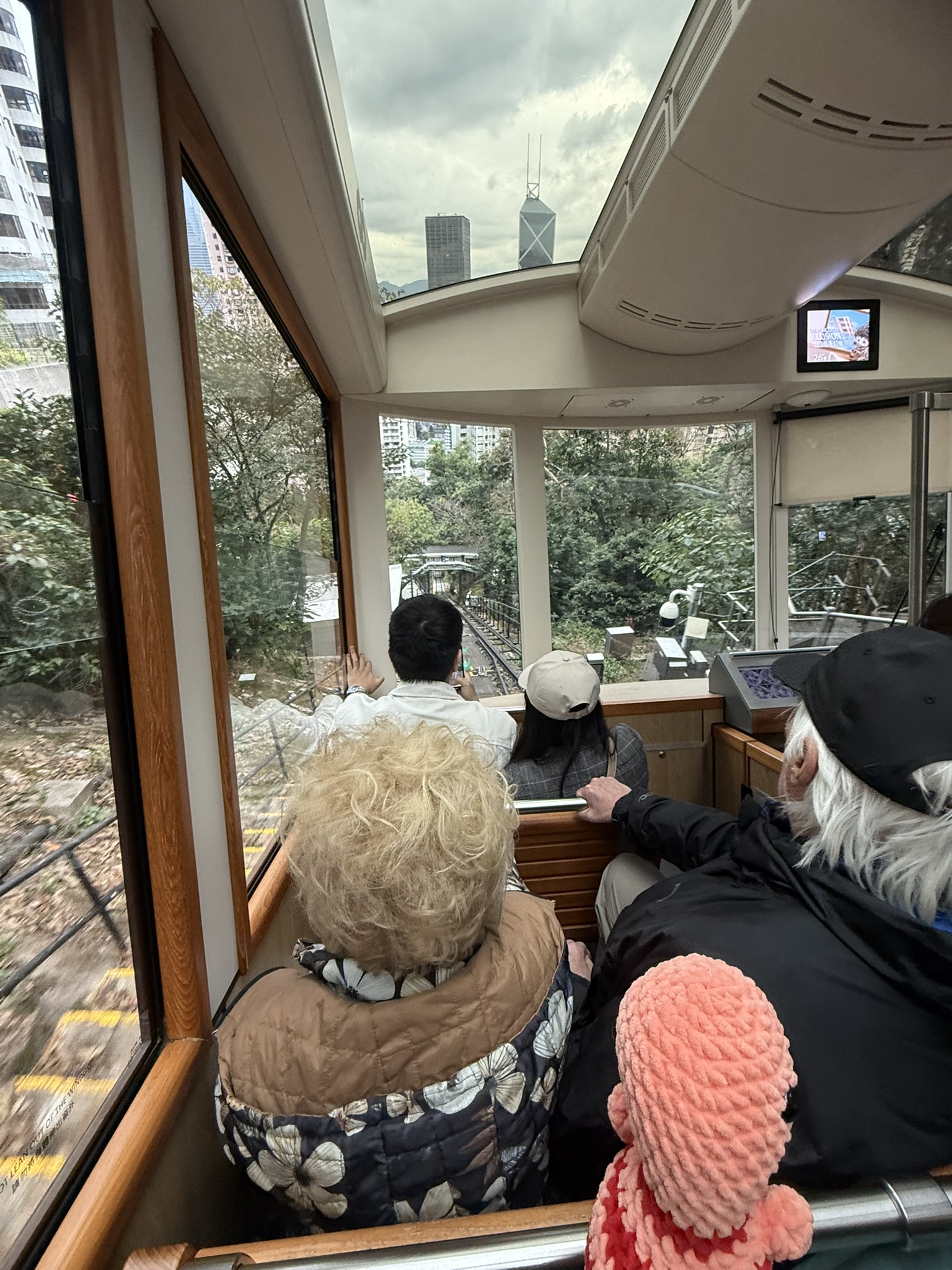
Haru enjoyed the steep ride down the cable car from the top of Victoria Peak which was crowded due to the upcoming New Year and extremely windy. The clouds did make for a unique photo of Hong Kong…
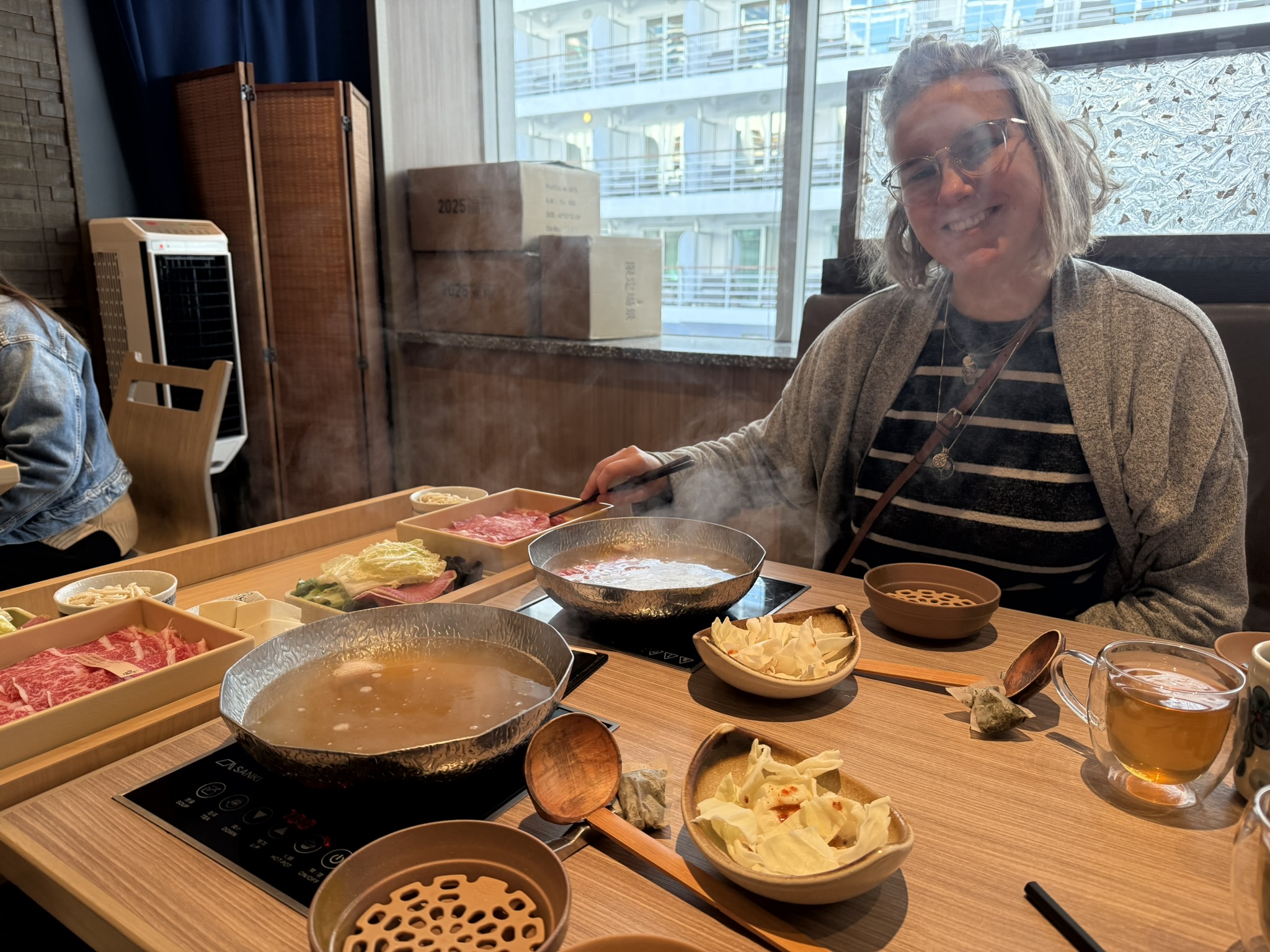
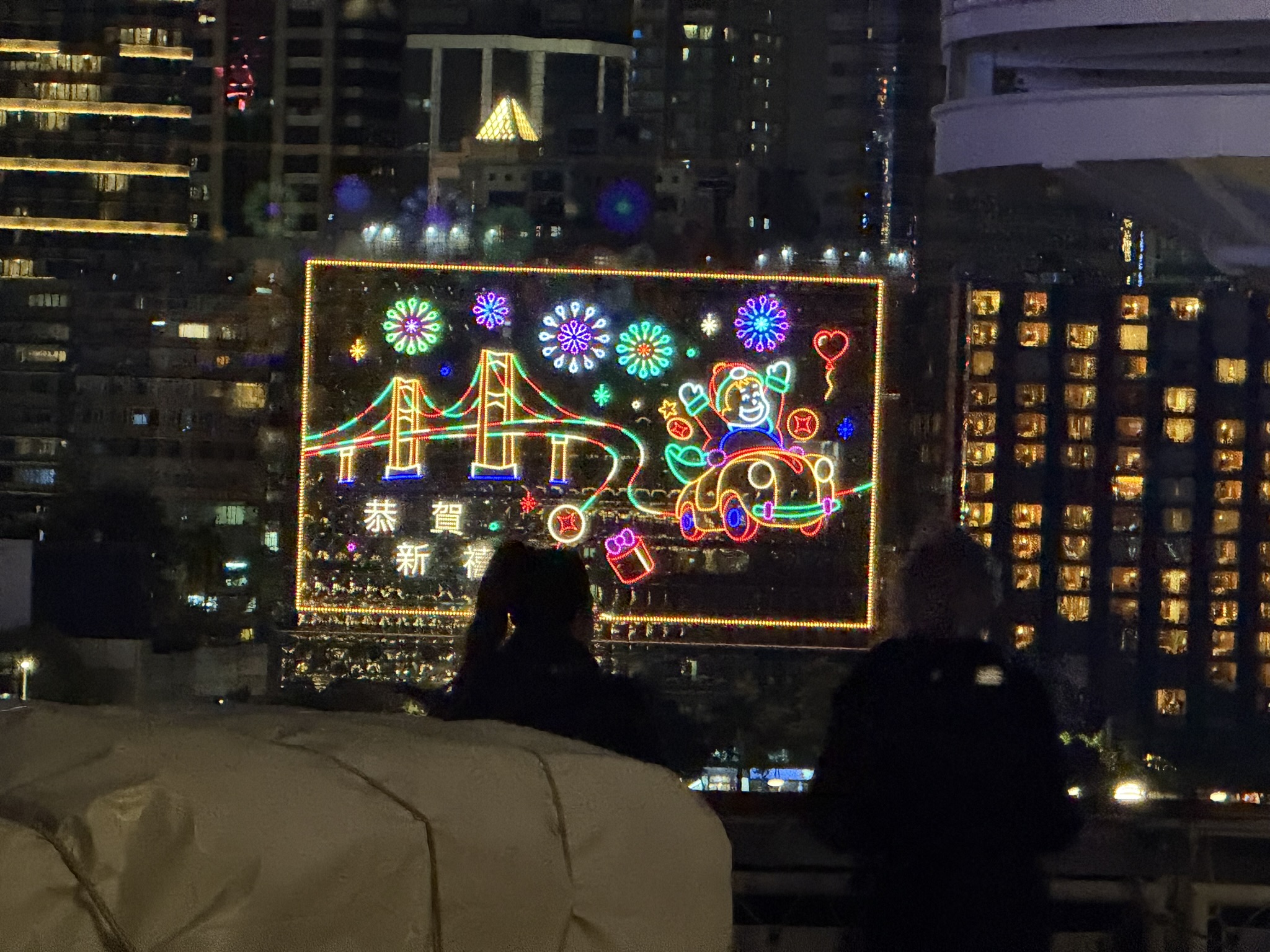
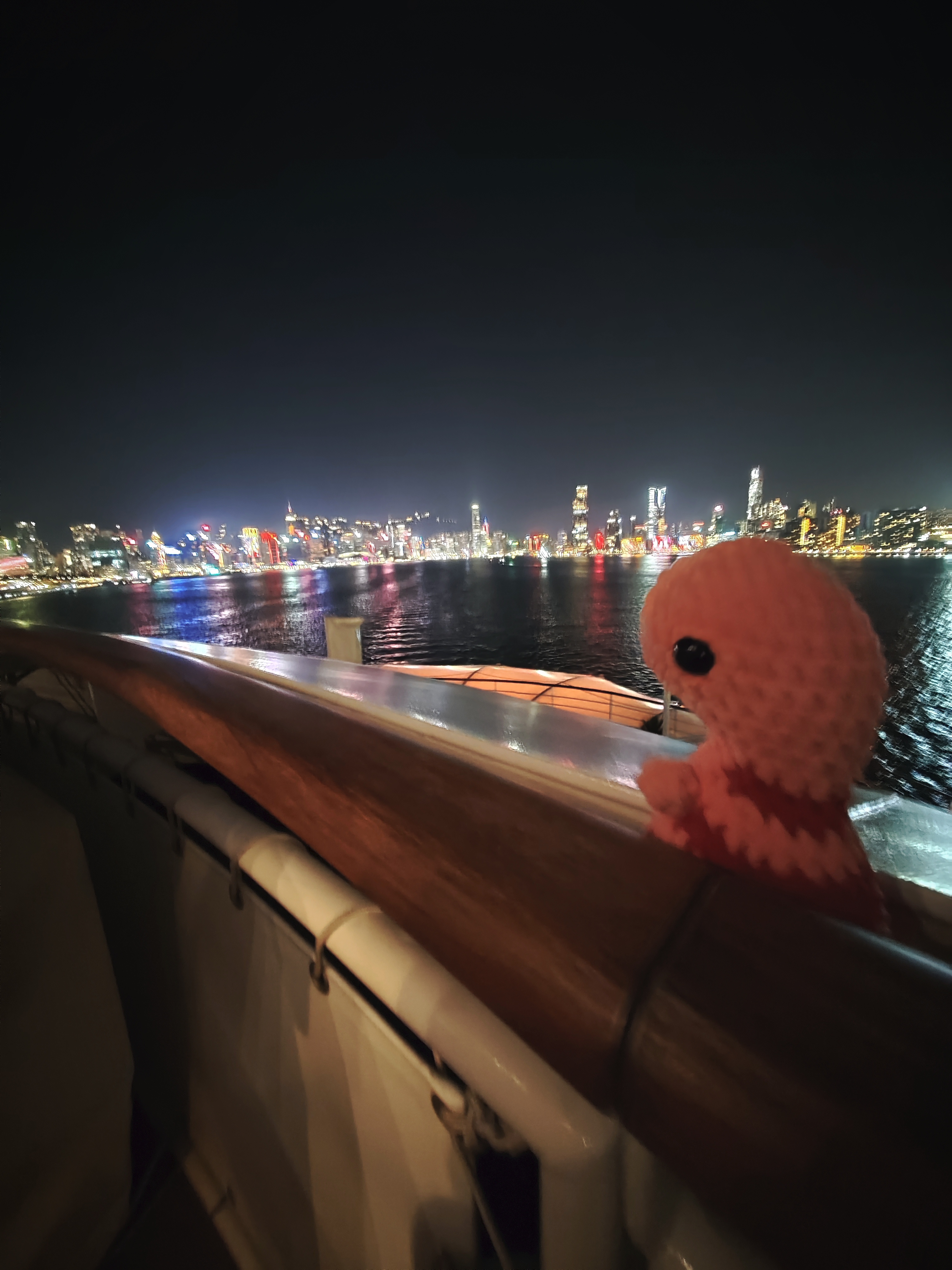
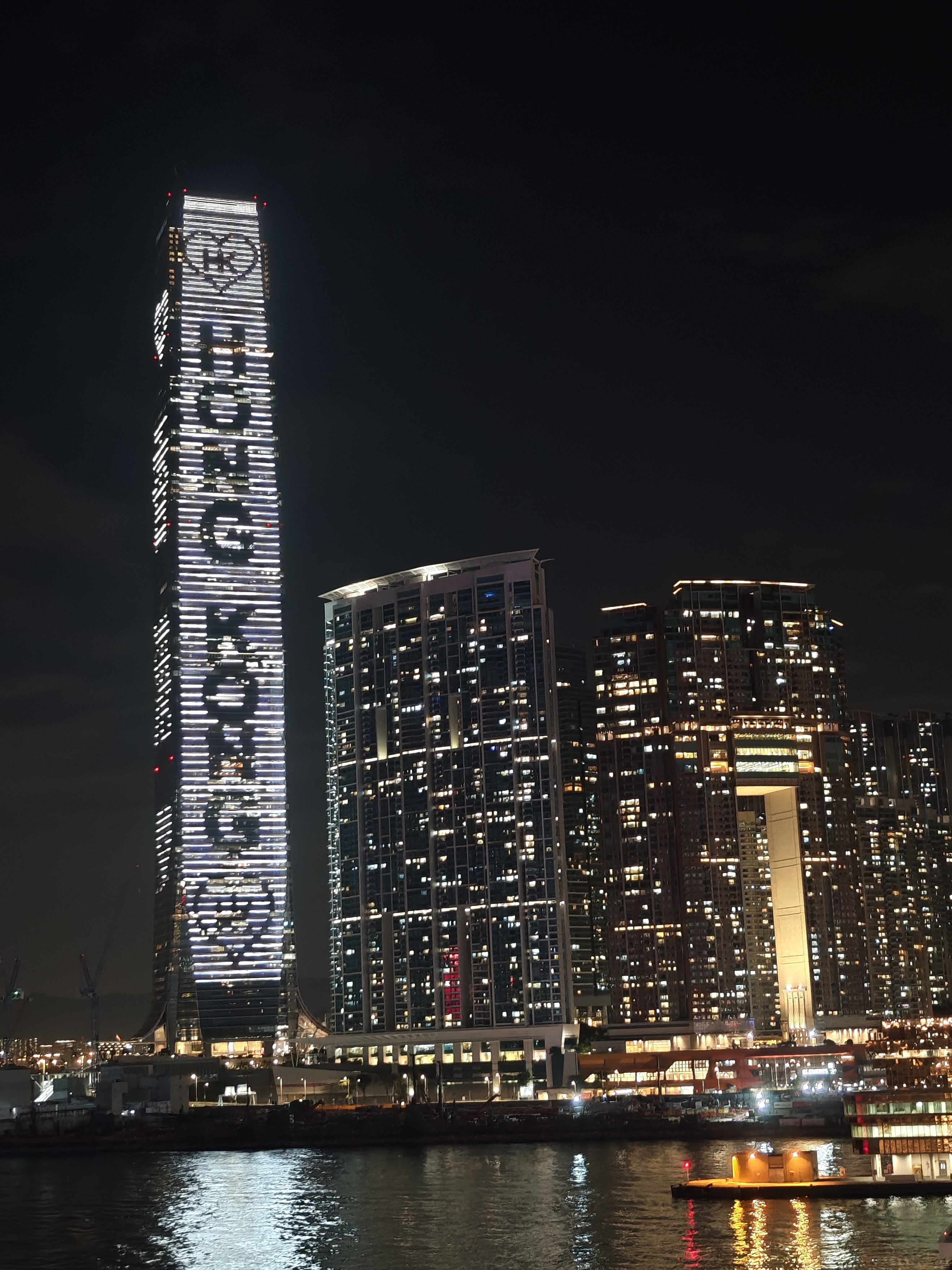
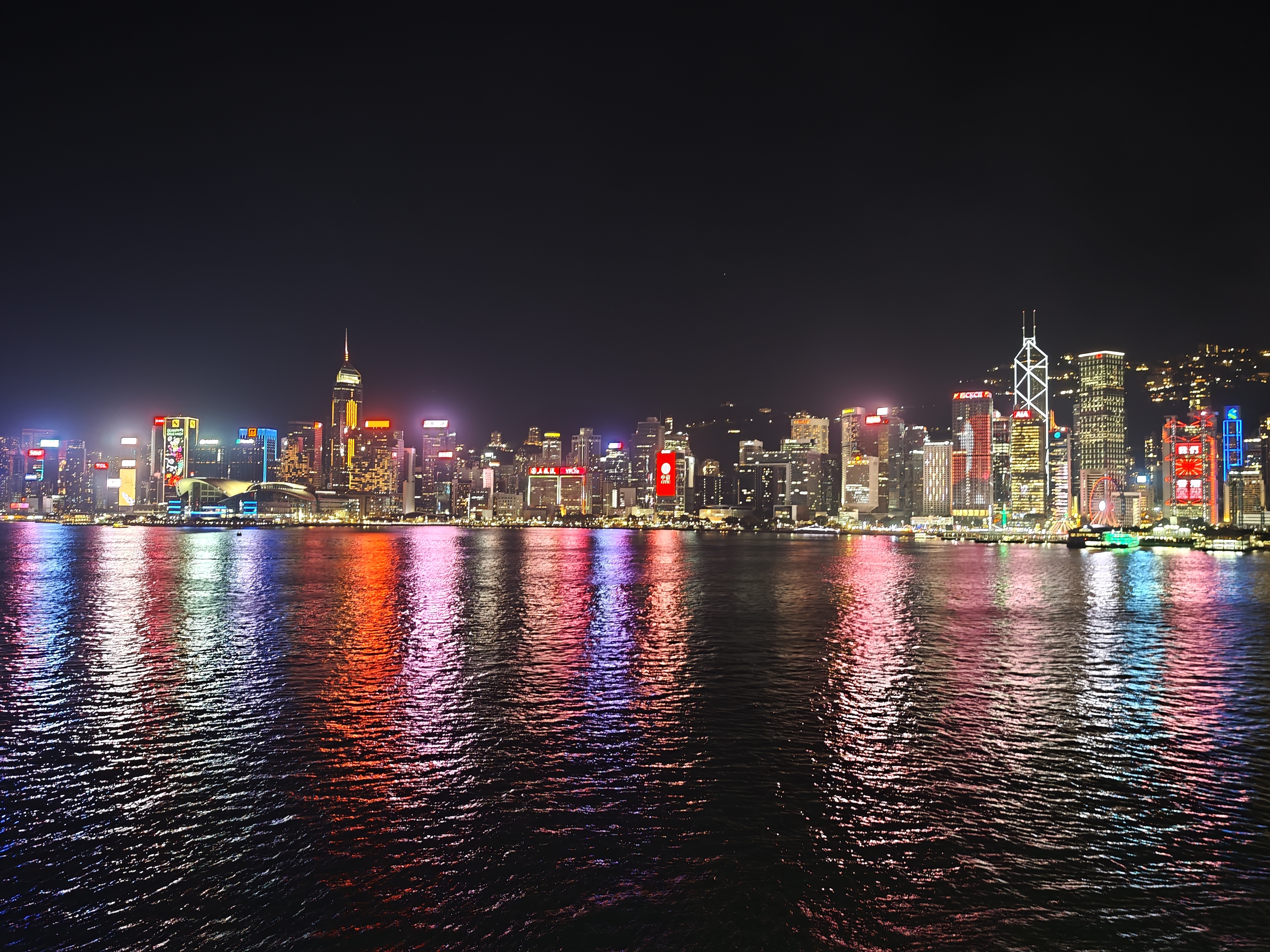
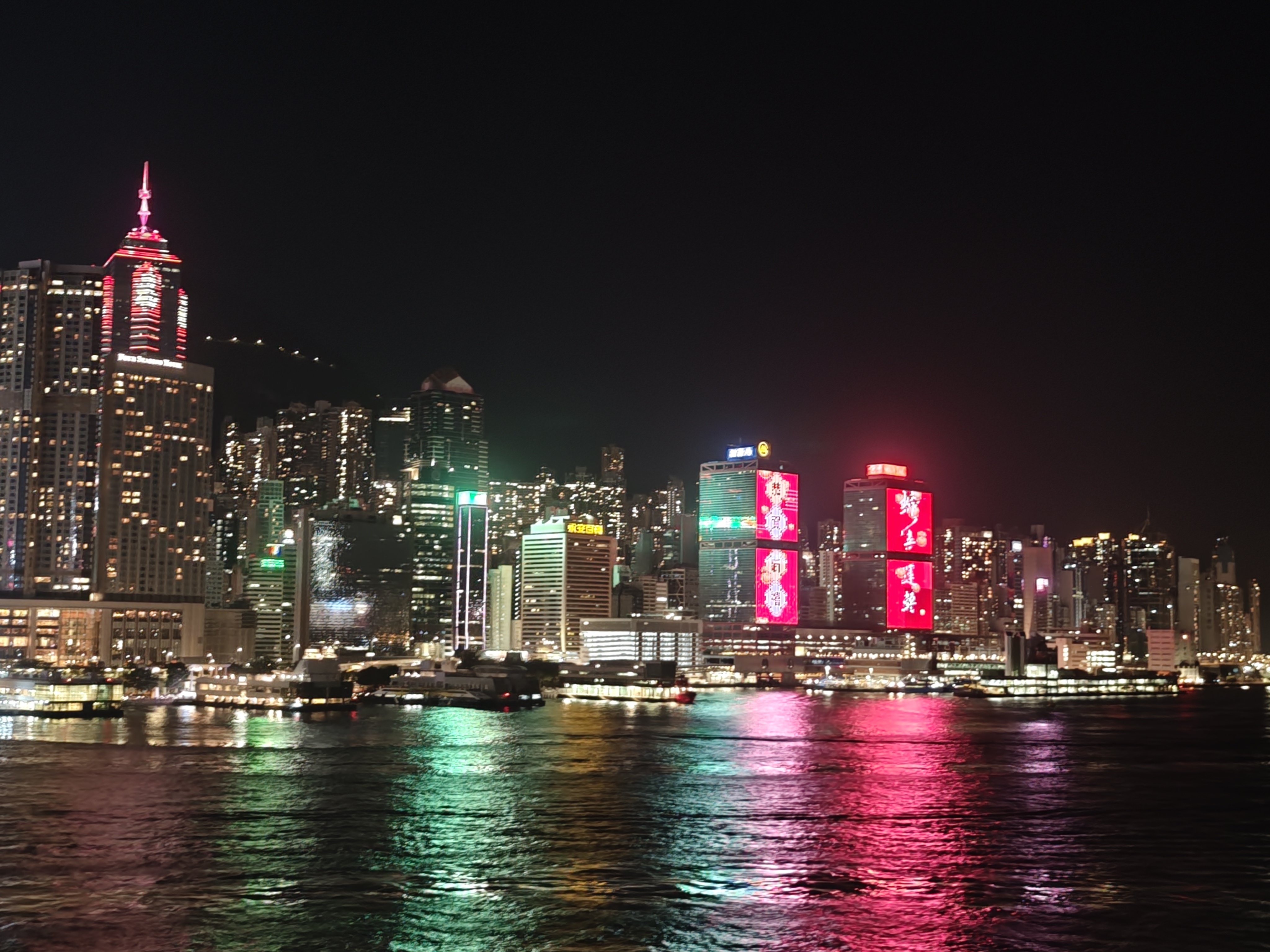
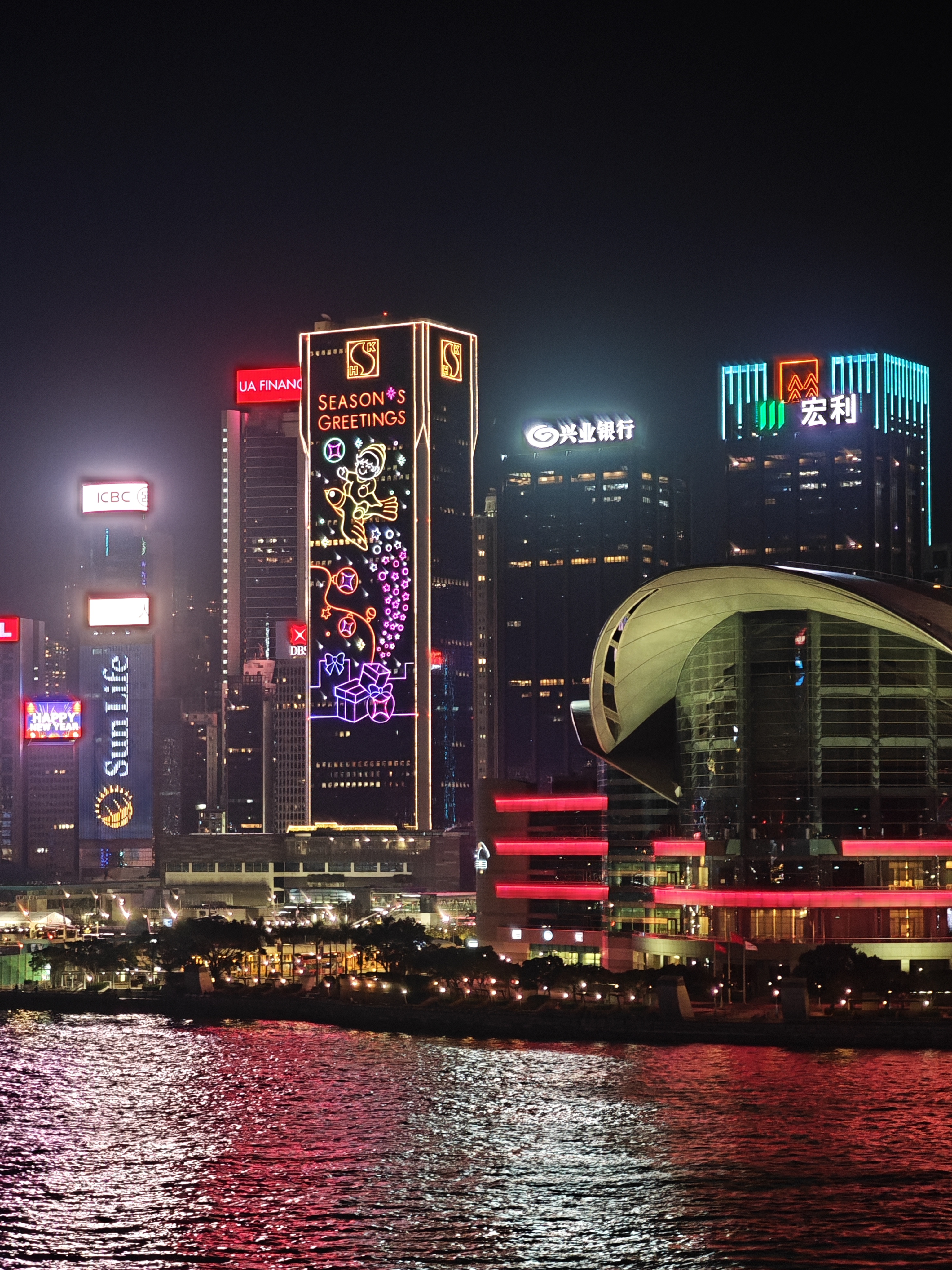
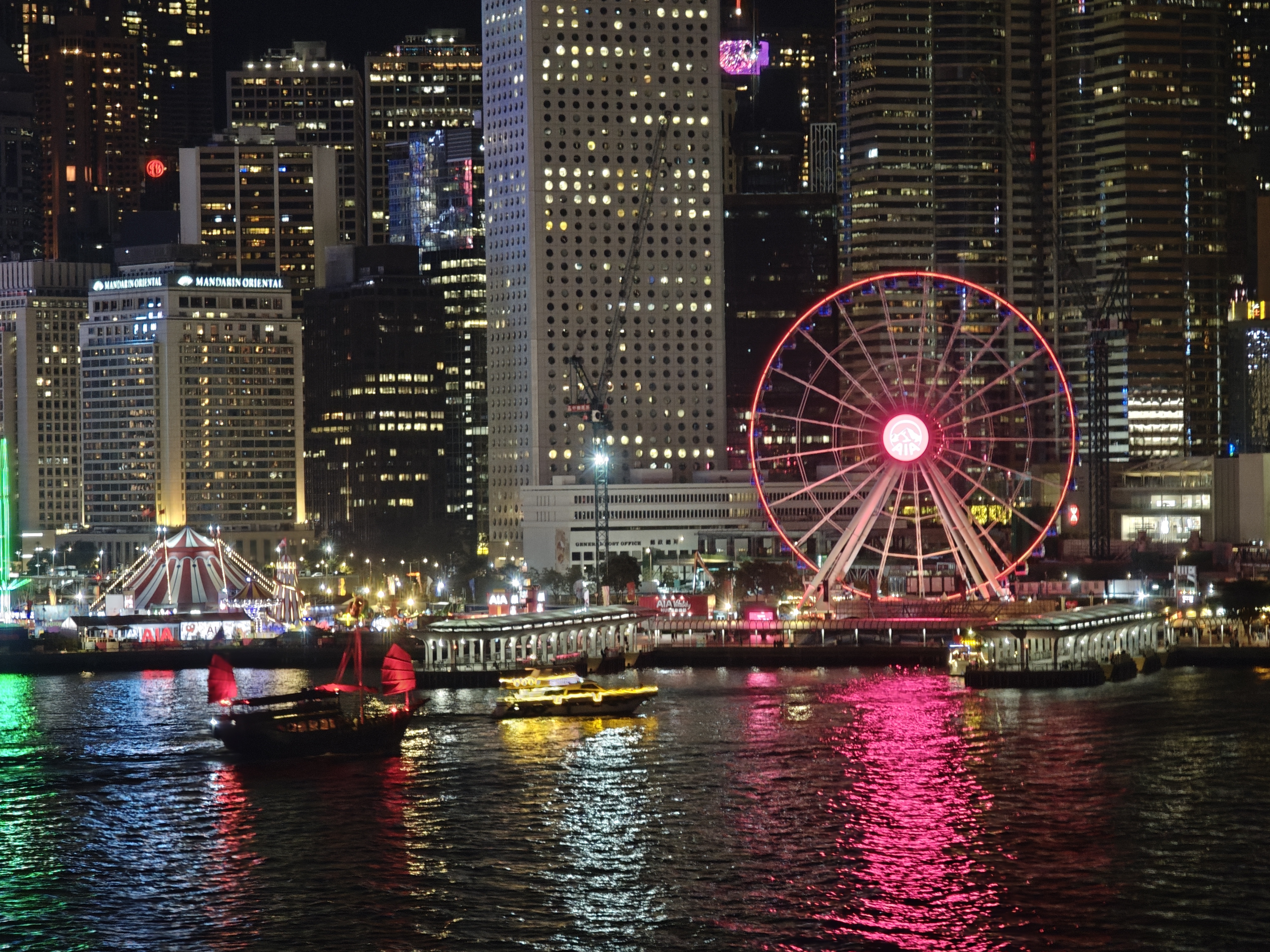
The next day, Larkin and I visited the mall near the port. We shared another Shabu Shabu meal, this one being a little different from our meal in Japan. We arrived early in the lunch hour and when we left it was packed with locals. Like Xiamen, the Hong Kong folks love their buildings with creative lighting. As we sailed away the lights were surrounding us as we enjoyed them from the pool deck during our sail away!
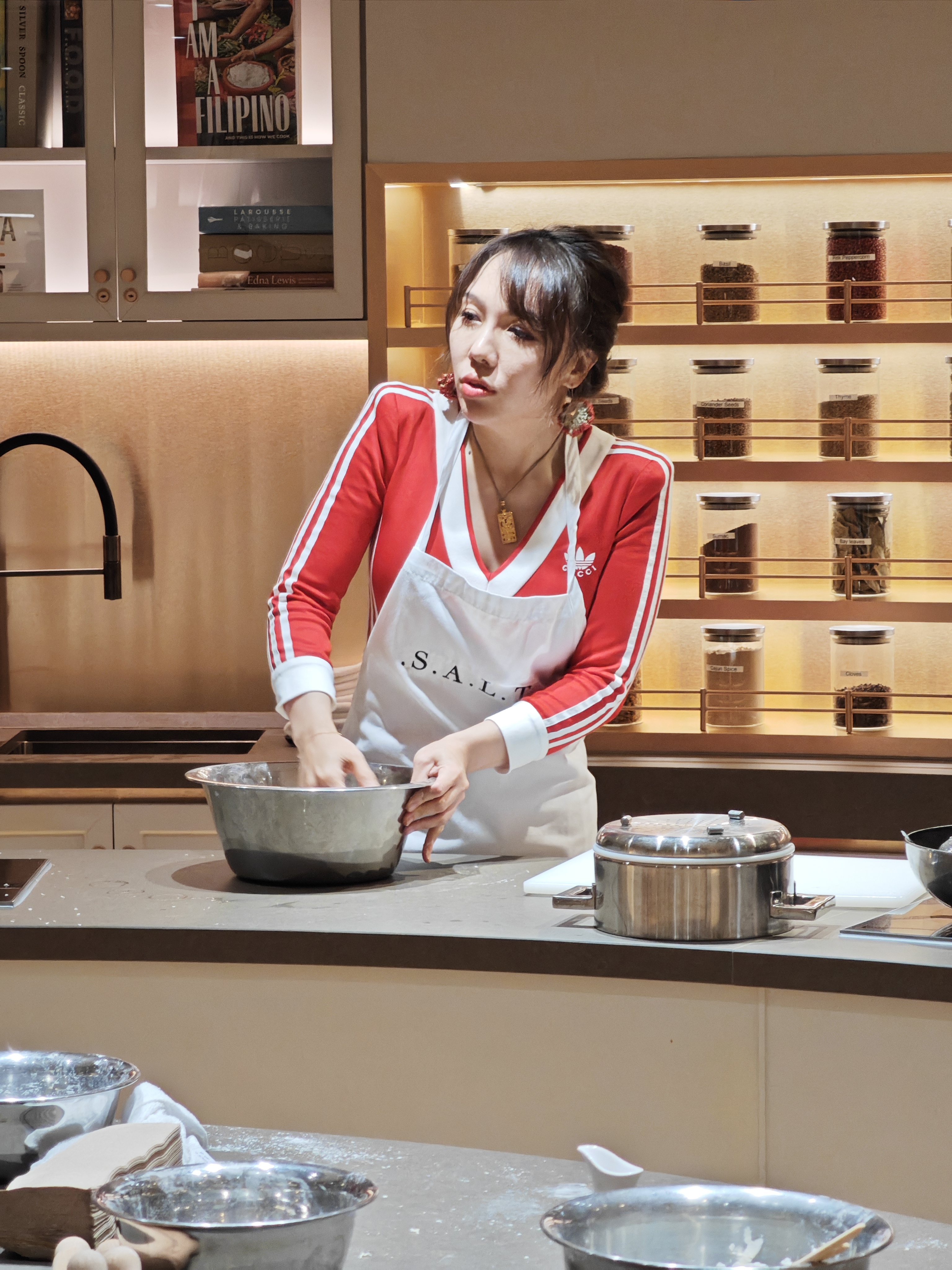
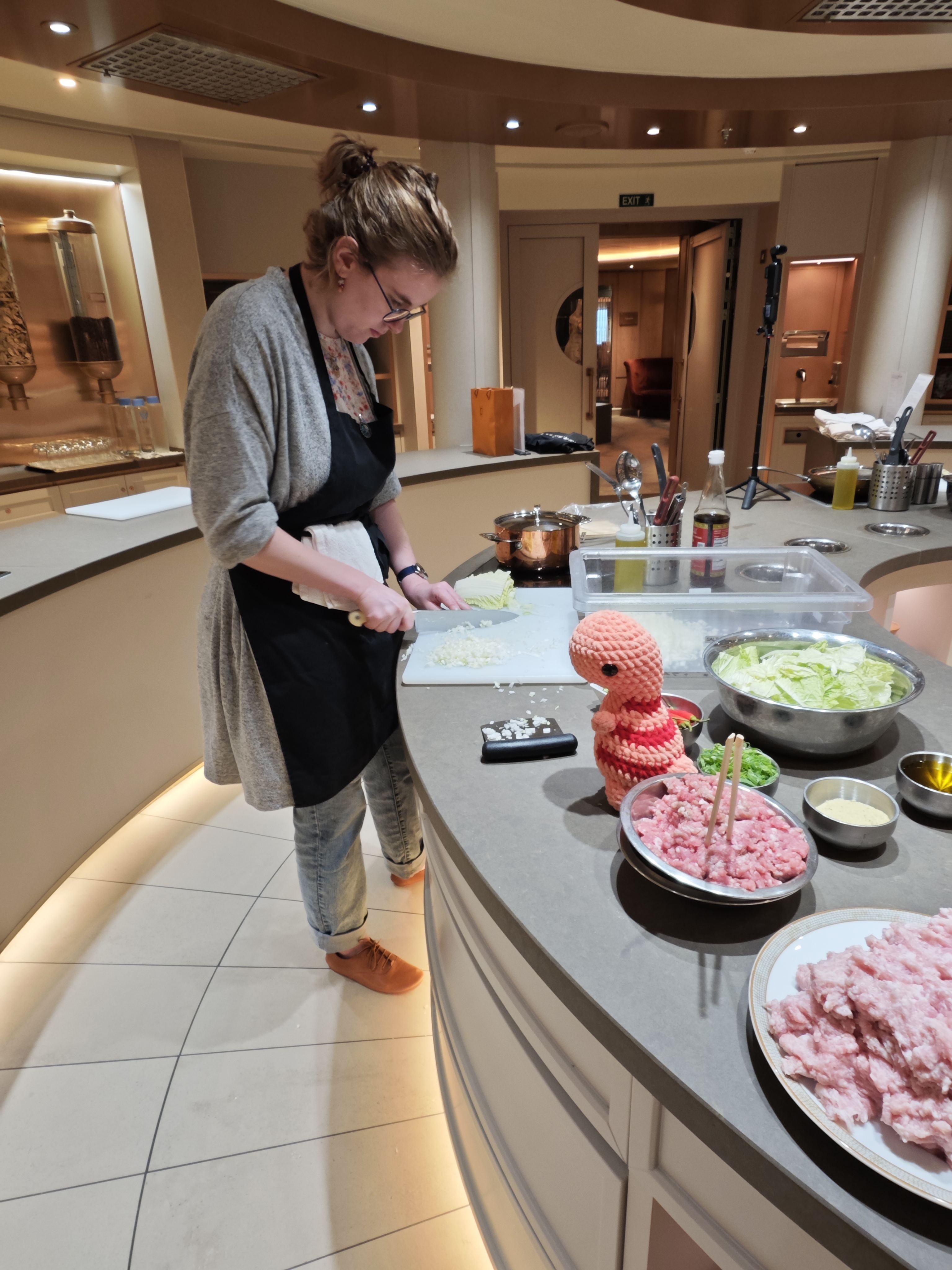
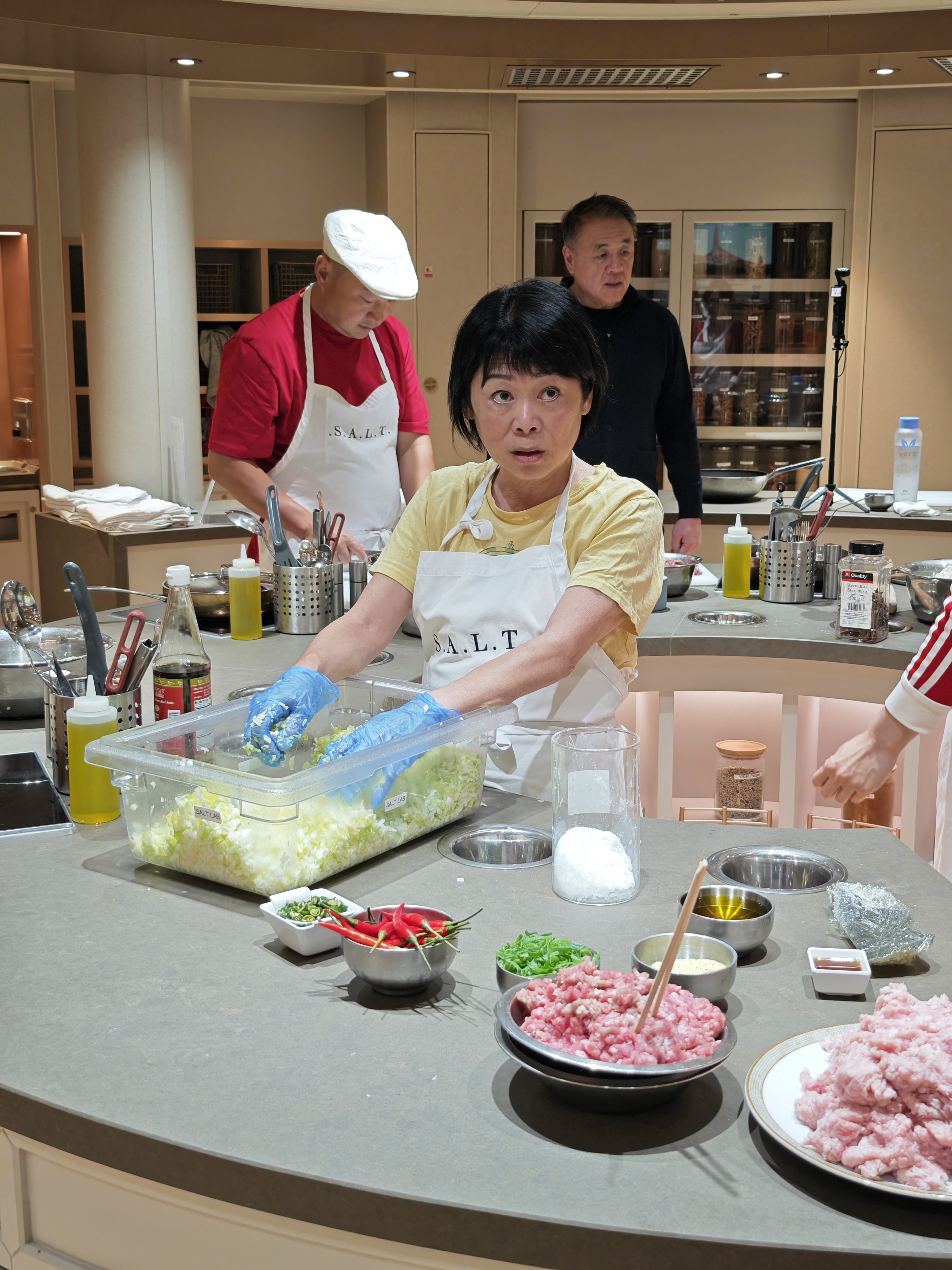
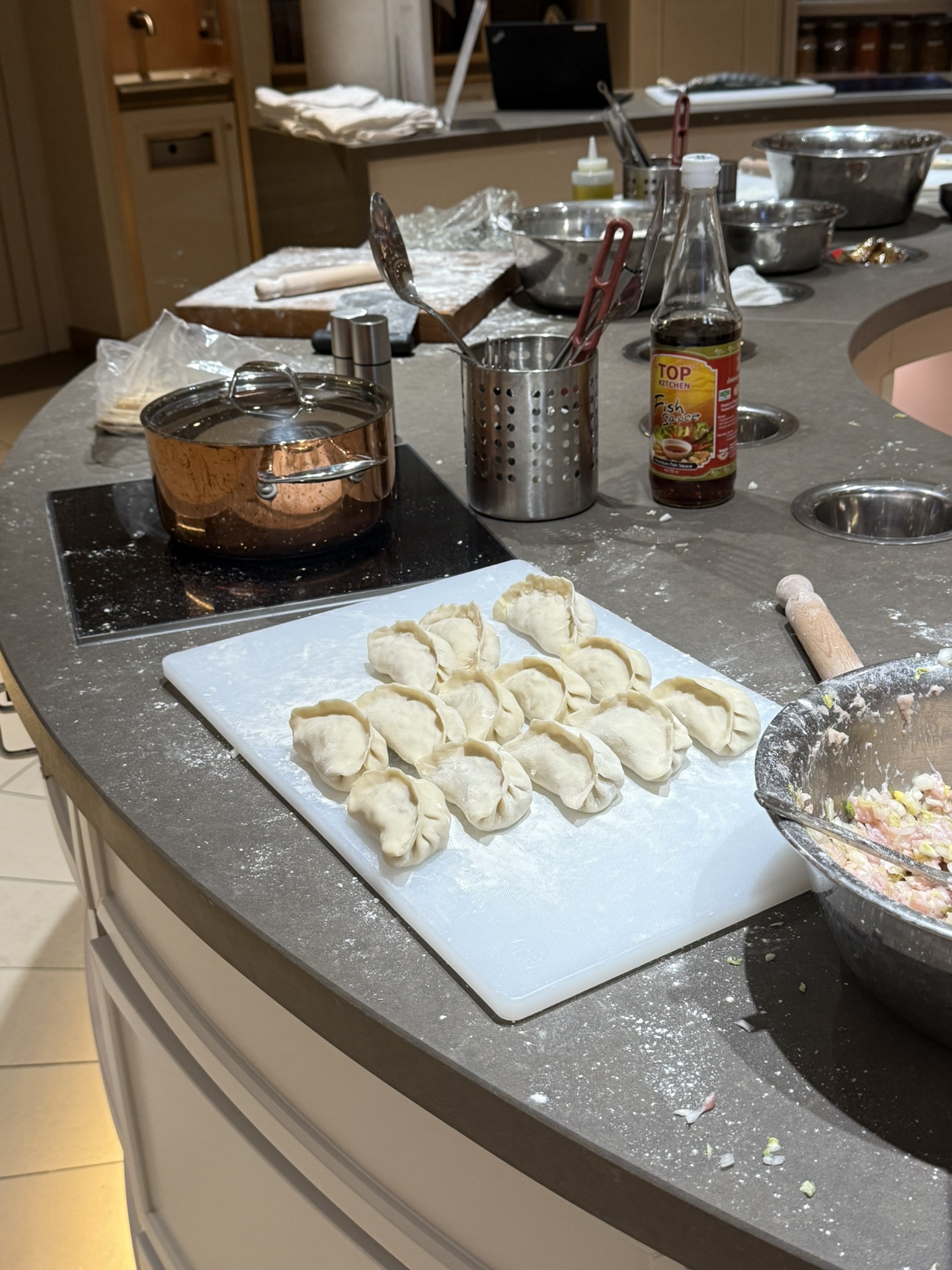
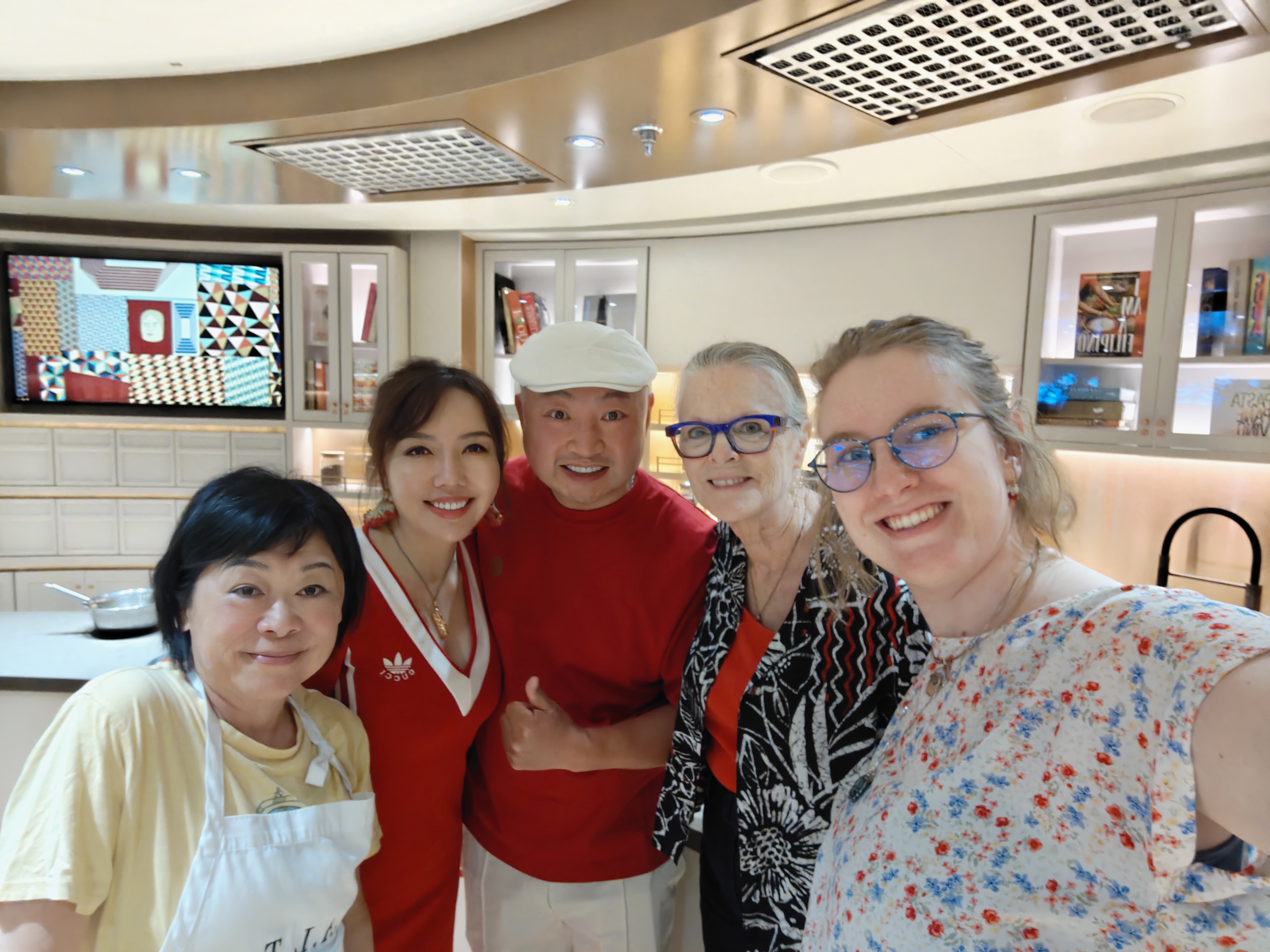
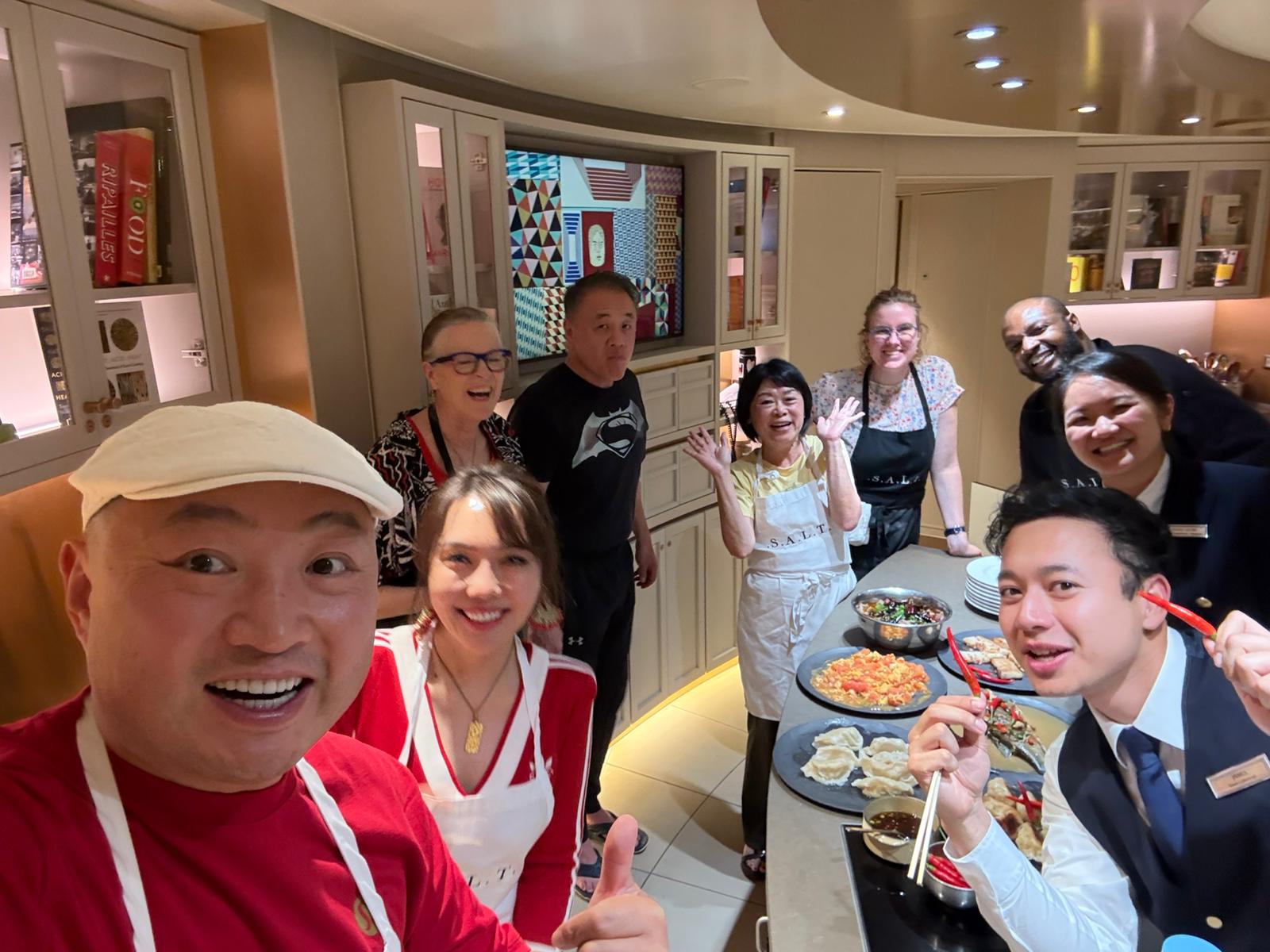
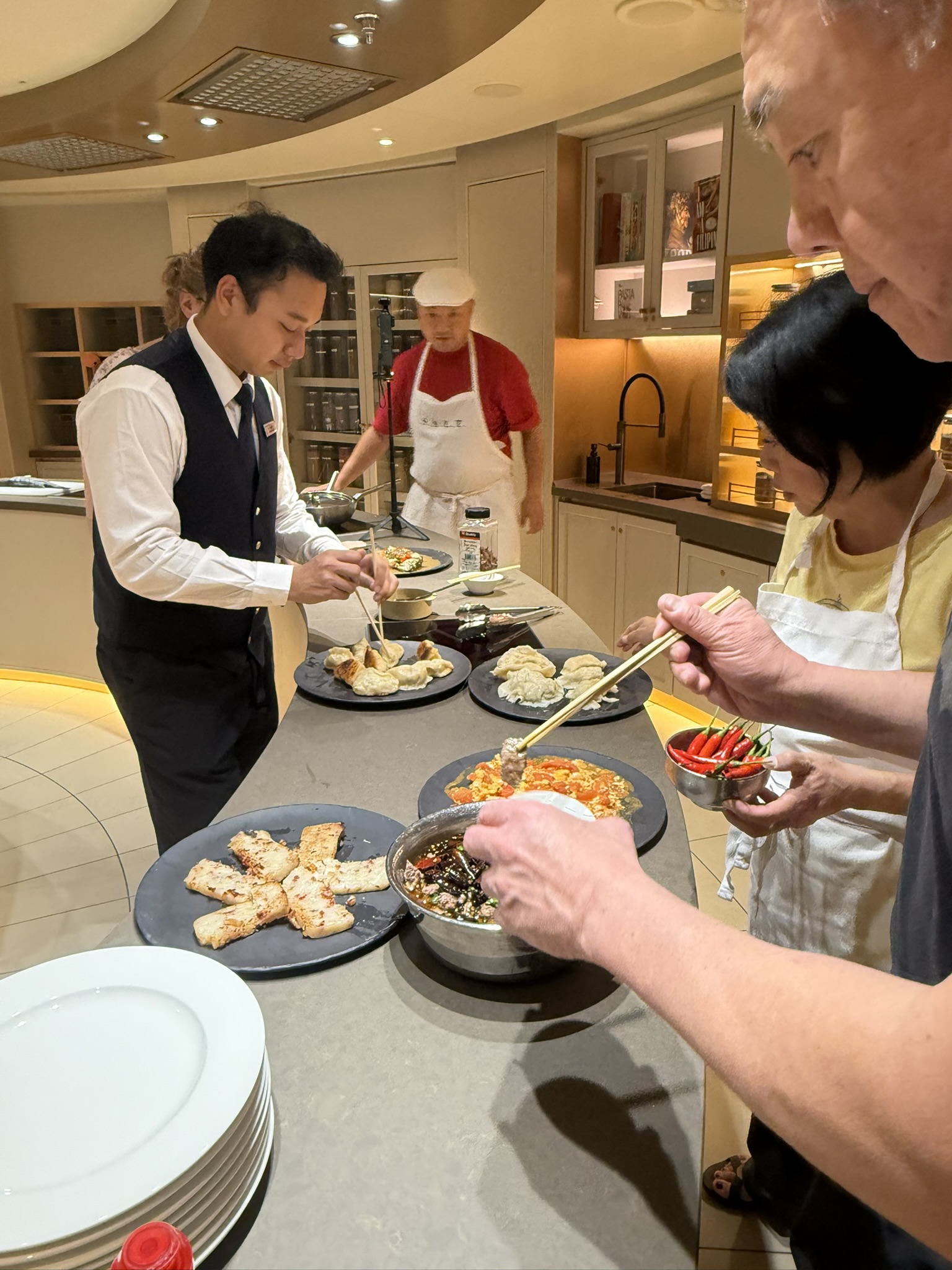
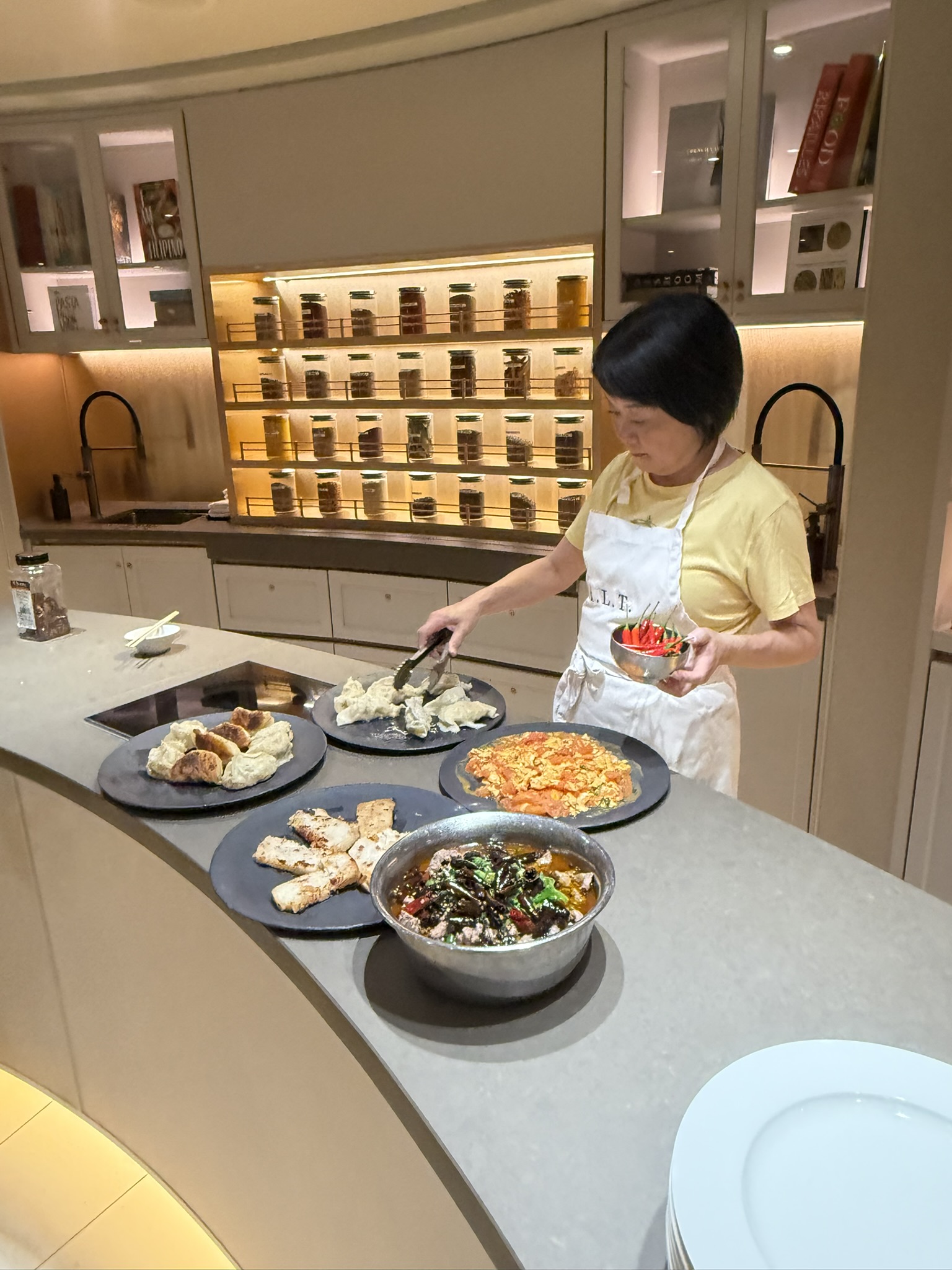
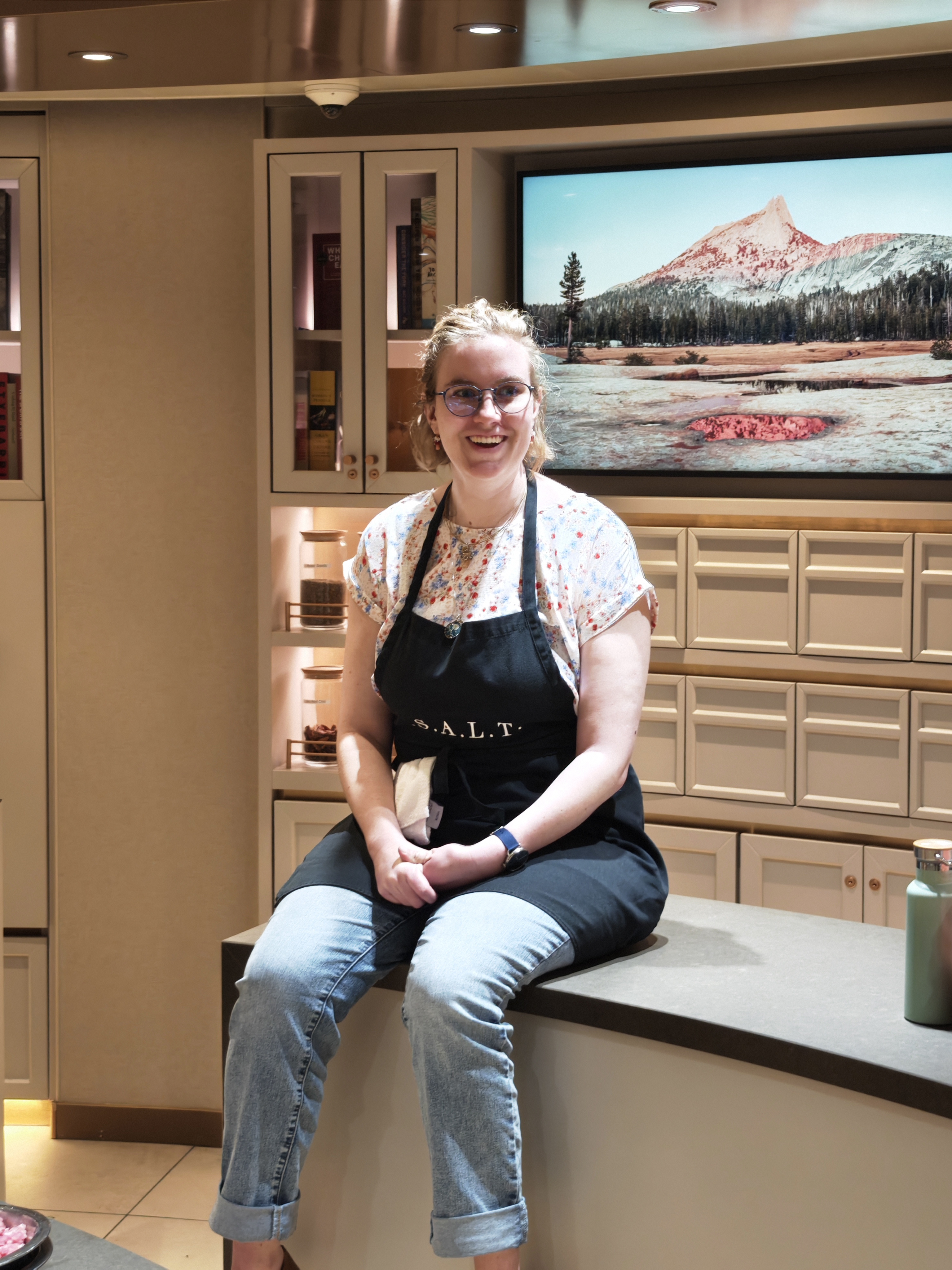
Chinese New Year must start with Chinese New Year Eve. Luckily we were invited to share in a cooking demonstration in the Salt Lab that Lucy set up to have traditional dumplings on New Years Eve. Lucy taught us the right consistency for the dough as we did it right then and there and its yeast did its thing while we got the cabbage ready to mix with the sausage. It was the largest cabbage I’d ever seen! Lucy taught us how to get the cabbage cut in green and white segments, adding salt and letting it sit then squeezing it out! Ning was working on the dough, her hubby Weiwen made traditional whole fish, beef, and egg with tomato dishes as they are both from China.
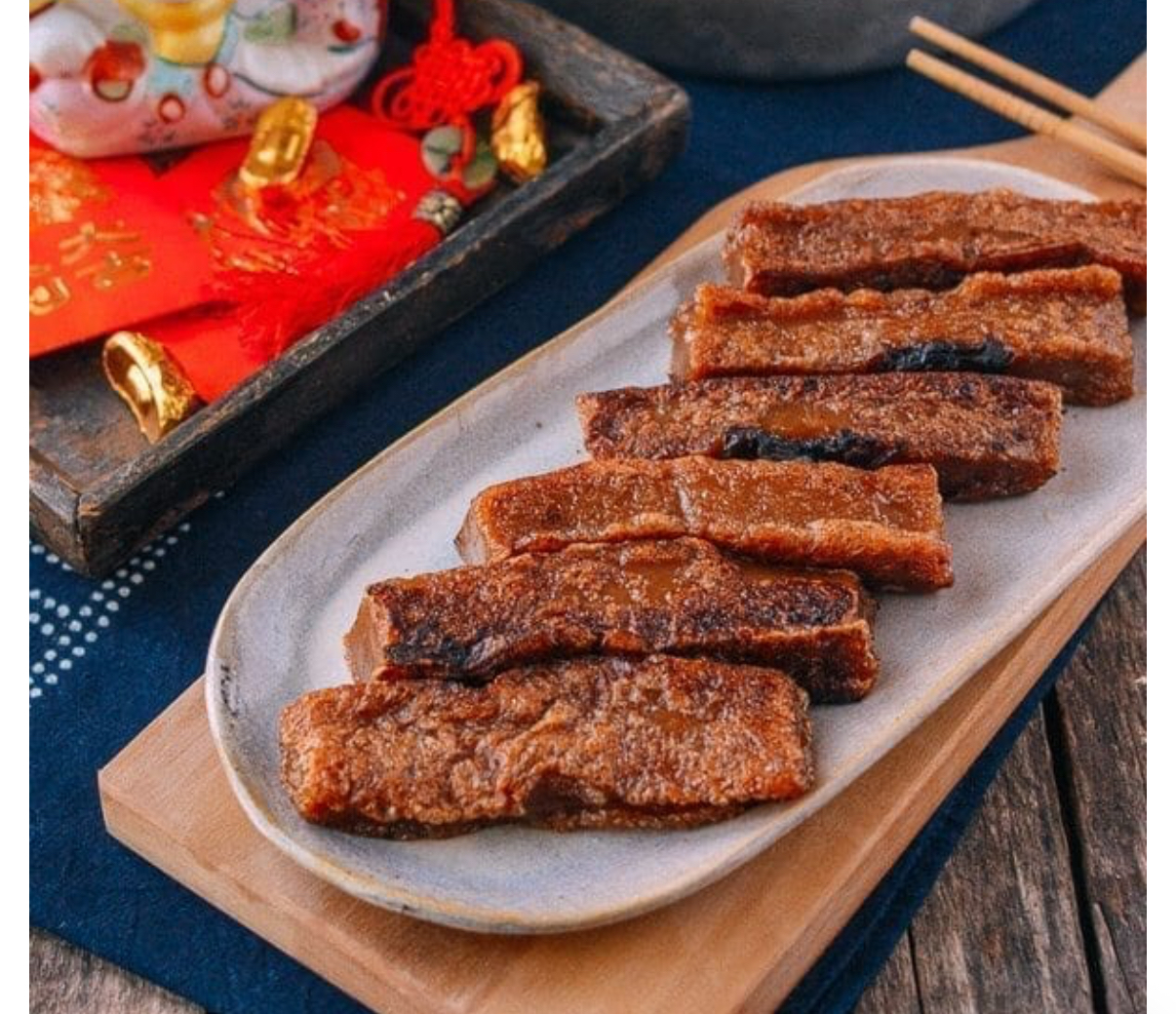
Chris cooked the dumplings showing us how to cook them through by adding cold water three times as it comes back to a boil. That is the only way the pork gets cooked through! Lucy did the same dumplings as potstickers! The meal was stunning…dessert was a special sweet rice cake I believe called nian gao. Chris and Lucy bought some in China as they knew the best producer. It is sliced up and fried after dipped in egg or flour or just all on its own. I enjoyed the simple one with all the caramelized sugar! I forgot photos so took one off the internet.
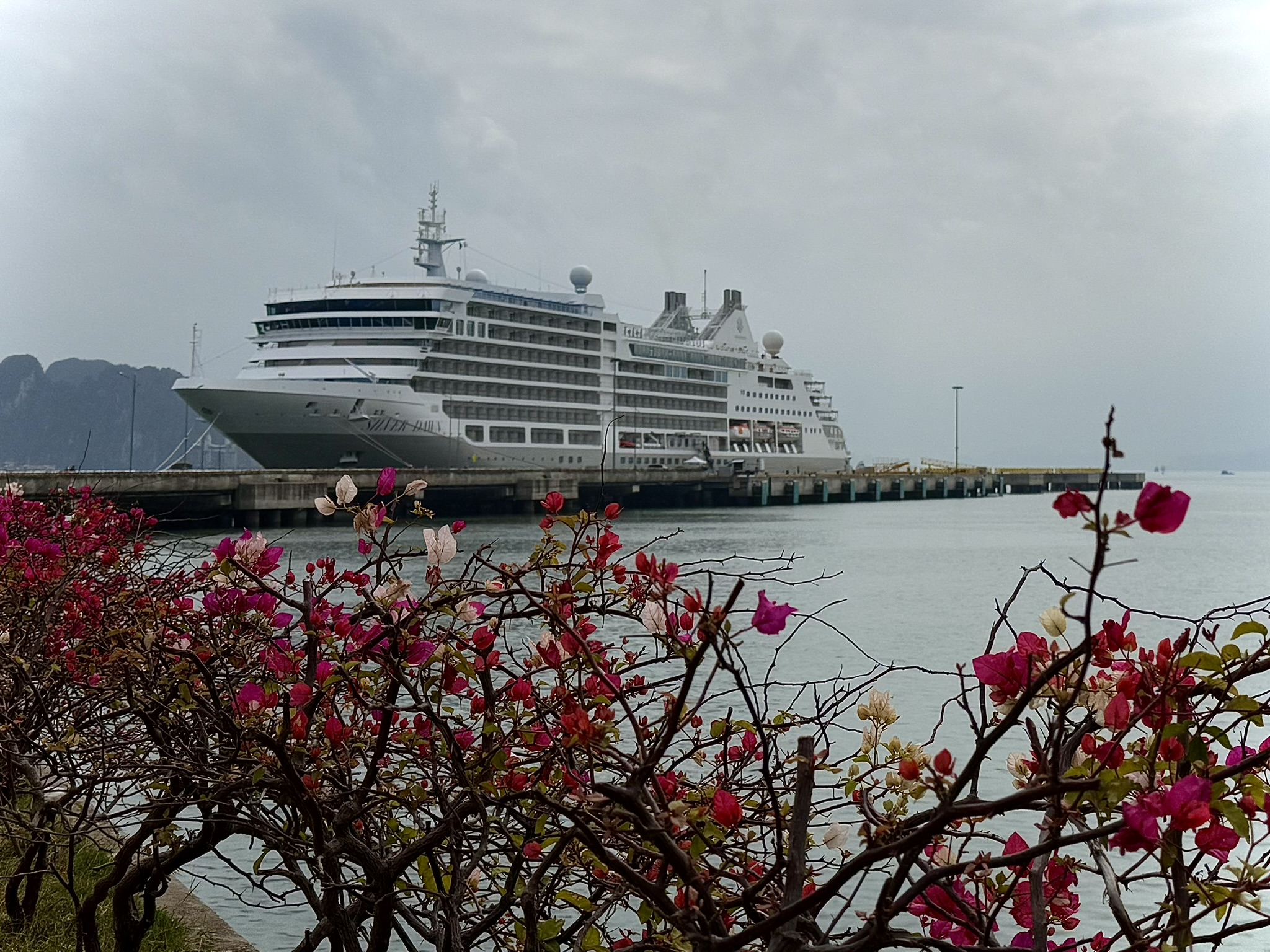
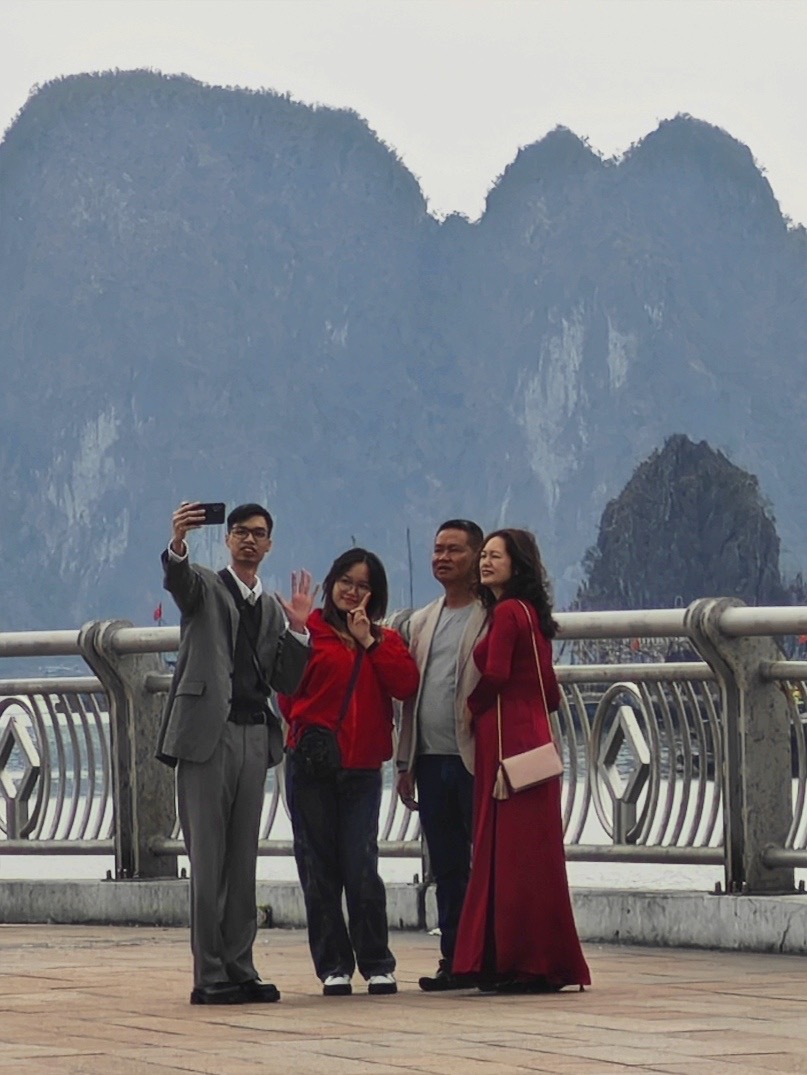
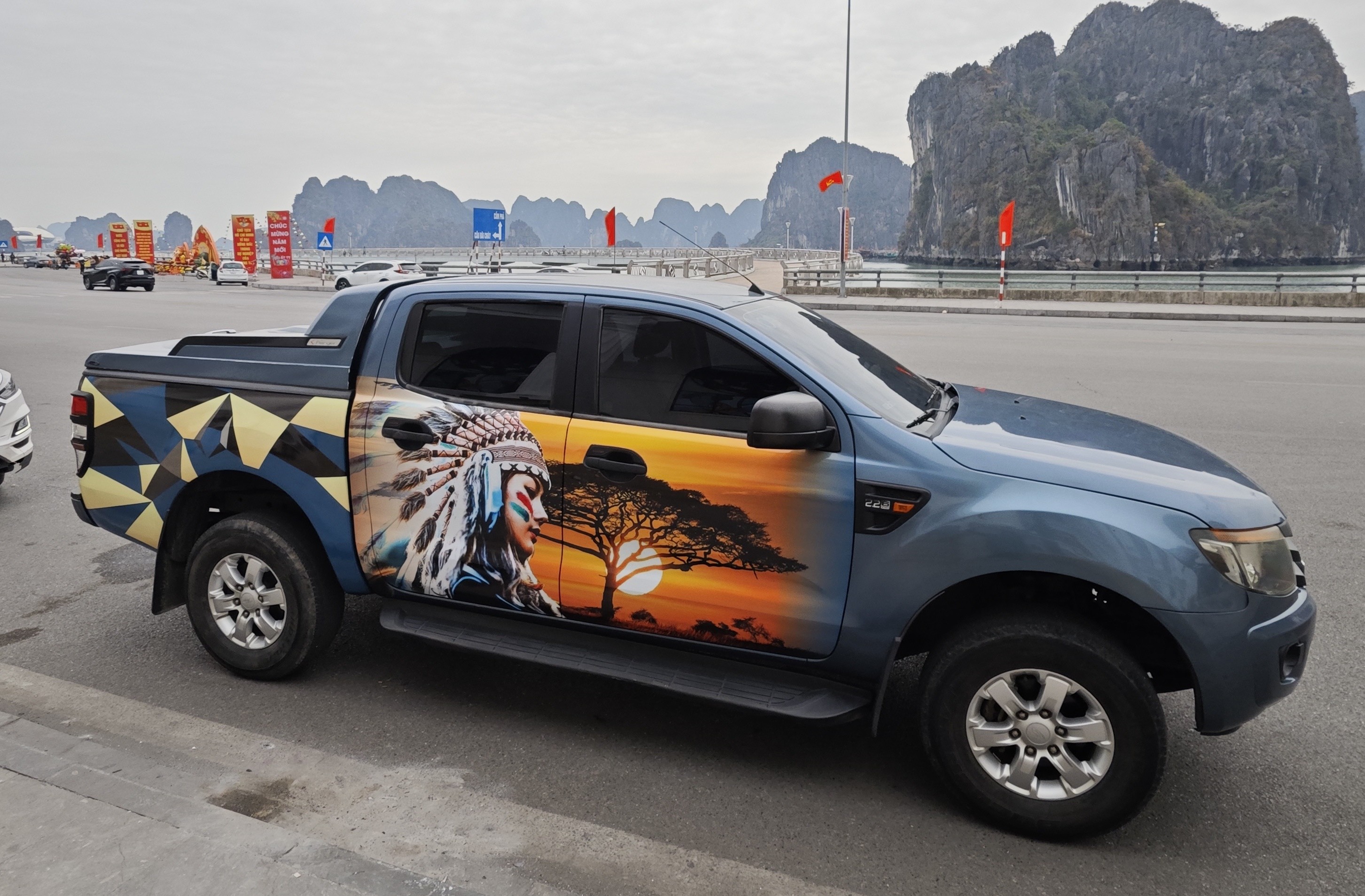
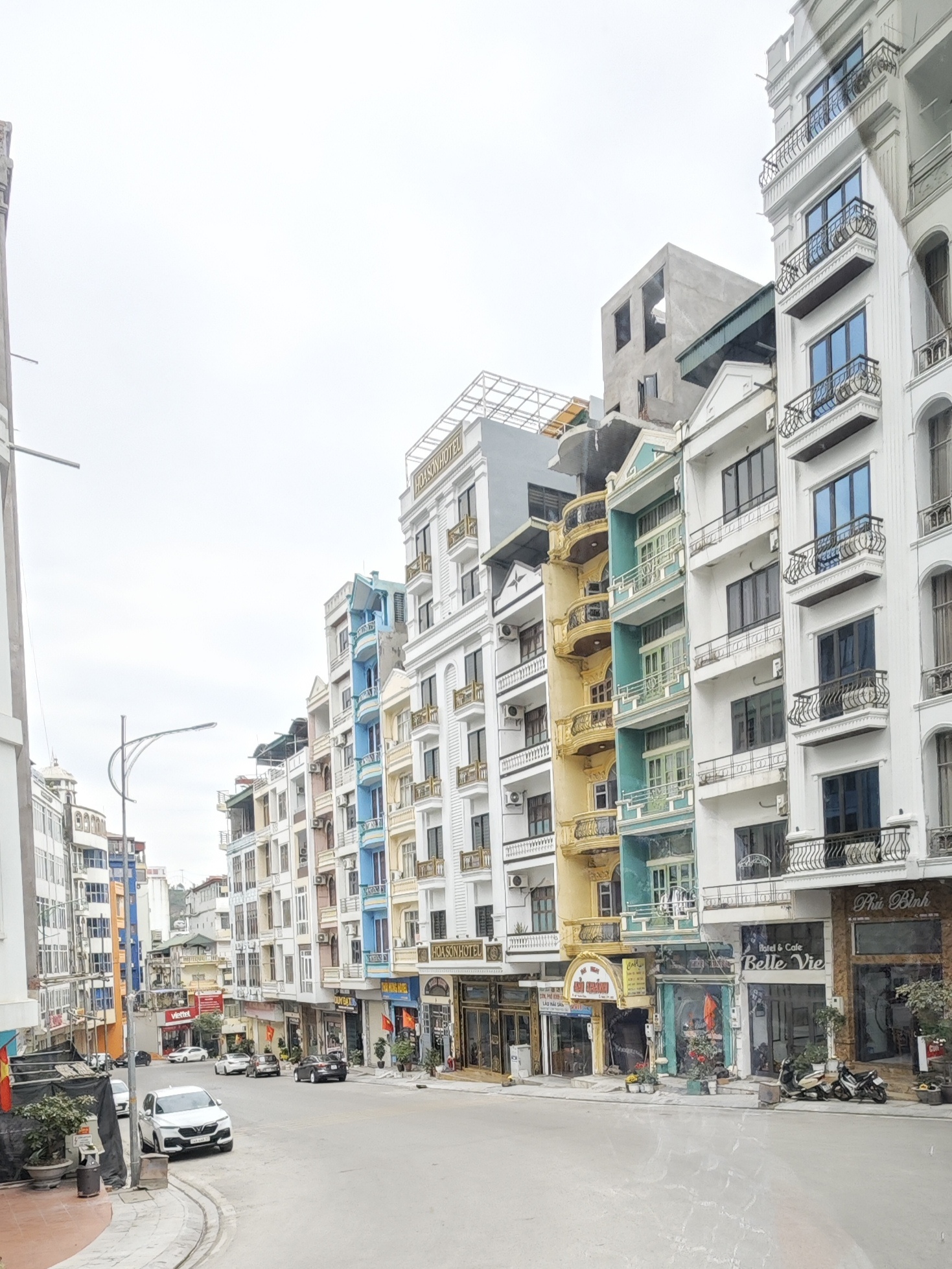
It was a blessing to have a meal like this with friends on a special day that they’ve always celebrated! This is the year of the wood snake! For the actual New Years, we had sailed into Ha Long Bay and docked on their quietest day of the year. We actually took a bus to the down town area to walk around. The beautiful carsts and folks with their families taking photos while they stroll. As you can see by the empty streets it was the New Year! The Ford truck with a scene out of Africa and a native American in traditional head dress baffled me!
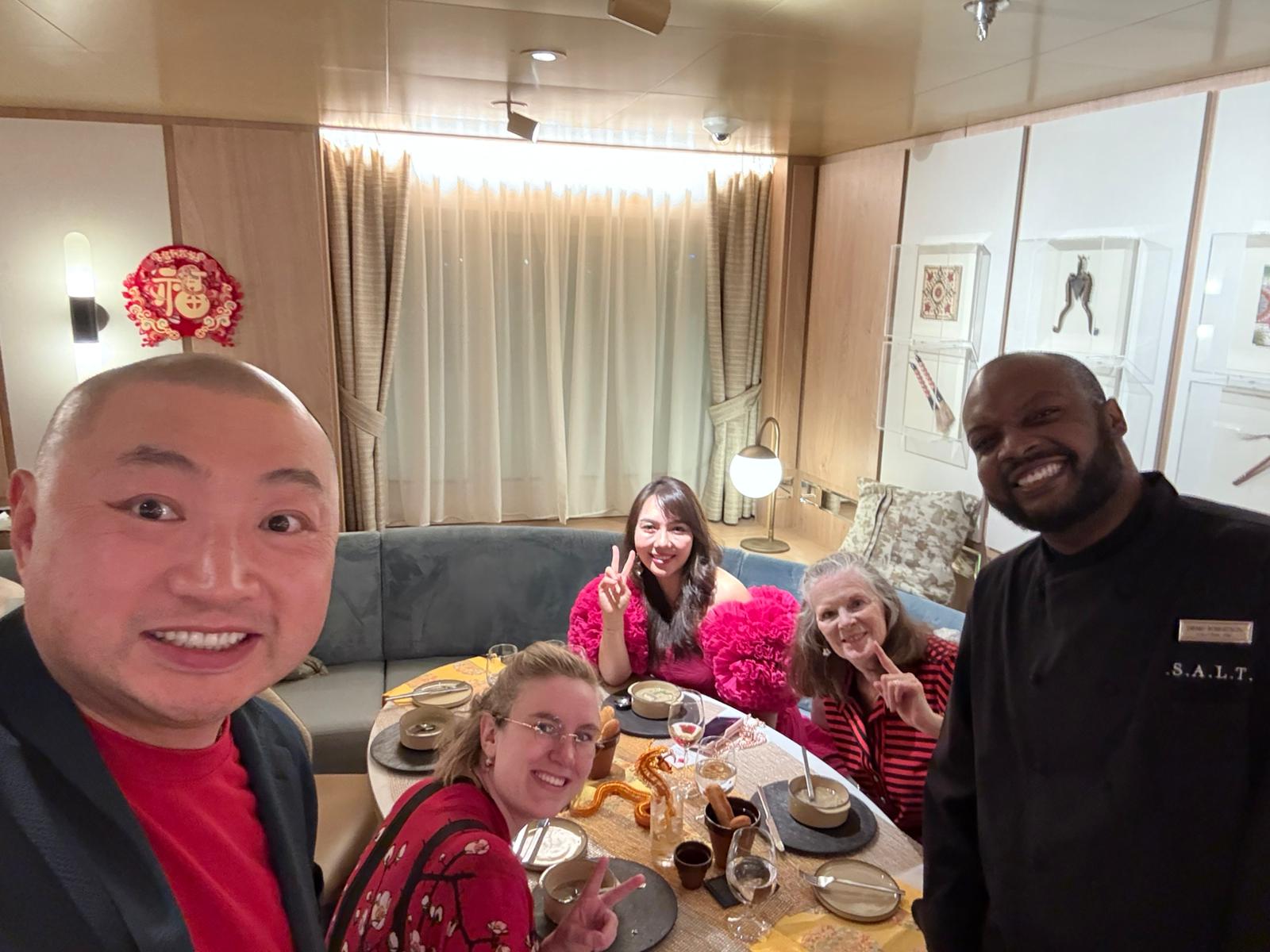
For our evening meal, we were able to join Weiwen and Ning for dinner and our Salt Kitchen Chef Drake dropped by to say hello!
When our dinner ended, Ning wanted to play a couple of traditional Chinese New Year’s songs. The one below is the shortest one! We had gone to the Dolce Vita or the main lounge and there were only about 10 of us in there as everyone else was in the Venetian Lounge, think small theater, for the local Vietnamese dancers. We were mesmerized! Ning tries to practice everyday and others have now enjoyed her beautiful way of making a piano sing! Ning has been a Steinway artist since 2021 because of the many contests she has won. She has also performed in many venues all over the world! We love to hear her play!
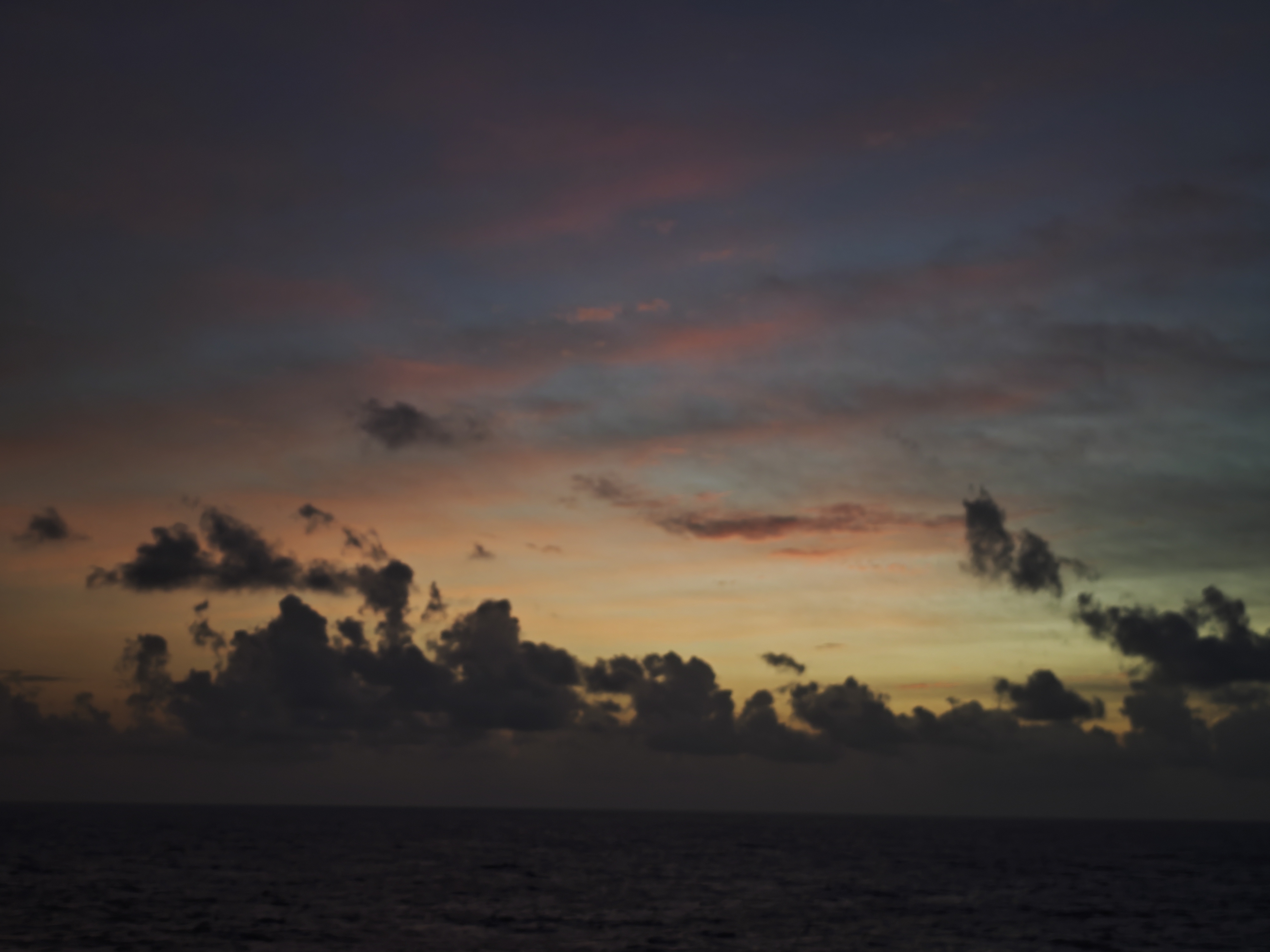
The sunset into a ball of orange off our ship that New Years Day, as the new moon of the Lunar New Year arose on the other side of the ship. JJ is content in Idaho!









































































 THE TRAVELING MARTINI'S